Fly Fishing for Trout in Vermont
There’s nothing quite like the crisp mountain air, the sound of a flowing river, and the hopeful tug on your line when you’re fly fishing for trout in Vermont. But let’s be honest, it can also be incredibly intimidating, right? From deciphering obscure regulations to choosing the right fly for a finicky brook trout hiding under a log, it feels like there’s a secret language to learn. This comprehensive guide is here to break down the complexities, validate your frustrations, and equip you with the knowledge to confidently cast your line and find success on Vermont’s beautiful trout waters.
Understanding Vermont's Trout Species and Their Habitats
Before you even think about tying on a fly, it's crucial to understand the distinct personalities of the trout species you'll encounter in Vermont. Each has its preferred hangouts, feeding habits, and quirks that will directly influence your approach. Ignoring these nuances is like trying to convince a city pigeon to eat artisanal birdseed – it just won't work!
Native Brook Trout: Gems of Mountain Streams
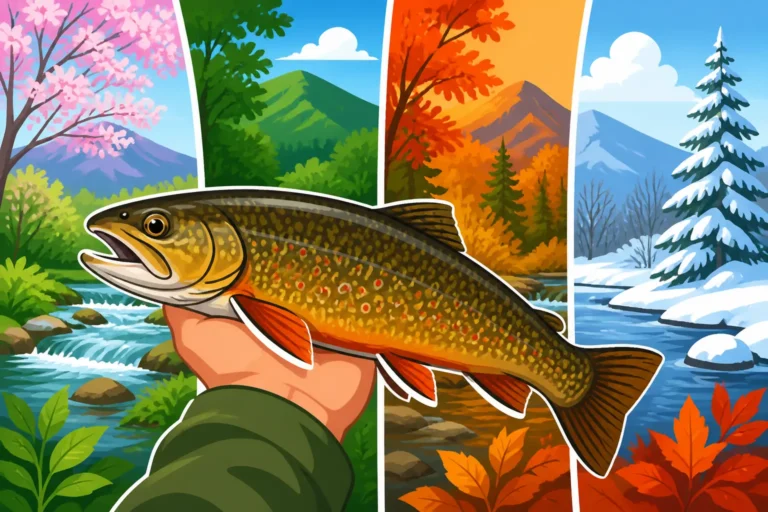
Ah, the brook trout, or "brookie" as many of us affectionately call them. These aren't just any fish; they're Vermont's official state fish, and for good reason. Their vibrant, jewel-toned markings are simply stunning, a true reward for those who venture into their secluded domains. You’ll typically find these beauty queens in the coldest, cleanest, highest-elevation streams and remote ponds of the Green Mountains, far from the madding crowd. They thrive in oxygen-rich water with plenty of overhead cover, like tangled roots, fallen trees, and undercut banks, which provide both shelter from predators and ambush points for unsuspecting insects.
Fishing for brook trout is often a lesson in subtlety and stealth. They are incredibly wary fish, and a heavy footfall on the bank can send them darting for cover. Their diet consists primarily of aquatic insects (nymphs, larva), terrestrial insects that fall into the water (ants, beetles, grasshoppers), and occasionally small minnows or crustaceans. This means your fly choice should lean towards smaller, more imitative patterns. Think small dry flies that mimic tiny caddis or mayflies, or delicate nymphs drifted naturally. A successful brookie outing often involves more hiking and bushwhacking than actual casting, but the reward of a wild, native trout is absolutely worth the effort. For a deeper dive into these special fish, check out our guide on Brook Trout: Vermont's Native Trout.
Brown Trout: Wily Residents of Larger Rivers
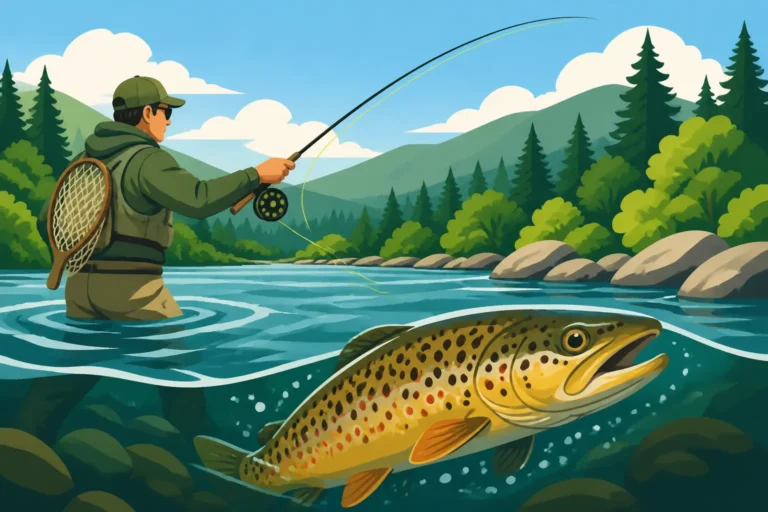
If brook trout are the shy artists of the mountains, brown trout are the cunning survivors of the larger, more formidable rivers. Originally introduced from Europe, brown trout have adapted incredibly well to Vermont's varied waterways, often growing to impressive sizes. You'll typically find them in medium to large rivers, streams, and even some lakes, preferring areas with significant structure. This includes deep pools, turbulent riffles, large boulders, and especially undercut banks and log jams where they can lurk in the shadows, waiting to ambush prey. They’re tougher, more resilient to warmer water temperatures than brook trout, and known for their notoriously difficult-to-catch nature once they reach trophy size.
Brown trout are opportunistic feeders, making them a fascinating challenge for fly anglers. While they will certainly rise to a well-presented dry fly during a hatch, they are equally, if not more, inclined to feed on larger meals. Think baitfish, crayfish, sculpins, and even small rodents or frogs that accidentally tumble into the water. This broad diet opens up a world of possibilities for fly selection, from substantial streamers stripped aggressively to weighted nymphs fished deep. Catching a large brown trout on the fly is a true test of skill and patience, often requiring precise casts, stealthy approaches, and the ability to detect the subtlest of strikes. Learning their habits is key, and our article on Brown Trout Habits in Vermont Streams can provide even more insight.
Rainbow Trout: The Acrobatic Leapers of Stocked Waters
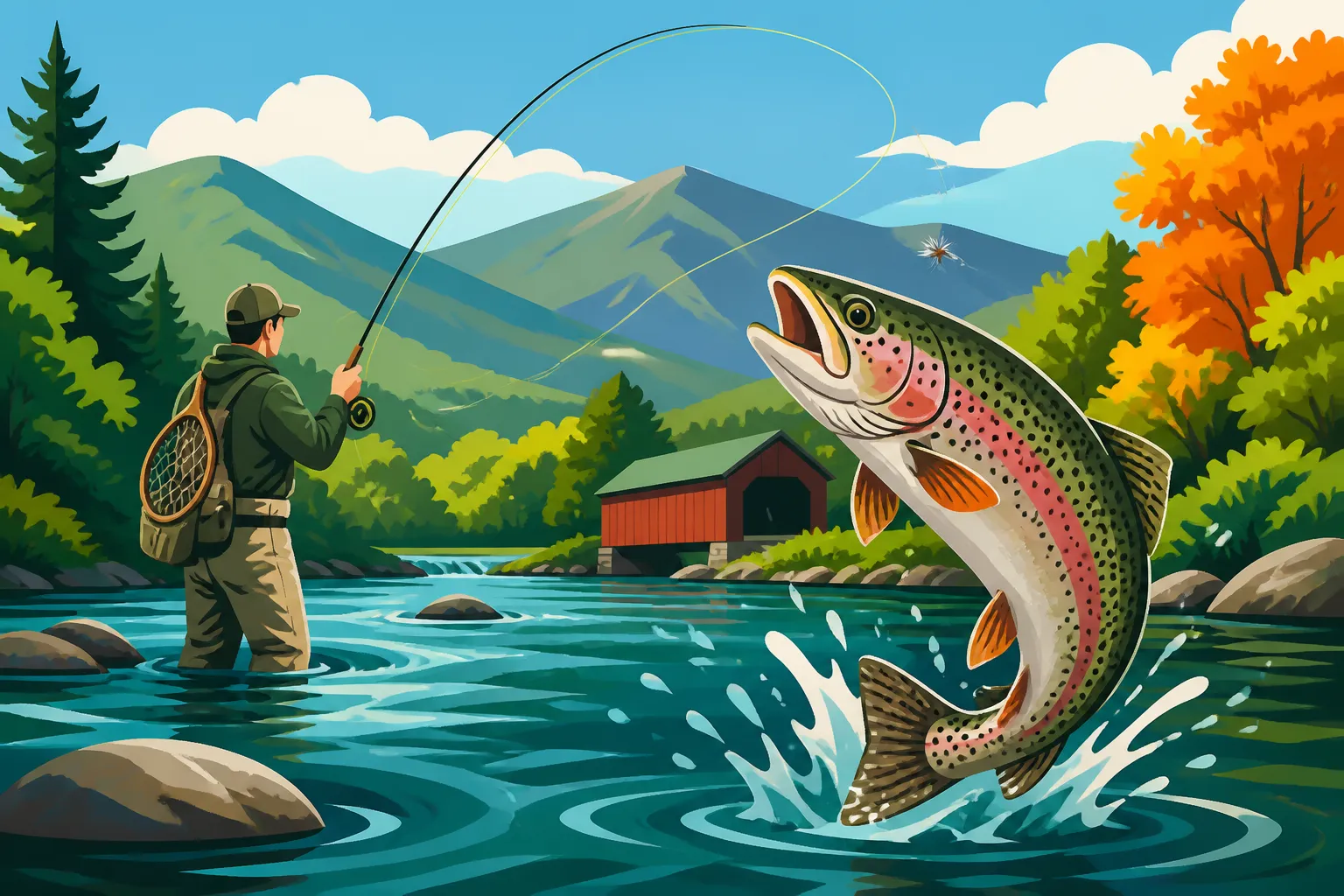
Rainbow trout are the enthusiastic, hard-fighting acrobats of Vermont's fishing scene. Instantly recognizable by the vibrant pink or red stripe running along their side, these fish are celebrated for their aerial displays once hooked, often leaping clear out of the water. While some wild populations exist, many of the rainbows you’ll encounter in Vermont are part of the state's extensive stocking program, making them a fantastic target for anglers looking for consistent action, especially during the spring and fall. They are incredibly adaptable and can thrive in a variety of environments, from larger rivers to smaller streams and even many ponds.
Unlike their shyer brook and brown trout cousins, stocked rainbow trout tend to be less wary initially and often feed aggressively. They readily take a wide range of flies, from brightly colored nymphs and egg patterns to classic dry flies during active hatches. Their eagerness makes them a great species for beginners to practice their casting and presentation skills. However, even stocked rainbows can become "educated" over time, especially in heavily fished areas, requiring more finesse. While their primary diet focuses on aquatic insects, they won't pass up a chance at small baitfish or worms. Understanding how stocking impacts their behavior is crucial for success, and you can learn more about this in our detailed guide on Rainbow Trout Stocking in Vermont.
Prime Fly Fishing Destinations in Vermont
Vermont offers a staggering array of fly fishing opportunities, from legendary rivers known for their challenging wild trout to serene mountain streams where you might just have the entire fishery to yourself. Knowing where to go is half the battle, and Vermont truly has something for every type of angler.
Iconic Rivers for Wild Trout
When most fly anglers dream of Vermont, they're often picturing themselves on one of its iconic wild trout rivers. These are the places that hold legends, test skills, and reward perseverance with truly magnificent fish. The Battenkill River, flowing through southwestern Vermont, is perhaps the most famous. It's a spring-fed, limestone river renowned for its exceptionally wary wild brown trout. Fishing the Battenkill is a rite of passage; the clear, often slow-moving water demands impeccable stealth, delicate presentations, and long, drag-free drifts. Many anglers find it incredibly frustrating, yet deeply rewarding, when they finally fool one of its elusive residents. It's not about numbers here, but about the quality of the fish and the challenge of the chase. You'll be using fine tippets and small, imitative flies, and sometimes even seeing the fish you're casting to – if you're lucky and observant! For specific tactics and access, our article on Battenkill River Trout Fishing is a must-read.
Further north, the White River offers a more diverse experience, with a mix of wild and stocked brown and rainbow trout. This is a larger, freestone river with varied habitat, from fast riffles to deep, slow pools. Its tributaries also hold wild brook trout, providing a full spectrum of Vermont trout fishing. The White River can be forgiving for those who prefer to nymph or swing streamers, especially during higher flows or off-hatch periods, but it also boasts excellent dry fly fishing during prolific insect hatches. Access can be found along its many miles, with plenty of public easements. Similarly, the Lamoille River in northern Vermont, particularly its upper sections, offers excellent trout habitat, though it can be a bit more rugged to access in spots. These rivers exemplify the classic New England trout fishing experience, full of character and challenge. For more on this productive waterway, check out our White River Fishing Guide.
Secluded Mountain Streams and Ponds
For many of us, the true soul of Vermont fly fishing lies not in the famous rivers, but in the hidden gems of its Green Mountain National Forest. This is where you escape the crowds, embrace solitude, and pursue those vibrant, wild brook trout in their pristine native waters. These streams are often small, sometimes barely more than a trickle, tucked away beneath dense canopy cover. Access usually involves hiking, sometimes bushwhacking, and a good map. The reward, however, is immense: untouched beauty and eager brookies that might never have seen a fly before.
Fishing these smaller waters demands a different approach. Forget your long casts; you'll be making short, accurate presentations with a light rod (2-4 weight) and often a technique called "dapping" or bow-and-arrow casts to get your fly under overhanging branches. Terrestrial patterns like ants, beetles, and small caddis flies are often deadly here, mimicking the insects that constantly fall from the forest into the stream. High-elevation ponds, often glacial in origin, also offer incredible brook trout fishing, reachable only by foot. These serene waters require stealthy approaches, as the fish can be surprisingly wary in the clear water. While not always easy to find, the experience of a wild Vermont mountain stream or pond is truly unparalleled. Our guide to the Best Trout Streams in Vermont has more secret spots worth exploring.
Stocked Rivers and Ponds for Consistent Action
Not every day on the water has to be an epic quest for a wild trophy. Sometimes, you just want to bend a rod, feel the pull of a fish, and enjoy a relaxing day with a good chance of success. This is where Vermont's extensive stocking program comes in, providing fantastic opportunities in numerous rivers and ponds across the state. The Vermont Fish and Wildlife Department does an excellent job stocking rainbow trout, and often brown trout, into accessible waters, particularly in the spring and fall. These spots are ideal for beginners, families, or anyone looking for a more consistent bite.
Rivers like the Otter Creek, various sections of the Winooski River, and many smaller tributaries often receive generous stockings. In addition, numerous state park ponds and municipal waters are regularly stocked, providing easy access from shore or small boats. After stocking, these fish are typically eager feeders and will readily take a variety of flies, from brightly colored nymphs and wet flies to simpler dry fly patterns. The key here is often to fish near public access points or deeper holes where fish tend to congregate after stocking. It’s always a good idea to check the Vermont Fish and Wildlife Department’s stocking schedule before you go. You can find out exactly where and when fish have been stocked using the Vermont Fish Stocking Search Tool, Explained, and get a general overview of these opportunities in our List of Vermont stocked trout waters. These locations are perfect for refining your casting, practicing your drifts, and simply enjoying the act of catching fish without the intense pressure of wild trout pursuits.
Essential Gear for Vermont Fly Fishing
Having the right gear isn't just about showing off; it's about being prepared for Vermont's diverse conditions and maximizing your chances of success and comfort on the water. A good setup can make a frustrating day tolerable and a good day truly memorable.
Rod, Reel, and Line Selection
Choosing the right fly rod is fundamental to your Vermont fly fishing experience. For most small to medium-sized trout streams where brook and smaller brown trout reside, a 7'6" to 8'6" rod in a 3 or 4-weight is ideal. This lighter setup allows for delicate presentations, protects lighter tippets, and makes even a modest 8-inch brook trout feel like a monster. For larger rivers like the White or sections of the Battenkill, where you might encounter bigger brown or rainbow trout, a 9' 5 or 6-weight rod offers more backbone for casting larger flies, fighting stronger fish, and cutting through the occasional Vermont breeze. If you're looking for a versatile rod that can handle most situations, a 9' 5-weight is a fantastic all-around choice. You can find a wide selection of these versatile rods on Amazon, often with helpful customer reviews to guide your choice. For more specific recommendations, our guide on Best Fly Rods for Vermont Trout Streams offers a thorough breakdown.
Your fly reel, for trout fishing, primarily serves as a place to store your line, but a good one will also have a smooth, reliable drag system. While you might not "fight" many trout on the reel, having a consistent drag is essential for those unexpected larger fish. Look for a lightweight reel that balances well with your chosen rod. As for fly line, a weight-forward (WF) floating line is the standard workhorse for most trout situations. It's designed to cast easily and delicately present dry flies and nymphs. For deeper nymphing or swinging streamers, you might consider a sinking tip or a full sinking line, but a floating line with added split shot will suffice for most anglers. The color of your line is largely personal preference, though some anglers prefer muted colors to be less visible to spooky fish.
Waders, Boots, and Safety Essentials
When you're fly fishing in Vermont, you're going to get wet – that's part of the fun! But staying comfortably dry and warm is critical, especially during the colder months of spring and fall. Breathable chest waders are an absolute must. They allow you to wade into the river, access prime fishing spots, and maintain a low profile. Look for waders made from durable, multi-layer fabrics that offer good insulation and breathability. Brands like Simms, Orvis, and Redington offer excellent options that you can often browse and compare on Amazon. A proper fit is essential for comfort and mobility, so pay attention to sizing guides.
Paired with your waders, you'll need sturdy wading boots. The riverbeds in Vermont can be incredibly slick, covered in algae-coated rocks. The choice between felt soles and rubber soles often comes down to personal preference and local regulations (some states ban felt due to invasive species concerns, but Vermont currently does not). Felt offers superior grip on slippery rocks, while rubber is more versatile for hiking to spots. Many modern rubber soles incorporate studs for added traction. Crucially, always wear a wading belt with your waders; in the event of a fall, it can prevent your waders from filling completely with water, significantly improving safety. A wading staff is another non-negotiable safety item, especially when navigating unfamiliar or swift currents. It provides an extra point of contact and can prevent a nasty fall. For more in-depth advice on keeping your footing, our Best Waders for Vermont Trout Streams guide can help.
Beyond your immediate fishing apparel, never forget general safety. Pack a small first-aid kit, carry plenty of water and snacks, and inform someone of your planned fishing location and estimated return time, especially if you're venturing into more remote areas. Checking river flows and weather forecasts before heading out is also a smart habit to cultivate.
Tackle, Tools, and Accessories
A successful fly fishing outing is often about preparedness, and that means having the right small tools and accessories readily at hand. Your fly box is your mobile arsenal, holding the specific patterns you’ll need for the day. Having a few different boxes – one for dries, one for nymphs, one for streamers – can help keep things organized. Speaking of organization, a good vest, chest pack, or sling pack with multiple pockets is invaluable for carrying your gear. You can find a wide variety of these organizational solutions on Amazon, catering to every angler's preference.
Beyond flies, a few essential tools will make your life much easier:
- Nippers: Small clippers for trimming tippet and leader.
- Hemostats or Forceps: Crucial for safely removing hooks from fish, especially small ones.
- Strike Indicators: Essential for nymphing, helping you detect subtle takes.
- Split Shot: Small lead weights (or lead-free alternatives) for getting your nymphs down to the fish.
- Leader and Tippet: Have a range of leader lengths and tippet sizes (e.g., 4X, 5X, 6X) to match water conditions and fly size.
- Polarized Sunglasses: Absolutely vital for spotting fish, reading water, and protecting your eyes from errant hooks.
- Landing Net: A good, soft-mesh landing net helps to safely subdue and release fish, minimizing stress. For catch and release, a rubberized net is best as it's gentler on the fish's slime coat. Take a look at our recommendations for the Best Landing Net for Trout.
- Sunscreen and Insect Repellent: Don’t underestimate the Vermont sun or the tenacious black flies and mosquitoes.
Having these small but mighty accessories can truly elevate your fly fishing game and ensure you're ready for whatever the river throws at you. For a comprehensive overview of how to organize your fly collection, consult our Best Fly Boxes for Trout Streams article.
Key Fly Patterns for Vermont Trout
The world of fly patterns can seem overwhelming, with thousands of variations. But for Vermont trout, you can find success with a relatively small, versatile collection of reliable patterns that cover the majority of feeding situations. It's less about having every fly, and more about understanding what each fly imitates and how to present it.
Dry Flies: Matching the Hatch
There’s an undeniable magic to catching a trout on a dry fly. It’s visual, exciting, and for many, the pinnacle of fly fishing. Dry flies imitate adult insects that are either emerging from the water or have fallen onto the surface. The key concept here is "matching the hatch" – identifying what insects are actively hatching or falling onto the water and selecting a fly that closely resembles them in size, shape, and color.
Common dry flies for Vermont trout include:
- Adams: A fantastic all-around generalist, imitating a wide range of mayflies. A size 12-16 is a great starting point.
- Elk Hair Caddis: Essential for caddis hatches, which are frequent in Vermont. Sizes 12-16 are versatile.
- Blue-Winged Olive (BWO): A small, dark mayfly that hatches in cooler weather, often in spring and fall. Sizes 16-20.
- Stimulator: A larger, bushy fly that can imitate stoneflies, caddis, or even grasshoppers, great for attracting attention. Sizes 10-14.
- Parachute Adams: A variation of the Adams with a white parachute post, making it highly visible to the angler and presenting a natural profile to the fish.
Presenting a dry fly requires a delicate touch and a "drag-free drift." This means your fly floats naturally on the water, at the same speed as the current, without any tugging from your fly line. Any unnatural drag will instantly spook discerning trout. The goal is to make your fly look like a real, helpless insect. For deeper insights into the subtle art of surface presentations, our guide on Dry Fly Fishing Vermont Mountain Streams will be invaluable.
Nymphs: Subsurface Success
While dry fly fishing captures the imagination, the vast majority of a trout's diet consists of subsurface insects – nymphs, larvae, and pupae. This means that if you're not nymphing, you're likely missing out on most of the action. Nymphs are patterns designed to imitate these aquatic larval forms as they drift along the bottom or emerge towards the surface.
Essential nymph patterns for Vermont include:
- Pheasant Tail Nymph: A classic, highly effective generalist that imitates many different mayfly nymphs. Sizes 14-20 are indispensable.
- Hare's Ear Nymph: Another versatile pattern, good for a variety of aquatic insects, especially those with buggy, impressionistic bodies. Sizes 12-18.
- Prince Nymph: A flashier nymph that can attract attention even when fish aren't actively feeding on specific insects. Sizes 10-16.
- Squirmy Wormy: Controversial for its effectiveness, this bright, squishy pattern imitates worms and can be incredibly deadly, especially for stocked trout or after rain. Sizes 10-14.
- Woolly Bugger: While primarily a streamer, smaller Woolly Buggers fished dead-drift can imitate large nymphs or crayfish very effectively.
Nymphing techniques vary widely, from traditional "indicator nymphing" (using a bobber-like indicator to detect strikes and control depth) to "Euro nymphing" (a specialized method that uses tight line contact for superior drift control and strike detection). The key is to get your nymph down to the fish's feeding lane, often near the bottom, and maintain a natural drift. Using split shot and understanding how to mend your line are critical skills here. Dive deeper into advanced nymphing strategies with our Euro Nymphing Vermont Trout Streams guide.
| Fly Type | Common Patterns | Primary Imitation | When to Use | Key Characteristics |
|---|---|---|---|---|
| Dry Flies | Adams, Elk Hair Caddis, Blue-Winged Olive, Stimulator, Parachute Adams | Mayflies, Caddis, Stoneflies, Terrestrials | Active hatches, calm water, trout rising to surface | Floats on surface, light, delicate, visible |
| Nymphs | Pheasant Tail, Hare's Ear, Prince Nymph, Squirmy Wormy, Perdigon | Mayfly, Caddis, Stonefly larvae, Worms | Majority of feeding activity, deep water, post-hatch | Sinks, weighted, various sizes and colors |
| Streamers | Woolly Bugger, Clouser Minnow, Sculpzilla, Mickey Finn | Baitfish, Crayfish, Leeches, Sculpins | Low light, high water, targeting larger predatory trout | Large, weighted, flashy, retrieve with action |
Streamers: Hunting for Bigger Bites
If you’re after bigger trout, especially those elusive brown trout, then streamer fishing needs to be in your arsenal. Streamers are flies designed to imitate larger prey items like baitfish, sculpins, leeches, or crayfish. They are typically fished actively, stripped through the water to create an enticing, darting motion that triggers a predatory strike. The takes can be aggressive and heart-stopping!
Popular streamer patterns for Vermont waters include:
- Woolly Bugger: Arguably the most versatile fly ever invented. Available in countless colors (black, olive, brown, white are staples) and sizes. It imitates everything from baitfish to leeches and can be fished in almost any situation.
- Clouser Minnow: Though famous for saltwater, smaller versions are incredibly effective for trout, mimicking various baitfish species.
- Sculpzilla: Designed to imitate sculpins, a common bottom-dwelling baitfish that large trout love.
- Mickey Finn: A classic bucktail streamer that's been catching trout for generations, particularly effective for aggressive browns.
Streamers are particularly effective during low light conditions (dawn, dusk, overcast days), during higher, off-color water (when baitfish are disoriented), or when targeting aggressive, territorial trout. You can fish them with a floating line and a sinking leader, or a full sinking line for deeper presentations. Experiment with different retrieve speeds and pauses to find what triggers a strike. A sudden "thump" on your line followed by a powerful run is often the sign of a trout pouncing on your streamer. To refine your streamer game, check out our guide on Best Streamer Patterns for Vermont Brown Trout.
Mastering Vermont Fly Fishing Techniques
Having the right gear and flies is only part of the equation; knowing how to use them effectively is where skill truly comes into play. Fly fishing for trout in Vermont demands a nuanced approach, combining observation, precise casting, and a deep understanding of trout behavior.
Reading the Water: Where Trout Live
One of the most crucial skills in fly fishing is "reading the water" – understanding where trout are likely to hold, feed, and find shelter. Trout are highly tuned to their environment, constantly seeking areas that offer a balance of food, oxygen, and protection from predators and strong currents.
Look for these key features:
- Riffles and Runs: These faster, shallower sections are oxygen-rich and often churn up insect life. Trout will hold just behind larger rocks or in small depressions, waiting for food to drift by.
- Pools: Deeper, slower sections of the river. Trout will often hold in the deepest parts, particularly during bright sunlight or when water temperatures are high. The head of a pool (where faster water enters) and the tail of a pool (where water speeds up again before exiting) are often productive.
- Seams: These are the lines where fast water meets slow water. Trout love to sit in the slower current, expending minimal energy, while waiting for food to be carried past in the faster current. Look for distinct lines on the water's surface.
- Undercut Banks and Log Jams: These provide crucial overhead cover and deep water, making them prime lies for larger, warier trout. They offer protection from both aerial and aquatic predators.
- Shadows: Trout will often hold in shaded areas, especially on bright, sunny days, both for comfort and to avoid being easily spotted by predators.
Before you even make your first cast, take time to observe. Watch the water, look for rises, and try to identify potential holding lies. Approach quietly, staying low, as your presence on the bank can easily spook fish. Understanding these principles will help you pinpoint where trout are most likely to be, saving you countless fruitless casts.
Casting and Presentation Fundamentals
Effective fly casting is the foundation of successful fly fishing. While it might seem daunting at first, mastering a few basic casts will open up a world of opportunities on Vermont's trout streams.
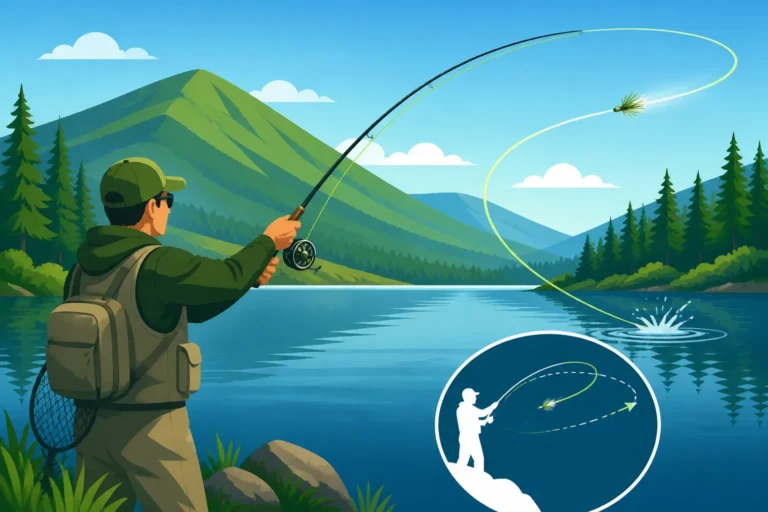
- The Overhead Cast: This is your bread and butter. It involves smoothly loading the rod on the backcast and then propelling the line forward, laying it out gently on the water. The key is to think of it as a smooth, continuous motion, not a jerky whip. Practice keeping your elbow tucked, stopping your rod sharply at 10 o'clock on the backcast and 1 o'clock on the forward cast. This creates the "loop" that is characteristic of fly casting.
- The Roll Cast: Absolutely essential for tight quarters, especially on brushy Vermont mountain streams where a backcast is impossible. The roll cast allows you to cast your fly forward using only the water as an anchor, without needing any room behind you. It's a lifesaver when fishing under trees or along steep banks.
Beyond simply getting the fly out, presentation is paramount, especially for dry flies. A "drag-free drift" means your fly is floating at the exact speed of the current, mimicking a natural insect. Any unnatural "drag" (where the line pulls the fly unnaturally) will send wary trout scattering. You achieve drag-free drifts by mending your line – flipping a loop of line upstream or downstream to counteract the varying speeds of the current. For nymphing, presentation involves controlling your depth with split shot or weighted flies and ensuring your nymph drifts naturally along the bottom. For streamers, presentation means stripping your line in varying rhythms to mimic a wounded or fleeing baitfish, triggering a predatory response. Remember, a quiet approach and accurate cast are always better than a long, sloppy one.
Approaching Fish and Fighting Techniques
Catching a trout begins long before your fly hits the water. Your approach is critical, especially on clear, well-fished Vermont waters. Stealth is your best friend. Move slowly and deliberately along the bank, staying low to the ground and keeping a wide berth from the water's edge. Trout have excellent vision and can easily spot a human silhouette against the sky. Whenever possible, cast from a position downstream and cast upstream, so your fly drifts down to the fish before your line or body comes into view. Minimize splashing and noise.
Once a fish takes your fly, the fight is on!
- Set the Hook: For dry flies, wait until you see the fish eat the fly, then a gentle upward lift of the rod tip is usually enough. For nymphs or streamers, feel for any hesitation or subtle tug, and set the hook with a sharp, sideways sweep of the rod.
- Keep the Rod Tip Up: This creates a bend in the rod, which acts as a shock absorber, protecting your tippet from sudden surges.
- Use Your Reel's Drag: For larger fish, let the reel's drag do the work. Don't try to muscle the fish in; let it run when it wants to, and gain line when it pauses.
- Control the Line: For smaller fish, you might "hand-line" them by stripping line in. For larger fish, get the line onto the reel as quickly as possible.
- Land Quickly and Gently: Once the fish is tired, bring it to your net smoothly. Avoid dragging it onto rocks or dry banks. For catch and release, keep the fish in the water as much as possible. A good, rubberized landing net (like those often found on Amazon) is invaluable for this purpose. Our guide on Best Landing Net Mesh for Catch and Release details why this is so important.
Practicing responsible catch-and-release is vital for sustaining Vermont's trout populations. Minimize handling, keep the fish wet, and release it gently, allowing it to swim off on its own power.
Seasonal Strategies for Vermont Trout
Vermont's distinct four seasons offer vastly different fly fishing experiences. Understanding these seasonal shifts and adapting your strategies accordingly is crucial for consistent success. What works in April might be completely ineffective in August.
Spring: Hatch Heaven and High Water
Spring is arguably the most anticipated season for Vermont fly anglers. The official trout season typically kicks off in April, often with lingering snow and cold temperatures. Early spring means frigid water temperatures and often high, turbid flows from snowmelt and spring rains. This can be challenging, but also incredibly rewarding. As water temperatures slowly rise, insect activity explodes, leading to some of the most prolific hatches of the year.
The "major" hatches start with early black stoneflies (which typically hatch even before opening day) and then transition into key mayfly species like Hendricksons, Blue-Winged Olives (BWOs), and various caddisflies. When these hatches are in full swing, dry fly fishing can be spectacular, with trout rising eagerly to the surface. However, don't neglect subsurface fishing. High water often means trout are holding deeper and closer to the banks, feeding heavily on nymphs and larvae dislodged by the currents. Larger, weighted nymphs and streamers can be deadly in these conditions. The excitement of opening day is palpable, and for those who brave the chilly weather, spring offers some of the best fishing of the year. For more on strategies for those initial days, consult our Spring Trout Fishing Techniques for Vermont Streams guide.
Summer: Low Water and Terrestrial Tactics
As spring transitions into summer, Vermont's rivers and streams undergo a significant transformation. Water temperatures rise, flows drop, and the lush canopy overhead provides welcome shade. While summer can offer delightful dry fly opportunities, it also presents unique challenges. Warmer water temperatures can stress trout, especially brook trout, and lower flows make them warier.
During the dog days of summer, finding cooler water becomes paramount. Look for spring-fed tributaries, high-elevation mountain streams, or the deeper, shaded pools of larger rivers. Early mornings and late evenings are often the most productive times, as trout become more active when temperatures are cooler and light is subdued. Terrestrial insects, such as grasshoppers, ants, and beetles, become incredibly important. These land-dwelling bugs often fall into the water, providing substantial meals for trout. Fishing large foam hoppers or ant patterns along grassy banks can be incredibly effective and exciting. As water levels drop, long leaders and fine tippets are essential to avoid spooking fish in the clear water. It's also critical to be mindful of water temperatures; if stream temperatures climb into the mid-60s Fahrenheit, it's often best to put the rod away and give the fish a break, as fighting a fish in warm water can be fatal. Our article on When Vermont trout streams get too warm to fish provides important safety guidelines.
Fall: Trophy Browns and Spawning Reds
Fall fly fishing in Vermont is a magnificent experience, often considered by many to be the best time of year to target trophy trout. As the leaves begin to turn vibrant hues and cooler temperatures return, the rivers come alive. Water temperatures drop back into the trout's preferred range, insect hatches can reignite (especially BWOs and various caddis species), and, most excitingly, brown trout begin their spawning migrations.
During the fall, larger brown trout become incredibly aggressive and territorial as they prepare to spawn. This is prime time for throwing larger streamers, often in baitfish or sculpin patterns, to elicit a ferocious strike. You'll want to target deeper pools, log jams, and areas where browns are known to congregate. While the focus might shift to bigger fish, don't overlook dry fly opportunities on sunny afternoons when late-season hatches occur. It's crucial, however, to be incredibly mindful of spawning fish. Brown trout will dig "redds" – depressions in the gravel where they lay their eggs. Avoid wading on or casting to these areas, as disturbing spawning fish or their eggs can severely impact future generations. Ethical angling in the fall means enjoying the spectacular fishing while respecting the reproductive cycle of these magnificent creatures.
Regulations, Conservation, and Ethical Angling
Fly fishing in Vermont isn't just about catching fish; it's about being a responsible steward of the natural resources that make these experiences possible. Understanding regulations, practicing conservation, and upholding ethical angling principles are paramount to ensuring healthy fisheries for generations to come.
Understanding Vermont's Fishing Regulations
Navigating fishing regulations can feel like trying to solve a puzzle written in ancient hieroglyphs, but it’s absolutely essential. The Vermont Fish and Wildlife Department publishes an annual Vermont Fishing Guide and Regulations booklet, and you must read it thoroughly before you head out. These regulations govern everything from general season dates to specific rules for individual waters.
Key aspects to pay attention to include:
- Fishing License: Anyone 15 years or older needs a valid Vermont fishing license. These can be purchased online, at authorized vendors like town clerks, or at sporting goods stores. Make sure you understand the rules for Vermont Fishing License Guide for 2026.
- Trout Season Dates: While the general statewide trout season typically runs from April to October, there are exceptions. Some "trophy trout" waters might have extended catch-and-release seasons, while others might close earlier.
- Bag and Possession Limits: These specify how many fish of a certain species and size you can keep in a single day or possess at any given time. These limits often vary by species and even by specific water body.
- Special Regulation Waters: Vermont has many "special regulation" waters. These can include sections of rivers designated for fly fishing only, catch and release only, or specific tackle restrictions. Always check the regulations for the specific stream or pond you plan to fish. Ignoring these rules can lead to fines and loss of fishing privileges.
It might seem tedious, but taking the time to read the Vermont Fishing Regulations Explained will save you headaches and help you fish legally and responsibly. Pay close attention to the details on Vermont Trout Season and Stocking Rules as well.
Catch and Release Best Practices
For many fly anglers, the joy is in the catch, not necessarily in keeping the fish. Practicing responsible catch and release is one of the most powerful ways you can contribute to healthy, sustainable trout populations, especially for wild and native fish.
Here are some best practices:
- Barbless Hooks: Crimp down the barbs on your hooks. Barbless hooks are much easier and quicker to remove, causing less trauma to the fish. Many special regulation waters in Vermont actually require barbless hooks.
- Wet Hands: Always wet your hands before touching a fish. Dry hands can remove the fish's protective slime coat, making it vulnerable to disease and infection.
- Minimize Handling: Try to keep the fish in the water as much as possible, especially during warmer months. If you must handle it for a quick photo, do so gently, supporting its body, and get it back into the water immediately.
- Quick Unhooking: Use hemostats or forceps to quickly and cleanly remove the hook. If a fish is deeply hooked, it's often best to simply cut the line as close to the hook as possible rather than tearing delicate gill tissue.
- Proper Netting: A rubberized, knotless landing net is ideal. It protects the fish's fins and slime coat and makes it easier to manage the fish for unhooking. As discussed in Best Landing Net Mesh for Catch and Release, the material of your net truly matters.
- Revive Carefully: If a fish is sluggish after the fight, hold it gently upright in the current (facing upstream) until it regains its strength and can swim away on its own. Never vigorously push or shake the fish.
Protecting Vermont's Aquatic Ecosystems
Our privilege of enjoying Vermont's pristine waters comes with a responsibility to protect them. Every angler plays a role in conservation.
- Leave No Trace: Pack out everything you pack in, and perhaps even a little more. Don't leave discarded fishing line, fly packaging, or any other trash behind.
- Prevent Invasive Species: Invasive species can devastate native aquatic ecosystems. Always "Clean, Drain, Dry" your waders, boots, boats, and gear after each fishing trip, especially if moving between different watersheds. This prevents the spread of things like New Zealand mud snails, rusty crayfish, or zebra mussels. For more on this critical issue, read Invasive Fish Species in Vermont Waters.
- Support Conservation: Consider joining and supporting local angling and conservation groups (like Trout Unlimited chapters) that work to protect and restore Vermont's coldwater fisheries. Your voice and contributions can make a real difference in advocating for healthy rivers and fish populations.
By embracing these principles, you're not just a fly angler; you're a steward, ensuring that the magic of fly fishing for trout in Vermont endures for future generations.
Disclaimer
Fishing can be an inherently dangerous activity. Always exercise caution, be aware of your surroundings, and follow all local, state, and federal regulations. The information provided in this guide is for informational purposes only and should not replace official safety guidelines or legal advice. Always prioritize personal safety and environmental stewardship.