How to Catch Walleye on Lake Champlain
Fishing for walleye on Lake Champlain can be incredibly rewarding, but let's be honest, it can also be a puzzle. This massive, diverse lake presents unique challenges, from its sheer size to its ever-changing conditions, making it tough for even seasoned anglers to consistently put walleye in the boat. This comprehensive guide is here to unravel those mysteries, equipping you with the knowledge, techniques, and confidence you need to successfully target and catch walleye in Vermont's majestic Lake Champlain.
Understanding Lake Champlain Walleye Behavior and Habitat
To consistently catch walleye on Lake Champlain, you really need to get inside their heads, or at least understand their basic needs. Walleye are often described as "low-light feeders" for a good reason; their large, sensitive eyes are designed for seeing in dim conditions, giving them a distinct advantage over their prey during dawn, dusk, cloudy days, or in deeper, murkier water. This sensitivity means they often avoid bright sunlight, retreating to deeper water, shaded areas, or dense cover when the sun is high. Understanding this fundamental aspect of their biology is critical to predicting their movements and feeding times.
Their habitat preferences are also quite specific, though adaptable. Walleye generally prefer cooler water, thriving in temperatures ranging from the low 60s to low 70s Fahrenheit, but they will tolerate warmer conditions if adequate cover or depth is available. They're highly associated with structure—anything that offers a break in the bottom contour or provides ambush points. This could be rocky reefs, gravel humps, submerged islands, drop-offs, weed lines (especially coontail and cabbage weeds), old timber, or even man-made structures like bridge pilings. The presence of baitfish, their primary food source, is always the biggest draw, so finding the bait is often key to finding the walleye.
Lake Champlain is a complex system, offering a variety of these habitats. From the shallower, often murkier southern portions near the Poultney River to the vast, deeper expanses of the central and northern lake, walleye will adapt their behavior to the available conditions. They are also schooling fish, particularly the younger ones, which means if you find one, you're likely to find more. However, older, larger walleye can sometimes be more solitary or form smaller, looser groups. Recognizing these patterns and adapting your approach will significantly increase your chances of success.
Walleye Spawning and Growth Patterns
The annual spawning ritual is a pivotal time for walleye, marking a period of concentrated activity that can offer fantastic fishing opportunities, provided you understand the regulations and seasonal closures. Walleye typically begin their spawning run in early spring, often from late April through May, when water temperatures climb into the 40s to low 50s Fahrenheit. They seek out shallow, rocky areas, gravel beds, or even the rocky rip-rap along shorelines and river mouths, where females deposit their sticky eggs and males fertilize them. These areas need clean, flowing water to aerate the eggs and sweep away silt. Tributaries flowing into Lake Champlain, like the Missisquoi River or the Lamoille River, can see significant spawning runs, as do certain shallow reef systems within the main lake. It's crucial to consult the Vermont Fishing Regulations Explained for specific dates and any closures around spawning areas to ensure you're fishing legally and responsibly.
After spawning, walleye are often lethargic and recover for a short period before resuming their aggressive feeding. This post-spawn period can be a bit challenging, but as they regain energy, they'll spread out and begin to hunt actively. The growth rate of walleye on Lake Champlain is generally excellent, owing to the rich forage base of smelt, alewives, and yellow perch. Most walleye caught by anglers range from 15 to 25 inches, with fish exceeding 30 inches and weighing over 10 pounds being truly trophy-sized. You can learn more about how big these fish can get in our detailed piece on "How big walleye get on Lake Champlain".
The abundant food sources in Lake Champlain mean that walleye here can reach impressive sizes, making it a premier destination for anglers seeking these prized fish. While the average size is substantial, the pursuit of a true trophy walleye is what keeps many anglers coming back year after year. Understanding their life cycle, from their springtime spawning migrations to their summer feeding patterns and fall bulking-up, allows you to anticipate their movements and adapt your tactics throughout the season.
What Walleye Eat on Lake Champlain
Walleye are opportunistic predators, but on Lake Champlain, their diet is primarily dictated by the abundance of specific baitfish. The main course for these Lake Champlain residents is often rainbow smelt, alewives, and yellow perch. These forage species form the backbone of the walleye diet and understanding their movements is critical to finding hungry walleye. For instance, in spring, as smelt move into shallower areas to spawn, walleye will follow, creating excellent early-season opportunities. Later in summer, as these baitfish disperse or move to deeper, cooler water, walleye will follow suit, making electronic scouting even more vital.
Beyond these primary targets, walleye will also feed on various other species, including shiners, suckers, and even insect larvae or crayfish, especially smaller walleye or when preferred baitfish are scarce. They are also known to be cannibalistic, especially larger walleye, preying on smaller walleye if the opportunity arises. This diverse diet means that a range of lure types can be effective, mimicking different forage. A natural-colored crankbait might imitate an alewife, while a jig tipped with a plastic grub could resemble a struggling yellow perch. Knowing "What walleye eat on Lake Champlain" will give you a significant advantage in selecting the right baits and presentations.
The concept of "matching the hatch" applies strongly to walleye fishing. If you can determine what the walleye are currently feeding on, you can select lures that best imitate that forage in size, shape, and color. For example, if your fish finder is showing schools of smelt, long, slender stickbaits or spoons might be more effective. If you're seeing schools of perch, then a fatter, perch-pattern crankbait or jig might be the ticket. Sometimes, simply having a variety of lure types and colors on hand and experimenting until you find what they prefer on a given day is the best strategy.
Prime Walleye Locations on Lake Champlain
Lake Champlain is an expansive body of water, stretching over 120 miles long, offering a vast array of habitats for walleye. Identifying prime locations involves understanding the lake's diverse geography and how walleye utilize different areas throughout the year. Generally, you'll find walleye wherever there's good forage and accessible structure that provides cover and ambush points. While they are found throughout the lake, certain areas are historically more productive or hold larger concentrations of fish at different times.
The southern end of Lake Champlain, from the narrow "narrows" section up to around the Burlington area, tends to be shallower and often has more fertile, nutrient-rich waters. This area boasts extensive weed lines, submerged humps, and numerous points that can hold walleye, especially during the warmer months. Further north, the lake opens up into wider, deeper basins with more pronounced rock reefs, offshore humps, and significant depth changes. These deeper structures become crucial as the season progresses and walleye seek cooler water.
Regardless of where you are on the lake, look for transition zones. These are areas where one type of bottom structure transitions to another, like a rocky reef meeting a soft, muddy bottom, or where a deep channel runs alongside a shallower flat. These transition points are prime feeding grounds. Also, pay close attention to the mouths of tributaries and rivers that flow into Lake Champlain. These areas can be magnets for walleye, particularly during the pre-spawn and post-spawn periods, as baitfish are often concentrated there, and the river current can dislodge food.
North vs. South Lake Differences and Key Structures
The unique geography of Lake Champlain means that fishing for walleye in the northern part of the lake often requires different tactics and focuses on different structures than in the southern reaches. The southern lake, particularly south of the Crown Point bridge, is generally narrower, shallower, and more riverine in character. Here, you'll often find walleye associated with extensive weed beds, especially dense coontail and milfoil, as well as submerged timber and rocky points that jut out into the current. The numerous bays and coves in this section provide excellent ambush points, and the often stained water here means walleye might be active throughout the day, not just at low light. Focus on areas with current breaks and access to deeper channels.
As you move north of Burlington and into the broad lake, the landscape shifts dramatically. The lake becomes much deeper and wider, characterized by vast open water, significant offshore reefs, deep humps, and sharp drop-offs. Here, walleye are more likely to suspend over deep water, especially if forage like smelt are also suspended, or to relate to the deep sides of rocky structures. The water in the northern lake is often clearer, making walleye more sensitive to light and pushing them to greater depths during bright conditions. This is where big motor trolling with sophisticated electronics truly shines. Key structures to target include the vast rock reefs near Isle La Motte, Grand Isle, and the deeper areas around Malletts Bay and Shelburne Bay. Internal links like "Best walleye spots on Lake Champlain" can offer more specific coordinates and detailed descriptions for both northern and southern sections.
Finding Walleye on Offshore Humps and Reefs
Offshore humps and reefs are absolute goldmines for Lake Champlain walleye, particularly during the summer and fall when fish disperse from the shallows. These structures, often rising dramatically from the lake bottom, provide everything a walleye needs: ambush points, varying depths, and often, concentrations of baitfish drawn to the structure. Finding them, however, is where your electronics become your best friend. A good fish finder with detailed mapping and SideScan/DownScan capabilities is indispensable for locating these subtle (or not-so-subtle) underwater features. Many of these humps and reefs are located well away from shore, sometimes in the middle of vast stretches of water, so careful navigation and understanding your electronics are paramount.
When you locate a promising hump or reef, pay attention to its contours. Walleye will often hold on the wind-blown side, where waves create a current that dislodges food and disorients baitfish. They might also position themselves on the deeper edges, especially during bright conditions, moving shallower to feed during low light. Look for areas where the rock transitions to a softer bottom, or where smaller satellite humps are present around the main structure. These subtle changes can concentrate fish. Once you identify a productive area, make note of it on your GPS. Lake Champlain is vast, and good spots are hard-won knowledge. Our article "How to read structure for walleye on Lake Champlain" delves deeper into using your electronics to uncover these hidden gems.
Don't just motor over a hump once and move on if you don't see fish immediately. Often, walleye are holding tight to the structure or are suspended just off it, and they might not show up clearly on your sonar unless you pass directly over them. Make multiple passes from different directions, varying your speed, and watch for baitfish schools or "arches" that indicate larger predators. These offshore structures can be incredibly productive, sometimes holding large schools of walleye, so it's worth the time and effort to locate and thoroughly fish them.
Essential Gear for Lake Champlain Walleye Anglers
Gearing up for walleye fishing on Lake Champlain means preparing for a variety of conditions and techniques. This isn't your small pond fishing; you'll encounter everything from calm mornings to choppy, windy afternoons, and you'll be targeting fish in diverse habitats from shallow weed beds to deep offshore reefs. Having the right tools for the job not only makes your trip more successful but also more enjoyable and safer. Think robust, reliable equipment that can stand up to the rigors of a big lake.
Your rod and reel setup is foundational. For trolling, which is arguably the most popular and effective method for walleye on Lake Champlain, you'll need specialized rods that can handle the stress of pulling crankbaits or spinner harnesses, absorb the shock of striking fish, and provide enough backbone to land larger walleye. For jigging or casting, different rod actions and sensitivities are required. Beyond the basics, electronics are non-negotiable for navigating and finding fish in such a large lake. A well-equipped boat and safety gear are also paramount.
Don't skimp on the details. Little things like quality line, sharp hooks, and a reliable landing net can make all the difference between a memorable catch and a frustrating loss. Investing in good gear is an investment in your fishing success and comfort. You'll find a wide selection of quality fishing equipment, from rods to fish finders, readily available on platforms like Amazon.
Rods, Reels, and Line for Lake Champlain
For trolling, which is a primary technique for walleye on Lake Champlain, a medium-heavy power rod, typically 7 to 8.5 feet long with a moderate fast action, is ideal. This length provides good leverage for spreading lines and fighting fish, while the moderate action helps absorb shock when a walleye strikes, preventing hooks from tearing out. Fiberglass or composite rods are often preferred for their durability and parabolic bend. Pair these with baitcasting reels that have a reliable drag system and sufficient line capacity, such as a Daiwa Sealine or a Penn Warfare. These reels should be spooled with 10-15 lb monofilament or 20-30 lb braided line, often with a fluorocarbon leader for stealth in clearer water.
For jigging or casting techniques, a medium power, fast to extra-fast action spinning rod, around 6'6" to 7'6" in length, is more suitable. This setup offers the sensitivity needed to detect subtle bites and the quick tip action for setting hooks effectively. Good examples include models from St. Croix's Eyecon or Fenwick's Elite Walleye series. Match these with a 2500-3000 size spinning reel spooled with 8-10 lb braided line, again with a fluorocarbon leader (6-12 lb test, depending on water clarity and cover). The braid offers superior sensitivity and casting distance, while the fluorocarbon leader provides invisibility and abrasion resistance against rocks or zebra mussels.
Line choice is critical. While braid is excellent for sensitivity and strength, a fluorocarbon leader is almost a necessity in the often clear waters of Lake Champlain. Fluorocarbon has a similar refractive index to water, making it virtually invisible, which can be a huge advantage for spooky walleye. Its abrasion resistance is also a big plus when fishing around rocky bottom or zebra mussels. For deeper trolling presentations involving lead core or copper line, different setups will be needed, often requiring specialized trolling reels with line counters to accurately track depth.
Essential Electronics and Navigation Systems
In a lake as vast and complex as Lake Champlain, reliable electronics aren't just a luxury; they're an absolute necessity for walleye fishing. A high-quality fish finder is your eyes below the surface, allowing you to locate structure, identify baitfish schools, and mark individual walleye. Look for units with clear, high-resolution screens and multiple sonar technologies, including 2D sonar, DownScan (or Down Imaging), and SideScan (or Side Imaging). SideScan, in particular, is invaluable for sweeping wide areas to locate offshore humps, rock piles, or even schools of fish holding off to the side of your boat. Brands like Humminbird (Helix, Solix series) and Garmin (Echomap, GPSMAP series) offer excellent options. Our guide on "Best Fish Finders for Vermont Lakes" offers an in-depth look at what to consider.
Integrated GPS mapping is equally vital. A good chart plotter allows you to navigate safely, mark productive spots, create custom waypoints for structure, and follow contour lines precisely while trolling. Pre-loaded Navionics or LakeMaster charts for Lake Champlain are highly recommended, as they provide detailed bathymetry (underwater topography) that can reveal subtle humps, drop-offs, and channels that might not be visible otherwise. You can often purchase these units or chart cards online, for instance, through Amazon. Being able to see your boat's position relative to a submerged reef or a deep channel gives you a massive advantage.
Beyond the main display, consider accessories like a powerful trolling motor with GPS-controlled spot-lock capabilities. This allows you to hold your boat precisely over a productive jigging spot, even in wind or current, without constantly running the main engine. For serious trollers, auto-pilot features that follow contour lines automatically can be a game-changer. These technological aids don't replace angler skill, but they significantly enhance your ability to find and stay on fish in a big lake environment.
Optimal Boat Setup and Safety Considerations
When fishing for walleye on Lake Champlain, your boat essentially becomes your mobile fishing platform, and optimizing its setup is key to comfort, efficiency, and safety. Given the lake's size and propensity for sudden weather changes, a stable and seaworthy vessel is paramount. Many anglers opt for multi-species fiberglass boats or large aluminum deep-V boats, typically 18 to 22 feet in length, that can handle choppy conditions. These boats offer ample space for multiple anglers, gear, and feature livewells to keep your catch fresh. Our article "Best Boat for Fishing Lake Champlain" provides more insights into suitable vessels.
Beyond the boat itself, consider a thoughtful layout for walleye fishing. Rod holders are essential, especially for trolling, allowing you to run multiple lines effectively and safely. Adjustable rod holders like those from the Ram Mounts or Cabela's brand allow you to fine-tune angles for different presentations. A powerful main outboard engine is necessary for covering vast distances, but a reliable kicker motor is also highly recommended for slow trolling or as an emergency backup. A bow-mount electric trolling motor with GPS capabilities is fantastic for precise boat control over structure or for quiet approaches.
Safety on Lake Champlain can never be overstated. Always carry all required safety equipment, including life jackets for everyone on board (especially children under 12), a throwable device, a sound-producing device (horn or whistle), navigation lights, and a fire extinguisher. File a float plan with someone on shore, letting them know your intended route and expected return time. Check the marine weather forecast religiously before heading out, and don't hesitate to turn back or seek shelter if conditions deteriorate. Lake Champlain can go from glassy calm to rough and dangerous very quickly, so respect the water and prioritize safety above all else.
Top Walleye Lures and Baits for Lake Champlain
Selecting the right lure or bait for walleye on Lake Champlain can feel overwhelming given the sheer variety available. However, successful walleye anglers know that certain presentations consistently outperform others in different conditions and seasons. The key is to have a diverse tackle box and understand when to deploy each option. Whether you're trolling, jigging, or still fishing with live bait, matching your offering to the walleye's mood and the prevailing forage is crucial.
Crankbaits are undoubtedly a staple for Lake Champlain walleye, particularly for trolling, which allows you to cover vast amounts of water and present baits at specific depths. But don't underestimate the power of jigs, especially when walleye are concentrated on structure or during colder water periods. And for those times when the bite is tough, or you want to give walleye something they simply can't resist, live bait is often the answer.
It's wise to carry a range of colors and sizes. Natural baitfish patterns (perch, smelt, alewife) are always good starting points, but don't shy away from brighter colors like chartreuse, firetiger, or clown patterns, especially in stained water or low light. You can find a huge selection of all these lures and baits on platforms like Amazon, allowing you to stock up for any situation Lake Champlain throws at you.
Crankbaits and Spinner Harnesses for Trolling
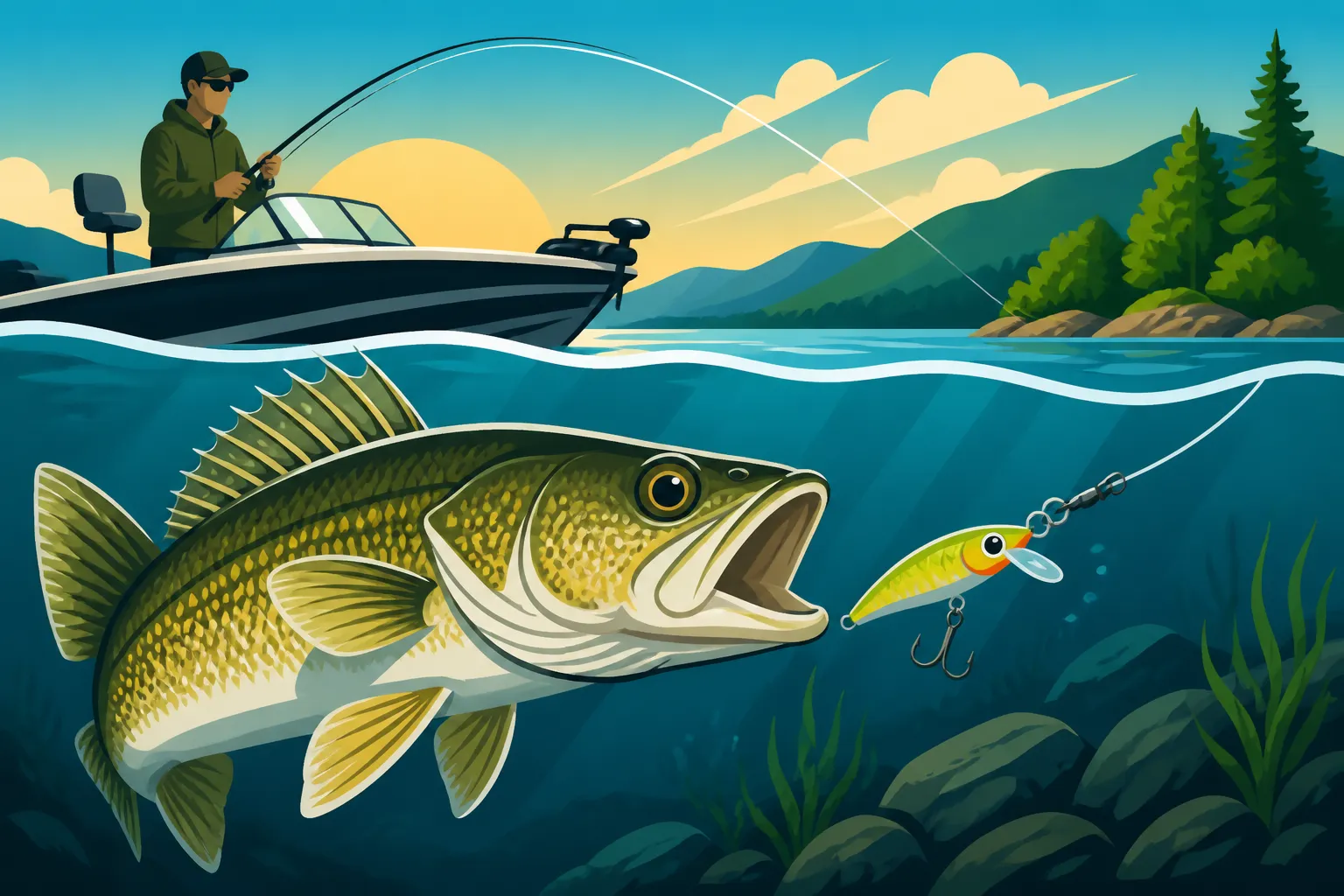
Crankbaits are the workhorses of Lake Champlain walleye trolling. They come in an dizzying array of shapes, sizes, colors, and diving depths, making it possible to target walleye holding anywhere from the shallowest flats to the deepest thermocline. Popular choices include deep-diving crankbaits like the Berkley Flicker Shad, Rapala DownDeep Husky Jerk, or Bomber Deep Long A, which can reach depths of 15-30+ feet on their own or even deeper with the aid of lead core or downriggers. For shallower presentations, or when walleye are feeding on suspended baitfish, stickbaits like the Rapala Original Floater or Smithwick Rattlin' Rogue can be incredibly effective.
Color selection is paramount. In clear water, natural patterns mimicking smelt, perch, or alewives are often best. Think silver, chrome, natural green, or brown backs with pearl bellies. In stained or cloudy water, or during low light, brighter colors like chartreuse, firetiger, or orange can be more visible and attract aggressive strikes. Vary your crankbait sizes to match the size of the forage the walleye are currently feeding on. Our article "Best Lures for Walleye Trolling on Lake Champlain" goes into much more detail on specific models and color strategies.
Spinner harnesses, often called "worm harnesses," are another incredibly effective trolling option, especially when walleye are keying on worms or leeches. These rigs typically consist of a clevis, beads, one or more spinner blades (Colorado, Indiana, or willowleaf), and two or three snelled hooks, often tipped with a nightcrawler or leech. The spinner blade creates flash and vibration, while the live bait provides scent and natural movement. These are usually fished behind bottom bouncers or inline weights to present them just off the bottom. Experiment with blade color (silver, gold, chartreuse, orange) and size, as well as bead patterns, to find what the fish prefer on any given day.
Jigs and Soft Plastics for Walleye
Jigging is a highly effective technique for walleye, particularly when they are concentrated on specific pieces of structure like humps, reefs, or points, or during colder water periods when they are less inclined to chase fast-moving baits. The beauty of jigs is their versatility; they can be fished vertically right over fish you mark on your sonar, cast and retrieved along contours, or even drifted. The key is to maintain bottom contact (or just off bottom) and impart an enticing action.
Common jig types for walleye include classic lead-head jigs paired with soft plastics, hair jigs, blade baits, and spoon jigs. Soft plastics, such as Berkley Gulp! Minnows, grub tails, or paddletail swimbaits, offer lifelike action and scent, making them irresistible to walleye. Colors like white, pearl, chartreuse, and natural baitfish patterns are popular. Hair jigs, often made with bucktail, provide a subtle, breathing action that can be deadly in cold water or for finicky fish. Blade baits, like the Heddon Sonar or Johnson ThinFisher, generate intense vibration and flash when ripped, triggering reaction strikes.
Jig weight should be chosen based on depth, current, and wind. You want the lightest jig possible that still allows you to maintain bottom contact and feel bites. For Lake Champlain, this often means 3/8 oz to 1 oz jigs. Experiment with different retrieves: sharp rips, subtle lifts and drops, or a slow dragging motion. Often, the bite will come on the fall, so pay close attention to your line. Vertical jigging directly over marked fish, often seen at night or during the day in deeper water, can be incredibly productive.
Live Bait Rigs for Finicky Fish
Sometimes, no matter how many artificial lures you throw, walleye just want the real thing. Live bait can be the ultimate trump card for finicky walleye on Lake Champlain, especially during periods of slow activity or in cold water. The natural scent, subtle movements, and authentic texture of live bait can entice strikes when nothing else will. The most popular live baits for walleye are minnows, nightcrawlers, and leeches.
Minnows, such as shiners or chubs, are excellent for imitating the natural forage of walleye. They can be fished in various ways: under a slip bobber rig, especially in shallower water or over weed beds; on a plain hook and split shot; or on a jig head for a combination of jigging action and live bait appeal. For bobber fishing, suspending a lively minnow just above the bottom or over a deep weed line can be deadly. Using quality bait ensures active minnows, which are more attractive to walleye.
Nightcrawlers are incredibly versatile and perhaps the most widely used walleye bait. They can be threaded onto spinner harnesses for trolling, fished on a simple hook and weight rig, or even used with a slip bobber. For trolling, using a "worm blower" to inject air into the nightcrawler to make it float and wriggle more tantalizingly is a common tactic. Leeches are another fantastic option, particularly in summer, as they are tough, stay active on the hook, and are a natural food source for walleye. They can be fished similarly to nightcrawlers. The key with live bait is to present it naturally and keep it fresh and lively.
Effective Walleye Fishing Techniques
Catching walleye on Lake Champlain requires a multifaceted approach, as no single technique works all the time. The most successful anglers are those who can adapt their strategies based on the season, weather, water conditions, and the specific location they are fishing. While some techniques, like trolling, allow you to cover vast amounts of water, others, like vertical jigging, are pinpoint precise. Mastering a few key methods will dramatically improve your success rate.
Lake Champlain's size and depth mean that techniques like trolling are often the most efficient way to locate and catch walleye, especially when they are scattered or suspended. However, when fish are tightly schooled on structure or feeding aggressively, casting and jigging become incredibly effective. Don't forget about night fishing, which can unlock a whole new dimension of walleye activity.
Remember, practice makes perfect. Spend time on the water experimenting with different techniques, lure colors, and retrieve speeds. Pay attention to what the fish tell you through your electronics and your rod tip. Adaptability is the ultimate fishing tool.
Trolling Strategies for Depth and Spread
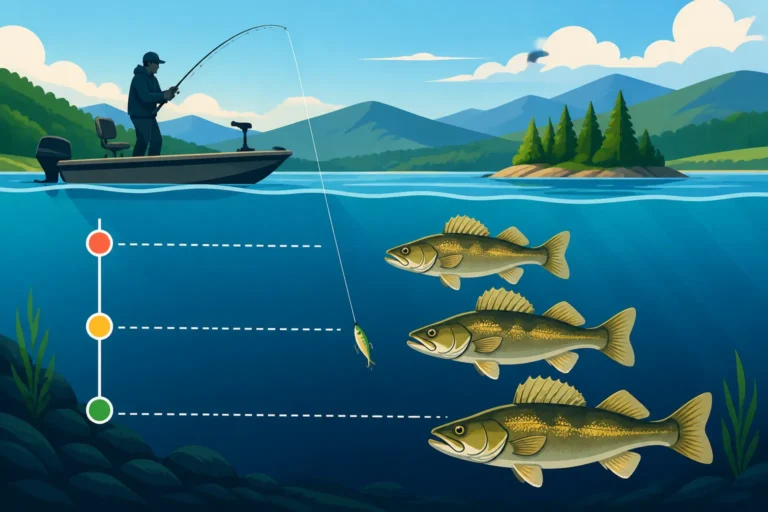
Trolling is arguably the most effective way to consistently catch walleye on Lake Champlain, allowing anglers to cover vast expanses of water and present lures at precise depths. The core principle is to slowly pull lures behind the boat, mimicking swimming baitfish. To succeed, you need to manage your speed, depth, and lure spread. A typical trolling speed for walleye is between 1.5 and 2.5 mph, but this can vary. Sometimes a slower speed is better, especially in colder water or when fish are finicky, while a faster pace can trigger reaction strikes.
Depth control is critical. Achieving specific depths can be done through several methods:
- Line-counter reels: These reels help you precisely repeat successful lure presentations by knowing exactly how much line you've let out.
- Deep-diving crankbaits: Many lures are designed to dive to specific depths based on line type, speed, and amount of line out.
- Lead core line: This specialized line changes color every 10 yards, with each color segment sinking to a predictable depth, allowing you to dial in your presentation.
- Snap weights or inline weights: These attach to your main line to get lures deeper without needing heavy lead core.
- Downriggers: For extreme depth control and targeting suspended fish, downriggers are invaluable, allowing you to run lures at precise depths, often with minimal line out.
Our article on "Best trolling depth for walleye on Lake Champlain" provides more in-depth guidance on these tools.
Spreading your lures allows you to cover a wider swath of water and present different baits simultaneously. This can be achieved with longer rods, planer boards (side-by-side or inline), or by varying the distance lures are run behind the boat. Planer boards, in particular, pull your lines out to the sides, preventing tangles and allowing you to cover up to 100 feet or more of width. Experiment with different lure colors and depths until you find a pattern that triggers bites. Make mental notes (or better yet, actual notes) of what works: lure model, color, depth, speed, and location.
Vertical Jigging and Casting Techniques
While trolling covers water, vertical jigging is a precise method best employed when you've located a school of walleye on your fish finder, often holding tight to structure or suspended in deeper water. The technique involves positioning your boat directly over the marked fish and dropping a jig straight down to them. The key is to keep the jig moving subtly, creating an enticing action without overworking it. A common approach is to lift the rod tip about a foot, then let the jig fall back on a semi-slack line, allowing it to flutter naturally. Bites often occur on the fall, so watch your line intently for any unnatural twitch or pause.
Blade baits, spoons, and soft plastic-tipped jigs are excellent choices for vertical jigging. When walleye are sluggish, a subtle hair jig or a jig tipped with a live minnow can be more effective. The goal is to imitate a dying or injured baitfish struggling near the bottom. Maintaining bottom contact is crucial, as many walleye will feed directly on the bottom or just a few inches above it. Use the lightest jig possible that still allows you to feel the bottom and detect subtle bites. This technique is particularly effective at night or during cold fronts when walleye are less active.
Casting is another productive method, especially when walleye are found in shallower water, around weed lines, rocky shorelines, or points. Casting crankbaits, jig-and-grub combinations, or even spinnerbaits allows you to cover a specific area thoroughly. Fan-cast to cover different angles, focusing on breaks in the structure or areas where baitfish are visible. Work your lures with a retrieve that mimics fleeing baitfish – erratic twitches, pauses, and changes in speed. For deeper casting, a lipless crankbait or a heavy jig can be effective for covering vertical structure. Don't be afraid to experiment with different lure types and retrieve speeds until you find what triggers a strike.
Night Fishing for Walleye on Lake Champlain
Night fishing for walleye on Lake Champlain isn't just a different time to fish; it's a completely different ballgame, and it can be incredibly productive. Remember, walleye have those highly specialized, light-sensitive eyes, which give them a massive advantage over their prey once the sun goes down. This means they often become much more active and aggressive, moving into shallower water to feed under the cover of darkness. If you've struggled to catch walleye during the day, giving night fishing a try can often yield surprising results.
The key to successful night fishing is focusing on areas adjacent to their daytime haunts. Walleye will often move from deeper offshore structures or main lake channels up onto adjacent shallow flats, points, or rocky shorelines to hunt baitfish. Look for areas with a gradual slope, gravel or rock bottoms, and proximity to deeper water. Marinas, bridge abutments, and even well-lit docks can also attract baitfish and, subsequently, walleye. Our detailed guide on "How to catch walleye at night on Lake Champlain" provides even more specifics on this exciting technique.
Lure choices for night fishing often lean towards those that create vibration, flash, or silhouette effectively. Darker colors (black, blue) or bright glow-in-the-dark lures can be highly effective against the night sky. Shallow-running crankbaits, stickbaits, or even spinnerbaits cast towards shore and retrieved slowly are popular. Vertical jigging with glow jigs or jigs tipped with live minnows can also be deadly over shallower humps. Safety is paramount when fishing at night: ensure your boat's navigation lights are working, have a powerful headlamp or spotlight, and always be aware of your surroundings. A good dry bag (you can find them on Amazon) for your electronics and essentials is also a smart move to protect against dew and unexpected splashes.
Seasonal Strategies for Walleye Success
Walleye behavior and location on Lake Champlain are highly dependent on the season. What works in the spring might be totally ineffective in the summer or fall. Understanding these seasonal shifts in migration, feeding patterns, and preferred depths is crucial for consistent success. The walleye's life cycle, driven by water temperature and spawning instincts, dictates where they will be and how they will bite.
From the frigid waters of early spring to the warmth of mid-summer and the cooling temperatures of fall, walleye undergo distinct changes. Being able to anticipate these changes and adjust your approach accordingly is the hallmark of a skilled walleye angler. Don't fall into the trap of using the same old techniques year-round; be prepared to adapt your gear and strategies with the changing seasons.
Spring Pre-Spawn and Spawn Tactics
Spring on Lake Champlain can be a magical time for walleye, but it's also a period of transition. As the ice recedes and water temperatures begin to climb into the 30s and 40s Fahrenheit, walleye start to stage in areas adjacent to their spawning grounds. These pre-spawn fish are often actively feeding, bulking up for the energy demands of spawning. Look for them in deeper holes near river mouths, along the edges of main lake channels, or at the base of rocky points and reefs that lead to shallow spawning flats. Vertical jigging with jigs tipped with minnows or soft plastics, or slow trolling deep-diving crankbaits, can be very effective during this period.
Once water temperatures reach the low 40s to low 50s, walleye begin to move onto their spawning grounds. As mentioned previously, these are typically shallow, rocky areas with good water flow. During the actual spawn, fishing can be challenging as the fish are focused on reproduction rather than feeding. However, immediately after the spawn, when the fish are recuperating and beginning to feed again, they can be highly concentrated and aggressive. Targeting these post-spawn fish in slightly deeper water adjacent to spawning areas can lead to excellent action. Our guide on "When walleye spawn on Lake Champlain" offers insights into timing your trips.
As spring progresses and water temperatures continue to rise, walleye will spread out from their spawning areas, often following baitfish into shallower bays or along weed lines. This transition period requires anglers to be flexible, combining both trolling and casting techniques to locate active fish. Don't be afraid to experiment with brighter, more aggressive lure colors in the often-stained waters of early spring, as visibility can be low.
Summer Deep Water and Low Light Patterns
Summer on Lake Champlain brings warmer water, which often pushes walleye to deeper, cooler sections of the lake. During the brightest parts of the day, you'll typically find them congregated around deep offshore humps, rock piles, main lake points that drop into deep water, or suspended over the basin, especially if baitfish like smelt are also suspended. The thermocline, the layer where warm surface water meets cooler deep water, is a crucial zone to target, as baitfish and predators often stack up there. Our guide on "How deep walleye go in summer on Lake Champlain" can help you pinpoint these depths.
Trolling is king during the summer months, allowing you to effectively cover deep water and precisely present lures at the desired depth. Use lead core line, snap weights, or downriggers with deep-diving crankbaits or spinner harnesses to get your offerings down to where the fish are holding. Pay close attention to your fish finder for baitfish schools and individual walleye arches. When you find concentrations, make multiple passes through the area, adjusting your speed and lure choices.
However, summer also offers incredible opportunities for night fishing. As the sun sets and light levels drop, walleye often migrate from their deep daytime retreats into shallower areas to feed actively. This is when points, shallow reefs, and weed edges that were barren during the day can come alive. Casting shallow-running crankbaits, stickbaits, or jigging with glow jigs in 5-20 feet of water can be incredibly productive under the cover of darkness. This pattern can continue through the night, sometimes offering the best fishing of the entire season.
Fall Feeding Frenzy
Fall is a favorite season for many Lake Champlain walleye anglers, and for good reason. As water temperatures begin to cool, walleye enter a pre-winter feeding frenzy, aggressively putting on weight before the cold months. They become more active and willing to chase lures, often migrating back to shallower depths or concentrating in specific areas as baitfish also begin to school up. This is a prime time to catch some of the biggest walleye of the year.
Look for walleye to concentrate around the mouths of tributaries, large rocky points, and offshore humps and reefs. They will often follow schools of baitfish, so finding the bait is key to finding the walleye. Trolling remains highly effective, but don't shy away from casting jig-and-soft plastic combinations or blade baits into areas where you mark fish. As the water continues to cool, walleye may move into even shallower areas during low light, especially overcast days. Our article "Best Techniques for Fall Walleye" dives into the specifics of this productive season.
Crankbaits with strong vibration and erratic actions can trigger aggressive strikes during the fall. Natural baitfish patterns are always a good choice, but don't hesitate to use bold, bright colors, especially on darker days. Focus your efforts during dawn, dusk, and cloudy periods, but in fall, walleye can often be caught throughout the day as their feeding drive is intense. The cooling water also means that walleye metabolize slower, so they might not need to feed as frequently, but when they do, they hit hard.
Reading the Water and Weather for Walleye
Walleye fishing success on Lake Champlain isn't just about having the right gear and knowing the techniques; it's also about being a keen observer of your environment. Walleye are highly sensitive to changes in water conditions and weather patterns, and understanding these influences can help you predict where they'll be and how they'll behave. Everything from water clarity to wind direction can play a role in whether you have a banner day or a slow one.
Learning to "read the water" means paying attention to subtle clues: where the baitfish are, the color of the water, the depth of the thermocline. "Reading the weather" means understanding how fronts, temperature changes, and wind affect fish activity. These factors interact in complex ways, and developing an intuitive sense for them comes with experience, but knowing what to look for is the first step.
Water Clarity and Temperature Influences
Water clarity is a significant factor in walleye behavior. In clear water, walleye are typically more light-sensitive and will often hold deeper, seek heavier cover, or become more active during low-light periods (dawn, dusk, night, or heavily overcast days). When the water is crystal clear, you'll want to use more natural-colored lures and lighter fluorocarbon leaders to avoid spooking them. Trolling in deeper water or vertical jigging over offshore structure becomes paramount.
Conversely, in stained or murky water (common in parts of the southern lake or after heavy rains), walleye's light sensitivity is reduced. This can make them more active throughout the day, and they may move into shallower water more readily. In these conditions, lures that create more vibration and flash, or bright, high-contrast colors like chartreuse, orange, or firetiger, can be more effective as they stand out better. The walleye's superior vision in dim light gives them an edge in these conditions.
Water temperature is perhaps the single most important environmental factor influencing walleye. They are cold-blooded, and their metabolism is directly tied to water temperature. Each season sees them prefer a specific temperature range, guiding their movements from spawning grounds to summer deep-water haunts and fall feeding areas. Learning about "What water temperature walleye prefer" is a crucial piece of the puzzle. Subtle changes in temperature, even a few degrees, can shift fish from one area to another. Your boat's temperature gauge is a vital tool for finding these preferred temperature zones.
Wind, Barometric Pressure, and Light Conditions
Wind can be both a blessing and a curse for walleye anglers on Lake Champlain. A moderate chop on the water's surface can be a huge benefit, as it breaks up light penetration, making walleye more comfortable in shallower water and less wary of your boat. The wind also creates current, pushing baitfish against structure or creating "walleye chops" on points and reefs where agitated baitfish are easier targets. Walleye will often position themselves on the wind-blown side of structure to ambush prey. However, too much wind can make fishing dangerous and unproductive, making boat control extremely difficult and creating unsafe conditions on such a large lake.
Barometric pressure also influences walleye activity. A stable or slowly falling barometer generally indicates good fishing, as fish are comfortable and actively feeding. A rapidly falling barometer, often signaling an approaching storm front, can sometimes trigger a short burst of aggressive feeding before the front hits, as fish sense the change and feed up. However, a high, rising barometer after a cold front often means tough fishing. The post-front bluebird skies and high pressure tend to make walleye lethargic and less willing to bite, often pushing them deeper or into heavier cover. Adjusting your presentation to be slower and more subtle during these times can sometimes entice a strike.
Light conditions, as discussed, are paramount for walleye. Overcast days are often the best, as the diffused light allows walleye to roam and feed more freely throughout the day. Bright, sunny days will typically push walleye into deeper water, dense cover, or make them most active during the low-light hours of dawn and dusk. Night fishing specifically leverages their superior low-light vision for incredible results. Always carry a good pair of polarized sunglasses (you can find many options on Amazon) to help you see into the water on sunny days, spotting structure or even fish. Being mindful of these environmental factors and adapting your approach will significantly increase your chances of success.
Respecting the Resource and Regulations on Lake Champlain
As anglers, we are stewards of the natural world, and that responsibility holds especially true when fishing for prized species like walleye on Lake Champlain. To ensure that future generations can enjoy the thrill of catching these fish, it's vital to understand and adhere to all local regulations, practice ethical fishing, and contribute to conservation efforts. Vermont has specific rules in place to manage its fisheries, and ignorance is never an excuse.
Beyond simply following the law, adopting best practices for catch and release, understanding consumption advisories, and promoting habitat protection are all part of being a responsible angler. Lake Champlain is a precious resource, and its health depends on our collective actions.
Vermont Walleye Regulations and Limits
Before you even cast a line, it is absolutely crucial to be familiar with the current Vermont fishing regulations, especially those pertaining to walleye on Lake Champlain. These regulations are designed to protect the walleye population, ensure sustainable harvesting, and maintain the health of the fishery. Regulations can change annually, so always consult the latest Vermont Fishing Guide published by the Vermont Fish & Wildlife Department. You can find up-to-date information by checking out our comprehensive guide on Vermont Fishing Regulations Explained.
Specific regulations for walleye typically include:
- Daily Bag Limit: The maximum number of walleye an angler can legally keep in a single day.
- Minimum Length Limit: The smallest size a walleye must be to be legally harvested. Fish shorter than this must be immediately released.
- Slot Limit: Occasionally, there may be a "slot limit" where walleye within a certain size range (e.g., 18-22 inches) must be released, while fish outside that slot can be kept. This is often used to protect spawning-size fish or promote the growth of larger fish. Our guide on Vermont walleye slot limit on Lake Champlain provides more detailed information if one is in effect.
- Possession Limit: The maximum number of walleye an individual can possess, often referring to fish stored at home or in transit.
It's your responsibility to know these rules. Fishing without a license or violating bag and size limits can result in significant fines and penalties. Remember, these rules are in place for the long-term health of the fishery.
Catch and Release Best Practices
While it's often tempting to keep every legal walleye you catch, practicing thoughtful catch and release, especially for larger breeding-size fish, is a fantastic way to contribute to the health of Lake Champlain's walleye population. Releasing those big "mama" walleye ensures they can continue to spawn and contribute their genetics to future generations. When you do decide to release a fish, doing so properly is key to its survival.
Here are some best practices for catch and release:
- Minimize Fight Time: Bring the fish in as quickly as possible to reduce stress and exhaustion.
- Handle With Care: Use wet hands or a wet net to handle fish. Avoid touching their gills or eyes, and support their body horizontally, especially large fish, to prevent internal organ damage.
- Use Barbless Hooks: Crushing the barb on your hooks (or using barbless hooks) makes removal much easier and less damaging.
- Quick Hook Removal: Use needle-nose pliers or a hook-out tool to quickly and gently remove the hook. If a fish is deeply hooked, especially in the gills, it's often best to cut the line as close to the hook as possible rather than trying to rip it out.
- Revive Gently: If a fish seems sluggish, hold it upright in the water, facing into a gentle current (or moving the boat slowly forward if no current is present), until it regains strength and swims away on its own.
Fish Consumption Advisories for Lake Champlain
It's important to be aware that some fish species, in certain waters, can accumulate contaminants like mercury or PCBs, leading to consumption advisories. These advisories are issued by health departments to protect public health and provide guidance on how much of certain fish species can be safely consumed. While walleye are generally considered excellent table fare, it's always wise to check for any specific advisories for Lake Champlain. Our article "Is Walleye Good to Eat?" might touch on this, but always refer to the official Vermont Department of Health website for the most current information.
Generally, smaller, younger fish tend to have lower levels of contaminants than older, larger fish. Advisories might recommend limiting consumption, especially for sensitive populations like pregnant women, nursing mothers, and young children. These advisories are not meant to discourage fishing but rather to inform anglers so they can make healthy choices about the fish they keep and eat. By staying informed and following guidelines, you can safely enjoy the bounty of Lake Champlain's walleye fishery for years to come.
Disclaimer
The information provided in this guide is for general informational purposes only and is not intended to be a substitute for official Vermont Fish & Wildlife Department regulations. Fishing regulations, season dates, and advisories can change. Always consult the most current Vermont Fishing Guide and relevant state health department advisories before fishing to ensure compliance and safety.