Vermont Fishing License Guide for 2026
Oh, the joy and sometimes the sheer confusion of preparing for a fishing trip! You’ve picked out your gear, scouted some promising spots, and you’re just itching to cast a line into Vermont's pristine waters. But then, a nagging thought creeps in: "Do I have the right license? And what are the rules this year?" It's a common frustration, feeling like you need a law degree just to enjoy a peaceful day on the lake or river. This comprehensive guide is here to untangle the complexities of securing your Vermont fishing license for 2026, ensuring you're fully compliant and ready for an enjoyable, worry-free angling experience.
Navigating the Essentials: Why a Vermont Fishing License Matters
Let's be honest, nobody loves dealing with bureaucracy, especially when all you want to do is get out there and fish. But understanding why a Vermont fishing license is more than just a piece of paper, and instead a vital part of the state's conservation efforts, can help shift that perspective. It's about protecting the very resources we cherish.
The Legal Imperative: Avoiding Fines and Frustration
Picture this: you're having an incredible day on Lake Champlain, maybe pulling in some impressive smallmouth bass, and then a Vermont Fish and Wildlife Warden approaches. You confidently hand over your ID, only to realize you forgot to renew your license, or perhaps you bought the wrong type. That sinking feeling in your stomach? It’s real. Fishing without the proper license in Vermont isn't just a minor oversight; it's a legal infraction that can lead to significant penalties. Fines can range from a few hundred dollars to even more, depending on the severity and whether you're a repeat offender. It's a costly lesson to learn, especially when a license is relatively inexpensive and so easy to obtain. Beyond the financial hit, there’s the sheer frustration and embarrassment of having your peaceful outing interrupted and potentially ruined by a citation. Trust me, the small effort of checking your license status and ensuring it's current is well worth avoiding this kind of headache. You can learn more about the specifics of potential repercussions by checking out our guide on Fishing Without a License in Vermont: Penalties.
Supporting Conservation: Where Your License Fees Go
Have you ever wondered where the money from your fishing license actually goes? It's not just disappearing into a black hole of state coffers. In Vermont, a significant portion of those fees directly funds the very programs that maintain and improve our beloved fisheries. This includes critical work like fish stocking, where the Vermont Fish & Wildlife Department introduces thousands of trout and other species into lakes and rivers across the state each year, ensuring healthy populations for future angling. It also supports habitat restoration projects, improving water quality and natural spawning grounds. Think about the research and monitoring efforts that keep tabs on fish populations, identify potential threats, and inform responsible management practices. Your license fee also helps pay for the wardens who enforce regulations, protecting the resources from poaching and illegal activities. So, when you purchase a license, you're not just buying permission to fish; you're actively contributing to the long-term health and sustainability of Vermont's natural aquatic ecosystems. It's a direct investment in the future of fishing, making every cast you take feel a little more meaningful.
Who Needs a License? Age and Residency Explained
This is a common question, and it's essential to get it right. Generally speaking, anyone 15 years of age or older needs a Vermont fishing license to fish in the state's waters. This applies to both residents and non-residents. However, there are some nuances that are really important to understand. For instance, children under the age of 15 can typically fish without a license, which is a fantastic way to introduce youngsters to the sport without any financial barrier. Just imagine taking your eager nephew or granddaughter out for their first fishing trip on a quiet Vermont pond, knowing they don't need a license yet. It makes it so much easier for families to enjoy the outdoors together.
Residency status also plays a huge role in both who needs a license and how much it costs. To qualify as a Vermont resident for licensing purposes, you generally need to have resided continuously in the state for at least six months immediately prior to applying for a license. This means having a physical presence and intent to remain, not just owning property or visiting frequently. Non-residents, even if they own a cabin here, will need to purchase a non-resident license. There are also specific rules for active military personnel and college students, so if you fall into one of those categories, it's worth looking into the details. Understanding these age and residency requirements ensures you purchase the correct license type and avoid any surprises. For a deeper dive into these specifics, you can refer to our detailed article on Vermont Fishing License Age Requirements.
Types of Vermont Fishing Licenses and Their Costs
The Vermont Fish & Wildlife Department offers a variety of license options, which can sometimes feel a bit overwhelming. But once you break it down, it's usually pretty clear which one is the best fit for your fishing plans. It’s designed to cater to everyone from the casual visitor to the lifelong Vermonter.
Resident vs. Non-Resident: Understanding the Price Difference
The biggest factor affecting the cost of your Vermont fishing license is whether you are considered a resident or a non-resident of the state. It’s pretty standard practice across the country, but it’s a point of confusion for many, especially those who spend part of their year in Vermont or own property here. For example, if you've lived continuously in Vermont for at least six months and consider it your primary home, you'll qualify for a resident license. This is a significant advantage because resident licenses are substantially more affordable than non-resident options.
For 2026, a resident annual fishing license, which allows you to fish from January 1st to December 31st of that year, is quite budget-friendly. This makes it easy for local anglers to stay licensed year-round and take advantage of all the different seasons, from spring trout fishing to winter ice fishing. On the other hand, if you're visiting from out of state, say from Massachusetts or New York, you'll need to purchase a non-resident license. These are priced higher to reflect that non-residents haven't been contributing to the state's tax base, which also supports conservation efforts. While the price difference can be noticeable, it's still a small investment for the incredible fishing opportunities Vermont offers. Understanding this distinction upfront is crucial to purchasing the correct license type. We have a dedicated resource that breaks down all the specific costs in Resident vs Nonresident Fishing License Costs in Vermont.
Short-Term vs. Annual: Choosing What's Right for Your Trip
Once you've determined your residency status, the next decision is whether to opt for an annual license or a short-term permit. This really depends on how often you plan to fish in Vermont throughout the year.
-
Annual Licenses: If you're a resident who plans on hitting the water more than just a couple of times, or if you're a non-resident who takes multiple trips to Vermont throughout the year, an annual license is almost always the most economical choice. For residents, it's a no-brainer – one purchase covers you for the entire calendar year. For non-residents, an annual license provides the ultimate flexibility. Imagine you're a non-resident angler who loves to visit the Northeast Kingdom in the summer for brook trout and then come back in the winter for some ice fishing on Lake Memphremagog. Buying an annual license means you don't have to worry about purchasing a new permit for each trip, saving you time and potentially money in the long run.
-
Short-Term Permits: These are a fantastic option for visitors or those who only plan a very brief fishing excursion. Vermont offers several short-term non-resident licenses, typically for 1-day, 3-day, or 7-day durations. Let's say you're on a family vacation near Stowe and decide last minute to spend a single afternoon fishing a local pond. A 1-day non-resident license would be perfect for that spontaneous outing. Or perhaps you've planned a long weekend trip specifically for some Lake Champlain walleye fishing; a 3-day license would cover your entire adventure. These short-term options are designed to be flexible and cost-effective for limited fishing periods.
Here’s a quick overview of some potential costs you might encounter (note: these are illustrative and subject to official 2026 changes, always check the Vermont Fish & Wildlife website):
| License Type | Estimated Resident Cost (2026) | Estimated Non-Resident Cost (2026) | Duration | Best For |
|---|---|---|---|---|
| Annual Fishing License | $28.00 – $30.00 | $55.00 – $60.00 | Jan 1 – Dec 31 | Frequent anglers, multiple trips annually |
| 1-Day Fishing License | N/A | $20.00 – $25.00 | 1 Day | Spontaneous single-day outings |
| 3-Day Fishing License | N/A | $30.00 – $35.00 | 3 Consecutive Days | Weekend trips, short vacations |
| 7-Day Fishing License | N/A | $45.00 – $50.00 | 7 Consecutive Days | Week-long vacations, extended trips |
| Combination Hunting & Fishing | $40.00 – $45.00 | $150.00 – $160.00 | Jan 1 – Dec 31 | Anglers who also hunt in Vermont |
For the most up-to-date and exact figures, always consult the official Vermont Fish & Wildlife website or our detailed article on How Much Does a Vermont Fishing License Cost.
Specialty Licenses and Discounts: Youth, Senior, and Disabled Options
Vermont is committed to making fishing accessible to a wide range of individuals, and this is reflected in its various specialty licenses and discount programs. These options are incredibly valuable for certain demographics, ensuring that more people can enjoy the state’s fantastic fisheries.
For our younger anglers, while those under 15 don't need a license, once they hit that milestone, they transition into a youth license category. This is generally available for ages 15 to 17. The cost for a youth license is significantly reduced, making it affordable for teenagers to continue fishing as they grow. This is a wonderful initiative that helps foster a love for the outdoors from a young age, preventing cost from being a barrier for aspiring anglers. You can dive deeper into these specifics with our guide on Vermont Youth Fishing License Rules by Age.
Our senior citizens, who often have more time to dedicate to their passion for fishing, are also recognized with special discounts. Vermont typically offers a discounted rate for resident senior anglers, usually starting at a certain age (e.g., 65 or 70, depending on the current regulations). This acknowledgment is a great way to thank them for their years of contributing to the community and to encourage them to continue enjoying Vermont’s natural beauty. It means that retirees can enjoy a full year of fishing without breaking the bank. For exact age requirements and costs, check out Vermont Senior Fishing License Discount.
Furthermore, Vermont provides options for disabled residents, often including those who are legally blind or disabled veterans. These programs aim to remove financial obstacles for individuals who might face other challenges in accessing outdoor recreation. This commitment ensures that fishing remains an inclusive activity for all Vermonters. Each of these specialty licenses has specific eligibility criteria, so it’s always best to review the current regulations or contact the Vermont Fish & Wildlife Department directly to see if you qualify.
How and Where to Purchase Your Vermont Fishing License
The days of needing to trek to a specific government office during limited hours are largely behind us. Vermont has made purchasing a fishing license incredibly convenient, with both online and in-person options designed to fit into your busy schedule.
The Convenience of Online Purchases
Without a doubt, buying your Vermont fishing license online is the easiest and most straightforward method for most people. The Vermont Fish & Wildlife Department operates a user-friendly online licensing portal that you can access from your computer, tablet, or even your smartphone. This means you can purchase your license from the comfort of your home, during your lunch break at work, or even while sitting in your vehicle at a boat launch, just before you hit the water.
The process typically involves creating an account or logging into an existing one, selecting the type of license you need (resident, non-resident, annual, 3-day, etc.), entering your personal information, and then paying with a credit or debit card. It's usually a matter of minutes. Once the transaction is complete, you'll receive a confirmation email, often with a printable version of your license or instructions on how to access a digital copy on your phone. This digital option is a game-changer for many anglers, eliminating the worry of forgetting a physical paper license. If you're tech-savvy and prefer efficiency, the online portal is definitely the way to go. For detailed, step-by-step instructions, our guide on How to Buy a Fishing License Online in Vermont walks you through it perfectly.
In-Person Vendors: Sporting Goods Stores and Town Clerks
While online purchasing is incredibly convenient, sometimes you just prefer the traditional method, or maybe you're already out and about running errands. For those situations, Vermont offers numerous authorized vendors across the state where you can purchase your fishing license in person.
You'll find these vendors in a variety of places, often including local sporting goods stores, bait and tackle shops, and many town clerk offices. These locations are particularly helpful if you have questions about which license type to get, or if you simply prefer a paper copy printed on the spot. Imagine you're on a road trip through central Vermont, and you spontaneously decide to spend an afternoon fishing the White River. You can easily pop into a local tackle shop in a town like Rochester or Bethel, grab some local bait, and pick up your license all at once. It's a great way to support local businesses while ensuring you're compliant. Town clerks, especially in smaller communities, are often a friendly and reliable resource for licenses, providing a personal touch that you don't get online. Just remember to check their operating hours before you go!
What You'll Need: Documentation Requirements
Before you head to the online portal or a physical vendor, it’s a good idea to gather some basic information and documentation. This will make the process much smoother and prevent any frustrating delays.
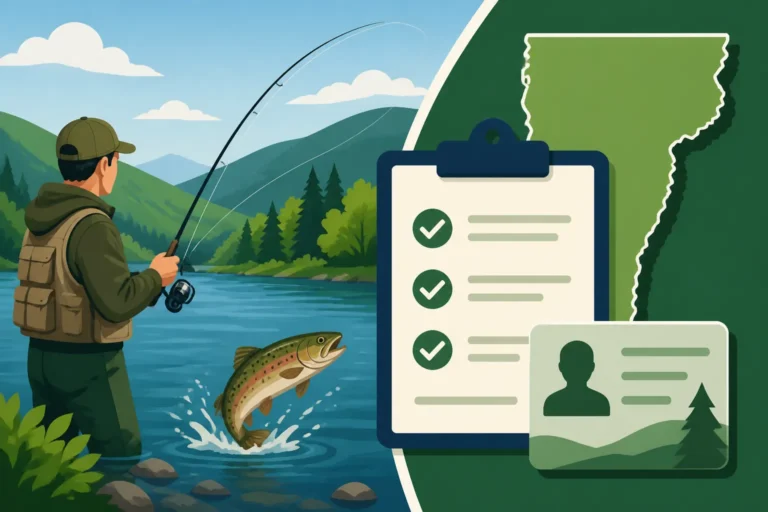
For most adult resident licenses, you'll typically need your driver's license or a state-issued identification card. This helps confirm your identity and, crucially, your residency status. You might also need your Social Security Number (SSN), which is often a federal requirement for wildlife licensing. For non-residents, you'll similarly need a valid ID from your home state. If you’re applying for a youth, senior, or disabled license, there might be additional proofs of age or disability required. For instance, to verify your age for a senior discount, your birth date on your ID will suffice. If you're a disabled veteran applying for a special license, you may need to provide documentation from the VA. It’s always best to have these documents readily accessible to ensure a quick and seamless transaction. A little preparation goes a long way in getting you on the water faster!
Important Regulations Beyond the License
Having a valid fishing license is your entry ticket, but it's just the first step. Vermont has a comprehensive set of fishing regulations designed to protect fish populations and ensure fair chase for all anglers. Ignoring these rules can lead to the same kind of penalties as not having a license, so it's vital to be informed. Our general guide, Vermont Fishing Regulations Explained, is an excellent resource for understanding the overarching framework.
Understanding Season Dates and Species-Specific Rules
Vermont's fishing seasons aren't a one-size-fits-all affair. Different species have different open and closed seasons, and these can even vary by water body. For instance, trout season in many rivers and streams typically opens in early spring (often the second Saturday in April), while bass season has a catch-and-release period before the full harvest season kicks in. Imagine you're targeting brook trout on a small mountain stream. Knowing the exact opening day means you can plan your trip for prime conditions. Conversely, trying to fish for bass during their protected spawning period could land you in trouble, even if you intend to release them.
Some species, like landlocked salmon or lake trout, might have slightly different seasons on larger lakes like Lake Champlain or Lake Willoughby compared to smaller ponds. The goal of these varied seasons is to protect fish during critical periods, such as spawning, allowing them to reproduce successfully and maintain healthy populations. Always consult the most current Vermont Fish & Wildlife fishing guide, which is usually published annually and available online or at license vendors. This guide will be your bible for planning your trips around the calendar. For more details specific to trout, check out Vermont Trout Season and Stocking Rules.
Bag and Possession Limits: Keeping Vermont's Fisheries Healthy
So, you've landed a few beautiful fish – congratulations! But before you fill your cooler, you need to be acutely aware of Vermont's bag and possession limits. The "daily bag limit" refers to the maximum number of a specific species you can keep in a single day. The "possession limit" is the total number of fish of a particular species you can have on hand, which includes fish you've caught on previous days and kept at home. These limits are absolutely crucial for sustainable fishing.
For example, Vermont might have a daily limit of five trout per person, but a possession limit of ten. This means if you caught five trout yesterday and have them in your freezer, you can only keep another five today. These rules prevent overharvesting and ensure that there are enough fish left in the water for future generations and for ecological balance. Different species, like walleye, bass, or even panfish, will have their own distinct limits. There are also minimum and sometimes maximum length limits for certain fish, meaning you must release fish that are too small or, in some cases, too large (trophy fish are sometimes protected to maintain breeding stock). Imagine catching a magnificent 20-inch brown trout only to realize it's above the slot limit for a particular river and must be released – it can be a tough pill to swallow, but it's vital for the fishery. Knowing these numbers before you cast your line is non-negotiable. Our article on Vermont Bag and Possession Limits by Species provides all the crucial details.
Special Regulation Waters: What to Watch Out For
One of the trickiest aspects of Vermont fishing regulations can be the "special regulation waters." These are specific lakes, ponds, or sections of rivers that have rules different from the general statewide regulations. Why do they exist? Usually, it's to protect unique fish populations, promote trophy fisheries, or manage highly sensitive ecosystems.
For instance, certain stretches of rivers might be designated "catch and release only" for trout, or "fly fishing only," meaning you can't use bait or spinning gear. You might find a lake with a specific slot limit for a particular bass species, allowing anglers to keep smaller fish but requiring the release of larger, breeding-size fish. Lake Willoughby, for example, has its own unique rules for landlocked salmon and lake trout. It’s easy to assume that if you're fishing one part of a river, the rules apply everywhere, but that's often not the case with these special areas. Before heading out, especially to a new or unfamiliar water body, always consult the Vermont Fish & Wildlife Digest or use their interactive fishing map to identify any special regulations. A quick check can save you from an honest but costly mistake and helps preserve these unique fishing opportunities.
Carrying and Displaying Your License: Digital vs. Physical
Once you've got your license, the next step is making sure you have it on you when you're actually fishing. This might sound obvious, but it's a common oversight, and Vermont offers flexible options to ensure you're always covered.
The Digital Option: Your Phone as Your License
In today's digital age, Vermont recognizes that carrying a paper license might not always be the most convenient option. That's why they fully support the use of a digital copy of your fishing license on your smartphone or other mobile device. This is a huge relief for many anglers who are already juggling a phone, keys, and tackle. Imagine you're wading a remote trout stream; fumbling for a soggy paper license from your wallet isn't ideal. Instead, a quick tap on your phone screen can display your license details to a warden.
When you purchase your license online, you'll often receive an email with a link or attachment that allows you to save your license directly to your device. Some states even have dedicated apps for this. Just make sure your phone is charged! A dead battery won't fly as an excuse if a warden asks to see your license. This option offers unparalleled convenience and reduces waste, making it a popular choice for modern anglers. Our article Printing or Carrying a Digital Fishing License in Vermont has even more tips on this.
Printing a Physical Copy: Old School Reliability
Despite the convenience of digital licenses, many anglers still prefer the good old-fashioned physical copy. There's something reassuring about having that tangible piece of paper, laminated and tucked into your wallet or tackle box. If your phone battery dies, or if you're fishing in an area with no cell service (which, let's be honest, is many of Vermont's most beautiful and remote spots!), a physical license is your backup.
When you purchase your license online, you'll almost always have the option to print a copy immediately. If you buy it in person at a vendor like a sporting goods store or town clerk's office, they'll print it for you right then and there. My personal preference is often to do both: save a digital copy on my phone and also print and laminate a physical one. That way, I'm covered no matter what unexpected situation arises. Just make sure the printed version is clear and legible, as wardens need to be able to easily read all the information.
Lost or Damaged Licenses: Replacement Procedures
Things happen. Wallets get lost, licenses get wet and torn, or they simply vanish into the abyss of a cluttered tackle box. If your Vermont fishing license gets lost, stolen, or damaged beyond recognition, don't panic! The Vermont Fish & Wildlife Department has a straightforward process for obtaining a replacement.
Typically, you can get a replacement license either online through the same portal where you purchased it originally, or in person at any authorized license vendor. There might be a small processing fee for a replacement, but it's a minimal cost compared to the potential fines of fishing without a license. When replacing online, you'll usually log into your account, find your past purchases, and select the option to print a duplicate. If you go in person, just explain your situation, and they'll be able to look up your license details and issue a new one. The key is to address the issue before your next fishing trip. It's much better to spend a few minutes and a few dollars on a replacement than to risk a citation on the water.
Common Questions and Troubleshooting for Anglers
Even with all the information at your fingertips, specific scenarios can pop up that leave you scratching your head. Vermont's diverse geography and proximity to other states bring up unique questions about license reciprocity and related regulations.
Reciprocity Agreements: Fishing Border Waters with Neighboring States
This is a frequently asked question, especially for anglers keen on fishing large bodies of water that straddle state lines. For example, Lake Champlain is a massive fishery shared between Vermont and New York. The Connecticut River forms the entire eastern border between Vermont and New Hampshire. It would be incredibly inconvenient, not to mention confusing, if you needed licenses from both states just to fish the same lake or river.
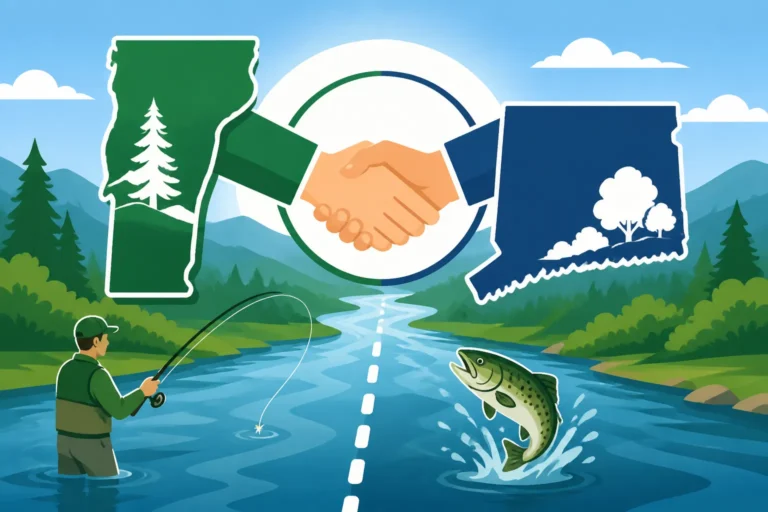
Thankfully, Vermont often has reciprocity agreements with neighboring states for these specific border waters. For Lake Champlain, if you have a valid Vermont fishing license, you are generally allowed to fish the Vermont and New York portions of the lake, under Vermont's regulations. The same often applies to the Connecticut River, where a valid Vermont license might allow you to fish the Vermont and New Hampshire sides. However, these agreements can have specific conditions or limitations. For instance, the exact boundaries might be defined, or the reciprocity might only apply to certain species. It’s absolutely critical to confirm the most current reciprocity rules for the specific body of water you plan to fish, as these agreements can change. A quick call to the Vermont Fish & Wildlife Department or checking their official guide for the latest details is always a good idea before venturing onto border waters.
Boating Regulations for Anglers: What You Need to Know
If you're an angler who fishes from a boat, kayak, or canoe, your responsibilities extend beyond just a fishing license. Vermont has specific boating laws that all operators must adhere to, designed for safety and environmental protection. These rules apply whether you're chasing walleye on Lake Champlain in a motorboat or stealthily paddling a kayak for smallmouth bass on a smaller lake. Our guide on Vermont Boating Laws for Anglers is a must-read for anyone hitting the water in a vessel.
Key regulations often include:
- Boat Registration: Most motorized boats and even some non-motorized vessels (depending on length or other factors) need to be registered with the state of Vermont. This involves displaying registration numbers and decals clearly on your boat.
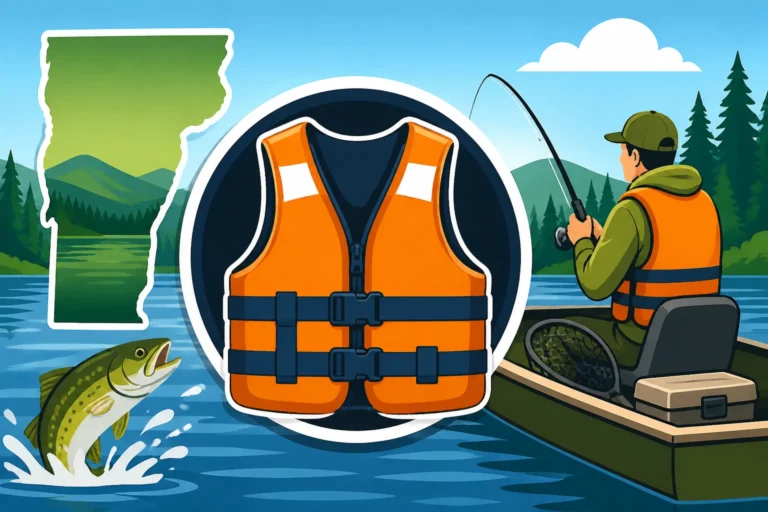
- Life Jackets (PFDs): Every vessel must have a U.S. Coast Guard-approved life jacket for each person on board. Children of certain ages (often under 12) are usually required to wear a life jacket at all times while the boat is underway.
- Safety Equipment: Depending on the size and type of your boat, you might need additional safety equipment such as throwable flotation devices, sound-producing devices (like a horn or whistle), navigation lights (for evening or nighttime use), and fire extinguishers.
- Operating Under the Influence (OUI): Just like on the road, it's illegal and incredibly dangerous to operate a boat while under the influence of alcohol or drugs.
Failing to comply with boating regulations can result in fines, similar to fishing without a license, and more importantly, it can put you and your passengers at serious risk. Always prioritize safety on the water!
What Happens If You're Caught Without a License?
Let's revisit that scenario we talked about earlier. You're out fishing, having a grand time, and a warden approaches. You realize, with a sudden jolt, that you don't have your license. What now? The consequences can range, but generally, fishing without a valid license in Vermont is considered a violation, and the penalties can be significant.
Firstly, you'll likely receive a citation, which is essentially a ticket. The fines associated with this can vary but are often several hundred dollars for a first offense. This is far more than the cost of an annual license. Beyond the monetary penalty, there could be administrative actions, such as temporary suspension of your fishing privileges. In more severe or repeat cases, particularly if combined with other violations like poaching or egregious disregard for regulations, the penalties can escalate further, potentially involving court appearances or more extensive suspensions.
Wardens are primarily focused on conservation and safety, and they take their job seriously. While they might exercise some discretion in certain minor, clearly accidental circumstances, the general expectation is that every angler over the age of 14 has a valid license in their possession. It's a simple rule with significant consequences if ignored. So, please, make it a habit to double-check for your license before you ever head out to the water. It’s an easy way to avoid unnecessary stress and ensure your fishing memories are nothing but good ones.
Planning Your Vermont Fishing Adventure
With your license secured and regulations understood, it's time for the exciting part: planning your actual fishing trips! Vermont offers an incredible diversity of angling opportunities, from remote wild trout streams to expansive lakes teeming with bass and walleye.
Tapping into Vermont's Stocking Programs
For many anglers, especially those targeting trout, Vermont's fish stocking program is a huge draw. The Vermont Fish & Wildlife Department works tirelessly to raise and release thousands of brook, brown, and rainbow trout into numerous lakes, ponds, and rivers across the state each year. These stockings ensure that there are plenty of fish for anglers to catch, especially in popular, easily accessible waters.
If you're looking for consistent action, particularly early in the season, checking the stocking schedules can give you a significant advantage. The department often publishes these schedules online, allowing you to see which waters have been recently stocked with which species. Imagine planning a family outing to a local state park pond, knowing it was just stocked with rainbow trout – the chances of success for the kids are much higher, leading to smiles and excitement! Vermont even has a Vermont Fish Stocking Search Tool, Explained, making it incredibly easy to find stocked waters near you. This is a fantastic resource for maximizing your chances, whether you're a seasoned angler or introducing someone new to the sport.
Discovering Premier Fishing Destinations
Vermont is truly an angler's paradise, boasting an array of incredible fishing destinations, each with its own charm and target species.
- Lake Champlain: Without a doubt, this is Vermont's crown jewel for diverse fishing. Anglers flock here for trophy smallmouth and largemouth bass, elusive walleye, powerful lake trout, and even northern pike. With its vast size and varied structure, from rocky shoals to deep channels, it offers endless possibilities. Whether you're trolling for walleye, casting topwater baits for bass, or exploring the many bays and inlets, Lake Champlain provides an unforgettable experience.
- The Northeast Kingdom: For those who crave wilder adventures, the remote lakes and streams of the Northeast Kingdom offer incredible opportunities for brook trout and landlocked salmon. Lakes like Willoughby and Seymour are renowned for their cold-water fisheries, while countless small streams hold native brookies in stunning, pristine settings.
- Battenkill River: This legendary river in southwestern Vermont is a Mecca for fly anglers, famous for its challenging wild brown and brook trout fishing. Its crystal-clear waters demand skill and patience but reward anglers with truly memorable catches.
- Smaller Lakes and Ponds: Beyond the big names, Vermont is dotted with hundreds of smaller lakes and ponds, many of which are regularly stocked or hold healthy populations of panfish, bass, and pickerel. These are perfect for a quiet day of fishing from shore, a canoe, or a kayak, often providing easy access and family-friendly environments.
No matter your preference, Vermont has a fishing spot that will capture your imagination. Researching these destinations and their prevalent species will help you tailor your gear and techniques for the best possible experience.
Essential Gear for a Successful Trip
Having the right gear can make all the difference between a frustrating day and a successful one. While you don't need to break the bank, investing in a few key items will significantly enhance your Vermont fishing adventure.
- Rod and Reel: A versatile spinning rod and reel combo, typically in a medium-light to medium action, is a great starting point for most Vermont fishing. It can handle everything from panfish to smaller bass and trout. If you're targeting larger species like muskie on Lake Memphremagog or deep-water lake trout, you'll need heavier gear. Fly anglers will want to select a rod weight appropriate for their target species, usually a 4-6 weight for most trout streams.
- Line: Match your line to your rod and target species. Monofilament is a good all-around choice, while fluorocarbon leaders are excellent for clear water and spooky fish. Braided line offers strength and sensitivity for bass and walleye.
- Tackle: This is where things get specific! For trout, consider small inline spinners, spoons, artificial worms, or classic fly patterns. For bass, jigs, crankbaits, soft plastics, and topwater lures are staples. Walleye anglers often rely on jigs, nightcrawlers, and trolling with spoons or stickbaits. Don't forget essentials like hooks, sinkers, bobbers, and a selection of swivels.
- Essentials & Safety: A good tackle box or bag to keep everything organized is a must. Pliers for hook removal, a tape measure for checking length limits, and a small cooler for keeping your catch fresh are incredibly useful. Don’t forget basic safety items: sunscreen, insect repellent, a first-aid kit, and enough water to stay hydrated. If you're boating, ensure you have all the required safety equipment discussed earlier. For those looking for specific recommendations, you can find a lot of great options on online retailers like Amazon, from beginner rod-and-reel combos to specialized lures and tackle bags perfect for organizing all your Vermont fishing essentials. Amazon is a fantastic place to start building your gear collection or replacing worn-out items, especially when you need specific items like braided line or a specific crankbait model.
Remember, a successful trip isn't just about catching fish; it's about enjoying the stunning scenery, the fresh air, and the peace that comes with being on the water. With the right license and knowledge, your Vermont fishing experiences are sure to be memorable!
Disclaimer
Please note that fishing regulations, license fees, and season dates are subject to change. While we strive to provide the most accurate and up-to-date information, it is always the angler's responsibility to consult the official Vermont Fish & Wildlife Department website or their current fishing law digest for the most precise and legally binding details before engaging in any fishing activity. This guide is for informational purposes only and should not be considered legal advice.