Vermont Fishing License Age Requirements
Anglers often find themselves scratching their heads, wondering exactly when a fishing license becomes a must-have, especially with kids eager to join in. Navigating the age requirements for a Vermont fishing license can feel like trying to untangle a particularly stubborn fishing knot, but don't worry. This guide is here to simplify everything, breaking down who needs a license, who's exempt, and all the special considerations in the Green Mountain State, so you can focus on the joy of the catch.
Early Anglers: Vermont's Youth Fishing Exemptions
It's absolutely wonderful seeing young folks get hooked on fishing! Vermont encourages this passion with some thoughtful exemptions, making it easy for kids to experience the thrill of the sport without jumping through bureaucratic hoops. This approach ensures that cost or confusion about regulations doesn't become a barrier for our next generation of anglers.
The "Under 15" Rule: Pure and Simple Joy
For anyone under the age of 15, the rules are delightfully straightforward: no fishing license is required to cast a line in Vermont waters. Imagine being a child, discovering the tug of a panfish on the line, or the splash of a rising trout, all without your parents needing to worry about permits. This exemption is a huge win for families, encouraging spontaneous fishing trips to local ponds or those beloved small streams. It means a grandparent can take their grandchild fishing on Lake Champlain or a small local pond like Silver Lake without a second thought about the child's paperwork.
This "under 15" rule truly emphasizes fostering a love for the outdoors from a young age. It allows kids to simply enjoy the experience, to learn the basics of casting, baiting a hook, and the patience that fishing demands. You don't need to visit a town clerk or go online; just grab your gear and head out! It's a fantastic way to introduce them to the beauty of Vermont's natural resources, from the smallest brook to the expansive waters of Lake Champlain, without any red tape.
Mentored Fishing Weekends: Bridging the Gap for Older Kids
While the "under 15" rule is generous, what about those slightly older kids, say 15 or 16, who might be just getting into fishing or only go a couple of times a year? Vermont has a special program for them too! The state hosts specific "Mentored Fishing Weekends," which are designed to allow unlicensed anglers of any age to fish without a license, provided they are accompanied by a licensed adult. This is an incredible opportunity for older youths or even adults who are curious about fishing but haven't committed to purchasing a license yet. You can learn more about how the Vermont mentored fishing weekend works.
During these designated weekends, a licensed adult angler can take several unlicensed individuals out fishing, sharing their knowledge and passion. It's not just for kids; it's a brilliant way for a parent to introduce a reluctant teenager or even a friend to fishing without the initial cost of a license. Picture a seasoned angler showing a 16-year-old the ropes on the Battenkill River, teaching them how to read the water or tie a basic knot, all within the bounds of the law, thanks to this thoughtful program. It’s a low-pressure way to explore the sport and see if it’s something they want to pursue more regularly.
Teen Years: When the License Becomes a Reality
The transition from childhood freedom to adult responsibilities can sometimes feel a bit abrupt, and fishing licenses are one of those areas where the rules shift as you grow older. For teenagers in Vermont, there's a specific age when that cherished exemption fades, and a license becomes a necessary part of their fishing kit.
Understanding the Youth License for Ages 15-17
Once a young angler turns 15, they are officially required to possess a Vermont fishing license. This youth license applies to individuals aged 15, 16, and 17. It's a full-fledged license, granting them the same privileges as an adult license holder, allowing them to fish independently and explore Vermont's waters on their own terms. The cost for these youth licenses is considerably lower than adult licenses, making it an affordable step into responsible angling. For example, a resident youth license is a fraction of the cost of an adult one, recognizing that most teenagers have limited income. You can learn more about Vermont youth fishing license cost ages 15 to 17.
Many parents realize this requirement when their child, who's been fishing freely for years, suddenly hits 15 and wants to go out with friends without an adult supervisor. It's important to plan ahead and get that license. You can easily purchase a Vermont fishing license online, at a local license agent, or through the Vermont Fish & Wildlife Department offices. Getting this sorted ensures they're compliant, and more importantly, it reinforces the concept of responsible stewardship of our natural resources, connecting their pastime to conservation efforts.
The Transition: From Exemption to Requirement
This age threshold, specifically turning 15, is where many families get caught off guard. One day, your child is freely casting lines into Lake Willoughby; the next, they technically need a license. It's not always obvious, and sometimes it's only discovered during a chance encounter with a game warden or when a friend mentions it. This is why understanding Vermont fishing license age requirements is so crucial. The good news is that obtaining a youth license is a straightforward process, and it often marks a new level of engagement with the sport for teenagers.
This transition period is an excellent opportunity for parents to talk to their teens about the importance of conservation and how license fees directly support fish stocking programs, habitat restoration, and enforcement of regulations. It helps them understand that their small annual investment contributes to the health of the fisheries they enjoy. They can also explore other aspects like getting a Vermont Combination Hunting and Fishing License Options if they're interested in broadening their outdoor pursuits. It's not just a piece of paper; it's a commitment to the future of fishing in Vermont.
Adult Anglers: Resident and Non-Resident License Rules
Once you're past those formative teen years, the fishing license requirements consolidate into categories for adults, primarily split by residency status. Whether you've called the Green Mountain State home for decades or you're just visiting for a memorable fishing vacation, understanding these distinctions is key to a hassle-free experience on the water.
Vermont Resident Requirements: 18 and Over
For Vermont residents aged 18 and older, an annual fishing license is the standard requirement. This applies whether you're planning a full season of chasing trophy bass on Lake Champlain or just enjoy occasional outings for brook trout in a mountain stream. The resident license is priced to be accessible to those who contribute to the state's economy and tax base, reflecting their ongoing stake in Vermont's natural resources. It’s important to understand the definition of residency, which generally means you've lived in the state for at least six continuous months and aren't claiming residency in any other state. For specific details, you might want to check out Vermont fishing license residency requirements.
Purchasing a resident license is a simple process, available online, at various vendor locations like sporting goods stores, or through town clerks. Many seasoned anglers will tell you it's the first thing they renew each year, often right when the new licenses become available in mid-December for the following calendar year. Having your license in hand, whether it's a physical copy or a digital one on your phone, is crucial. Imagine being out on the Otter Creek, enjoying a peaceful morning, and suddenly realizing you left your license at home. While digital options have made this less common, having a plan for printing or carrying a digital fishing license in Vermont is a good idea.
Non-Resident Options: Visiting Anglers Welcome
Vermont's incredible natural beauty and abundant fisheries attract anglers from all over, and the state offers several non-resident fishing license options to accommodate visitors. These range from annual licenses for those who plan multiple trips or extended stays, to shorter-term permits perfect for a weekend getaway or a week-long vacation. Options typically include a 1-day, 3-day, and 7-day non-resident license, as well as an annual one. The flexibility is designed to match various travel plans, ensuring you only pay for the time you'll be fishing. For a quick trip, a Vermont nonresident 3-day fishing license cost might be exactly what you need.
Let's say you're visiting from Massachusetts for a long weekend to try your hand at walleye fishing on Lake Champlain. Instead of buying an expensive annual license you won't fully use, a 3-day non-resident permit is the perfect solution. Or perhaps you're planning a full week of fly-fishing different rivers. In that case, the Vermont nonresident 7-day fishing license cost would be more economical. These licenses, while costing more than resident equivalents, directly support the conservation efforts that make Vermont such a fantastic fishing destination. You can find these available for purchase on the Vermont Fish & Wildlife Department website, or even via third-party vendors like Amazon for related fishing gear you might need for your trip.
Residency Clarifications: Students, Military, and Special Cases
Defining "residency" isn't always as simple as it sounds, especially for those with unique living situations. Vermont has specific rules for out-of-state college students attending Vermont institutions, active military personnel, and their families. Generally, an out-of-state college student attending a Vermont university for at least six months can qualify for a resident license, but it's important to verify the specifics, as the criteria can be strict to prevent misuse. Similarly, active-duty military members stationed in Vermont, and often their dependents, can typically purchase resident licenses, a small way to thank them for their service. You can learn more about Vermont active military fishing license discount.
It’s always best to check the most current regulations directly with the Vermont Fish & Wildlife Department if you fall into one of these gray areas. The goal is fairness: to ensure those who genuinely live and contribute to Vermont's community benefit from resident pricing, while visitors also pay their fair share to support the state's fisheries. Don't risk a fine; if you're unsure, a quick call or visit to their website can clear things up before you hit the water. It’s far better than having a game warden question your status while you're enjoying a peaceful afternoon on Lake Dunmore.
Discounts and Special Opportunities for Anglers
Vermont is committed to making fishing accessible to a wide range of its citizens, recognizing that certain groups might benefit from reduced costs or special exemptions. These programs not only make fishing more affordable but also acknowledge the contributions and needs of various community members, from our elders to those with disabilities.
Senior Angler Discounts: Recognizing Years of Contribution
Our senior citizens have often spent a lifetime enjoying and contributing to the outdoor heritage of Vermont, and the state acknowledges this with a special discounted fishing license. Vermont residents who are 65 years of age or older qualify for a significant reduction in the cost of their annual fishing license. This senior discount is a popular program, allowing experienced anglers to continue their passion without financial burden becoming a barrier. You can read more about the Vermont senior fishing license discount.
It's a wonderful way for grandparents to continue sharing their love of fishing with younger generations, passing down traditions and knowledge on waters like the Lamoille River or through ice fishing on Lake Memphremagog. Applying for the senior discount is just like applying for any other resident license, simply indicating your age during the application process, whether online or at a local vendor. Many seniors appreciate the ease of renewal, ensuring they can seamlessly transition from one fishing season to the next, ready for Vermont Trout Opening Day Traditions or the bass catch-and-release season.
Disabled Angler Licenses: Ensuring Accessibility
For Vermont residents with certain disabilities, the state provides options for discounted or even free fishing licenses, demonstrating a commitment to making outdoor recreation inclusive. These programs are typically available for residents who meet specific criteria, such as disabled veterans or those with permanent disabilities that significantly impair their mobility or ability to engage in daily activities. The Vermont Fish and Wildlife Department works to ensure that financial barriers don't prevent these individuals from enjoying the therapeutic and recreational benefits of fishing. You can find specific details on how to apply for a Vermont fishing license for disabled residents.
These licenses are a testament to Vermont's dedication to supporting all its citizens in enjoying the state's natural beauty. It means that someone with a disability can still plan a trip to a universally accessible fishing pier, or find appropriate access points on the Winooski River, knowing they have the necessary legal authorization. It’s about more than just a discount; it’s about providing equal opportunity and recognizing that fishing can be a powerful source of solace and joy.
Free Fishing Days: Try Before You Buy
Beyond the regular license structure, Vermont also offers "Free Fishing Days" throughout the year. These special days are fantastic opportunities for anyone—resident or non-resident, young or old—to fish Vermont waters without needing a license. It's the perfect chance for a complete novice to try fishing for the very first time, or for a lapsed angler to rediscover the sport without any upfront commitment. You can check the Vermont free fishing day dates for 2026.
These days are particularly popular for family outings, often coinciding with other outdoor events. Imagine taking your entire family, including those who wouldn't normally buy a license, to a local stocked pond for a fun day out. It removes the monetary barrier and the paperwork, allowing everyone to focus on the experience. It's a key part of Vermont's strategy to introduce new people to fishing, hoping they'll fall in love with it and become licensed anglers in the future. It’s also a great time to experiment with new gear you might have picked up, perhaps a new rod and reel combo you saw on Amazon.
Important Considerations and Legal Responsibilities
While knowing who needs a license and who doesn't is fundamental, there are always a few extra details and legal responsibilities that every angler, regardless of age, should be aware of. Being prepared and informed not only ensures compliance but also contributes to a safer and more enjoyable experience for everyone on Vermont's waters.
Carrying Your License: Physical vs. Digital
Once you have your license, the next critical step is ensuring you carry it with you while fishing. Vermont recognizes both physical paper licenses and digital copies displayed on a smartphone or other electronic device. This flexibility is a huge convenience for anglers. Many prefer the digital option, as it means one less thing to forget or lose. However, it's vital to ensure your device is charged and the digital copy is easily accessible in case a game warden requests to see it. It would be a real bummer to be out on a beautiful day, say on the West River, and find yourself unable to display your license due to a dead phone battery.
If you choose a physical license, it’s a good idea to protect it from the elements. Laminating it or keeping it in a waterproof wallet within your tackle box or fishing vest are common practices. Some anglers even prefer to keep a printed backup copy in their vehicle, just in case. Regardless of your preference, the key is immediate accessibility. You can find waterproof cases for phones and license holders on Amazon, ensuring your documents stay safe and dry no matter the weather.
Fishing Without a License: Understanding the Penalties
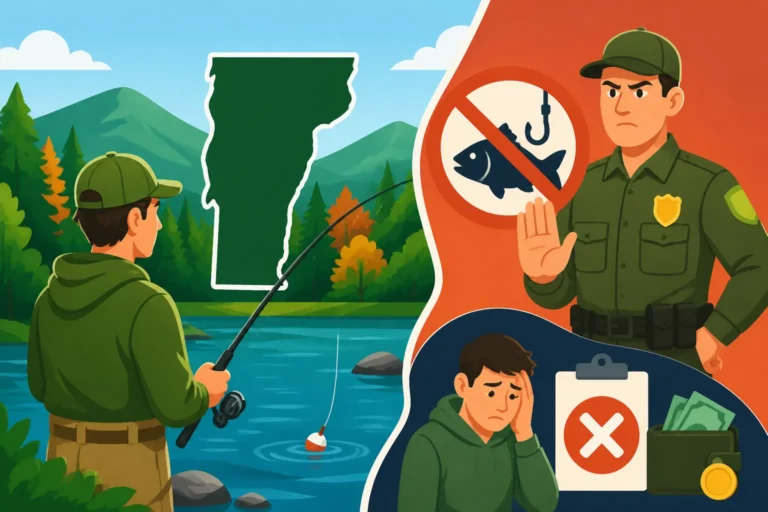
This might seem obvious, but it bears repeating: fishing without the appropriate and valid license (unless you fall under a specific exemption like being under 15 or participating in a mentored fishing weekend) is illegal in Vermont. The penalties for fishing without a license can range from a significant fine to, in some cases, even the confiscation of your fishing gear. It's not a slap on the wrist; the state takes its conservation funding seriously. You can find more detailed information on Fishing Without a License in Vermont: Penalties.
Imagine spending a lovely day on Lake Bomoseen, reeling in some nice bass, only to have a game warden approach and ask for your license. If you can't produce one, that enjoyable day can quickly turn into a costly and frustrating experience. The fines are designed to deter illegal activity and recoup the lost revenue that would otherwise go towards crucial fish stocking, habitat protection, and enforcement efforts. It's simply not worth the risk. Always ensure you or your accompanying anglers have the correct permits before casting out.
Reciprocity on Border Waters
Vermont shares some of its most popular fishing waters with neighboring states and even Canada. Lake Champlain, for example, forms a significant border with New York. The Connecticut River borders New Hampshire, and Lake Memphremagog extends into Quebec. For anglers on these specific boundary waters, special reciprocity agreements are often in place, meaning a license from one side might be valid on the other, or certain zones might require a specific type of license. Understanding Vermont fishing license reciprocity on Lake Champlain with New York is critical if you plan to fish those areas.
These rules can be complex and are often subject to specific agreements between the states/province. It's absolutely crucial to verify the current reciprocity rules before fishing these waters, as operating under assumptions could lead to unintentional violations. For instance, while a Vermont license generally covers the Vermont portion of Lake Champlain, certain areas or methods might still have unique rules, or you might need an additional permit if you venture too far into New York waters. Always check the latest regulations from both states' wildlife agencies to ensure you're compliant across the entire body of water you intend to fish.
A Quick Reference Guide to Vermont Fishing License Age Requirements
To help keep all these age requirements and exemptions straight, here's a handy table summarizing the key points for fishing in Vermont. This can be a quick reference whether you're planning a family trip or just need a refresher on the rules.
| Age Group | License Required? | Details & Special Notes |
|---|---|---|
| Under 15 | No | Completely exempt from needing a fishing license. Encouraged to fish with family and friends. This applies to both residents and non-residents. |
| 15-17 (Youth) | Yes | Must purchase a Youth Fishing License. This is a discounted license. Provides full fishing privileges. Can fish independently. Available for both residents and non-residents at youth rates. |
| 18-64 (Adult Resident) | Yes | Must purchase a Resident Annual Fishing License. Proof of Vermont residency (e.g., 6+ months continuous living) required. |
| 18-64 (Adult Non-Resident) | Yes | Must purchase a Non-Resident Fishing License. Options include 1-day, 3-day, 7-day, or Annual. Choose based on length of stay. |
| 65+ (Senior Resident) | Yes | Must purchase a Senior Fishing License. Significant discount for Vermont residents aged 65 and over. Proof of age and residency required. |
| Disabled Residents | Yes (special) | May qualify for a Free or Discounted Disability Fishing License. Specific criteria apply (e.g., disabled veteran, permanent disability). Requires application and verification through VT Fish & Wildlife. |
| Mentored Fishing Weekends | No | Anglers of any age are exempt from needing a license if accompanied by a licensed adult angler on designated dates. Excellent for trying fishing out. Check annual dates for the Vermont Free Fishing Weekend Dates. |
| Free Fishing Days | No | Anyone, resident or non-resident, can fish without a license on specific dates. Typically one day in June and one day in September (Labor Day weekend). Check annual dates for the Vermont Free Fishing Weekend Dates. |
Final Thoughts on Vermont Fishing License Age Rules
Understanding Vermont's fishing license age requirements doesn't have to be a daunting task. The state does a commendable job of balancing accessibility for young and new anglers with the necessity of funding vital conservation efforts through license sales. By knowing the rules for children, teenagers, adults, and seniors, you can ensure your time on the water is not only productive but also fully compliant with state law.
Remember, every license purchased contributes directly to the health and sustainability of Vermont's incredible fisheries, from the stocked trout ponds to the wild brook trout streams and the vast expanses of Lake Champlain. So, whether you're introducing a youngster to the thrill of a first catch or enjoying a peaceful day by yourself, make sure your paperwork is in order. Tight lines, and happy fishing!
Disclaimer
Please remember that fishing regulations, including license requirements and age exemptions, can change. While this guide aims to provide accurate and up-to-date information, it is always your responsibility to consult the official Vermont Fish & Wildlife Department website or their most current regulations guide before heading out on the water. This content is for informational purposes only and should not be considered legal advice.