Printing or Carrying a Digital Fishing License in Vermont
The tranquil waters and abundant fish of Vermont call to many, but the excitement can quickly fade if you're caught unprepared when a game warden asks to see your fishing license. In our increasingly digital world, it’s easy to wonder if that little piece of paper is truly necessary, or if flashing your smartphone screen is perfectly acceptable. This comprehensive guide will walk you through Vermont's specific requirements and best practices for carrying your fishing license, whether you prefer the tactile security of paper or the sleek convenience of a digital display.
Understanding Vermont's Official Stance on Fishing License Display
Navigating the rules and regulations around your Vermont fishing license can sometimes feel like trying to untangle a particularly stubborn knot in your fishing line. You want to do things correctly, but the specifics aren't always immediately obvious. When it comes to displaying your license, Vermont's Fish & Wildlife Department has made efforts to modernize while still ensuring enforceability. It's a balance between embracing technological convenience and maintaining clear, verifiable proof of licensure in the field.
The Letter of the Law: What the Regulations Actually Say
Vermont's fishing regulations are designed to be straightforward, but like all legal texts, the wording matters. Historically, "on your person" or "readily available" often implied a physical document. However, the Vermont Fish & Wildlife Department has officially recognized digital copies for many years now. What this means in practice is that if you've purchased your license online, which many folks do these days via the official Vermont Fish & Wildlife website, you're usually emailed a digital version—often a PDF. This digital file, when stored on a smartphone or other device, is generally accepted as valid proof.
The key phrase to remember is "readily available." This isn't just about having it on your phone; it's about being able to present it clearly and legibly to a game warden when requested. Imagine you’ve just reeled in a beautiful brook trout from a remote stream in the Northeast Kingdom. A warden approaches, asks for your license, and your phone screen is cracked, too dim, or simply refuses to load the PDF. In such a scenario, while you technically have a digital license, your inability to display it effectively could lead to complications. It’s about more than just possession; it’s about clear, immediate presentation.
The Evolution of Digital Proof Acceptance
Vermont has been at the forefront of many states in embracing digital solutions for outdoor recreation. This isn't a new development; the department has recognized the practical benefits for anglers and hunters alike for quite some time. The shift reflects a broader societal move towards digital documentation, from boarding passes to car insurance cards. For the busy angler, being able to pull up their license with a few taps on a screen saves time and reduces the clutter of physical paperwork.
This evolution has meant that the traditional worries about a warden only accepting a physical card have largely diminished. However, it's important to understand that while the format of the license has evolved, the requirement to have a valid, accessible license has not. Vermont's approach has been to make it easier for people to comply with regulations, not to remove the regulations themselves. The state has understood that forcing everyone to print a physical copy after purchasing online could be a barrier, especially for those who travel or don't have easy access to printers. The convenience factor for those buying a Vermont 1-Day Nonresident Fishing License Cost or a multi-day permit online is huge, as they can head straight to the water.
The Case for a Physical, Printed Fishing License
Even with all the advancements in digital technology, there's a strong argument to be made for sticking with a good old-fashioned printed fishing license. It’s not just for the technologically challenged; it’s often the most reliable option when you're out in the unpredictable Vermont wilderness. Embracing the digital age doesn't mean abandoning tried-and-true methods that offer peace of mind.
Reliability and Accessibility: No Battery, No Signal Worries
Perhaps the biggest advantage of a physical, printed fishing license is its sheer reliability. Think about it: a piece of paper doesn't need to be charged. It doesn't lose signal. It won't suddenly decide to perform a software update when you least expect it. Many of Vermont's prime fishing spots, especially those remote trout streams or hidden ponds in the Green Mountains, are notorious for having little to no cell service. Imagine you're deep in the woods, far from any paved road, and a game warden stops by. You reach for your phone, only to find the battery is dead from a long day of mapping fish habitat, or you're in a cellular dead zone and can't load your digital PDF.
In such a hypothetical scenario, a physical license becomes your best friend. It’s always there, always ready, regardless of the technological quirks of the modern world. This is particularly crucial for those who venture into the true backcountry, where a dead phone isn't just an inconvenience for displaying a license, but a potential safety hazard. Having your Vermont Fishing License Guide for 2026 readily available in physical form can prevent unnecessary stress and potential fines, allowing you to focus on the joy of catching fish, rather than worrying about your phone's charge. You can print your license at home, or visit one of the many authorized vendors across the state, which makes obtaining a physical copy relatively easy for most anglers. For details on where to get one, check out Where and How to Buy a Vermont Fishing License.
Durability and Practicality in the Elements
The Vermont outdoors can be tough on gear, and that includes your fishing license. Rain, snow, humidity, and even just the general dampness around the water can turn a plain paper license into a soggy, illegible mess in no time. This is where a little proactive preparation makes a huge difference. Many anglers choose to laminate their paper licenses, turning them into durable, waterproof cards that can withstand the elements. You can find simple laminating pouches or even waterproof ID holders on Amazon, making this an easy and affordable upgrade.
A laminated license is not only protected from water damage, but it's also less likely to tear or fade over time. You can easily attach it to a lanyard, a fishing vest, or keep it in a designated waterproof pocket in your tackle box. This practicality means it’s always within reach and always presentable, no matter how many times you get splashed or how much drizzle the day brings. Compare this to a digital license on a phone screen, which can be difficult to see in bright sunlight, or becomes a liability if your phone isn't waterproof and takes an accidental dip in the lake. For a Vermont Combination Hunting and Fishing License Options holder, having a single, durable card for both activities is incredibly convenient.
Embracing the Digital Fishing License on Your Smartphone
There's no denying the appeal of digital convenience in almost every aspect of our lives, and fishing licenses are no exception. For many, the smartphone is an indispensable tool, a compact hub that holds everything from maps to tackle notes, and increasingly, important documents like fishing licenses. Vermont has recognized this trend, making it easier than ever to carry your license right in your pocket.
Convenience and Modern Day Carry
The sheer convenience of having your Vermont fishing license on your smartphone is hard to beat. Most of us carry our phones everywhere, so adding a digital license to the mix means one less thing to remember when heading out the door. No more rummaging through your wallet, fishing vest pockets, or glove compartment to make sure you have that specific piece of paper. It’s right there, nestled among your other essential apps and documents. This is especially true for the younger generation of anglers, who are completely accustomed to managing their lives digitally.
After purchasing your license online through the Vermont Fish & Wildlife Department website, you'll typically receive an email with a link or an attached PDF file of your license. The best practice is to download this PDF and save it directly to your phone's files, or even take a clear screenshot of the entire license to save in your photos. This ensures you can access it even without an internet connection. Some states have dedicated fishing and hunting apps that integrate licenses, and while Vermont largely relies on PDF or screenshot methods, the principle is the same: quick, easy access. This ease of access can be particularly beneficial if you're frequently updating your license or obtaining different permits, like those for specific Vermont Trophy Trout Program Waters.
Potential Pitfalls and Backup Strategies
While carrying your license on your phone is convenient, it's not without its drawbacks, and it's essential to be aware of these potential pitfalls. The most obvious concern is battery life. A long day on the water, especially if you're using your phone for GPS, photos, or other apps, can quickly drain your battery. A dead phone means an inaccessible digital license, which could put you in a tough spot during a warden check. There's also the risk of water damage – an accidental drop into Lake Champlain or a slip on a rocky stream bank could render your phone useless. Screen glare in bright sunlight can also make it difficult for a warden to clearly read the information on your screen, leading to delays and frustration.
To mitigate these risks, smart anglers employ backup strategies. Always charge your phone fully before heading out. Consider carrying a portable power bank, readily available from retailers like Amazon, to ensure your phone stays charged. Invest in a waterproof phone case, especially if you plan on kayak fishing or being near the water frequently. Beyond that, the most robust backup plan is to still have a physical copy. Even if you prefer the digital version, print out a paper copy and leave it in your tackle box, in your vehicle, or with a fishing buddy. This "hybrid approach" gives you the best of both worlds – digital convenience with physical redundancy. It's also wise to email a copy of your license to yourself or save it to a cloud storage service, so you can access it from another device if your primary phone is lost or damaged. If you ever need to replace a lost license, having these backups can simplify the process described in Replacing a lost Vermont fishing license.
What to Expect During a Warden Check
Encountering a game warden is a routine part of fishing in Vermont, and it’s typically a quick, polite interaction designed to ensure everyone is following the rules and contributing to the conservation efforts that make our fisheries so special. Knowing what to expect, especially with a digital license, can make these encounters even smoother.
Smooth Encounters with Digital Licenses
When a Vermont Fish & Wildlife Warden approaches and asks to see your license, the goal is always a smooth, efficient verification. If you're using a digital license, the process is generally straightforward. Be prepared to quickly access the PDF or screenshot on your phone. It's a good idea to have it saved in an easily accessible folder, perhaps even favorited, so you're not fumbling through dozens of photos. Ensure your screen brightness is turned up so the warden can clearly read all the information, including your name, license number, and the Vermont annual fishing license expiration date.
Warden's are very accustomed to seeing digital licenses these days, so there's usually no issue with the format itself. They'll likely just need a moment to confirm the details. Being polite, cooperative, and having your license ready not only makes the interaction pleasant but also demonstrates your respect for the regulations and the warden's work. Remember, these checks are crucial for protecting Vermont's natural resources, and your compliance helps support the state's conservation initiatives.
Navigating Challenges and Avoiding Penalties
Despite your best efforts, sometimes things go awry. What if your phone dies, gets wet, or you're in a remote area without service, rendering your digital license inaccessible? This is where the importance of backup plans truly comes into play. If you cannot present a valid license when requested by a game warden, you could face consequences. While a warden might exercise discretion in certain situations, especially if you have a compelling reason and are otherwise cooperative, the lack of a verifiable license is a serious matter.
The specific penalties for Fishing Without a License in Vermont: Penalties can vary, ranging from fines to a court summons, depending on the severity and circumstances. It’s always best to avoid this situation entirely. That’s why the hybrid approach (digital on phone, physical backup) is so highly recommended. If you can at least show a physical copy, even if it's in your car or tackle box, it’s far better than having no proof at all. Being upfront about any technical difficulties you’re experiencing, rather than trying to hide them, can also sometimes influence how the situation is handled. Ultimately, the responsibility rests with the angler to ensure their license is always valid and accessible when on the water. Understanding all the Vermont Fishing Regulations Explained is also vital.
Best Practices for Carrying Your Vermont Fishing License
Whether you're a seasoned angler or just starting out, adopting smart habits for carrying your fishing license can save you a lot of hassle and potential headaches. It's all about finding the right balance between convenience, reliability, and preparedness.
The Hybrid Approach: Digital Convenience, Physical Redundancy
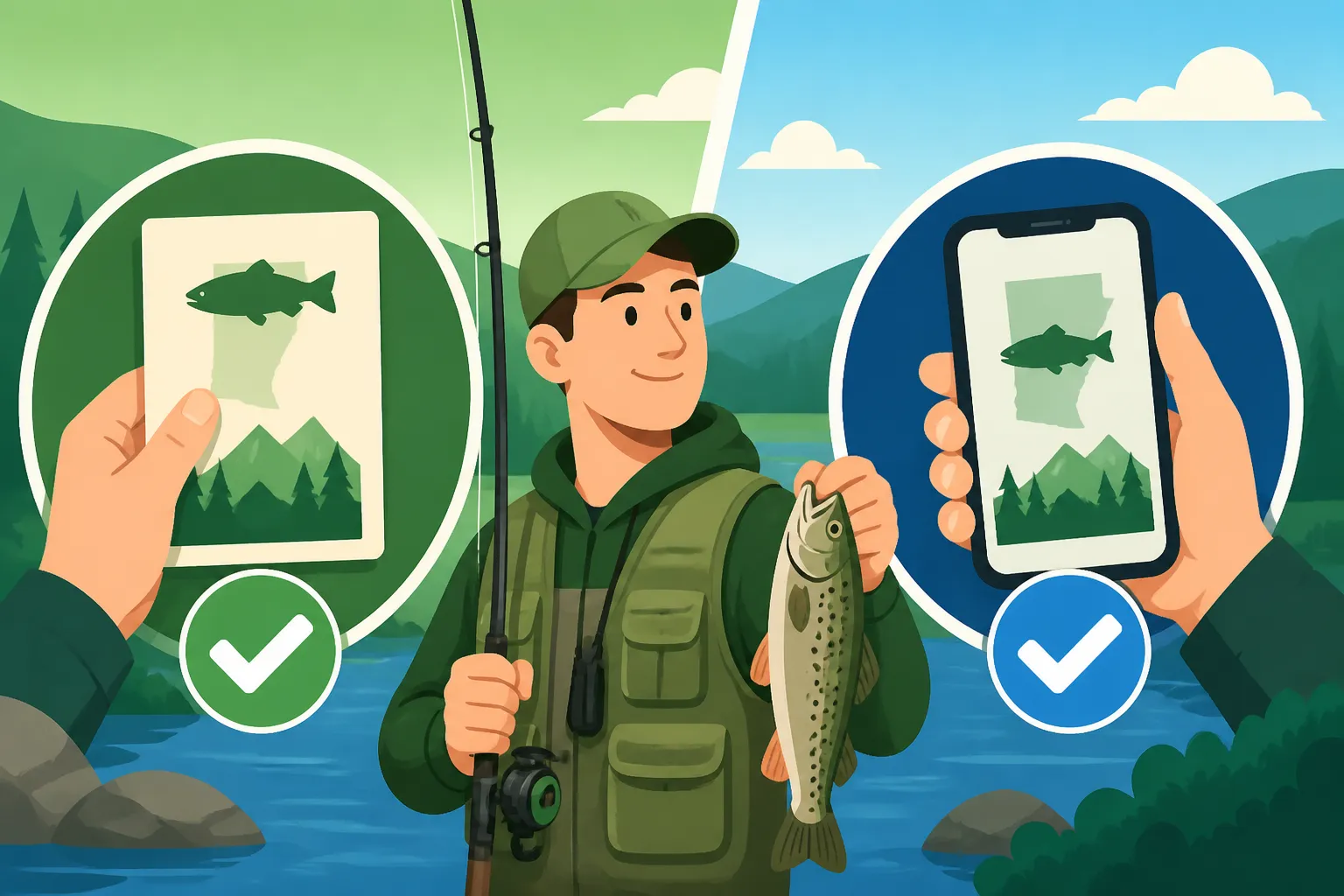
In today's world, the most practical advice for carrying your Vermont fishing license is to embrace a hybrid approach. Think of it as having your cake and eating it too, but with an extra slice tucked away for good measure. Keep a digital copy readily accessible on your smartphone, ideally as a downloaded PDF or a clear screenshot, so it's always with you and just a few taps away. This is fantastic for those spontaneous fishing trips or when you simply want to travel light.
However, don't stop there. Always, and I mean always, have a physical backup. Print an extra copy of your license, perhaps laminate it for durability (you can get laminating sheets on Amazon for cheap!), and tuck it into a waterproof bag within your tackle box, glove compartment, or fishing backpack. This ensures that if your phone decides to die, gets dropped in the water, or you find yourself in a cellular black hole, you still have verifiable proof of your legal right to fish. It's a small effort that can prevent a major inconvenience or even a penalty, ensuring your day on the water remains focused on the catch, not on frantic phone troubleshooting.
Ensuring Accessibility and Legibility
Having a license isn't enough; it must be accessible and legible. For your digital license, make it easy to find. Don't bury the PDF deep within your phone's file structure. Save it to your home screen as a shortcut, or in a prominent album in your photos. When a warden asks, you want to be able to pull it up instantly, not scroll endlessly. Also, remember to keep your screen clean and free of cracks, and turn up the brightness for easy viewing, especially on a sunny Vermont afternoon.
For your physical copy, legibility means ensuring the print isn't faded and the paper isn't torn or water-damaged. If you print at home, use good quality paper and ink. As mentioned, laminating is a fantastic way to preserve legibility and add durability. Also, remember that different types of licenses, such as a Vermont Youth Fishing License Rules by Age or a Vermont Senior Fishing License Discount, might have specific details that need to be clearly visible. Always double-check your license details against the official document, and make sure any physical copies are stored in a way that protects them from the elements and wear and tear.
License Carrying Options: A Quick Comparison
To help you decide the best way to carry your Vermont fishing license, here’s a quick comparison of the pros and cons of digital versus physical formats.
| Feature | Digital License (Smartphone) | Physical License (Printed Paper) |
|---|---|---|
| Convenience | Always on hand if you carry your phone; no extra bulk. | Requires carrying a separate document or card. |
| Reliability | Dependent on battery life, phone function, and cell signal. | Not dependent on power or signal; works anywhere. |
| Durability | Vulnerable to water damage, drops, screen cracks. | Can be laminated for excellent water and tear resistance. |
| Accessibility | Quick to pull up if saved properly; screen brightness an issue. | Instantly viewable; no tech issues. |
| Backup Potential | Easy to have multiple copies (screenshots, cloud storage). | Can print multiple copies; good for leaving a backup in car. |
| Cost | No additional cost beyond phone/internet. | Cost of printing, laminating (if desired). |
| Legibility | High resolution if phone screen is clear and bright. | Clear print, but can fade or smudge if not protected. |
Disclaimer
The information provided in this guide is for general informational purposes only and does not constitute legal advice. While we strive to provide accurate and up-to-date information, fishing regulations and policies can change. Always consult the official Vermont Fish & Wildlife Department website or contact them directly for the most current and authoritative regulations regarding fishing licenses and their display.