Vermont smelt dipping license requirements
It can be incredibly confusing to figure out the exact rules for something as specific as smelt dipping in Vermont. Many folks assume it's a casual activity that might not require the same licenses as traditional hook-and-line fishing, or they worry about missing some obscure regulation that could land them in hot water. This comprehensive guide is here to clear up all that uncertainty, walking you through everything you need to know about Vermont's smelt dipping license requirements and the associated rules, so you can enjoy this unique winter tradition worry-free.
Understanding Smelt Dipping in Vermont
Smelt dipping isn't just a way to catch fish; it's a cherished winter pastime in Vermont, often bringing communities together around frozen lakeshores or river mouths under the starry sky. The sheer excitement of seeing a school of these small, silvery fish shimmer in your net, especially on a cold night, is an experience many Vermonters look forward to all year.
What Exactly is Smelt Dipping?
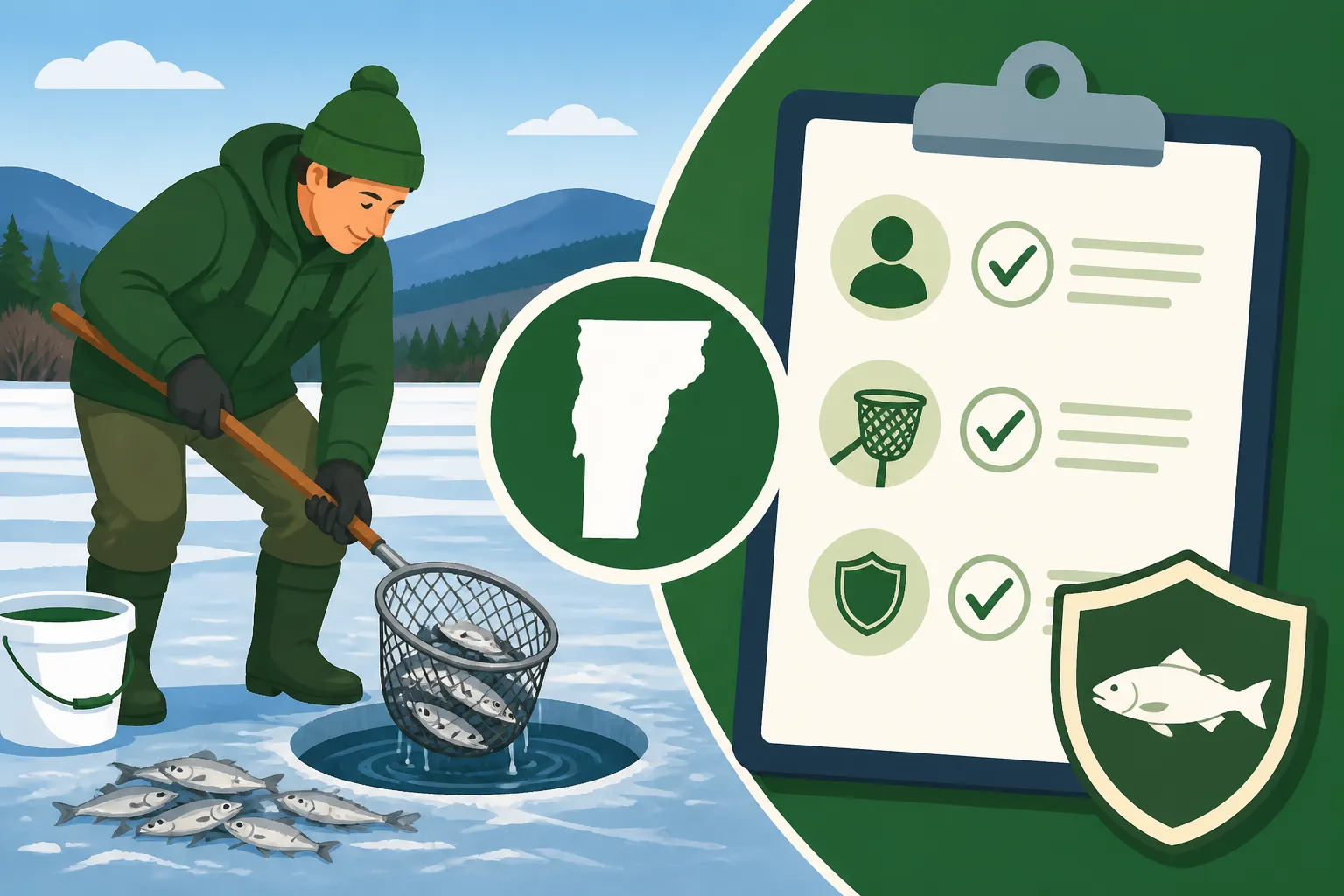
For those new to the tradition, smelt dipping refers to the practice of catching rainbow smelt, typically during their spawning runs, using a specialized dip net. Unlike angling with a rod and reel, this method involves submerging a net, often a long-handled one with a hoop between 16 and 24 inches in diameter, into the water where smelt are known to congregate. You wait, sometimes patiently, sometimes with a quick scoop, for the smelt to swim into your net. It's often done at night, illuminated by headlamps or lanterns, as smelt are known to be more active in lower light conditions, especially when they move into shallower areas to spawn.
This isn't just a utilitarian way to get some tasty fish; it’s a social event for many. Families and friends will often gather, sometimes even setting up small campfires (where permitted) or propane heaters to stay warm. The anticipation, the camaraderie, and the reward of fresh smelt cooked up right on the spot or taken home to fry make it a truly special experience. It’s a distinct form of fishing, one that requires specific knowledge of where and when the smelt are running, which often involves local knowledge passed down through generations.
Why are Specific Regulations in Place?
Just like any other form of fishing, smelt dipping is regulated for some very good reasons. The Vermont Fish and Wildlife Department has a critical role in managing the state's natural resources, and that includes ensuring healthy populations of rainbow smelt for current and future generations. Without regulations, overharvesting could quickly deplete local smelt populations, disrupting the delicate aquatic ecosystem. Smelt are a vital forage fish, meaning they are a primary food source for larger predatory fish like lake trout, salmon, and even some species of bass. A decline in smelt numbers could have a cascading negative effect throughout the food web.
The regulations also help manage access and ensure fairness among anglers. They prevent one individual or group from monopolizing a resource and encourage responsible behavior. Historically, there have been periods where smelt populations faced pressure, leading to stricter rules. These regulations are not put in place to make things difficult for anglers, but rather to sustain a beloved tradition and a crucial part of Vermont's aquatic environment. They balance the opportunity for recreation with the necessity of conservation, ensuring that the magic of a smelt run can continue year after year. Understanding these underlying reasons can help anglers appreciate the importance of adhering to the rules.
Navigating Vermont's Smelt Dipping License Requirements
The most common question about smelt dipping often boils down to this: do I need a license? The short answer is almost always yes. While the method of catching smelt is unique, it's still considered a form of fishing under Vermont law, and therefore falls under the general licensing requirements.
Who Needs a License to Dip Smelt?
In Vermont, generally, anyone aged 18 and older needs a valid fishing license to participate in smelt dipping. This applies whether you're a Vermont resident or visiting from out of state. It's not a separate "smelt dipping license" you're buying; it's your standard Vermont Fishing License Guide for 2026 that covers all legal methods of fishing, including dipping.
There are, however, a few key exceptions and nuances to consider. For instance, children under the age of 18 typically do not need a license to fish or dip smelt in Vermont. This is a wonderful initiative aimed at encouraging youth participation in outdoor activities and fostering a love for fishing from a young age. While they don't need their own license, it’s always a good idea for an unlicensed youth to be accompanied by a licensed adult, especially when venturing out onto the ice or near cold waters. Additionally, there are specific Vermont Free Fishing Weekend Dates where everyone, regardless of age or residency, can fish without a license. These are great opportunities to try smelt dipping or other fishing methods if you’re unsure about committing to a full license. Keep an eye on the Vermont Fish and Wildlife Department's calendar for these dates, as they can change annually.
The Different Types of Licenses Available
Since there isn't a standalone "smelt dipping license," what you'll be looking for is a general Vermont fishing license. These come in various forms to suit different needs and durations:
- Annual Resident Fishing License: This is the most common option for Vermont residents, covering an entire calendar year. It's often the most cost-effective if you plan to fish or dip smelt multiple times throughout the year. You can find details on the current Vermont resident fishing license cost 2026.
- Annual Non-Resident Fishing License: For those visiting Vermont, an annual non-resident license offers year-long access to the state's waters. This is ideal if you make frequent trips to the Green Mountain State for fishing, ice fishing, or smelt dipping. For details on how much it costs, refer to the Vermont nonresident fishing license cost 2026.
- Short-Term Non-Resident Fishing Licenses: If you're only planning a short visit for a dedicated smelt dipping trip or a quick fishing getaway, Vermont offers shorter duration licenses. These include a Vermont nonresident 1-day fishing license cost, a Vermont nonresident 3-day fishing license cost, and a Vermont nonresident 7-day fishing license cost. These are excellent flexible options, allowing visitors to enjoy the state's fisheries without committing to an annual fee.
- Combination Licenses: For those who enjoy both fishing and hunting, combination licenses are available, often offering a slight discount compared to purchasing both separately. These are a convenient way to cover all your outdoor bases with a single purchase.
It's important to select the license that best fits your needs, considering your residency status and how long you plan to participate in fishing activities. Each license grants you the privilege to legally harvest fish, including smelt, provided you adhere to all other regulations concerning methods, seasons, and limits.
Purchasing Your Vermont Fishing License
Getting your Vermont fishing license is generally a straightforward process, designed to be as convenient as possible. The Vermont Fish and Wildlife Department has established several avenues for purchase, ensuring that you can acquire your license whether you prefer online transactions or in-person assistance.
The most popular and often quickest way to purchase a license is online through the Vermont Fish and Wildlife Department's official website. This allows you to complete the transaction from the comfort of your home, print your license immediately, or save a digital copy on your phone. Many anglers prefer this method for its speed and accessibility, especially if they decide to go on an impromptu fishing trip. You can learn more about this process in our guide on How to Buy a Fishing License Online in Vermont.
If you prefer a more traditional approach or need to ask a specific question, you can purchase a license in person from a variety of authorized license agents across the state. These agents often include bait and tackle shops, general stores, sporting goods retailers, and some town clerk offices. These local vendors are fantastic resources, as they often have up-to-date information on local fishing conditions, recent stocking reports, and the best places for smelt runs. For a detailed list of where you can pick up your license, check out Vermont fishing license vendors near me or Vermont town clerk fishing license offices. While you're at these stores, you might also find excellent smelt dipping gear, like a sturdy dip net or a quality lantern. For things like portable heaters, headlamps, or insulated buckets, a quick search on Amazon can often yield exactly what you need, delivered right to your door.
Remember, once you have your license, you're required to carry it with you while you're fishing or dipping smelt. This could be a physical copy or a valid digital version on your smartphone. Not having proof of your license on hand could result in a fine, even if you’ve legally purchased one. It’s always best to be prepared and have it readily accessible.
Essential Smelt Dipping Rules Beyond the License
Having a valid fishing license is just the first step. Vermont's regulations for smelt dipping extend beyond the permit itself, covering everything from the type of gear you can use to the times you can actually dip. These rules are crucial for ensuring a sustainable fishery and a fair experience for everyone.
Gear and Method Restrictions
When it comes to smelt dipping, the Vermont Fish and Wildlife Department has specific rules regarding the equipment you can use. This isn't to limit your fun, but to manage the harvest effectively. The most important piece of gear is your dip net. By regulation, dip nets used for smelt may not exceed 24 inches in diameter or square measurement. This specific size limit prevents individuals from using excessively large nets that could quickly overharvest a spawning run or inadvertently capture larger fish species.
You'll also need a way to transport your catch. Buckets are common, and while there isn't a strict "bucket limit" in terms of size, remember that your daily bag limit will be the ultimate determinant of how much you can keep. Other gear often includes lanterns or headlamps, as smelt dipping is frequently a nighttime activity. While artificial lights are generally allowed for illumination, always be mindful of other anglers and avoid shining bright lights directly into their faces or disturbing their fishing area. Using a reliable headlamp from a brand found on Amazon can make a huge difference in staying hands-free and focused. The method itself involves scooping the net through the water where smelt are present. It's a hands-on, active process, distinct from setting lines or traps. Any method outside of a legal dip net is generally not permitted for smelt.
Season Dates and Time Constraints
Timing is everything in smelt dipping, as these fish only make their spawning runs during certain periods. In Vermont, smelt are generally available for dipping from January 1 through March 31, during the ice fishing season, but specific rules apply to certain waters. However, some specific waters, like portions of Lake Champlain tributaries, have different opening and closing dates or may be restricted to certain days of the week or hours of the day. For example, some areas might only allow dipping between sunset and 2:00 AM. These specific rules are in place to protect spawning populations and ensure enough fish return to maintain healthy future generations.
It is absolutely vital to consult the official Vermont Fishing Regulations Explained handbook each year. This guide provides the most up-to-date and water-specific rules, as dates and restrictions can change based on biological assessments of smelt populations. Failing to check these specific regulations could lead to accidentally fishing out of season or during restricted hours, resulting in penalties. Being aware of the Vermont Fishing Season Dates and Closures, especially for species like smelt, is key to a legal and successful outing.
Bag and Possession Limits for Smelt
Beyond the license and season, knowing your bag and possession limits for smelt is critically important. These limits dictate how many fish you can legally keep, preventing overharvest and ensuring the long-term health of the smelt population. Vermont regulations typically define a "daily bag limit," which is the maximum number of smelt you can take in a single calendar day (from midnight to midnight). In addition to this, there's often a "possession limit," which is the total number of smelt you can have on your person, in your cooler, or stored at your home at any given time. This possession limit might be equal to one or two daily bag limits.
For rainbow smelt in Vermont, the general daily limit for dipping is often 100 fish per person. This number is generous enough for most anglers to have a successful outing and take home a good meal, while still protecting the overall population. However, just like season dates, these limits can vary by specific water body and may be adjusted by the Vermont Fish and Wildlife Department based on scientific data. Always double-check the official regulations for the specific body of water you intend to fish. Our guide on Vermont Bag and Possession Limits by Species, while broad, can give you a good foundation, but remember to drill down to the specific smelt section for the most accurate numbers. Respecting these limits is a cornerstone of ethical angling and ensures that the smelt fishery remains vibrant for years to come.
Best Practices and Ethical Considerations for Smelt Dippers
Smelt dipping is more than just following rules; it’s about participating in a tradition responsibly and respectfully. By adopting a few best practices and maintaining an ethical mindset, you contribute to the enjoyment and sustainability of this unique Vermont activity for everyone.
Respecting the Resource and Other Anglers
When you're out smelt dipping, remember that you're part of a larger community sharing a natural resource. Sustainable harvesting means taking only what you need and what is legally allowed. Adhering to the daily bag and possession limits isn't just a rule; it's a commitment to conservation. Overharvesting, even accidentally, can put undue strain on local smelt populations, impacting not just the smelt themselves, but also the larger fish that depend on them as a food source. Consider practicing selective harvesting if you're catching more than you can realistically consume or store.
Beyond the fish, respect for the environment means leaving no trace. Pack out everything you pack in, including any trash, discarded bait, or broken gear. Leaving behind a clean site ensures that everyone can enjoy the natural beauty of Vermont's lakeshores and riverbanks. Furthermore, showing courtesy to other anglers is paramount. Smelt dipping can sometimes involve crowded areas, especially during peak runs. Give others ample space, avoid loud noises, and be mindful of your lights and equipment so as not to interfere with someone else's experience. A simple nod or a friendly greeting goes a long way in fostering a positive and welcoming atmosphere.
Safety First on the Ice and Shore
Smelt dipping often takes place in cold, sometimes icy, conditions, making safety a top priority. Whether you're standing on the frozen surface of a lake or wading into a cold stream, understanding and mitigating risks is essential. When ice fishing or standing on ice for dipping, always verify the ice thickness. A minimum of four inches of clear, solid ice is generally recommended for walking, and even more for groups. Be wary of areas with current, springs, or pressure ridges, as ice can be thinner and less stable there. Local bait shops or the Vermont Fish and Wildlife Department often provide ice condition reports, but personal vigilance is always necessary.
Dress in layers with appropriate winter clothing, including waterproof outer shells, to protect against the cold and wet conditions. Hypothermia can set in quickly if you're not properly insulated. Consider wearing a personal flotation device (PFD) if you're on the ice, especially during early or late season conditions, or if you're near open water. A quality PFD, easily found on Amazon, can literally be a lifesaver. On shore, particularly during nighttime runs, be aware of uneven terrain, slippery rocks, and fast-moving water. A reliable headlamp (and perhaps a backup) is crucial for navigating in the dark. Always let someone know where you are going and when you expect to return, especially if you're venturing out alone. Being prepared for emergencies, like carrying a fully charged cell phone, a first-aid kit, and an extra set of dry clothes, can make all the difference.
Identifying Smelt and Avoiding Bycatch
While smelt dipping targets rainbow smelt specifically, there's always a possibility of catching other species, especially if you're dipping in tributaries or larger bodies of water like Lake Champlain. Knowing how to correctly identify rainbow smelt is important. They are slender, silvery fish, usually between 6 to 10 inches long, with an adipose fin (a small, fleshy fin between the dorsal and tail fins) and often a distinct cucumber-like smell. They have relatively large mouths with prominent teeth.
If you accidentally catch other species, this is known as "bycatch." Depending on the species, specific regulations apply. For instance, if you're dipping in a stream that also holds trout, and you accidentally scoop up a trout, you generally must release it immediately and unharmed if it's not within the legal season or size limit for trout. Some waters have specific Vermont Trout Season and Stocking Rules that need to be followed. This is why it’s so important to be familiar with the regulations for all fish species in the area where you are dipping. Releasing bycatch gently and quickly minimizes stress and improves the fish's chances of survival. Using a dip net with a finer mesh can sometimes help reduce bycatch of larger fish while still effectively catching smelt. Always be ready to identify your catch and respond appropriately, ensuring you only keep what is legal and intended.
| Requirement Category | Specifics for Smelt Dipping | Details & Best Practices |
|---|---|---|
| License | Valid VT Fishing License | Required for ages 18+, residents & non-residents. Youth under 18 typically exempt. Check Vermont Fishing License Age Requirements for details. |
| Dip Net Size | Max 24 inches diameter/square | Essential to prevent overharvest and comply with legal gear. Larger nets are illegal. |
| Season Dates | Jan 1 – March 31 (general) | Varies by waterbody. ALWAYS consult current VT Fish & Wildlife regulations for specific dates and times, especially for Lake Champlain tributaries. |
| Daily Limit | 100 Smelt per person | This is a general guideline; verify for your specific location in the current regulations. |
| Possession Limit | Often 1 or 2 daily limits | Check current regulations for the specific possession limit. |
| Location | Legal Access Areas | Respect private property. Utilize public fishing access points. |
| Safety | Ice/Water Conditions | Verify ice thickness (4+ inches clear ice), dress in layers, carry safety gear, inform others of your plans. |
| Ethics | Catch & Release Bycatch | Release non-target species unharmed. Pack out all trash. Be respectful of other anglers. |
Disclaimer
The information provided in this guide is for general informational purposes only and is subject to change. While we strive to offer accurate and up-to-date details, fishing regulations, season dates, and license requirements in Vermont can be updated periodically by the Vermont Fish and Wildlife Department. It is always your responsibility to consult the official Vermont Fish and Wildlife Department regulations handbook or website before engaging in any fishing activity. Failure to do so may result in fines or penalties.