Vermont ice shanty registration rules
There's nothing quite like the crisp air of a Vermont winter and the anticipation of pulling a fish through the ice. But let's be honest, the excitement can quickly turn into a headache when you start wondering about all the rules for your cozy ice shanty. It’s not just about finding the perfect spot; it's also about navigating the specific regulations around registering, placing, and ultimately removing your ice fishing shelter. This comprehensive guide will walk you through Vermont's ice shanty registration rules, helping you stay compliant and focus on the fishing.
Understanding Vermont's Ice Shanty Registration Requirements
Ice fishing is a cherished winter tradition here in Vermont, and part of keeping it sustainable and safe for everyone involves some common-sense regulations, especially when it comes to your ice shanty. It’s easy to get caught up in the thrill of the catch and overlook the bureaucratic bits, but understanding these rules from the get-go will save you a lot of trouble down the line.
Why Registration Matters for Your Ice Shanty
You might wonder why on earth your humble ice shanty needs to be registered. It's not like a car, right? Well, the Vermont Fish & Wildlife Department has very good reasons for these rules, primarily centered around public safety, environmental protection, and accountability. Imagine a scenario where a sudden thaw causes ice to break up rapidly, and shanties are left drifting. How would authorities identify the owner to ensure its safe removal and prevent it from becoming a navigational hazard or environmental debris? Registration provides that crucial link.
Beyond disaster scenarios, proper identification helps wardens track ownership. If there are issues with placement, abandonment, or even simple inquiries, that unique registration number is vital. It acts as a kind of license plate for your ice fishing shelter, ensuring that responsibility can be attributed. This system ultimately helps keep our beautiful Vermont lakes and ponds clean and safe for all users, not just anglers.
When Registration is Required
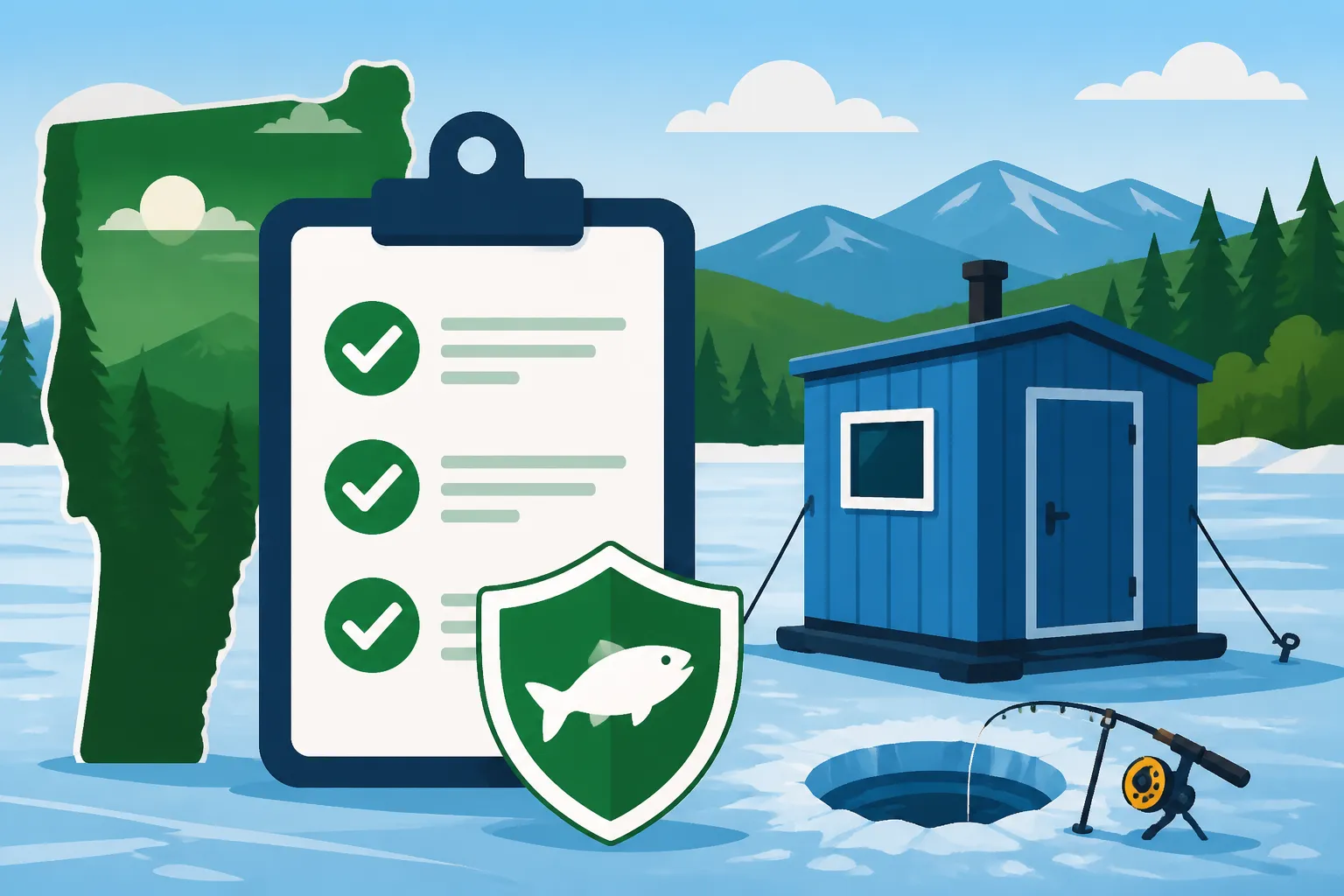
The core rule is pretty straightforward, but it's often the one folks get tripped up on. In Vermont, any ice fishing shanty or shelter that is left overnight on the ice MUST be registered. This isn't just for those elaborate, permanent-looking shacks; it applies to any portable shelter, pop-up tent, or homemade contraption that you intend to leave out after the sun goes down. If you're packing up your collapsible shelter at the end of each day, taking it home with you, then you don't need to register it.
However, if you plan to hit the ice at dawn, fish all day, and then leave your shanty out, perhaps with your gear inside, ready for another early start the next morning, then registration becomes mandatory. This rule is particularly important on popular lakes like Lake Champlain, Lake Memphremagog, or Lake Bomoseen, where numerous shanties dot the winter landscape. It helps the state monitor activity and ensures that all overnight structures are accounted for, which is a key part of the broader Vermont Fishing Regulations Explained.
Exemptions and What Doesn't Need Registering
As mentioned, if you're a day-tripper and your shelter leaves the ice when you do, you're exempt from registration. Think about those lightweight, one-person flip-over shelters or small, easy-to-pack pop-up tents. If it’s designed for easy setup and takedown and you consistently remove it before dark, you’re good to go without a registration number. This distinction is important because it acknowledges different styles of ice fishing.
Another common question revolves around simple windbreaks or makeshift shelters. Generally, if it's not fully enclosed and isn't intended for overnight use or permanent placement, it likely won't require registration. The key is "shelter" in the context of being an enclosed structure capable of housing someone overnight. If you're just rigging up a tarp to block the wind while you fish from a bucket, that's not considered a shanty for registration purposes. The intent is to regulate structures that could be left unattended or become permanent fixtures, not every piece of gear that offers a bit of respite from the elements.
The Nitty-Gritty of Registering Your Ice Shanty
So, you've decided to leave your ice shanty on the lake overnight, or maybe you're building a more substantial structure for the season. Either way, you'll need to get it registered. It's not an overly complicated process, but knowing the steps and what to expect beforehand will make it much smoother. Forget waiting until you're already out on the ice, shivering, realizing you missed a step. Do your homework first!
The Registration Process Step-by-Step
Getting your ice shanty registered in Vermont is fairly straightforward. The most common and convenient method is to register directly through the Vermont Fish & Wildlife Department's online licensing system. This is the same portal you'd use to purchase your annual Vermont Fishing License Guide for 2026 or check on specific Vermont Trout Season and Stocking Rules. When you log in, you'll typically find an option for "Ice Fishing Shanty Registration." You'll need to provide details about yourself and the shanty.
Alternatively, you can visit a Vermont Fish & Wildlife Department office during business hours. While not as immediate as online registration, it can be helpful if you have specific questions or prefer to handle things in person. Some authorized license vendors across the state might also be able to assist with registration, though online is generally the most efficient path. The goal is to obtain a unique registration number for your shanty.
Required Information and Fees
When you register your ice shanty, you'll be asked for some basic information. This usually includes your full name, address, phone number, and sometimes your fishing license number. You'll also need to provide a description of the shanty itself, such as its dimensions, construction materials, and any distinguishing features. This information helps the state keep accurate records and identify your shanty if needed.
One piece of good news is that there is generally no fee to register an ice shanty in Vermont. This is a free service provided by the Vermont Fish & Wildlife Department to facilitate compliance and manage ice fishing activity. While you might need to purchase a Vermont Resident Fishing License Cost 2026 or a Vermont Nonresident Fishing License Cost 2026 to fish, the shanty registration itself doesn't incur an additional charge. This makes it easier for anglers to follow the rules without worrying about extra costs.
Displaying Your Registration Number
Once you've successfully registered your ice shanty, you'll be assigned a unique registration number. This number isn't just for the state's records; it needs to be prominently displayed on the exterior of your shanty. The regulations require that the numbers and letters be at least two inches high, clearly legible, and displayed on the exterior, usually on at least one side. It's crucial that this number is visible and easily readable from a reasonable distance, even if there's a bit of snow or frost.
Many anglers choose to paint the number directly onto the shanty or use sturdy, weather-resistant decals. You can often find pre-cut number and letter kits at sporting goods stores or even through online retailers like Amazon, making it easy to comply. Just make sure whatever method you choose, it stands up to the harsh Vermont winter weather. Having your contact information (name and phone number) clearly visible nearby is also an excellent best practice, as it provides an immediate way for others or wardens to reach you if there's a problem.
Crucial Ice Shanty Placement and Removal Rules
Getting your shanty registered is only half the battle. Knowing where to put it and, perhaps more critically, when to take it off the ice, is just as important. These rules are in place not just for safety, but also to protect our precious natural resources and ensure everyone can enjoy Vermont's beautiful frozen landscapes.
Safe Placement and Distances
When you haul your registered shanty out onto the ice, there are some unwritten rules, and some very explicit ones, about where you can place it. Common courtesy dictates not setting up right on top of another angler, especially if there's plenty of open ice. But beyond courtesy, there are often regulations regarding distances from access points, boat launches, or even other structures. While specific distances might vary slightly by waterbody or local ordinance, generally you want to ensure your shanty isn't obstructing public access or creating a hazard.
For instance, on larger bodies of water like Lake Champlain, you'll want to be mindful of designated snowmobile trails or common travel routes, ensuring your shanty is safely out of the way. Additionally, make sure your shanty is stable and secure against strong winds. You wouldn't want it to become a runaway hazard. Using ice anchors or heavy-duty tie-downs is always a good idea, especially if you're leaving it for an extended period. Remember, safety always comes first, both for yourself and for others sharing the ice. And always make sure you're aware of How thick ice needs to be for Vermont anglers to walk on it before even stepping foot on the ice, let alone placing a shanty.
The All-Important Removal Deadlines
This is perhaps the most critical rule, and one that the Vermont Fish & Wildlife Department takes very seriously. All ice fishing shanties must be removed from the ice before specific deadlines, which are generally set to coincide with the onset of spring thaw and deteriorating ice conditions. These deadlines are non-negotiable and are often broadly announced but can also be found in the Vermont Fishing Regulations Explained guide or on the Fish & Wildlife website.
Typically, the statewide deadline for shanty removal is around mid-March, though for larger, deeper lakes like Lake Champlain, the deadline might extend a bit later, usually to the first week of April. However, these dates are highly dependent on actual ice conditions. If the ice becomes unsafe before the official deadline, you are expected to remove your shanty immediately. Do not wait for the official date if conditions deteriorate. It’s your responsibility to monitor ice conditions and remove your shanty safely and promptly. Leaving a shanty out past the deadline is a serious offense and can lead to significant penalties.
Environmental Considerations and Best Practices
Removing your shanty isn't just about getting it off the ice; it's about leaving no trace behind. The Vermont Fish & Wildlife Department stresses the importance of environmental stewardship. This means taking everything with you that you brought onto the ice. Far too often, abandoned shanties, or even just gear left behind, become eyesores and environmental hazards. Imagine the frustration of finding discarded trash or debris once the ice melts.
This includes all your garbage, bait containers, broken gear, and even the waste from your portable toilet, if you're using one. Be mindful of fuel spills from heaters or generators. The goal is to leave the ice exactly as you found it, if not cleaner. It's a small price to pay to preserve the pristine beauty of Vermont's winter landscapes for future generations. Consider having a dedicated "ice fishing cleanup kit" with extra trash bags and a shovel to ensure nothing is left behind when you break camp. Many anglers even find small portable trash cans on Amazon handy for keeping their shanty tidy.
Penalties for Non-Compliance and What to Avoid
Nobody wants to face fines or legal trouble just for enjoying a day of ice fishing. However, understanding the potential consequences of not adhering to Vermont's ice shanty regulations is a necessary part of being a responsible angler. The rules are there for a reason, primarily for safety and environmental protection, and the state doesn't take violations lightly.
Fines and Enforcement
The Vermont Fish & Wildlife Department employs wardens who regularly patrol ice fishing areas, especially as removal deadlines approach. These officers are there to ensure everyone's safety and compliance with the regulations. If your ice shanty is left on the ice past the designated removal date, or if it's found without proper registration numbers, you could be facing a citation.
The fines for such violations can vary but generally start in the hundreds of dollars. It’s not a slap on the wrist; these are real financial penalties that can quickly sour your entire ice fishing season. In some cases, severe or repeat offenses could lead to additional penalties or even affect your ability to get future fishing licenses. It's much simpler and less expensive to just follow the rules. Remember, these regulations are part of the larger framework covered in Vermont Fishing Regulations Explained, which aims to keep all aspects of fishing safe and fair.
Abandoned Shanties: The Costly Reality
The most severe consequence of non-compliance usually revolves around abandoned ice shanties. If a shanty is left on the ice after the removal deadline, especially if ice conditions have become hazardous, the Fish & Wildlife Department or local authorities may deem it abandoned. When this happens, they have the right to remove it themselves. This isn't a free service.
The costs associated with removing an abandoned shanty can be substantial, often running into thousands of dollars depending on the size and complexity of the structure and the resources required for its removal. And guess who gets the bill? The registered owner. If the shanty wasn't registered, identifying the owner becomes harder, but authorities will still attempt to track down the responsible party. Furthermore, abandoning a shanty is not just a financial burden; it's an environmental dereliction. These structures can break apart, creating dangerous debris that pollutes our lakes and rivers. This is why the penalties are so stringent – to deter irresponsible behavior and protect our waterways. It's a stark reminder that if you're planning on a multi-day ice fishing trip, ensure your shanty is equipped to handle the weather and, crucially, that you have a plan for its timely removal.
| Requirement | Detail | Important Note |
|---|---|---|
| Registration | Mandatory for any shanty left overnight on the ice. | Day-use shelters (removed daily) are exempt. |
| Cost | Free. | No fee for the shanty registration itself, but a valid fishing license is required to fish. |
| How to Register | Online via VT Fish & Wildlife website or at an F&W office/vendor. | Ensure you provide accurate contact and shanty description information. |
| Display Number | Unique number and letters (at least 2 inches high) clearly visible. | Display on at least one exterior side. Consider adding your name/phone for quick contact. |
| Removal Deadline | Mid-March (statewide), early April (Lake Champlain). | Remove immediately if ice conditions become unsafe, regardless of the official date. Dates are subject to change based on conditions. |
| Penalties | Fines (hundreds of dollars), potential removal costs (thousands). | Abandoned shanties are a serious offense with significant financial and environmental consequences. |
| Environmental Impact | Leave no trace: remove all trash, gear, and structures completely. | Protect Vermont's natural beauty for future generations. |
Disclaimer
The information provided in this guide is for general informational purposes only and is not a substitute for the official Vermont Fish & Wildlife Department regulations. Regulations can change, and it is always the angler's responsibility to consult the most current official Vermont Fishing Regulations guide and any specific local ordinances before engaging in ice fishing activities or placing an ice shanty.