Vermont Trout Season and Stocking Rules
One of the biggest head-scratchers for new and even seasoned anglers in the Green Mountain State is figuring out the ever-changing landscape of Vermont trout season and stocking rules. It can feel like you need a law degree just to cast a line without breaking a regulation! This comprehensive guide is here to untangle all that confusion, breaking down the statewide season, special water exceptions, and how Vermont keeps our waters teeming with beautiful, feisty trout through its stocking program.
Understanding Vermont's Trout Season Basics
Vermont's fishing regulations, especially for trout, can feel a bit like a mosaic – beautiful, but with many intricate pieces. Before you even think about dropping a line into one of our pristine rivers or sparkling lakes, it's absolutely crucial to understand the foundational rules that govern trout season across the state. This isn't just about avoiding a fine; it's about respecting the fish populations and ensuring sustainable angling for everyone.
General Statewide Trout Season Explained
For the majority of Vermont's waters, the general trout season follows a fairly predictable pattern. It typically kicks off on the second Saturday in April, which many Vermonters affectionately call "Opening Day," and runs right through until the last day of October. This window applies to most rivers, streams, and ponds unless they are specifically designated as "special regulation waters," which we'll dive into shortly. During this general season, anglers can target brook trout, brown trout, and rainbow trout. It’s important to remember that these dates are for harvesting trout; catch-and-release fishing might be permitted in some specific areas outside these dates, but always double-check the latest Vermont Fishing Regulations Explained guide.
This means that from November 1st until Opening Day in April, most trout waters are closed to fishing for these species. The reason for this closure is primarily conservation, allowing trout to spawn and recover without angling pressure during colder months when they are more vulnerable. It’s a critical period for ensuring the health and future of our trout populations. So, while it might be tempting to sneak in a late fall or early spring cast, sticking to the official dates is paramount. Always check the current year's Vermont Fish & Wildlife Department regulations booklet, as dates can occasionally shift due to biological or management considerations, though the general framework usually remains consistent.
Key Dates for Opening and Closing Day Traditions
Opening Day for trout season in Vermont is more than just a date on the calendar; it's a cherished annual tradition for many families and communities. Generations of Vermonters have woken up before dawn, packed a thermos of coffee, and headed out to their favorite stream, hoping to be the first to land a vibrant brook trout or a hefty rainbow. The air is usually crisp, the trees just beginning to bud, and the excitement is palpable. Many small towns see an influx of anglers, and local bait shops become bustling hubs of activity.
This tradition is deeply ingrained in Vermont's outdoor culture, marking the true arrival of spring after a long winter. Kids eagerly await their chance to cast a worm, while fly anglers meticulously select their nymphs. The camaraderie among anglers on Opening Day is something special, often involving shared stories, tips, and the occasional friendly competition. Similarly, the closing day at the end of October signals the winding down of the open water fishing season for trout, prompting many to make one last pilgrimage to their favorite spots before the long winter sets in. Understanding these Vermont Trout Opening Day Traditions helps you appreciate the rhythm of angling life here.
Navigating Special Regulation Waters
While the statewide trout season provides a general framework, Vermont is also home to a diverse array of "special regulation waters." These specific rivers, streams, and ponds have unique rules that supersede the general regulations, often put in place to protect sensitive wild trout populations, enhance trophy opportunities, or create unique fishing experiences. Ignoring these specific rules can lead to disappointment or, worse, a violation.
Catch-and-Release Only Trout Waters
Across Vermont, you’ll find certain stretches of rivers and specific ponds designated as "catch-and-release only" for trout. These waters are often identified with clear signage and are listed in the official regulations booklet. The primary goal of these designations is to foster wild, self-sustaining trout populations and to create environments where anglers can enjoy fishing for larger, more experienced fish without impacting the overall population numbers. It's a fantastic opportunity to hone your skills and appreciate the beauty of trout without the pressure to harvest.
On these waters, all trout caught, regardless of size or species, must be immediately released unharmed. Anglers are often required to use artificial lures or flies, and sometimes single, barbless hooks, to minimize harm to the fish. This policy allows fish to grow larger and provides repeated angling opportunities. Examples of such waters might include sections of the Black River in southern Vermont or designated ponds in the Green Mountain National Forest. Always consult the Special Regulation Waters in Vermont section of the state guide before heading out.
Fly Fishing Only Designated Streams
For the dedicated fly angler, Vermont offers several streams and river sections that are designated as "fly fishing only." These areas typically coincide with some of the state's most pristine and productive trout habitat, often supporting healthy populations of wild brook, brown, and rainbow trout. The restriction to fly fishing is often aimed at reducing fishing pressure and promoting a more specialized, often less impactful, angling method. It also creates a specific angling experience sought after by many.
In these "fly fishing only" waters, you cannot use conventional spinning gear, bait, or any lures that are not considered artificial flies. This distinction is important; a small spinner, for instance, would be illegal. Many of these waters also have additional regulations, such as catch-and-release rules or specific length limits. The Battenkill River, particularly its famed trophy section, is a prime example of a waterbody with specific fly fishing regulations. If you're planning on fishing these unique areas, make sure your gear and techniques are compliant. For further guidance, look up Vermont Catch and Release Fly Fishing Only Waters.
Trophy Trout Program Waters and Their Unique Rules
Vermont's Trophy Trout Program is designed to provide anglers with the exciting challenge of targeting larger-than-average trout. These specially managed waters, which can include both lakes and river sections, are stocked with larger trout, often brown trout or rainbow trout, and are managed with specific regulations aimed at allowing these fish to grow to impressive sizes. It's a fantastic program for those seeking a shot at a true lunker.
The rules for these Vermont Trophy Trout Program Waters are distinct from general regulations. For instance, they might have higher minimum length limits (e.g., 18 inches) and often lower daily creel limits (e.g., one fish per day), designed to protect the bigger fish and spread out the angling opportunity. Some trophy waters might even have season dates that differ from the statewide norm. A great example is Lake Willoughby, known for its landlocked salmon and lake trout, or certain designated sections of the White River where larger brown trout are stocked. Before you go, always verify the specific rules for the trophy water you plan to visit, as they are crucial for both legality and conservation.
The Ins and Outs of Vermont's Fish Stocking Program
Vermont's Fish & Wildlife Department plays a vital role in maintaining and enhancing the state's fisheries through an extensive stocking program. This effort ensures that there are ample angling opportunities, especially in waters that might not support robust wild populations or where public access is high. It's a major undertaking that involves careful planning, breeding, and distribution.
Species of Trout Stocked in Vermont
The Vermont Fish & Wildlife Department primarily stocks three species of trout: brook trout, brown trout, and rainbow trout. Each species serves a particular purpose and thrives in different environments, offering diverse fishing experiences across the state.
- Brook Trout: Often stocked in smaller streams and ponds, especially those that provide suitable coldwater habitat. These native beauties are highly prized for their vibrant colors and feisty fight, even at smaller sizes. They are a staple of many early season fishing endeavors.
- Brown Trout: Known for their resilience and ability to tolerate warmer water temperatures than brook trout, brown trout are often stocked in larger rivers and lakes. They also grow to impressive sizes, offering the potential for true trophy catches. Brown trout are cunning and challenging, making them a favorite among experienced anglers.
- Rainbow Trout: These acrobatic fighters are incredibly popular due to their energetic battles when hooked. Rainbow trout are versatile and are stocked in a wide range of waters, from large rivers to popular ponds, providing excellent put-and-take opportunities. They are often stocked in catchable sizes, making them a great target for families and beginners.
The stocking program aims to complement, not replace, wild trout populations. In many cases, stocked fish are released in areas with good public access, ensuring that everyone has a chance to participate. The department carefully manages these introductions to prevent negative impacts on existing wild fish, creating a balanced and healthy fishery. You can often find details on the List of Vermont stocked trout waters through the department's resources.
How Vermont Decides Where and When to Stock Trout
The decision-making process for where and when to stock trout is far from arbitrary; it's a scientific and strategic endeavor. Vermont Fish & Wildlife biologists consider a multitude of factors to ensure the most effective and beneficial stocking program. This involves balancing ecological sustainability with recreational demand.
Firstly, water quality and habitat suitability are paramount. Biologists assess factors like water temperature, oxygen levels, available forage, and cover to determine if a waterbody can support stocked trout. They also consider existing fish populations to avoid introducing species that might compete with or harm native fish. Secondly, public access plays a significant role. Many stocked waters are chosen because they are easily accessible to anglers, including those with disabilities, or are located near population centers to maximize recreational opportunities. Lakes and ponds within state parks, for instance, are frequent stocking sites.
Finally, the timing of stocking is critical. For most waters, trout are stocked in the spring, often just before or shortly after the general opening day. This timing ensures that fish are available when angling pressure is highest. However, some waters might receive additional stockings in the fall to support winter fisheries or to create specific trophy opportunities. The goal is always to maximize the benefit to the angling public while maintaining the ecological integrity of Vermont's diverse aquatic ecosystems.
Using the Vermont Fish Stocking Search Tool
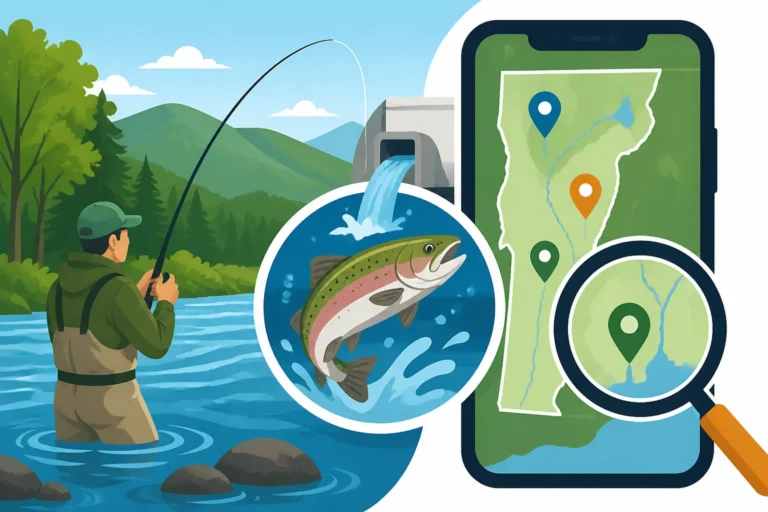
One of the most valuable resources for any Vermont angler is the online Vermont Fish Stocking Search Tool, Explained. This interactive tool, available through the Vermont Fish & Wildlife Department's website, allows you to look up stocking information for specific waters across the state. It's an absolute game-changer for planning your fishing trips!
Using the tool is straightforward. You can usually search by waterbody name, county, or even by fish species. The results will typically show you not only what species were stocked but also when they were stocked and in what quantities. This real-time information can help you identify recently stocked ponds or river sections, increasing your chances of success, especially early in the season. For example, if you're looking to take your kids out, knowing that a local pond was stocked with rainbow trout last week can make all the difference for a fun and successful outing. It removes much of the guesswork and allows you to target your efforts more effectively.
Daily Limits and Possession Rules for Trout
Understanding daily limits and possession rules is non-negotiable for any angler in Vermont. These regulations are designed to manage fish populations sustainably, ensuring there are enough fish for everyone to enjoy, year after year. Disregarding these limits isn't just unethical; it carries real legal consequences, so paying close attention to these details is crucial.
Statewide Daily and Possession Limits
For most of Vermont's general regulation waters, the statewide daily limit for trout (brook, brown, and rainbow combined) is six fish. This means that in any single day, from midnight to midnight, you cannot harvest more than six trout in total. The possession limit often mirrors the daily limit, meaning you cannot have more than six trout in your possession at any given time, whether they are in your cooler, in your vehicle, or back at your camp. This prevents anglers from accumulating multiple daily limits over several days.
It's important to differentiate between these two. For example, if you catch and keep six trout on Monday, you cannot go out and catch another six on Tuesday if you still have Monday's fish in your freezer and exceed the possession limit. The intention is to ensure that angling remains a recreational pursuit rather than a commercial harvest. Always consult the most recent Vermont Bag and Possession Limits by Species to confirm the current regulations, as these can occasionally be adjusted based on biological data and management goals.
Understanding Length Limits and Slot Limits
Beyond just the number of fish, Vermont also implements length limits and, in some specialized cases, slot limits for trout. These are crucial conservation tools designed to protect younger fish, allowing them to grow and reproduce, or to manage the size structure of a specific fishery.
- Minimum Length Limits: Many trout waters, especially those managed for wild or larger fish, will have a minimum length limit. For example, a river might state that all trout must be at least 12 inches long to be legally kept. Any fish caught that are shorter than this must be immediately and carefully released. This protects juvenile fish, ensuring they reach maturity and have a chance to spawn at least once.
- Slot Limits: While less common for general trout fishing, slot limits are sometimes used in specific fisheries. A slot limit might require anglers to release fish within a certain size range (e.g., all trout between 14 and 18 inches must be released), while allowing them to keep fish both smaller and larger than that range. The goal is often to protect prime breeding-size fish (those in the middle slot) while allowing harvest of smaller, more abundant fish and larger, trophy-sized fish. These are highly specific and will always be detailed in the special regulations for a particular waterbody.
Always carry a tape measure or have markings on your rod to quickly and accurately measure your catch. Misjudging a fish's length can lead to keeping an illegal fish.
Differences in Limits for Special Regulation Areas
As we touched on earlier, the general statewide limits are exactly that – general. Once you venture into Special Regulation Waters in Vermont, you'll often find that daily limits, possession limits, and length restrictions can change dramatically. This is where thorough research before your trip becomes absolutely indispensable.
For example, a designated catch-and-release only stream will obviously have a daily and possession limit of zero, meaning no fish can be kept. Trophy trout waters, on the other hand, might allow the harvest of only one fish per day, but with a significantly higher minimum length limit, such as 18 or 20 inches. Some waters may have a "no bait" rule but allow artificial lures and flies, or they might have specific regulations that only apply during certain times of the year, like a seasonal catch-and-release period before the general harvest season opens. It’s not uncommon to find areas with no length limit but a reduced bag limit, or vice-versa. Always treat the Vermont Fishing Regulations Guide as your bible when exploring new waters.
Beyond Trout: Other Coldwater Species and Their Seasons
While trout are certainly a star attraction in Vermont, the state's cold, pristine waters also support other incredible game fish that share similar habitats and seasons. Understanding these additional species and their regulations is key to a well-rounded fishing experience, especially if you're exploring larger lakes or deeper river sections.
Landlocked Salmon Seasons and Regulations
Vermont is renowned for its landlocked salmon fishing, particularly in large, deep glacial lakes like Lake Champlain and Lake Willoughby. These magnificent fish, essentially Atlantic salmon that spend their entire lives in freshwater, are powerful fighters and highly sought after. Their season generally aligns closely with the trout season, often opening on the second Saturday in April and running through October 31st. However, there are typically very specific regulations for salmon that differ from trout.
For instance, the daily limit for landlocked salmon is usually much lower than for trout, often set at one or two fish per day, with a significant minimum length limit (e.g., 15 or 18 inches). These stricter limits are in place because salmon populations are often managed with significant stocking efforts and are slower to reproduce in high numbers. You might also find specific regulations regarding the use of live bait, particularly smelt, which are a primary food source for salmon. Trolling is a very popular method for How to Catch Landlocked Salmon in Vermont, and understanding these nuanced rules for Lake Champlain or Lake Willoughby is crucial.
Lake Trout Seasons and Specific Rules
Lake trout, often called "lakers," are another coldwater giant that calls some of Vermont's deepest lakes home. Found in places like Lake Champlain, Lake Willoughby, and Seymour Lake, these fish are true deep-water predators, often requiring specialized gear and techniques to target, especially during the warmer months. The season for lake trout can sometimes extend longer than the general trout season, or even be open year-round in some specific large lakes, although limits and methods might change seasonally.
Similar to landlocked salmon, lake trout typically have lower daily limits and higher minimum length requirements than brook, brown, or rainbow trout. For instance, on Lake Champlain, the daily limit for lake trout might be one or two fish, with a minimum length of 18 inches. Some lakes may also have a total aggregate limit for salmon and lake trout combined. Because lake trout are slow-growing and long-lived, these conservation-focused regulations are essential for maintaining healthy populations. Special attention should be paid to regulations during their spawning periods in the fall, which often involve restrictions on specific areas or methods. Targeting these impressive fish means getting familiar with the deeper details, so consulting the Lake Trout Fishing in Vermont regulations is a must.
Essential Gear Considerations for Vermont Trout Fishing
Having the right gear isn't just about comfort or convenience; it genuinely impacts your success and enjoyment on the water. Vermont's diverse trout waters, from tiny mountain brooks to expansive rivers, demand a thoughtful approach to tackle. And let's be honest, who doesn't love browsing for new fishing goodies?
Must-Have Rod and Reel Combos
When it comes to rods and reels for trout fishing in Vermont, versatility is key, but so is matching your setup to the water you'll be fishing. You don't need a massive collection, but a couple of go-to combos will serve you well.
For smaller streams and brook trout, a lightweight setup is ideal. Think about a 5'6" to 6'6" ultralight or light action spinning rod paired with a small spinning reel, spooled with 4-6 lb test monofilament or fluorocarbon line. This sensitive combo allows you to cast small lures and baits accurately into tight spots and feel the subtle bites of smaller trout. For the fly angler, a 2 or 3-weight fly rod, about 6 to 7.5 feet long, is perfect for delicate presentations on these smaller waters.
If you're targeting larger rivers or ponds, especially for brown or rainbow trout, you might step up to a 6'6" to 7' medium-light spinning rod with a slightly larger reel, spooled with 6-8 lb test line. This gives you more backbone for casting heavier lures and handling bigger fish. For fly fishing, a 4 or 5-weight fly rod, 8.5 to 9 feet long, is considered the workhorse for most Vermont trout streams, capable of handling a wider range of flies and fish sizes. You can find a great selection of reliable rods and reels on platforms like Amazon that ship right to your door.
Waders and Footwear for Vermont Streams
Wading is an integral part of trout fishing in Vermont, allowing you to access prime fishing spots, make precise casts, and navigate river currents. Consequently, good waders and appropriate footwear are non-negotiable.
Waders: Breathable chest waders are generally the best choice for Vermont. They offer superior comfort in varying temperatures, allowing moisture to escape while keeping you dry. Look for durable material like Gore-Tex or similar breathable fabrics. Neoprene waders can be good for colder conditions, but they can be stifling in warmer weather. Ensure they fit well, allowing for layering underneath in colder conditions without being baggy. Quality waders can be an investment, but they're worth it for the comfort and longevity.
Footwear: Your wading boots are just as important as the waders themselves. Felt soles provide excellent grip on slick, algae-covered rocks, which are common in many Vermont streams. However, some areas (like certain sections of the Battenkill River) restrict felt soles to prevent the spread of invasive species. Rubber soles with good traction, especially those with studs or cleats, are a great alternative and are generally more versatile. Make sure your boots are comfortable, provide good ankle support, and are designed to be worn over the booties of your waders. Having a reliable pair of boots is crucial for safely navigating slippery riverbeds, something you can easily source from a place like Amazon.
Tackle Box Essentials for Trout Anglers
A well-stocked tackle box (or pack for fly anglers) is like an angler's toolbox – it needs the right instruments for the job. For Vermont trout, a few key categories of tackle should always be present.
- Lures: Small spinners (like Rooster Tails or Mepps), spoons (Little Cleos or Kastmasters), and small crankbaits (Rapala countdowns) are highly effective for spinning gear. Vary colors (silver, gold, black, fire tiger) and sizes to match conditions and fish preference.
- Bait: If bait is allowed, worms (nightcrawlers, red wigglers), powerbait, or corn are classic choices. Make sure to check regulations, as bait is often prohibited in special regulation waters.
- Flies: For fly anglers, a diverse selection of nymphs (Pheasant Tail, Hare's Ear, Prince Nymph), dry flies (Elk Hair Caddis, Adams, Parachute Adams), and streamers (Woolly Bugger, Clouser Minnow) will cover most conditions. Don't forget tippet, leader material, and split shot or strike indicators.
- Terminal Tackle: Essential items include hooks (various sizes, often small for trout), swivels, split shot weights (if using bait or for nymphing), and bobbers/strike indicators.
- Tools: Pliers (for hook removal), line clippers, a small first-aid kit, a headlamp, and a net (preferably rubberized for catch-and-release to protect fish slime) are invaluable. A small, portable scale and tape measure are also handy.
- Other: Sunscreen, bug spray, a hat, polarized sunglasses (crucial for spotting fish and structure), and plenty of water are often overlooked but essential for a comfortable day on the water. A good quality waterproof backpack or sling bag, available on Amazon, can help keep all your essentials dry and organized.
Common Mistakes and How to Avoid Them
Even the most experienced anglers can occasionally make mistakes, especially when fishing new waters or when regulations change. However, being aware of common pitfalls can help you avoid them, ensuring a smoother, more enjoyable, and compliant fishing experience in Vermont.
Misinterpreting Season Dates and Water Classifications
One of the most frequent errors anglers make is a simple misinterpretation of season dates or failing to correctly identify the classification of the waterbody they are fishing. As discussed, Vermont has general statewide seasons, but then a myriad of special regulations for specific waters. It's easy to assume that because a river is open for trout fishing in one section, it's open everywhere, or that the same rules apply upstream as downstream. This is often not the case.
For example, a river might have a general trout season, but a specific stretch might be designated "catch-and-release only" or "fly fishing only," or even "closed" during certain periods. Ponds within state parks can have different rules than public lakes. Furthermore, regulations for coldwater species like brook trout, brown trout, and rainbow trout can sometimes differ from those for warmwater species like bass or pike, even in the same water. The best way to avoid this mistake is to always consult the current year's Vermont Fishing Regulations Explained guide. If you're planning to fish a particular spot, cross-reference it with the "Special Regulation Waters" section. When in doubt, call the Vermont Fish & Wildlife Department's regional office for clarification.
Overlooking Local Signs and Regulations
While the official regulations booklet is your primary source of truth, it's also absolutely critical to pay attention to any local signage posted at fishing access points, boat launches, or along stream banks. These signs often provide crucial, real-time information or reiterate specific rules for that immediate area that you might have overlooked in the larger rulebook.
Imagine pulling up to a picturesque stream, gear in hand, only to see a small sign indicating "No Bait Fishing Allowed" or "Trout Season Closed Above This Point." It's incredibly frustrating to get all set up only to realize you can't fish the way you intended, or worse, that you could be in violation. These signs are placed by the Vermont Fish & Wildlife Department, landowners, or local conservation groups and are legally binding. They are there to help you, not hinder you. Always take a moment to read any posted information when you arrive at a new fishing spot. It could save you a lot of trouble and ensure you are in compliance.
Not Having the Proper Vermont Fishing License
Perhaps the most fundamental mistake, and one that carries immediate legal consequences, is fishing without the appropriate and valid Vermont Fishing License Guide for 2026. This isn't just a piece of paper; it's your legal permission to fish and contributes directly to the conservation efforts that keep Vermont's fisheries healthy.
Every angler aged 15 and over is required to possess a valid Vermont fishing license. There are different types of licenses: resident vs. nonresident, annual, 3-day, or 7-day permits. The cost varies, and knowing How Much Does a Vermont Fishing License Cost is important. If you are a Vermont resident, you might qualify for discounts if you are a senior citizen or have certain disabilities. Nonresidents can purchase short-term licenses perfect for vacation trips. Always carry your license with you when fishing, either in physical form or as a digital copy on your phone, which is perfectly acceptable for Printing or Carrying a Digital Fishing License in Vermont. Being caught fishing without a license can result in significant fines and confiscation of your gear, ruining an otherwise pleasant day on the water.
Protecting Vermont's Trout Fisheries
As anglers, we all share a responsibility to protect the natural resources that provide us with so much joy and relaxation. Vermont's trout fisheries are precious, and adhering to best practices goes a long way in ensuring they remain vibrant for future generations. It’s about being a good steward of the environment.
Catch and Release Best Practices
For those moments when you're fishing catch-and-release, or if you catch a fish that falls outside the legal size or bag limits, knowing how to properly release a trout is crucial for its survival. A poorly handled fish is often a dead fish, even if it swims away initially.
First and foremost, try to minimize the time the fish is out of the water. If possible, unhook the fish while it's still in the water. Use a rubberized net if you need to land it, as traditional knotted nets can strip the fish of its protective slime layer. Use de-barbed hooks to make removal easier; you can easily de-barb a hook by pressing down the barb with a pair of pliers. When handling, wet your hands thoroughly before touching the fish. Avoid squeezing the fish, especially around its belly, and never hold it by its gills. If the fish is hooked deeply, cut the line as close to the hook as possible rather than trying to rip the hook out, as this can cause fatal internal damage. Gently hold the fish facing upstream in the current until it vigorously swims away on its own. This thoughtful approach helps ensure the trout lives to fight another day.
Preventing the Spread of Invasive Species
Invasive aquatic species pose a serious threat to Vermont's native fish populations and aquatic ecosystems. These unwelcome guests, ranging from zebra mussels to Eurasian watermilfoil, can outcompete native species, alter habitats, and disrupt the delicate balance of our waters. As anglers, we have a critical role to play in preventing their spread.
The "Clean, Drain, Dry" principle is your best defense. Before leaving any waterbody, thoroughly Clean your boat, kayak, waders, boots, and all fishing gear of any visible mud, plants, or aquatic organisms. This includes checking your anchor, trailer, and bilge. Drain all water from your boat (livewells, bilge, motor) and gear. Finally, Dry everything completely before entering a new waterbody. If drying isn't possible, a thorough rinse with high-pressure hot water or a bleach solution can be effective. Small fragments of plants or microscopic organisms can cling to gear and be inadvertently transported to a new location. By taking these simple steps, you become a frontline defender against the ecological damage caused by invasives.
Supporting Vermont's Conservation Efforts
Beyond individual actions, actively supporting Vermont's conservation efforts is essential for the long-term health of our fisheries. The Vermont Fish & Wildlife Department relies heavily on license fees and excise taxes on fishing equipment (through the Dingell-Johnson Act) to fund its critical work in habitat restoration, fish stocking, scientific research, and enforcement.
By purchasing your Vermont Fishing License Guide for 2026 and being a responsible angler, you're directly contributing to these efforts. Consider joining local conservation groups or watershed associations, such as the Vermont Council of Trout Unlimited or the Lake Champlain International. These organizations often engage in hands-on projects like stream clean-ups, habitat improvements, and public education. Participating in volunteer activities or even just reporting unusual observations (like a fish kill or suspicious activity) to the Fish & Wildlife Department can make a difference. Every action, big or small, helps ensure that Vermont's beautiful trout streams and lakes continue to provide incredible fishing opportunities for generations to come.
Disclaimer
Please note that fishing regulations can change. While this guide provides comprehensive information based on current understanding, it is absolutely essential to consult the official Vermont Fish & Wildlife Department fishing regulations booklet for the most up-to-date and legally binding rules before you head out on the water.