Vermont Bag and Possession Limits by Species
Navigating the specific rules and regulations around how many fish you can keep can sometimes feel like trying to untangle a particularly stubborn fishing knot. It's frustrating when you just want to enjoy a peaceful day on the water, but the fear of accidentally over-harvesting or misinterpreting a rule looms over you. This comprehensive guide is here to shed light on Vermont's bag and possession limits for a variety of species, ensuring you understand exactly what you can keep and why, so you can fish with confidence and respect for the Green Mountain State's precious aquatic resources.
Understanding Vermont's Fishing Regulations System
Before we dive into the nitty-gritty of how many fish you can take home, it’s crucial to understand the foundational concepts that govern these rules. The Vermont Fish & Wildlife Department meticulously crafts these regulations to balance angler enjoyment with the critical need for conservation. It’s not just about stopping people from taking too many fish; it’s about nurturing healthy ecosystems for generations to come.
The Difference Between Bag and Possession Limits
This is often where the biggest confusion creeps in for anglers, and it's a distinction that can land you in hot water if misunderstood.
Daily Bag Limit: Think of your daily bag limit as the maximum number of a specific species you can legally catch and keep within a single calendar day, from midnight to midnight. Once you've reached that number, you must cease fishing for that particular species for the rest of the day, even if you’re still out on the water. For example, if the daily bag limit for trout is three, and you catch and keep three legal-sized trout by noon, your trout fishing for that day is officially over. You can still fish for other species if you're within their limits, but no more trout can be harvested. This limit is designed to prevent excessive harvest on any given day, particularly on heavily fished waters.
Possession Limit: The possession limit, on the other hand, refers to the total number of a specific fish species you can have in your physical possession at any one time. This includes fish you’ve caught and kept today, fish you caught yesterday and have stored in your cooler, or even fish in your freezer at home. It’s a cumulative number. So, if the possession limit for a species is twice the daily bag limit (a common practice, but always check!), and you’ve kept the daily limit for two consecutive days, you might be at your possession limit. This rule prevents anglers from continually taking daily limits over multiple days and accumulating an unsustainable quantity of fish, thereby putting undue pressure on fish populations. Imagine you spend a long weekend at a cabin on Lake Champlain. You might catch your daily limit of walleye on Friday, clean them, and put them in the freezer. If Saturday's walleye limits are the same, and your possession limit is twice the daily limit, you might only be able to catch and keep one more day's worth before you're at your total allowed possession. It's vital to know both numbers to stay legal.
Why These Limits Exist
These limits aren't arbitrary rules meant to make your life harder; they are a cornerstone of responsible fisheries management and conservation.
First and foremost, bag and possession limits are crucial for conservation efforts. Many fish populations, especially wild trout, landlocked salmon, and certain bass populations, are sensitive to overharvesting. Without limits, a small number of anglers could quickly deplete a local stock, impacting the reproductive success and overall health of the fishery. These regulations help ensure that enough fish survive to spawn and maintain healthy populations year after year, guaranteeing that there are fish for future anglers to enjoy.
Secondly, they help in managing fish stocks. Vermont Fish & Wildlife biologists conduct extensive research, studying fish populations, growth rates, spawning success, and angler harvest data. Based on these scientific assessments, they determine appropriate limits to achieve specific management goals. For example, some waters might have more restrictive limits to protect a recovering population, while others might have more liberal limits on abundant species like panfish to encourage harvest and prevent overpopulation. These limits are dynamic; they can change year to year based on environmental factors, fish health, and angler pressure, which is why it's so important to consult the most current regulations.
Finally, these limits promote fairness and equal opportunity among anglers. By setting reasonable limits, the department ensures that the resource is shared among a greater number of people, rather than allowing a few individuals to monopolize the catch. It fosters a more equitable fishing experience for everyone who enjoys Vermont's beautiful waters.
Navigating the Official Vermont Fishing Regulations Guide
The single most important tool in your tackle box, besides your rod and reel, is the current official Vermont Fishing Guide and Regulations. Relying on outdated information or hearsay is a recipe for a bad day.
Every year, usually in late winter or early spring, the Vermont Fish & Wildlife Department publishes an updated version of their regulations. You can pick up a physical copy at most license vendors, general stores, and fishing tackle shops across the state, or, even better, access the digital version directly on their website. The digital version is fantastic because it's always the most current, and you can even keep a PDF on your phone for quick reference while out on the water.
When you're looking through the guide, pay close attention to the general statewide regulations first. These will give you the baseline for common species like trout, bass, pike, and panfish. However, don't stop there! Vermont has numerous "special regulation waters" – specific lakes, ponds, and river sections that have unique rules that supersede the general statewide limits. These special regulations might involve different bag limits, minimum or maximum length restrictions (often called "slot limits"), or even gear restrictions (like fly-fishing-only sections). Missing these can be a costly mistake.
For instance, the Battenkill River, a renowned trout fishery, has very specific rules that are different from a small stocked pond. Similarly, some larger lakes like Lake Champlain or Lake Memphremagog, particularly where they share borders with other states or even Canada, might have complex regulations that vary from bay to bay or even from one side of the lake to the other. Always check the section detailing "Reading the Vermont Fishing Regulations Guide" to learn how to properly interpret and apply these critical rules. It's truly your fishing bible for Vermont waters.
Trout and Salmon: The Crown Jewels of Vermont Fishing
Vermont is synonymous with incredible trout and salmon fishing. From wild brook trout in remote mountain streams to hard-fighting landlocked salmon in deep, cold lakes, these species are highly prized. Because of their popularity and ecological importance, their bag and possession limits are often quite specific and vary widely depending on the waterbody.
General Trout Bag and Possession Limits
For most of Vermont's general open waters, which include countless rivers, streams, and ponds that are not designated as "special regulation waters," the statewide limits for Brook Trout, Brown Trout, and Rainbow Trout are fairly consistent. Typically, you'll find a daily bag limit of six trout, with a minimum length of six inches. The possession limit is usually the same as the daily bag limit, meaning you can't have more than six trout in your possession at any time, whether fresh or frozen, unless specifically stated otherwise for certain processed fish.
However, this is just the starting point. Many waters, especially those that are regularly stocked by the state, might adhere to these general rules. Imagine a spring morning spent on the White River, where you might catch a mix of stocked rainbows and some feisty holdover browns. Keeping three or four for a delicious dinner is well within the typical limits. But always, and I mean always, check the specific section of the regulations guide that covers the water you intend to fish.
For a deeper dive into these general rules, you'll want to review the "Vermont Trout Limit and Possession Rules" which will lay out the precise numbers for the current season. These rules are designed to ensure a sustainable harvest while still allowing anglers to bring home a tasty meal.
Landlocked Salmon Regulations
Landlocked salmon are a powerful, acrobatic fish found in some of Vermont's largest and deepest lakes, including Lake Champlain, Lake Willoughby, and Lake Memphremagog. These impressive fish are a true trophy catch, and their regulations reflect their status.
Generally, the daily bag limit for landlocked salmon is much more restrictive than for trout, often set at two fish per day. There are almost always minimum length requirements for these fish, which can vary from lake to lake. For instance, on Lake Champlain, the minimum length might be 15 inches, while on a smaller, pristine lake like Willoughby, it could be 18 inches. The purpose of these length limits is to protect younger fish and allow them to reach maturity and spawn at least once before being harvested. This ensures the continued health of the population.
Possession limits for landlocked salmon often mirror the daily bag limit or are slightly higher, but again, this is critical information to confirm in the current year's guide. Catching a shimmering landlocked salmon from the depths of Lake Willoughby is an unforgettable experience, and adhering to these specific rules ensures that future generations will have the same opportunity. For full details on these magnificent fish, check out the "Vermont Landlocked Salmon Regulations".
Special Regulation Waters for Trout and Salmon
This is where things get particularly nuanced, and it's why a thorough read of the regulations is non-negotiable. Vermont has designated numerous rivers, streams, and ponds as "special regulation waters" to protect unique fisheries, manage specific populations, or provide different types of angling experiences.
For trout, you'll find stretches of rivers like the West River or sections of the Battenkill River designated as "Vermont Trophy Trout Program Waters" or even "Catch-and-Release Only" sections. In these areas, the daily bag limit might be zero (meaning all fish must be immediately released), or there might be an increased minimum length, a reduced bag limit (e.g., one fish per day), or specific tackle restrictions (like artificial lures or flies only). These rules are in place to foster a trophy fishery, allowing fish to grow larger and older, providing challenging sport for anglers. Some pristine mountain streams might have even stricter limits to protect fragile wild brook trout populations.
For salmon, certain areas might also have specific rules. For example, some tributaries where salmon spawn might have closures or specific regulations during sensitive periods. It's not uncommon to find "Vermont Catch and Release Fly Fishing Only Waters" which often apply to trout and sometimes salmon, ensuring these unique angling experiences are preserved. If you're planning a trip to a well-known fishery, do your homework on its specific rules; they often differ greatly from the general statewide mandates.
Bass Species: Largemouth and Smallmouth Rules
Bass fishing in Vermont is a vibrant and growing pursuit, particularly for smallmouth bass on large lakes and rivers, and largemouth bass in warmer ponds and weedy coves. Both species offer incredible sport, but like all game fish, they have specific regulations designed to ensure sustainable populations.
Statewide Bass Limits
For both Largemouth Bass and Smallmouth Bass in most Vermont waters, there's a standard daily bag limit. Historically, this has often been a total of five bass in any combination of largemouth and smallmouth. However, the season for bass can be a bit more complex than for trout, often split into an "open season" and a "catch-and-release only" season.
During the open season, which typically runs from early or mid-June through November, you can keep bass that meet the minimum length requirement. This minimum length is usually around 12 inches for both species statewide, though this can shift. The possession limit is generally the same as the daily bag limit during the open season.
The catch-and-release season, usually spanning from January 1st until the open season begins, is critical. During this period, all bass caught must be immediately and carefully released. This is particularly important for protecting bass during their spawning period in late spring and early summer. Releasing these fish ensures they have the opportunity to reproduce, safeguarding future bass populations. Understanding this seasonal split is vital for any bass angler in Vermont. To learn more about this specific season, check out "Vermont Bass Catch-and-Release Season, Explained".
Lake Champlain Bass Regulations
Lake Champlain, being a massive interstate waterbody and a world-renowned bass fishery, often has its own set of regulations that can sometimes vary from the statewide norms. These differences are typically enacted in coordination with New York to ensure consistent management across the lake.
For smallmouth and largemouth bass on Lake Champlain, you might encounter specific length limits or slot limits that differ from the rest of the state. For example, while the statewide minimum might be 12 inches, Lake Champlain could have a unique slot limit where you can only keep fish under a certain size or over a certain size, with an protected slot in between. These slots are designed to protect the most productive breeding-size fish. Always check the section in the Vermont Fishing Guide specifically dedicated to "Vermont Lake Champlain Fishing Rules" as its size and importance often warrant detailed, specific attention.
For competitive anglers participating in bass tournaments on Lake Champlain, there are often additional rules regarding culling (releasing smaller fish to keep larger ones during a tournament) and livewell requirements. It’s a complex fishery, but with proper attention to the rules, it offers some of the best bass fishing in the Northeast.
Protecting Spawning Bass
The "catch-and-release only" season for bass, particularly in the spring, is specifically designed to protect these fish during their critical spawning period. Both largemouth and smallmouth bass construct nests in shallow water, and the males guard these nests aggressively. When a male bass is caught and removed from its nest, even for a short period, the eggs or fry become vulnerable to predators like sunfish, perch, and even other bass.
By implementing a catch-and-release season during this time, Vermont Fish & Wildlife aims to minimize disturbance to spawning fish and ensure a successful spawn. As ethical anglers, even during the catch-and-release period, it's best to avoid actively targeting visible spawning beds. If you do accidentally catch a bass that appears to be on a nest, handle it with extreme care, release it as quickly as possible, and get it back to its nest without undue stress. This practice ensures that the next generation of bass has the best chance of survival, contributing to healthy and robust fisheries in the years to come. Your careful handling during this sensitive time is a huge part of being a responsible angler.
Pike and Pickerel: Aggressive Northern Predators
Vermont's waters are also home to some toothy, aggressive predators that offer fantastic angling opportunities, especially for those who enjoy a hard fight and the challenge of big lures. Northern pike and chain pickerel are common throughout the state, and the legendary muskellunge makes a rare appearance in one specific border lake.
Northern Pike Limits
Northern Pike are found in many of Vermont's larger lakes and slower-moving rivers, including Lake Champlain, Lake Memphremagog, and various sections of the Missisquoi and Lamoille Rivers. They are known for their ambush predation and can grow to impressive sizes.
The daily bag limit for Northern Pike in Vermont is typically five fish per day. There is usually a minimum length requirement, which often hovers around 18 inches. This minimum length helps protect the younger pike, allowing them to grow into larger, more sporting fish and to contribute to the breeding population. In some cases, there might be a stipulation that only one of the five fish can exceed a certain size (e.g., 26 inches), to further protect the larger, trophy-class breeding females.
The possession limit for Northern Pike usually mirrors the daily bag limit. Pike are known for their delicious, flaky white meat, so anglers often enjoy keeping a few legal-sized fish for the dinner table. Just remember that their sharp teeth require careful handling, and a good pair of long-nosed pliers is essential for safe hook removal!
Chain Pickerel Regulations
Chain Pickerel are much more widespread than Northern Pike, inhabiting virtually every pond, lake, and slow river section with adequate weed cover throughout Vermont. They are incredibly aggressive and readily strike a wide variety of lures and baits, making them a popular target for beginners and experienced anglers alike.
Due to their abundance, the daily bag and possession limits for Chain Pickerel are typically quite generous. In many waters, you'll find a daily bag limit of 10 or more fish, and often with no minimum length requirement. This makes them an excellent target for a day of relaxed fishing, especially with younger anglers, as they offer plenty of action. You can often keep quite a few for a meal, as their meat is quite good, though bony.
Even with liberal limits, it's always good practice to only keep what you'll reasonably eat. Overharvesting, even abundant species, isn't in the spirit of conservation. If you're looking for consistent action, a weed bed in almost any Vermont pond will likely hold a good number of pickerel ready to bite.
Muskellunge Regulations on Lake Memphremagog
Muskellunge, often simply called "muskies," are the ultimate freshwater apex predator and a truly legendary catch. In Vermont, the only place you'll find a huntable population of muskellunge is in Lake Memphremagog, a large, deep lake that straddles the border with Quebec, Canada.
Because of their rarity, slow growth rates, and the incredible effort involved in catching one, muskellunge regulations are typically extremely strict, emphasizing conservation and trophy management. The daily bag and possession limit for muskellunge on Lake Memphremagog is almost always one fish, and it comes with a very significant minimum length requirement, often 50 inches or more. This massive length limit ensures that only truly exceptional, mature fish are harvested, allowing the vast majority of muskies to grow to their full potential and contribute to reproduction.
Often, even with such a high length limit, many dedicated muskie anglers practice catch-and-release to protect these magnificent fish. If you're lucky enough to hook into a muskie on Lake Memphremagog, careful handling is paramount. Keep the fish in the water as much as possible, use large, rubberized nets, and consider a long-handled hook remover to minimize stress. Releasing a muskie properly ensures it can fight another day and continue its role as a top predator. For full details on these majestic fish, delve into the "Vermont Muskellunge Regulations on Lake Memphremagog".
Walleye and Panfish: Accessible and Delicious Catches
While trout and salmon often get the spotlight, Vermont also boasts fantastic opportunities for walleye and a wide variety of panfish. These species are often more accessible, provide excellent table fare, and are perfect for a family fishing outing.
Walleye Limits on Lake Champlain
Walleye are highly prized for their delicate, flaky white meat and their challenging nature, especially during the low light hours of dawn and dusk. In Vermont, the primary fishery for walleye is Lake Champlain, though smaller populations exist in a few other larger lakes.
On Lake Champlain, the daily bag limit for walleye is typically three to five fish, but this number can vary and is often paired with specific length regulations. For example, there might be a minimum length of 18 inches, with only one fish over 22 or 23 inches allowed in the daily bag. These "slot limits" are designed to protect the highly reproductive middle-aged fish, ensuring they contribute to the population, while allowing harvest of smaller, younger fish and some larger trophy-sized individuals.
The possession limit for walleye on Lake Champlain usually aligns with the daily bag limit. If you’re heading out for a day of walleye fishing on Lake Champlain, whether you're trolling with crankbaits or jigging over structure, confirming the exact numbers for the current season is key. Walleye populations are carefully managed, and adhering to these limits is vital for their sustained success. For specific details regarding this popular species, be sure to consult the "Vermont Walleye Limit on Lake Champlain" section of the regulations guide.
Panfish (Perch, Crappie, Bluegill) Limits
Panfish – including Yellow Perch, Black Crappie, Bluegill, Pumpkinseed Sunfish, and Rock Bass – are the backbone of many family fishing trips in Vermont. They are abundant, relatively easy to catch, and offer consistent action, making them perfect for introducing new anglers to the sport. Plus, they make for some of the best eating!
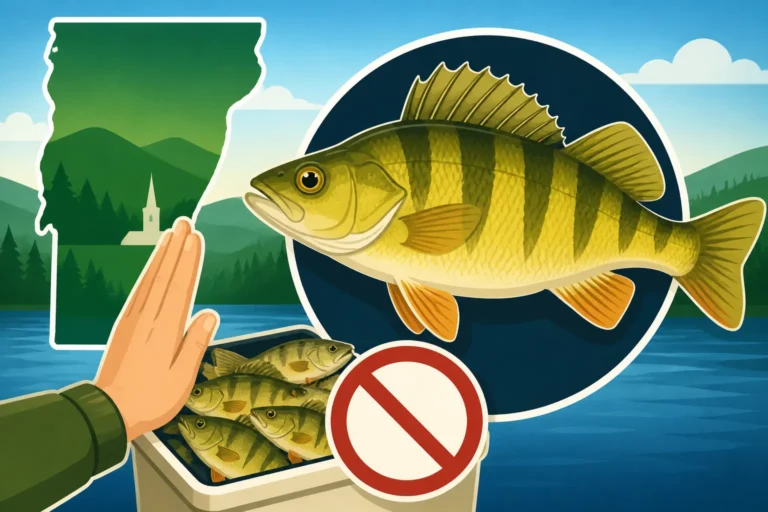
Due to their widespread abundance and high reproductive rates, the daily bag and possession limits for most panfish species are typically very generous, or in some cases, there might even be no limit at all. For example, it’s not uncommon to see a daily bag limit of 25 yellow perch or black crappie, often with no minimum length. Bluegill and other sunfish often fall under similar liberal regulations.
This doesn't mean you should keep every fish you catch. Even with generous limits, practicing selective harvest is a good idea. Take enough for a fresh meal, but leave plenty for others and to maintain healthy size structures in the population. Panfish are found in nearly every lake, pond, and slow-moving river section in Vermont, making them an excellent target for a relaxed day of fishing with light tackle.
Other Species: Smelt, Bullhead, and More
Beyond the main game fish, Vermont's waters are home to a diverse array of other species, some of which are targeted by anglers and have their own specific regulations.
Smelt, for instance, are a popular target during their spawning runs in early spring. They are often harvested using seines or dip nets, and while specific to their harvest method and season, they usually have a generous daily limit, such as two quarts per person. These runs are a beloved tradition for many Vermonters, providing an opportunity for a unique harvest.
Brown Bullhead and other catfish species are found in many of Vermont's warmer, often muddier, waters. They are excellent eating and provide fun, easy fishing, especially at night. Their limits are typically quite liberal, often with no minimum length and a generous daily bag.
Other species like Fallfish, Suckers, and various baitfish might have no specific recreational limits, or they might be covered under rules pertaining to baitfish harvest, which often require specific permits or methods. The key takeaway here is that while many species have similar rules, always check the specific regulations for each species you intend to target and harvest. The Vermont Fish & Wildlife Department's guide covers everything, ensuring no species is overlooked.
Practical Advice for Staying Compliant
Understanding the regulations is one thing; applying them accurately and consistently on the water is another. There are a few practical tips and tools that can make staying compliant with Vermont's bag and possession limits much easier and stress-free.
Keeping Track of Your Catch
It sounds simple, but in the excitement of a productive fishing day, it's easy to lose count. Develop a system for keeping accurate track of every fish you decide to keep.
- Stringers or Livewells: If you're keeping fish, a stringer or a well-aerated livewell is essential. This keeps your fish alive and fresh, but also serves as a visual count. Don't put more fish on your stringer than your daily limit for that species.
- Physical Count: Before you even put a fish on a stringer, verbally count it. "That's number one!" Sometimes, just saying it out loud helps.
- Waterproof Notepad/App: Carry a small, waterproof notepad and pencil (you can find great options on Amazon) or use a fishing app on your phone. Jot down each keeper as you put it away. This is especially helpful if you're targeting multiple species with different limits or if you're fishing over several days and need to track your cumulative possession limit.
- Compartmentalize: If you're keeping fish from different days for your possession limit, consider storing them in separate bags in your cooler or freezer, clearly labeled by date and species. This makes it easy to prove compliance if ever asked.
Remember, once you reach your daily bag limit for a particular species, you must stop fishing for that species immediately. It’s not just about what you take home, but what you could take home on that specific day.
Measuring Fish Accurately
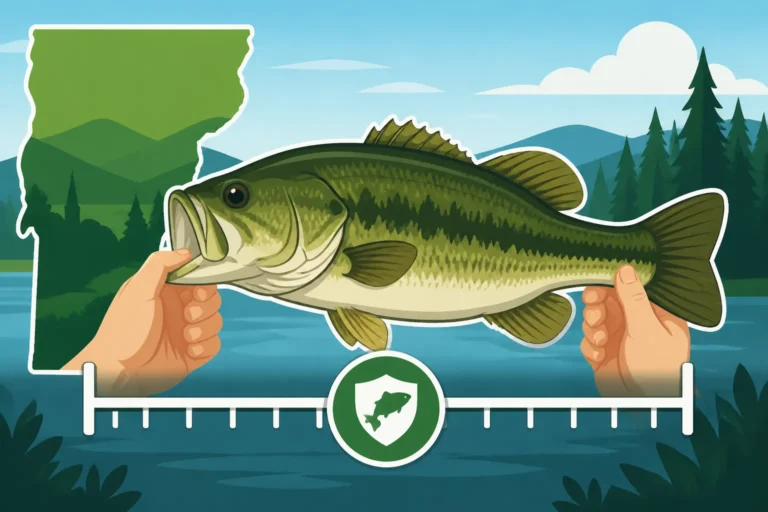
Length limits are a critical component of many regulations, and measuring your fish correctly is paramount. A mismeasured fish can lead to a violation, even if unintentional.
- Proper Technique: To measure a fish, place it on a flat surface with its mouth closed and its nose pressed against a stop (like the edge of a ruler or a bump board). Then, gently pinch the tail lobes together (this is called "pinching the tail") and read the measurement at the longest point of the tail. Don't stretch the fish, but ensure it's as straight as possible.
- Reliable Measuring Device: Invest in a good quality, accurate measuring device. Many anglers have rulers permanently affixed to their boat gunwales or cooler lids. You can also get durable, folding rulers or tape measures designed for fishing. Check out options on Amazon; a good, rigid measuring board is often worth the investment, as flexible tape measures can be less accurate.
- Measure Immediately: If a fish is close to the minimum length, measure it immediately and carefully. If it's short, release it gently and quickly. Don't put it in a livewell or on a stringer if you're unsure of its legal length.
Accuracy matters. A half-inch difference can be the difference between a legal fish and a violation. When in doubt, let it go to grow!
Transporting and Storing Your Catch
Even after you've caught your fish and adhered to the bag limits, there are rules around how you transport and store them, particularly when it comes to possession limits.
- Whole or Identifiable Fillets: Generally, when transporting fish, especially species with length limits or unique characteristics, they should remain whole or in a state where their species and length can be easily identified. This means leaving the head and tail attached until you've reached your final destination, often your home. If you choose to fillet fish on the water or at a cleaning station, ensure you understand the specific regulations for that state or waterbody, as some may require a portion of the skin to remain attached for identification purposes.
- Possession at Home: Your possession limit includes all fish from that species you have, regardless of when they were caught, until they are consumed or processed to the point where they are no longer identifiable. This means those frozen fillets from last week count towards your limit if they are still recognizable as whole fish. If you plan a multi-day trip where you keep fish, ensure your home freezer stash doesn't push you over the cumulative possession limit.
- Avoid Waste: Always strive to utilize every fish you keep. It’s not just about staying within the legal limits; it’s about respecting the resource. Fillet them properly, cook them, or give them to friends and family. Wasting fish is generally frowned upon and can even be illegal.
By being meticulous about your count, precise with your measurements, and mindful of transportation and storage, you can ensure your Vermont fishing adventures are both enjoyable and entirely compliant. When it comes to fishing seasons, understanding the overall calendar for various species, which you can find in "Vermont Fishing Seasons by Month", also plays a crucial role in planning your trips within legal parameters.
What Happens If You Break the Rules?
No one wants to break the law, especially when it comes to something as enjoyable as fishing. However, mistakes can happen, and sometimes, intentional violations occur. It's important to understand the potential consequences of exceeding bag and possession limits in Vermont.
Penalties for Exceeding Limits
Vermont Fish & Wildlife wardens are dedicated professionals who enforce these regulations to protect the state's natural resources. If you are found to be in violation of bag or possession limits, the penalties can range from substantial fines to more severe consequences.
- Fines: The most common penalty is a monetary fine. The amount can vary significantly depending on the species, the number of fish over the limit, and whether it's a first offense. Fines can often be hundreds of dollars, making an "extra" fish a very expensive mistake.
- License Suspension/Revocation: Beyond fines, your Vermont fishing license (and sometimes even hunting licenses) can be suspended or even revoked for a period of time. This means you wouldn't be able to legally fish in Vermont for months or even years, which for a passionate angler, can be a devastating consequence.
- Forfeiture of Equipment: In more egregious cases, or for repeat offenders, wardens have the authority to seize fishing equipment, including rods, reels, boats, or even vehicles used in the commission of the offense.
- Criminal Charges: While rare for a minor over-limit infraction, severe violations, especially those involving commercial poaching or protected species, can lead to criminal charges, court appearances, and even jail time.
It's crucial to remember that ignorance of the law is not an excuse. Wardens expect every angler to know and understand the regulations before they cast a line. This is why a thorough review of the current guide is so important. For a broader understanding of the legal implications of fishing violations, consider reading "Fishing Without a License in Vermont: Penalties" which often touches on other common violations.
The Importance of Self-Regulation and Ethics
Beyond the letter of the law, there's a strong ethical component to fishing. Responsible anglers understand that conservation goes beyond just staying within the legal limits.
- Selective Harvest: Even when limits are generous, practice selective harvest. Instead of keeping the largest fish (which are often the most prolific breeders), consider keeping smaller, younger fish for the table and releasing the larger ones to continue spawning. This helps maintain a healthy size structure in the population.
- Catch and Release Best Practices: If you're going to release fish, learn and implement best practices. Minimize handling time, keep the fish in the water, use wet hands, and use barbless hooks or crimp down your barbs for easier, less damaging release. A good set of fishing pliers is a handy tool to keep on your person.
- Leaving Fish for Others: Vermont's waters are a shared resource. Even if you haven't hit your limit, consider whether you really need more fish for dinner. Leaving some for another angler or for the fish to reproduce is a sign of respect for the resource and your fellow enthusiasts.
Ethical angling fosters a positive community and helps ensure that Vermont's fishing heritage thrives. It's about being a steward of the environment, not just a consumer of its resources.
Reporting Violations and Asking Questions
If you witness a fishing violation, such as someone obviously exceeding their limits, or engaging in illegal fishing practices, you can play a role in protecting Vermont's resources. The Vermont Fish & Wildlife Department encourages citizens to report suspicious activity. You can usually find a warden dispatch number or a tip line in the front of the fishing guide or on their website. Your report can be anonymous, and it helps the wardens address issues that might otherwise go unnoticed.
Equally important, if you have any questions about a specific regulation, a particular waterbody, or anything fishing-related, don't hesitate to reach out to the Vermont Fish & Wildlife Department directly. Their contact information is readily available in the regulations guide. It is always better to ask a question before you head out on the water than to face potential penalties after the fact. Their staff are there to help and want anglers to be compliant and enjoy their time responsibly. The vast "Best Fishing Lakes in Vermont" and countless rivers offer diverse angling, but all depend on your responsible engagement.
| Species | Typical Daily Bag Limit | Typical Minimum Length | Notes |
|---|---|---|---|
| Brook, Brown, Rainbow Trout | 6 | 6 inches | Varies significantly in Special Regulation Waters |
| Landlocked Salmon | 2 | 15-18 inches (varies) | Check specific lake regulations (e.g., Lake Champlain, Willoughby) |
| Largemouth Bass | 5 (total with smallmouth) | 12 inches | Catch-and-release season often applies in spring |
| Smallmouth Bass | 5 (total with largemouth) | 12 inches | Lake Champlain may have unique slot limits |
| Northern Pike | 5 | 18 inches | Often one fish over 26 inches |
| Chain Pickerel | 10-15 | No minimum | Very abundant, often liberal limits |
| Muskellunge | 1 | 50 inches+ | Lake Memphremagog only; extreme care for catch & release |
| Walleye | 3-5 | 18 inches | Lake Champlain primary fishery; often one fish over 22-23 inches allowed |
| Yellow Perch | 25 | No minimum | Highly abundant, popular for ice fishing |
| Black Crappie | 25 | No minimum | Excellent table fare, often schools together |
| Bluegill/Sunfish | No limit (often) | No minimum | Great for kids and easy action |
Note: This table provides typical limits for informational purposes. ALWAYS consult the current Vermont Fish & Wildlife Department Fishing Guide for exact, up-to-date regulations before fishing.
Disclaimer
Please remember that fishing regulations, including bag and possession limits, can change. While this guide provides comprehensive information, it is not a substitute for the official Vermont Fish & Wildlife Department Fishing Guide. Always refer to the most current regulations published by the department before you head out on the water to ensure you are fully compliant with all state laws.