Best Fishing Lakes in Vermont
Navigating the vast choices of Vermont's fishing lakes can feel overwhelming, with countless shimmering bodies of water scattered across the Green Mountain State. Each lake holds its own secrets and specialties, making it tough to decide where to cast your line for the best chance at success. This comprehensive guide will cut through the confusion, helping you pinpoint the premier fishing lakes in Vermont, what species thrive in them, and how to make the most of your angling adventure.
Understanding Vermont's Diverse Lake Fisheries
Vermont is a tapestry of natural beauty, and its lakes are no exception. From the colossal expanse of Lake Champlain to the pristine depths of Willoughby, each body of water offers a unique angling experience shaped by its geology and ecology. It's not just about finding water; it's about understanding the aquatic world beneath the surface.
The Geological Makeup of Vermont's Lakes
Vermont's lakes are a direct result of ancient geological forces, primarily glacial activity. Thousands of years ago, massive ice sheets scoured the landscape, carving out deep basins and leaving behind varied lakebeds. This glacial legacy is why you'll find everything from shallow, nutrient-rich ponds to impossibly deep, cold-water bastions. For instance, the sheer depth and rocky structure of lakes like Willoughby are testament to this glacial sculpting, creating perfect habitats for cold-water species such as lake trout and landlocked salmon. In contrast, shallower lakes, often with more developed shorelines and gradual slopes, tend to warm up faster, fostering robust populations of warm-water species like largemouth bass and panfish. Understanding this geological foundation helps us predict what kind of fish to expect and where they might hold.
How Lake Ecosystems Influence Fish Species
Every lake is its own self-contained ecosystem, a delicate balance of water chemistry, forage availability, and habitat complexity that dictates which fish species will thrive. For example, a lake rich in submerged vegetation and fallen timber provides ideal ambush points and spawning grounds for largemouth bass and northern pike. These lakes often have a slightly warmer water column and more abundant insect life, supporting a diverse forage base. On the other hand, oligotrophic lakes – those that are deep, clear, and cold with low nutrient levels – are perfectly suited for species requiring specific temperature ranges and ample oxygen, like lake trout and salmon. These cold-water species often rely on baitfish such as rainbow smelt, which require specific conditions themselves. Knowing the dominant forage base, water clarity, and temperature profiles of a lake is crucial for successful angling. If a lake has a healthy smelt population, you can bet the predatory salmonids will be there, keying in on those schools.
Lake Champlain: The Grand Jewel of Vermont Fishing
When you talk about fishing in Vermont, you simply cannot ignore Lake Champlain. This massive freshwater lake, shared with New York and Quebec, is an angler's paradise, offering unparalleled diversity and trophy potential for a multitude of species. It's so big, in fact, that it can feel like a small inland sea, presenting both incredible opportunities and unique challenges. Don't let its size intimidate you; with a little planning, it can be the fishing trip of a lifetime.
Targeting Walleye on Lake Champlain
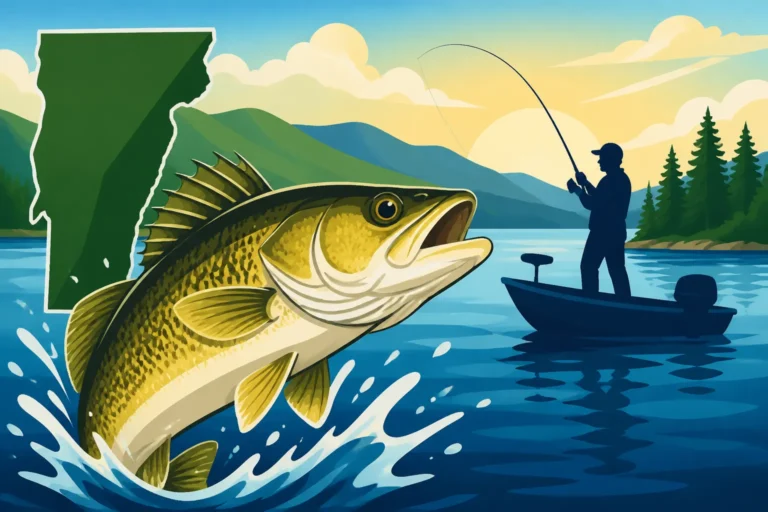
Lake Champlain is renowned for its fantastic walleye fishery, especially in the central and northern sections of the lake. Anglers often flock to areas like Missisquoi Bay and the waters around the islands (North Hero, South Hero, Isle La Motte) during the spring and fall when walleye are most active. These fish tend to congregate around structure – rocky points, humps, and submerged shoals – particularly during low light conditions or at night. Trolling with crankbaits is a highly effective method, mimicking the baitfish that walleye eagerly pursue. You'll want to pay close attention to depth; early in the season, they might be shallower, moving deeper as summer progresses. Experienced anglers will often use sonar to locate schools of baitfish and the walleye lurking beneath them. If you're looking to dial in your technique, check out our detailed guide on How to Catch Walleye on Lake Champlain.
Unlocking Lake Champlain's Smallmouth Bass Potential
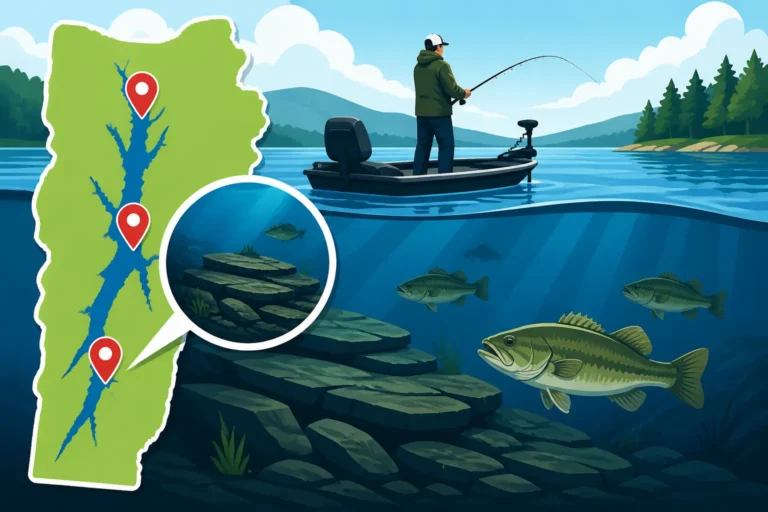
The smallmouth bass fishery on Lake Champlain is nothing short of world-class. These hard-fighting bronzebacks are abundant throughout the lake, favoring rocky shorelines, offshore humps, and clear, gravelly bottoms. From the rocky stretches near Burlington to the extensive shoals in the southern parts of the lake, smallmouth can be found in incredible numbers. Spring and early summer, during the spawn and post-spawn periods, are particularly productive times to target them, often with topwater lures, jerkbaits, and tube jigs. As summer progresses, they'll often move to deeper structure, requiring finesse techniques like drop-shotting or Carolina rigging. The sheer volume of fish and their aggressive nature make Lake Champlain a bucket-list destination for smallmouth enthusiasts. For more tips on tactics, read our article on How to Catch Smallmouth Bass in Vermont Lakes.
Deepwater Lake Trout Strategies
While often overshadowed by walleye and bass, Lake Champlain also boasts a healthy population of lake trout, especially in its deeper, colder sections. These ancient predators prefer the cool, oxygen-rich waters of the main lake, particularly around deep breaks, drop-offs, and submerged islands. Early spring after ice-out, and late fall are prime times to target them closer to the surface. During the warmer summer months, you'll need to go deep, often using downriggers with spoons or stickbaits to present your lure at depths of 50 to 100 feet or more. Anglers commonly find lake trout congregating around the "salmon hole" area near Port Henry and the deep trench between Vermont and New York. While not as numerous as some other species, catching a trophy lake trout from Champlain is a truly rewarding experience, offering a stark contrast to the shallower pursuits.
The Northeast Kingdom's Hidden Gems: Lake Willoughby and Memphremagog
Venture into Vermont's wild and beautiful Northeast Kingdom, and you'll discover lakes that feel a world away from the bustling waters of Champlain. These northern treasures offer pristine environments and unique fishing challenges, drawing anglers seeking tranquility and the thrill of battling truly magnificent fish.
Lake Willoughby's Landlocked Salmon and Lake Trout
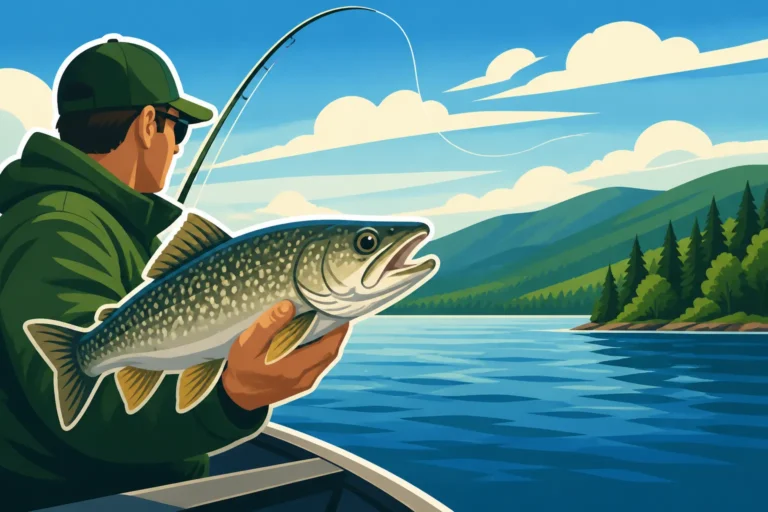
Lake Willoughby, often hailed as the "Lucerne of America," is not just breathtakingly beautiful with its fjord-like cliffs and crystal-clear water; it's also a premier destination for landlocked salmon and lake trout. This incredibly deep lake (over 300 feet in places) provides the ideal cold-water habitat these species crave. Anglers typically target landlocked salmon in the upper water column during spring and fall, often trolling with spoons or stickbaits that mimic rainbow smelt, their primary forage. The lake trout, on the other hand, can be found throughout the year, but in summer, they hold to the deeper, cooler sections, requiring downriggers and deep-water jigs. It's a challenging but highly rewarding fishery, and the sheer beauty of the surroundings makes every cast a joy. Many local guides listed on platforms like FishingBooker specialize in these unique cold-water tactics, offering invaluable expertise. If you're planning a trip to this gem, our Lake Willoughby Fishing Guide offers even more insights.
Battling Muskellunge on Lake Memphremagog
Straddling the U.S.-Canadian border, Lake Memphremagog is perhaps Vermont's most enigmatic fishing destination, home to the state's only native population of muskellunge. These apex predators are notoriously difficult to catch, earning them the moniker "the fish of 10,000 casts." However, the reward – a potential state-record muskie – is well worth the effort for dedicated anglers. Muskies prefer areas with abundant forage and cover, often lurking along weed lines, rocky points, and submerged structures. Trolling large crankbaits and jerkbaits, or casting massive bucktails and soft plastics, are common tactics. While patience is paramount, the possibility of hooking into a toothy behemoth weighing upwards of 40-50 pounds makes Memphremagog an irresistible draw for trophy hunters. Remember, these fish are precious, so practicing safe catch-and-release is essential. For more specialized techniques, consult our guide on How to Catch Muskellunge on Lake Memphremagog.
Southern Vermont's Productive Waters: Lakes Bomoseen and Dunmore
Moving south, Vermont's landscape changes, and so do its lakes. While perhaps not as vast as Champlain or as deep as Willoughby, lakes like Bomoseen and Dunmore offer incredibly productive and often more accessible fishing experiences, especially for warm-water species and panfish. These lakes are perfect for a family outing or a relaxing day on the water.
Bass and Panfish Galore in Lake Bomoseen
Lake Bomoseen, Vermont's largest lake entirely within its borders, is a warm-water fishing powerhouse. It's celebrated for its abundant populations of both largemouth and smallmouth bass, northern pike, and a wide array of panfish, including yellow perch, bluegill, and black crappie. The lake's varied structure—from extensive weed beds and lily pads to rocky points and submerged timber—creates ideal habitats for these species. Anglers targeting largemouth will find success flipping jigs into thick cover or throwing topwater frogs over matted vegetation. Smallmouth can be found on rocky humps and transitions. Bomoseen is also a fantastic spot for a relaxing day of panfishing, perfect for kids or anyone looking for consistent action. A simple worm under a bobber can yield a cooler full of delicious perch or bluegill. For a more focused approach, consider checking out our Lake Bomoseen Fishing Guide.
Lake Dunmore's Trout and Warmwater Mix
Lake Dunmore, nestled in the heart of the Green Mountains near Middlebury, offers a unique blend of fishing opportunities. While it supports robust populations of largemouth and smallmouth bass, northern pike, and panfish similar to Bomoseen, it also receives regular stockings of rainbow trout and brown trout, especially during the spring. This makes it a fascinating lake where you can switch gears from casting for bass along a weed line to trolling for trout in deeper, cooler sections. The trout will often cruise the cooler waters and creek inlets, particularly early and late in the season. Anglers targeting bass will find plenty of structure, including docks, fallen trees, and rocky shores. Its relatively smaller size makes it easier to navigate than Champlain, providing a more intimate fishing experience while still offering excellent variety.
Central Vermont's Accessible and Rewarding Lakes
Central Vermont offers its own collection of fantastic fishing lakes, many of which are easily accessible and provide rewarding experiences for anglers seeking diverse species. These lakes often strike a balance between wilder, remote feelings and convenient access.
Waterbury Reservoir's Pike and Bass Opportunities
Waterbury Reservoir, a sprawling impoundment formed by the damming of the Little River, is a favorite among local anglers for its excellent northern pike and bass fishing. Its irregular shoreline, numerous coves, and abundant submerged timber and weed beds create prime ambush habitat for toothy pike and aggressive bass. During spring and early summer, pike can be found cruising the shallow bays and weed lines, readily attacking spinnerbaits and large spoons. Largemouth and smallmouth bass are also plentiful, with anglers finding success using jigs, crankbaits, and soft plastics around the various structures. Kayak and canoe anglers particularly love Waterbury for its calm waters and numerous secluded spots, offering a true sense of wilderness fishing despite its central location. It's an excellent choice for a productive day targeting warm-water species with consistent action.
Crappie and Perch Hotspots like Lake Carmi
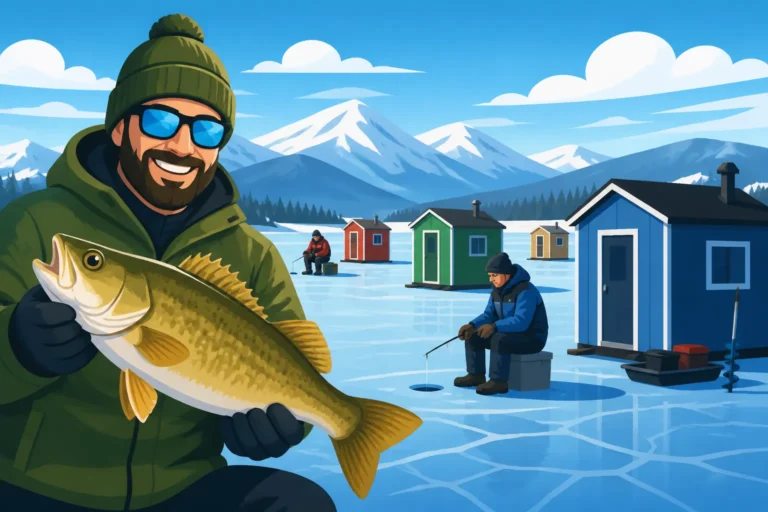
For those who love panfish, Vermont has many excellent lakes, and Lake Carmi in Franklin is a standout. This shallow, fertile lake is a true gem for yellow perch and black crappie, offering some of the best panfish action in the state. Crappie often congregate around submerged brush piles, docks, and weed edges, especially during the spring spawn. Small jigs, minnows, or tiny crankbaits are incredibly effective. Yellow perch can be found throughout the lake, often schooling in deeper pockets during summer or along weed lines. Lake Carmi is incredibly popular for ice fishing in winter, as these panfish remain active and provide consistent bites through the hardwater. It’s a fantastic lake for beginners, families, or anyone just looking for a fun day of steady catching. Similar productive panfish lakes also include Lake Fairlee and Lake St. Catherine, each offering slightly different vibes but consistent action.
Specialized Lake Fishing Experiences
Beyond the big names, Vermont also offers unique, specialized lake fishing experiences that cater to specific angling interests, from trophy hunting to family-friendly outings.
Trophy Trout Waters and Stocked Ponds
Vermont takes its trout fishing seriously, and that extends beyond its renowned rivers and streams to many of its lakes and ponds. The state actively manages and stocks numerous waters to provide excellent opportunities for brown, rainbow, and even some brook trout. Some lakes, like Crystal Lake or Silver Lake, receive regular stockings, creating fantastic "put-and-take" fisheries, especially in spring and fall. These spots are perfect for those who want a good chance at catching fresh trout. Additionally, certain waters are managed specifically as "trophy trout waters," where regulations are designed to help fish grow to impressive sizes. These waters might have different slot limits or catch-and-release rules. It's always wise to consult the latest Vermont Trout Season and Stocking Rules to ensure you're fishing legally and effectively. These waters are often easy to access and can be a great option for a productive day.
Family-Friendly Lakes and Accessible Spots
Fishing should be for everyone, and Vermont offers numerous lakes that are ideal for families and anglers seeking easily accessible, low-stress experiences. These often feature easy shore access, boat launches, and abundant populations of panfish or regularly stocked trout, ensuring consistent action for younger or less experienced anglers. Many Vermont State Parks offer excellent fishing access, often with boat rentals and designated fishing areas. Lakes like Lake Morey or some of the smaller ponds in state parks are prime examples. They often have picnic areas, swimming beaches, and other amenities, making it a perfect day out for the whole family. Platforms like FishingBooker can help you find local guides who cater to families, ensuring a safe and successful first fishing trip for the kids. These spots are less about trophy hunting and more about creating lasting memories.
Planning Your Vermont Lake Fishing Trip
A successful fishing trip to Vermont's lakes goes beyond just knowing where the fish are. It involves understanding the gear you'll need, navigating the rules, and being prepared for the unique conditions Vermont can throw your way.
Essential Gear and Boat Considerations
The type of gear you bring will largely depend on the lake and the species you're targeting. For a vast body like Lake Champlain, a sturdy fishing boat equipped with a reliable engine, depth finder, and trolling gear is often essential for covering water and reaching deep structure. For smaller lakes and ponds, a kayak, canoe, or even a small jon boat can be perfect, offering stealth and access to shallower, hard-to-reach areas. If you're focusing on bass, you'll want a medium-heavy rod with various crankbaits, jigs, and soft plastics. For trout and salmon, a lighter spinning setup or a fly rod, along with spoons, flies, and live bait, will be more effective. Don't forget the essentials: a good tackle box, landing net, pliers, and of course, a cooler for your catch (if you plan to keep fish). You can find more specific recommendations in our guide on the Best Boats for Vermont Lakes and Rivers.
Navigating Regulations and Seasons
Before you even think about casting a line, it is absolutely crucial to understand Vermont's fishing regulations. These rules are in place to protect the state's valuable fisheries and ensure sustainable angling for everyone. You'll need a valid Vermont fishing license, and the requirements can vary for residents and non-residents, as well as by age. Different lakes and even different sections of the same lake can have specific rules regarding season dates, bag limits, minimum length limits, and tackle restrictions (e.g., fly-fishing only waters). For instance, there are specific Vermont Bass Catch-and-Release Season, Explained dates, and separate regulations for the prized muskellunge on Lake Memphremagog. The Vermont Fish & Wildlife Department publishes an annual fishing guide that is your bible. Ignorance of the law is no excuse, and penalties for violations can be steep. Always double-check the regulations for your specific body of water before heading out. Our comprehensive Vermont Fishing Regulations Explained is a great starting point.
Seasonal Lake Fishing Strategies
Vermont's lakes transform with the seasons, and so too should your fishing approach. What works in the crisp air of spring will likely fall flat in the heat of summer or the chill of autumn. Understanding these seasonal shifts is key to consistent success.
Spring Fever: Post-Ice Out Action
Spring, particularly after the ice has melted (or "ice-out"), is a time of renewed hope and often incredible fishing action on Vermont's lakes. As the water warms, fish that have been dormant under the ice become active, feeding aggressively to regain energy. Shallow bays and northern-facing shorelines warm up first, attracting baitfish and, subsequently, predators. This is prime time for targeting northern pike and bass as they move into shallower spawning grounds. Trout and landlocked salmon will also be cruising closer to the surface in cold-water lakes before retreating to deeper areas as the water warms. Trolling with stickbaits or casting spoons and jigs in these warmer, shallower zones can be incredibly productive. Remember, early spring often means cold water, so dress in layers and prioritize safety. Many anglers eagerly await the Vermont Trout Opening Day Traditions each year.
Summer Heat: Deep Water Tactics
As summer settles in and surface water temperatures rise, many of Vermont's prized game fish, especially the cold-water species like lake trout and landlocked salmon, will retreat to deeper, cooler, and more oxygenated waters. This means your tactics need to adapt. Trolling with downriggers at specific depths becomes crucial for reaching these fish. On Lake Champlain, for example, lake trout might hold in 50 to 100 feet of water or more. Warm-water species like bass and pike will also adjust, often moving to deeper weed edges, submerged humps, or shady structures during the brightest parts of the day. Early mornings and late evenings often offer the best opportunities for shallow-water action with topwater lures or spinnerbaits before the sun drives fish deep. Don't forget that many species, like panfish, can still be found in various depths throughout the summer, providing consistent action for different angling preferences. If you're planning a trip during the warmer months, our Vermont Fishing Seasons by Month guide can help you narrow down your best options.
Fall Frenzy: Pre-Winter Feasting
Fall fishing on Vermont's lakes is a truly magical experience, often marked by stunning foliage and incredibly active fish. As water temperatures begin to drop, many species enter a "feeding frenzy" to build up reserves for the long winter ahead. This is an excellent time to target nearly all species. Walleye become highly active on Lake Champlain, often moving back to shallower structures. Landlocked salmon and lake trout in lakes like Willoughby will also become more accessible as they move towards shallower spawning grounds or simply follow baitfish schools. Bass will aggressively hit crankbaits and jigs as they feed voraciously. The key to fall fishing is often finding concentrations of baitfish, as predators will be tightly grouped around these schools. Fall also offers some of the most comfortable weather for fishing, with fewer crowds and breathtaking scenery, making it an ideal time to explore some of Vermont's best fishing lakes.
| Lake Name | Primary Species | Average Depth (feet) | Best Season | Key Features |
|---|---|---|---|---|
| Lake Champlain | Walleye, Smallmouth Bass, Lake Trout, Pike | 64 | Spring, Fall | Vast, diverse, trophy potential |
| Lake Willoughby | Landlocked Salmon, Lake Trout | 100 | Spring, Fall | Deep, clear, stunning scenery |
| Lake Memphremagog | Muskellunge, Smallmouth Bass | 60 | Summer, Fall | Border lake, unique muskie fishery |
| Lake Bomoseen | Largemouth Bass, Smallmouth Bass, Panfish | 16 | Spring, Summer | Warm water, abundant panfish and bass |
| Lake Dunmore | Largemouth Bass, Trout, Pike | 30 | Spring, Summer | Mixed fishery, accessible, scenic |
| Waterbury Reservoir | Northern Pike, Bass | 30 | Spring, Fall | Undeveloped shoreline, kayak/canoe friendly |
| Lake Carmi | Yellow Perch, Black Crappie | 8 | Spring, Winter | Shallow, panfish hotspot, popular for ice fishing |
Disclaimer
The information provided in this guide is for general informational purposes only. Fishing regulations, seasons, and conditions can change rapidly. Always consult the most current Vermont Fish & Wildlife Department regulations before planning your fishing trip. Ensure you have the proper licenses and adhere to all safety guidelines. The author and publisher are not responsible for any incidents, accidents, or regulatory violations that may occur.