Best fishing access points on the Vermont side of the Connecticut River
Navigating the expansive Connecticut River for prime fishing spots on the Vermont side can feel like a daunting task. You've got miles of winding river, varying access points, and the challenge of figuring out where the fish are biting and, more importantly, where you can actually get to the water. This guide is here to unravel that mystery, providing you with detailed insights into the best public fishing access points, what you can expect to catch, and essential tips for a successful outing along Vermont's beautiful eastern border.
Prime Access Points Along Vermont's Connecticut River Banks
The Connecticut River, flowing majestically between Vermont and New Hampshire, offers a truly diverse fishing experience. From tranquil stretches perfect for a quiet morning of casting to more robust areas near dams that hold significant populations of game fish, there's something for every angler. However, pinpointing those accessible spots can be tricky. You don't want to trespass, and you definitely want to find places where getting your gear, or even your boat, to the water is straightforward.
Many of these access points are maintained by the Vermont Fish & Wildlife Department, providing amenities like boat ramps, parking areas, and sometimes even picnic spots. When you're planning your trip, it’s always a good idea to consult a map or use a reliable fishing app to double-check directions and current conditions. If you're looking for an expert to show you the ropes, platforms like FishingBooker can often connect you with local guides who are intimately familiar with the river's prime access points and hot spots.
Southern Vermont Access: Brattleboro to Springfield
Starting in the south, where the river truly broadens out, you'll find some fantastic opportunities. This region offers a mix of wider river sections and areas influenced by dams, which often concentrate fish.
Near Brattleboro, the river is substantial, offering ample room for both shore anglers and boaters. A popular spot is the Fort Dummer State Park area, though direct river access from the park itself might require a short drive to a public boat launch nearby. For those on foot, exploring the municipal areas and checking for designated fishing platforms or easily accessible banks around town can yield results, particularly for species like smallmouth bass and panfish. The confluence of the West River with the Connecticut just south of Brattleboro is also an interesting area, creating current breaks and habitat variations that hold fish. Keep an eye out for access points that lead to deeper pools and eddies, especially when targeting larger species.
Moving north, the area around Bellows Falls presents a different kind of challenge and opportunity due to the presence of the Bellows Falls Dam. While fishing directly below the dam can be productive for species that stack up against the obstruction, safe access is paramount. There are designated access points both above and below the dam in the Bellows Falls and Walpole, NH area. The waters below the dam can be highly turbulent, so exercising extreme caution is a must. Many anglers target walleye and northern pike in these areas, as they often congregate seeking baitfish that get disoriented by the currents. Further north, the Hoyts Landing State Park in Springfield offers excellent river access with a paved boat ramp, ample parking, and picnic facilities. This is a fantastic general access point, whether you're launching a boat, a kayak, or just looking to fish from shore. It’s particularly popular for anglers seeking out a variety of species, from trout to bass, depending on the season.
Central Vermont Access: Windsor to Fairlee
As you move into the central part of Vermont, the Connecticut River continues to offer a variety of landscapes and fishing opportunities, often with a slightly narrower, more intimate feel in certain sections compared to the broad southern reaches.
The town of Windsor is a notable spot, boasting a well-maintained boat launch that provides easy access for trailered boats and kayaks alike. The Windsor Boat Launch is a favorite among locals and visitors, providing a gateway to a productive stretch of river. Here, you can target smallmouth bass, particularly around rocky structures and current seams. Walleye are also present, especially during specific seasonal runs. This area's accessibility makes it a great choice for a full day of fishing, whether you’re drifting bait or casting artificials. Remember to review the specific regulations for the Connecticut River, as they can sometimes differ from inland Vermont waters. Knowing your Vermont Fishing Regulations Explained is crucial for a smooth trip.
Further north, near the charming town of Fairlee, you'll find the Fairlee Village Boat Launch. This access point is great for smaller boats, canoes, and kayaks, and it’s also quite amenable to shore fishing. The river here offers a mix of slower pools and faster runs, providing diverse habitats for various fish species. It’s a beautiful stretch of river, often less crowded than some of the larger lake systems, making it ideal for a peaceful day out. Anglers often find success targeting panfish, smallmouth bass, and even some trout in the cooler months. If you’re considering bringing a paddle craft, checking out the Best Kayaks for Vermont Fishing might help you pick the right vessel for these river conditions.
Northern Vermont Access: Bradford to Waterford
Venturing into the northern reaches of the Connecticut River on the Vermont side, the landscape changes once more, offering rugged beauty and excellent fishing, often with a sense of quiet solitude.
The Bradford Boat Launch and Newbury Boat Launch are key access points in this region. These launches offer easy entry into sections of the river that are known for strong currents and deeper channels. These areas can be fantastic for smallmouth bass, especially during the warmer months, as the fish congregate in current breaks and around submerged structures. Anglers often find success drifting jigs or casting crankbaits in these sections. The northern river also holds good populations of northern pike, which can be a blast to catch on heavier tackle. If you plan to launch a boat, ensure it's suitable for river conditions; for larger crafts, you'll also want to be familiar with Vermont Boating Laws for Anglers.
Further north, near Wells River and up to the Waterford area, the river's character is heavily influenced by the Comerford and Moore Dams. These hydro-electric projects create vast impoundments and significant tailwaters. While direct public access immediately below these large dams can be restricted, surrounding areas offer various points to get onto the water. Anglers often fish the calmer sections of these impoundments for species like walleye, yellow perch, and bass. The tailwaters below the dams, when safely accessible, can be phenomenal for trout, especially during cooler periods when fish move upstream from larger bodies of water or are stocked. Always check local signs for restricted areas around dams for safety and legal reasons. Fishing in these upper sections often requires a bit more exploration, but the rewards can be well worth the effort, especially if you're targeting those elusive river trout.
What You Can Catch and When: Species and Seasons on the Connecticut
The Connecticut River is a vibrant ecosystem supporting a wide array of fish species, making it a truly versatile fishery. Understanding what you can expect to encounter, and during which seasons, is key to planning a successful trip. It's not just about getting to the water; it's about being prepared for what swims beneath the surface.
Targeting Smallmouth Bass and Walleye
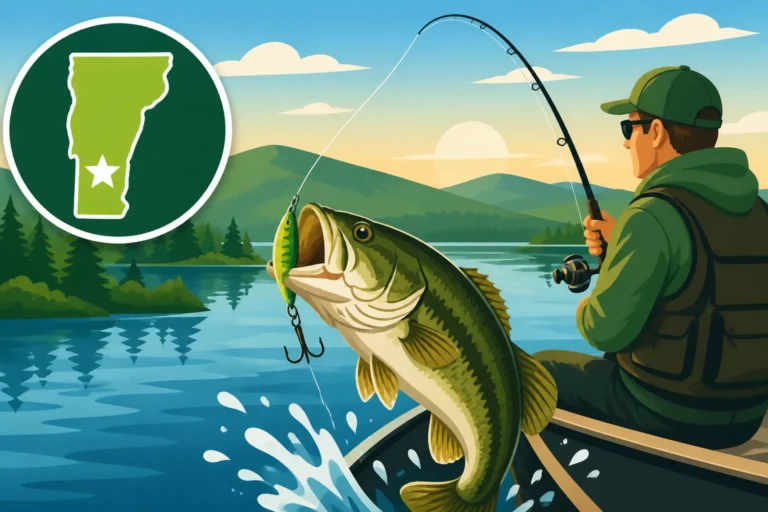
For many anglers on the Connecticut River, smallmouth bass are a primary target. These feisty fighters thrive in the river's currents, especially around rocky banks, submerged timber, and current seams. You’ll often find them congregating in eddies or behind larger rocks, waiting to ambush baitfish. The warmer months, from late spring through early fall, are prime time for smallmouth, with topwater action being particularly exciting during dawn and dusk. Lures like crankbaits, spinnerbaits, and soft plastic tubes or crawfish imitations are incredibly effective. For more specific tactics, you might want to delve into How to Fish a River for Smallmouth Bass to really dial in your approach.
Walleye are another prized catch in the Connecticut River, particularly in the larger impoundments and slower-moving sections, as well as below dams where they can stack up. While not as famous for walleye as say, Lake Champlain, the Connecticut River offers excellent opportunities, especially from late spring through fall. Many anglers target them using jigs tipped with bait, or by trolling crankbaits and stickbaits. Night fishing can be incredibly productive for walleye, as they are often more active feeders after dark. Early season and late fall can see them moving into shallower areas to feed.
Seeking Trout and Northern Pike
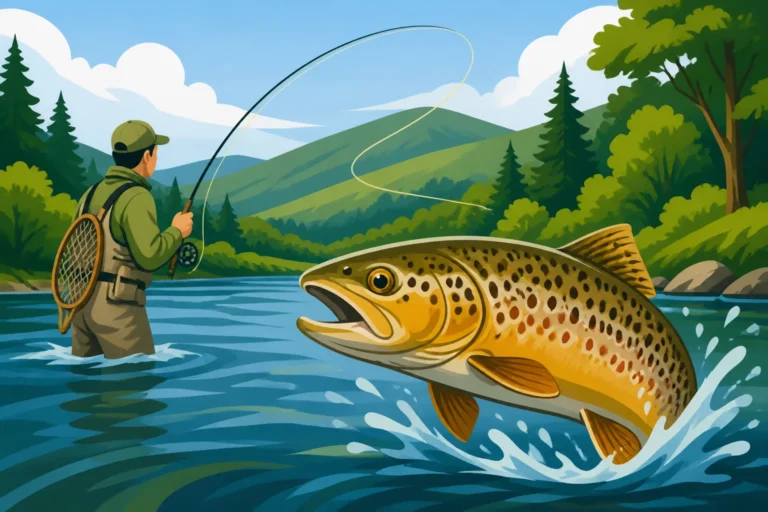
While not primarily known as a trout river like some of Vermont's smaller, colder mountain streams, the Connecticut River does offer trout fishing, especially in its northern, cooler sections and within the tailwaters below dams. Rainbow trout and brown trout are often stocked or migrate into these areas. Spring and fall are generally the best times for trout fishing, when water temperatures are cooler. Fly fishing with nymphs, streamers, or even dry flies during hatches can be very effective in these sections. Spin anglers often find success with small spinners and spoons. For dedicated trout anglers, exploring Trout Fishing in Vermont can offer additional insights into techniques specific to the region.
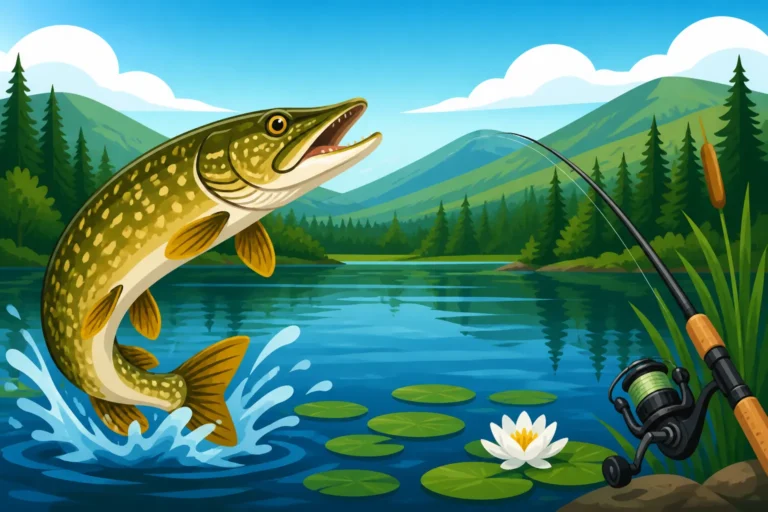
Northern pike are also a significant presence throughout the Connecticut River, particularly in the slower, weedier bays and larger backwaters. These predatory fish grow to impressive sizes and offer a thrilling fight. They are ambush predators, often found lurking in dense vegetation or near structure, waiting for an unsuspecting meal. Large spoons, spinnerbaits, and swimbaits are excellent choices for targeting pike. They can be caught throughout the open water season, but cooler water periods in spring and fall often see them more actively feeding. Just be prepared with a good set of pliers, as their sharp teeth are no joke!
Seasonal Considerations and Best Times to Fish
The Connecticut River changes dramatically with the seasons, influencing fish behavior and accessibility.
- Spring (April-May): As ice thaws and waters begin to warm, fish become more active. This is a fantastic time for trout, which are often hungry after winter. Walleye also begin their pre-spawn and spawning movements. River levels can be high and currents strong due to snowmelt, so safety is paramount. This is a critical time to be aware of Vermont Fishing Season Dates and Closures as certain species might have specific open seasons.
- Summer (June-August): Warmer water temperatures mean highly active smallmouth bass. Topwater action is excellent early and late in the day. Panfish are abundant and provide great family-friendly fishing. Larger species like pike are also active, though they might move into deeper, cooler waters during midday heat. Early mornings and evenings are often the most productive.
- Fall (September-November): Many consider fall to be one of the best fishing seasons on the Connecticut River. Water temperatures cool, and many species go on a feeding binge to prepare for winter. Trout fishing can be exceptional, as can walleye and pike. Smallmouth bass remain active until water temperatures drop significantly. The beautiful fall foliage makes for a stunning backdrop.
- Winter (December-March): While ice fishing is popular on many Vermont lakes, ice conditions on the moving waters of the Connecticut River can be highly unpredictable and dangerous. Generally, ice fishing on the main stem of the Connecticut is not recommended due to varying current and ice thickness. However, certain slow-moving backwaters or coves might freeze safely, but always prioritize safety and local knowledge.
Essential Tips for Fishing Vermont's Connecticut River
Fishing on a large, flowing body of water like the Connecticut River requires a bit more thought and preparation than casting a line into a placid pond. Understanding the dynamics of the river and equipping yourself properly will vastly improve your experience and success rate.
Understanding River Conditions and Safety
The Connecticut River is a powerful waterway, and its conditions can change quickly. Water levels fluctuate due to rainfall and dam operations, which can impact current speed and clarity. Always check local weather forecasts and river conditions before heading out. High water can make wading dangerous and fishing from shore difficult, while low, clear water might make fish more skittish.
Safety is paramount. If you're boating, even in a canoe or kayak, always wear a life jacket. River currents can be deceptively strong, and submerged obstacles are a constant possibility. Always inform someone of your float plan, especially if you're exploring less-traveled sections. For those considering taking a boat out on the river, our guide on the Best Boats for Vermont Lakes and Rivers provides valuable insights on choosing the right vessel for these conditions. If you're using a guide service, remember that resources like FishingBooker can help you find reputable operators who prioritize safety and are experienced in navigating these waters.
Gear Recommendations for River Anglers
Your gear choice can significantly impact your success on the Connecticut River.
- Rods and Reels: For smallmouth bass and walleye, a medium-action spinning rod (6'6" to 7') paired with a 2500-3000 series reel spooled with 8-12 lb test braided line (with a fluorocarbon leader) is a versatile setup. For northern pike, you might want to step up to a medium-heavy action rod and a slightly heavier line. Trout fishing in the cooler tributaries or tailwaters might call for lighter spinning gear or a 5-6 weight fly rod.
- Lures and Baits:
- Smallmouth Bass: Crankbaits, spinnerbaits, soft plastic tubes and grubs, Ned rigs, and topwater lures. Natural colors like greens, browns, and crawfish patterns are often effective.
- Walleye: Jigs (tipped with minnows or plastics), crankbaits, stickbaits, and nightcrawlers. Shad and perch imitations work well.
- Trout: Small spinners (Mepps, Panther Martin), spoons, worms, PowerBait, and a variety of fly patterns (nymphs, streamers, dry flies).
- Northern Pike: Large spoons, spinnerbaits, swimbaits, and large dead bait (where legal).
- Essentials: A good pair of polarized sunglasses for spotting fish and structure, sturdy wading boots (if you plan to wade), a net (especially for larger fish like pike or walleye), and a well-stocked tackle box. For anglers specifically targeting smaller bass, our guide on Best Tackle for Vermont Smallmouth Bass has some great recommendations.
| Species | Best Seasons | Common Lures/Baits | Typical Locations |
|---|---|---|---|
| Smallmouth Bass | Spring, Summer, Fall | Crankbaits, Spinnerbaits, Tubes, Topwater | Rocky banks, current seams, submerged timber |
| Walleye | Spring, Fall | Jigs, Crankbaits, Nightcrawlers | Below dams, deeper pools, slower sections |
| Trout (Rainbow, Brown) | Spring, Fall | Spinners, Spoons, Worms, Flies | Cooler upstream sections, dam tailwaters |
| Northern Pike | Spring, Summer, Fall | Large Spoons, Swimbaits, Spinnerbaits | Weedy bays, backwaters, slow-moving sections |
| Panfish | All Open Water Seasons | Worms, Small Jigs, Crappie Nymphs | Calmer coves, docks, slower eddies |
Planning Your Trip and Local Resources
Before you head out, do a little research. Check local bait shops for the most up-to-date fishing reports and conditions. They often have the pulse of what's working and where. The Vermont Fish & Wildlife Department website is an invaluable resource for regulations, stocking reports, and public access maps. Remember that reciprocity rules might apply on the Connecticut River, so be clear on whether a Vermont, New Hampshire, or reciprocal license is required for the specific spot you're fishing.
If you're interested in booking a guided trip to maximize your time and learn from a local expert, checking online platforms like FishingBooker can offer a range of options, from half-day excursions to full-day adventures targeting specific species. A local guide not only knows the best spots but can also provide invaluable tips on techniques, gear, and current river dynamics. This can be especially helpful if you're exploring the Best Fishing Rivers in Vermont for the first time.
The Connecticut River offers an incredible fishing experience for those willing to explore its diverse waters. With proper planning, the right gear, and a respect for the river's power, you're sure to have a memorable time on the Vermont side of this magnificent waterway.
Disclaimer
Please be aware that fishing regulations, access points, and river conditions can change. Always consult the latest Vermont Fish & Wildlife Department regulations and local advisories before planning your fishing trip. Safety should always be your top priority when recreating on or near the water.