Best fishing spots between Burlington and Plattsburgh
Trying to figure out the absolute best fishing spots on Lake Champlain, especially when you're looking at that vast stretch between Burlington, Vermont, and Plattsburgh, New York, can feel like trying to find a needle in a haystack. It’s a huge body of water, and knowing where to start, what to target, and what techniques work best in different areas can be incredibly daunting, even for seasoned anglers. This guide is going to break down some of the most productive and exciting fishing locations in this specific corridor, giving you the insider knowledge to make your next trip a success.
Navigating the Rich Waters of Central Lake Champlain
Lake Champlain is a truly magnificent fishery, offering an incredible diversity of species and angling opportunities. The stretch between Burlington and Plattsburgh is particularly unique because it encompasses both deep, open-water habitats and intricate nearshore structures, bays, and river mouths. This makes it a prime area for targeting everything from massive lake trout and elusive walleye to hard-fighting smallmouth and largemouth bass, not to mention a host of panfish and northern pike.
One of the first things to understand about fishing this central part of Lake Champlain is the importance of understanding the lake's geography and the distinct ecosystems within it. You've got the main lake basin, which is deep and expansive, perfect for pelagic species. Then you have the more sheltered bays and the shallower, warmer waters closer to shore, which offer completely different experiences. Before you even cast a line, remember that Lake Champlain spans two states, Vermont and New York, and even reaches into Quebec, Canada. This means you’ll need to be aware of the specific Vermont fishing license reciprocity on Lake Champlain with New York if you plan to cross state lines while fishing, which is almost certainly the case in this area. It's not uncommon to launch from one side and fish actively on the other, so having the right licensure is absolutely non-negotiable to avoid any headaches with game wardens.
The Deepwater Challenges and Rewards
Fishing the main body of Lake Champlain between Burlington and Plattsburgh means engaging with its deeper, colder sections. This is where you'll find species that prefer consistent temperatures and ample forage in the open water. It's a different ballgame compared to pitching jigs in a shallow cove, requiring a good understanding of electronics and trolling strategies.
Many anglers feel overwhelmed by the sheer size of the main lake, struggling to pinpoint exactly where the fish might be holding in such vastness. The key here is to look for underwater structure that congregates baitfish, which in turn attracts predators. This could be anything from deep humps and ledges to sudden drop-offs or underwater points that extend far from shore. Often, these structures are not visible on the surface, making a reliable fish finder an essential piece of equipment. Understanding contours and depth changes is paramount.
Nearshore Opportunities for Every Angler
Closer to either the Vermont or New York shore, the character of Lake Champlain changes dramatically. Here, you'll encounter a mix of rocky points, sandy flats, weed beds, and even the influence of tributary rivers. These areas tend to warm up faster in the spring and offer more cover, which makes them prime locations for ambush predators like bass and pike, as well as schooling panfish.
These nearshore areas are often more accessible for smaller boats, kayaks, or even shore anglers. You might not need the same high-tech trolling gear as you would in the open lake, making it a more approachable option for many. However, they present their own challenges, such as navigating shallow hazards, dealing with recreational boat traffic, and understanding how subtle changes in bottom composition or vegetation can hold or disperse fish. The clarity of the water can also vary greatly, impacting your lure selection and presentation.
Vermont's Eastern Shoreline Gems
The Vermont side of Lake Champlain, stretching north and south of Burlington, offers a wealth of incredible fishing opportunities. This area is characterized by its numerous bays, points, and the influence of larger rivers. It’s a fantastic place to explore, whether you’re looking for trophy bass, a good mess of perch, or even an opportunistic pike.
Many visitors to Vermont choose to stay in or near Burlington, which makes these eastern shoreline spots incredibly convenient. You can find excellent public access, boat ramps, and even places to rent fishing gear right in the city or a short drive away. It's a popular choice for families and those who prefer to combine their fishing trip with other activities.
Malletts Bay and Its Productive Waters
Just north of Burlington, Malletts Bay is a true gem on Lake Champlain. This large, relatively protected bay is famous for its excellent bass fishing, particularly smallmouth, but it also holds some impressive largemouth. The bay’s diverse habitat, including rocky points, submerged weed lines, and numerous docks and moorings, provides ample cover and feeding grounds for a variety of species.
When targeting smallmouth bass in Malletts Bay, focus on the rocky points and humps that drop into deeper water. Jerkbaits, tube jigs, and drop shots are incredibly effective here, especially in cooler water temperatures. As summer progresses, the smallmouth might move a bit deeper, so don't be afraid to fish offshore structure. For largemouth bass, seek out the weedier sections and areas around docks and fallen trees. Topwater lures early and late in the day can be exhilarating, while Texas-rigged worms or jigs are excellent for probing denser cover. Many anglers find great success by focusing on the transition zones where rock meets weeds, or where deeper water suddenly rises to a flat. It’s a dynamic environment, constantly offering new challenges and rewards. For those looking to learn more about access, check out Mallets Bay Lake Champlain fishing access. You can also find some fantastic fishing guides specializing in this area through platforms like FishingBooker, which can provide invaluable local insights and techniques.
Shelburne Bay's Diverse Fishery
South of Burlington, Shelburne Bay is another prominent feature that offers excellent fishing. Similar to Malletts Bay, Shelburne Bay boasts a healthy population of both largemouth and smallmouth bass, as well as northern pike, perch, and even some opportunistic walleye, particularly around its deeper channels and points.
The bay is known for its beautiful scenery, with many private residences and docks, but also features areas of public access and natural shorelines. For smallmouth, rocky reefs and drop-offs near the mouth of the bay are prime targets. Consider throwing crankbaits or swimbaits that imitate baitfish. Largemouth will often be found nestled in the shallower, weedy areas further back in the bay, where spinnerbaits, frogs, and soft plastic presentations can be deadly. Pike lurk around the edges of weed beds and in ambush points, ready to strike at larger offerings like spoons or large swimbaits. The mouth of the La Platte River, which flows into Shelburne Bay, can also be a hotspot, especially during migrations or after a good rain. Understanding the patterns of these different species throughout the season will significantly increase your success. More detailed information about getting onto the water can be found by exploring Shelburne Bay Lake Champlain fishing access.
New York's Western Shoreline and Beyond
Crossing the imaginary line into New York waters from the main lake offers a distinct set of fishing opportunities. While the overall species mix remains similar, the specific structures, depths, and access points provide a different angling experience. The New York side, particularly around Plattsburgh, features vast shallow flats, river deltas, and significant bay systems.
Anglers coming from the New York side often launch from Plattsburgh or nearby communities, making these spots particularly convenient. Just like on the Vermont side, understanding the local nuances is key. Remember, that Vermont fishing license reciprocity on Lake Champlain with New York is crucial if you plan to fish both sides of the lake or travel between them.
Plattsburgh Bay and Cumberland Head
Plattsburgh Bay, directly adjacent to the city of Plattsburgh, is a bustling hub for both recreational boating and fishing. This bay is incredibly productive for smallmouth bass, northern pike, and a fantastic array of panfish, including yellow perch and crappie. Its relatively shallow nature in many areas, combined with scattered weed beds and rocky structures, creates an ideal environment for these species.
When fishing Plattsburgh Bay, pay close attention to the transition areas where the bottom changes from sand to rock, or where weed lines begin. Smallmouth bass will cruise these edges, actively hunting for crayfish and baitfish. Jerkbaits, tubes, and Ned rigs are excellent choices. For pike, casting larger spoons or spinnerbaits into the weed beds can often provoke an aggressive strike. The breakwater near the Plattsburgh Marina also concentrates baitfish and attracts predators, making it a good spot to cast a line from shore or boat.
Just north of Plattsburgh Bay lies Cumberland Head, a prominent peninsula jutting into the lake. The points and rocky structures around Cumberland Head are classic smallmouth bass territory, especially during the spring and fall. The deeper water quickly drops off here, providing excellent ambush points and migratory routes for fish. Trolling deep-diving crankbaits or casting blade baits off these points can yield impressive smallmouth. Anglers might also find walleye congregating in the deeper channels around Cumberland Head, especially during low light conditions or at night. Many local guides, often found through services like FishingBooker, specialize in these productive structures and can help you navigate the nuances of the area.
The Ausable River Delta and Shallow Flats
South of Plattsburgh, the delta of the Ausable River is a highly significant fishing location. This area is characterized by vast, shallow flats, rich weed growth, and the constant influx of nutrients from the river. This creates a fertile environment that attracts a huge number of baitfish, which in turn draws in predatory species like northern pike, largemouth bass, and abundant panfish.
The Ausable River delta is particularly renowned for its northern pike fishing. Pike thrive in these shallow, weedy environments, using the dense vegetation for cover before ambushing unsuspecting prey. Casting large spoons, spinnerbaits, or soft plastic swimbaits through and over the weed beds is a popular and effective technique. Don't be surprised if you hook into a sizable pike here; they grow large in these fertile waters. Largemouth bass also frequent the inner, shallower sections of the delta, especially around lily pads and dense submerged vegetation. Flipping and pitching jigs or Texas-rigged plastics into heavy cover can be extremely productive. The immense shallow flats also provide superb opportunities for panfish, making it a great spot for family fishing outings with lighter tackle and simple bait like worms or small jigs. For a deeper dive into the behavior of different species, you might want to read up on Smallmouth Bass Habits on Lake Champlain or even Northern Pike Waters in Vermont, as pike behaviors are similar across the lake.
Prime Target Species and Techniques for the Region
Understanding where to fish is only half the battle; knowing what to target and how to catch them is equally important. This central Lake Champlain corridor between Burlington and Plattsburgh offers a fantastic array of game fish, each with its own preferred habitat and feeding patterns.
Lake Trout and Deepwater Strategies
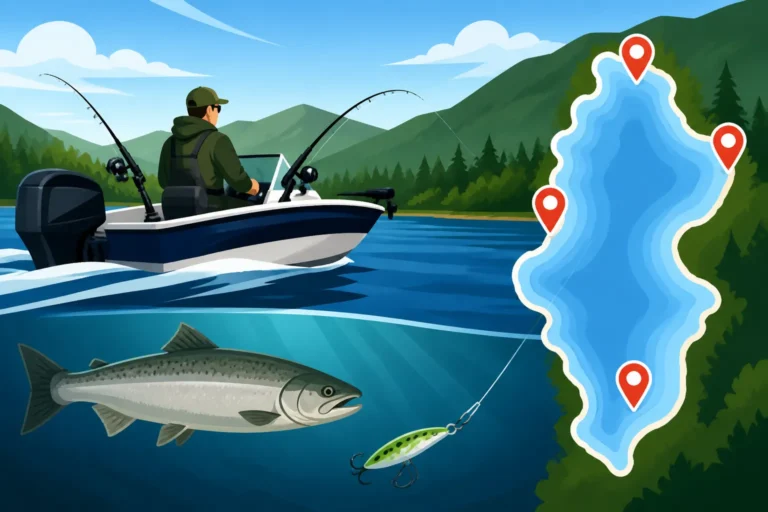
The main lake basin is where the true giants of Lake Champlain, the lake trout, reside. These cold-water predators prefer the deeper, cooler sections, often holding near underwater humps, ledges, and channels. Targeting them requires specific gear and techniques, primarily trolling with downriggers or lead core line.
Lake trout can be found anywhere from 60 to over 150 feet deep, depending on the time of year and water temperature. They often relate to schools of baitfish, particularly rainbow smelt. Spoons, large crankbaits, and even whole or cut bait (like smelt) are effective when trolled at specific depths. Color selection can be important; often, natural baitfish patterns or bright, reflective colors work well. The key is to match the hatch and present your lure at the correct depth and speed. Getting your presentation in front of these fish often means using your electronics to locate bait schools and structure, and then deploying your gear precisely. For more specific guidance on depth, check out How deep to troll for lake trout on Lake Champlain. It's a specialized form of fishing, but the rewards of battling a strong lake trout are well worth the effort. Consider chartering a boat through FishingBooker if you're new to this kind of fishing; a local guide will have all the specialized equipment and knowledge to put you on these magnificent fish.
Walleye: The Elusive Golden Fish
Walleye are another highly sought-after species in Lake Champlain, particularly around the main lake and the mouths of larger rivers. While they can be found throughout the central basin, certain areas, especially those with rocky bottoms and subtle current, tend to concentrate them.
Walleye are often most active during low light conditions – dawn, dusk, and at night. They can be tricky to locate consistently, but once found, they often congregate in schools. Trolling with deep-diving crankbaits is a popular and effective method for covering water and finding active fish. Jigs tipped with minnows or nightcrawlers can also be deadly when fishing specific structures or current breaks. On Lake Champlain, many anglers focus their walleye efforts around the main lake's deeper contours, especially where current brings food. Pay attention to the areas around the deeper channels and the mouths of the Winooski River (on the Vermont side) and the Ausable River (on the New York side). Understanding Best trolling depth for walleye on Lake Champlain can be critical for success, as these fish are very depth-sensitive. Night fishing for walleye can be incredibly rewarding but requires extra safety precautions and lighting.
Bass Bonanza: Smallmouth and Largemouth
For many anglers, the bass fishing in Lake Champlain is the main draw. Both smallmouth and largemouth bass thrive in the central lake corridor, offering different challenges and excitement.
Smallmouth Bass: These "bronze backs" are renowned for their aggressive strikes and powerful fights. They prefer rocky structures, clear water, and often relate to deeper points, humps, and shoals. Areas like Malletts Bay, Shelburne Bay, Cumberland Head, and numerous rocky islands and points in the main lake are prime smallmouth territory. Jerkbaits, tube jigs, drop shots, and small swimbaits are consistently productive. In summer, topwater action can be explosive around rocky shorelines early and late in the day. Understanding How to Catch Smallmouth Bass in Vermont Lakes will give you a solid foundation, no matter which side of the lake you're on.
Largemouth Bass: While often overshadowed by their smallmouth cousins, Lake Champlain's largemouth can grow to impressive sizes and offer thrilling fishing, especially for anglers who love fishing heavy cover. They prefer warmer, shallower waters with abundant vegetation, such as dense weed beds, lily pad fields, and woody cover like fallen trees and docks. Malletts Bay, Shelburne Bay, and the shallower flats of the Ausable River delta are excellent for largemouth. Techniques like flipping and pitching jigs or Texas-rigged worms into thick cover, topwater frogs over lily pads, and spinnerbaits through sparse weeds are highly effective.
Table of Top Fishing Spots: Burlington to Plattsburgh Corridor
Here's a quick reference for some of the prime locations and what you can expect:
| Fishing Spot | Primary Species | Key Habitats | Recommended Techniques | Proximity to (VT/NY) |
|---|---|---|---|---|
| Malletts Bay | Smallmouth, Largemouth, Pike | Rocky points, weed lines, docks | Jerkbaits, tubes, topwater, jigs | Burlington (VT) |
| Shelburne Bay | Smallmouth, Largemouth, Pike | Rocky reefs, weed beds, river mouth | Crankbaits, spinnerbaits, plastics | Burlington (VT) |
| Main Lake Basin (Deeper) | Lake Trout, Walleye | Underwater humps, ledges, deep channels | Trolling (spoons, crankbaits), jigging | Central |
| Plattsburgh Bay | Smallmouth, Pike, Perch | Rocky shores, scattered weeds, breakwater | Tubes, spoons, jigs, drop shots | Plattsburgh (NY) |
| Cumberland Head | Smallmouth, Walleye, Perch | Rocky points, deep drop-offs | Jerkbaits, blade baits, trolling | Plattsburgh (NY) |
| Ausable River Delta | Pike, Largemouth, Panfish | Shallow flats, dense weed beds, river mouth | Spoons, frogs, flipping jigs, worms | Plattsburgh (NY) |
This table provides a snapshot, but remember that fish are always moving, and conditions change. Always be prepared to adapt your approach! Many of these spots are easily accessible from popular Best boat ramps on Lake Champlain locations.
Essential Considerations for a Successful Trip
Beyond knowing the hotspots and target species, there are a few practical considerations that will significantly enhance your fishing experience in the Burlington-Plattsburgh corridor.
Understanding Reciprocity and Regulations
As mentioned earlier, Lake Champlain is a bi-state water body, shared by Vermont and New York. This means that understanding the Vermont fishing regulations explained and how they interact with New York's rules is absolutely critical. Generally, a valid fishing license from either Vermont or New York allows you to fish the reciprocal waters of Lake Champlain. However, there are nuances, especially regarding tributaries, specific boundary lines, and species-specific regulations like those for walleye or muskellunge.
Always carry your valid license and consult the most current regulation guides for both states. These are usually available online through the Vermont Fish & Wildlife Department and the New York State Department of Environmental Conservation. Ignorance of the law is never an excuse, and penalties for violations can be steep. If you're planning a trip, considering checking Vermont Fishing Season Dates and Closures to ensure your target species are in season.
Seasonal Patterns and Water Conditions
Lake Champlain is a dynamic environment, and fishing success is heavily influenced by the seasons and current water conditions.
- Spring (Ice-out to late May): This is often a fantastic time for trout, salmon, and pike, as they become more active in cooler, oxygenated waters. Walleye and smallmouth bass will also begin to move into shallower areas as water temperatures rise, preparing for their spawn. However, spring can also bring unpredictable weather and fluctuating water levels due to snowmelt and rain.
- Summer (June to August): The lake is at its warmest, pushing lake trout deeper. Bass fishing is generally excellent, with both largemouth and smallmouth being very active. Early morning and late evening bites are often best, especially for topwater. Panfish are abundant and a great target for families. Increased boat traffic can also be a factor during peak summer.
- Fall (September to November): This is arguably one of the best times for trophy fish. Lake trout and salmon move shallower, often feeding aggressively before winter. Walleye become more predictable, congregating in certain areas. Big smallmouth bass put on the feedbag, often chasing baitfish schools. The cooler temperatures and fewer recreational boaters make for a more peaceful experience.
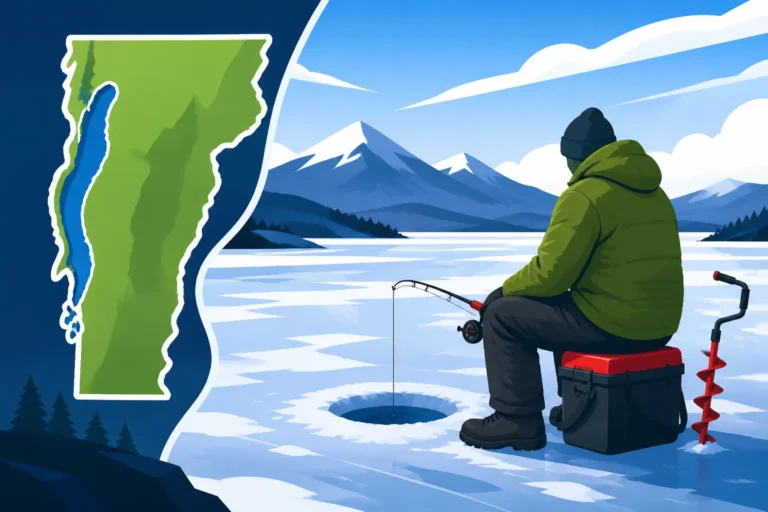
- Winter (Ice Fishing – December to March): If the ice is safe and thick enough, ice fishing on Lake Champlain can be superb for perch, pike, and even some deep-water lake trout and walleye. However, ice conditions vary wildly, and safety is paramount. Always check local ice reports and never venture onto unsafe ice. If you're into ice fishing, you'll find plenty of resources, including Vermont Ice Fishing Season Dates.
Water clarity, temperature, and current flow (especially near river mouths) can all impact fish behavior daily. A good sonar unit and a thermometer are invaluable tools for tracking these conditions.
Finding Local Expertise and Resources
Even with all the research in the world, nothing beats local knowledge. If you're new to fishing the Burlington-Plattsburgh stretch of Lake Champlain, consider hiring a local fishing guide for at least a half-day. Guides, often found through services like FishingBooker, spend countless hours on the water and can provide invaluable insights into current patterns, hot spots, and effective techniques. They also typically provide all the necessary gear, which is a huge bonus if you're traveling light or want to try a new fishing style.
Beyond guides, local bait and tackle shops are goldmines of information. Stop in, buy some bait or a lure, and politely ask about recent catches and conditions. They often have the most up-to-date reports and can point you in the right direction. Additionally, online fishing forums and local social media groups dedicated to Lake Champlain fishing can be great resources for real-time updates and community advice. Knowing the specific Best fishing spots within an hour of Burlington can simplify your planning.
Final Thoughts on Your Lake Champlain Adventure
The fishing opportunities between Burlington, Vermont, and Plattsburgh, New York, are truly exceptional, offering something for every type of angler. Whether you're after the thrill of a big lake trout, the powerful fight of a smallmouth bass, or the delicious reward of a walleye dinner, Lake Champlain delivers. It's a vast and complex lake, but with a bit of planning, understanding of the varied habitats, and respect for its unique regulations, you're set for an unforgettable fishing adventure. So tie on your favorite lure, double-check your license, and get ready to experience some of the best freshwater fishing the Northeast has to offer!
Disclaimer
Please be aware that fishing regulations, conditions, and fish populations can change. Always consult the latest regulations from the Vermont Fish & Wildlife Department and the New York State Department of Environmental Conservation before heading out. Exercise caution and practice safe boating and fishing at all times.