Black River trout fishing spots
Finding prime trout fishing spots can feel like uncovering a hidden gem, especially in a state as rich with angling opportunities as Vermont. Many anglers struggle to pinpoint the exact locations and techniques that consistently yield success on smaller, less-talked-about rivers. This guide aims to pull back the curtain on the Black River, offering detailed insights into its trout-filled waters, access points, and the best strategies to make your next fishing trip a resounding success.
Unveiling the Black River's Trout Treasures
The Black River, particularly the one winding its way through southeastern Vermont before merging with the Connecticut River, is a true delight for trout enthusiasts. It’s not always as heralded as some of the state's larger, more famous waterways, which often means less pressure and a more intimate fishing experience. From its wild, rugged headwaters to its broader, more accessible lower stretches, the Black River offers a diverse range of habitats that cater to all three of Vermont's primary trout species. Understanding the character of this river is the first step to unlocking its secrets.
A River of Many Faces
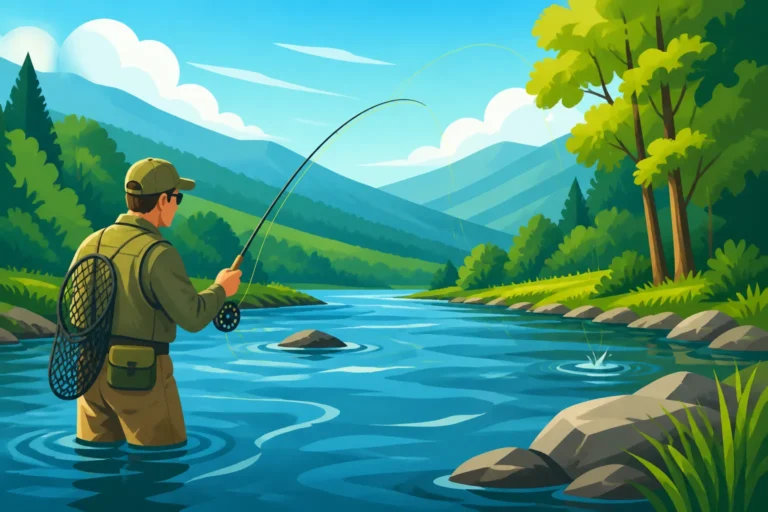
The Black River isn't just one type of stream; it's a dynamic system that changes significantly as it flows from the Green Mountains to the Connecticut River valley. In its uppermost reaches, often nestled high in towns like Plymouth, it's a quintessential small mountain stream – cold, clear, and tumbling over rocks, often shaded by dense forest canopies. Here, the river is narrow, characterized by short pools, swift riffles, and plenty of woody debris. This section is ideal for stealthy approaches and targeting wilder, smaller trout.
As the river descends and gathers momentum, passing through communities such as Ludlow, Proctorsville, and Cavendish, it broadens considerably. Here, you'll find more developed pools, longer runs, and deeper pockets. The current might still be brisk, but the river becomes more approachable for various fishing techniques. Public access often improves in these mid-sections, with roads running closer to the riverbanks. The character shifts again as it approaches Springfield and the Connecticut River, becoming wider, slower in some stretches, and influenced by different hydrological patterns, sometimes presenting larger fish.
Species You'll Encounter
The Black River is home to a robust population of all three common trout species in Vermont: brook trout, brown trout, and rainbow trout.
- Brook Trout: In the colder, pristine headwaters and smaller tributaries, you'll predominantly find native brook trout. These beautiful, vibrant fish are often smaller, but their brilliant colors and aggressive strikes make them a prized catch. They prefer shaded, oxygen-rich water and often hide around rocks, undercut banks, and fallen logs. If you're looking for a true wilderness experience and the chance to catch Vermont's state fish, the upper Black River is your best bet.
- Brown Trout: Brown trout are more adaptable and can be found throughout the river system, particularly in the mid and lower sections. They are often stocked by the Vermont Fish & Wildlife Department, leading to strong populations. Brown trout are known for their resilience and can grow to impressive sizes, especially in sections with ample food and cover. They are often a bit more wary than brook trout but will aggressively strike at a variety of lures and flies. Anglers often find the largest browns lurking in deeper pools or under heavy cover.
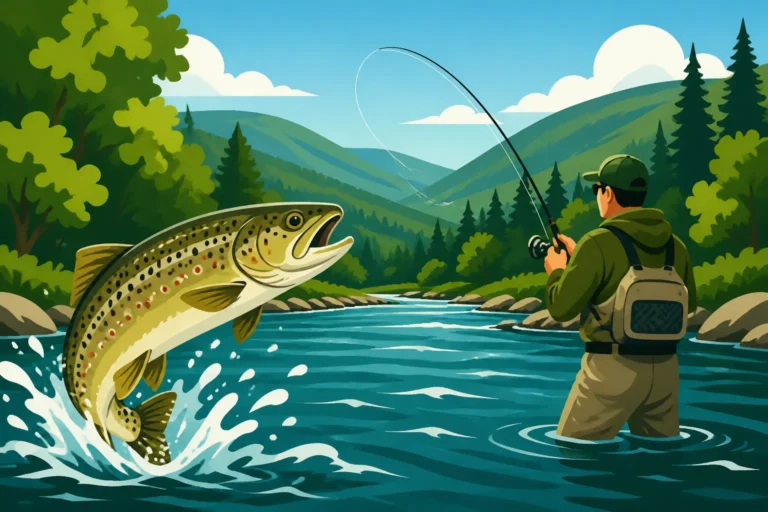
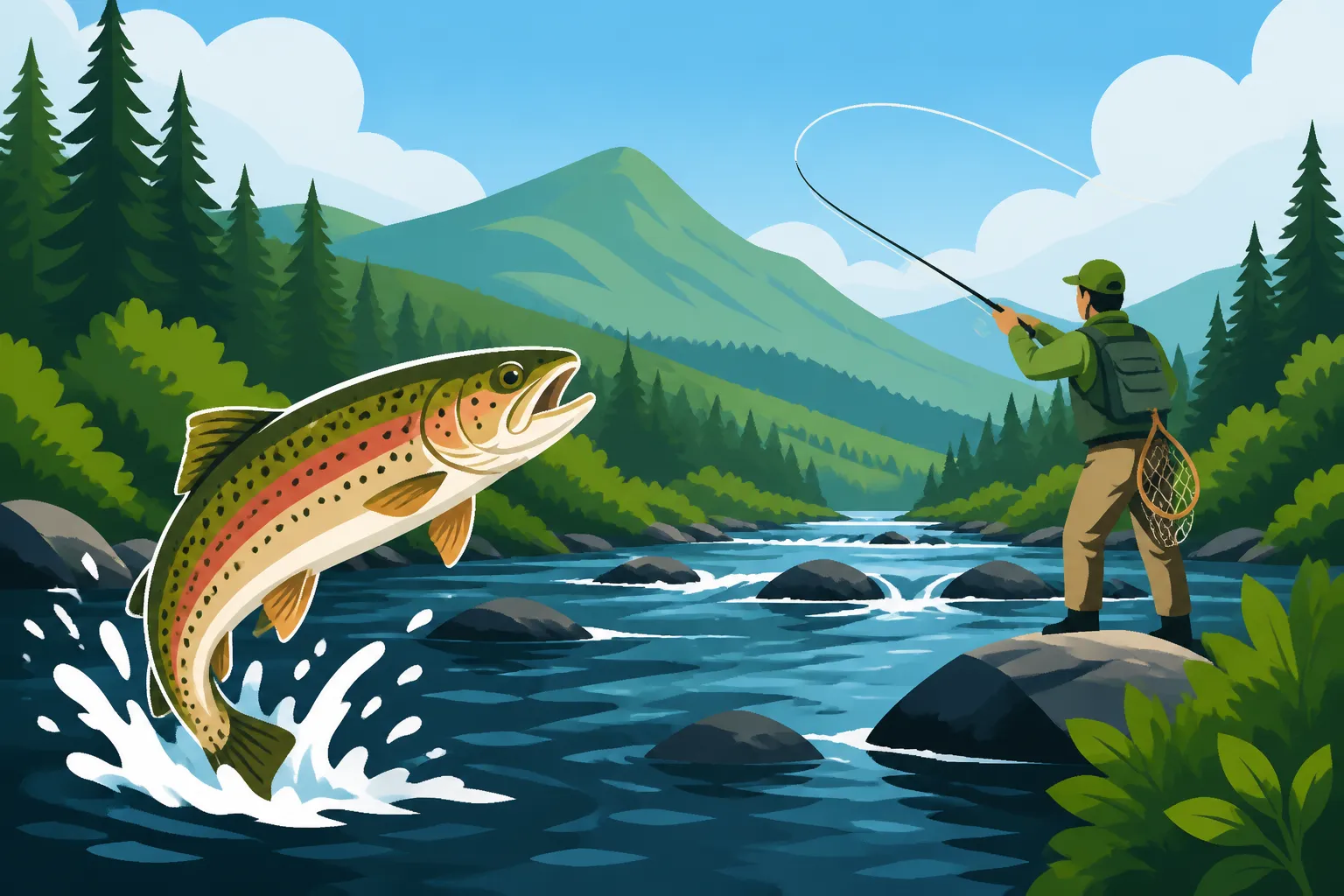
- Rainbow Trout: Like brown trout, rainbows are commonly stocked and thrive in the mid to lower sections of the Black River. They are energetic fighters, famous for their acrobatic jumps when hooked. Rainbows tend to prefer faster-moving water and often congregate in runs and riffles where they can ambush drifting insects. They're a favorite among fly anglers due to their eager takes on dry flies during hatches. You'll likely encounter a mix of freshly stocked fish and "holdovers" – fish that have survived from previous stockings, grown larger, and become more acclimated to the wild environment.
Key Access Points and Prime Fishing Areas
Knowing where to get into the river is just as important as knowing what to fish for. The Black River offers a variety of access points, from secluded forest paths to more accessible roadside pull-offs. Always be mindful of private property and respect landowners' rights.
Upper Black River: Headwaters and Wild Trout
The headwaters of the Black River, primarily around Plymouth and the higher elevations near Ludlow, are a sanctuary for brook trout. Access here is often via hiking trails or small, unmarked pull-offs along state routes like Route 100. Look for smaller feeder streams that join the main stem; these can be excellent for discovering untouched pockets of wild fish.
- Plymouth Notch Area: This historic area, home to President Calvin Coolidge State Historic Site, also has numerous small streams and the upper Black River itself flowing nearby. While historical preservation is paramount, many small bridges and road crossings offer opportunities to peek into the water. Wading can be challenging due to dense vegetation, but careful approaches yield rewards. Focus on small, subtle pools and pocket water behind larger rocks.
- Along Route 100 South of Ludlow: As the river begins to gather size but is still relatively small, there are numerous spots where you can pull off safely and find public access. These areas often require a short hike through wooded areas but offer a true "wilderness" feel. Look for areas where the river twists and turns, creating deeper bends and current seams. These are classic holding lies for brook trout. When venturing into these more remote spots, it’s always wise to let someone know your plans. For an even more focused search for secluded spots, considering booking a local guide through platforms like FishingBooker, who can leverage their intimate knowledge of less-trafficked stretches.
Mid-River Stretches: Stocked and Holdover Opportunities
The sections of the Black River flowing through Ludlow, Proctorsville, and Cavendish offer a fantastic blend of stocked trout and impressive holdovers. These areas are generally more accessible, often paralleling roads and offering a mix of pools, runs, and riffles.
- Ludlow Town Center and Surrounds: The Black River flows right through Ludlow, providing convenient access. Near town parks or bridges, you'll often find popular spots. The confluence of the Black River with its tributaries around Ludlow creates rich habitat. These spots can see more pressure, especially after stocking, so early mornings or weekdays can be more productive. Check the Vermont Fish & Wildlife stocking schedule, often available online, to time your visit for fresh fish.
- Proctorsville and Cavendish: Moving downstream from Ludlow, the river continues to offer excellent fishing. Between Proctorsville and Cavendish, there are several road crossings and public easements. Look for deeper, slow-moving pools adjacent to faster riffles. These are prime areas where trout feed and rest. Small tributaries feeding into the Black River in these areas can also hold surprises, especially during cooler water periods. When considering a longer trip or wanting to explore multiple areas, having a good understanding of the local regulations for different water bodies is crucial, as outlined in the Vermont Fishing Regulations Explained guide.
Lower Black River: Wider Waters and Diverse Habitat
As the Black River nears its confluence with the Connecticut River, especially around Springfield, it widens and slows in certain sections, offering different angling opportunities. While the current might not be as strong, these sections often have deeper holes and larger structure, potentially holding bigger trout.
- Springfield Access Points: In Springfield, areas like the Black River Trail offer public access and scenic views, with several spots to get down to the water. The river here is broader, making fly casting easier in some areas, but also requiring longer casts to cover water effectively. Large rocks, submerged logs, and deeper channels are excellent places to target.
- Confluence with the Connecticut River: The very end of the Black River, where it empties into the Connecticut, can be an exciting area, especially during certain times of the year. Fish from the larger Connecticut River might venture into the Black, and vice-versa. This area can hold a variety of species, and larger trout might be present, particularly during migratory periods. Always consult specific Vermont Fishing Season Dates and Closures as the regulations for boundary waters like the Connecticut River can sometimes differ.
Essential Techniques for Black River Trout
Successfully fishing the Black River means adapting your techniques to the varied conditions you'll encounter. From the tight, brushy headwaters to the more open lower sections, having a versatile approach is key.
Fly Fishing Strategies
Fly fishing is incredibly popular on the Black River, and for good reason. The insect life here supports healthy trout populations, and matching the hatch or presenting enticing subsurface patterns can lead to fantastic results. For those looking to refine their skills, a local guide on FishingBooker could provide invaluable on-the-water instruction.
- Nymphing: This is often the most productive method, especially in the swift, broken water of the upper and mid-river. Imitations of caddis larvae, stonefly nymphs, and various mayfly nymphs (like Hare's Ear, Pheasant Tail, Prince Nymph) in sizes #12-18 are usually effective. Focus on getting your nymphs deep, using split shot or weighted flies, and targeting current seams, eddy lines, and the heads of pools. Euro Nymphing Vermont Trout Streams offers advanced techniques for deeper water.
- Dry Flies: When trout are actively feeding on the surface, dry fly fishing on the Black River can be exhilarating. Hatches vary by season and time of day, but common patterns include caddis, mayflies (like Blue-winged Olives, Sulphurs), and terrestrials (ants, beetles, grasshoppers) during summer and early fall. Look for rising fish in calmer pools and along current seams. A good drift is paramount; avoid drag to fool wary trout.
- Streamers: Larger brown trout and aggressive rainbows will often respond well to streamers, especially in the deeper pools and undercut banks of the mid and lower river. Patterns imitating baitfish like sculpins, dace, or smelt (e.g., Woolly Bugger, Clouser Minnow, Zonker) can be stripped through promising lies. This is a great technique for targeting larger, more predatory fish.
Spin Fishing Approaches
For many anglers, spin fishing offers a highly effective and accessible way to catch trout on the Black River. It's particularly useful in areas with limited back-casting room or when targeting deeper water.
- Lures: Small inline spinners (like Mepps Aglia or Panther Martin) in silver, gold, or brass finishes are consistently productive. Cast upstream and retrieve just fast enough to get the blade spinning as it drifts downstream through prime holding water. Small spoons (like Kastmaster or Little Cleo) can also be effective, especially for reaching deeper lies. Tiny crankbaits or minnow imitations (e.g., Rapala Ultralight Minnow) can be deadly in pools or slower runs. Always use light line (4-6 lb test) for best presentation and to avoid spooking fish.
- Bait Fishing: Live bait, particularly worms or mealworms, can be irresistible to trout, especially freshly stocked ones. PowerBait, in various colors and forms, is also a staple for many bait anglers. Fish bait on a light leader with a small hook, using just enough weight to get it to the bottom or drift naturally with the current. This method is often most effective in deeper pools or slower runs, where the bait can settle and tempt passing trout. Remember to check Vermont Bag and Possession Limits by Species before heading out.
Reading the Water for Success
Regardless of your chosen method, understanding where trout hold in a river is critical. Trout are ambush predators and also seek areas that offer protection from currents and predators, as well as easy access to food.
- Riffles and Runs: These are areas of faster, turbulent water where oxygen levels are high, and insects are dislodged. Trout often hold just out of the main current, in seams or behind rocks, darting out to snatch food.
- Pools: Deeper, slower-moving sections of the river are crucial resting and feeding areas, especially for larger trout. The head of a pool (where the faster water enters) and the tail of a pool (where the water speeds up again before a riffle) are prime spots.
- Undercut Banks and Overhanging Vegetation: These provide excellent cover from predators and strong currents. Trout will often lie hidden here, waiting for food to drift by.
- Log Jams and Large Rocks: Any substantial structure in the river breaks the current and creates eddies and slack water, which are prime holding spots. Cast your lure or drift your fly/bait into these pockets. Learning to read these nuances is a fundamental skill, and you can delve deeper into general river fishing techniques with our guide on Wading Techniques for Vermont Trout Streams.
Seasonal Considerations for Black River Trout Fishing
The Black River offers year-round fishing opportunities, but success often hinges on understanding how trout behavior changes with the seasons. Each time of year presents unique challenges and rewards.
Springtime Gold: Opening Day and Beyond
Spring is arguably the most anticipated season for trout fishing in Vermont, and the Black River certainly shines. Vermont Trout Opening Day Traditions marks the beginning of high hopes. As the snow melts and water levels rise, the river swells, and trout become active.
- Early Season (April-May): Right after ice-out and through May, the water is cold, and trout are often hungry after a long winter. Stocked trout are plentiful in accessible sections, providing easy action. Focus on heavier nymphs, worms, or small, brightly colored spinners. Fish will often hold in slower, deeper pools to conserve energy. High water levels might make wading difficult, so bank access becomes important.
- Late Spring (May-June): As the water warms slightly, insect hatches become more consistent. Caddis and early mayfly hatches can bring trout to the surface, especially in the afternoons. This is a fantastic time for dry fly fishing if you can match the hatch. Water levels usually begin to recede, making more of the river wadeable. Our guide on Spring Trout Fishing Techniques for Vermont Streams can offer more specific advice.
Summer Challenges and Mountain Retreats
Summer fishing on the Black River can be excellent, but it requires adaptation, especially as water temperatures rise in the lower and mid-sections.
- Warm Water Retreat: In July and August, the lower and mid-river temperatures can become stressful for trout, especially in warmer years. It’s crucial to monitor water temperatures; if they consistently exceed 68°F (20°C), it's best to fish only during the cooler parts of the day (dawn/dusk) or consider giving the fish a break to prevent undue stress. For precise information about where and how many fish are stocked, the Vermont Fish Stocking Search Tool, Explained can be invaluable.
- Headwater Havens: During prolonged hot spells, the best bet is to seek out the colder, higher-elevation sections of the Black River or its feeder streams. These headwaters remain cooler and continue to hold active wild brook trout. Stealth and light tackle are key in these smaller, brushier environments. Terrestrial patterns like ants, beetles, and hoppers can be very effective as they fall from overhanging vegetation.
Fall Colors and Aggressive Feeding
Fall is another prime season for trout fishing on the Black River, offering beautiful scenery and active fish.
- Pre-Winter Feeding Frenzy: As water temperatures cool and days shorten, trout begin an aggressive feeding period to fatten up for winter. This can be an excellent time to target larger fish with streamers or larger nymphs. Brown trout, in particular, become very active as they prepare for their spawning period in late fall.
- Spawning Runs (Brown Trout): While most trout fishing centers on general feeding, be aware that brown trout will begin their spawning runs in late fall. While it's legal to fish for them, many anglers choose to leave spawning fish undisturbed on their redds (spawning beds) to ensure healthy future populations. Focus on actively feeding fish in pools and runs, rather than those engaged in spawning activities.
Navigating Regulations and Ethical Angling
Fishing the Black River, or any Vermont waterway, comes with a responsibility to understand and adhere to local regulations and ethical practices. This ensures the health of the fishery for everyone.
Understanding Vermont's Fishing Regulations
Before casting a line, ensure you have a valid Vermont fishing license. These are easily obtained online, at town clerks, or authorized vendors. For detailed information on costs and where to purchase, consult the Vermont Fishing License Guide for 2026 or How to Buy a Fishing License Online in Vermont.
- General Regulations: Most of the Black River falls under general statewide regulations for trout, which typically include specific season dates, daily creel limits, and minimum length limits. For trout, the daily limit is often 6 fish, with a minimum length of 6 inches, but this can vary.
- Special Regulation Waters: While the main stem of the Black River generally adheres to statewide rules, it's always wise to double-check for any specific sections that might have "Special Regulation Waters in Vermont" such as catch-and-release only or specific lure restrictions. Always carry a copy of the current Vermont Fishing Guide or have the digital version handy on your phone to verify rules on the spot. This will ensure you don't inadvertently violate any rules, which can lead to hefty penalties as explained in Fishing Without a License in Vermont: Penalties.
Practicing Catch and Release
For many trout anglers, especially those targeting wild brook trout or larger holdover browns, catch and release is a crucial practice. It helps sustain fish populations, particularly in less-frequently stocked areas.
- Handle Fish Gently: If you intend to release a fish, minimize its time out of water. Use wet hands to handle the fish, or better yet, keep it in the water while unhooking.
- Barbless Hooks: Using barbless hooks (or crimping down barbs on existing hooks) makes unhooking much easier and less damaging to the fish.
- Proper Release: Support the fish gently in the water, facing upstream, until it regains its strength and swims away on its own. Avoid tossing it back into the current. For more on this, our guide on Vermont Catch and Release Fly Fishing Only Waters provides excellent context, even if the Black River isn't exclusively designated as such.
Black River Trout Fishing Quick Reference
| Section of River | Primary Target Species | Recommended Techniques | Best Time to Fish | Key Characteristics |
|---|---|---|---|---|
| Upper Headwaters | Wild Brook Trout | Small dry flies, nymphs, ultra-light spinners (size 0-1) | Spring, Summer (early/late day) | Cold, clear, small, brushy; stealth required |
| Mid-River (Ludlow, Proctorsville, Cavendish) | Brown, Rainbow, Brook Trout | Nymphing, dry flies (matching hatch), small crankbaits, spinners, bait | Spring, Fall (year-round with care) | Mix of pools, runs, riffles; good access, often stocked |
| Lower River (Springfield) | Brown, Rainbow Trout | Streamers, larger nymphs, spoons, crankbaits, bait | Spring, Fall (cooler water periods) | Wider, deeper sections; potential for larger fish, influence from Connecticut River |
The Black River is truly a fantastic destination for Vermont trout fishing. Whether you're a seasoned fly angler seeking wild brookies in the headwaters or a spin fisherman looking for stocked rainbows in the mid-river, this dynamic waterway offers something for everyone. With careful planning, adherence to regulations, and a respect for the resource, your next Black River adventure is sure to be memorable. Don't forget to pack appropriate gear, like that highlighted in our guide to Best Gear for Vermont Trout Fishing, to make your outing even more successful.
Disclaimer
The information provided in this guide is for general informational purposes only and does not constitute legal or professional advice. Fishing regulations, conditions, and access points can change frequently. Always consult the official Vermont Fish & Wildlife Department website or their current fishing guide for the most up-to-date and accurate regulations, licensing requirements, and advisories before planning your fishing trip. The author and publisher are not responsible for any personal injury, property damage, or other loss that may result from the use of this information.