Best fishing spots on the Poultney River
Trying to find those perfect fishing spots on a river that isn't always in the spotlight can feel like searching for a needle in a haystack, especially when everyone talks about the big lakes. You might spend hours scouring forums or staring at maps, wondering where to even begin to unlock its secrets. Well, you're not alone in that frustration, and this guide is here to cut through the noise, revealing the best fishing spots along the beautiful Poultney River in Vermont, ensuring your next outing is a success.
The Poultney River's Angling Allure: A Borderland Gem
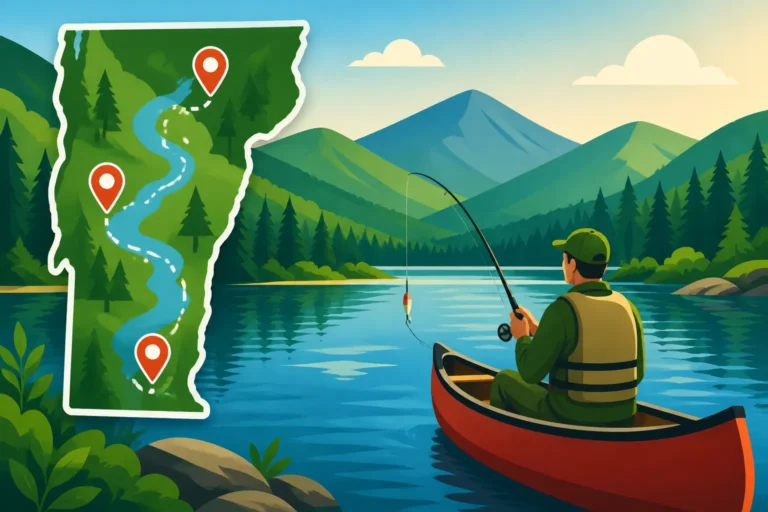
The Poultney River, often overshadowed by its larger neighbor, Lake Champlain, is a true hidden gem for anglers in Vermont. Flowing along the border between Vermont and New York, this river offers a diverse angling experience, transitioning from colder, faster-flowing trout waters in its upper reaches to warmer, slower sections teeming with bass and other species as it approaches the vastness of Lake Champlain. It’s a river of contrasts, and understanding these shifts is key to unlocking its full potential.
River Character and Ecosystem Dynamics
The Poultney River’s character changes dramatically from its headwaters near Tinmouth Mountain to its mouth at Lake Champlain. Upstream, you’ll find classic freestone river characteristics: gravel and rock bottoms, clear, cold water, and a lively current perfect for trout. As it winds downstream, especially below the town of Poultney, the river widens, slows, and the bottom becomes more silty and weedy in places. This creates diverse habitats, supporting different fish species and demanding varied fishing approaches. This unique ecology, influenced by its agricultural surroundings and its direct connection to Lake Champlain, makes the Poultney a dynamic and rewarding fishery.
For those venturing into its upper reaches, expect to find classic trout stream structure – riffles, runs, and deeper pools formed by fallen trees and bends in the river. Further downstream, the river develops more oxbows, backwaters, and wider flats, providing excellent cover for bass and other warmwater species. The river also receives contributions from numerous smaller brooks and streams, which often provide cooler water refuges for fish during warmer months. Understanding these transitions will help you decide what species to target and what gear to bring.
Primary Game Fish of the Poultney
The Poultney River is a fantastic multi-species fishery, offering something for almost every type of angler. In its upper and middle sections, you'll predominantly find trout, including wild brook trout and stocked brown and rainbow trout. These colder, oxygen-rich waters are their preferred habitat, especially during the spring and fall. These trout can be feisty, offering a fantastic challenge to fly and spin anglers alike.
As you move towards the lower river and its delta, the dominant species shift to smallmouth bass, with healthy populations thriving in the warmer, rockier, and more structured environments. You might also encounter northern pike and various panfish like yellow perch and black crappie, especially in the slower, deeper sections and backwaters connected to Lake Champlain. The presence of these diverse species means you can often target different fish in a single day, depending on which section of the river you choose to explore. It's truly a testament to the river's ecological richness.
Optimal Times to Fish the Poultney River
Timing is everything when it comes to maximizing your success on the Poultney River. For trout, the prime seasons are spring and fall. In spring, shortly after ice-out and during the initial stocking periods, trout are active and hungry. The cooler water temperatures make them eager to feed. As summer progresses and water temperatures rise, trout can become stressed, making early mornings and late evenings the most productive times. Fall offers another fantastic window, as trout become more aggressive, feeding heavily before winter, and brown trout begin their spawning rituals.
For smallmouth bass, late spring through early fall generally offers the best action. The bass become very active once the water warms, usually starting in May and continuing strong through September. Their spawning season in late spring can offer incredible opportunities, though it's often best to practice catch-and-release to protect future generations. Even during the heat of summer, targeting them in shaded areas, deeper pools, or during dawn and dusk can yield great results. For pike and panfish, they can be caught throughout the open water season, with pike often being more active in cooler water, similar to trout, and panfish providing consistent action during warmer months.
Prime Fishing Locations Along the Poultney River
The Poultney River offers a variety of distinct fishing experiences depending on which section you explore. From the swift, cold waters of its upper reaches to the broad, bass-filled lower river, each segment presents unique opportunities and challenges. Knowing where to go and what to expect is half the battle.
Upper Poultney – Trout Heaven
The upper sections of the Poultney River, particularly from its origins down through the area around East Poultney, are quintessential Vermont trout waters. Here, the river is narrower, with a steeper gradient, creating numerous riffles, runs, and classic plunge pools. This is where you’ll find the highest concentrations of wild brook trout, often beautifully colored and eager to strike a well-presented fly or small spinner. The water is generally colder and clearer here, demanding a stealthy approach.
Access in the upper reaches can sometimes involve a bit of a hike, as much of the land is private. However, there are public access points and road crossings that provide entry to some fantastic stretches. Look for pull-offs along roads like VT Route 30 or local dirt roads that parallel the river. These spots often lead to secluded bends and pools where trout can be found hiding under undercut banks or behind larger rocks. Early mornings here, especially in spring, can be absolutely magical for fly anglers pursuing vibrant brookies and feisty rainbow trout. Remember that these smaller streams often have specific regulations, so it's always wise to check the Vermont Fishing Regulations Explained before heading out.
Middle River – Mixed Bag Opportunities
As the Poultney River flows through and just below the town of Poultney, it transitions into a more diverse fishery. The river here becomes a bit wider and deeper in spots, offering a mix of trout and smallmouth bass opportunities. This section is often more accessible, with several bridges and public lands providing good entry points. The confluence of smaller tributaries often creates deeper, cooler pockets where trout can linger, even as the main river warms.
Around Fair Haven, the river starts to broaden further, and while trout can still be present, especially in cooler periods, the likelihood of hooking into a robust smallmouth bass increases significantly. Areas with rocky outcroppings, submerged timber, and deeper bends are prime targets for bass. This middle section is ideal for anglers who enjoy a varied catch and are happy to switch between targeting trout and bass. It’s a great place to spend a full day, perhaps starting with trout in the morning and then moving to bass as the day progresses. If you're looking for a guide to navigate these waters, services like FishingBooker can help connect you with local experts who know the best spots and techniques for a mixed bag.
Lower River and Lake Champlain Connection – Bass and Beyond
The lower Poultney River, particularly from Fair Haven down to its delta at Lake Champlain, is a smallmouth bass angler’s paradise. Here, the river is at its widest, slowest, and often warmest, resembling more of a fertile tributary than an upland stream. The river winds through extensive marshlands and provides excellent cover with lily pads, submerged weeds, and plenty of rock structure. This section is a crucial spawning ground for smallmouth bass and is also home to northern pike and various panfish.
Key access points in this lower stretch include the Poultney River Delta Wildlife Management Area (WMA), which offers incredible opportunities for both shore and boat anglers. You can launch smaller boats, kayaks, or canoes to explore the delta's intricate channels, backwaters, and the river mouth itself. Fishing these waters means you’re essentially tapping into the rich fishery of Lake Champlain, so expect larger smallmouth bass and the possibility of other species that move between the river and the lake. This area is particularly fantastic for topwater action during the warmer months, especially at dawn and dusk. For an ultimate bass experience, check out our guide on How to Catch Smallmouth Bass in Vermont Lakes.
Tributary Exploration: Hidden Gems
While the main stem of the Poultney River gets most of the attention, its numerous tributaries can offer fantastic, often overlooked, fishing opportunities. Smaller streams like Hubbardton River and Castle Creek feed into the Poultney and can hold populations of wild brook trout, especially in their upper reaches where the water remains cold and clean. These smaller brooks require a stealthier approach and lighter gear but can reward anglers with a truly wild and serene fishing experience.
Exploring these tributaries often means bushwhacking or navigating through dense vegetation, but the solitude and the chance to catch untouched fish can be incredibly rewarding. Before venturing into any tributary, always consult local maps and respect private property boundaries. Sometimes, these smaller streams also offer great early-season opportunities when the main river might still be running high and cold from spring runoff. They are a perfect example of the diverse angling experiences available in the Best Fishing Rivers in Vermont.
Essential Techniques and Gear for Poultney River Success
Success on the Poultney River often boils down to matching your techniques and gear to the specific section you're fishing and the species you're targeting. Since the river transitions dramatically from its headwaters to Lake Champlain, a versatile approach, or at least a clear understanding of what works where, is crucial. Don't be afraid to experiment, but a solid foundation of proven methods will certainly increase your chances.
Trout Tactics for the Upper and Middle River
For the colder, faster-flowing sections of the upper and middle Poultney, fly fishing is incredibly effective, especially for wild trout. Standard dry-dropper rigs, nymphing, and even streamer fishing can all produce. In spring, focus on nymph patterns like Hare's Ear, Pheasant Tail, and Prince Nymphs, or small stonefly imitations. As insect hatches become more prevalent in late spring and summer, dry flies such as Caddis, Adams, and attractor patterns like Royal Wulff can be irresistible. For those feisty brook trout, smaller patterns are often key. If you're new to fly fishing, our guide on Fly Fishing for Trout in Vermont can provide a great starting point.
Spin anglers will also find success with light tackle. Small inline spinners like Mepps Aglias or Panther Martins in sizes #0 to #2 are deadly. Micro crankbaits that imitate small baitfish or crayfish can also entice strikes. Natural baits like worms (nightcrawlers or garden worms) fished under a small float or on a bottom rig are always a reliable choice, especially for recently stocked trout. The key is light line (4-6 lb test) and a cautious approach to avoid spooking fish in the clear water.
Bass Strategies for the Middle and Lower River
As you move downstream into the middle and lower Poultney, and especially into its expansive delta, the focus shifts to smallmouth bass. These aggressive fish respond well to a variety of lures and techniques. For covering water and finding active fish, crankbaits (especially those mimicking crawfish or baitfish), spinnerbaits, and chatterbaits are excellent choices. Look for rocky structure, submerged timber, and weed lines where bass ambush their prey.
When bass are less active or holding tight to cover, soft plastics fished on a Texas rig, Carolina rig, or Ned rig can be incredibly effective. Creature baits, tubes, and stick worms in natural colors like green pumpkin or watermelon red are consistently productive. Don't overlook topwater lures like poppers, walking baits, and buzzbaits during low light conditions or when bass are actively feeding on the surface, especially in the calm waters of the delta. Live bait, such as shiners or crawfish, can also be highly effective, particularly in slower moving sections. If you're looking to book a guided trip to maximize your bass fishing potential, FishingBooker offers many experienced local guides who specialize in Lake Champlain and its tributaries, including the Poultney.
Recommended Gear Setup for Versatility
Given the varied nature of the Poultney River, having a versatile gear setup is beneficial. For trout, a light action spinning rod (5'6" to 6'6") paired with a 1000-2000 series reel spooled with 4-6 lb monofilament or fluorocarbon is ideal. Fly anglers will find a 7'6" to 9' 3-5 weight rod suitable for most trout scenarios.
For bass, a medium-light to medium action spinning rod (6'6" to 7'0") with a 2500-3000 series reel spooled with 8-10 lb braid (with a fluorocarbon leader) offers excellent sensitivity and power. Alternatively, a baitcasting setup with a 7' medium-heavy rod and 12-17 lb fluorocarbon or braid is perfect for throwing heavier lures and working through cover. Waders (chest waders are often best) are almost a necessity for accessing many prime spots on the river, especially for trout fishing, allowing you to move freely and position yourself effectively. A good pair of wading boots with felt or rubber soles will provide essential grip on slippery rocks. Always carry a small tackle box or backpack with a selection of lures, extra line, leader material, and pliers.
Navigating Regulations and Conservation on the Poultney
Responsible angling on the Poultney River means more than just knowing where to cast your line; it also involves understanding and respecting the local regulations and embracing conservation practices. After all, we want this beautiful river to remain a fantastic fishery for generations to come.
Vermont Fishing Regulations Overview
Because the Poultney River forms part of the border between Vermont and New York, it's essential to be aware of the specific regulations for the state you are fishing in. Generally, if you are fishing from the Vermont side, you need a valid Vermont fishing license. If you launch a boat or cross into New York waters, you'll need a New York license. However, on boundary waters like sections of the Poultney, there can be reciprocal agreements. It's always best to carry the proper documentation for both states or to stick strictly to one side if unsure. The Vermont Fishing License Guide for 2026 provides comprehensive details on obtaining your license.
Beyond licensing, pay close attention to species-specific regulations. These include daily bag limits, minimum length limits, and season dates for trout, bass, pike, and other species. For instance, trout season typically has a specific opening and closing date, and certain waters might have special regulations like catch-and-release only or artificial lures only. Always consult the current Vermont Fish & Wildlife Department fishing guide before your trip, as regulations can change annually. Ignoring these rules can lead to significant penalties, including fines and loss of fishing privileges.
Access and Ethical Angling Practices
Public access to the Poultney River is available at various points, including state lands, boat launches, and road crossings. However, much of the river flows through private property, and it is paramount to always respect private land. Obtain permission before trespassing, and stick to clearly marked public access points. Anglers have a responsibility to leave no trace, which means packing out all trash, avoiding litter, and minimizing disturbance to the riverbank and surrounding vegetation.
Practicing catch-and-release, especially for larger breeding fish and sensitive species like wild brook trout, is a wonderful way to contribute to the river's health. If you do plan to keep fish, know your limits and handle fish carefully to ensure the survival of those you release. Using a knotless rubber landing net can help protect a fish's slime coat and fins. Understanding and adhering to these ethical practices ensures that the Poultney River continues to provide fantastic fishing experiences for everyone. If you’re ever unsure about regulations or ethical practices, hiring a local guide through a service like FishingBooker can provide invaluable insights and ensure you're fishing responsibly and effectively.
| Poultney River Section | Primary Target Species | Recommended Techniques | Best Time | Access Considerations |
|---|---|---|---|---|
| Upper River | Brook Trout, Rainbow Trout | Fly Fishing (Nymphs, Dry Flies), Small Spinners, Worms | Spring, Fall (Cooler Months) | Primarily Wading, Limited Public Access, Stealthy Approach |
| Middle River | Brown Trout, Smallmouth Bass | Fly Fishing (Streamers), Spinners, Crankbaits, Soft Plastics, Worms | Spring, Early Summer, Fall | Wading, Bank Access, Some Bridges, Mixed Habitat |
| Lower River & Delta | Smallmouth Bass, Northern Pike, Panfish | Crankbaits, Topwater, Soft Plastics, Spinnerbaits, Live Bait | Late Spring, Summer, Early Fall | Boat/Kayak Launch (Poultney River Delta WMA), Shore Fishing, Wide & Slower Waters |
Disclaimer
The information provided in this guide is for informational purposes only and is subject to change. Anglers are responsible for consulting the most current Vermont Fish & Wildlife Department regulations and obtaining all necessary licenses before fishing. Always prioritize safety on and around the water.