Best Fly Fishing Rivers in Vermont
Vermont offers some of the most serene and rewarding fly fishing experiences in the Northeast, but trying to pinpoint the absolute best rivers can feel like looking for a needle in a haystack for newcomers. The Green Mountain State is crisscrossed with countless streams and rivers, each with its own character, challenges, and rewards, and knowing where to start your adventure for trout, salmon, and even smallmouth on the fly can be daunting. This comprehensive guide aims to cut through the confusion, unveiling Vermont's premier fly fishing rivers and equipping you with the knowledge to make your next angling excursion a resounding success.
The Unique Allure of Vermont Fly Fishing Rivers
Vermont's rivers possess a distinct charm that sets them apart. They aren't the broad, sprawling western rivers, nor are they the heavily pressured tailwaters you might find in other regions. Instead, Vermont's fly fishing waters often feel intimate, wild, and incredibly pristine, flowing through dense forests, pastoral valleys, and alongside quiet rural roads. This creates an experience where the journey itself, surrounded by Vermont's breathtaking scenery, is as rewarding as the fish you catch.
Understanding Vermont's River Ecosystems
Most of Vermont's prime fly fishing rivers are freestone streams, meaning their flow is largely dictated by snowmelt and rainfall, leading to seasonal variations in water levels and temperatures. These rivers are generally well-oxygenated and support healthy populations of insect life, forming the foundation of a robust trout fishery. You'll primarily encounter brook trout, rainbow trout, and brown trout, with landlocked salmon making appearances in rivers connected to larger lakes. Each species has its preferred habitat, and understanding this is key to successful fly fishing.
What really makes Vermont special is the prevalence of wild trout. While many states rely heavily on stocking programs, Vermont proudly maintains numerous streams with self-sustaining populations of native brook trout and wild brown trout. These fish are often more challenging to catch, demanding precise casts and stealthy approaches, but the satisfaction of landing a truly wild Vermont trout is unparalleled. Many of these wild trout waters are tucked away in the Green Mountain National Forest, offering a true backcountry experience.
The Challenges and Rewards of Vermont Fly Fishing
Let's be real: fly fishing in Vermont isn't always easy. Many of the best spots require some legwork, whether it's navigating slippery streambeds, bushwhacking through dense foliage, or making precise casts in tight quarters. Water levels can fluctuate wildly, especially in spring, making access and wading tricky. Knowing the nuances of Vermont fishing seasons by month can make a huge difference in your success.
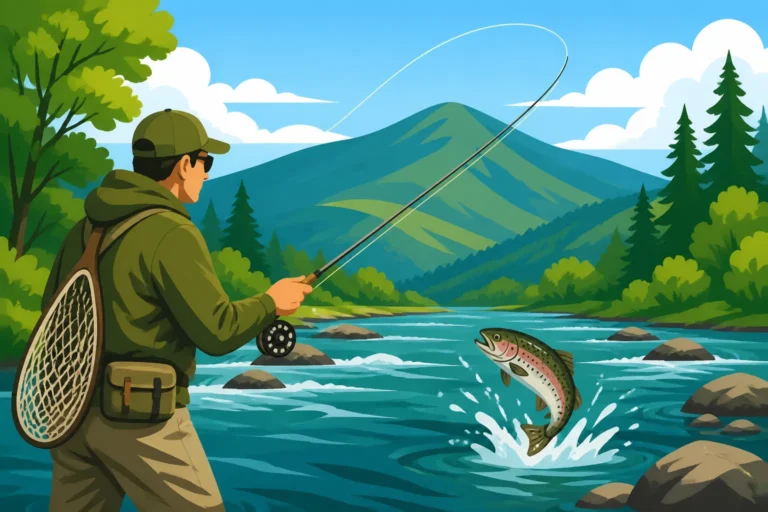
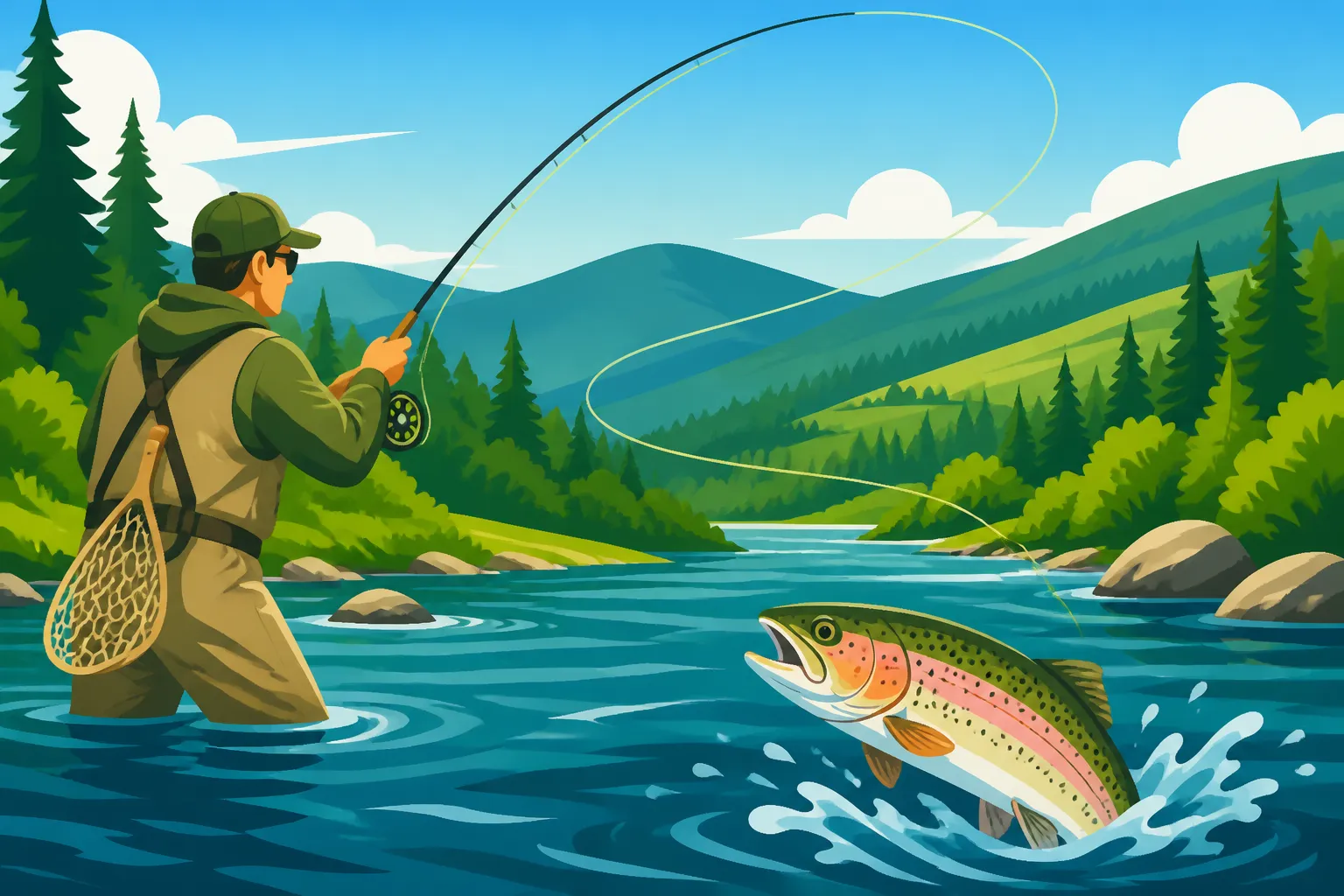
However, the rewards are immense. Imagine casting a perfectly presented dry fly to a rising wild brook trout in a secluded mountain stream, or battling a hefty brown trout on a streamer in a classic freestone river. The solitude, the beauty, and the challenge combine to create truly memorable experiences. For those looking to shorten the learning curve, finding a knowledgeable guide through FishingBooker can significantly enhance your experience, helping you navigate complex waters and understand local hatches. These local experts can guide you through the intricacies of specific rivers, ensuring you're using the right patterns and techniques for the conditions.
Southern Vermont's Venerable Waters: Battenkill and West River
Southern Vermont holds some of the state's most iconic and storied fly fishing destinations, drawing anglers from across the Northeast and beyond. These rivers offer a mix of challenges and classic angling charm.
The Legendary Battenkill River
The Battenkill is, without a doubt, one of the most famous fly fishing rivers in the Eastern United States, and for good reason. Flowing from its headwaters in Vermont down into New York, the Vermont stretch of the Battenkill is renowned for its wild brown and brook trout. It's not a river for the faint of heart or the impatient angler; these are highly educated, wary fish that demand a refined approach.
The Battenkill is largely a spring creek, characterized by clear, cool, limestone-influenced waters that support abundant insect life year-round. This makes it a fantastic dry fly fishery, especially during prolific hatches of Hendricksons, Sulphurs, and various caddisflies. However, its clarity and subtle currents can be incredibly challenging. Anglers often spend hours stalking a single rising trout, only to be rejected time and again. The rewards, though, are truly special – a wild, vividly colored brown trout caught on a perfectly presented dry fly is a trophy in itself. Many sections of the Battenkill, particularly above Arlington, are managed as catch and release fly fishing only waters, further enhancing the wild trout experience. Access points are scattered along Route 7A and side roads, but don't expect easy wading in all spots; the riverbed can be quite slick and deep in places. Consider bringing a reliable wading staff, as described in guides like "Best Wading Staff for Fast Current," especially during higher flows.
The West River: A Diversified Fishery
The West River, unlike the Battenkill's finicky reputation, offers a more varied and often more forgiving fly fishing experience. Originating in the Green Mountains, the West River flows south through towns like Londonderry and Townshend before joining the Connecticut River. This river benefits from significant stocking of rainbow and brown trout, particularly in its upper and middle sections, making it a great option for anglers seeking more consistent action.
While stocked fish might not offer the same challenge as the Battenkill's wild residents, they provide excellent opportunities for both nymphing and streamer fishing, especially in the early season. As the water warms in summer, the lower sections can hold smallmouth bass, offering a different kind of fly rod tug. The West River flows through some truly picturesque country, with plenty of public access points, including some in the Green Mountain National Forest. Its varied structure—pools, riffles, and runs—make it a versatile river for different techniques. Remember that even on stocked waters, patience and observation are key. If you're planning an outing, check out "West River Fishing Spots" for specific access points and tips.
Central Vermont's Productive Currents: White River and Otter Creek
Moving north into the heart of Vermont, you'll find rivers that offer a blend of wild fisheries, robust stocking programs, and diverse species, providing ample opportunities for fly anglers of all skill levels.
The Dynamic White River System
The White River, with its four main branches (First, Second, Third, and Fourth), is a jewel of central Vermont's fly fishing scene. It's a large, diverse river system that begins high in the Green Mountains and eventually flows into the Connecticut River. This river is a fantastic destination for brown and rainbow trout, with strong populations of both wild and stocked fish.
What makes the White River so dynamic is the variety within its branches. The upper reaches of the First, Second, and Third branches offer smaller, more intimate water, perfect for exploring with lighter tackle for brook trout and wild browns. As these branches converge and the river gains size, it becomes prime water for larger brown and rainbow trout, particularly in the main stem around towns like Rochester, Bethel, and Royalton. This section is excellent for nymphing deeper pools and runs, especially during the colder months or when fish are not actively rising. During spring and fall, streamer fishing can be incredibly effective for targeting aggressive, larger trout. There's also a strong tradition of "White River trout fishing spots" that are closely guarded secrets among locals, so a little exploration can go a long way. The river offers excellent public access, often adjacent to Route 100 and other state roads. For the best experience, consider looking into guides on FishingBooker who specialize in the White River, as they can reveal its many secrets and guide you to productive stretches.
Otter Creek: Smallmouth Bass on the Fly
Otter Creek, Vermont's longest river, offers a unique fly fishing experience, especially for those who enjoy targeting warm-water species. While it does hold some trout in its upper, colder reaches, Otter Creek truly shines as a premier smallmouth bass fishery. Imagine the thrill of hooking into a feisty smallmouth on a popper or a weighted streamer—it's an absolute blast and a welcome change of pace from trout fishing.
The lower and middle sections of Otter Creek, from Middlebury down to Lake Champlain, are ideal for smallmouth bass. These sections are characterized by a mix of slower pools, moderate currents, and abundant structure like rock piles, submerged logs, and undercut banks. Smallmouth are aggressive eaters and will readily strike a variety of flies, from crayfish patterns and baitfish imitations to gurglers and poppers fished on the surface. Fishing from a kayak or canoe is an excellent way to explore the river's many productive stretches, allowing you to cover water and access areas less pressured by shore anglers. You might also encounter northern pike and even carp on the fly in the lower stretches, adding to the excitement. While not typically a trout river, Otter Creek's smallmouth fishery offers some of the most exciting fly rod action in the state.
Northern Vermont & Northeast Kingdom: Wildness and Solitude
As you venture further north into Vermont, particularly into the rugged and often remote Northeast Kingdom, the rivers take on a wilder character. Here, solitude and untouched beauty are often part of the angling experience, alongside opportunities for brook trout, wild browns, and even landlocked salmon.
The Lamoille River: A River of Contrasts
The Lamoille River is another significant Vermont waterway that offers a range of fly fishing opportunities. Beginning in the Northeast Kingdom and flowing west into Lake Champlain, the Lamoille is a river of contrasts. Its upper reaches are smaller, colder, and more pristine, offering classic brook trout and wild brown trout fishing in a forested setting. These sections are ideal for stealthy approaches and accurate casts with dry flies or small nymphs.
As the Lamoille flows downstream, it broadens and warms, transitioning into a multi-species fishery. The middle sections can hold brown and rainbow trout, particularly in areas influenced by cold tributaries or deeper pools. Closer to Lake Champlain, the river becomes excellent for smallmouth bass, northern pike, and even occasional walleye on the fly. During certain times of the year, particularly in spring and fall, landlocked salmon and steelhead (rainbow trout that have migrated from Lake Champlain) can run up the lower Lamoille, providing exciting and challenging angling for larger fish. Finding the right "Lamoille River trout fishing access" can sometimes require a bit of exploration, but the reward of finding a quiet stretch can be well worth it.
The Missisquoi River: A Northeast Kingdom Gem
The Missisquoi River, flowing through some of Vermont's most rural and scenic landscapes in the Northeast Kingdom before entering Lake Champlain in Missisquoi Bay, is a true hidden gem for fly anglers. This river is known for its relatively wild character and excellent smallmouth bass fishery, especially in its lower and middle sections. However, its upper branches and tributaries also offer fantastic trout fishing.
The headwaters of the Missisquoi, particularly the North Branch and Black Branch, are quintessential brook trout waters. These smaller, colder streams wind through remote forests, providing classic native brook trout fishing in an unspoiled environment. Further downstream, as the river widens, it becomes prime smallmouth bass territory, particularly in the stretches around Enosburg Falls and Richford. Similar to Otter Creek, smallmouth on the fly here can be incredibly fun, with aggressive strikes on poppers and streamers. The Missisquoi also sees runs of landlocked salmon and steelhead from Lake Champlain in the spring and fall, offering a chance at larger, migratory fish. Its diverse nature means you can enjoy different types of fly fishing within the same river system, depending on the section you choose to explore. For those looking to go off the beaten path, consider a guide listed on FishingBooker who specializes in backcountry excursions into the Northeast Kingdom.
The Clyde River: Connecting to Lake Memphremagog
The Clyde River, another significant waterway in the Northeast Kingdom, stands out due to its direct connection to Lake Memphremagog, a large international lake shared with Quebec. This connection makes the Clyde a unique and exciting destination for fly anglers, particularly for those targeting landlocked salmon.
While the river itself holds brook and brown trout in its upper sections, the real draw for many fly fishers is the opportunity to intercept migrating landlocked salmon from Lake Memphremagog. These powerful fish run up the Clyde River, particularly in the spring after ice-out and again in the fall during their spawning season. Targeting these migratory salmon requires heavy tackle and specialized techniques, often involving large streamers and spey rods. It's a challenging but incredibly rewarding pursuit, offering the chance to hook into some of the largest salmon in Vermont. Always be sure to check the specific regulations for the Clyde River, as migratory species often have unique rules. The river also offers excellent smallmouth bass fishing in its lower reaches, especially near its confluence with Lake Memphremagog. The "Lake Memphremagog Fishing Guide" has more details on the lake's incredible fishery that influences rivers like the Clyde.
The Mighty Connecticut River: A Boundary Water Bounty
The Connecticut River forms Vermont's entire eastern border with New Hampshire, creating a unique "boundary water" fishery that offers incredible diversity and opportunities for fly anglers. It's a big river, especially in its lower sections, but it holds some surprising fly fishing treasures.
Diverse Species and Varied Habitats
The Vermont side of the Connecticut River, from its headwaters in the remote Northeast Kingdom down to Massachusetts, provides an expansive and diverse angling canvas. In its upper reaches, above the large hydropower dams, the Connecticut maintains a colder, more riverine character, offering excellent fishing for wild brook, brown, and rainbow trout. These sections can be wadeable and feel much like a classic freestone river, especially around communities like Barnet and Ryegate.
As you move downstream, the river becomes wider and slower, forming a series of pools and impoundments created by dams. While these sections might seem less appealing to traditional trout purists, they offer fantastic warm-water fly fishing for smallmouth bass, northern pike, and even various panfish. Streamers, poppers, and larger fly patterns can be incredibly effective here. Furthermore, the Connecticut River is known for its excellent walleye population, which can occasionally be targeted on the fly, especially during low-light conditions.
Navigating Boundary Water Regulations
One of the most important aspects of fishing the Connecticut River is understanding the reciprocal agreements between Vermont and New Hampshire. Generally, a valid fishing license from either state allows you to fish from a boat on the river or from the shore on either side. However, there can be nuances, so it's always best to consult the most current regulations or refer to specific guides like "Vermont fishing license reciprocity on the Connecticut River boundary waters." For instance, there might be slight differences in daily bag limits or length restrictions depending on which state's regulations are being applied to a specific stretch of water. It’s always best practice to be thoroughly informed, similar to understanding the broader Vermont fishing regulations explained. The river is vast, so exploring "Connecticut River Fishing Access in Vermont" can help you find boat launches and shore fishing locations.
Finding Hidden Gems and Wild Trout Streams in Vermont
Beyond the well-known rivers, Vermont is a treasure trove of smaller, often unnamed streams and remote ponds that offer incredible solitude and unparalleled opportunities for catching native brook trout. This is where the true spirit of exploration comes alive for the fly angler.
Exploring the Green Mountain National Forest
A significant portion of Vermont's wild trout waters are found within the Green Mountain National Forest. Here, countless small streams cascade down mountain slopes, forming intricate networks of pocket water, riffles, and small pools. These are the quintessential brook trout streams, characterized by cold, clear water, dense canopy cover, and an abundance of structure from fallen trees and boulders.
Fishing these smaller waters often requires a different approach than larger rivers. A shorter, lighter fly rod (a 2wt or 3wt is perfect) is ideal for making accurate casts in tight spaces. Stealth is paramount, as native brook trout are notoriously skittish. Small dry flies, like tiny Elk Hair Caddis, Adams, or parachute patterns, often work wonders, especially in summer. Small nymphs, fished without an indicator, are also very effective. The fish might not be large, but their vibrant colors and willingness to strike a well-presented fly make for an incredibly rewarding experience. These are the places where you can truly connect with nature and experience "Vermont wild trout waters regulations" firsthand, often on a catch-and-release basis to preserve these precious populations.
The Allure of Backcountry Ponds
While technically not rivers, many remote, high-elevation ponds in Vermont, particularly in the Green Mountain National Forest, offer exceptional fly fishing for brook trout. These ponds are often only accessible by hiking, adding an adventurous element to the fishing trip. They often hold larger-than-average brook trout due to less fishing pressure and abundant food sources.
Reaching these ponds requires preparation: good hiking boots, a reliable map, and essential safety gear. Once there, float tubes or pack rafts can greatly enhance your ability to cover water, though shore fishing can also be productive. Dry flies, especially attractor patterns, and small streamers are excellent choices. Imagine a crystal-clear mountain pond, surrounded by towering pines, with the only sound being the ripple of your cast—this is the magic of Vermont's backcountry. For those seeking "Best time of year for trophy brook trout in Vermont," these remote ponds during late spring and early fall can be prime. If you're new to exploring remote areas, platforms like FishingBooker can help you find guides experienced in Vermont's wilderness fly fishing, ensuring both a productive and safe adventure.
Seasonal Considerations for Vermont Fly Fishing
Vermont's distinct seasons play a huge role in fly fishing success. Understanding these cycles is crucial for planning your trips and knowing what to expect on the water.
Spring: High Water and Opening Day Excitement
Spring is a season of transition in Vermont, marked by snowmelt, rising water levels, and the much-anticipated "Vermont trout season opening day for 2026." Early spring can mean cold water and high flows, making streamer and nymph fishing effective, especially for freshly stocked trout. As the season progresses into late April and May, water temperatures rise, triggering significant insect hatches like Hendricksons and Green Drakes, leading to fantastic dry fly opportunities on many rivers.
However, spring can also bring unpredictable weather, from warm, sunny days to cold rain and even late-season snow. Rivers can become blown out after heavy rains, making them unfishable. Flexibility is key during this time. Remember that while the enthusiasm around opening day is contagious, checking the specific Vermont Trout Season and Stocking Rules is important to ensure you're fishing legally and sustainably.
Summer: Warm Waters, High-Elevation Escapes, and Bass
Summer in Vermont brings warmer temperatures, and while this can be great for swimming, it often means challenging conditions for trout in lower-elevation rivers. Water temperatures can become too high, stressing trout. During these periods, it's crucial to focus on early mornings or late evenings when water temperatures are coolest. Alternatively, seeking out high-elevation streams and mountain brooks in the Green Mountain National Forest becomes a prime strategy for trout. These smaller waters tend to stay colder year-round.
Summer is also prime time for smallmouth bass and other warm-water species on the fly. Rivers like Otter Creek, the lower Lamoille, and sections of the Connecticut River offer thrilling topwater action with poppers and Gurglers. This is also a fantastic time for "Kayak Fishing Techniques for Vermont Lakes" and rivers, allowing you to access new water.
Fall: Spawning Runs and Aggressive Trout
Fall is arguably one of the most beautiful and productive seasons for fly fishing in Vermont. The foliage is spectacular, and cooling water temperatures reinvigorate trout and trigger spawning runs for brown trout and landlocked salmon. Many fish become more active and aggressive, making streamer and nymph fishing particularly effective.
Brown trout, in particular, become highly territorial and will readily strike large streamers. Landlocked salmon that have migrated into rivers from lakes like Memphremagog or Champlain also become primary targets. While incredible, remember that some fish are actively spawning, and it's essential to practice ethical angling, avoiding disturbing redds (spawning beds). Fall can also be an excellent time for dry fly fishing on warmer days, as blue-winged olives and other late-season hatches can occur.
Winter: Ice Fishing and Open Water Opportunities
While much of Vermont's fishing shifts to ice fishing in winter, there are still fly fishing opportunities on open water, particularly in tailwater sections below dams where water remains unfrozen. These areas can hold surprisingly active trout, and nymphing can be quite productive.
Winter fly fishing demands hardy gear, including warm waders, layers, and often a shorter fishing day. It's a time for solitude and the challenge of catching a cold-water trout. However, for most anglers, winter means focusing on the many excellent "Ice Fishing in Vermont" spots, where species like perch, pike, and even lake trout can be targeted through the ice.
Essential Gear and Techniques for Vermont Rivers
Having the right gear and understanding effective techniques will greatly enhance your success and enjoyment on Vermont's fly fishing rivers.
Rods, Reels, and Lines for Vermont Waters
For general-purpose trout fishing on Vermont's medium to large rivers (like the White River or middle Battenkill), a 9-foot, 5-weight fly rod is an incredibly versatile choice. It offers enough backbone to cast streamers and handle larger fish, yet is sensitive enough for delicate dry fly presentations. Pair it with a matching fly reel with a smooth drag and a weight-forward floating line.
For smaller streams and native brook trout in the Green Mountain National Forest, a shorter (7 to 8.5-foot), lighter (2- or 3-weight) rod is ideal. This allows for precise casting in tight quarters and makes even small brook trout feel like giants. For "Best Fly Rods for Vermont Trout Streams," you'll find options tailored to these various conditions. When targeting larger migratory fish like landlocked salmon in rivers like the Clyde, you might need to bump up to a 6- or 7-weight rod, especially for casting heavier streamers.
As for line, a good quality floating line will cover most situations. For nymphing deeper water or fishing streamers, sometimes a sinking leader or a heavier nymphing-specific line can be beneficial. Always use a fluorocarbon leader for trout, especially in clear waters, as it's nearly invisible to fish. Tips on "Best tippet size for stocked trout" or wild trout will vary but generally range from 4x to 6x.
Wading Safety and River Access
Wading is an integral part of fly fishing in Vermont, but it comes with responsibilities. Many rivers have rocky, slippery bottoms, and strong currents can be deceptive. High-quality wading boots with good grip (felt or rubber with studs) are essential. A sturdy wading staff, as detailed in "Best Wading Staff for Fast Current," is a non-negotiable safety item, providing stability and helping you probe depths before stepping. Always wear polarized sunglasses to protect your eyes and help you spot fish and submerged obstacles.
Public access to Vermont's rivers is generally good, with many state-designated fishing access areas. However, some prime stretches might be on private land, so always respect property rights and look for clear signage. If you're bringing a boat, like a kayak or canoe, remember to check "Life Jacket Requirements for Vermont Boaters" to ensure you're in compliance, as safety is paramount on any body of water.
Essential Fly Patterns for Vermont
Vermont trout feed on a wide variety of insects, and having a diverse fly box is crucial. Here are some staples:
- Dry Flies: For spring and summer hatches, carry a selection of various Caddis patterns (Elk Hair Caddis, X-Caddis), Mayfly imitations (Parachute Adams, Hendrickson, Sulphur, Green Drake), and stonefly patterns. Don't forget terrestrial patterns like hoppers, ants, and beetles for summer.
- Nymphs: Nymphs are often the most consistent producers. Essential patterns include Pheasant Tail, Hare's Ear, Prince Nymph, Copper John, and a variety of caddis larva/pupa imitations. Vary sizes and weights to match conditions.
- Streamers: For aggressive trout and migratory fish, streamers are highly effective. Woolly Buggers (in olive, black, brown), Clouser Minnows, and various baitfish imitations (e.g., sculpins, smelt) in sizes 6-10 are great choices. For landlocked salmon, larger smelt imitations are key.
- Warm Water Flies: For smallmouth bass, pack poppers, Gurglers, crayfish patterns, and baitfish streamers (e.g., deceivers, clousers).
A deep dive into "Fly Patterns for Vermont Trout Streams" can provide even more specific recommendations for seasonal hatches.
Vermont Fly Fishing River Comparison Table
To help you visualize the different opportunities, here's a quick comparison of some of Vermont's best fly fishing rivers:
| River | Primary Target Species (Fly) | Typical Water Type | Best Seasons | Notable Characteristics | Wading Difficulty |
|---|---|---|---|---|---|
| Battenkill | Wild Brown Trout, Brook Trout | Clear Spring Creek | Spring, Fall | Technical, wary fish, dry fly paradise, some C&R sections | Moderate to Difficult |
| White River | Brown Trout, Rainbow Trout | Medium to Large Freestone | Spring, Fall | Diverse system, wild & stocked, great nymphing/streamering | Easy to Moderate |
| Otter Creek | Smallmouth Bass | Warm, Slower Flow | Summer | Excellent warm-water action, good for kayak/canoe | Easy |
| Lamoille River | Trout (upper), Smallmouth (lower), Salmon (migratory) | Varied; small freestone to large slow river | Spring, Fall, Summer (bass) | Contrasting sections, diverse species, migratory runs | Easy to Moderate |
| Missisquoi River | Brook Trout (upper), Smallmouth (lower), Salmon (migratory) | Wild Freestone, Medium Flow | Spring, Fall, Summer (bass) | Remote feel, Northeast Kingdom beauty, excellent wild trout/bass | Moderate |
| Connecticut River | Trout (upper), Smallmouth, Pike (lower) | Large Freestone, Impoundments | Spring, Fall, Summer (bass) | Boundary water, diverse, large river challenges | Easy (shore) to Difficult (wading) |
No matter which river you choose, Vermont offers an incredible backdrop for your fly fishing adventures. With a little research, the right gear, and a healthy dose of patience, you're sure to create lasting memories on the Green Mountain State's beautiful waters.
Disclaimer
Please remember that fishing regulations, conditions, and access can change. Always consult the latest Vermont Fish & Wildlife Department regulations before heading out on the water. Be mindful of private property, practice Leave No Trace principles, and prioritize safety, especially when wading or boating.