Best crappie lakes in Vermont
It can be incredibly frustrating to hear whispers of fantastic crappie fishing, only to stare blankly at a map, wondering where exactly these elusive panfish are hiding in Vermont. While the Green Mountain State might be more famous for its trout and bass, savvy anglers know that plenty of lakes and ponds hold thriving populations of crappie, offering some truly rewarding action. This guide is designed to cut through the guesswork, pointing you directly to the best crappie lakes in Vermont and equipping you with the knowledge to catch them.
The Quest for Crappie in Vermont's Waters
Crappie, with their distinctive deep bodies and often striking patterns, are a favorite among many anglers for their spirited fight and delicious table fare. But they aren't always as easy to locate as a stocked trout pond. Understanding their preferences and habits is the first step to unlocking Vermont's hidden crappie potential.
Unpacking the Allure of Black Crappie
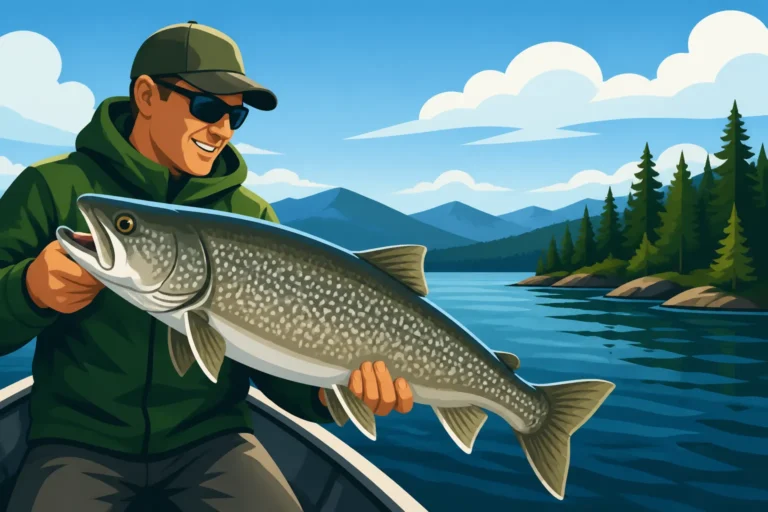
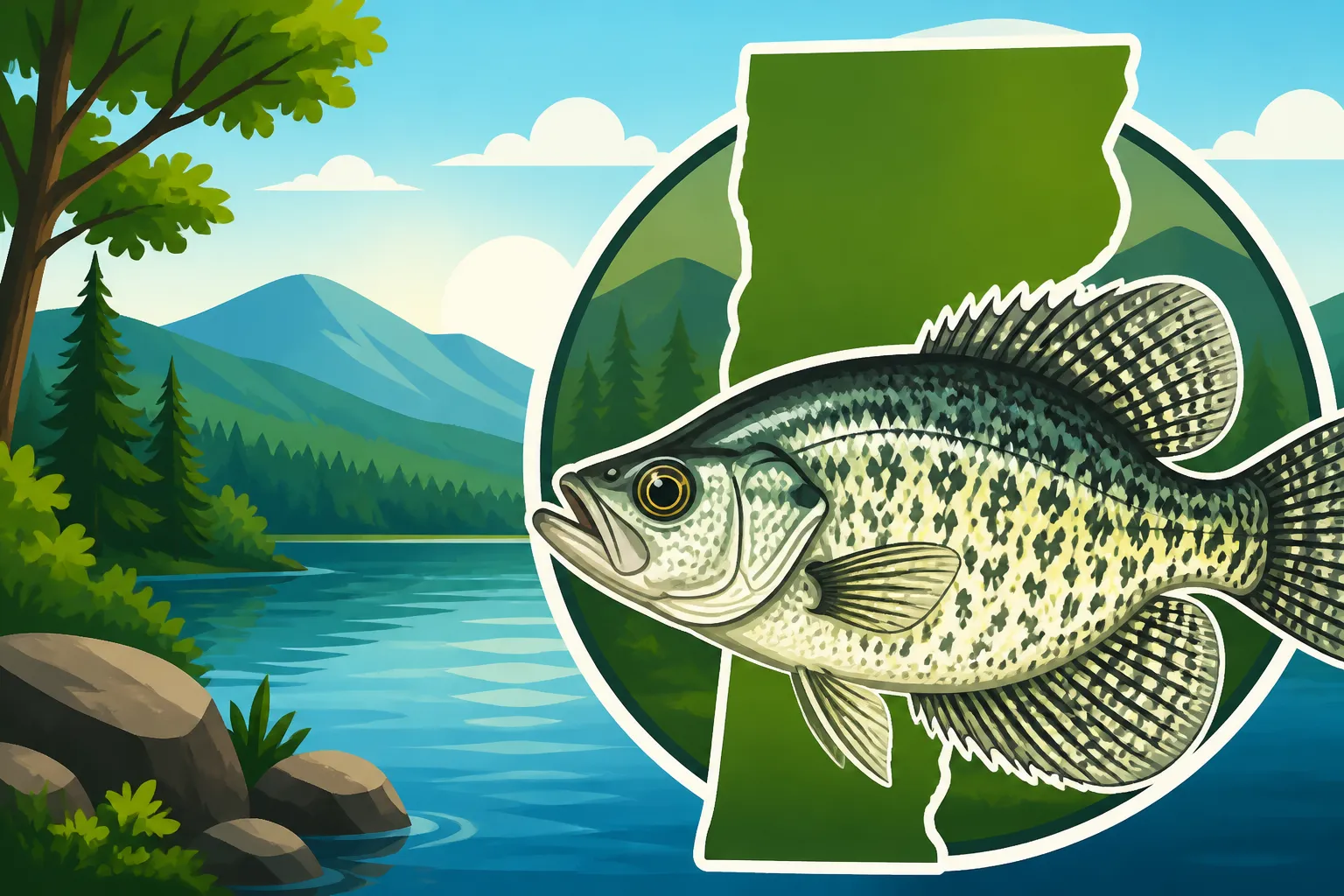
In Vermont, we're primarily talking about black crappie. These fish are true panfish royalty, known for schooling up, which can lead to incredible days on the water once you find them. They typically feature a mottled, silvery-greenish body with irregular black spots, making them quite beautiful. What makes them so appealing for anglers, beyond their aesthetic, is their eagerness to strike a variety of baits and lures, particularly when actively feeding. They don't typically grow to massive sizes, but catching a dozen "slab" crappie – those pushing a pound or more – is a memory many anglers cherish. They're also a fantastic entry-level fish for new anglers, yet still challenging enough to keep seasoned veterans engaged.
Where Crappie Call Home: Ideal Vermont Habitats
Crappie are creatures of structure and cover. They aren't generally found in the middle of wide-open, featureless expanses of water. Instead, they gravitate towards areas that offer protection from predators, ambush points for prey, and comfortable water temperatures. In Vermont's lakes and ponds, this often means submerged timber like fallen trees or brush piles, extensive weed beds (especially those with deeper edges), docks, bridge pilings, and old submerged roadbeds or foundations. They also appreciate clearer water bodies, though they can adapt to slightly stained conditions. The depth they prefer can vary greatly with the season, but generally, you'll find them anywhere from a few feet deep in spring and fall, to suspended over deeper water or tight to submerged cover in summer and winter. Knowing this preference for structure is key to narrowing down where to cast your line.
Navigating Vermont's Top Crappie Lakes and Hotspots
Now that we understand what makes crappie tick, let's dive into some of Vermont's most productive waters. While crappie can pop up in many places, these lakes consistently offer the best opportunities for a successful outing. Remember, specific spots within these lakes can change season to season, but the general areas remain strong contenders. For instance, before heading out, checking local fishing reports or even consulting a fishing charter on FishingBooker can sometimes provide real-time insights into where the crappie are biting.
Lake Champlain: A Crappie Goldmine
It's no surprise that Vermont's largest lake, Lake Champlain, holds some incredible crappie fishing. Its vastness means there are countless bays, coves, and shallow flats perfect for these panfish. However, you can't just cast anywhere and expect results.
- Malletts Bay and Adjacent Coves: Located near Colchester, Malletts Bay is a sprawling area with numerous docks, submerged brush, and extensive weed lines that are prime crappie habitat. The deeper edges of these weed beds, especially where they drop off into slightly deeper water (8-15 feet), are excellent places to target. Many anglers find success using small jigs tipped with a minnow or soft plastic under a bobber around the many boat docks here.
- Missisquoi Bay: Up in the northern reaches, Missisquoi Bay, bordering Canada, is shallower and extremely fertile, making it a fantastic spot for panfish of all kinds, including crappie. The extensive cattail beds and submerged vegetation provide perfect cover. Concentrate your efforts around these weed lines, especially in spring and fall when crappie are more actively feeding in shallower water.
- The Southern Lake: The more riverine sections of southern Lake Champlain, particularly around the towns of Orwell and Shoreham, also offer excellent crappie opportunities. Look for backwaters, slower channels, and areas with submerged timber. This area has a different feel than the wide-open bays, offering more intimate fishing experiences.
Southern Vermont's Productive Crappie Fisheries
Moving south, there are a couple of gems that stand out for their consistent crappie populations. These lakes are often more manageable in size than Champlain, allowing anglers to cover more water effectively.
- Lake St. Catherine: Situated in Poultney, Lake St. Catherine is renowned for its excellent panfish, and crappie are a big part of that reputation. The lake has plenty of shallow, weedy areas, particularly in the northern and southern basins, which are ideal for crappie. Focus on the edges of the expansive lily pad fields and submerged grass beds. In early spring, crappie will move into these areas to spawn, and later in the season, they'll often hold just outside the densest cover. Many local anglers prefer fishing from a kayak or small boat to navigate these prime crappie areas.
- Lake Bomoseen: Near Rutland, Lake Bomoseen is Vermont's largest lake entirely within the state's borders, and it's a fantastic multi-species fishery that includes a healthy crappie population. Like Lake St. Catherine, Bomoseen features numerous docks, boat houses, and extensive weed lines that provide perfect crappie habitat. The bays and shallower coves, especially those with some submerged timber, are excellent starting points. You might find some fishing guides listed on FishingBooker who specialize in panfish here.
Exploring Central and Eastern Vermont's Crappie Opportunities
While the southern and northern regions often get the most attention for crappie, central and eastern Vermont also hold some lesser-known, but equally productive, spots.
- Lake Fairlee: Located in Fairlee, this charming lake is known for its beautiful scenery and good fishing. Crappie here tend to inhabit the deeper weed edges and areas with submerged structures. It’s a great lake for exploring with electronics to locate schools suspended near underwater humps or drop-offs. Anglers often find success here with a simple bobber and minnow setup, or by slow-trolling small jigs.
- Waterbury Reservoir: While primarily known for its stunning mountain views and diverse cold-water fishery, Waterbury Reservoir also holds a decent population of crappie, particularly in its shallower arms and coves. Look for areas with standing timber or brush piles that were submerged when the reservoir was created. Fishing these areas with vertical jigging presentations can be very effective, especially during cooler months. The reservoir offers a more rugged, wilderness feel, so planning your trip accordingly is a good idea. For a different type of experience, you might also consider exploring some of the smaller ponds in the region listed in a Vermont State Park Fishing Guide.
Mastering the Art of Crappie Fishing in Vermont
Finding the fish is half the battle; the other half is knowing how to entice them to bite. Crappie can be finicky, but with the right techniques and gear, you'll be putting slabs in the livewell in no time.
Proven Baits and Lures for Vermont Crappie
Crappie generally have small, delicate mouths, so light tackle and subtle presentations are usually best.
- Live Minnows: This is arguably the most consistent crappie bait. A small shiner or fathead minnow hooked lightly through the lip or back and suspended under a bobber is tough to beat. Experiment with different depths until you find where the crappie are holding.
- Jigs: Small jigs, ranging from 1/32 to 1/16 ounce, are incredibly effective. Tipping them with a tiny soft plastic grub, tube, or a small piece of crappie nibbler can increase your success. Popular colors include chartreuse, white, black, and various greens. Look for specialized "crappie jigs" at your local tackle shop. Using ultra-light tackle is key here; a good ultralight rod for panfish makes a huge difference in feel and presentation.
- Soft Plastics: Tiny grubs, tubes, and even micro-swimbaits in lengths from 1 to 2 inches work wonders. These can be fished on a bare jig head, under a bobber, or slowly retrieved. The key is to impart subtle action, mimicking a small baitfish or insect.
- Small Spinnerbaits/In-line Spinners: For more aggressive crappie, especially those chasing baitfish, small beetle spins or tiny in-line spinners can be effective. Their flash and vibration can draw strikes when other presentations fail.
Adapting Your Approach: Seasonal Crappie Strategies
Crappie behavior changes dramatically with the seasons, so your techniques need to adapt.
- Spring (Pre-spawn and Spawn): As ice-out approaches and water temperatures rise, crappie move towards shallow, protected areas like coves and flats, especially those with dark bottoms that warm up quickly. They'll be feeding aggressively before and during the spawn. Target depths of 2-10 feet around submerged brush, docks, and weed edges. A bobber and minnow or a slow-fished jig are highly effective. This is an excellent time to find them schooling.
- Summer: Once the water warms significantly, crappie often move to deeper water, suspending over channels or relating to deep structure like humps, submerged timber, and brush piles. They might also be found around deeper docks. Vertical jigging or slow trolling with a small jig or crankbait can be productive. Early morning and late evening bites are often best as they move shallower to feed. This is when a good fish finder really shines, helping you locate suspended schools.
- Fall: As water temperatures cool, crappie begin to move back towards shallower cover, similar to spring patterns. They'll be actively feeding, fattening up for winter. Look for them in 5-15 feet of water around brush, old weed lines, and bridge pilings. The bite can be fantastic during this time, and you might find them schooling densely.
- Winter (Ice Fishing): Vermont's hardwater season offers some fantastic crappie action. They often suspend over deeper sections of the lake or school tightly around submerged structure. Small tungsten jigs tipped with a grub, wax worm, or a tiny plastic are deadly. Jigging for these fish requires patience and a good understanding of how to read your electronics. You can also explore Jigging for Perch Through the Ice to see similar techniques that apply to crappie. Many anglers find success in the deeper basins of lakes known for crappie, like Lake Champlain or Lake Bomoseen, by exploring depths from 15 to 30 feet or more.
Here's a quick overview of some top crappie lakes in Vermont:
| Lake Name | Region | Primary Features for Crappie | Best Season(s) | Key Techniques |
|---|---|---|---|---|
| Lake Champlain | Northern/Central | Malletts Bay (docks, weeds), Missisquoi Bay (flats, vegetation), Southern Lake (backwaters, timber) | All seasons | Jigging, bobber & minnow, slow trolling |
| Lake St. Catherine | Southern | Extensive lily pads, weed beds, shallow basins | Spring, Fall, Ice | Jigging, bobber & minnow, small cranks |
| Lake Bomoseen | Southern | Docks, boat houses, submerged structure, weed lines | Spring, Fall, Ice | Jigging, bobber & minnow, vertical jigging |
| Lake Fairlee | Eastern | Deeper weed edges, underwater humps | Spring, Summer, Fall | Bobber & minnow, slow trolling jigs |
| Waterbury Reservoir | Central | Standing timber, submerged brush in coves | Summer, Fall, Ice | Vertical jigging, minnows |
Responsible Angling and Future Crappie Generations
Part of the joy of fishing is ensuring that these opportunities continue for years to come. Practicing responsible angling is crucial, especially for popular panfish like crappie. Before you even head out, make sure you have your Vermont Fishing License Guide for 2026 handy and are familiar with the specific rules.
Understanding Vermont's Crappie Regulations
While crappie are generally abundant, it's vital to know and follow the Vermont Fish & Wildlife Department's regulations. These rules are in place to manage fish populations and ensure healthy fisheries. Always consult the most current Vermont Fishing Regulations Explained booklet, which you can usually find online or at any license vendor. Typically, crappie fall under general panfish regulations, but some specific waters might have special rules, so always double-check. Pay attention to daily bag limits and possession limits, as these vary by species and sometimes by water body. For example, while the Vermont daily trout limit might be specific, panfish often have more generous limits, reflecting their population dynamics.
Practicing Sustainable Crappie Fishing
Beyond just following the rules, thoughtful angling helps preserve the resource.
- Selective Harvest: While crappie are great eating, consider keeping only what you'll eat and releasing the rest, especially the very largest fish which are important for reproduction. Large crappie, often called "slabs," have a significant genetic contribution to the population.
- Minimizing Stress: If you plan to release fish, handle them gently, keep them in the water as much as possible, and use barbless hooks or crimp down barbs to reduce injury. Using a rubberized landing net, rather than knotted nylon, also helps protect their slime coat.
- Leave No Trace: Always pack out everything you pack in. Leave fishing spots cleaner than you found them. This includes discarded fishing line, which can be deadly to wildlife.
- Reporting Concerns: If you notice unusual fish kills, signs of poaching, or environmental issues, report them to the Vermont Fish & Wildlife Department.
By embracing these practices, we ensure that the fantastic crappie fishing opportunities in Vermont's beautiful lakes and ponds remain for future generations of anglers. Whether you're targeting Panfish Fishing in Vermont for a family dinner or just enjoying a relaxing day on the water, crappie offer a truly rewarding experience.
Disclaimer
Please note that fishing conditions and regulations can change. Always consult the most current Vermont Fish & Wildlife Department regulations before heading out. This guide provides general information and should not be considered legal advice. Stay safe and enjoy your time on Vermont's waters!