Best islands to fish near on Lake Champlain
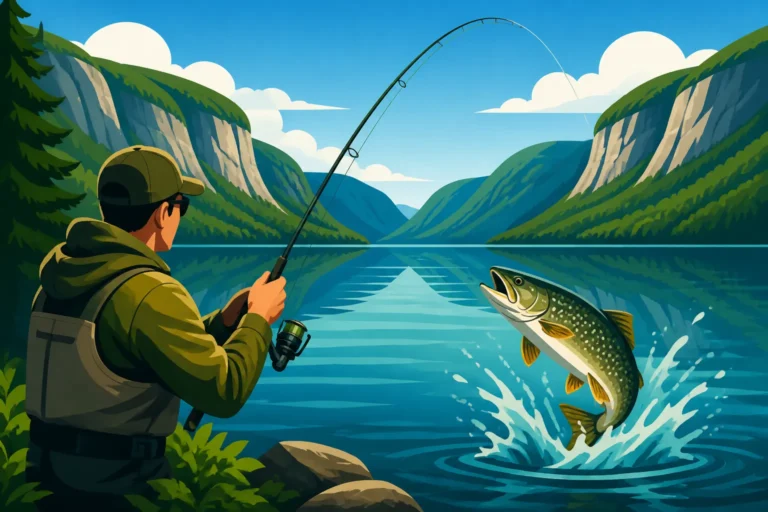
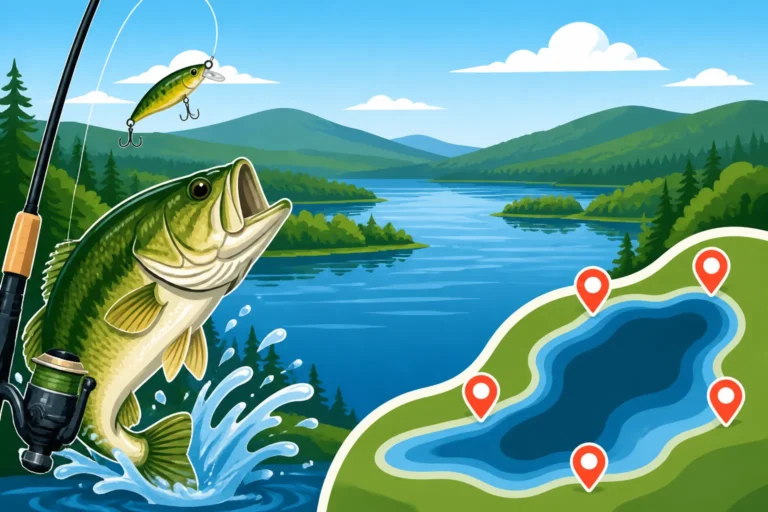
The sheer vastness of Lake Champlain can feel incredibly daunting for any angler, whether you're a seasoned local or visiting for the first time. With its expansive open waters, finding a starting point can be overwhelming, and many of us have spent countless hours just motoring around, hoping to stumble upon a good bite. But here's a little secret that can dramatically reduce your search time and increase your catch rates: focus on the islands. This guide is dedicated to helping you unlock the potential of fishing near Lake Champlain's numerous islands, offering insights into why they hold so much fish and how you can best approach them.
Why Islands Are Fishing Goldmines on Lake Champlain
Islands on Lake Champlain aren't just scenic landmarks; they are ecological powerhouses that concentrate fish, providing everything a hungry predator could want. Think of them as natural magnets for baitfish and, consequently, for the larger game fish we all love to pursue. Their unique geological features, combined with the lake's dynamic environment, create an incredibly productive fishing ecosystem.
Habitat Diversity Around Islands
What makes islands so special is the sheer variety of habitats they offer in a relatively small area. You're not just looking at a single rockpile; you're looking at a complex underwater landscape. One side might feature steep, rocky drop-offs that plunge into deep water, perfect for cold-water species like lake trout or suspending walleye. These sudden changes in depth provide ambush points for predators and offer thermal refuge for fish seeking cooler water during the warmer months. Imagine a wall of rock disappearing into the abyss – that's prime real estate for a lurking predator.
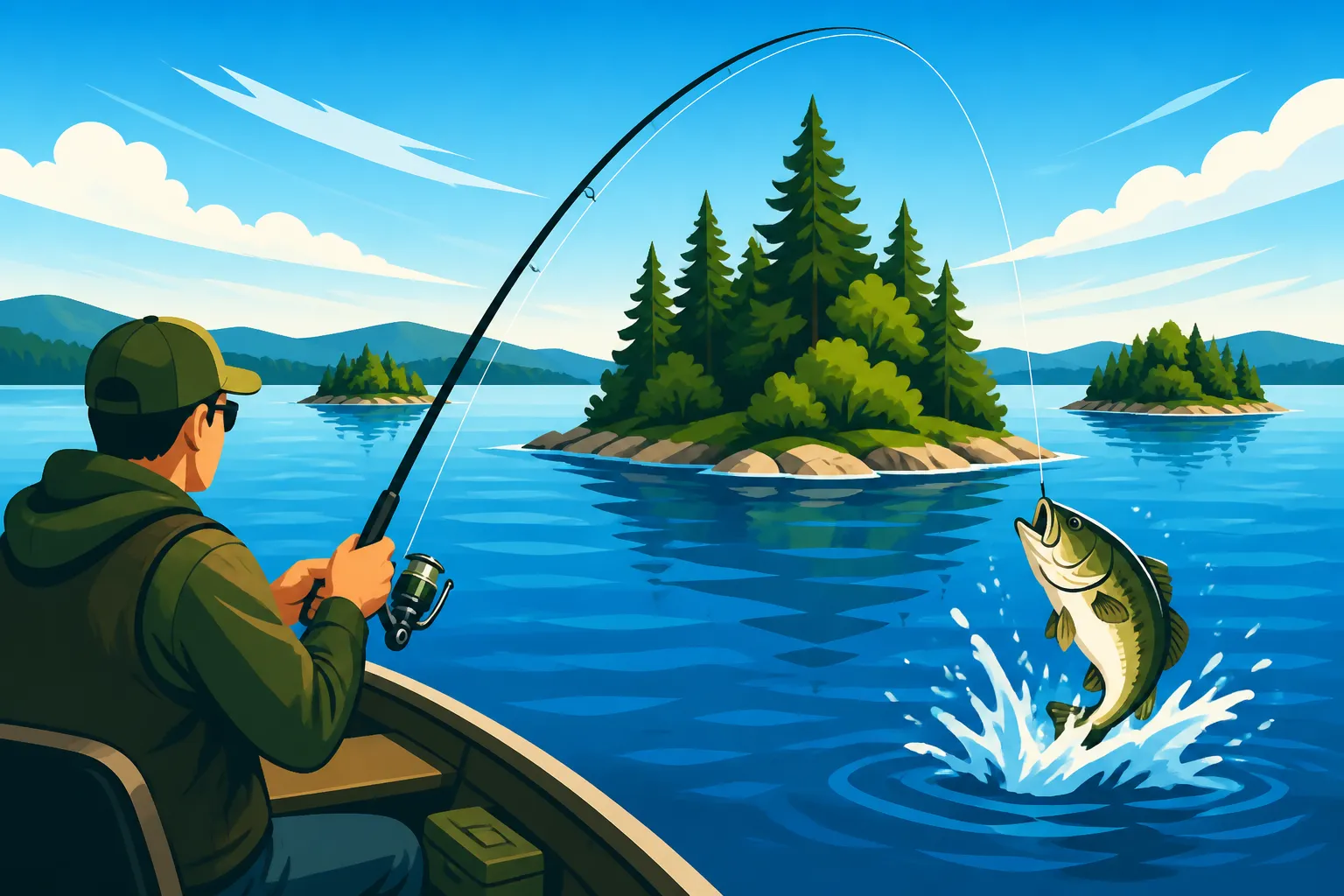
Conversely, another side of the same island might gently slope into shallower flats, covered with a mix of gravel, sand, and perhaps even some sparse aquatic vegetation. These shallower areas become crucial feeding grounds, especially during early morning or late evening, or when baitfish are schooling near the surface. Largemouth and smallmouth bass absolutely love these transition zones where they can patrol the edges of cover, ready to strike. It's this patchwork of deep structure, shallow flats, and varying bottom compositions that makes island fishing so productive; you can literally find multiple species within casting distance of each other.
Current and Forage Concentration
The presence of islands naturally alters the flow of water in Lake Champlain, creating currents that are vital for baitfish and, by extension, game fish. As water moves around an island, it creates eddies, current breaks, and pinch points. These areas are like natural cafeterias for baitfish such as alewives and rainbow smelt, which prefer to conserve energy by holding in calmer water adjacent to the flow. When these smaller fish congregate, the larger predatory species are never far behind.
Game fish, from smallmouth bass to walleye and even landlocked salmon, utilize these current seams and eddies as prime ambush points. They'll sit just out of the main flow, waiting for an easy meal to be swept by. Knowing how to read structure for walleye on Lake Champlain around these current-affected areas can be a game-changer. These currents also help to distribute nutrients and oxygen, further enriching the local ecosystem and supporting a robust food web that keeps the fish population healthy and active.
Seasonal Movements of Fish
Fish movements throughout the year are heavily influenced by factors like water temperature, spawning cycles, and the availability of food. Islands become critical waypoints and destinations during these seasonal migrations. In spring, as water temperatures begin to rise, many species will move into the shallower, sun-warmed bays and flats around islands for spawning. This makes the surrounding areas incredibly active for pre-spawn and post-spawn feeding. For instance, understanding Vermont Bass Catch-and-Release Season, Explained can help you target these fish responsibly during this critical period.
During the hot summer months, when shallow waters might become too warm, fish will often retreat to the deeper drop-offs and cooler thermoclines associated with island structures. Lake trout and salmon, in particular, will seek out these deeper, colder pockets. In fall, as temperatures cool again, baitfish will often school up tightly around islands before heading to deeper wintering grounds, creating fantastic opportunities for active predators. Even in winter, during ice fishing season, islands continue to draw fish, offering structure and a consistent food source under the ice.
Top Islands and Island Chains to Target on Lake Champlain
Lake Champlain boasts an incredible array of islands, each offering unique fishing opportunities. Knowing which ones to focus on and what species they are known for can significantly improve your chances of a successful outing.
The Lake Champlain Islands Region Grand Isle, North Hero, and Isle La Motte
The largest and most prominent islands on Lake Champlain form a chain often referred to simply as "The Islands." This region, comprising Grand Isle, North Hero, and Isle La Motte, is a world-class fishing destination in itself. These islands are connected by causeways and bridges, making them relatively accessible for shore anglers and boaters alike. The sheer amount of shoreline and diverse underwater structure here is staggering.
Around Grand Isle, particularly in the channels and bays that separate it from the mainland, you'll find excellent smallmouth and largemouth bass fishing. The rocky points and submerged ledges are prime for smallmouth, especially during the summer months when they’re active. For largemouth, target the shallower, weedy bays like Keeler Bay or the areas around the sandbar. Walleye can also be found congregating in deeper channels and around current breaks, particularly during low light conditions. You'll want to review the Vermont Lake Champlain Fishing Rules to ensure you're compliant with all local regulations when exploring this diverse region.
North Hero and Isle La Motte, further north, offer similar but often less pressured fishing experiences. The shallow bays and abundant weed lines near North Hero are fantastic for northern pike and largemouth bass. Around Isle La Motte, the rocky shoreline and numerous ledges provide excellent opportunities for smallmouth bass and even some robust walleye populations, especially where drop-offs occur near deeper water. These areas are particularly good for those who enjoy Kayak Fishing Techniques for Vermont Lakes, allowing access to more secluded spots. Many anglers who are new to the area or want to maximize their time will book a local guide through platforms like FishingBooker, leveraging their intimate knowledge of these sprawling island systems.
Valcour Island New York Side, but Impacts Vermont Fishing
While technically on the New York side of Lake Champlain, Valcour Island is a major landmark and a significant fishing hot spot that directly impacts the fishing dynamics for anglers operating out of Vermont, especially those fishing the main lake channel. This large, prominent island provides extensive structure, including deep rock walls, submerged humps, and current-swept points. It's a favorite haunt for various species and a crucial piece of the puzzle for understanding Lake Champlain's main lake fishery.
Valcour Island is renowned for its excellent smallmouth bass fishing, with trophy-sized fish often caught around its rocky shoreline and submerged ledges. Anglers frequently target the island's many points and small coves, casting tubes, swimbaits, and topwater lures. The deeper waters surrounding Valcour also hold significant populations of lake trout and landlocked salmon, especially during cooler months or deeper in the water column during summer. Trolling spoons or stickbaits at varying depths is a common tactic here. It’s a great area for those looking for Lake Champlain Lake Trout Fishing.
Furthermore, walleye are often found around Valcour Island, particularly along the deeper breaks and current seams. Night fishing for walleye can be especially productive here, as they move shallower to feed. Given its size and diverse habitat, Valcour Island offers a microcosm of Lake Champlain's overall fishery, making it a valuable target for any angler willing to make the crossing or operate from a New York launch. If you're looking for a guide to navigate these complex waters, many experienced captains listed on FishingBooker have extensive knowledge of Valcour and its surrounding areas.
Small, Unnamed Rocky Outcroppings
Beyond the major islands, Lake Champlain is dotted with countless smaller, often unnamed, rocky outcroppings and shoals. These might appear as mere bumps on a chart or just break the surface of the water, but they are absolutely essential fishing structures. These smaller formations act as mini-habitat concentrators, providing cover and ambush points in an otherwise featureless expanse of water. They are typically surrounded by deeper water, making them magnets for pelagic baitfish and subsequently, for larger predators.
These outcroppings are often overlooked by casual anglers, making them prime targets for those willing to do a little exploring with their sonar. Smallmouth bass absolutely love these isolated rockpiles, using them to ambush baitfish that swim over the structure. Walleye will also relate to these humps, particularly if they have a sharp drop-off or a distinct current break. Lake trout might be found patrolling the deeper edges, especially if rainbow smelt are present. Targeting these isolated structures with jigs, crankbaits, or drop-shot rigs can yield surprising results.
The key to finding these gems is thorough use of your electronics and paying close attention to your charts. Often, a subtle contour change or a small cluster of rocks marked on a navigational chart can indicate a productive spot. Don't be afraid to pull up to these smaller features, even if they don't look like much from the surface. They often hold the biggest secrets of the lake, offering incredible action for those who take the time to explore.
| Island/Region | Primary Species | Best Fishing Methods | Key Features to Target |
|---|---|---|---|
| Grand Isle | Smallmouth Bass, Largemouth Bass, Walleye, Northern Pike | Jigging, Trolling, Casting (Topwater, Crankbaits) | Rocky points, weed lines, deep channels, causeway bridges |
| North Hero | Largemouth Bass, Northern Pike, Smallmouth Bass | Casting (Spinnerbaits, Jigs), Trolling, Live Bait | Shallow bays, extensive weed beds, rocky shores |
| Isle La Motte | Smallmouth Bass, Walleye, Northern Pike | Drop-shotting, Crankbaits, Trolling (deep divers) | Rocky ledges, sudden drop-offs, isolated rockpiles |
| Valcour Island | Smallmouth Bass, Lake Trout, Landlocked Salmon, Walleye | Trolling (spoons, stickbaits), Casting (tubes), Jigging | Deep rock walls, submerged humps, current points, coves |
| Small Outcroppings | Smallmouth Bass, Walleye, Perch, Lake Trout | Jigging, Drop-shotting, Casting (swimbaits) | Isolated rockpiles, sharp breaks, current seams |
Essential Techniques for Island Fishing Success
Approaching island fishing on Lake Champlain requires a blend of technological savvy and classic angling intuition. The dynamic environment around these structures means you'll need to be versatile in your approach and constantly observant.
Locating Key Structure with Sonar
Modern electronics are an absolute game-changer for island fishing. Lake Champlain's underwater landscape around islands is complex, and what appears uniform on the surface is often a maze of ledges, humps, and channels below. A good fish finder is your best friend here. Start by slowly cruising around the island's perimeter, using your sonar to map the bottom contours. Look for steep drop-offs, sudden depth changes, submerged rockpiles, and any signs of baitfish schools. These features are precisely where game fish will be holding.
Pay particular attention to points that extend into the lake, as these often have submerged extensions that act as highways for fish. Similarly, look for transitions in bottom composition – a hard bottom area next to a softer, silty bottom can be a prime feeding zone. Many of the Best Fish Finders for Vermont Lakes will offer side imaging or down imaging, which can reveal hidden structure and fish that might be just outside your traditional sonar cone. Once you locate a promising piece of structure or a concentration of bait, mark it on your GPS and plan your approach carefully.
Presenting Baits and Lures Effectively
Once you've identified a promising island spot using your electronics, the next challenge is presenting your bait or lure effectively. This often means adapting to the specific species you're targeting and the current conditions. For smallmouth bass hugging rocky ledges, a drop-shot rig or a tube jig can be deadly, allowing you to keep your bait in the strike zone longer. Casting crankbaits or jerkbaits that mimic baitfish can also be incredibly effective, especially when retrieving them parallel to a rocky point. Understanding How to Catch Smallmouth Bass in Vermont Lakes is key here.
For walleye relating to deeper breaks or current seams, try jigging with a vertical jig or slowly trolling a bottom-bouncing rig with a worm or minnow. Trolling with deep-diving crankbaits can also cover a lot of water and locate active fish, particularly during low light. When targeting lake trout or landlocked salmon in deeper water, trolling with spoons, stickbaits, or even using downriggers to get your bait to specific depths is often necessary. A good guide from FishingBooker often has a wealth of knowledge on specific lure choices and presentations for these island hot spots. Remember that the clearer waters of Lake Champlain often necessitate lighter fluorocarbon leaders, especially for spooky fish.
Adapting to Weather and Water Conditions
Lake Champlain is a dynamic body of water, and weather and water conditions can change rapidly, significantly influencing fish behavior around islands. A calm, sunny day might call for a subtle, finesse presentation, while a windy, overcast day might trigger a more aggressive bite, making noisy topwater lures or reaction baits more effective. Always keep an eye on the weather forecast and be prepared to adjust your tactics. Understanding Best Time of Year to Fish in Vermont often means knowing how fish react to these conditions.
Water temperature is another critical factor. Early spring or late fall might see fish in shallower island waters, while the heat of summer often pushes them deeper. Clarity of the water also plays a role; clear water often means longer leaders and natural bait colors, whereas stained or choppy water allows for brighter colors and more aggressive presentations. Paying attention to current strength and direction is also vital, as fish will always position themselves advantageously in relation to the flow. Don't be afraid to experiment with different depths, retrieve speeds, and lure colors until you crack the code for that particular day and spot.
Gear and Safety Considerations for Island Adventures
Fishing around Lake Champlain's islands can be incredibly rewarding, but it also demands proper preparation in terms of gear and, most importantly, safety. The lake's vastness and unpredictable nature require respect and caution from all anglers.
Must-Have Gear for Island Hopping
When you're heading out to fish the islands, having the right gear is paramount. Beyond your rods, reels, and tackle, there are several essentials you shouldn't overlook. A sturdy boat suitable for the potentially choppy waters of Lake Champlain is crucial; while kayaks can be used in calmer conditions, a larger vessel often provides more safety and comfort. You might want to explore what are considered the Best Boats for Vermont Lakes and Rivers if you're in the market. Always ensure your boat is in good working order, with a reliable engine and enough fuel for your trip and a reserve.
Navigation tools like a reliable GPS chartplotter are non-negotiable for safely navigating around islands, especially those with submerged hazards. A good pair of polarized sunglasses will help you spot shallow structure and cruising fish. Don't forget ample water, snacks, sunscreen, and appropriate clothing for changing weather. Having a well-stocked first-aid kit is also a smart move, as help can be a long way off when you're out on the main lake. For those targeting larger species like muskellunge, make sure you have a suitable landing net and release tools to ensure a healthy release.
Navigational and Safety Precautions
Safety on Lake Champlain cannot be overstated, especially when fishing around islands. Always inform someone of your float plan – where you're going, when you expect to return, and who is with you. Life jackets are absolutely essential for everyone on board, and it's a good idea to wear them at all times, not just have them stowed. Review the Life Jacket Requirements for Vermont Boaters before heading out. Lake Champlain's weather can shift dramatically, turning calm waters into dangerous whitecaps in a matter of minutes. Keep a constant eye on the sky and check marine forecasts before and during your trip.
Be mindful of boat traffic, especially around popular islands and channels. Navigation lights should be in perfect working order if there's any chance you'll be out at dusk or after dark. Understand the "rules of the road" for boating to avoid collisions. When anchoring near islands, ensure your anchor is properly set in a secure location and be aware of any submerged lines or hazards that could entangle your propeller. A good guide, often found on FishingBooker, will not only know the best fishing spots but also the safest routes and how to handle the lake's quirks.
Understanding Lake Champlain's Unique Challenges
Fishing Lake Champlain, particularly around its islands, presents some unique challenges that anglers should be aware of. The lake's immense size means that winds can quickly whip up large waves, making travel difficult and fishing uncomfortable or even dangerous. Always be prepared to seek shelter if conditions deteriorate. The lake also features varying depths, from extremely shallow flats to over 400 feet deep in places, requiring versatile fishing techniques and gear.
Another challenge is managing invasive species. Zebra mussels, for instance, have significantly altered the lake's ecosystem, increasing water clarity in many areas. While this can make sight fishing easier, it can also make fish more wary, necessitating longer leaders and more subtle presentations. Always clean, drain, and dry your boat and gear thoroughly after each outing to prevent the spread of these and other invasive species to new waters. By respecting the lake's power and preparing for its challenges, your island fishing adventures on Lake Champlain will be both safe and incredibly rewarding.
Disclaimer
The information provided in this guide is for general informational purposes only and is not intended as legal or professional advice. Fishing regulations and conditions in Vermont can change, and it is the responsibility of each angler to consult the latest Vermont Fish & Wildlife Department regulations before fishing. Always prioritize safety on the water and adhere to all boating laws and recommendations.