Best walleye spots on Lake Champlain
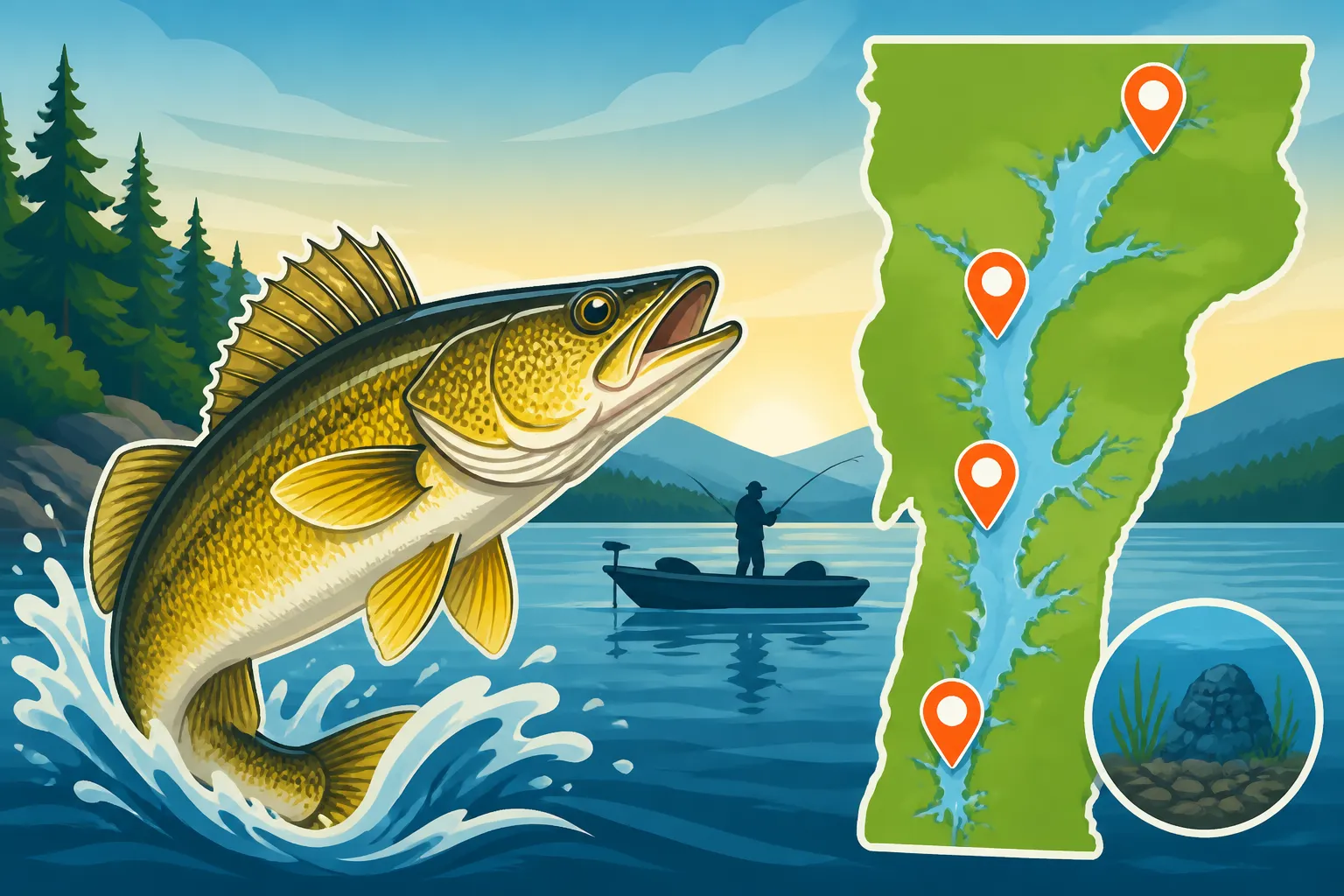
Finding walleye on a body of water as vast and diverse as Lake Champlain can feel like searching for a needle in a haystack, especially with its complex structure and varying depths. Anglers often spend countless hours mapping out potential spots, only to come up short. This comprehensive guide will peel back the layers of Lake Champlain, revealing the prime locations where you can consistently find walleye, offering insights into their preferred habitats and seasonal movements.
Understanding Lake Champlain's Walleye Habitat
Lake Champlain is a truly magnificent fishery, but its sheer size and variety of environments can be daunting for anyone targeting walleye. Unlike smaller, more uniform lakes, Champlain offers everything from shallow, weedy bays to sprawling deepwater expanses, each holding the potential for these elusive fish. Walleye, being predatory fish, are constantly on the move, but they always gravitate towards specific types of underwater real estate that provide food, cover, and favorable conditions. Understanding these habitat preferences is the first step to unlocking consistent success.
Deep Water Structure and Transition Zones
Walleye are often associated with deep water, especially during the brighter parts of the day or in warmer months. They don't just hang out in the middle of nowhere, though; they're almost always near some kind of structure that offers a break in the monotony of the lakebed. Think about abrupt changes in depth – a flat shelf that suddenly drops off into a trench, or a deep hummock rising from a basin. These are classic walleye transition zones, acting like underwater highways or ambush points. For example, the eastern side of the lake, particularly around the Addison and Chittenden County shorelines, features numerous areas where depth quickly changes from 20 feet to 60 feet or more. These zones often have rocky bottoms, providing excellent cover and attracting baitfish. Look for subtle irregularities on your sonar, like small boulders or rubble piles, at the edges of these drop-offs.
It's not just about the depth, but the transition. Walleye will often stage on the deeper side of a drop-off, looking up into the shallower water for schooling baitfish like alewives or rainbow smelt. When you find a steep contour line on your map, especially one that runs for a significant distance, you've found a promising area. These areas are particularly productive when fishing with methods like deep trolling or vertical jigging, allowing you to present your lure right in their strike zone. Often, hiring a local guide through services like FishingBooker can provide invaluable real-time insights into these nuanced deepwater structures.
Weed Lines and Drop-offs
While walleye are known for their preference for rocky structure, they are also avid users of weed lines, especially in the shallower sections of the lake. Healthy weed beds, particularly those with a defined edge, provide both excellent cover for walleye to ambush prey and a rich ecosystem for baitfish to thrive. Imagine a dense wall of coontail or milfoil ending abruptly at a clear drop-off into deeper water. This "edge" is where walleye will often patrol, especially during low-light conditions like dawn, dusk, or overcast days. The southern parts of Lake Champlain, known for their more fertile and shallower waters, are prime examples of where these weed-line strategies really shine.
It's crucial to distinguish between sparse, dying weeds and vibrant, green weed beds. Walleye prefer the latter, as they hold more oxygen and attract more life. Target the outside edge of these weed beds, where they meet either open water or a significant depth change. Using a sensitive fish finder will help you identify not just the weeds themselves, but also any breaks, pockets, or subtle humps within or alongside them. These irregularities are often the sweet spots. In areas like Missisquoi Bay, where vast weed flats dominate, finding the defined weed edges or isolated rock piles within these flats is key.
Rocky Reefs and Shoals
If there's one habitat feature that screams "walleye," it's rocky reefs and shoals. These underwater formations are absolute magnets for walleye across all seasons. Lake Champlain is dotted with countless rocky outcroppings, both visible and submerged, that create current breaks, attract baitfish, and provide ideal ambush points. Walleye are highly visual predators, and the jagged, irregular nature of rocky reefs allows them to blend in while waiting for an unsuspecting meal to swim by. Look for areas on your chart marked with numerous depth changes in a small area, indicating rocky bottom.
Some of the most consistent walleye action on Lake Champlain happens around these rocky structures. The main lake basin, particularly in the central and northern sections, offers many such areas. These spots can range from small, isolated rock piles to extensive underwater mountain ranges. Fishing these spots requires precision, as you want to keep your lure close to the bottom without getting constantly snagged. Trolling over them with bottom-bouncing rigs, or casting crankbaits and jigs, can be incredibly effective. Remember that walleye often hug the bottom tight, so presentations that allow you to feel the structure are paramount.
Key Walleye Hotspots on Lake Champlain
Now that we've covered what walleye like, let's talk about where to find those ideal conditions on Lake Champlain. While walleye can literally be found anywhere in the lake where conditions are right, certain regions consistently produce better results due to a combination of habitat, forage, and historical population densities. Focusing your efforts on these well-known zones significantly increases your chances of hooking into a Green Mountain 'eye.
Southern Lake and South Bay
The southern end of Lake Champlain, particularly around South Bay, is a renowned walleye haven. This area is generally shallower and more nutrient-rich than the main lake, leading to extensive weed growth and a diverse baitfish population. The warmer water here often makes it an earlier producer in the spring and holds fish later into the fall. South Bay itself is a prime example of a shallow, fertile environment perfect for walleye that prefer these conditions. Look for major weed lines, sharp drop-offs into the main channel, and submerged humps within the bay.
Many anglers find success here by trolling shallow-diving crankbaits along the edges of weed beds, or casting jigs into pockets. The extensive structure provides plenty of ambush points. During the spring, after the walleye have completed their spawning rituals, this area really lights up as fish recover and begin to feed aggressively. Additionally, the lower main lake basin as it narrows towards the south offers numerous rocky points and shelves that hold concentrations of fish. Exploring this end of the lake can often lead to some of the most consistent walleye action, especially during transitional seasons. Knowing the specific Vermont Walleye Limit on Lake Champlain will be crucial for any successful outing here.
Inland Sea and Central Lake Areas
Moving north into the broader "Inland Sea" area and the central part of Lake Champlain, the landscape changes. Here, you'll encounter a mix of deeper water, more prominent rocky reefs, and vast expanses of open water. Walleye in these sections often relate more closely to deep-water structure and offshore humps. The area around Burlington, including Malletts Bay and the broad expanses south of the city, offers excellent opportunities. These sections are fantastic for those who enjoy open-water trolling techniques.
Target major reefs and shoals that rise significantly from the lakebed. These underwater islands act as foraging grounds and holding areas for walleye, especially when baitfish school up around them. Don't overlook the deep channels and troughs between these structures, as walleye will often patrol these areas or stage in them during periods of inactivity. Locations like the "Gut" between North Hero and Grand Isle, or the numerous islands in the Champlain Islands region, provide complex underwater topography that can hold large schools of walleye. Services like FishingBooker can connect you with experienced charters who specialize in navigating these complex central lake structures. If you're looking for an overall understanding of the whole body of water, our guide on a comprehensive Lake Champlain Fishing Guide can provide more details.
Northern Lake and Border Waters
The northern reaches of Lake Champlain, extending towards the Canadian border, also offer fantastic walleye fishing, though with a slightly different character. This area often features a mix of shallower bays, extensive weed beds, and some deeper main lake sections. Missisquoi Bay, for example, is a large, relatively shallow bay known for its excellent walleye population, especially during the spring and fall. The Missisquoi River delta provides nutrient-rich waters and diverse habitat that attracts a strong forage base.
Further north, the main lake continues to offer good walleye opportunities around prominent points, islands, and rocky structures that extend from the Vermont and New York shores. The fishing here can be particularly good for those targeting walleye during the colder months, as these northern waters often see strong fall feeding activity before ice-up. Additionally, the unique dynamics of the border waters, including Lake Memphremagog (though distinct from Champlain, it offers similar multi-species opportunities), create diverse fishing scenarios. Being mindful of Vermont fishing license reciprocity on Lake Champlain with New York is essential if you plan to fish near the state line.
Seasonal Strategies for Locating Walleye
Walleye are creatures of habit, but those habits shift dramatically with the seasons. Water temperature, light penetration, and the availability of their primary forage dictate where they'll be and how actively they'll feed. Understanding these seasonal movements is paramount to consistently finding the "best spots" throughout the year on Lake Champlain.
Spring Spawning and Post-Spawn Patterns
Spring is a time of intense activity for walleye, driven by their annual spawning migration. Typically, walleye on Lake Champlain will move into shallower, rocky areas or up tributaries when water temperatures hit the mid-40s to low 50s Fahrenheit. They prefer clean, oxygenated water with gravel or rubble bottoms for laying their eggs. Prime spawning grounds often include rocky shorelines, reefs, and river mouths like the Missisquoi or Lamoille Rivers. During this period, the fish are highly concentrated, but anglers must be extremely careful not to disrupt the spawning process. Check out our detailed article on Walleye Spawning Season in Vermont for more information on regulations and responsible angling.
Once spawning is complete, usually by late April to mid-May, the walleye enter a post-spawn recovery phase. They'll often remain relatively shallow, often retreating to nearby weed beds or the edges of spawning reefs to recuperate and feed on readily available baitfish. This is an excellent time for targeting them with shallow-running crankbaits or jigs along these transition zones. Look for warmer water pockets, especially after a cold front, as these will concentrate both walleye and their prey. The South Bay and Missisquoi Bay areas are particularly productive during this post-spawn period due to their shallower, faster-warming waters and abundant forage.
Summer Deepwater Tactics
As Lake Champlain's waters warm significantly through June, July, and August, walleye often move deeper to seek cooler, more stable temperatures and higher oxygen levels. This is when deep-water structure becomes absolutely critical. They'll abandon the shallow weed beds of spring for the comfort of submerged humps, deep rock piles, and the thermocline (the boundary between warmer surface water and colder deep water) if one is present and well-defined. Our article on How deep walleye go in summer on Lake Champlain offers more specific insights.
Finding these deep-water walleye means focusing on your electronics. Use your fish finder to identify sudden depth changes, rock formations, and schools of baitfish in the 30-70 foot range, sometimes even deeper depending on the specific area and conditions. Trolling with bottom-bouncing rigs, deep-diving crankbaits, or even vertical jigging spoons directly over structure are highly effective methods. Pay close attention to current seams around points and islands, as these can concentrate baitfish and, consequently, walleye. Early morning and late evening are still prime times, but deep-water walleye can be caught throughout the day in summer by presenting baits directly to them. Consider a guided trip with a local expert found on FishingBooker to learn the nuances of deep-water summer walleye.
Fall Feeding Frenzy Locations
Fall is another fantastic time for walleye fishing on Lake Champlain, often rivaling spring in terms of productivity. As water temperatures begin to cool, walleye undertake a significant migration, moving from their deep summer haunts back towards shallower or mid-depth structures to feed aggressively in preparation for winter. This "feeding frenzy" phase means they are actively chasing baitfish, making them more susceptible to a variety of presentations. The best time of year to fish in Vermont for many species, including walleye, often includes this autumn period.
During the fall, concentrate your efforts on rocky points, prominent reefs, and the deeper edges of the remaining healthy weed beds. Walleye will often follow schools of baitfish, so finding the forage is key. Trolling medium to deep-diving crankbaits and stickbaits is a highly popular and effective method, allowing you to cover vast amounts of water and intercept actively feeding fish. Jigging blade baits or soft plastics around rocky humps can also produce excellent results. As the water continues to cool into late fall, walleye may again concentrate in deeper sections near the mouths of tributaries or along deep main lake channels, offering a final push of action before ice forms.
Techniques and Gear for Lake Champlain Walleye Success
Catching walleye on Lake Champlain isn't just about finding the right spot; it's also about presenting your bait effectively and having the right gear. Given the lake's diverse environments, a versatile approach is often best. From precise vertical jigging to covering miles with trolling, tailoring your technique to the specific conditions and location will dramatically improve your catch rates.
Trolling for Open Water Walleye
Trolling is perhaps the most popular and effective technique for covering vast expanses of Lake Champlain, especially when targeting walleye in open water or along deep transition zones. It allows you to present multiple lures at varying depths and speeds, mimicking natural baitfish movements. The key to successful trolling lies in precise depth control and choosing the right lures. Deep-diving crankbaits like Rapala Down Deep Husky Jerks, Reef Runners, or Berkley Flicker Shads are staples, often run on planer boards to spread lines and cover a wider swath. For even deeper presentations, lead core line or downriggers are indispensable. Our guide on Best Trolling Gear for Lake Champlain Walleye goes into more depth.
When trolling, pay close attention to your speed and direction. Walleye are often particular about lure action, so experimenting with speeds from 1.5 to 3.0 mph can be crucial. Vary your boat's path slightly to create turns; this changes the action of your lures and can often trigger strikes from following fish. Use your fish finder to locate baitfish schools and underwater structure, then troll your lures just above or through these areas. This technique is particularly effective in the central and northern main lake basins during summer and fall, where walleye are often scattered over large areas. Many anglers rely on specific charting software to map out their trolling passes, optimizing their chances.
Jigging and Casting Structure
For walleye holding tight to specific structures like rock piles, humps, or weed edges, more precise methods like jigging and casting are often superior. These techniques allow for a more vertical or pinpoint presentation, getting your lure directly into the strike zone without getting constantly snagged. Vertical jigging is especially effective when you mark fish directly on or around structure on your sonar. Using soft plastics on jig heads (like Berkley Gulp! Minnows or Z-Man Scented PaddlerZ), blade baits, or even traditional spoons can be deadly. Drop your jig to the bottom, give it a sharp lift, and let it fall on a controlled slack line – many strikes occur on the fall.
When casting, focus on defined weed lines, rocky points, and submerged timber. Medium-diving crankbaits, lipless crankbaits, and swimbaits are excellent choices for covering these areas. Work your lure slowly, feeling for contact with the bottom or structure, and pay attention to any subtle changes in retrieve. This technique is particularly effective during spring and fall, or during low-light conditions when walleye are actively foraging in shallower or mid-depth areas. The shallower, more structured bays like South Bay or Malletts Bay are prime locations for casting and jigging. Mastering these techniques often requires a sensitive rod and reel combo to detect the subtle bites of walleye.
Night Fishing for Walleye
Walleye are notoriously light-sensitive, and many of the biggest fish are caught after dark. Night Fishing for Walleye on Lake Champlain can be an incredibly productive strategy, especially during the warmer summer months when fish are in deep water during the day but move shallower to feed under the cover of darkness. The "best spots" for night fishing are often the same productive structures you fish during the day, but with the added bonus that walleye feel more comfortable venturing onto the tops of reefs, shallower flats, and even near shorelines.
When night fishing, common techniques include casting shallow-running stickbaits or crankbaits along rocky points and shorelines, or drifting live bait (like nightcrawlers or shiners) over submerged humps and reefs. Light discipline is crucial; minimize the use of bright lights, as this can spook fish. Many anglers rely on glow-in-the-dark lures or those with rattles to attract attention in the darkness. The hours immediately following sunset and just before sunrise are often the most productive. Always prioritize safety when night fishing, ensuring you have all necessary navigation lights and safety gear. A good fish finder with Best sonar settings for finding structure on Lake Champlain can still be very useful, even in the dark, to pinpoint precise locations.
| Walleye Spot Type | Ideal Season | Depth Range (feet) | Preferred Forage | Key Tactics |
|---|---|---|---|---|
| Rocky Reefs & Shoals | Spring, Fall, Summer | 10-60+ | Smelt, Alewives, Perch | Jigging, Trolling crankbaits, Bottom-bouncing |
| Weed Line Drop-offs | Spring, Fall | 5-25 | Perch, Minnows, Insect Larvae | Casting jigs/crankbaits, Shallow trolling |
| Deep Water Transition | Summer, Late Fall | 30-80+ | Alewives, Smelt | Deep trolling (downriggers/lead core), Vertical jigging |
| River Mouths/Tributaries | Spring | 5-20 | Smelt, Minnows | Casting jigs, Live bait rigging |
| Main Lake Points/Humps | All Year | 15-70+ | Smelt, Alewives, Perch | Trolling, Casting, Jigging |
Disclaimer
The information provided in this guide is for general informational purposes only. Fishing conditions, regulations, and fish behavior can change rapidly. Always consult the latest Vermont Fish & Wildlife Department regulations before heading out on the water. Be aware of weather conditions and practice safe boating and fishing at all times.