Walleye Spawning Season in Vermont
One of the most anticipated times for many anglers in Vermont is the walleye spawning season, a period shrouded in both excitement and, sometimes, a bit of mystery regarding regulations and fish behavior. Understanding this crucial natural event is key not only to respecting the fishery but also to successfully targeting these prized fish during their active periods around the spawn. This guide will take you deep into the walleye's annual reproductive cycle in Vermont, shedding light on when, where, and why these events occur, and how they impact angling.
Understanding the Walleye Life Cycle in Vermont
The walleye, with its distinctive "glassy" eyes and delectable fillets, is a highly sought-after game fish in Vermont, particularly in the vast expanse of Lake Champlain. To truly appreciate the spawning season, we first need to understand the broader context of their annual life cycle, which dictates their movements and feeding patterns throughout the year.
Walleye's Annual Journey: From Summer to Spring
Walleye in Vermont undergo a fascinating annual migration driven by temperature, food availability, and the irresistible urge to reproduce. Throughout the summer and into the fall, these fish are often found in deeper, cooler waters, often congregating around structures like humps, drop-offs, and submerged reefs. They are actively feeding during this time, packing on reserves for the leaner winter months and the energy-intensive spawn. As autumn deepens and water temperatures begin to drop, walleye start to transition, moving from their summer haunts towards potential overwintering grounds, which are often deeper basins or sheltered bays.
The winter period sees them becoming less active under the ice, conserving energy, though many dedicated ice anglers still find success. However, it's the approach of spring, with the gradual warming of the water and the melting of the ice, that truly signals the start of their most significant annual movement: the migration to spawning areas. This journey can sometimes involve significant distances, particularly for walleye that travel up rivers and streams from larger lakes like Lake Champlain to find suitable breeding grounds. Knowing these general patterns helps anglers understand why walleye are found in certain areas at specific times of the year, providing valuable insight for year-round fishing strategies.
Habitat Preferences Leading Up to Spawning
Before the actual spawning commences, walleye exhibit specific habitat preferences as they stage for the big event. They begin to move out of their deeper wintering areas and into shallower, tributary-influenced sections of lakes or up into rivers and larger streams. These staging areas are typically characterized by slightly warmer water, often influenced by snowmelt or increased solar penetration, and crucially, they are close to the eventual spawning sites. You might find them in the mouths of rivers or in bays with a mix of rock and gravel bottoms, waiting for the water temperatures to hit the prime range.
During this pre-spawn period, walleye are often quite hungry, feeding heavily to build up energy reserves for the strenuous act of spawning. They are on the hunt for baitfish, such as alewives or rainbow smelt, which are also becoming more active with rising temperatures. Understanding these pre-spawn congregations can be a huge advantage for anglers, as the fish are often concentrated and aggressively feeding, making them more susceptible to a well-placed lure or bait. It's a window of opportunity before the fish become fully preoccupied with reproduction and, in some cases, before specific fishing restrictions might come into play.
Importance of Forage Fish
The health of Vermont's walleye population is inextricably linked to the abundance of their primary forage fish. For walleye in Lake Champlain, for example, species like alewives and rainbow smelt form the backbone of their diet. These smaller baitfish provide the essential protein and fat that walleye need to grow to impressive sizes and, critically, to sustain themselves through the rigors of spawning. A strong forage base means healthy, robust walleye capable of producing more eggs and sperm, leading to a more successful spawn and, ultimately, a thriving fishery.
During the pre-spawn and even post-spawn periods, walleye actively hunt these forage species. They'll follow schools of baitfish, often pushing them against structure or into shallower areas where they can be ambushed. Anglers who pay attention to where the baitfish are concentrating often find the walleye are not far behind. This dynamic underscores the interconnectedness of the aquatic ecosystem, where the success of one species relies heavily on the health and abundance of others. Conservation efforts often consider the entire food web, ensuring that adequate forage is available to support a robust walleye population in Vermont's waters. For those looking to learn more about the smaller fish that support game species, there's excellent information available on Rainbow Smelt as Forage Fish in Vermont Lakes.
The Walleye Spawning Process in Vermont
The spawning season is the most critical period for the perpetuation of walleye populations. It’s a natural spectacle that, while often unseen by human eyes, dictates the future of the fishery. Understanding its intricacies helps anglers appreciate the importance of conservation and regulations during this vulnerable time.
Timing is Everything: When Walleye Spawn
In Vermont, walleye typically begin their spawning migrations shortly after the ice melts, usually in early to mid-spring. The exact timing is heavily dependent on water temperature, which acts as the primary trigger. Generally, walleye will start to move into their spawning grounds when water temperatures reach the range of 40-50 degrees Fahrenheit (4-10 degrees Celsius), though the most intense spawning activity often occurs closer to the 42-48 degree mark. This usually means late March, April, and sometimes early May, depending on how quickly spring arrives and warms the waters.
For instance, on Lake Champlain, anglers often look for early April to signal the start of the pre-spawn run into tributary rivers like the Winooski or Missisquoi. The duration of the actual spawning event for an individual fish is relatively short, usually only a few days, but the entire process across the population can stretch for several weeks. This window is also when various state regulations are often in effect, aimed at protecting the spawning fish, making it crucial for anglers to consult the current Vermont Fishing Regulations Explained.
Where Walleye Choose to Spawn
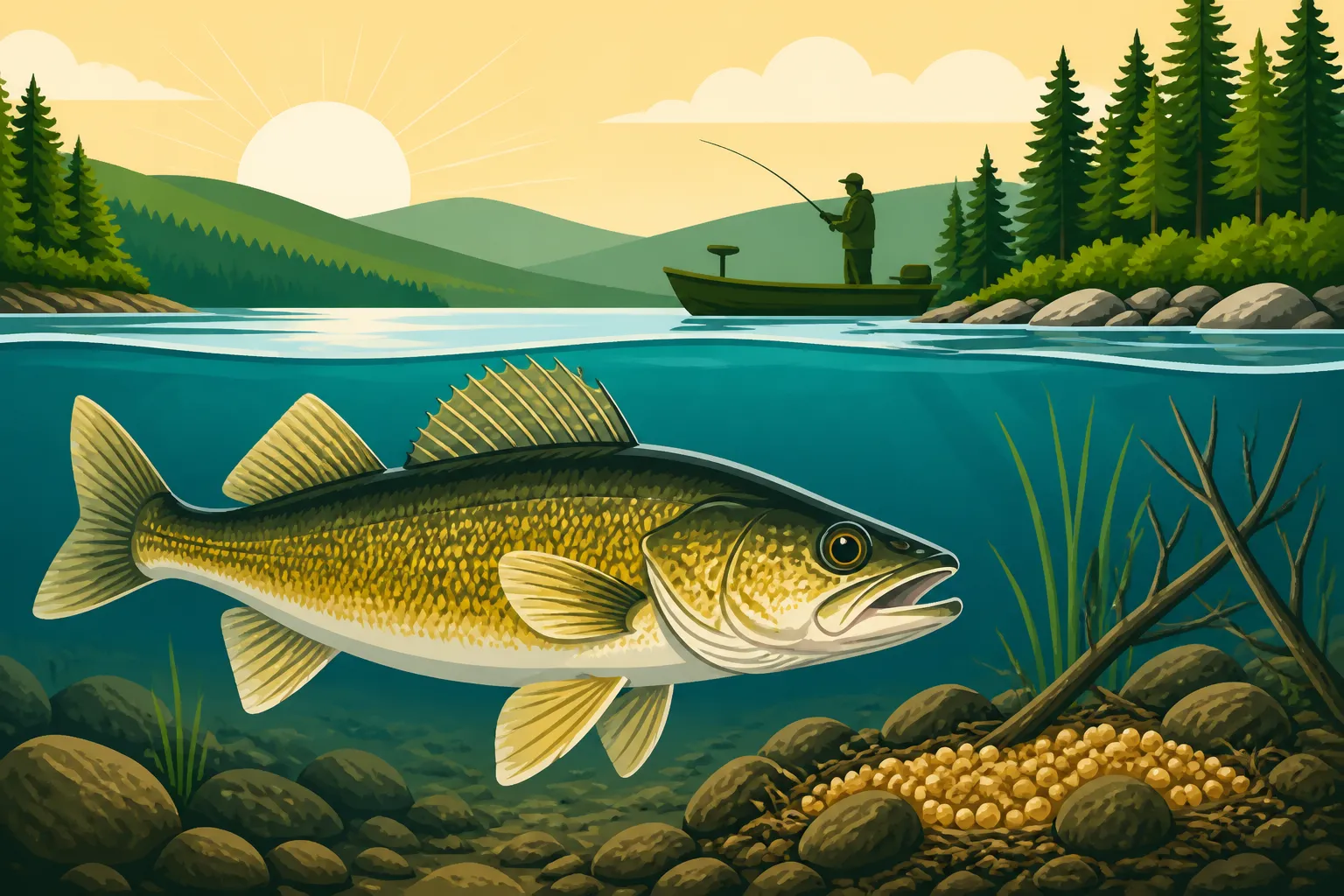
Walleye are broadcast spawners, meaning they simply release their eggs and milt (sperm) into the water column over suitable substrate, with no parental care of the eggs or fry. Because of this, their choice of spawning location is absolutely vital for the survival of their offspring. In Vermont, walleye have a strong preference for shallow, rocky or gravelly areas where there is good water circulation. These areas can be found in several key locations:
- River Mouths and Tributaries: Many walleye ascend rivers and larger streams that feed into major lakes like Lake Champlain. They seek out rocky riffles, gravel beds, and areas with moderate current to oxygenate the eggs and prevent siltation. The lower sections of rivers like the Lamoille River or Missisquoi River are prime examples.
- Shallow Rocky Shoals and Reefs: Within larger lakes, walleye will also utilize shallow, windswept rocky shoals and reefs, often less than 10 feet deep. The wave action on these exposed areas helps keep the eggs clean and oxygenated, and the rocky substrate provides crevices for the eggs to settle into, protecting them from predators and displacement.
- Man-Made Structures: Sometimes, walleye will spawn near man-made structures like rip-rap along causeways or bridge abutments, provided the substrate and flow conditions are right. These areas often mimic natural rocky shoals.
The specific characteristics of these locations—clean, hard bottoms, good current or wave action, and appropriate water temperature—are non-negotiable for successful walleye reproduction. Without these vital spawning habitats, walleye populations would quickly decline, highlighting the importance of protecting these sensitive areas. Knowing these locations helps fishery biologists monitor populations and also informs where anglers might find fish congregating before and after the spawn. For specific local insights, checking Where to Find Walleye on Lake Champlain is highly recommended.
The Act of Spawning: What Happens Underwater
Once the conditions are just right – typically after sunset when water temperatures are optimal – the walleye move onto their chosen spawning grounds. Females, often accompanied by several smaller males (called "attendants"), will release tens of thousands of sticky eggs directly into the water. These eggs are then fertilized by the males' milt. The stickiness of the eggs is a critical adaptation, allowing them to adhere to rocks, gravel, and submerged vegetation, preventing them from being swept away by currents or sinking into suffocating silt.
The process is quite chaotic and communal, with multiple males often competing to fertilize the eggs of a single female. There is no nest building or parental guarding; once the eggs are laid and fertilized, the adult walleye disperse. The eggs are left to develop on their own, a process that typically takes about two to three weeks, depending on water temperature. During this incubation period, the eggs are highly vulnerable to predation by other fish species, as well as environmental factors like sudden drops in water temperature or excessive siltation. The sheer number of eggs produced by a single female is a testament to the low survival rate of individual eggs and fry, highlighting nature's strategy for ensuring the continuation of the species.
Key Factors Influencing Walleye Spawning Success
The success of a walleye spawn isn't just about the fish showing up and releasing eggs; it's a delicate balance of environmental conditions that need to align perfectly for the eggs to hatch and the young walleye to survive their initial, vulnerable stages. Understanding these factors helps us appreciate the fragility of the spawning period.
Water Temperature: The Primary Trigger
As mentioned, water temperature is the absolute king when it comes to triggering and sustaining the walleye spawn. It's not just about hitting the ideal range of 42-48 degrees Fahrenheit for the actual egg laying; sustained temperatures within this range are crucial for successful egg development and hatching. If temperatures warm up too quickly, the eggs might develop too fast but hatch into an environment where food sources aren't yet abundant. Conversely, if temperatures drop drastically after the eggs are laid, development can be slowed or even halted, leading to high mortality rates.
Sudden cold snaps, often called "cold fronts," during the spawn can be particularly devastating. They can cause adult walleye to retreat from spawning areas, interrupt the spawning process, and significantly impact egg survival. This temperature sensitivity is why early spring weather patterns are closely watched by fishery managers and why the timing of fishing seasons in certain areas might be adjusted to protect the walleye during these critical temperature windows. Anglers often use portable fish finders, some of which are readily available on Amazon, to monitor water temperatures and pinpoint optimal fishing zones during these transitional periods.
Water Levels and Flow Rates
Beyond temperature, stable water levels and appropriate flow rates are vital, especially for river-spawning walleye. Ideal conditions involve moderate, consistent flows that oxygenate the eggs without dislodging them or burying them under excessive silt. If water levels are too low, spawning grounds might become exposed, leading to desiccation of the eggs. If levels are too high or flows are too strong, eggs can be scoured away, washed into unsuitable deep water, or buried under sediment.
Fluctuations in water levels can be particularly problematic. A sudden rise in river levels due to heavy spring rains, followed by a rapid drop, can leave eggs stranded. Conversely, a sustained period of low flow can lead to stagnant water conditions, reducing oxygen levels around the eggs. These hydrological factors are influenced by natural weather patterns but can also be impacted by human activities such as dam operations or extensive watershed development that alters runoff. Protecting the natural hydrology of key spawning tributaries is therefore a critical component of walleye conservation.
Habitat Quality and Human Impact
The physical quality of the spawning habitat itself is another paramount factor. Walleye need clean, silt-free gravel and rock beds to ensure their eggs can adhere properly and receive adequate oxygen. Areas heavily impacted by runoff, erosion, or pollution can have excessive siltation, which smothers walleye eggs and prevents successful hatching. Runoff from agricultural lands or urban areas can also introduce pollutants that are detrimental to egg and fry survival.
Human activities can also directly disturb spawning sites. Anglers wading through known spawning beds, especially during peak activity, can inadvertently crush eggs or disturb spawning fish. Motorboat traffic in shallow spawning areas can churn up sediment, degrade habitat, and disrupt the delicate reproductive process. This is why many regions, including Vermont, implement specific regulations or closures around known walleye spawning areas during the peak season. Protecting these critical habitats from physical disturbance and maintaining water quality are ongoing challenges that require a concerted effort from all stakeholders.
Fishing Considerations During Walleye Spawning Season
For anglers, the walleye spawning season presents a unique set of challenges and ethical considerations. While many states implement full closures, Vermont often has a mix of regulations designed to balance angling opportunity with conservation needs. It's imperative for every angler to understand and respect these guidelines.
Ethical Angling During Vulnerable Periods
Even in areas where fishing might be permitted during the pre-spawn or post-spawn, it's essential to practice ethical angling. During the pre-spawn staging, walleye are often concentrated and feeding aggressively. While exciting, this also means they are more vulnerable. Practicing catch and release, especially for larger females heavy with eggs, is a responsible choice that contributes to the health of the fishery. Handling fish gently, minimizing their time out of water, and using appropriate tackle to reduce stress are all crucial.
Some anglers choose to avoid fishing immediately adjacent to known spawning grounds during the peak of the spawn, even if it's legally open, to minimize disturbance. The stress of being caught during such a critical period can sometimes impact a fish's ability to successfully spawn. Understanding the biology of the fish and making conscious decisions to protect the resource, beyond just following the letter of the law, is a hallmark of a truly conservation-minded angler. For those interested in minimizing harm, researching Muskellunge catch and release survival tips can offer valuable insights applicable to other large game fish.
Understanding Closures and Regulations
Vermont's fishing regulations are designed to protect various fish species during their most vulnerable life stages, including walleye during spawning. While walleye season is often open year-round on Lake Champlain, specific regulations, such as slot limits or reduced bag limits, may come into play depending on the waterbody or the time of year. For tributary rivers where walleye ascend to spawn, there are typically very specific closures. For example, some rivers or sections of rivers might be closed to all fishing, or only open for catch-and-release with certain gear restrictions, during the peak spawning window.
It is absolutely paramount that every angler consults the current Vermont Fish & Wildlife Department fishing regulations manual before heading out. These regulations are updated annually and are legally binding. Ignorance of the law is not an excuse, and violating spawning season closures or limits can result in significant fines and penalties, as detailed in Fishing Without a License in Vermont: Penalties. Always check the specific rules for the body of water you intend to fish, paying close attention to dates, species-specific rules, and any special regulations for particular sections of rivers or lakes.
Adapting Techniques for Pre-Spawn Walleye
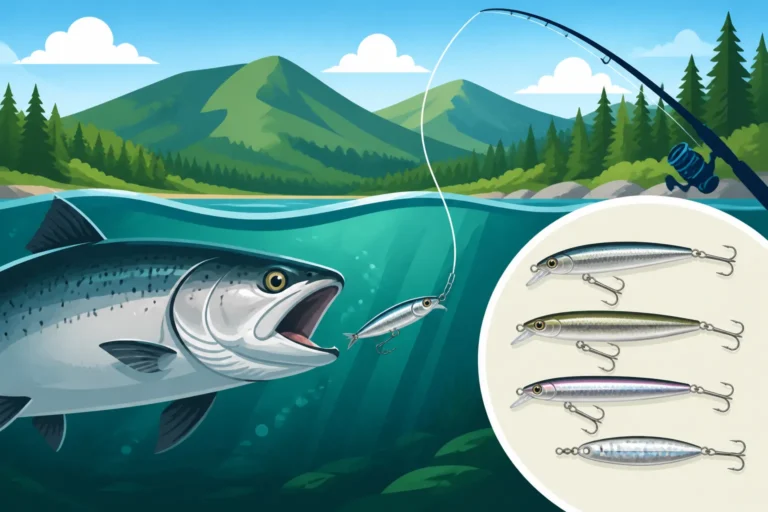
For those targeting walleye during the legal pre-spawn period, adapting your techniques is key to success. Walleye are often staging in transitional areas, sometimes still relatively deep but moving towards shallower structures or river mouths. They are typically feeding heavily on baitfish. This means lures and baits that imitate these forage species are often highly effective. Crankbaits that dive to the depths where walleye are holding, soft plastic jerkbaits or swimbaits retrieved slowly, or jigs tipped with minnows or plastic tails can all be productive.
Trolling with stickbaits or spoons can also be very effective for covering water and locating these staging fish in larger lake environments. Pay close attention to your electronics to identify schools of baitfish or larger marks that could be walleye. Vertical jigging near structure or drop-offs can also entice pre-spawn walleye. Remember that while they are aggressive, they may still be lethargic in colder water, so a slower retrieve and presentation can often be more effective than a fast, erratic one. Experimentation with retrieve speed and lure action is key to unlocking the bite during this transitional period. Best Lures for Walleye Trolling on Lake Champlain can provide great starting points for tackle choices.
Post-Spawn Walleye Behavior and Fishing
Once the spawning ritual is complete, the walleye undergo another significant shift in behavior. They move out of the shallow spawning grounds and begin a period of recovery and renewed feeding, gradually transitioning back to their more typical summer patterns.
Recovery and Feeding Patterns
Immediately after spawning, both male and female walleye are exhausted. Females, having expended massive amounts of energy laying eggs, are particularly depleted. During this immediate post-spawn phase, often called the "post-spawn funk," walleye may be lethargic and less interested in feeding for a short period. They need time to recover their strength and begin to rebuild their energy reserves. This recovery period can last anywhere from a few days to a couple of weeks, depending on the individual fish and environmental conditions.
Once they start feeding again, they often do so ravenously. Their primary goal is to regain the weight and energy lost during spawning. They will actively hunt forage fish, often moving to areas where baitfish are abundant. During this time, you might find them in slightly deeper edges of bays or along drop-offs from spawning flats. They are still somewhat temperature-sensitive but will tolerate slightly warmer water than during the spawn itself. Understanding this recovery phase helps anglers avoid frustration when the bite is slow and prepare for when the fish become active again.
Movement to Deeper Water and Structure
As the spring progresses into early summer and water temperatures continue to rise, post-spawn walleye will gradually begin their migration towards their summer haunts. This often means moving to deeper water, typically 15-30 feet or more, particularly during the warmest parts of the day. They'll relate to offshore structures such as humps, deep points, rock piles, and submerged timber. These locations offer cooler, more stable temperatures and often hold schools of baitfish.
The movement isn't always a direct sprint; it can be a gradual transition, with fish pausing at various depths and structures along the way. Some walleye might linger in shallower, cooler areas if suitable habitat and food are available, especially during periods of cloudy weather or early in the morning and late in the evening. Keeping an eye on a depth finder, perhaps a model that you can find reviews for on Amazon, to identify these underwater features and baitfish schools becomes invaluable during this post-spawn transition. Targeting these structures with precision is key to consistently finding walleye as they settle into their summer patterns. To delve deeper into these summer habits, check out How Deep Walleye Go in Summer on Lake Champlain.
Targeting Post-Spawn Walleye
When targeting post-spawn walleye, the key is to understand their renewed hunger and their tendency to relate to structure. Trolling remains a highly effective method, especially with crankbaits or spinner-and-worm harness rigs that cover different depths and mimic baitfish. Varying your trolling speed and lure color can help you dial in what the fish are looking for on a given day. For deeper fish, downriggers or lead core line may be necessary to present lures at the precise depth.
Jigging with live bait, such as nightcrawlers or minnows, or soft plastics can also be very productive when walleye are holding tight to structure. Vertical jigging over humps and along drop-offs can entice these fish, especially during midday when they might be less active. Early morning and late evening often provide the best bites, as walleye are low-light feeders and will move shallower to hunt during these times. During these crepuscular periods, topwater lures or shallow-running crankbaits can even draw strikes as walleye chase baitfish near the surface. Experimentation with best time of day to fish for walleye at dusk can be particularly fruitful.
| Stage | Typical Water Temp (F) | Behavior & Location | Angling Considerations |
|---|---|---|---|
| Pre-Spawn | 35-42 | Staging near river mouths/shoals, actively feeding | Highly catchable, aggressive bite, ethical release important |
| Spawning | 42-48 | On shallow rock/gravel, releasing eggs/milt, less feeding | Often closed to fishing, very vulnerable, minimal disturbance |
| Post-Spawn | 48-55+ | Recovering, then ravenously feeding; moving to deeper structure | High catchability once recovered, target structure, diverse techniques |
Conservation Efforts and Regulations Related to Spawning
The sustainability of Vermont's walleye fishery relies heavily on thoughtful conservation strategies and effective regulations, especially concerning the critical spawning period. These efforts ensure that future generations can continue to enjoy angling for these remarkable fish.
Vermont's Role in Protecting Walleye Spawns
The Vermont Fish & Wildlife Department plays a pivotal role in protecting walleye populations, with a strong focus on spawning success. This involves several key initiatives. First, extensive research and monitoring programs track walleye populations, assess spawning success, and evaluate habitat quality. This data informs management decisions, including stocking programs where natural reproduction is insufficient, as explored in How walleye stocking works on Lake Champlain. Second, the department implements and enforces regulations, such as closed seasons on specific rivers or special length and creel limits, specifically designed to safeguard walleye during their vulnerable spawning migrations.
Furthermore, habitat protection and restoration are ongoing priorities. This includes working with landowners and other agencies to minimize erosion, improve water quality in spawning tributaries, and protect critical lakebed habitats. Educating the public about the importance of walleye conservation and responsible angling practices is also a significant part of their mission. By taking a multi-faceted approach, Vermont aims to ensure the long-term health and abundance of its walleye fisheries.
The Impact of Catch and Release
Catch and release angling is a powerful conservation tool, particularly during periods when fish are highly concentrated or vulnerable, such as the pre-spawn and post-spawn periods. While regulations may allow for keeping a certain number of fish, choosing to release some or all of your catch, especially large breeding-size females, directly contributes to the reproductive potential of the population. Every large female released has the potential to lay thousands of eggs in subsequent spawning seasons.
To maximize the survival rate of released fish, proper handling techniques are crucial. This means minimizing air exposure, using wet hands or a wet net, supporting the fish horizontally, and using de-barbed hooks or circle hooks to facilitate easy removal. Avoiding fishing known, active spawning grounds, if not explicitly closed, can also significantly reduce stress on the breeding population. Anglers who consistently practice responsible catch and release are vital partners in maintaining a healthy and sustainable walleye fishery. The principles outlined in Muskellunge catch and release survival tips apply broadly to all large gamefish.
Reporting Violations and Preserving Habitat
An unfortunate reality is that sometimes, regulations are violated, or habitats are degraded by irresponsible actions. Concerned anglers and citizens play a crucial role as stewards of Vermont's natural resources. If you witness illegal fishing activities, such as fishing during a closed season, exceeding bag limits, or illegal netting, it's vital to report these violations to the Vermont Fish & Wildlife Department. Having details like location, time, and a description of the individuals or vehicles involved can greatly assist enforcement officers.
Beyond reporting violations, actively participating in habitat preservation efforts, such as watershed cleanups, supporting conservation organizations, or educating others about responsible angling, helps ensure that walleye have healthy places to spawn and thrive. Healthy habitats lead to healthy fish populations, benefiting everyone who values Vermont's natural environment. Every action, no matter how small, contributes to the larger goal of preserving these precious fisheries for generations to come.
Disclaimer
This article is for general informational purposes only and does not constitute professional advice. Laws, prices and regulations vary by location and change over time. Consult a qualified professional for guidance on your specific situation.