Differences between Vermont’s lake and river fish populations
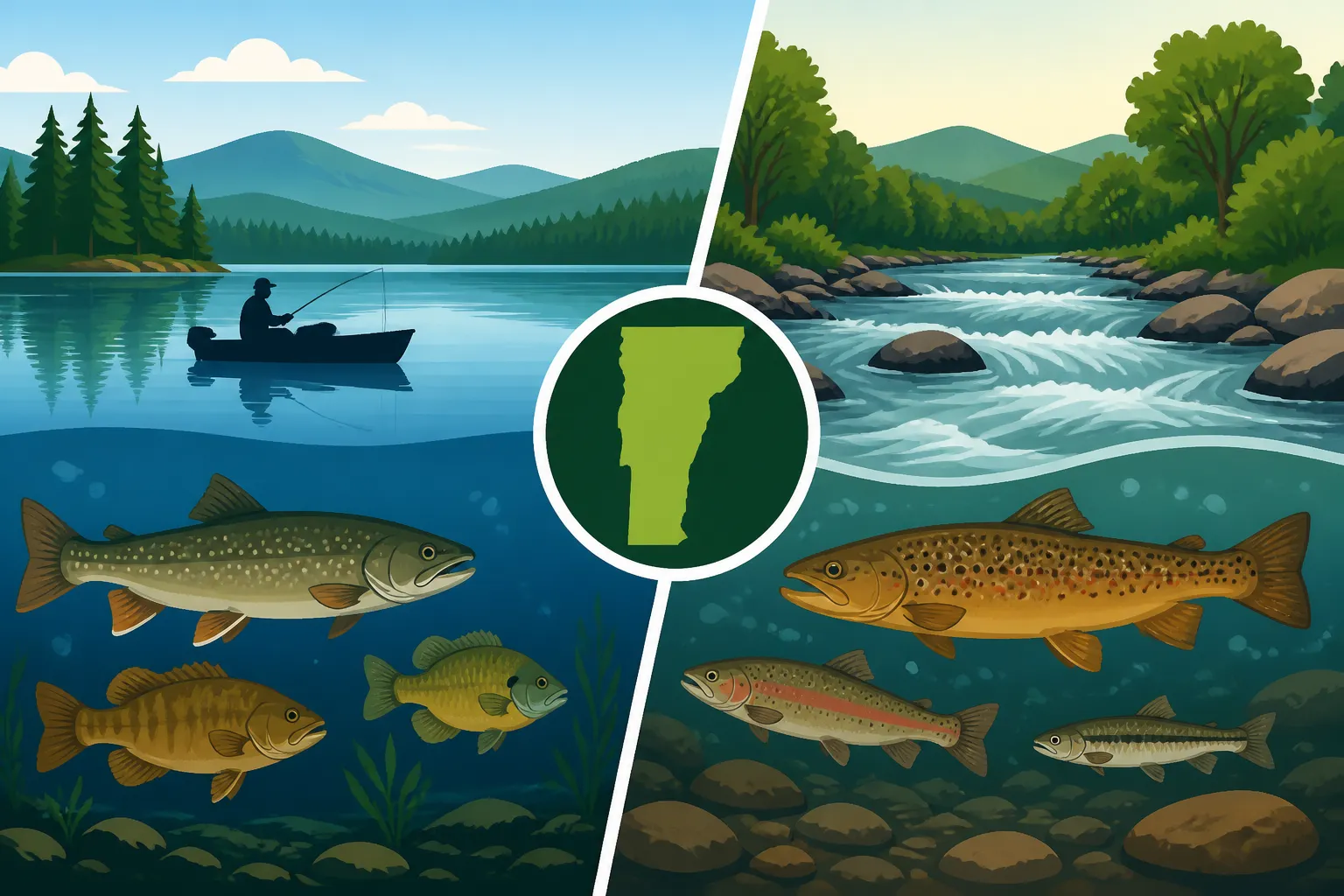
If you've spent any time casting a line in Vermont, you've probably noticed that fishing a sprawling lake like Champlain feels entirely different from navigating a swift mountain stream. It's not just the scenery that changes; the fish themselves, and how they live, are profoundly different. This guide dives deep into the fascinating distinctions between the fish populations in Vermont's diverse lakes and rivers, helping you understand why certain species thrive where they do.
The Fundamental Differences Between Lake and River Environments
Vermont is blessed with an incredible variety of aquatic habitats, from the vast, deep waters of Lake Champlain to the countless tiny, tumbling brooks that carve through our mountainsides. Each of these environments presents a unique set of challenges and opportunities for the fish that call them home, leading to very distinct populations and behaviors. Understanding these foundational differences is key to becoming a more observant and successful angler.
Water Flow and Current Dynamics
One of the most immediate and impactful differences between lakes and rivers is the presence and intensity of water flow. Lakes are generally characterized by still or very slow-moving water, with currents typically driven by wind, seiches (standing waves), or minor inflows/outflows. This calm environment allows for the accumulation of fine sediments, the growth of extensive weed beds, and the development of distinct thermal layers during warmer months. Fish adapted to lakes don't expend as much energy fighting a constant flow.
Rivers, on the other hand, are defined by their continuous, unidirectional current. This constant flow shapes everything from the riverbed composition to the oxygen levels and the availability of food. Fish in rivers, especially in faster sections, must be built for efficiency in moving water, often having streamlined bodies and strong fins. They learn to use current breaks behind rocks, logs, or other structures to conserve energy, darting out only when food drifts by. This relentless movement also keeps riverbeds generally clearer of fine silt, exposing gravel and rocks that are crucial for spawning.
Depth, Temperature, and Substrate Variability
Lakes, particularly larger ones, often boast significant depth variations, creating different thermal zones. During summer, many Vermont lakes stratify, forming a warm upper layer (epilimnion), a colder deeper layer (hypolimnion), and a transition zone (thermocline) in between. This stratification is crucial for coldwater species like lake trout, which retreat to the cool, oxygenated depths when surface waters warm. The substrate in lakes can range from vast, silty flats to rocky shoals, sandy beaches, and dense aquatic vegetation, offering a wide array of microhabitats.
Rivers and streams, while having their own variations in depth and substrate, tend to be more uniform in temperature, especially in smaller, shallower systems that mix thoroughly. While deep pools exist, rivers generally lack the extensive thermal stratification of large lakes. Their substrates are predominantly rock, gravel, and sand, shaped by the scouring action of the current. The availability of diverse cover, such as undercut banks, fallen timber, and boulder fields, becomes paramount for river fish seeking shelter from current and predators. These distinct bottom compositions influence insect life and thus the entire food web.
Food Web and Forage Opportunities
The food webs in lakes and rivers, while sharing some common elements, are structured quite differently due to their unique physical characteristics. In lakes, phytoplankton and zooplankton form the base of the food chain, supporting vast populations of baitfish like smelt and alewives, which in turn feed larger predatory fish. The extensive weed beds and submerged structures also provide habitat for numerous invertebrates, crayfish, and smaller fish species. This abundance and diversity often mean lake fish can grow quite large. You can learn more about how crucial species like smelt impact the fishery by reading How rainbow smelt affect Vermont lake fisheries.
River food webs are often more detritus-based in smaller systems, relying on leaves and organic matter that fall into the water, and dominated by aquatic insects in larger, rockier flows. Mayflies, caddisflies, stoneflies, and their larval forms are critical food sources for many river fish, particularly trout. Minnows and sculpins are also important forage. The constantly moving water brings food directly to fish holding in current seams, making ambush tactics highly effective. The availability of different forage dictates the diet, growth rates, and even the appearance of fish in each environment.
Common Fish Species in Vermont's Lakes
Vermont's lakes, especially the larger, deeper ones, support a rich tapestry of fish life, many of which are specifically adapted to these more stable, often stratified environments. These species thrive where they can find ample food, cover, and the right water temperatures. Anglers often find the fishing experience on lakes to be about covering water and using electronic aids to locate fish. If you're looking for where to start, check out Best Fishing Lakes in Vermont.
Coldwater Lake Dwellers
Our deep, clear lakes are truly a haven for coldwater species. Lake Champlain, Lake Willoughby, and Lake Memphremagog are prime examples where you can find species that demand cool, oxygen-rich water. Lake Trout Fishing in Vermont is a huge draw for many, and these powerful fish often lurk in the deeper, cooler sections, especially as surface waters warm up in summer. They're typically found near drop-offs, underwater humps, and rocky structures, feeding on baitfish like smelt and perch. Trolling with downriggers is a popular method to reach them.
Another prized coldwater species is the landlocked salmon. While they need rivers to spawn, they spend most of their lives in large, cold lakes like Willoughby, growing to impressive sizes. These acrobatic fighters are known for their spectacular leaps and powerful runs. They are often found cruising the open water, preying on baitfish. You might also encounter them in Lake Champlain, though Landlocked Salmon Fishing in Vermont often focuses on specific northern lakes. For those who enjoy a thrill, some lakes are also home to populations of Rainbow Trout and even the occasional Brown Trout that have adapted to a lacustrine existence, growing much larger than their stream-dwelling cousins.
Warmwater Lake Specialists
Alongside the coldwater inhabitants, many Vermont lakes, particularly shallower, warmer ones or the extensive bays of larger lakes, are teeming with warmwater fish. Smallmouth Bass Fishing in Vermont is incredibly popular, with these hard-fighting fish thriving around rocky points, shoals, and islands in lakes like Champlain, Bomoseen, and Dunmore. They're aggressive predators, readily hitting a variety of lures and baits. For many, the thrill of a topwater strike from a smallmouth is unmatched.
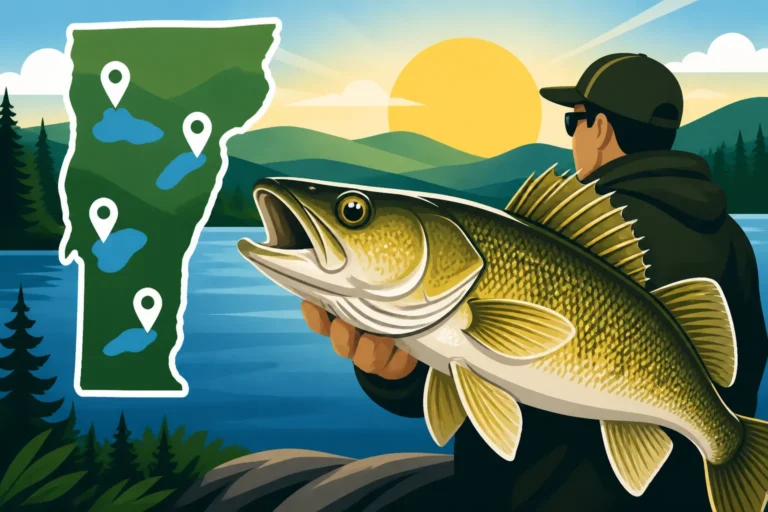
Then there are the largemouth bass, which prefer the weedy, shallower sections of lakes and ponds. You'll find them lurking in lily pads, submerged timber, and dense aquatic vegetation, ambushing prey. Largemouth Bass Fishing in Vermont is a totally different game, often involving flipping and pitching into heavy cover. Beyond bass, these warmwater zones also host thriving populations of walleye, particularly in Lake Champlain. Walleye Fishing on Lake Champlain is a serious pursuit, with anglers targeting them over rocky reefs and mud flats. Other common species include northern pike, chain pickerel, and a plethora of panfish like yellow perch, bluegill, and black crappie, which provide fantastic action for anglers of all ages. Many of these fish are widely available, and you can find a lot of great gear for them on sites like Amazon.
Common Fish Species in Vermont's Rivers and Streams
Vermont's rivers and streams, from roaring whitewater to gentle meanders, offer a completely different experience and support a distinct array of fish. These environments demand adaptations for current, and often, more specialized feeding habits. When you're fishing a river, you're constantly reading the water, looking for current seams, pools, and riffles. If you're looking for guidance, you should check out Best Fishing Rivers in Vermont.
Coldwater River Residents
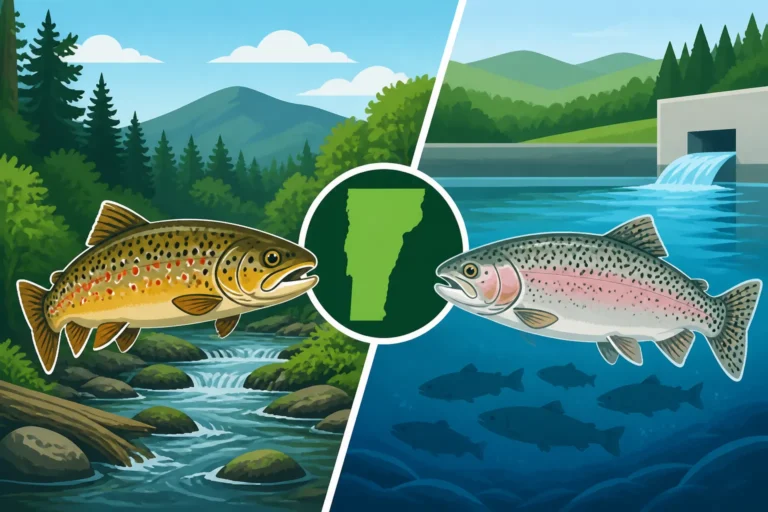
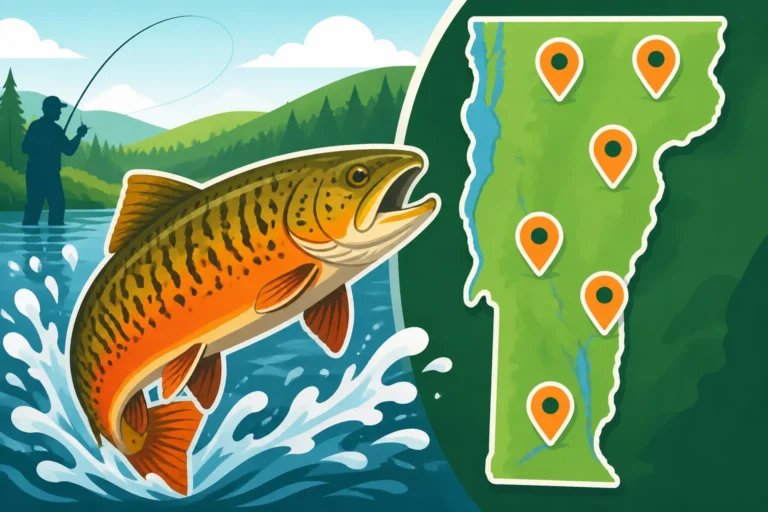
When most people think of river fishing in Vermont, they think of trout. Our cold, clear mountain streams and rivers are quintessential trout habitat. Trout Fishing in Vermont is an iconic part of our state's angling culture. The native brook trout, Vermont's state fish, thrives in the pristine, cold headwaters and smaller tributaries. These beautifully colored fish are a joy to catch on light tackle and often indicate a healthy ecosystem. Learn more about these special fish in Brook Trout: Vermont's Native Trout.
Larger rivers and their tributaries also support populations of brown trout and rainbow trout, many of which are stocked but also establish wild, reproducing populations. These fish are powerful and cunning, often found in deep pools, under cut banks, and in the turbulent water behind large boulders. Streams like the Battenkill, White River, and Otter Creek are renowned for their trout fishing. Anglers often need to be adept at reading currents and presenting baits, lures, or flies naturally to entice these wary fish. The techniques you use here are very different from lake fishing, focusing more on drift and presentation, and you can find specific fly fishing gear on Amazon to help you out.
Warmwater River and Flowage Species
Not all rivers are strictly coldwater havens. Many of Vermont's larger, slower-moving rivers and their impoundments (flowages) warm up significantly in summer, providing excellent habitat for warmwater species. The lower sections of rivers like the Winooski, Lamoille, and Otter Creek, especially where they widen or slow down, can hold impressive numbers of smallmouth bass. These river smallmouth are often incredibly strong, using the current to their advantage during a fight. They'll hold in current breaks, behind large rocks, or in deeper bends, waiting to ambush baitfish or crayfish.
These warmer river sections also host northern pike, especially in backwater sloughs and oxbows, and numerous panfish species. Yellow perch, sunfish, and crappie can be found in abundance in the calmer, weedier areas of riverine impoundments and slow-moving stretches. The Connecticut River, forming much of Vermont's eastern border, is a prime example of a large river system that supports both coldwater species in its colder upper reaches and various warmwater species, including smallmouth bass and walleye, further downstream. Understanding these transitions is key to successful river angling.
How Anglers Adapt to Each Environment
Being a successful angler in Vermont means being adaptable. The gear you use, the techniques you employ, and even your approach to finding fish will change dramatically depending on whether you're on a lake or a river. It's a continuous learning curve, but that's part of the fun!
Gear and Technique Adjustments
Imagine trying to effectively troll for lake trout in a narrow, rocky stream – it just wouldn't work! Similarly, trying to cast a tiny dry fly on a deep, expansive lake would be frustrating. Anglers must adjust their gear accordingly. For lake fishing, especially on larger bodies of water, you might opt for longer, heavier spinning or casting rods for longer casts or battling bigger fish. Downriggers, electronic fish finders, and specialized trolling gear are common. You'll use a wider array of lures like spoons, crankbaits, and swimbaits, often needing to retrieve them at specific depths. You can easily find a huge selection of Best Fishing Rods for Vermont Lakes on sites like Amazon.
River fishing, especially for trout, often calls for lighter, more sensitive rods, whether it's a nimble fly rod for delicate presentations or a short spinning rod for maneuvering in tight spaces. Wading boots and chest waders become essential for accessing prime spots. The techniques shift from covering vast expanses to precise presentations in specific current seams, pools, and riffles. Drift fishing with natural baits or nymphs, casting small spinners, or meticulously presenting dry flies are common river techniques. The precise nature of river fishing requires specific skills, such as how to effectively How to fish a run and pool trout stream.
| Feature | Lake Fishing | River Fishing |
|---|---|---|
| Primary Environment | Still or slow-moving water, often deep | Constantly flowing water, varying currents |
| Target Species | Lake Trout, Landlocked Salmon, Walleye, Bass | Brook Trout, Brown Trout, Rainbow Trout, Bass |
| Typical Gear | Boats, Kayaks, Sonar, Downriggers, Heavy Rods | Waders, Light Rods, Fly Rods, Wading Staff |
| Common Lures/Bait | Spoons, Crankbaits, Swimbaits, Live Bait | Flies, Spinners, Worms, Small Jigs |
| Main Challenge | Locating fish in vast expanses, depth control | Reading water, current management, precise casts |
| Movement | Often boat-based, covering large areas | Often wading-based, moving up/down stream |
Seasonal Considerations
The changing seasons in Vermont have a profound impact on both lake and river fish populations, and thus on angling strategies. In the spring, after ice-out, many lake species like salmon and lake trout move shallower as water temperatures are more uniform. This is also when many river species become more active as insect hatches begin. The influx of snowmelt can swell rivers, affecting clarity and fish behavior, but also creating new opportunities.
Summer brings warmer surface temperatures to lakes, pushing coldwater species deeper, while warmwater species become highly active in shallower, weedier zones. Rivers might become too warm for trout in their lower sections, prompting anglers to seek higher elevation streams or target bass in the main river channels. Fall sees a resurgence of activity in both environments as temperatures cool. Lake trout and salmon become more aggressive, and river trout feed heavily before winter. For specific species, understanding the nuances of their seasonal movements, such as the timing for Vermont Bass Catch-and-Release Season, Explained, is critical. Even in winter, ice fishing provides unique opportunities on lakes, a distinct pursuit from any river activity.
The truth is, both Vermont's lakes and rivers offer incredible fishing experiences, each with its own charm and challenges. The beauty lies in the diversity – knowing that just a short drive can take you from the pursuit of a trophy lake trout to the delicate dance of a brook trout on a small stream. It makes being an angler in Vermont an endless adventure.
Disclaimer
This article is for general informational purposes only and does not constitute professional advice. Laws, prices and regulations vary by location and change over time. Consult a qualified professional for guidance on your specific situation.