Largemouth Bass Fishing in Vermont
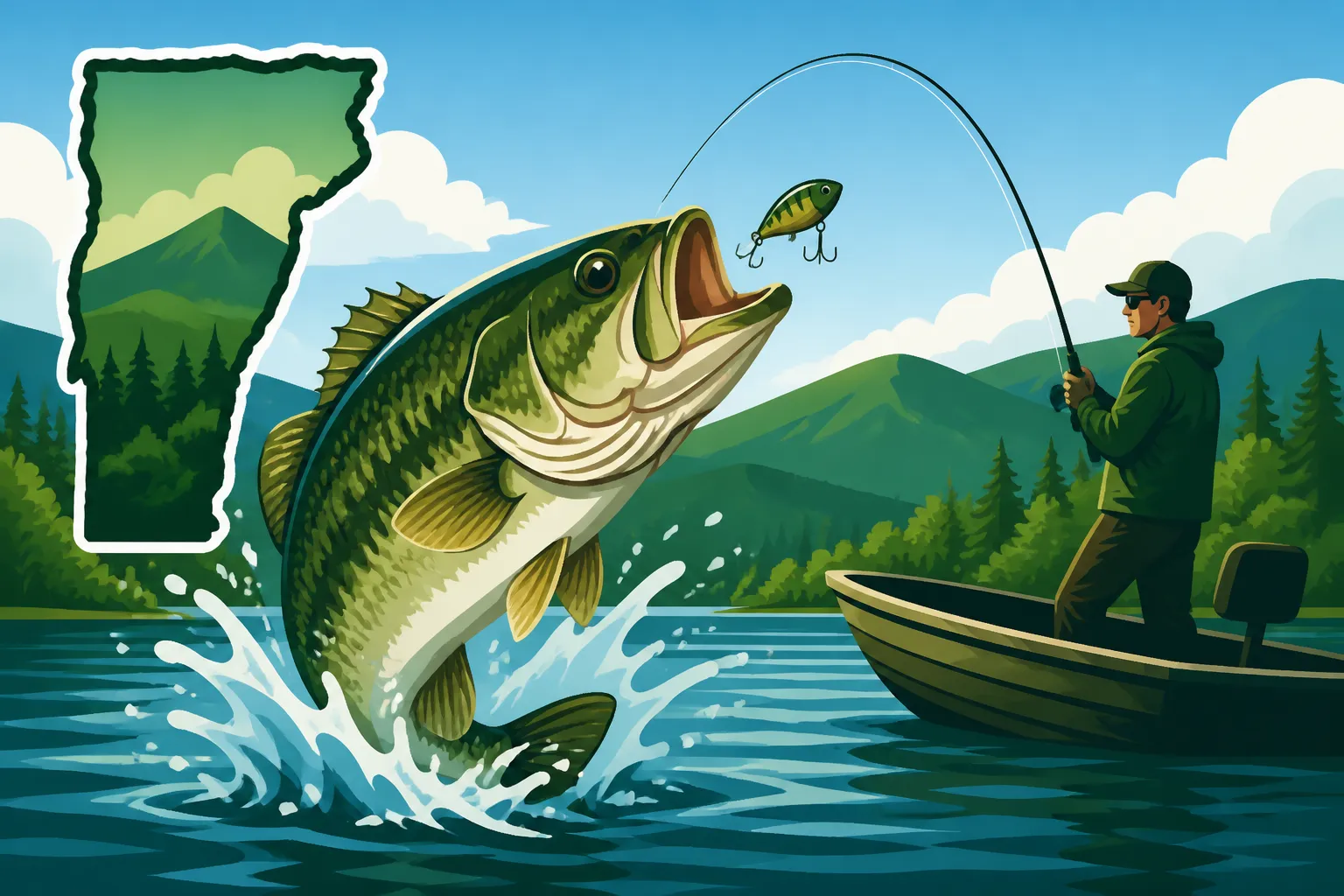
If you've ever cast a line into a quiet Vermont pond or a sprawling lake, hoping for that unmistakable tug of a big fish, only to feel a smaller peck or nothing at all, you might be wondering how to specifically target one of the Green Mountain State's most exciting sport fish: the largemouth bass. These feisty fish offer incredible fights and can be surprisingly elusive if you don't know their haunts or habits. This guide is dedicated to helping you unlock the secrets of largemouth bass fishing in Vermont, covering everything from where they live to the best techniques to land them, ensuring your next outing is packed with more action and fewer head-scratching moments.
Understanding Vermont's Largemouth Bass Habitat
Largemouth bass are truly creatures of comfort, and their preferred homes in Vermont's waters are quite specific. Unlike their smallmouth cousins who often prefer deeper, rockier areas, largemouths are all about concealment and ambush. Think of them as the ultimate hide-and-seek champions of the underwater world, always ready to dart out from cover to engulf an unsuspecting meal. Understanding their chosen habitat is the very first step in consistently finding and catching these exciting fish. It's not just about finding water; it's about finding the right kind of water.
Shallow, Weedy Cover: The Largemouth's Preferred Playground
When you're looking for largemouth bass, your eyes should immediately be drawn to areas with an abundance of shallow, dense vegetation. We're talking lily pads, cattails, submerged milfoil, coontail, and even thick grassy mats. These aren't just pretty features on the water's surface; they are critical nurseries, feeding grounds, and hiding spots for largemouth bass. These weeds provide several key advantages for the bass: protection from predators (especially when they're younger), a cooler, shaded retreat during hot summer days, and most importantly, an excellent ambush point for prey like baitfish, frogs, and insects.
Imagine a perfect summer day on a Vermont lake, the sun beating down. While you might be tempted to cast into open water, a largemouth bass is likely tucked deep within a patch of lily pads, enjoying the shade and waiting for a frog to hop by. This dense cover also acts as a pantry, holding countless small minnows and insect larvae that form the base of the food chain. Anglers who are willing to get their lures right into, or just at the edge of, these thick green jungles are often the ones who find the most success. It can be challenging to fish, requiring weedless presentations and stout gear, but the rewards are often well worth the effort.
Structure, Submerged Timber, and Docks: Ambush Points
Beyond just weeds, largemouth bass are absolute magnets for any kind of "structure" in the water. This can be natural, like submerged logs, fallen trees, brush piles, rock piles, or even changes in bottom contour. It can also be man-made, such as docks, boat lifts, bridge pilings, or sunken debris. Why are these spots so attractive? Simple: they offer more prime ambush points and shelter from strong currents or bright sunlight. A log lying horizontally in the water, even partially submerged, creates a perfect overhead canopy.
Consider fishing a dock on a Vermont lake. That dock isn't just a place for boats; it provides shade, attracts baitfish that feed on algae growing on the pilings, and offers countless nooks and crannies for a largemouth to hide. A bass might be lurking under a pontoon boat, beside a support post, or even tucked right up against the seawall. When you find submerged timber – an old tree that's toppled into the water – you've hit the jackpot. These areas provide vertical and horizontal cover, creating a complex underwater labyrinth where bass feel safe and can easily ambush prey. It’s crucial to be mindful of your approach to these areas, as bass can be easily spooked by sudden movements or shadows. These spots are often overlooked by casual anglers, but they hold some of the biggest fish.
Warm Water Lakes and Ponds: Not Just for Trout
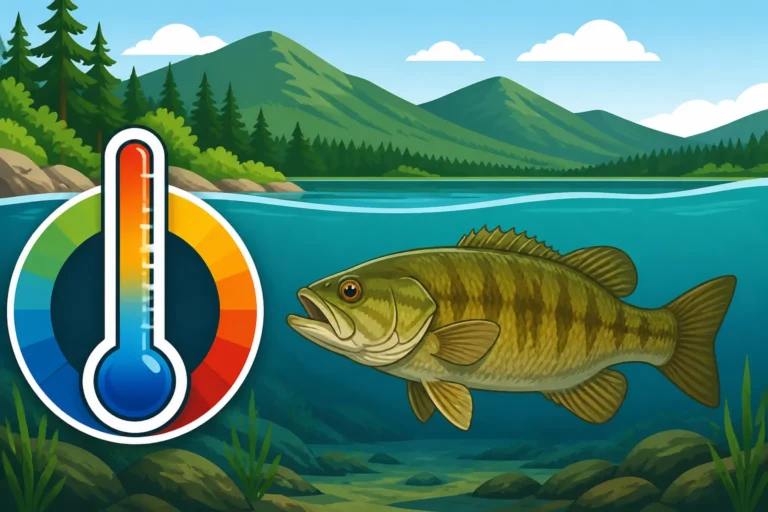
While Vermont is famously known for its pristine trout streams and cold-water fisheries, it's also home to a fantastic array of warm-water lakes and ponds that are absolutely teeming with largemouth bass. These fish thrive in warmer temperatures, generally preferring water from the mid-60s to the low 80s Fahrenheit. This means that many of the smaller, shallower lakes and ponds across the state, which might not be ideal for trout, are perfect largemouth havens. These bodies of water typically warm up faster in the spring and retain their heat longer into the fall, extending the active feeding season for bass.
It’s often a pleasant surprise for anglers more accustomed to chasing brookies in mountain streams to discover the robust largemouth populations in these warmer lakes. Look for waters with muddy or soft bottoms, rich in nutrients, which support the dense vegetation and abundant baitfish populations that largemouth bass rely on. Places like Lake Bomoseen, Lake Dunmore, and many smaller, unnamed ponds scattered throughout the state are prime examples. These environments offer a different kind of fishing experience, one where you might not need a drift boat or technical fly gear, but rather a sturdy bass boat or a fishing kayak to navigate the shallow, weedy expanses. Sometimes, even the smallest farm pond can hold a true trophy largemouth, a testament to their adaptability and ability to thrive in a variety of warm-water settings. You can learn more about specific spots in our guide to Best Bass Fishing Lakes in Vermont.
Key Seasons and Best Times to Fish for Largemouth Bass in Vermont
Just like us, largemouth bass have different moods and activity levels depending on the season and even the time of day. Understanding these patterns is absolutely critical to consistent success on the water. Vermont's distinct four seasons mean that a technique that works wonders in May might be completely useless in August. Timing is everything when it comes to intercepting these opportunistic predators, and knowing when they're most likely to be aggressive can dramatically increase your chances of a memorable catch.
Spring Pre-Spawn: Hungry and Accessible
Spring is arguably one of the most exciting times to target largemouth bass in Vermont. As the ice melts and water temperatures begin to climb into the 50s and low 60s Fahrenheit, bass shake off their winter lethargy and start to move into shallower waters. This is the pre-spawn period, and fish are incredibly hungry. They're looking to bulk up for the upcoming spawning season, making them aggressive and often easier to find. Bass will congregate in staging areas, often near the entrances to shallow coves and bays that have warmer water and good cover.
During this time, you'll often find bass cruising along the edges of weed lines or around submerged stumps and logs in waters only a few feet deep. They're less spooky than during other times of the year, focusing intently on finding food. Lures that mimic large baitfish or crawfish are particularly effective. Think spinnerbaits, crankbaits, and even jig-and-trailer combinations. The key is to cover water efficiently, fan-casting to likely holding spots. Keep an eye on water temperature; as it approaches the upper 50s, the bass activity will really ramp up. This is a fantastic opportunity to catch some of the largest fish of the year before they become focused on nesting. Learn more about their behavior in largemouth bass habits in Vermont.
Summer Patterns: Dawn, Dusk, and Deep Water
Ah, Vermont summers. Beautiful, warm, and sometimes challenging for largemouth bass fishing. As water temperatures climb into the 70s and 80s, bass behavior shifts significantly. During the brightest parts of the day, largemouths often retreat to deeper, cooler water, or burrow themselves even deeper into dense overhead cover to escape the scorching sun and high boat traffic. This is why morning and evening fishing become paramount. The low light conditions of dawn and dusk offer cooler temperatures and a sense of security, prompting bass to move into shallower feeding grounds.
During these prime low-light hours, topwater lures can be incredibly effective, providing some of the most thrilling strikes in all of fishing. Imagine a calm morning, a popper gurgling across the surface, and then boom—an explosive strike that makes your heart leap! As the sun rises, or during the heat of the day, bass will move to structure in deeper water. This means targeting drop-offs, humps, or the deep ends of docks and submerged timber. Often, you'll need to slow down your presentation, using soft plastics like Texas-rigged worms or jigs to tempt these heat-weary fish. Finding those key transition zones between shallow and deep water, especially those with cover, is essential for consistent summer success. Many anglers find themselves checking Amazon for those perfect deep-diving crankbaits or heavy jigs for this reason.
Fall Feed: Bulking Up for Winter
As autumn paints Vermont in vibrant hues and water temperatures begin their slow decline, largemouth bass enter another intense feeding phase. This is the fall feed, a critical period where bass are frantically trying to consume as much food as possible to build up fat reserves for the lean winter months. They become incredibly active and aggressive, often schooling up in predictable patterns. Baitfish, which have grown large throughout the summer, are also trying to stock up, and the bass follow these schools relentlessly.
Look for bass to be shallower than during the summer's peak, but still related to structure and baitfish schools. Points, humps, and the edges of weed beds near deeper water are prime locations. Crankbaits, spinnerbaits, and jerkbaits that mimic fleeing baitfish are exceptionally effective during this time. The bass are often less finicky and more willing to chase a lure, making for some truly fantastic fishing. As the water gets colder, they may move deeper again, but they'll still be looking for that big meal. This is a great time to experiment with different retrieve speeds; sometimes a fast, erratic retrieve triggers a reaction strike, while other times a slower, more methodical presentation is needed. This period often extends until ice begins to form on the shallower edges of lakes and ponds, providing a last hurrah for open-water bass anglers.
Essential Gear for Vermont Largemouth Bass Anglers
Embarking on a largemouth bass fishing adventure in Vermont requires more than just a rod and reel. Having the right gear can make all the difference between a frustrating day of snags and missed bites and a successful outing filled with thrilling catches. From your main setup to the lures you tie on, each piece plays a crucial role in tackling Vermont's diverse bass habitats. Don't worry, you don't need to break the bank, but investing in a few key items will certainly enhance your experience.
Rods, Reels, and Line: Matching Your Setup
For largemouth bass, versatility is key, but so is power. You'll want a medium-heavy to heavy power rod, typically 6'6" to 7'6" in length. This gives you the backbone needed to pull bass out of heavy cover and cast heavier lures. Many anglers prefer baitcasting setups for largemouth, as they offer better accuracy for pitching and flipping into tight spots, and more power for controlling larger fish. A good quality baitcasting reel with a decent gear ratio (around 6.X:1 to 7.X:1) will serve you well. However, don't discount spinning gear! A medium-heavy spinning rod with a 2500-4000 series reel is an excellent choice for lighter lures, finesse techniques, or for beginners.
When it comes to line, you have a few options, each with its own advantages. For fishing heavy cover, braided line (30-50 lb test) is often the go-to. Its incredible strength, zero stretch, and abrasion resistance make it ideal for ripping lures through weeds or around timber. For more open water or when using baits with treble hooks, monofilament (12-20 lb test) offers a bit of stretch that helps keep fish hooked. Fluorocarbon (12-20 lb test) is a fantastic choice for its low visibility and sensitivity, making it perfect for clear water or finesse presentations. Many experienced anglers will use braided mainline with a fluorocarbon leader, offering the best of both worlds. For a great all-around starter kit, check out some beginner-friendly combos, like those you might find browsing on Amazon, in our guide to Best Rod and Reel Combo for Beginners.
Lures and Baits: The Tackle Box Essentials
Your tackle box for Vermont largemouth bass should be a treasure trove of different styles, colors, and sizes to adapt to various conditions and bass moods. Here’s a breakdown of must-haves:
- Soft Plastics: These are arguably the most versatile and effective bass lures. Think Texas-rigged worms, Senko-style stick baits, creature baits, and soft plastic frogs. They can be fished weedless, making them perfect for punching through heavy cover, and their subtle action can entice even the most finicky bass.
- Jigs: Flipping jigs and swim jigs are powerhouses for largemouth. They imitate crawfish or baitfish and can be worked effectively through thick cover or along structure. Pair them with a soft plastic trailer for added bulk and action.
- Spinnerbaits: With their flashy blades and pulsating skirts, spinnerbaits are excellent for covering water quickly, especially in stained water or around sparse cover. They trigger aggressive reaction strikes.
- Crankbaits: From shallow-diving squarebills for ripping through timber to deep-diving models for open water, crankbaits are phenomenal for mimicking baitfish. Have a variety of sizes and diving depths in your box.
- Topwater Lures: Poppers, walk-the-dog lures, and hollow-bodied frogs offer explosive strikes and are incredibly exciting to fish, especially during low-light conditions. These are pure adrenaline rushes when a bass blows up on them!
- Swimbaits: Realistic soft or hard-bodied swimbaits can entice larger bass looking for a substantial meal.
Choosing the right color often depends on water clarity and forage. Natural colors (green pumpkin, black, brown) work well in clear water, while brighter colors (chartreuse, white) can be better in murky conditions. Don't forget a good pair of pliers for hook removal and line cutters!
| Lure Type | Best Use Case | Ideal Habitat | Retrieve Style |
|---|---|---|---|
| Soft Plastic Worm | Finesse, slow presentation, weedless | Thick weeds, submerged timber, docks | Slow drag, Texas rig, Wacky rig |
| Jig (Flipping) | Punching heavy cover, mimicking crawfish | Lily pads, brush piles, dense weeds | Pitching, short hops, slow retrieve |
| Spinnerbait | Covering water, reaction strikes, wind/cloudy conditions | Weed lines, open water, around stumps | Steady retrieve, stop-and-go |
| Crankbait | Mimicking baitfish, targeting specific depths | Drop-offs, rocky points, open water | Varies by depth, erratic retrieve |
| Topwater Frog | Heavy slop, matted vegetation | Lily pads, thick grass mats | Pop, walk, pause |
| Jerkbait | Suspending fish, cool water, clear conditions | Open water, rocky points, deeper weed edges | Twitch, twitch, pause |
Kayaks and Boats: Accessing Prime Real Estate
While you can certainly catch largemouth bass from the bank, especially in smaller ponds, having a boat or kayak significantly opens up your options. Many of Vermont's prime largemouth habitats are inaccessible from shore due to dense vegetation, private property, or simply the vastness of the water body.
- Fishing Kayaks: These have become incredibly popular for bass anglers, and for good reason. They allow you to quietly sneak into shallow coves, tight weed pockets, and flooded timber where larger boats can't go. Modern fishing kayaks are stable, often equipped with pedal drives for hands-free propulsion, and can be rigged with fish finders and rod holders. They offer a unique, immersive experience, putting you right in the heart of the action. Places like Lake Champlain and Lake Memphremagog are fantastic for kayak fishing, letting you explore countless bays and backwaters. Many anglers find great deals on specialty fishing kayaks and accessories online, perhaps even browsing Amazon for the latest models.
- Bass Boats/Jon Boats: For serious anglers or those who want to cover larger expanses of water quickly, a dedicated bass boat or a well-equipped jon boat is ideal. These offer speed, space for multiple anglers and gear, and often feature powerful trolling motors and advanced electronics like fish finders. They allow you to hop from one hotspot to another and effectively fish large lakes.
- Smaller Jon Boats/Canoes: For smaller ponds and rivers, a simple jon boat or canoe can be incredibly effective. They're easy to launch, maneuverable, and quiet. Just be sure to check local regulations for motor restrictions on certain waters. No matter your vessel, always prioritize safety, including wearing a life jacket and understanding Vermont's boating regulations. For specific tips, consider checking out our guide on Best Kayak for Lake Champlain.
Top Techniques for Catching Largemouth Bass in Vermont
Now that you know where largemouth bass live and what gear you need, it's time to talk about the "how." Largemouth bass fishing is an art form, constantly requiring adaptation to conditions, understanding fish behavior, and mastering various presentation techniques. There's no single magic bullet, but rather a diverse toolkit of approaches that, when applied correctly, can lead to incredible success. From precise presentations in heavy cover to explosive topwater action, mastering these techniques will elevate your Vermont bass game.
Flipping and Pitching Heavy Cover: Getting Into the Nasty Stuff
If you want to catch big largemouth bass in Vermont, you have to be willing to fish where others won't. This often means getting your lure into the thickest, nastiest cover imaginable: dense lily pads, submerged brush piles, cattail clumps, and overhanging trees. This is where the techniques of flipping and pitching shine. These aren't long casts; rather, they are short, accurate presentations designed to drop your bait precisely into small openings or against dense structure with minimal splash.
- Flipping: This involves extending a short length of line from your rod tip, swinging your bait like a pendulum, and guiding it to a precise spot. You'll typically use a heavy jig or a Texas-rigged creature bait with a stout hook and heavy weight to penetrate the cover. The goal is to make a quiet entry, letting the bait drop vertically. Once it hits bottom or desired depth, give it a few subtle hops, then retrieve it to repeat the process.
- Pitching: Similar to flipping but involves a slightly longer presentation, where you "pitch" the bait forward with a gentle underhand motion. It's still about accuracy and a quiet entry.
These techniques require a heavy-power rod, a high-gear ratio baitcasting reel, and strong braided line (often 50 lb test or more) to muscle fish out of the cover. It's a high-stakes game where you might get hung up often, but the reward of pulling a 4 or 5-pound largemouth from a dense weed mat is absolutely exhilarating. Many local anglers swear by this method for trophy fish, especially on some of the larger, weedier lakes in the state. Don't be afraid to get your hands dirty and your line snagged a few times; that's part of the learning curve.
Topwater Action: Explosions on the Surface
There's nothing quite like a largemouth bass exploding on a topwater lure. It's a visual, adrenaline-pumping experience that keeps anglers coming back for more. Topwater fishing is most effective during low-light conditions – dawn, dusk, or on overcast days – and when bass are active in shallow water. The goal is to mimic prey (frogs, injured baitfish, large insects) struggling on the surface.
Popular topwater lures include:
- Poppers: These lures have a cupped face that "pops" or "chugs" water when twitched, creating a commotion that attracts bass. Work them with short pauses and quick twitches.
- Walking Baits (e.g., Zara Spooks): These require a specific retrieve, where you twitch the rod tip while reeling in slack, making the lure "walk the dog" in a side-to-side motion. This creates a highly enticing, erratic swimming action.
- Hollow-Bodied Frogs: Perfect for fishing over dense lily pads and matted vegetation where other lures would snag. The weedless design allows you to drag them right through the thick stuff. When a bass strikes, wait a second or two before setting the hook to ensure they've fully engulfed the lure.
Topwater fishing is incredibly exciting, but patience is key. Sometimes a bass will strike aggressively; other times, it will slowly slurp the bait. Resist the urge to set the hook too early, or you'll pull the lure away from the fish. This technique is particularly effective in the warmer months on shallower Vermont ponds, and anglers often gather a wide selection of these lures, sometimes even finding unique options on Amazon, to experiment with different actions and colors.
Crankbaits and Spinnerbaits: Covering Water
When bass are scattered or you need to quickly locate active fish, crankbaits and spinnerbaits are your best friends. These lures are designed to cover a lot of water efficiently, provoking aggressive strikes.
- Crankbaits: These hard-bodied lures feature a diving lip that forces them underwater, mimicking baitfish. Different crankbaits are designed to dive to different depths, allowing you to target specific areas of the water column.
- Squarebills: Shallow-diving crankbaits with a square bill, excellent for banging off wood cover and rocks in shallow water. The erratic deflections often trigger strikes.
- Medium/Deep Divers: These have longer bills and reach greater depths. Use them on points, humps, or open water areas where bass are suspended or holding deeper. Experiment with retrieve speeds: a steady retrieve, a stop-and-go, or even "cranking and pausing" can be effective.
- Spinnerbaits: Consisting of a wire frame with one or more spinning blades and a skirted body, spinnerbaits create flash and vibration that bass can detect from a distance, even in murky water. They are highly weedless and can be retrieved through sparse cover, along weed lines, or even "rolled" slowly along the bottom. They are particularly effective in spring and fall, or on windy/overcast days.
The beauty of these lures is their ability to call fish from a distance. You're not trying to be subtle; you're trying to create a disturbance that a hungry bass can't ignore. Knowing how to read your electronics to find depths and structure can greatly enhance your effectiveness with these lures.
Soft Plastics: Finesse and Adaptability
Soft plastics are the workhorses of any serious largemouth bass angler's tackle box. Their incredible versatility allows for countless presentations, from subtle finesse tactics to heavy-cover punching. They excel when bass are finicky, pressured, or holding tight to cover.
Some popular soft plastic setups include:
- Texas Rig: This is perhaps the most common and versatile rig. Thread a soft plastic worm or creature bait onto an offset worm hook, burying the hook point back into the plastic to make it weedless. Add a bullet weight in front of the hook (pegged or unpegged) to help the bait sink and penetrate cover. Ideal for fishing weeds, brush, and timber.
- Carolina Rig: For fishing deeper, more open water, the Carolina rig uses a heavy weight (often a lead or tungsten egg sinker), a bead, a swivel, and a long leader (2-5 feet) before your hook and soft plastic bait. This allows the weight to drag along the bottom, creating commotion, while the bait floats freely and naturally behind it.
- Wacky Rig: This simple yet incredibly effective rig involves hooking a stick bait (like a Senko) directly through its middle. With no weight, it falls horizontally with an enticing wiggle on both ends, making it irresistible to bass. It's a fantastic finesse presentation for clear water or when fish are suspended.
- Drop Shot: Another finesse technique, the drop shot involves tying a hook directly to the main line, with a weight tied below it. This allows your soft plastic bait to be suspended at a specific depth off the bottom, excellent for targeting fish on vertical structure like dock pilings or submerged trees.
The key to soft plastics is their natural movement and feel. Bass often hold onto them longer than hard baits, giving you more time to set the hook. They are fantastic for adapting to challenging conditions and are a staple for anyone looking to consistently catch largemouth bass in Vermont. For tips on fishing specific water types, check out Best Techniques for Largemouth Bass in Vermont Ponds.
Best Largemouth Bass Fishing Lakes and Ponds in Vermont
Vermont might be renowned for its trout and salmon, but don't let that overshadow its fantastic largemouth bass fishery. Across the state, from the vast expanse of Lake Champlain to tucked-away ponds, there are incredible opportunities to tangle with these hard-fighting fish. Knowing where to focus your efforts can save you time and greatly increase your chances of success. It's a delightful exploration for any bass enthusiast.
Classic Largemouth Hotspots: Beyond Lake Champlain
While Lake Champlain is undeniably Vermont's crown jewel for all types of bass fishing, offering both largemouth and smallmouth opportunities across its immense waters, there are other phenomenal lakes that are truly classic largemouth hotspots.
- Lake Champlain: Yes, it's huge, but its numerous bays, backwaters, and shallow coves are prime largemouth territory. Areas like Missisquoi Bay, Malletts Bay, and the many marshy sections of the southern lake offer abundant lily pads, reeds, and submerged timber. Fishing the edges of these weeds or flipping into the thickest cover can yield impressive results. The sheer size of Champlain means there's always a new spot to explore, and the habitat diversity supports a healthy population of truly large largemouth bass. You could spend a lifetime exploring its bass fisheries.
- Lake Bomoseen: Located in West Central Vermont, Lake Bomoseen is a fantastic largemouth bass factory. It's one of Vermont's larger inland lakes, boasting extensive shallow flats, docks, and a good mix of emergent and submerged vegetation. Anglers often do well around the many docks and structures found along its shores, as well as in its numerous coves. It's a popular spot, so don't be surprised to see other boats, but there's plenty of water to go around.
- Lake Dunmore: This beautiful lake in Addison County is another top-tier largemouth destination. It features clear water, but also plenty of rocky points, submerged timber, and weed lines that hold bass. Its deeper sections transition nicely into shallower feeding flats, creating excellent ambush points. The fishing can be phenomenal, especially in the early morning or late evening.
These lakes are well-known for a reason: they consistently produce quality largemouth bass. They offer ample public access, including boat launches, making them accessible to anglers with various types of boats or kayaks. For a deeper dive into Vermont's best bass waters, check out Best Bass Fishing Lakes in Vermont.
Hidden Gems: Smaller Ponds and Reservoirs
Beyond the famous lakes, Vermont is dotted with countless smaller ponds and reservoirs that often fly under the radar, yet hold surprisingly robust populations of largemouth bass. These hidden gems can offer incredible fishing pressure, often with less competition, providing a more serene and intimate angling experience. These are the spots where a quiet kayak or a small jon boat truly shines.
Many of these smaller bodies of water are characterized by shallower depths, muddy bottoms, and dense weed growth – perfect largemouth habitat. They warm up quickly in the spring, making them excellent early-season options. Think about places like Waterbury Reservoir in Waterbury, which, while known for other species, also boasts solid largemouth numbers in its coves and shallower arms. Or consider some of the smaller, un-named ponds you might stumble upon while driving the scenic backroads; always check regulations and access, of course.
Fishing these smaller waters often means employing stealth tactics. Approach slowly, cast accurately to cover, and be patient. Topwater lures can be incredibly effective in these tranquil settings, as the lack of large waves allows for perfect presentations. You might not find as many "trophy" bass as in Lake Champlain, but the consistent action and peaceful surroundings can be just as rewarding. These small ponds also offer a wonderful opportunity for beginners to hone their skills without the intimidation of vast, open water.
State Park Ponds: Family-Friendly Options
Vermont's State Parks aren't just for camping and hiking; many of them feature beautiful ponds and lakes that are managed for fishing, including healthy populations of largemouth bass. These are often fantastic options for family outings or for anglers looking for easy access and well-maintained facilities. The parks typically offer boat rentals, picnic areas, and sometimes even fishing piers, making them very user-friendly.
For example, ponds within state parks like Silver Lake State Park (Barnard), Elmore State Park (Lake Elmore), or even small ponds at various wildlife management areas, can offer surprisingly good largemouth fishing. These waters are often stocked or naturally sustain good populations. While they might see more fishing pressure than a remote backcountry pond, the convenience and amenities make them ideal for a relaxed day on the water.
Fishing in state park ponds often involves targeting shoreline cover, docks (if present), and visible weed lines. Soft plastics, spinnerbaits, and even live bait (check park regulations) can be very effective. It's a great way to introduce kids to the joy of bass fishing, as the action can be steady, and the fish are often more cooperative. Always remember to check the specific fishing regulations for each park, as rules can sometimes vary slightly from statewide norms. Many parks also offer fantastic hiking trails, making it easy to combine a morning of fishing with an afternoon of exploring the beautiful Vermont landscape.
Conservation and Responsible Largemouth Bass Angling in Vermont
As much as we love chasing largemouth bass in Vermont, it's crucial to remember that we are stewards of this incredible natural resource. Responsible angling practices ensure that future generations can enjoy the same thrilling experiences we do today. Vermont has done an admirable job managing its fisheries, and it's up to us, the anglers, to do our part to protect them. This means understanding and adhering to regulations, practicing careful catch and release, and generally being mindful of our impact on the aquatic environment.
Catch and Release Practices: Ensuring Future Generations
Largemouth bass are a valuable sport fish, and many anglers choose to release most, if not all, of the bass they catch. Practicing proper catch and release is essential for maintaining healthy bass populations, especially for the larger, breeding-size fish that contribute most to future generations. Even if you plan to keep a fish for the table, knowing how to handle it properly minimizes stress and injury.
Here are some key catch and release guidelines:
- Minimize Handling: Reduce the time the fish is out of the water. Every second counts.
- Wet Hands: Always wet your hands before touching a fish. Dry hands can remove the protective slime layer, leaving the fish susceptible to infection.
- Support the Fish: Hold bass horizontally, supporting their belly. Avoid holding them vertically by the jaw if they are large, as this can damage their jaw and spine. If you must jaw-grip a larger fish, support its tail with your other hand.
- Remove Hooks Carefully: Use needle-nose pliers or a dehooking tool to quickly remove hooks. If a fish is deeply hooked, especially in the gills or gut, it's often best to cut the line as close to the hook as possible. The hook will usually rust out over time, and attempting to remove it can cause more damage.
- Revive If Necessary: If a fish seems sluggish, hold it gently in the water, facing into any current, and move it back and forth to force water over its gills. Release only when it swims away strongly on its own.
These practices, especially for trophy-sized fish, help ensure that those big breeders can continue to spawn and grow, sustaining Vermont's excellent bass fishery. The thrill of the catch is often as much about the fight as it is about the fish itself, and seeing a healthy bass swim away to fight another day is truly rewarding. You can learn more about specific guidelines in Vermont Bass Catch-and-Release Season, Explained.
Understanding Regulations: Size and Bag Limits
Vermont's fishing regulations are designed to protect fish populations and ensure sustainable angling opportunities. For largemouth bass, this includes specific size and bag limits, as well as season dates. These rules can vary by water body, so it's absolutely crucial to consult the most current Vermont Fish & Wildlife Department fishing guide before you head out. Ignorance of the law is not an excuse, and penalties for violations can be significant.
Common regulations you'll encounter for largemouth bass typically involve:
- Minimum Length Limits: This means a fish must be at least a certain length (e.g., 10 inches, 12 inches, or 15 inches) to be legally kept. This protects younger fish and allows them to mature and reproduce. Always carry a measuring device to ensure your catch is legal.
- Daily Bag Limits: This specifies the maximum number of fish of a certain species you can keep in one day. For example, it might be 5 bass per day. This prevents overfishing and helps spread the resource among many anglers.
- Possession Limits: This is the maximum number of fish you can have in your possession at any time, usually no more than one or two daily bag limits.
- Open Season Dates: Bass fishing might be closed during their spawning period to protect them during this vulnerable time. Be aware of when you can legally target and keep bass. Often, there's a catch-and-release only period before the full season opens.
Always double-check if the water you are fishing has "Special Regulations" that differ from the statewide rules. These might be posted at boat launches or detailed in the fishing guide. Knowing these rules is not just about avoiding fines; it's about being a responsible angler who contributes to the health of the fishery. Familiarize yourself with Vermont Bass Minimum Length Limits and Vermont Bass Daily Bag Limit for more detailed information.
Protecting Habitats: Being a Steward of Vermont's Waters
Our ability to enjoy largemouth bass fishing is directly tied to the health of Vermont's aquatic ecosystems. Protecting these habitats means more than just releasing fish; it involves a broader commitment to environmental stewardship.
Here are ways you can help protect bass habitats:
- Prevent Invasive Species: Invasive plants and animals can severely disrupt aquatic ecosystems, harming native fish populations and making fishing difficult. Always clean, drain, and dry your boat, trailer, and gear after leaving one body of water before launching into another. This prevents the spread of things like Eurasian watermilfoil or zebra mussels.
- Minimize Shoreline Impact: When fishing from shore or launching a small craft, try to minimize erosion or disturbance to sensitive bank areas. Avoid trampling vegetation.
- Proper Waste Disposal: Pack out everything you pack in. Never leave trash, fishing line, or old lures behind. Fishing line, in particular, can be deadly to wildlife.
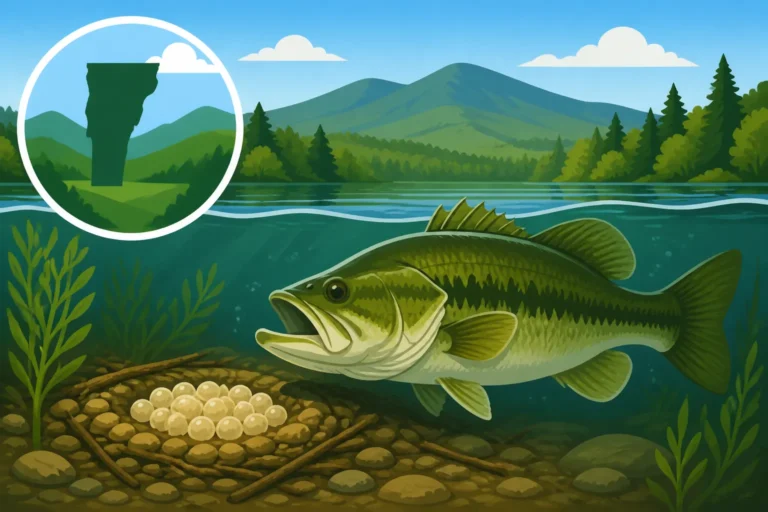
- Avoid Spawning Beds: During the spring spawning season, largemouth bass create visible "nests" or beds in shallow, clear areas. Avoid disturbing these areas, as spooking a male bass off his nest can leave eggs vulnerable to predators. Give them space to successfully reproduce.
By being mindful of these practices, we ensure that the beautiful lakes and ponds of Vermont remain vibrant and productive for largemouth bass and all other aquatic life. It's a small effort that yields massive returns for the environment and for the angling community. Our collective actions contribute to the long-term enjoyment of fishing in the Green Mountain State.
Disclaimer
This article is for general informational purposes only and does not constitute professional advice. Laws, prices and regulations vary by location and change over time. Consult a qualified professional for guidance on your specific situation.