Vermont Bass Minimum Length Limits
Trying to keep up with fishing regulations can sometimes feel like solving a complex puzzle, especially when you're just eager to get out on the water and enjoy Vermont's incredible bass fishing. It's easy to get confused about what fish you can keep and what you need to release, particularly concerning minimum length limits for bass. This comprehensive guide is here to untangle all those rules, offering a clear, empathetic look at Vermont's bass minimum length limits for both largemouth and smallmouth bass, so you can fish with confidence and stay on the right side of the law.
Understanding Vermont's Bass Minimum Length Limits
For many of us who love chasing bass, the thought of needing to measure every fish can feel like a chore, but these regulations are put in place for really important reasons. They're not just arbitrary rules designed to make our lives harder; they're critical tools for ensuring that Vermont's fantastic bass populations remain healthy and vibrant for years to come.
Why Length Limits Matter for Bass Conservation
Imagine if everyone kept every bass they caught, regardless of size. Soon enough, our lakes and rivers would be overrun with smaller, less robust fish, because the larger, healthier breeding stock would be removed. This is where minimum length limits step in. They essentially act as a protective measure, ensuring that bass have a chance to grow to a mature size, reproduce, and contribute to future generations before they can be harvested. For species like largemouth and smallmouth bass, which are popular sport fish, allowing them to reach a certain size not only helps with natural reproduction but also contributes to a more balanced ecosystem. It's about sustainable fishing, pure and simple. We want to be able to tell our grandkids about the amazing bass fishing in Vermont, right?
General Statewide Rules for Largemouth and Smallmouth
Vermont's fishing regulations are designed to be quite protective of its bass populations, and that often means applying a statewide minimum length limit to help foster robust fisheries. While there can be special regulations for certain waters, the general rule of thumb for bass caught throughout most of Vermont is quite straightforward: any largemouth or smallmouth bass you intend to keep must meet a specific minimum length. This often means that if you hook into a smaller bass, even if it's feisty and healthy, it needs to go back into the water unharmed. It’s a practice that benefits all anglers in the long run. If you want a deeper dive into all the rules that govern our waters, take a look at our Vermont Fishing Regulations Explained.
Specific Length Limits for Largemouth Bass in Vermont
Largemouth bass are often the target of anglers who love casting into weed beds and around submerged structure. They're aggressive, fun to catch, and can grow to impressive sizes. Knowing their specific length limits is crucial.
Statewide Largemouth Bass Regulations
Across most of Vermont's diverse lakes, ponds, and rivers, the statewide rule for largemouth bass is quite consistent. During the open season, you're generally looking at a minimum length of 10 inches. This means that if you reel in a largemouth that measures, say, 9.5 inches, it needs to be carefully released back into the water. This 10-inch mark is a common standard in many states for bass, aiming to protect juvenile fish and allow them to mature. It ensures that the fish have a chance to spawn at least once, contributing significantly to the population before they become part of an angler's dinner. For more specific details on what you can take home, check out the Vermont Bass Daily Bag Limit.
Lake Champlain Largemouth Bass Special Rules
Lake Champlain is a beast of a fishery, a true jewel of Vermont, and its sheer size and productivity mean it often has its own set of special regulations. When it comes to largemouth bass on Lake Champlain, the rules are typically a bit more nuanced than the statewide standard, often reflecting the unique dynamics and abundance of fish in this massive body of water. Historically, Lake Champlain has had a 10-inch minimum length limit, but it's always wise to double-check the most current Vermont Fish and Wildlife Department regulations or their website for any changes. Sometimes, specific stretches or bays might have slight variations, or there could be experimental regulations in place to study fish populations. This is why having an up-to-date Vermont Fishing License Guide for 2026 is so important, as it usually contains all these critical details.
Specific Length Limits for Smallmouth Bass in Vermont
Smallmouth bass, with their fighting spirit and preference for rocky, clear waters, are another favorite for many Vermont anglers. Just like their largemouth cousins, they have specific rules to protect them.
Statewide Smallmouth Bass Regulations
Similar to largemouth bass, most of Vermont's waters follow a consistent statewide minimum length limit for smallmouth bass. Generally, you'll find this set at 10 inches. This means if you're fishing a river like the Lamoille or Otter Creek and hook into a smallmouth, it needs to be 10 inches or longer to be legally kept. This regulation is crucial for smallmouth, as they can take a few years to reach reproductive maturity. By enforcing this minimum, the state helps ensure that enough smallmouth survive to spawn, maintaining the health and vigor of these exciting populations across Vermont's varied aquatic environments. For further clarity, we have a detailed guide on the Vermont Smallmouth Bass Minimum Length Limit.
Lake Champlain Smallmouth Bass Special Rules
Oh, Lake Champlain and its smallmouth! It's legendary for a reason. Because of its incredible habitat and vastness, Lake Champlain often boasts a thriving smallmouth bass population. As with largemouth, the smallmouth regulations here are often aligned with the statewide 10-inch minimum length. However, like any large and complex fishery, it's always worth a quick check of the latest regulations specific to Lake Champlain. Sometimes, during certain seasons, or in particular areas, the limits might have slight adjustments or specific harvest quotas to manage the fishery optimally. Understanding these nuances is part of being a responsible angler, ensuring that the fantastic smallmouth fishing on Lake Champlain remains strong. For everything you need to know about navigating its waters, our Vermont Lake Champlain Fishing Rules is an essential read.
Navigating Catch-and-Release Seasons and Exceptions
Vermont has a really thoughtful approach to bass fishing, and that includes specific periods where catch-and-release is not just encouraged, but required by law. This is especially true during the pre-spawn and spawning periods, which are incredibly vulnerable times for bass.
The Importance of the Bass Catch-and-Release Season
You'll often hear about a "catch-and-release only" season for bass in Vermont, typically in the spring before the full harvest season opens. This period is absolutely vital for the species. Bass, both largemouth and smallmouth, are busy preparing to spawn or are actively spawning during this time. They are often more aggressive and easier to catch as they guard nests or feed heavily before the energetic demands of reproduction. Requiring catch-and-release during this window protects those crucial breeding fish, allowing them to successfully lay and guard their eggs, ensuring the next generation of bass. Fishing during this time is still an incredible experience, offering the thrill of the catch without impacting future populations. It's a testament to Vermont's commitment to sustainable fishing. For a deeper dive, check out Vermont Bass Catch-and-Release Season, Explained.
Waters with Unique Bass Length Limit Regulations
While statewide rules and Lake Champlain's specific guidelines cover a lot of ground, it's important to remember that some individual lakes or ponds in Vermont might have their own unique bass length limit regulations. These "special regulation waters" are usually identified by the Vermont Fish and Wildlife Department based on specific conservation goals or to create particular types of fisheries, such as "trophy" waters. For example, some ponds might have a slot limit, where you can only keep bass within a certain size range (e.g., only fish between 12-16 inches) to protect very large or very small fish. Other waters might have even higher minimum length limits to foster a population of truly giant bass. Always, always check the current Vermont fishing guide for the specific body of water you plan to fish. A quick search on the Vermont Fish and Wildlife website can usually bring up a list of these special waters and their rules. Knowing these exceptions ensures you're always compliant and contributing to the right management goals. For those looking for bigger fish, our guide on Best Bass Fishing Lakes in Vermont might also touch on some of these special regulation areas.
Tools and Best Practices for Measuring and Handling Bass
Compliance isn't just about knowing the rules; it's about having the right tools and using the right techniques to protect the fish you intend to release. A well-prepared angler is a responsible angler.
Proper Measuring Techniques for Accurate Compliance
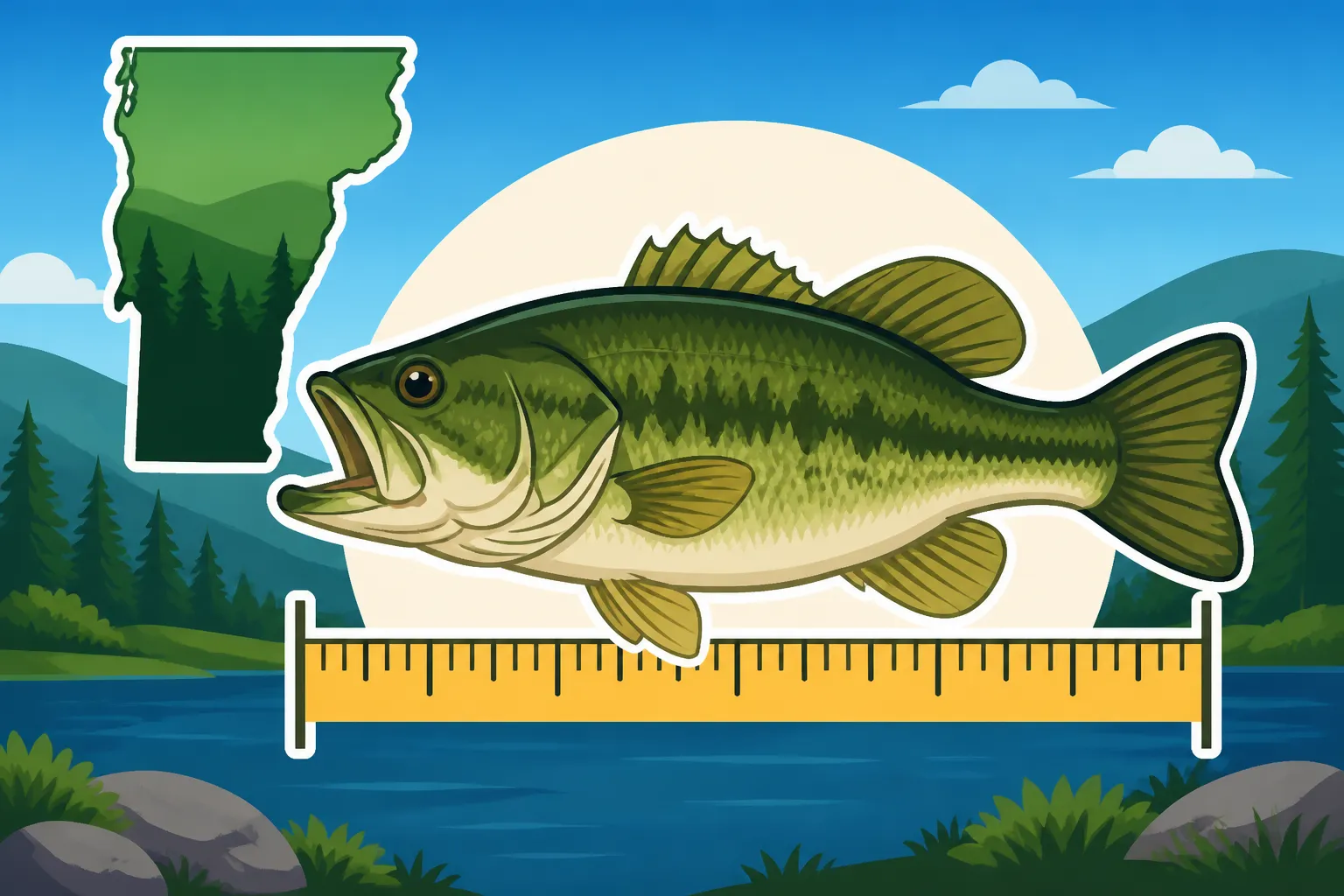
Measuring a bass accurately might seem simple, but doing it right is key to legal compliance and minimizing stress on the fish. You'll need a reliable measuring device. A flat measuring board or tape measure is generally best. Here’s how you do it:
- Lay the Fish Flat: Gently place the bass on its side on your measuring board. Avoid holding it upright by the jaw if it's a large fish, as this can cause jaw damage.
- Mouth Closed, Tail Pinched: Ensure the fish's mouth is closed and resting against the bumper of the measuring device. Then, gently pinch the tail fin lobes together to get the maximum length measurement.
- Read Clearly: Take a clear reading from the measurement markings. Don't eyeball it; be precise. If there's any doubt, it's always best to err on the side of caution and release the fish.
Having a sturdy, easy-to-read measuring board is a game-changer. You can find excellent options on online retailers like Amazon, often with bright markings and durable materials that hold up well in a boat or kayak.
Handling Bass for Safe Release and Maximizing Survival
Catch-and-release fishing is a cornerstone of conservation, but it only works if the fish you release survive to swim another day. Proper handling is paramount.
- Minimize Air Exposure: A fish's gills are like our lungs, and extended time out of water is incredibly stressful and damaging. Try to keep the fish in the water as much as possible, especially during unhooking and measuring.
- Wet Hands Only: Always wet your hands thoroughly before touching a fish. Dry hands can remove the protective slime coat, making the fish vulnerable to infection.
- Support the Weight: If you need to lift the fish for a quick photo, support its body weight, especially if it's a larger bass. Avoid holding it solely by the lower jaw, particularly for big fish, as this can dislocate or damage its jaw. Use two hands – one supporting the belly, the other lightly gripping the jaw.
- Quick Unhooking: Have your dehooking tools (pliers or hemostats) ready. Work quickly and gently to remove the hook. If the fish is deeply hooked and removal would cause excessive damage, it's sometimes better to cut the line as close to the hook as possible.
- Revive If Necessary: If the fish seems lethargic after release, hold it gently in the water, facing into a mild current, or move it slowly back and forth to force water over its gills until it regains strength and swims off on its own.
Practicing these techniques not only ensures you're fishing responsibly but also contributes to the longevity of Vermont's bass fisheries. Sometimes, having a good set of long-nose pliers, like those available on Amazon, can make unhooking much easier and safer for the fish.
Consequences of Violating Bass Length Limits
Nobody wants to get into trouble while enjoying a peaceful day of fishing. Understanding the potential consequences of not adhering to length limits is a strong motivator to always measure and release appropriately.
Understanding Fines and Penalties
Fishing without a license or keeping undersized fish isn't just a minor oversight; it's a violation of Vermont's fish and wildlife laws, and there are real consequences. If a game warden checks your cooler or livewell and finds undersized bass, you could be facing some pretty significant penalties. These can range from monetary fines, which can quickly add up, to the forfeiture of your fishing gear, and even the suspension of your fishing privileges for a period. The exact fine will depend on the severity of the violation, the number of undersized fish, and whether it's a repeat offense. It's truly not worth the risk. Always consult the official Vermont Fishing Regulations Explained or the annual fishing guide to stay informed. To avoid such scenarios entirely, be sure you have your Vermont Fishing License Age Requirements sorted before heading out.
The Long-Term Impact on Vermont's Bass Fishery
Beyond the personal legal ramifications, violating length limits has a much broader, more detrimental impact on the very resource we all cherish: Vermont's bass fishery. When too many undersized fish are harvested, it directly depletes the population of juvenile bass before they have a chance to reproduce. This leads to fewer breeding adults, reduced natural recruitment, and ultimately, a decline in the overall health and abundance of bass in our waters.
Imagine a scenario where over-harvesting of small bass becomes common. In just a few years, the average size of bass decreases, trophy fish become rarer, and the thrill of a good day's fishing diminishes for everyone. It can take years, sometimes decades, for a depleted fishery to recover, even with strict management efforts. Every fish released that meets the minimum length requirement is an investment in the future of Vermont fishing, ensuring that those exciting fights with healthy bass continue for generations to come. This is why practices like those described in How to Catch Largemouth Bass in Vermont emphasize sustainable angling.
Table: Vermont Bass Minimum Length Limits Summary
To make things a bit clearer, here's a quick reference table summarizing the typical minimum length limits you'll encounter for bass in Vermont. Always, always consult the current Vermont Fish and Wildlife regulations for the most up-to-date and specific rules for your chosen fishing spot, especially for special regulation waters.
| Species | General Statewide Minimum Length | Lake Champlain Minimum Length | Catch-and-Release Season (Typical) |
|---|---|---|---|
| Largemouth Bass | 10 inches | 10 inches | Spring (before opening day) |
| Smallmouth Bass | 10 inches | 10 inches | Spring (before opening day) |
Remember, these are minimums for harvest. Any fish shorter than these lengths must be immediately and safely released. And during catch-and-release seasons, all bass must be released, regardless of size.
Disclaimer
Please be aware that fishing regulations, including minimum length limits and seasons, can change. This guide provides general information based on current common regulations but is not a substitute for the official Vermont Fish and Wildlife Department regulations. Always consult the most recent Vermont Fishing Guide or the official Vermont Fish and Wildlife website before heading out to fish. Compliance with all state and local laws is the angler's responsibility.