How to Catch Largemouth Bass in Vermont
For many anglers, chasing largemouth bass in Vermont can feel like solving a wild, green puzzle. These clever fish often hide in dense cover, making them notoriously tricky to locate and entice, especially if you're used to more open water. If you've spent frustrating hours casting into lily pads with no luck, or if you're simply new to the unique challenges of Vermont's bass waters, this comprehensive guide is for you. We'll dive deep into their habits, habitats, and the most effective techniques to help you consistently hook into those bucketmouths.
Understanding Vermont's Largemouth Bass Habitat
Largemouth bass are masters of ambush, and their preferred homes in Vermont’s lakes and ponds reflect this perfectly. Unlike their smallmouth cousins who often prefer rocky, open water, largemouth gravitate toward areas that offer plenty of cover and warmer temperatures. Knowing where to start looking is half the battle, and understanding their habitat is the crucial first step to success.
Weedy Retreats and Submerged Structure
If you're hunting for largemouth in Vermont, you'll want to cast your eyes, and your lures, towards the thickest, greenest stuff you can find. Largemouth bass absolutely adore aquatic vegetation. Think about dense beds of coontail, milfoil, or hydrilla that stretch for acres, creating underwater forests where baitfish hide and bass lie in wait. These weeds aren't just for cover; they also oxygenate the water and provide a rich ecosystem for insects, crustaceans, and smaller fish, which are all part of a bass's diet. Lily pads, with their broad leaves forming a canopy over the water, are another prime target. Bass will sit just under these pads, enjoying the shade and waiting to explode on anything that falls on top or swims past.
But it’s not just about the weeds. Any kind of submerged structure that breaks up the bottom or offers a hiding spot is a potential bass haven. This includes fallen trees and brush piles, which act as natural apartments for bass, offering shelter from predators and a place to ambush prey. Old dock pilings, boat lifts, and even submerged culverts can also hold fish. These structures provide vertical cover, which bass use to orient themselves and ambush prey from below or behind. Fishing these spots requires precision casting and often heavier gear to extract a bass before it buries itself deeper in the cover, but the reward can be well worth the effort.
Warm, Shallow Waters and Muddy Bottoms
One of the defining characteristics of largemouth bass is their preference for warmer water, especially compared to smallmouth. This means they're often found in the shallower sections of lakes and ponds, particularly those with muddy or silty bottoms. These areas tend to absorb and hold heat more effectively, creating a comfortable environment for bass and encouraging the growth of the aquatic vegetation they love so much. While smallmouth might hug cooler, rocky humps in deeper water, largemouth will bask in sun-drenched coves, soaking up the warmth.
These shallow, warm environments are also teeming with life, providing an abundant food source. Imagine a broad, shallow flat on a sunny afternoon in July. The water might be 70-75 degrees Fahrenheit, and you'll find everything from minnows and frogs to crawfish scurrying across the muddy bottom. Largemouth bass are opportunistic predators, and these buffet lines are exactly what they look for. When you’re scouting a new lake, look for those expansive, shallow bays and flats, especially those that receive a lot of direct sunlight and have a soft, organic bottom. These are classic largemouth territories where you're much more likely to find active fish than in cold, deep, rocky expanses.
Key Vermont Lakes and Ponds for Largemouth
Vermont is blessed with a fantastic array of waters that host healthy populations of largemouth bass, offering diverse fishing experiences from large sprawling lakes to intimate, secluded ponds. Each body of water has its own character, but they all share the essential ingredients that largemouth love: cover, warmth, and food.
Certainly, the most renowned largemouth fishery in Vermont is the southern end of Lake Champlain. While the northern reaches are famous for smallmouth, the shallower, warmer, and much weedier bays and backwaters of the southern lake, particularly south of the Crown Point Bridge, are largemouth paradise. Places like the expansive Missisquoi Bay, the intricate channels of Otter Creek, and the numerous smaller coves around Addison and Ferrisburgh are absolutely loaded with prime largemouth habitat. These areas boast vast beds of milfoil, lily pads, and cattails, making them ideal for flipping, pitching, and throwing topwater frogs. If you're looking for consistent action and the chance at a true Vermont trophy, Lake Champlain's southern sections are hard to beat. You can dive deeper into specific locations by checking out our guide to the Best Largemouth Bass Lakes in Vermont.
Beyond Champlain, several other lakes and ponds across the state offer fantastic opportunities. Lake Bomoseen, near Rutland, is a gem for largemouth anglers, with plenty of weed lines, docks, and rocky points that hold big bass. Lake St. Catherine, just south of Bomoseen, is another perennial favorite, boasting extensive shallow flats and a network of submerged timber that attract a strong population of largemouth. Further north, Lake Dunmore provides a slightly different challenge, with clear water and distinct weed edges that require a more finessed approach at times. Don't overlook the Waterbury Reservoir, either; while known for other species, its numerous coves and stump fields offer excellent largemouth opportunities, especially if you venture away from the main recreation areas. Even smaller, unnamed farm ponds and state park ponds can be incredible largemouth factories, often holding surprisingly large fish that don't see as much pressure. These smaller waters often require a lighter touch and a keen eye for subtle cover.
Seasonal Largemouth Bass Behavior in Vermont
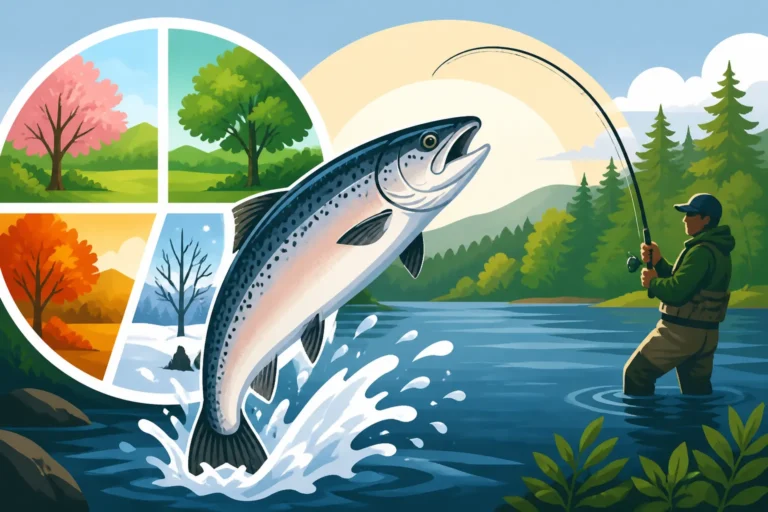
Largemouth bass are creatures of habit, but those habits change dramatically with the seasons in Vermont. Understanding these shifts is paramount to consistent success, as what works in spring won't necessarily cut it in summer or fall. Timing your techniques to their natural lifecycle will put you miles ahead of anglers who stick to a single approach all year.
Spring: Pre-Spawn and Spawning Patterns
Ah, spring in Vermont! After the long chill of winter, the first warm days send a thrill through any angler, and largemouth bass are no exception. As ice recedes and water temperatures begin to climb into the 50s and low 60s Fahrenheit, bass shake off their winter lethargy and begin their pre-spawn migration. They move from deeper staging areas into shallower bays, coves, and flats that warm up fastest. These are often the same areas they'll spawn in, but for now, they're focused on feeding heavily to build up energy for the demanding process ahead. Look for them cruising along weed edges, around submerged timber, and near any structure that offers both cover and sun exposure. They're often aggressive during this period, willing to chase crankbaits, spinnerbaits, and even jig-and-trailer combos.
As the water temperature continues to rise, typically reaching the mid-60s, the magical time of spawning begins. Largemouth will fan out circular depressions, known as beds, usually in shallow, protected areas with a firm bottom. The males guard these nests fiercely, chasing off anything that gets too close, while the females lay their eggs. During this time, bass can be incredibly territorial and protective. They might not be actively feeding, but they'll often strike out of aggression at anything perceived as a threat to their eggs or fry. This is when sight fishing for bedding bass can be effective, using soft plastics like lizards or creature baits to draw a reaction strike. However, it’s important to practice responsible angling during the spawn; quick catch-and-release is crucial to allow the bass to return to their nests and protect their offspring. For a deeper dive into this critical period, check out our guide on When largemouth bass spawn in Vermont.
Summer: Post-Spawn and Mid-Season Strategies
Once the spawn is over and the fry have hatched, Vermont's largemouth enter their post-spawn recovery phase. Initially, they might be a bit sluggish, recuperating from the rigors of spawning. However, as summer truly takes hold and water temperatures consistently hover in the high 60s to low 80s, bass enter their peak activity period. During the hottest parts of the day, especially under bright sunshine, they'll often retreat to deeper, cooler water, seeking the shade and sanctuary of dense weed lines, deep docks, or submerged timber. Think about the outer edges of those expansive milfoil beds or the shadowy undersides of boathouses. They might be less active in the midday sun, requiring slower, more precise presentations.
However, the early morning, late evening, and overcast days can bring about explosive feeding binges. This is prime time for topwater action! Bass will move into shallower areas to hunt for baitfish, frogs, and insects. Throwing a frog over dense lily pads, working a popper near shaded banks, or walking a Zara Spook over open pockets in the weeds can lead to heart-stopping strikes. As the summer progresses, bass will establish territories and feeding lanes, becoming very pattern-oriented. If you catch a fish from a particular type of cover or structure, chances are you can replicate that success in similar spots around the lake. This also becomes a fantastic time to probe those deep weed lines with Carolina rigs, Texas rigs, or deep-diving crankbaits, especially when the sun is high.
Fall: Feeding Frenzy Before Winter
As autumn colors sweep across Vermont's landscape and water temperatures begin their gradual descent from the high 60s into the 50s, largemouth bass enter one of their most aggressive feeding periods. This is a crucial time for them to "fatten up" before the long, lean months of winter. They know instinctively that cold weather is coming, and they need to pack on as many calories as possible. This often means they become less shy and more willing to chase down a meal.
During the early fall, you'll find bass actively pursuing schools of baitfish, often pushing them into shallower coves or against rocky points. Crankbaits, spinnerbaits, and swimbaits that imitate forage are incredibly effective during this time. Look for areas where baitfish are congregating, as the bass won't be far behind. As the water continues to cool into late fall, dropping into the 40s, bass will begin to move deeper, though they might still make forays into sun-warmed shallower areas during the midday. Their metabolism slows, so presentations need to slow down too. Jigs, jigging spoons, and slowly worked soft plastics become more effective as the bass become less inclined to chase fast-moving lures. This is also a fantastic time to target submerged timber and rock piles in slightly deeper water, where bass will gather before finding their deep wintering holes.
Essential Gear and Tackle for Vermont Largemouth
Having the right tools for the job is absolutely critical when targeting Vermont's largemouth bass. These fish often live in dense, snaggy cover, and trying to pull them out with inadequate gear is a recipe for frustration and lost fish. Investing in quality equipment that matches the techniques you'll be using will dramatically increase your hook-up ratio and your ability to land those hard-fighting fish.
Rods, Reels, and Line Choices
When it comes to rods for largemouth bass in Vermont, versatility is key, but leaning towards more power is generally a good idea, especially if you're fishing heavy cover. Most anglers will find a 6'6" to 7'6" medium-heavy to heavy power rod to be their workhorse. A medium-heavy rod offers enough backbone for casting larger lures and fighting fish in open water, while a heavy power rod is essential for flipping jigs into thick weeds or pulling a big bass out of submerged timber. For most applications, a fast action tip is preferred as it allows for quicker hooksets and better sensitivity. When searching for new rods, you can often find great deals on versatile setups on Amazon, perfect for starting your Vermont bass adventure.
For reels, the choice often comes down to personal preference and the specific technique. Baitcasting reels are king for most power fishing techniques like throwing spinnerbaits, crankbaits, and especially flipping and pitching heavy jigs. A gear ratio between 6.4:1 and 7.1:1 offers a good balance of retrieve speed for various presentations. Spinning reels, on the other hand, excel for finesse techniques, lighter lures, and for anglers who prefer their ease of use. A 2500-3000 series spinning reel paired with a medium-light to medium power rod is ideal for wacky rigs, Ned rigs, or small topwater poppers.
Line choice is perhaps the most critical component for dealing with Vermont's bass habitats. For heavy cover applications—think lily pads, milfoil, or brush piles—braided line is a non-negotiable. Its incredible strength, zero stretch, and abrasion resistance will help you muscle fish out of snags and cut through weeds. Typically, 30 to 65-pound test braid is a good range. For open water presentations or when fishing slightly clearer water, fluorocarbon line in 10 to 20-pound test is an excellent choice. Its near invisibility underwater and good sensitivity make it perfect for crankbaits, Carolina rigs, and drop shots. Monofilament, while less common for main lines in modern bass fishing, still has a place as a leader material or for topwater lures due to its buoyancy. For more details on selecting the perfect setup, you can check out our comprehensive guide on Best Fishing Rods for Vermont Lakes.
Lure Selection for Vermont Waters
The sheer variety of bass lures can be overwhelming, but for Vermont largemouth, focusing on a few key categories will cover most situations. The most versatile lures often imitate natural prey items like baitfish, crawfish, or frogs, or simply trigger an aggressive reaction strike.
Soft plastics are undoubtedly a staple in any Vermont largemouth angler's tackle box. From classic Texas-rigged worms and creature baits (like Senkos or beaver-style baits) for working through weeds and brush, to weightless wacky-rigged worms for subtle presentations, their versatility is unmatched. Jigs, especially football jigs or skirted swim jigs, are another incredibly effective option. Tipped with a plastic trailer, they can imitate crawfish or baitfish and are deadly when pitched into cover or dragged along the bottom. Consider stocking up on various colors, with green pumpkin, black and blue, and natural baitfish patterns being consistent producers.
Moving into reaction baits, spinnerbaits and bladed jigs (like a Chatterbait) are excellent for covering water, especially along weed lines or around scattered cover. Their flash and vibration can draw strikes from aggressive bass. Crankbaits, both shallow and deep-diving models, are essential for imitating baitfish and probing different depths. Choose colors that mimic local forage like perch, shiners, or bluegill. Lastly, topwater lures provide some of the most exciting strikes in bass fishing. Frogs, poppers, and walking baits are indispensable for fishing over matted vegetation, along shady banks, or in calmer conditions during dawn and dusk. Picking up a few different sizes and colors from your favorite sporting goods store or even online on Amazon will ensure you're ready for whatever Vermont throws at you.
Kayaks and Boats for Accessing Prime Spots
When it comes to accessing the best largemouth bass spots in Vermont, having the right watercraft is often the key differentiator between a good day and a great day. Largemouth, particularly the larger ones, love to hide in places that are difficult for traditional, deep-hulled boats to reach. This makes shallow-draft boats and kayaks incredibly effective tools for unlocking those hidden honey holes.
A bass boat, while powerful and fast, often struggles in the extremely shallow and weed-choked backwaters where big largemouth thrive. Instead, many successful Vermont bass anglers opt for aluminum jon boats, small fiberglass utility boats, or even pontoon boats rigged for fishing. These smaller boats can navigate tighter channels, handle shallower water, and are often more maneuverable around dense cover. Equipping them with a reliable trolling motor is a must for quietly approaching bass haunts without spooking the fish. Look for boats that allow for standing to improve casting accuracy, especially when flipping and pitching into dense vegetation.
However, for truly stealthy and intimate access to the most productive largemouth waters, a fishing kayak is often unrivaled. Kayaks can slip silently into narrow creeks, paddle through dense lily pads, and squeeze into pockets of open water that are inaccessible to even small powerboats. The low profile of a kayak also helps you present lures without casting a large shadow or creating much disturbance. Modern fishing kayaks, often equipped with pedal drives, provide hands-free propulsion, allowing you to position your craft precisely while keeping your hands on your rod. Before you hit the water, be sure to check out our detailed guide on the Best Kayaks for Vermont Fishing to find the perfect vessel for your angling adventures. Whether it's a nimble sit-on-top or a stable pedal-powered machine, a kayak can open up a whole new world of Vermont largemouth opportunities.
Top Techniques for Targeting Vermont Largemouth Bass
Once you understand where largemouth bass live and what gear to use, the next step is mastering the techniques to put your lures where the fish are and trigger a strike. Largemouth fishing is a game of precision, patience, and adapting your presentation to the specific conditions and cover you're encountering.
Flipping and Pitching Heavy Cover
If you want to catch big largemouth bass in Vermont, especially those that have seen a lot of fishing pressure, you absolutely must master flipping and pitching. These are close-quarters casting techniques designed to drop a lure silently and accurately into small openings within dense cover – think a small hole in a thick mat of lily pads, a tight slot between two fallen logs, or right up against a dock piling. This isn't about long, sweeping casts; it's about stealth and precision.
To flip, you typically extend a few feet of line from your rod tip, swing the lure forward with a pendulum motion, and then gently lay it into your target by reeling up the slack as it falls. Pitching involves swinging the lure backward with an underhand motion, using your thumb to control the line and send the bait forward on a low trajectory. Both techniques allow for minimal splash and maximum accuracy. Your bait of choice for these tactics will almost always be a jig-and-trailer or a Texas-rigged creature bait, usually rigged with a heavy tungsten weight (1/2 oz to 1 oz) to penetrate thick cover. Using stout braided line (50-65 lb test) is crucial, as you'll need the power to rip a bass out of the thick stuff before it can wrap you around a submerged branch. Practice in your yard with a bucket, and you'll quickly see how these skills translate to more strikes in Vermont's gnarly bass habitat.
Working Weed Lines and Drop-Offs
While many largemouth bury themselves deep within the thickest cover, a significant number, especially larger fish, will patrol the edges of these structures. These "weed lines" or "break lines" where shallow vegetation meets deeper, open water, or where a flat suddenly drops off into a channel, are classic ambush points. Bass will stage along these transitions, waiting for baitfish to swim by. This means you need techniques that can effectively cover these extensive edges and present a tempting meal to cruising fish.
Deep-diving crankbaits are fantastic tools for working weed lines and drop-offs. Cast them parallel to the edge, allowing them to dive down and "bang" off any submerged cover or the bottom. The erratic action and deflection often trigger reaction strikes from bass. Spinnerbaits and bladed jigs also excel here, allowing you to maintain contact with the weed edge and retrieve your lure through sparse vegetation without constantly snagging. Swim jigs, dressed with a grub or paddletail trailer, are another deadly option, mimicking baitfish darting along the cover. Using a good fish finder can be a game-changer for identifying these subtle drop-offs and the contours of submerged weed beds. Our guide on Best Fish Finders for Vermont Lakes can help you choose the right electronics to map out these critical zones and pinpoint where the bass are staging. Remember, bass are often lazy, and these edges offer a perfect blend of cover, access to deeper water, and prime feeding opportunities without expending too much energy.
Topwater Action: Dawn, Dusk, and Overcast Days
There's nothing quite like the explosive thrill of a largemouth bass blowing up on a topwater lure. This isn't just a fun way to fish; it can be incredibly effective, especially during specific times and conditions in Vermont. When bass are actively feeding on the surface, or are willing to come up for a meal, topwater fishing provides some of the most exciting action you'll experience.
The best times for topwater action are typically during low light conditions – dawn, dusk, or on heavily overcast days. These are the times when bass feel most comfortable venturing out of deep cover to hunt in shallower water. Look for calm water or a light chop, as strong winds can make it difficult for bass to track your lure and for you to work it effectively. Topwater frogs are indispensable for fishing over dense mats of lily pads, matted hydrilla, or even sparse grass. Cast the frog onto the mat and retrieve it with short twitches, pausing occasionally, making it "walk" or "jump" across the vegetation. When a bass strikes, resist the urge to set the hook immediately; wait until you feel the weight of the fish on the line before a strong, sweeping hookset. Poppers, with their cupped faces, create a "plop" and splash that mimics struggling prey and are great for open pockets in weeds or along docks. Walking baits, like a Zara Spook, are worked with a "walk-the-dog" retrieve, creating an irresistible side-to-side sashay that calls fish from a distance. Experiment with retrieve speeds and pauses, letting the bass tell you what they prefer on any given day.
Finesse Techniques for Tough Conditions
While Vermont's largemouth can be aggressive, there are always those days when they're pressured, sluggish, or simply won't commit to a power fishing presentation. This is when finesse techniques shine, offering a subtle, less intrusive approach that can coax even the most reluctant bass into biting. When the water is clear, the sun is high, or fishing pressure is intense, slowing down and scaling down can make all the difference.
One of the most popular finesse techniques is the drop shot. This involves tying a hook directly to your main line (or a fluorocarbon leader) a foot or two above a weight. The bait, typically a small soft plastic worm or minnow imitation, hangs horizontally and quivers enticingly with minimal rod movement. This presentation keeps the bait in the strike zone longer and is incredibly effective for suspended bass or those holding tight to subtle structure. Another incredibly effective finesse rig is the Ned rig. A small, mushroom-shaped jig head paired with a short, buoyant soft plastic stick bait creates a presentation that stands straight up off the bottom, mimicking a wary baitfish or crawfish. It's incredibly subtle and deadly when bass are being finicky.
Weightless wacky-rigged worms are another essential finesse weapon. By simply hooking a soft plastic stick bait (like a Senko) through its center, it falls with an irresistible wiggle, creating a subtle action that bass find hard to resist. The key to all these finesse presentations is patience and attention to detail. Use lighter line (8-12 lb fluorocarbon), slower retrieves, and pay close attention to subtle bites. Often, a bass will just "tick" the line or feel like extra weight, rather than delivering a violent strike. These techniques are often best fished on spinning gear, allowing for lighter line and more delicate presentations.
Reading the Water and Environmental Factors
Catching largemouth bass in Vermont isn't just about the right lure; it's about understanding the subtle cues the environment provides. Bass are highly attuned to their surroundings, and factors like water temperature, clarity, weather changes, and even wind patterns dictate where they'll be and how willing they are to bite. Learning to "read the water" is an advanced skill that will consistently put more fish in your boat.
Water Temperature and Clarity
Water temperature is perhaps the most critical factor influencing largemouth bass activity. These fish are cold-blooded, meaning their metabolism directly correlates with the water temperature. In Vermont, bass are generally most active when water temperatures are between 65 and 75 degrees Fahrenheit. Below 50 degrees, they become sluggish, moving slowly and only feeding intermittently. Above 80 degrees, they might seek deeper, cooler water or shade, becoming less active in direct sunlight. Understanding these thermal preferences helps you locate them; in spring, they'll gravitate to warming shallow flats, while in summer, they might seek cooler weed lines or springs.
Water clarity also plays a huge role in their behavior and your lure selection. In clear water, bass rely heavily on their eyesight to hunt, which means they can be more easily spooked by heavy lines, large lures, or unnatural presentations. Here, fluorocarbon line, natural bait colors (green pumpkin, watermelon), and subtle finesse techniques (Ned rigs, drop shots) often work best. Conversely, in stained or muddy water, bass rely more on their lateral line system to detect vibrations. This is where brighter colors (chartreuse, white), lures with strong vibration (spinnerbaits, bladed jigs), and noisier topwater baits can excel. The reduced visibility also makes bass less wary, allowing for more aggressive presentations.
Weather Patterns and Barometric Pressure
The weather in Vermont can be notoriously fickle, and these changes significantly impact bass behavior. High-pressure systems, often associated with clear skies and stable, sunny weather, can make bass more lethargic and less willing to chase. They might hold tighter to cover or move deeper. Conversely, falling barometric pressure, which often precedes a storm or front, tends to make bass more active and aggressive. They instinctively know a change is coming and often feed heavily before conditions worsen. This is a prime time to throw reaction baits like crankbaits and spinnerbaits.
Immediately after a strong cold front passes, bass can become incredibly difficult to catch. The sudden drop in temperature and the accompanying high pressure often shut them down, making them retreat to dense cover or deeper water. During these post-front conditions, it's best to slow down, use finesse techniques, and present lures directly to their hiding spots. Understanding how different weather patterns, from sunny skies to thunderstorms, influence bass will help you adjust your approach. You can gain a deeper insight into this by exploring our guide on How barometric pressure affects Vermont bass fishing. Watching the forecast isn't just for your comfort; it's a vital part of your bass fishing strategy.
Wind, Current, and Forage
While often overlooked, wind and current (even subtle ones in lakes) can be your best friends when targeting largemouth bass. Wind creates a chop on the water's surface, breaking up light penetration and making bass feel more secure to roam and feed. It also pushes baitfish, insects, and other forage, creating current lines where bass will ambush unsuspecting prey. Fishing wind-blown points or shorelines is often a highly productive strategy. The wind concentrates food and disorients bait, making it easier for bass to feed.
In rivers or sections of lakes with noticeable current (such as river mouths or narrow channels), bass will position themselves out of the main flow, often behind current breaks like boulders, logs, or points. They'll face upstream, waiting for food to be swept past them. Fishing these current seams and eddies with jigs or slow-moving swimbaits can be incredibly effective. Finally, the presence of forage is paramount. Bass will always be near their food source. If you can locate schools of baitfish (like perch, bluegill, or shiners), crawfish, or even frogs, you're likely to find bass nearby. Keep an eye out for surface commotion, diving birds, or even subtle flicks of baitfish tails; these are all indicators that dinner is being served, and the bass are likely in attendance.
Conservation and Responsible Angling Practices
As passionate anglers, we all have a responsibility to protect Vermont's precious fisheries, ensuring healthy populations for future generations to enjoy. Largemouth bass are a vital part of our aquatic ecosystems, and practicing conservation and responsible angling is more important than ever. It's not just about catching fish; it's about being a good steward of the resource.
Catch and Release Best Practices
While keeping a few bass for a delicious meal is perfectly fine and within regulations, many anglers choose to practice catch and release, especially for larger fish or during sensitive times like the spawn. If you're going to release a bass, doing it correctly can significantly increase its chances of survival. The goal is to minimize stress and physical harm to the fish.
Firstly, try to land the fish as quickly as possible without "horsing" it in. The longer a bass fights, the more exhausted and stressed it becomes. Use a wide, rubberized landing net, if necessary, as these are gentler on a fish's slime coat and fins than knotted nylon nets. Once the fish is landed, handle it gently with wet hands, supporting its full body weight horizontally. Avoid holding a bass vertically by its jaw if it’s a large fish, as this can dislocate its jaw or damage its spine. If the hook is easily accessible, use needle-nose pliers or a dehooking tool to remove it quickly. If the bass has swallowed the hook deeply, it’s often better to simply cut the line as close to the hook as possible rather than attempting to rip it out, which can cause fatal internal damage. Finally, return the bass to the water as quickly as possible, holding it gently upright until it swims away under its own power. Sometimes, a gentle forward and backward motion can help push water over its gills, aiding recovery, especially if it was a long fight.
Understanding Vermont's Bass Regulations
Navigating fishing regulations can sometimes feel like a chore, but it's crucial for protecting the fishery and avoiding potential fines. Vermont's Fish & Wildlife Department sets specific rules for largemouth bass, which can vary by water body and season. Always consult the most current Vermont Fishing Guide before you head out, as regulations can change from year to year.
Generally, Vermont has a "catch-and-release" season for bass, which typically begins earlier in the spring, allowing anglers to target bass before the full harvest season opens. During this period, you can fish for bass, but all fish must be immediately released alive. This helps protect spawning bass and ensures they can reproduce successfully. The regular harvest season usually opens later in June, at which point specific daily bag limits and minimum length limits come into effect. For example, there might be a daily limit of 5 bass, and a minimum length of 10 or 12 inches, meaning any bass shorter than that must be released. Some waters might even have slot limits, where bass within a certain size range must be released, protecting prime breeding-size fish. Familiarize yourself with these rules, especially concerning the Vermont Bass Catch-and-Release Season, Explained, Vermont Bass Minimum Length Limits, and the Vermont Bass Daily Bag Limit. Ignorance of the law is never an excuse, and game wardens are out there ensuring compliance to conserve our valuable fish populations.
Respecting Private Property and Public Access
Vermont is a beautiful state with abundant fishing opportunities, but much of its shoreline is privately owned. It’s absolutely essential for anglers to respect private property rights and only access waters through designated public access points. Trespassing not only puts you at risk of legal penalties but also tarnishes the reputation of all anglers, potentially leading to reduced access in the future.
Always look for public boat launches, fishing access areas, or state park access points. These areas are clearly marked and maintained for public use. If you’re fishing from shore, ensure you know where public property ends and private land begins. When in doubt, err on the side of caution and find another spot. Additionally, practice "Leave No Trace" principles. Pack out everything you pack in, and perhaps even pick up any litter you find. Avoid damaging vegetation, refrain from cutting down branches, and be mindful of noise, especially when fishing near residential areas. Being a courteous and respectful angler goes a long way in maintaining positive relationships with landowners and ensuring continued access to Vermont's fantastic largemouth bass fishing waters. We all share this incredible natural resource, and it’s up to each of us to preserve it responsibly.
Lure Selection for Vermont Largemouth Bass by Condition
To help you quickly decide what to tie on, here’s a quick reference table outlining effective largemouth bass lures based on common Vermont fishing conditions and habitat types.
| Condition/Habitat | Best Lure Type(s) | Why It Works | Notes |
|---|---|---|---|
| Dense Weeds/Lily Pads | Topwater Frogs, Heavy Texas Rigs (Creature Baits/Worms), Flipping Jigs | Designed to fish on top or punch through thick cover; weedless design prevents snags. | Use heavy braided line (50lb+) for extracting fish. |
| Weed Lines/Edges | Spinnerbaits, Bladed Jigs (Chatterbaits), Shallow/Medium Crankbaits, Swim Jigs | Excellent for covering water, triggering reaction strikes, and deflecting off cover. | Vary retrieve speed. Match lure color to local baitfish. |
| Deep Docks/Submerged Wood | Flipping Jigs, Texas Rigs, Jigging Spoons, Drop Shots | Allows precise placement into small targets; jigging spoons for deeper suspended fish. | Requires accurate casting; fluorocarbon leader can be key in clear water. |
| Open Water/Sparse Cover | Squarebill Crankbaits, Jerkbaits, Lipless Crankbaits, Walking Topwater Baits, Swimbaits | Covers water quickly, imitates baitfish, and draws reaction strikes. | Good for chasing schooling fish or prospecting new areas. |
| Clear Water/Pressured Fish | Weightless Wacky Rigs, Ned Rigs, Drop Shots, Small Jigs | Subtle, natural presentations that don't spook wary bass. | Use lighter line (fluorocarbon recommended), slow retrieves, focus on sensitivity. |
| Stained/Muddy Water | Bladed Jigs, Spinnerbaits, Large Profile Jigs, Noisy Topwater Lures | Creates strong vibration and displacement; brighter colors (chartreuse, white) offer visibility. | Bass rely on lateral line in low visibility. |
| Early Spring (Cold Water) | Jigs, Slow-rolled Spinnerbaits, Jerkbaits (suspending), Lipless Crankbaits (slow-retrieve) | Slower, more deliberate presentations for sluggish bass. Jerkbaits can suspend in the strike zone. | Focus on sun-warmed shallow flats and darker bottoms. |
| Hot Summer (Midday) | Deep-diving Crankbaits, Carolina Rigs, Heavy Texas Rigs (deep cover), Jigging Spoons | Targets deeper, cooler water; allows you to present baits effectively on the bottom or suspended. | Focus on shade, deep weed lines, or thermoclines. |
| Fall (Feeding Frenzy) | Lipless Crankbaits, Spinnerbaits, Swimbaits, Crankbaits, Jigs | Aggressive presentations mimic baitfish; bass are actively feeding. | Follow baitfish schools; target points and channel swings. |
Disclaimer
The information provided in this guide is for general informational purposes only and is subject to change. Fishing regulations, season dates, and limits for largemouth bass in Vermont can vary and are regularly updated by the Vermont Fish & Wildlife Department. Always consult the official Vermont Fishing Guide or the Vermont Fish & Wildlife Department website for the most current and accurate regulations before engaging in any fishing activities. Adherence to all local, state, and federal laws is the responsibility of the angler.