Best months to catch landlocked salmon in Vermont
Trying to figure out the perfect time to target landlocked salmon in Vermont can feel like solving a complex puzzle. You’ve heard stories of incredible catches during specific windows, but knowing when those windows truly open, and why, makes all the difference between a frustrating day on the water and a memorable one. This guide dives deep into the seasonal patterns of Vermont's magnificent landlocked salmon, helping you pinpoint the best months to chase these powerful fish and understand the science behind their movements.
Cracking the Code: The Best Months for Vermont Landlocked Salmon
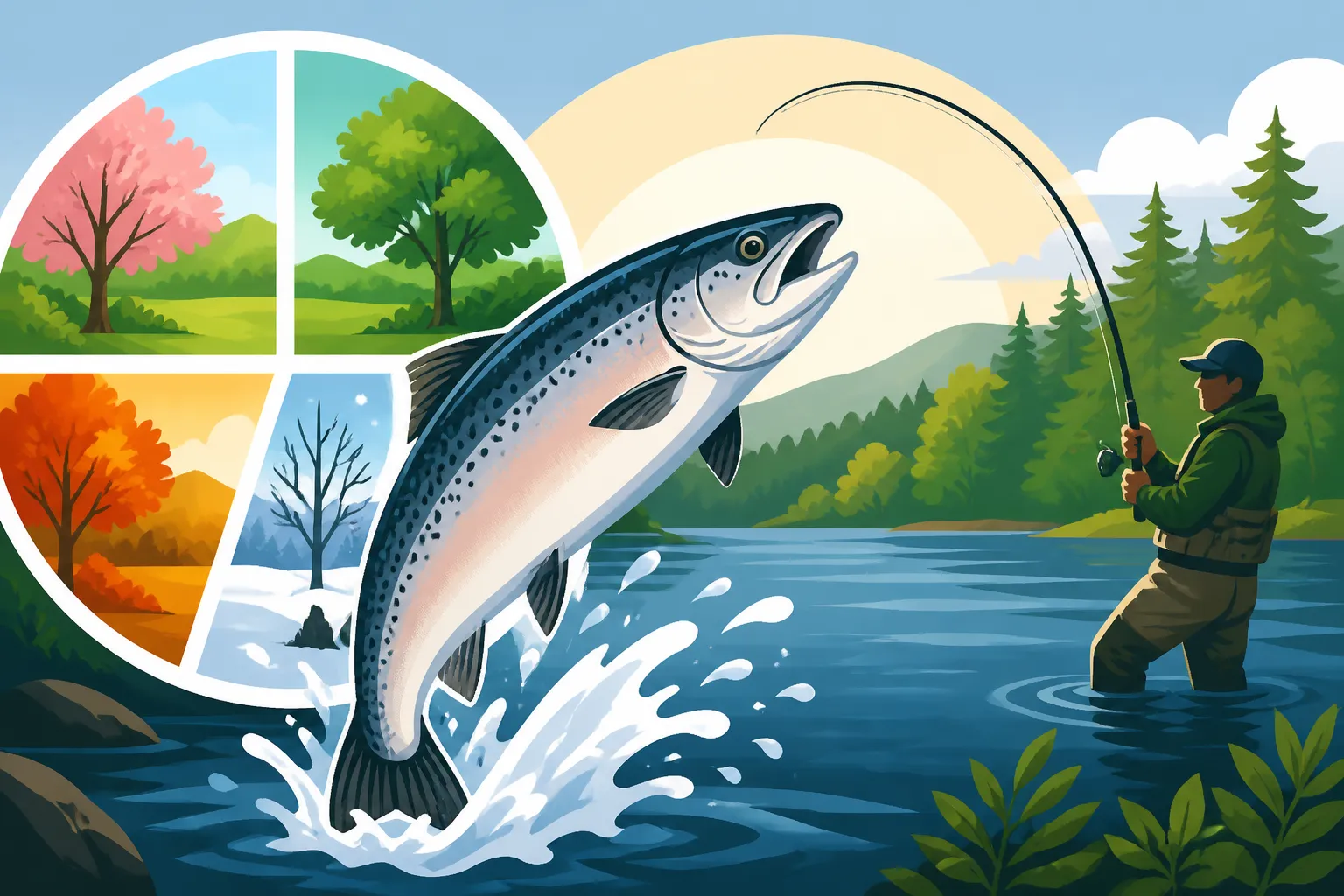
When it comes to landing a beautiful landlocked salmon in Vermont, timing is incredibly important. While you can technically catch them year-round in some waters, certain months offer significantly better odds and more exciting fishing opportunities due to the salmon's natural behavior, their forage base, and water temperatures. Forget the guesswork; let's break down the prime windows.
The Thrill of Early Spring: Ice-Out Action
For many seasoned anglers, the weeks immediately following ice-out in early spring are an absolutely magical time for landlocked salmon. This usually happens from late March through April, depending on the lake and how harsh the winter was. As the thick ice recedes, the water is still incredibly cold, often in the low 40s Fahrenheit, which is right in the salmon's comfort zone.
During this period, the key is often the movement of their primary food source: rainbow smelt. Smelt, a small, silvery baitfish, will begin to move into shallower waters, often congregating around tributary mouths, rocky points, and shorelines as they prepare for their own spawning rituals. The salmon, fresh out of their winter deepwater haunts and hungry, follow them closely. This means you can find salmon surprisingly close to shore, making them accessible to both boat and shore anglers. The bite can be aggressive, as they gorge themselves after a long winter. It's a fantastic time for those who enjoy the excitement of fish hitting hard in cold, clear water. If you're looking for an in-depth dive into their life cycle, you might want to check out our guide on the Landlocked Salmon Life Cycle in Vermont Lakes.
The Challenging Summer Deepwater Game
As Vermont's short but sweet spring transitions into the warmer days of summer, landlocked salmon shift their behavior dramatically. From late May through August, the surface waters of large lakes like Lake Willoughby and Lake Champlain warm considerably, often pushing salmon much deeper in search of cooler, oxygenated water. This is where you'll find them holding around the thermocline – that invisible boundary where warm surface water meets cold deep water.
Summer salmon fishing becomes a game of precision and depth. You'll need specialized gear, like downriggers or lead core line, to present your lures at depths often ranging from 40 to 100 feet or even more, depending on the lake and the day. While challenging, summer can still yield fantastic results, especially for larger, more mature fish that prefer the stability of deeper water. The bite window is often narrow, with early mornings and late evenings providing the best opportunities when light penetration is reduced. It’s a completely different experience from the spring bite, demanding patience and a good understanding of sonar readings to locate those deep-water schools. For those interested in perfecting their deep-water presentation, our article on Trolling Techniques for Vermont Lake Trout offers valuable insights that can be applied to salmon.
Fall's Explosive Opportunity: Pre-Spawn and Spawning Runs
Without a doubt, for many anglers, the fall months—primarily September and October—represent the absolute peak season for landlocked salmon fishing in Vermont. This is when the water temperatures begin to cool significantly, re-energizing the salmon and driving them into a pre-spawn feeding frenzy before their annual spawning migration.
The cooling lake waters allow salmon to move back into shallower depths, making them more accessible and incredibly aggressive. They'll actively chase down baitfish, offering thrilling opportunities for trolling, casting, and even fly fishing in certain areas. As October progresses, the mature salmon begin their epic journey upstream into the rivers and tributaries where they were born, or where they've been stocked, to spawn. These "spawning runs" provide a unique chance to target these magnificent fish in riverine environments. While challenging, catching a vibrant, chrome-bright salmon on its spawning run is an unforgettable experience. The sheer power and beauty of these fish during this time are unmatched. Many anglers specifically target these runs, knowing it's their best shot at a trophy-sized salmon. If you're dreaming of a true trophy, understanding the Landlocked Salmon Growth Rate to Trophy Size might give you an idea of what to expect.
Understanding Landlocked Salmon Behavior Through the Seasons
To truly master the art of catching landlocked salmon in Vermont, it's not enough to just know when they bite. You need to understand why they bite, and how their environment influences their movements and feeding patterns.
The Crucial Role of Forage Fish: Vermont's Rainbow Smelt
The life of a landlocked salmon in Vermont is intricately tied to its primary food source: the rainbow smelt. These small, slender baitfish are abundant in many of Vermont's salmon-holding lakes and are essentially the fuel that drives the salmon fishery. When the smelt move, the salmon follow.
In early spring, as ice breaks up, smelt migrate towards shallower waters and river mouths to spawn. This draws salmon to these same areas, making them relatively easy to locate and target. During the summer, as surface waters warm, smelt retreat to deeper, cooler waters, often suspending in dense schools along the thermocline. This is precisely why salmon are found deep during the warmer months. As fall approaches and lake temperatures cool again, smelt become more active throughout the water column, and salmon again pursue them more broadly. Understanding the smelt's seasonal movements and habits is like having a secret weapon in your salmon fishing arsenal. Knowing What lures imitate the smelt landlocked salmon eat can significantly improve your catch rates.
Water Temperature: The Ultimate Driver
If there's one single factor that dictates where landlocked salmon will be at any given time, it's water temperature. Salmon are cold-water fish, and they have a relatively narrow range of preferred temperatures, typically between 45 and 58 degrees Fahrenheit. Deviate too far from this, and they become lethargic, uncomfortable, or simply move elsewhere.
- Spring: Right after ice-out, the entire water column is often within their preferred range, allowing them to roam freely, including into shallow areas.
- Summer: This is when temperature stratification (the thermocline) becomes critical. Salmon will seek out the layer of water that matches their ideal temperature, regardless of depth. This means they might be 50 feet down in one lake, and 80 feet down in another, or even deeper on a particularly hot day.
- Fall: As autumn progresses, the lake waters cool and eventually "turn over," meaning the temperature becomes more uniform from top to bottom. This allows salmon to spread out and become active throughout the lake again, leading to the aggressive pre-spawn feeding.
Paying attention to local water temperature reports and using a good fish finder with temperature sensing capabilities can give you a massive advantage in locating these elusive fish.
Gear and Tactics: Tailoring Your Approach for Success
While the "best months" might draw you to the water, having the right gear and employing the correct tactics for each season is what truly puts fish in the boat. Landlocked salmon are powerful, fast, and can be quite finicky, requiring a thoughtful approach. You might want to brush up on How to Catch Landlocked Salmon in Vermont for more generalized advice, but here, we'll get specific about seasonal adjustments.
Spring Tactics: Targeting Shallow Depths and River Mouths
In the spring, salmon are often found near the surface, especially during low light conditions or when smelt are actively spawning. This makes them vulnerable to a variety of techniques.
- Trolling: This is arguably the most effective method. Use small spoons, stickbaits, or even flies trolled behind a planer board or flat line. Colors like silver, blue/silver, orange/gold, or even bright greens can be deadly. Keep your speed relatively slow, typically 1.5 to 2.5 miles per hour, as the cold water makes salmon less likely to chase a fast-moving lure. Experiment with depth by using small weights or lead core line segments. Look for concentrations of smelt on your sonar, and troll through those areas. Sometimes, simply finding baitfish is half the battle.
- Casting: When salmon are actively feeding near shore or around river mouths, casting spoons or stickbaits can be very effective. A long casting rod with a sensitive tip will help you detect subtle bites and make accurate presentations. Early mornings and late evenings are prime times for this.
- Bait Fishing: While less common for salmon, some anglers find success with live smelt or shiners, especially when still-fishing or drifting near known smelt spawning grounds. Just be sure to check Vermont's regulations regarding bait use.
You can often find a great selection of these smaller spoons and stickbaits on Amazon, ready to ship to your door before your next trip.
Summer Tactics: Getting Down Deep
Summer salmon fishing is a precision game. You're not just fishing, you're hunting, often relying on electronics to find fish in vast expanses of water.
- Downriggers: These are essential for presenting lures at precise depths. Attach your main line to a release clip on the downrigger cable, allowing you to run your lure at a consistent depth, often 50-100 feet down. This is where you'll find those lake-dwelling salmon hugging the thermocline.
- Lead Core Line: A more budget-friendly alternative to downriggers, lead core line is designed to sink a specific depth per color segment (usually 10 yards). This allows you to achieve significant depths, though less precisely than a downrigger.
- Lure Selection: Larger spoons, often in silver, blue, green, or even black patterns, are popular. Flies, sometimes tied to imitate smelt, trolled behind dodgers or flashers, can also be incredibly effective. Consider using our guide on How to Rig Smelt for Landlocked Salmon Trolling for authentic bait presentations.
- Trolling Speed: Slightly faster speeds than spring (2.0 to 3.0 mph) can sometimes trigger strikes in warmer water, but always experiment. The Best Trolling Speed for Landlocked Salmon often varies day-to-day.
- Electronics: A good fish finder is your best friend in summer. Look for temperature breaks, baitfish schools, and individual fish arches suspended in the water column. The clearer the water, the more precise you need to be with your depth and presentation.
Fall Tactics: Aggression and Spawning Patterns
Fall brings a renewed vigor to salmon fishing, offering diverse opportunities from lakes to rivers.
- Trolling in Lakes: As lake waters cool, salmon will once again roam shallower. Trolling techniques similar to spring, with spoons and stickbaits, will become highly effective again. Focus on points, drop-offs, and areas where baitfish are abundant.
- Casting and Jigging: If you find schools of salmon actively feeding on bait, casting heavy spoons, swimbaits, or even vertical jigging can be incredibly productive. The fish are often aggressive and willing to hit a variety of presentations.
- Fly Fishing in Rivers: For the adventurous angler, targeting salmon on their spawning runs in rivers and tributaries offers a unique challenge. This often involves wading and using heavier fly rods (7-9 weight) with sinking lines to present streamers or egg patterns. Keep an eye on local reports for specific river runs, and always check the Vermont Fishing Regulations Explained for special rules concerning river salmon.
- Shore Fishing (Rivers): Similar to fly fishing, bank anglers can target salmon in rivers using spin casting gear with spoons or plugs that imitate baitfish. Accessibility to rivers like the Clyde, Black, and Barton is often the limiting factor.
A quality pair of waders and a wading staff, readily available on Amazon, can be game-changers for accessing those riverine spots in the fall.
Essential Considerations for Your Vermont Salmon Adventure
Beyond the seasonal specifics, a few overarching points will always make your Vermont landlocked salmon fishing more successful and enjoyable.
Navigating Vermont's Regulations and Seasons
Vermont's fishing regulations are designed to protect its valuable fisheries, and landlocked salmon are no exception. Before you even think about hitting the water, make sure you're up to date on all the rules.
- Fishing License: You absolutely need a valid Vermont fishing license. Whether you're a resident or a nonresident, there are various options available. Our guide on Where and How to Buy a Vermont Fishing License can walk you through the process.
- Season Dates: While some lakes might offer year-round salmon fishing, many rivers and certain lake sections have specific open and closed seasons, particularly concerning spawning runs. Always check the Vermont Fishing Season Dates and Closures.
- Bag and Possession Limits: There will be strict limits on the number and size of salmon you can keep per day and in your possession. These limits can vary by water body. For instance, Lake Champlain Fishing Guide and Lake Willoughby Landlocked Salmon Fishing often have specific regulations.
- Special Regulations: Some waters, or even specific sections of rivers, might have unique regulations, such as catch-and-release only, artificial lures only, or specific hook restrictions. Ignorance of the law is not an excuse, so always carry a copy of the current Vermont Fish and Wildlife regulations.
It's a lot to keep track of, but staying compliant ensures the health of the fishery for future generations and saves you from potential fines.
Popular Vermont Waters for Landlocked Salmon
While landlocked salmon are found in several Vermont lakes, two stand out as premier destinations:
- Lake Willoughby: Nestled in the Northeast Kingdom, Lake Willoughby is often hailed as one of the most beautiful lakes in Vermont and a true gem for landlocked salmon. Its incredible depth and crystal-clear, cold waters provide an ideal habitat for salmon. Early spring and fall are particularly productive here, with many anglers targeting the northern end near the outlet and the deep pockets throughout the lake. The scenery alone makes a trip to Willoughby worthwhile, even if the fish are playing hard to get.
- Lake Champlain: While renowned for its bass and walleye, Lake Champlain also holds a healthy population of landlocked salmon, especially in its deeper, colder sections. The sheer size of Champlain means finding salmon can be more challenging, but the reward of a powerful lake-run salmon is immense. Trolling with downriggers in the deeper main lake basin during summer is a common strategy, while spring and fall see salmon closer to shore and around major river deltas. You can find more targeted advice in our Lake Champlain Fishing Guide.
Other lakes like Seymour Lake and occasionally some of the smaller, deep lakes in the state also offer opportunities, but Willoughby and Champlain are definitely the heavy hitters when it comes to consistently finding and catching Vermont landlocked salmon.
Final Thoughts on Timing Your Salmon Adventure
Ultimately, the "best months" to catch landlocked salmon in Vermont largely depend on your preferred fishing style and tolerance for varying conditions. If you love the raw excitement of cold-water, shallow-water action and the chance for a river run, then spring (late March-April) and fall (September-October) are undeniably your prime windows. The fish are often more aggressive, and the methods can be less complex than summer's deep-water grind.
Summer fishing (May-August) is a demanding but rewarding endeavor for those with the right gear and patience, offering the chance to boat some truly massive, deep-dwelling salmon. Each season presents its unique challenges and charms, but armed with this knowledge, you're now much better equipped to plan your next Vermont landlocked salmon adventure. Tight lines!
Disclaimer
Please note that fishing conditions, regulations, and fish behavior can change. Always consult the latest Vermont Fish and Wildlife Department regulations before heading out on the water. This guide is for informational purposes only and does not constitute legal advice or guarantee fishing success.