Best time to fish before a cold front
There's nothing quite like the sudden dread of checking the forecast and seeing a cold front rolling in, especially when you've finally carved out time for a fishing trip in Vermont. Many anglers resign themselves to a slow day, but what if I told you that a cold front isn't always bad news? In fact, the hours before one hits can be some of the most productive fishing you'll ever experience. This guide will help you understand the magic window before a cold front and how to make the most of it on Vermont's waters.
Understanding the Pre-Front Phenomenon: Why Fish Get Fired Up (and Then Shut Down)
It’s easy to feel defeated when a big weather change is on the horizon. We've all been there: clear skies turn to grey, the wind picks up, and a general chill descends. But before that happens, there's often a sweet spot, a prime opportunity that savvy anglers learn to identify and exploit. This isn't just folklore; it's rooted in how fish react to their environment, particularly changes in atmospheric pressure.
Barometric Pressure Changes and Fish Behavior
Think of barometric pressure as the weight of the air pressing down on everything, including our beautiful Vermont lakes and rivers. Fish, being aquatic creatures, are incredibly sensitive to these subtle shifts. Inside a fish, they have a swim bladder that helps them maintain buoyancy. When the barometric pressure is high and stable, fish generally feel comfortable and might be in their usual feeding patterns, often cruising deeper waters or holding tight to structure.
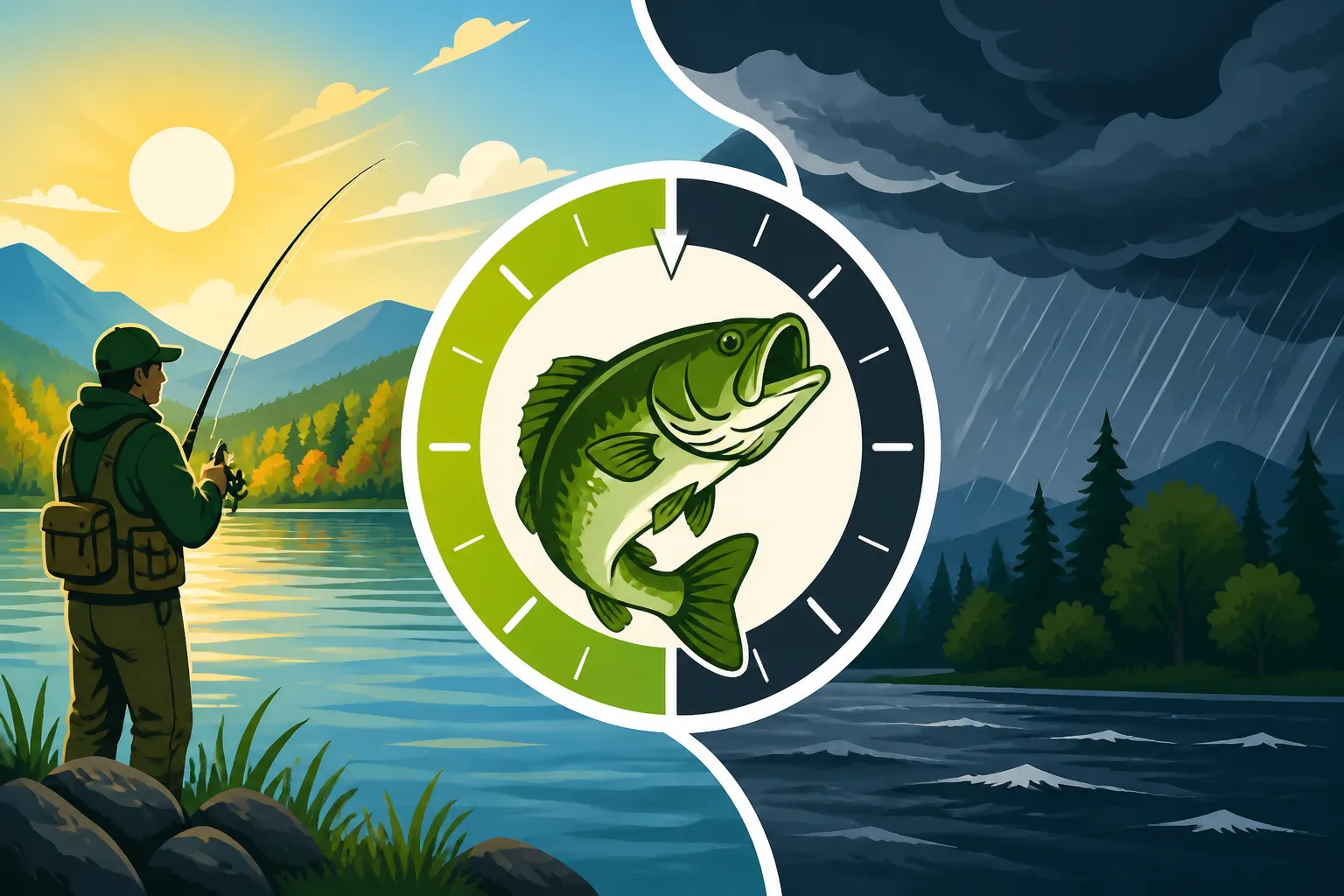
However, when a cold front approaches, the barometric pressure typically begins to drop. This falling pressure reduces the "squeeze" on the fish's swim bladder. This change can be uncomfortable for them, and it often triggers an instinctual response to feed aggressively. It's almost as if they know tough times are coming – perhaps colder water, murkier conditions, or simply a period where feeding will be less efficient – so they gorge themselves while the going is good. You can read more about How barometric pressure affects Vermont bass fishing in detail to truly grasp this concept.
This "feeding frenzy" isn't just about comfort; it's about survival. They're trying to pack on calories before the weather makes them sluggish and less inclined to chase prey. This window can be short, but it's incredibly potent.
Anticipating the Weather Shift: Reading the Signs
You don't need to be a meteorologist to predict a cold front, though checking a reliable weather app certainly helps. Many seasoned Vermont anglers have learned to read the subtle cues nature provides. One of the most common signs is a change in wind direction, often shifting from a southerly to a westerly or northerly flow, accompanied by an increase in wind speed. The sky can tell a story too; look for mares' tails or high, wispy cirrus clouds that precede a more significant cloud cover.
A gradual drop in air temperature, even before the real chill sets in, is another indicator. The air might feel heavier, and there's a distinct shift in the overall atmosphere. If you're out on the water, pay attention to the surface conditions. Sometimes, a flat, calm lake can suddenly develop a chop as the wind begins to pick up, a precursor to the front's arrival. Learning to observe these local conditions alongside your weather forecast can give you a crucial edge in timing your fishing trips.
Timing Your Attack: The Critical Window Before a Cold Front
Knowing that fish bite before a front is one thing; knowing when to be on the water is another. This isn't always a simple answer, as the "window" can vary, but there are some general principles that can guide your strategy in Vermont.
The "Golden Hour" Before the Storm
While it's often called the "golden hour," this prime feeding window can actually last anywhere from a few hours to half a day, depending on the speed and intensity of the approaching front. The key is to be fishing when the barometric pressure is actively falling, not necessarily when the rain or true cold has already started. This is the period when fish are most agitated and compelled to feed.
During this time, you'll often find fish moving from their deeper, more comfortable holding areas into shallower water, particularly near structures or cover where they can ambush prey. For example, if you're targeting smallmouth bass on Lake Champlain, they might push up onto rocky points or submerged humps that were less productive just hours before. This shallow movement is partly due to the desire to feed, and partly because the dropping pressure can make shallower depths feel more comfortable initially, before the full brunt of the front arrives. Keep an eye on local conditions and be ready to move and adapt quickly as the weather progresses.
Species-Specific Responses to Falling Pressure
Different fish species react to falling pressure in their own unique ways, though generally, the aggressive feeding impulse holds true across many. Understanding these nuances can help you tailor your tactics for Vermont's diverse fisheries.
- Bass (Smallmouth and Largemouth): Both smallmouth and largemouth bass tend to become very aggressive before a cold front. They'll often move out of heavy cover or deeper haunts and actively chase down baitfish. This is a fantastic time for power fishing with reaction baits. If you're wondering where to find them, consider hitting up some of Best Bass Fishing Lakes in Vermont during this window.
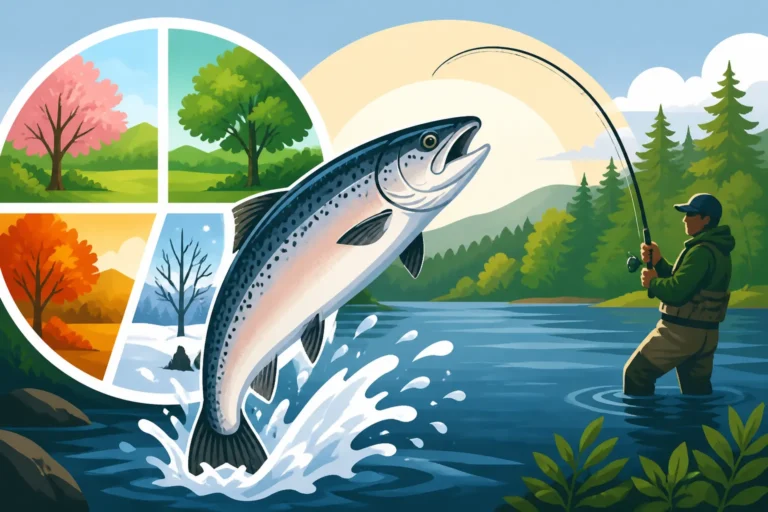
- Trout (Brook, Brown, Rainbow, Landlocked Salmon): Stream trout, like those found in the Battenkill or White River, might become more active, moving into faster water or aggressively hitting dries, nymphs, or streamers. For bigger lake-dwelling trout like lake trout or landlocked salmon, you might find them shallower than usual, actively feeding on smelt or other baitfish. This can be an excellent time for Fly Fishing for Trout in Vermont, as the fish might be less selective.
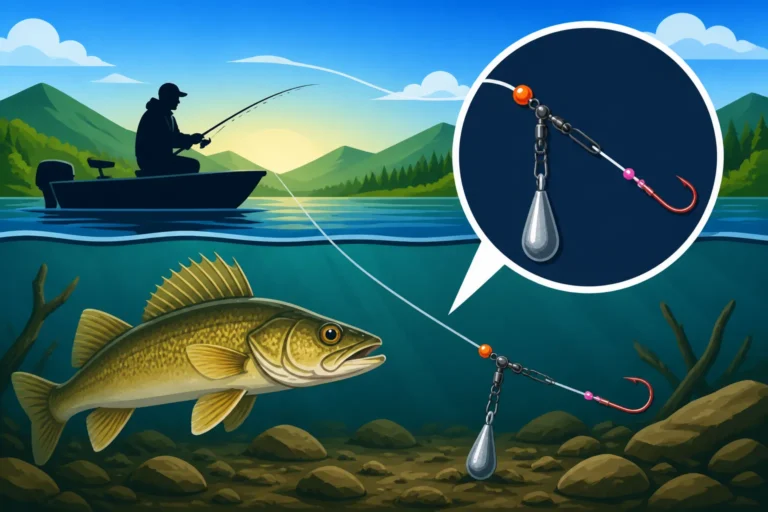
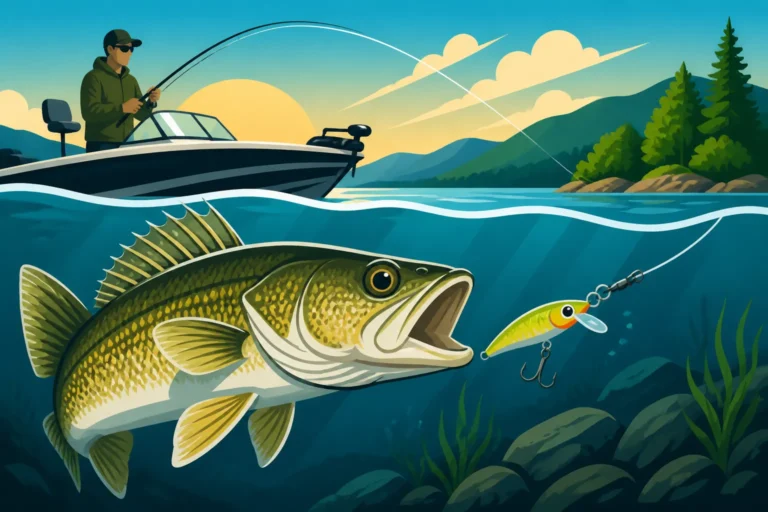
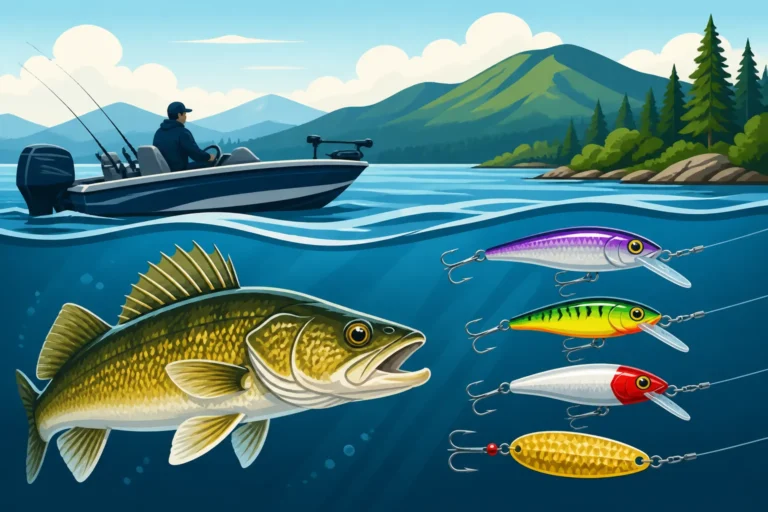
- Walleye: Walleye are notoriously sensitive to light and pressure. Before a front, they can turn on fiercely, especially during low-light conditions. They'll often move to rocky humps, reefs, or weed edges, making them vulnerable to jigging or trolling. If you're aiming to learn How to Catch Walleye on Lake Champlain, fishing before a front can provide invaluable insights into their aggressive feeding patterns.
- Panfish (Perch, Crappie, Bluegill): Don't overlook the panfish! Before a front, these smaller species can also go on a tear, making for some fast and furious action, particularly in calmer bays or around submerged timber. This is perfect for a relaxing day of fishing with the family.
Tactics for Capitalizing on the Pre-Front Bite in Vermont
So, you've identified that sweet spot right before a cold front hits Vermont. Now, what do you do to make the most of it? This is where your tackle selection and presentation become absolutely critical.
Aggressive Presentations: Lures and Baits
Since fish are often in an aggressive feeding mood, don't be shy about using baits that elicit a reaction strike. Fast-moving lures are often key.
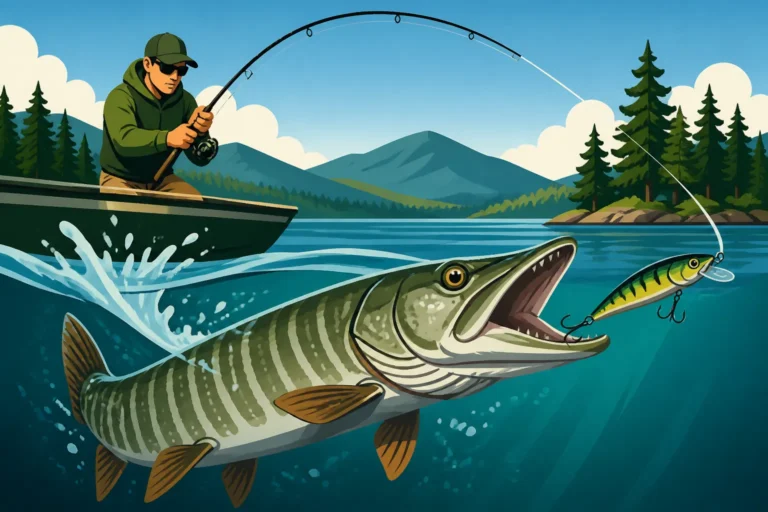
- For Bass: Think crankbaits that dive to the depth you're targeting, especially those with rattles that create noise and vibration. Spinnerbaits retrieved quickly through submerged grass or along rocky banks can also be deadly. Jerkbaits are fantastic for imitating fleeing baitfish, and the erratic action can trigger strikes from even hesitant bass. If you're focused on Best Tackle for Vermont Smallmouth Bass, make sure your box is loaded with these options. Remember, fish are often less finicky in this window, so don't be afraid to experiment with brighter colors or larger profiles than you might typically use. For specific recommendations, check out Best Crankbaits for Vermont Smallmouth Bass.
- For Trout: While finesse is often the name of the game for trout, before a front, larger streamers that imitate baitfish can be incredibly effective in rivers and lakes. For fly anglers, don't hesitate to throw a bigger pattern with a more aggressive retrieve. Spinners or small spoons can also draw strikes from active trout.
- For Walleye: Trolling with stickbaits or crankbaits that mimic smelt can be highly effective, especially on larger bodies of water like Lake Champlain. Jigging spoons or lipless crankbaits can also work well on rocky structures where walleye stage.
- Live Bait: If live bait is your preference and permitted in the waters you're fishing, don't be afraid to rig up a minnow or a nightcrawler. The natural movement combined with the fish's aggressive mood can be irresistible.
Targeting Key Locations
Fish move during these pre-front periods, and understanding where they're moving to is half the battle.
- Shallow Cover and Structure: As mentioned, fish often push shallower. Look for areas with dense weed lines, fallen trees (laydowns), rock piles, or docks. These provide both ambush points and security. If you're fishing a river, target eddies, current seams, and areas downstream of natural obstructions. Exploring Best Fishing Rivers in Vermont can give you an idea of ideal structural elements.
- Transitional Areas: These are spots where different types of habitat meet, like a weed line ending at a rocky drop-off, or where a shallow flat quickly drops into deeper water. Fish will use these transition zones as highways for feeding.
- Baitfish Concentrations: Fish will always be near their food. If you can locate schools of baitfish, whether on your fish finder or by observing surface activity, you're likely to find predatory fish close behind. Consider what the Best lure color for muddy water bass fishing might be if conditions start to churn up due to increasing wind.
Gear Considerations for Shifting Conditions
Being prepared for the immediate effects of the front is also crucial. The weather can turn quickly, especially in the mountains of Vermont.
- Layered Clothing: Even if it starts warm, that pre-front chill can sneak up on you. Wear layers you can easily add or remove.
- Rain Gear: It almost goes without saying, but good rain gear is essential. You might be out there in drizzle or a full-blown downpour. Investing in a quality waterproof jacket and pants is never a bad idea. You can find many reliable options on Amazon if you're looking for Best Rain Gear for Vermont Anglers.
- Dry Bags: Protect your electronics, extra clothing, and snacks with dry bags, especially if you're in a kayak or a small boat. Again, Amazon has a wide selection of these to keep your essentials safe.
- Sun Protection: Even on cloudy days before a front, UV rays can be strong. A hat and polarized sunglasses (another great Amazon find) are always a good idea. They also help you spot fish or structure in the water.
Post-Front Fishing: The Shut-Down and How to Adapt
While this guide focuses on the before of a cold front, it’s only realistic to acknowledge what happens after. Many anglers have experienced the frustration of fishing in the immediate aftermath of a cold front, when the bluebird skies and crisp air often coincide with incredibly slow fishing.
The Post-Front Challenge
Once the cold front has passed, and high-pressure systems move in, the fishing often becomes significantly more challenging. Fish that were aggressively feeding just hours before can become lethargic and tight-lipped. They tend to move deeper, hug bottom structure, or bury themselves in the thickest cover they can find. Their metabolism slows, and they're far less inclined to chase a meal. This can be incredibly frustrating, and it's a common experience for even the most seasoned Vermont anglers. It's often when you start dreaming of the next pre-front window or perhaps thinking about Best time to fish after a cold front.
Slowing Down Your Approach
If you find yourself on the water post-front, a complete shift in tactics is usually necessary. Forget the fast-moving power baits. This is the time for finesse.
- Finesse Tactics: Think small, subtle baits. Drop shots, Ned rigs, or very light jigs worked excruciatingly slowly can sometimes tempt a strike.
- Slower Retrieves: Your retrieve speed should be dramatically reduced. Let baits sit for longer periods, barely moving them.
- Smaller Baits: Downsize your lures. A small plastic worm or a tiny jig might be more appealing to a lethargic fish than a large crankbait.
- Patience is Key: More than anything, post-front fishing requires immense patience. Sometimes, the best strategy is simply to wait it out for a few days until conditions stabilize and the fish resume their normal patterns.
Key Fish Behavior and Tactics Before a Cold Front
Here's a quick summary to help you plan your next pre-front fishing adventure in Vermont:
| Species | Pre-Front Behavior | Suggested Tactics | Lure Examples |
|---|---|---|---|
| Smallmouth Bass | Highly aggressive, move shallow, chase baitfish. | Fast retrieves, covering water, targeting points/humps. | Crankbaits, Spinnerbaits, Jerkbaits, Topwaters |
| Largemouth Bass | Aggressive, move out of heavy cover, ambush prey. | Power fishing near weed lines, laydowns, docks. | Spinnerbaits, Jigs, Texas-rigged plastics, Frogs (in weeds) |
| Trout (Streams) | More active, move into faster currents. | Larger streamers, aggressive nymphing, active dry fly. | Streamers, Larger Nymphs, Spinners, Worms |
| Trout (Lakes) | Move shallower, actively feed on forage. | Trolling shallower, casting spoons/stickbaits near structure. | Spoons, Stickbaits, Smelt imitations |
| Walleye | Turn on fiercely, especially in low light. | Jigging, trolling near rocky structures, reefs, weed edges. | Jigs, Crankbaits, Bottom bouncers |
| Panfish | Aggressive, school up in bays or near cover. | Small jigs, live bait (worms), micro-spinners. | Small Jigs, Worms, Tiny Spinners |
This information should help you turn a potentially disappointing weather forecast into an exciting fishing opportunity in Vermont. Embrace the challenge, observe the signs, and get ready for some intense action before that cold front fully settles in!
Disclaimer
This article is for general informational purposes only and does not constitute professional advice. Laws, prices and regulations vary by location and change over time. Consult a qualified professional for guidance on your specific situation.