How to catch trout in a beaver pond stream
There's a special kind of magic, and sometimes a whole lot of frustration, that comes with trying to catch trout in those hidden, often overgrown beaver pond streams here in Vermont. These aren't your wide-open rivers or easily accessible stocked ponds; these are wild, rugged places where the fish are often elusive but incredibly rewarding. This guide is all about helping you navigate the unique challenges of these small, intimate waterways to find success and truly connect with Vermont's native brook trout.
Understanding the Unique Environment of Beaver Pond Streams
Beaver ponds are truly fascinating ecosystems, especially for those of us chasing trout. They aren't just stagnant pools; they're dynamic environments that transform a small stream into a series of deeper, slower-moving sections, often connected by smaller riffles and narrow channels. For trout, particularly our beloved brook trout, these areas can be absolute havens.
What Makes Beaver Ponds Prime Trout Habitat?
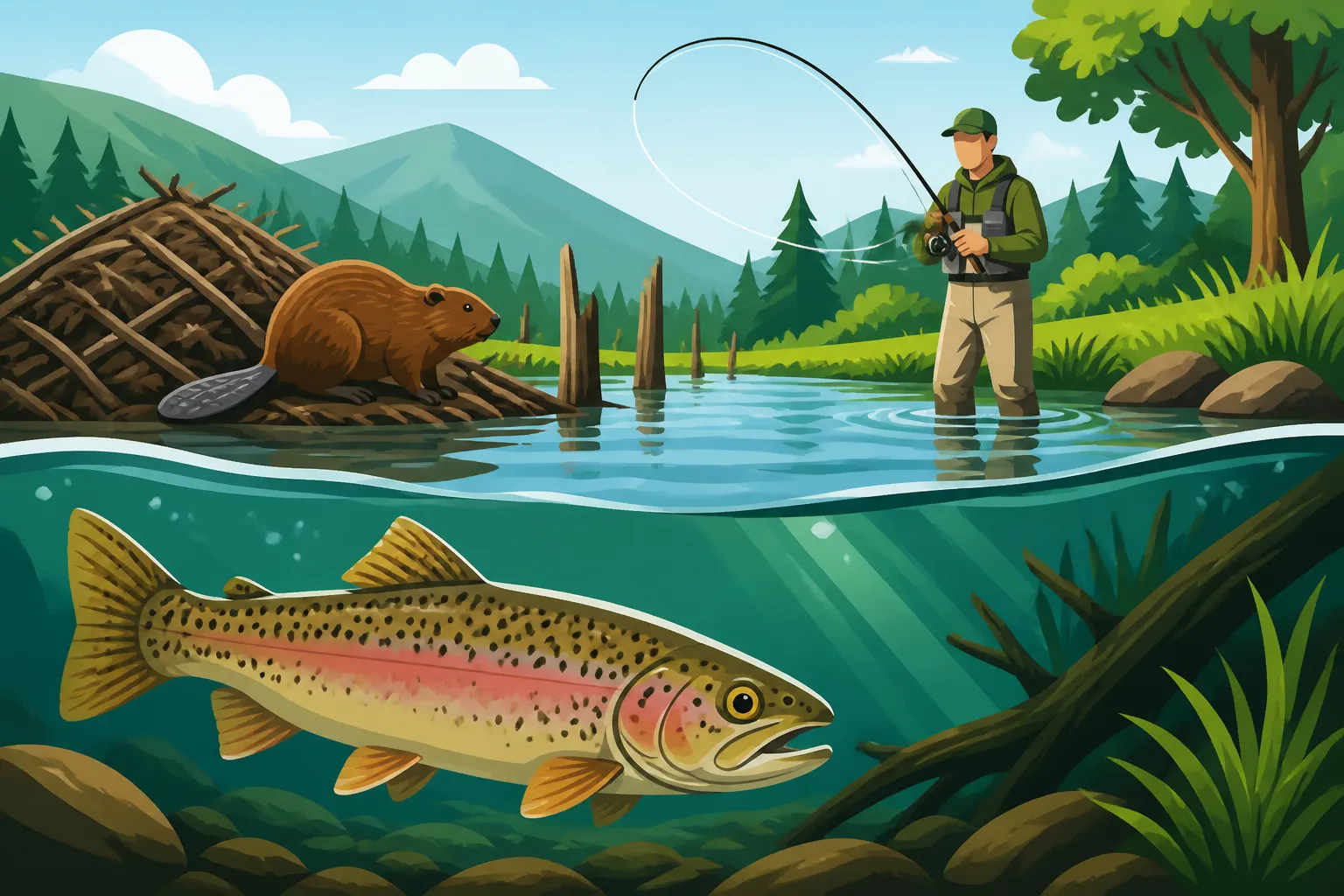
Imagine a small, freestone stream, perhaps just a few feet wide, winding its way through the Vermont woods. A beaver decides this is the perfect spot for a dam, and suddenly, that narrow stream backs up, creating a wider, deeper impoundment. This isn't just a puddle; it's a series of changes that create ideal conditions for trout. The dam itself acts as a barrier, often creating a deeper scour hole directly below it, which becomes a prime holding lie for larger trout. Upstream, the impounded water spreads out, slowing the current significantly. This slower water allows for the accumulation of nutrient-rich sediment, fostering a thriving insect population – a trout's buffet! The deeper sections also provide refuge during warmer months when ambient stream temperatures might become too high elsewhere. Plus, the constant flow of fresh, cold water from upstream tributaries keeps the oxygen levels robust.
The woody debris, fallen trees, and underwater brush that are characteristic of beaver ponds also play a crucial role. These submerged structures offer an incredible amount of cover for trout, protecting them from avian predators like kingfishers and ospreys, as well as terrestrial threats like otters and raccoons. This cover also provides ambush points for the trout themselves, allowing them to dart out and snatch an unsuspecting insect or a smaller minnow. You might find fish tucked right up against a submerged log, under an undercut bank formed by the dam's edge, or cruising the deeper sections where the current is barely perceptible. The blend of deeper water, ample cover, and a rich food source makes these seemingly humble spots some of the most productive, albeit challenging, trout waters in Vermont.
Common Challenges of Fishing These Wild Waters
While beaver pond streams are trout heaven, they can feel like angler purgatory if you're not prepared. The biggest hurdle often comes down to accessibility and terrain. These are usually remote locations, meaning a hike through dense woods and thick brush is often part of the adventure. You'll encounter mud, tangled roots, and often thorny bushes just to get to the water's edge. Once there, casting can be a nightmare. Overhanging branches, thick alders, and dense bankside vegetation can make a smooth backcast almost impossible, leading to frustrating snags and lost flies or lures.
Subsurface, the challenges continue. The same woody debris and fallen trees that make these areas great trout habitat also make them notorious snag factories. Your lure or fly might get hung up on a submerged branch with almost every other cast. The water, while often clear, can also be stained with tannins from decaying vegetation, reducing visibility. And perhaps the most significant challenge is the wild nature of the trout themselves. These fish see very few anglers, making them incredibly wary and easily spooked. A heavy footstep on the bank, a silhouette against the sky, or a splashy cast can send every trout in the vicinity darting for cover. Successfully fishing a beaver pond stream requires patience, a light touch, and a healthy dose of stealth.
Essential Gear for Beaver Pond Trout
Venturing into beaver pond country means leaving some of your larger, more robust gear at home. This isn't the place for your heavy bass rod or a 9-foot fly rod meant for wide-open rivers. Success here often hinges on having light, compact, and agile tackle that can handle tight spaces and spooky fish. When you're thinking about your kit, imagine what you'd want if you were trying to sneak up on a deer – quiet, unobtrusive, and efficient. Many of these specialized items, from compact fly rods to quick-drying waders, can be found readily available on platforms like Amazon, making preparation easier.
Rods, Reels, and Line for Tight Spaces
For spinning anglers, a lightweight, short spinning rod is your best friend. Think something in the 5 to 6-foot range, ultra-light or light power, with a fast action tip. This shorter length makes it far easier to cast in brushy areas where a full backcast is impossible. A small, sensitive reel (like a 1000 or 2000 series) spooled with 4 to 6-pound monofilament or fluorocarbon will give you the sensitivity needed for subtle bites and the strength to handle a feisty brook trout. Some anglers even prefer a shorter casting rod with a baitcasting reel for pinpoint accuracy, but the learning curve can be steep for beginners.
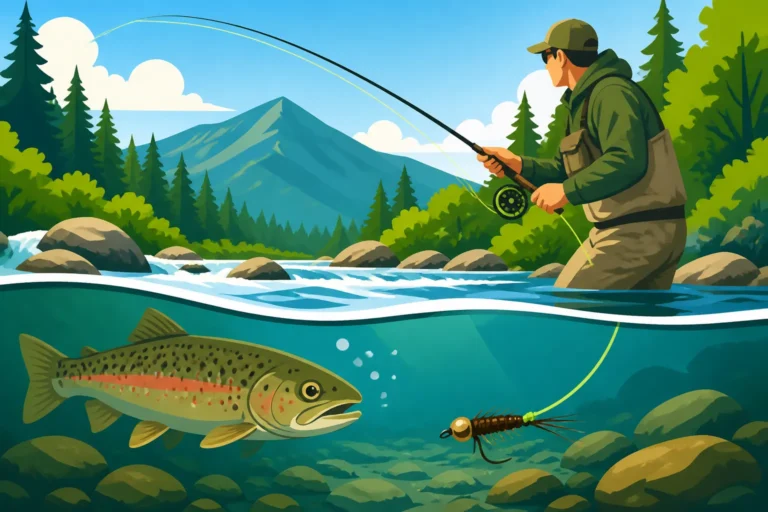
Fly anglers will want to reach for their shortest, lightest outfits. A 6 to 7.5-foot fly rod in a 2 to 4-weight is ideal. This setup allows for accurate, short-distance presentations, roll casts, and even bow-and-arrow casts under tight cover. A matching small-arbor reel with floating line and a 7.5 to 9-foot tapered leader, tipped with 4x or 5x tippet, will give you delicate presentations that won't spook the easily startled trout. Consider checking out travel or pack rods from various brands on Amazon if you need something incredibly compact for long hikes. The key is to prioritize finesse and maneuverability over brute force or casting distance.
Lures and Flies for Wary Trout
When it comes to lures for spinning gear, think small, subtle, and natural. Inline spinners in sizes #00 to #1 are perennial favorites. Brands like Mepps or Panther Martin in gold, silver, or black finishes are excellent choices. Small spoons, no longer than 1.5 inches, also work well, especially those with a fluttering action. Soft plastics, such as tiny grub tails or micro creature baits on a 1/32 or 1/16 oz jig head, can be incredibly effective when slowly retrieved or twitched. Natural colors like brown, olive, or black often outperform brighter, more aggressive options in these clear, intimate waters. Sometimes, even a classic worm under a tiny bobber can be unbeatable.
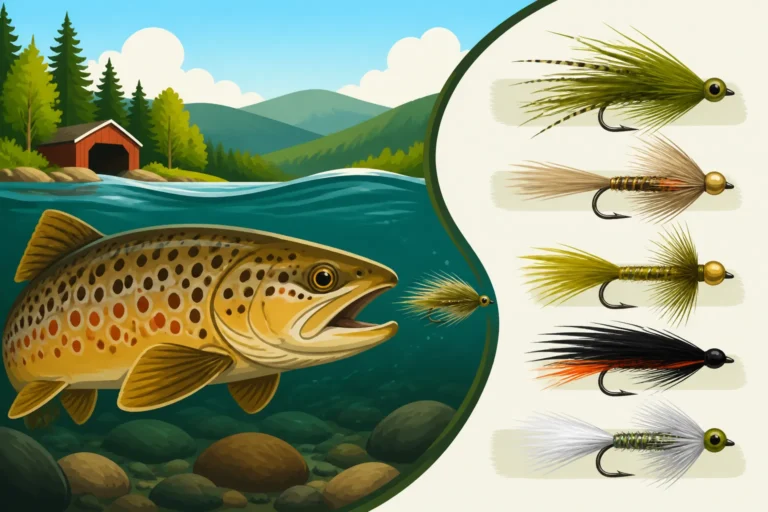
For fly fishing, a diverse selection of patterns will serve you well. For surface activity, carry some small dry flies like Adams, Elk Hair Caddis, or Parachute BWO in sizes 14-18. Terrestrials like small ant or beetle patterns can also be dynamite during summer and fall. If the fish aren't looking up, a variety of nymphs such as Prince Nymphs, Hare's Ears, and Pheasant Tails in sizes 12-16 are essential. Don't forget a few small streamers like Woolly Buggers (black, olive, or brown) in sizes 8-12, or even a smaller muddler minnow pattern, to imitate baitfish or larger insects. Having a good selection in a compact fly box is critical for adjusting to the conditions of the day. Remember, the presentation is often more important than the exact pattern in these sensitive environments. You'll also want to carry extra tippet material, in case you need to go finer for particularly spooky fish, which you can easily stock up on via Amazon.
Stealth and Precision: Mastering Beaver Pond Tactics
Fishing beaver pond streams isn't just about showing up with the right gear; it's about adopting a mindset of stealth, observation, and precision. These trout are wild, highly aware of their surroundings, and will vanish at the slightest disturbance. Your approach and presentation are often more critical than the specific fly or lure you're using.
The Art of the Quiet Approach
Before you even make your first cast, you need to master the quiet approach. Imagine you're hunting, not just fishing. Trout in these small, clear waters are acutely sensitive to vibrations on the bank, sudden movements, and shadows. Always approach the water slowly and deliberately. Use any available cover – trees, bushes, tall grass – to break up your silhouette. Stay low, even crawling on your knees if the banks are exposed. Avoid heavy footsteps that send vibrations through the ground and into the water.
When you reach the water's edge, pause. Take a moment to observe the pond. Look for rises, ripples, or any signs of fish activity. Try to spot potential holding lies: submerged logs, deep pockets, current breaks, or undercut banks. Often, the trout will be holding tight to cover, waiting to ambush prey. Plan your cast before you make it, considering where you'll stand, how your shadow falls, and the best angle to present your offering without spooking any fish. Remember, the first cast into a promising spot is often your best, so make it count. Avoid unnecessary wading; if you must enter the water, do so slowly and quietly, disturbing the bottom as little as possible. This careful approach is fundamental to success in these wild places.
Pinpoint Casting and Presentation
Due to the often-tight quarters and the wariness of the fish, pinpoint casting and delicate presentation are paramount. Forget long, sweeping casts; here, it's all about accuracy and subtlety. For spin anglers, practice short, controlled pitches or roll casts that land your lure softly. You want your offering to enter the water with minimal splash, mimicking a natural insect or baitfish falling into the stream. For fly anglers, mastering the roll cast, bow-and-arrow cast, or a simple dapping technique can be a game-changer when overhead casting is impossible. The goal is to get your fly or lure to the desired spot quickly and gently.
Once your offering is in the water, focus on a natural drift or retrieve. For dry flies and nymphs, allow them to float freely with the current, as if they were unattached insects. Any drag or unnatural movement will be a red flag for wary trout. For lures, a slow, steady retrieve that mimics a struggling baitfish or insect is often best. Twitching soft plastics or small jigs slightly can also entice a strike. Be prepared for a strike immediately after your lure or fly lands, especially if it hits a prime feeding lane. These wild trout can be aggressive once they decide to commit, but they require a perfect presentation to do so. Often, fishing a How to fish a run and pool trout stream can provide insight into reading similar pockets in beaver ponds.
Reading the Water for Hidden Trout
Beaver ponds, despite their seemingly uniform appearance, are full of subtle features that indicate where trout might be holding. Learning to "read the water" is crucial for efficient fishing. Start by identifying the main current flow. Even in slow-moving water, there will be seams and eddies where current speed changes, creating natural collection points for food. Trout will often sit just out of the main current, expending less energy while waiting for food to drift by.
Look for structure. Submerged logs, fallen trees, beaver-chewed stumps, and undercut banks are prime real estate for trout seeking shelter and ambush points. Cast your lure or fly as close to these structures as possible without getting snagged. Often, a trout will dart out from under a log to grab your offering. Pay attention to changes in depth; deeper pockets, often found directly below the beaver dam or in wider sections of the pond, offer cooler water and more security for larger fish. Also, observe the vegetation – thick beds of aquatic plants can hold insects and baitfish, attracting trout. Even subtle breaks in the vegetation can create ambush points. By carefully observing these features, you can significantly increase your chances of finding and catching these elusive trout.
Optimal Times and Conditions for Beaver Pond Success
Just like any other type of fishing, timing and conditions play a huge role in your success when targeting trout in beaver pond streams. While these waters can hold fish year-round, knowing when to go and what conditions to look for can turn a frustrating outing into a memorable one. Understanding the nuances of Vermont Trout Season and Stocking Rules is always a good starting point, but beaver ponds have their own rhythm.
Seasonal Opportunities
Spring, especially during the weeks following ice-out, is often a prime time to fish beaver ponds in Vermont. The water is cold and oxygenated, and trout are actively feeding after a long winter. As the weather warms, insect hatches begin, providing abundant food. This is when you might see active rises to dry flies. Early summer can also be excellent, particularly during cooler periods or in ponds fed by very cold springs. However, as summer progresses and air temperatures soar, many shallow beaver ponds can warm up quickly, making fishing tougher and potentially stressing the fish. If you fish during warmer periods, focus on the deepest parts of the pond or areas with noticeable cold water input.
Fall is another fantastic season for beaver pond trout. The cooler air temperatures bring stream temperatures back down, invigorating the fish. They become more aggressive as they prepare for winter, and insect activity can still be strong, especially with terrestrial insects like grasshoppers and ants making their way into the water. Plus, the vibrant fall foliage adds an incredible backdrop to your fishing adventure. When planning your trip, consider the Best time of year for trophy brook trout in Vermont as these wild fish thrive in cooler conditions.
Daily Rhythms and Weather Patterns
Trout in beaver ponds, like most fish, tend to be most active during certain times of the day. Generally, dawn and dusk are the most productive periods. The low light conditions make the trout feel more secure, encouraging them to move out from cover and actively feed. During bright midday sun, they'll often retreat to the deepest, most heavily shaded cover, becoming much harder to entice. Overcast days, however, can provide excellent fishing throughout the day, as the diffused light reduces shadows and makes the fish less wary.
Weather patterns also play a significant role. A light, steady rain can sometimes turn on the bite, as the rain washes terrestrial insects into the water and breaks up the surface, making presentations less alarming to the fish. Fishing immediately after a rain shower, when the water might be slightly discolored but not muddy, can also be productive. Conversely, a sudden cold front can shut down the bite as fish become sluggish. Always check the forecast before heading out and try to time your trips for stable, cooler conditions with either overcast skies or low light. For more insight into related gear, consider browsing Best Gear for Vermont Trout Fishing and Best waders for Vermont Trout Streams to ensure you're prepared for whatever weather Vermont throws at you.
Table of Recommended Gear and Tactics for Beaver Pond Streams
| Category | Recommended Item/Tactic | Why It's Effective in Beaver Ponds |
|---|---|---|
| Rods | 5-6 ft Ultralight Spinning or 2-4 wt, 6-7.5 ft Fly Rod | Easy maneuverability in tight, brushy areas; delicate presentations. |
| Reels | Small 1000-2000 Spinning or Small Arbor Fly Reel | Balances light rods; smooth drag for small lines. |
| Line/Leader | 4-6 lb Mono/Fluorocarbon or 4x-5x Fly Tippet | Reduced visibility in clear water; strong enough for snags but maintains finesse. |
| Lures (Spin) | #00-#1 Inline Spinners, 1-1.5 inch Small Spoons | Small profile, natural action; effective for aggressive strikes. |
| Flies (Fly) | Small Dry Flies (14-18), Nymphs (12-16), Small Streamers (8-12) | Mimics abundant insect life; versatility for surface or subsurface feeding. |
| Waders | Breathable Chest Waders with sturdy boots | Essential for accessing difficult spots and staying dry; protective against brush. |
| Footwear | Felt-soled or Rubber-soled Wading Boots | Good traction on muddy banks and slippery, submerged debris. See Wading Techniques for Vermont Trout Streams |
| Net | Small, soft mesh landing net | Protects delicate trout for catch and release; easy to manage in tight spaces. |
| Bug Repellent | Strong DEET-based or natural alternative | Mosquitoes and black flies can be intense, especially in shaded, damp areas. |
| Casting Tactic | Short, Accurate Pitches/Roll Casts | Overcomes overhanging vegetation; minimizes splash to avoid spooking fish. |
| Approach Tactic | Stealthy, Low Profile Movement | Trout are highly wary; minimizes vibrations and visual disturbance. |
| Observation | Scan for rises, structure, depth changes, current breaks | Identifies prime holding and feeding lies before making a cast. |
Embrace the Wildness
Fishing beaver pond streams in Vermont is an experience unlike any other. It’s a chance to truly connect with the wilder side of our state, to hike into places where few others tread, and to test your skills against some of the wariest, yet most beautiful, trout around. It's not always easy, and you'll likely lose a few lures or flies to submerged timber, but the reward of a shimmering brook trout from a pristine, secluded pond is truly unparalleled.
Remember that patience and a respectful approach to these delicate ecosystems are key. Each cast is an opportunity to learn, to refine your technique, and to deepen your understanding of what makes these hidden gems so special. Whether you're a seasoned angler or just starting your journey into Fly Fishing for Trout in Vermont, the lessons learned in a beaver pond stream will serve you well across all your fishing adventures. So grab your gear, remember your stealth, and go explore those untamed corners of Vermont; you might just find your new favorite fishing spot.
Disclaimer
This article is for general informational purposes only and does not constitute professional advice. Laws, prices and regulations vary by location and change over time. Consult a qualified professional for guidance on your specific situation.