Best time of year for trophy brook trout in Vermont
For many anglers, the pursuit of a true trophy brook trout in Vermont feels like chasing a ghost. These vibrant, elusive natives, often tucked away in remote, pristine waters, demand patience, knowledge, and perfect timing. If you've ever spent countless hours casting without that magnificent payoff, you know the frustration. This guide will walk you through the optimal times of year to target these incredible fish, offering insights into their behavior and the specific strategies that can lead to that once-in-a-lifetime catch.
The Elusive Appeal of Vermont's Trophy Brook Trout
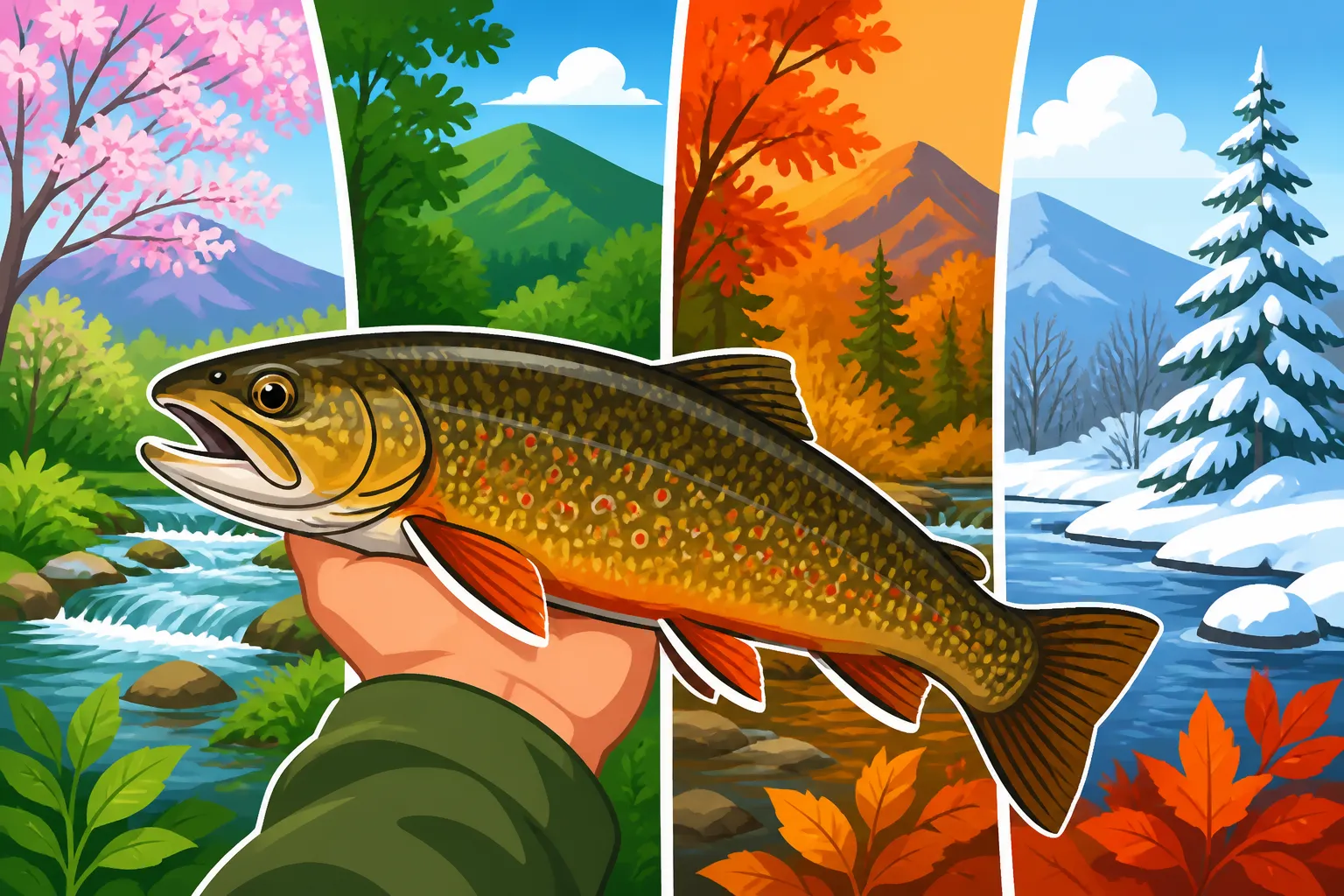
Vermont's brook trout, with their striking vermiculations and fiery orange fins, are more than just a fish; they're a symbol of the state's pristine wilderness. Unlike their stocked cousins, wild brook trout that grow to "trophy" size (which in Vermont, often means anything over 12-14 inches, and truly exceptional fish pushing 16-18 inches or more) are hard-earned prizes. They inhabit cold, clear waters, often in less accessible areas, making their capture a real test of skill and perseverance.
Understanding the Brook Trout Life Cycle in Vermont
To consistently catch trophy brook trout, you first need to understand their natural rhythm. Brook Trout: Vermont's Native Trout are a cold-water species, thriving in temperatures generally below 68°F (20°C). Their metabolism slows dramatically in very cold water, and they become stressed in overly warm water. Their life cycle revolves around feeding, growth, and spawning. Spawning typically occurs in the fall, from September through November, when water temperatures cool. During this period, these fish become highly aggressive and territorial, making them more vulnerable to anglers who know where and when to look. Post-spawn, they are often lean and need to feed heavily to regain condition before winter.
During the warmer months, larger brook trout will often seek thermal refuges—places where cold spring water enters a stream or lake, or simply deeper pools and undercut banks that offer cooler temperatures and shade. They are opportunistic feeders, consuming a wide variety of insects, smaller fish, leeches, and even small amphibians or rodents if the opportunity arises. Understanding these feeding patterns and habitat preferences is crucial, especially when you're looking for that exceptional fish.
Where to Find Native Brook Trout Havens
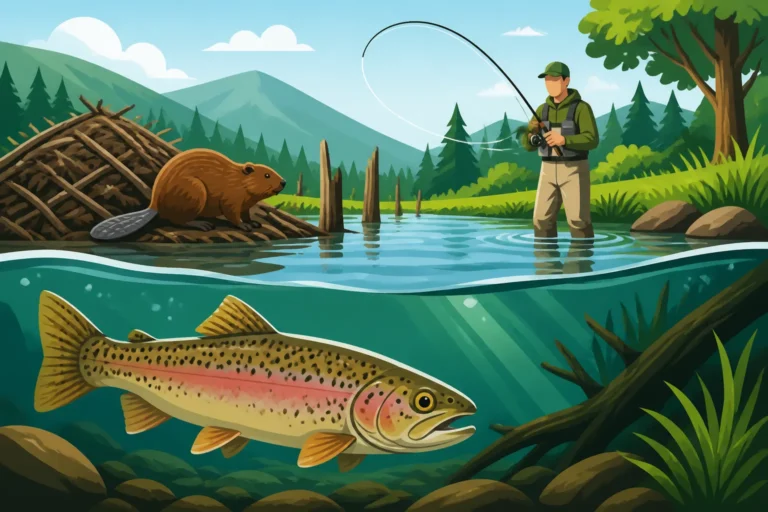
Trophy brook trout aren't found just anywhere. They require specific habitats: cold, highly oxygenated water, ample cover from predators (like logs, boulders, and undercut banks), and a healthy food supply. In Vermont, this often means heading to the headwaters of mountain streams, remote ponds, and specific feeder streams that flow into larger lakes. These areas are typically less pressured by anglers, allowing fish to grow larger.
Consider the Best high-elevation trout streams in the Green Mountains as prime examples. These pristine, cold-water environments are perfect for wild brook trout populations. Similarly, some remote ponds, often accessible only by foot, can hold surprisingly large brookies that have had less interaction with humans. These fish are typically wild, meaning they've had to survive multiple seasons, navigate predation, and outcompete others for food – all factors contributing to their larger size and more cautious nature. Researching specific watersheds and looking for areas with minimal development and dense forest cover can increase your odds of finding these hidden gems.
Pinpointing the Best Seasons for Trophy Brookies
While you can catch brook trout year-round where regulations allow, certain seasons significantly increase your chances of landing a true trophy. It's all about timing your efforts with their most active feeding and breeding cycles.
The Magic of Early Spring and Ice-Out Opportunities
Early spring, right after ice-out, presents a fantastic, albeit often overlooked, opportunity for trophy brook trout. As soon as the ice leaves the lakes and ponds, and stream flows stabilize after the initial snowmelt, brook trout begin to shake off their winter lethargy. Water temperatures are still very cold, but the fish are eager to feed after a long winter of minimal activity. They'll often move into shallower areas, coves, and river mouths where the water warms slightly faster and baitfish or insect activity begins to pick up.
This period, typically late April through May, is characterized by very clear water and hungry fish. They are still relatively lethargic compared to summer, meaning slower presentations can be more effective. Large streamers or small spoons imitating baitfish can be deadly. However, be mindful of spawning areas if you're fishing streams, as some wild trout might still be recovering or even lingering in these critical habitats. Always check the Vermont Trout Season and Stocking Rules to ensure you're fishing legally and responsibly during this crucial post-winter period.
Summer's Challenge and High-Elevation Rewards
Summer can be a challenging time for trophy brook trout, particularly in lower elevation streams, due to rising water temperatures. As mentioned, brook trout are cold-water fish, and prolonged exposure to warm water (above 68°F) can stress them, making catch and release much more lethal. Therefore, during peak summer, your strategy needs to shift dramatically.
This is the time to chase those Best high-elevation trout streams in the Green Mountains. These high-altitude waters stay significantly colder year-round, offering ideal habitat for larger brook trout even in July and August. Focus your efforts during the cooler parts of the day, typically dawn and dusk, or after a significant rain event that cools the water. Look for deep pools, areas with consistent spring inputs, and heavy overhead cover. Think small streams, often requiring significant hiking, where the fish are wild and wary. This isn't a numbers game; it's about targeting quality over quantity in challenging conditions. Dry fly fishing can be exceptionally rewarding on these waters if you match the hatch effectively.
Fall: The Peak Window for Brilliant Brook Trout
Without a doubt, fall is often considered the absolute best time of year to target trophy brook trout in Vermont. As water temperatures begin to drop in September and October, mimicking their ideal range, brook trout become incredibly active. This is their pre-spawning and spawning period, and their colors intensify, becoming breathtakingly vibrant. The males develop a prominent kype (hooked jaw) and take on incredibly rich reds and oranges.
During this time, brook trout are aggressive feeders, building up energy for spawning, and they are also highly territorial, making them more likely to strike at intruders. They move into shallower gravelly areas of streams and tributaries to prepare their redds (spawning nests). Larger fish, in particular, will be on the move and incredibly visible. This is a time when a well-presented streamer or even a larger dry fly can elicit explosive strikes. The cooler air, vibrant foliage, and active fish make for an unforgettable fishing experience. However, always exercise extreme caution and responsible angling practices during the spawn. If you're catching fish actively engaged in spawning, consider moving to another location to minimize disturbance to these vital populations.
Advanced Tactics for Hooking a Vermont Trophy
Landing a trophy brook trout isn't just about being in the right place at the right time; it also demands refined techniques and a deep understanding of their behavior. These are wild fish, often living in unforgiving environments, and they won't give themselves up easily.
Presentation is Key: Fly Fishing Strategies
For many trophy brook trout anglers, fly fishing is the method of choice, and for good reason. It allows for incredibly delicate presentations, especially critical in the clear, often shallow waters where these fish reside. When targeting larger brookies, think beyond the typical small dry flies and nymphs. While those certainly have their place, especially for general trout fishing, bigger fish often mean bigger meals.
- Streamer Fishing: This is arguably the most effective technique for trophy brook trout, especially in fall and early spring. Larger brookies are apex predators in their small ecosystems, and they're not shy about chasing down baitfish. Focus on streamers that imitate sculpins, dace, or juvenile trout. Colors like olive, black, white, and brown work well. Fish them with short, erratic strips or swings through deep pools, undercut banks, and current seams. A heavier fly rod, perhaps a 5- or 6-weight, can help cast larger streamers, which you can easily find on Amazon.
- Dry-Dropper Rigs: In summer, when trout are looking up but also feeding subsurface, a dry-dropper rig can be deadly. Use a buoyant dry fly (like a larger stimulator or hopper pattern) as an indicator and attach a small nymph or even a micro-streamer beneath it. This allows you to cover both water columns.
- Euro Nymphing: For those tight, technical mountain streams with deep pockets and fast currents, Euro nymphing is an incredibly efficient method. It allows for precise depth control and detection of subtle strikes without using an indicator. Focus on tungsten-bead nymphs in natural colors.
Remember, stealth is paramount. Trophy brook trout are incredibly wary. Approach carefully, use long leaders, and make accurate casts. Consider learning more about Fly Fishing for Trout in Vermont to hone your skills for these challenging fish.
Smart Spin Fishing for Aggressive Brookies
While fly fishing often takes center stage, spin fishing can be incredibly effective for trophy brook trout, especially for those new to trout fishing or when conditions (like heavy brush or wind) make fly casting difficult. The key is to use ultralight tackle and appropriate lures that mimic their natural prey without being overly intrusive.
- Small Spinners: Classic inline spinners like Mepps Aglia, Panther Martin, or Rooster Tail in sizes #0 to #2 are consistently effective. Gold, silver, and black blades with squirrel tail or hackle dressings are excellent choices. Cast them upstream and retrieve just fast enough to get the blade spinning, letting the current impart natural action.
- Micro Spoons: Small casting spoons, like those from Little Cleo or Kastmaster, in 1/16 to 1/8 ounce, can imitate small baitfish or dying insects. They cast well and have an enticing wobble on the retrieve. Silver, gold, or brass finishes often work best.
- Jigs with Soft Plastics: Tiny jigs (1/32 to 1/16 ounce) tipped with small grub tails (like those from Berkley PowerBait or Rapala) or even a piece of worm can be incredibly effective, especially in deeper pools or slower currents. Fish them with a subtle twitch-and-pause retrieve.
The advantage of spin fishing is the ability to cover water quickly and cast into tight spots. Choose lures that don't make a huge splash when they hit the water, and retrieve them with varied speeds to find what the fish are looking for that day. For a complete overview of what tackle to bring, check out a guide on Best Tackle for Vermont Trout Fishing.
Reading the Water for Hidden Giants
Understanding where trophy brook trout hold is critical. They are ambush predators and will position themselves in places that offer safety, camouflage, and easy access to food. Look for:
- Deep Pools: Especially those with structure like large boulders, submerged logs, or undercut banks. These offer shelter from currents and predators, and often have cooler water.
- Current Seams: The transition zone between fast and slow water is a prime feeding lane. Trout will often sit just outside the main current, waiting for food to be delivered to them.
- Undercut Banks and Overhanging Vegetation: These spots provide excellent cover and shade, keeping the water cooler and the fish hidden from aerial predators.
- Pocket Water: In fast-flowing mountain streams, look for small, calmer pockets behind rocks or logs. Even a small patch of calm water can hold a surprisingly large brook trout.
- Confluences: Where two streams meet, or a small tributary flows into a larger one, is often a hotspot. These areas bring together different food sources and offer varied current speeds.
A useful table for different seasons and water types might look something like this:
| Season | Water Type & Location Focus | Preferred Lure/Fly Type | Retrieve/Presentation Speed | Key Considerations |
|---|---|---|---|---|
| Early Spring | Lake/Pond Shallows, Stream Mouths, Lower Rivers | Small Streamers, Micro Spoons | Slow to Moderate | Post-winter hunger, still lethargic, clear water |
| Summer (Warm) | High-Elevation Streams, Spring Seeps, Deep Pools | Dry-Dropper, Small Nymphs | Slow, delicate | Heat stress, low oxygen, focus on cooler periods/locations |
| Fall (Pre-Spawn) | Mid-to-Upper Reaches of Rivers, Gravelly Runs | Larger Streamers, Wets, Spinners | Moderate to Aggressive | Pre-spawn aggression, vibrant colors, territorial fish |
| Fall (Spawning) | Spawning Redd Areas, Slow Current Sections | Avoid Direct Targeting | N/A | Practice extreme catch & release, minimize disturbance |
When scouting for these spots, think about the entire ecosystem. Are there signs of insect life? Is the water temperature optimal? What kind of cover is available? The more details you observe, the better your chances of locating that trophy fish.
Essential Gear for Your Trophy Brook Trout Expedition
Having the right tools for the job can make all the difference, especially when you're pursuing wary, wild brook trout in Vermont's diverse landscapes. Don't underestimate the importance of reliable gear.
Rods, Reels, and Lines for Delicate Presentations
For fly anglers chasing brook trout, a lightweight setup is generally preferred, but for trophy fish, you might want to slightly bump up your gear.
- Fly Rods: A 3-weight or 4-weight fly rod is versatile for most Vermont trout streams. However, if you're consistently throwing larger streamers or fishing bigger water, a 5-weight can provide more backbone for casting and fighting larger fish. Brands like Orvis, Redington, and Sage offer excellent options. You can find a wide selection of Best Fly Rods for Vermont Trout Streams online.
- Fly Reels: Match your reel to your rod weight. A click-and-pawl or a lightweight disc drag reel is sufficient. The primary function is line storage, as you'll be fighting most brook trout by hand-lining.
- Fly Lines: A weight-forward floating line is standard. For streamer fishing, a sink-tip line can be beneficial to get your fly down quickly in deeper pools.
- Leaders and Tippet: Long leaders (9-12 feet) and fine tippet (5X or 6X) are essential for stealth, especially in clear water. For larger streamers, you might go down to 3X or 4X.
For spin anglers, an ultralight setup is key:
- Spinning Rods: A 5' to 6'6" ultralight or light action spinning rod is ideal. This allows for accurate casts of small lures and provides good sensitivity for detecting subtle bites.
- Spinning Reels: A 500 or 1000 size spinning reel, spooled with 4-6 pound test monofilament or fluorocarbon line, is perfect. Monofilament offers good knot strength and shock absorption, while fluorocarbon offers near invisibility and increased sensitivity. You can often find great deals on these combos on Amazon.
Must-Have Lures and Flies
Beyond the general categories mentioned earlier, having a specific arsenal can increase your success rate.
- Flies for Trophy Brook Trout:
- Streamers: Woolly Buggers (olive, black, brown), Sculpin patterns, Muddler Minnows. Sizes #4 to #10.
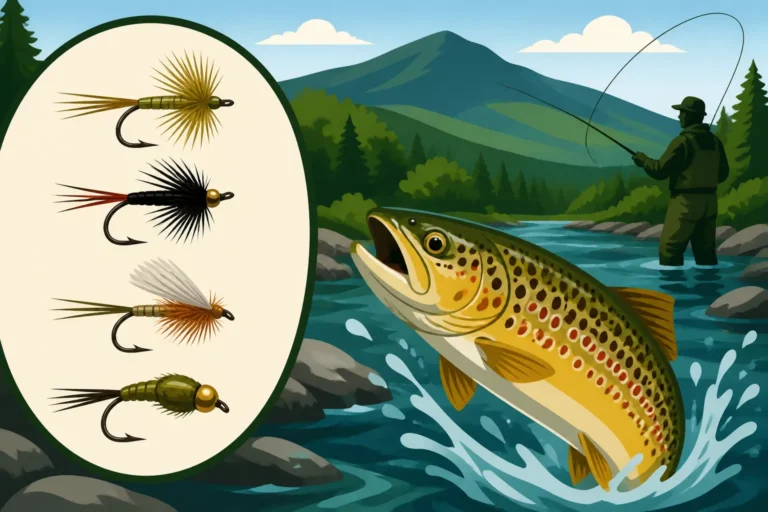
- Nymphs: Pheasant Tail, Hare's Ear, Prince Nymph, Squirmy Wormy. Sizes #12 to #18.
- Dry Flies: Elk Hair Caddis, Adams, Parachute Adams, Stimulator, Terrestrials (hoppers, ants) in summer. Sizes #10 to #16.
- For fall, larger egg patterns or bright, attractor flies can sometimes provoke a strike from a territorial male. Knowing the Best Fly Patterns for Vermont Trout Streams can give you an edge.
- Lures for Trophy Brook Trout:
- Spinners: Mepps Aglia, Panther Martin, Rooster Tail. Colors: silver, gold, copper, black. Sizes #0 to #2.
- Spoons: Little Cleo, Kastmaster. Colors: silver, gold, five of diamonds. Sizes 1/16 to 1/8 oz.
- Jigs: Small marabou jigs or plastic grub jigs. Colors: white, black, olive, brown. Sizes 1/32 to 1/16 oz.
- Small crankbaits or jerkbaits that imitate baitfish can also be effective in larger pools or ponds. Look for high-quality, realistic options on Amazon.
Always bring a variety of options. What works one day might be ignored the next. It's often about finding the right presentation and imitation for the conditions at hand.
Wading and Safety Essentials
Chasing trophy brook trout often means venturing into rugged, slippery, and sometimes remote terrain. Your personal safety and comfort are paramount.
- Waders and Boots: Quality chest waders are a must for Vermont's cold waters. Breathable waders are great for warmer weather, but neoprene might be more comfortable in early spring or late fall. Pair them with sturdy wading boots that have good ankle support and felt or rubber soles with studs for traction on slippery rocks. A sturdy wading staff, available on Amazon, is highly recommended for navigating swift currents and uneven streambeds.
- Clothing: Layering is key in Vermont's unpredictable weather. Bring moisture-wicking base layers, insulating mid-layers, and a waterproof/windproof outer shell. Even in summer, mountain evenings can get chilly.
- Navigation and Communication: A detailed map (physical and/or digital on your phone with downloaded maps), compass, or GPS device is crucial for remote areas. Inform someone of your itinerary and expected return time. A fully charged phone or satellite messenger could be a lifesaver.
- First Aid and Supplies: A small, well-stocked first-aid kit, plenty of water, high-energy snacks, a headlamp, and a multi-tool should always be in your pack.
- Bear Spray: While rare, encountering black bears is possible in Vermont's wilderness. Knowing how to use bear spray and having it readily accessible is a wise precaution.
- Landing Net: For trophy brook trout, a rubber-mesh landing net is ideal. It's gentle on the fish, helping to ensure a healthy release, and prevents hooks from getting tangled.
Being prepared not only ensures your safety but also allows you to focus on the fishing, increasing your chances of finding that magnificent, vividly colored Vermont trophy brook trout.
Disclaimer
Please be aware that fishing regulations in Vermont can change. Always consult the official Vermont Fish & Wildlife Department website or a current copy of the Vermont Fishing Guide before heading out. This guide provides general information and best practices, but it is your responsibility to comply with all current laws and regulations. Practice ethical angling, respect private property, and prioritize catch and release for trophy-sized fish to help conserve these incredible resources for future generations.