Fly Patterns for Vermont Trout Streams
Feeling overwhelmed by the sheer number of fly patterns out there when you're just trying to figure out what to tie on for a Vermont trout stream? You're not alone. It can feel like a secret language, trying to guess what tiny insect those wily Vermont trout are keying in on. This guide is here to demystify the world of fly patterns, breaking down the essentials you'll need to confidently approach the rivers and streams of the Green Mountain State, ensuring you spend less time guessing and more time catching.
Understanding Vermont's Trout Species and Their Diet
Before you even think about which fly to tie on, it's crucial to understand the fish you're targeting and what they naturally feed on. Vermont is home to several trout species, each with slightly different preferences and habitats. Knowing this fundamental information is like having a secret weapon in your fly box.
Native Brook Trout Preferences
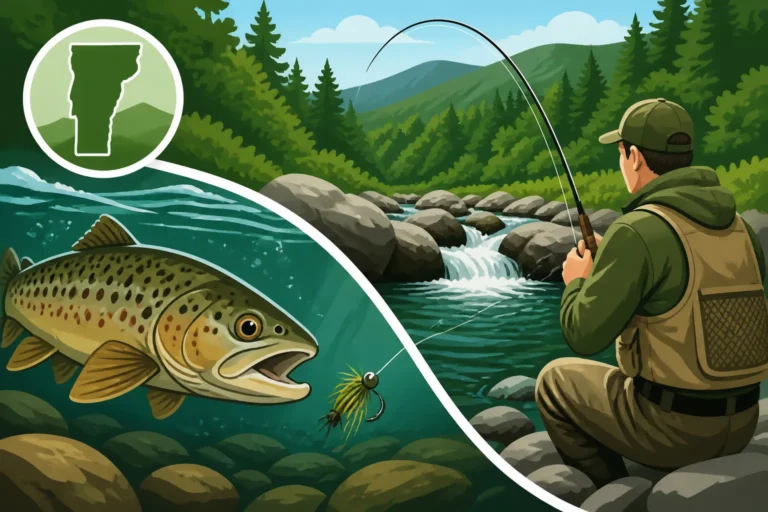
Vermont's native brook trout, with their vibrant colors and distinctive worm-like markings, are often found in the colder, smaller, and higher-elevation streams. These aren't your sophisticated, highly selective brown trout; brookies are generally opportunistic feeders. Their diet primarily consists of insects that fall into the water from streamside vegetation – think ants, beetles, and small caterpillars. They also readily consume smaller aquatic insects that live within the stream itself, like caddisfly larvae and tiny mayfly nymphs.
When targeting brook trout, simplicity often reigns supreme. You don't need highly technical patterns. Instead, focus on smaller, natural-looking dry flies during the warmer months, such as tiny stimulators or traditional patterns like the Adams. When they're not looking up, a small, weighted nymph or a simple wet fly drifted through deeper pockets can be incredibly effective. Remember, these fish live in an environment where a sudden meal falling from a branch is a common occurrence, making them less prone to scrutinizing every detail of your offering.
Brown and Rainbow Trout in Larger Rivers
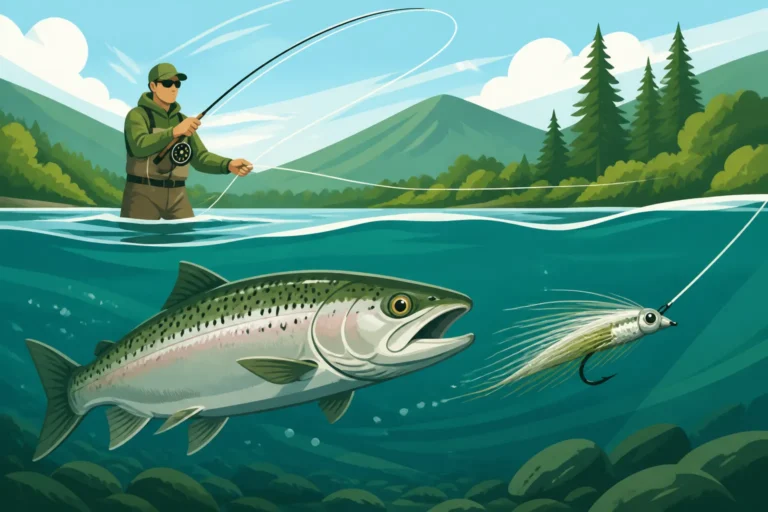
Move to Vermont's larger rivers and more fertile waters, and you'll encounter brown and rainbow trout. These fish, especially the larger, wilder specimens, are often much more discerning than their brook trout cousins. Their diets are broader and more varied, reflecting the richer aquatic ecosystems of these bigger waterways. Browns and rainbows will feed heavily on a wide array of aquatic insects, including various species of mayflies, caddisflies, and stoneflies, through all their life stages – nymph, emerger, and adult.
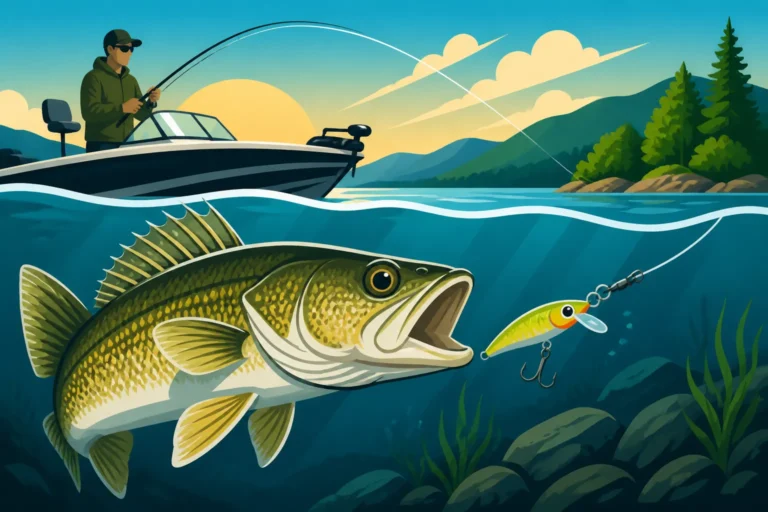
Beyond the insect menu, larger brown trout, in particular, are known predators. They're not shy about chasing down baitfish like sculpins, dace, and juvenile suckers. This means that while delicate dry flies and nymphs are essential, you'll also want to consider carrying streamers that imitate these larger food sources. Rainbow trout, while also opportunistic, tend to be more keyed into aquatic insect hatches and can be incredibly acrobatic fighters when hooked on a dry fly. Understanding these dietary differences is the first step in selecting the right fly for the right fish and water.
Matching the Hatch Philosophy
"Matching the hatch" is a cornerstone of fly fishing, and it's especially crucial for success on Vermont's more challenging trout waters. It refers to the practice of selecting a fly pattern that closely imitates the size, shape, and color of the natural insects that trout are currently feeding on. When a specific insect species is emerging in large numbers, trout often become highly selective, ignoring everything else in favor of that abundant food source.
Vermont's diverse entomology means that different rivers and streams will have different dominant hatches at various times of the year. For instance, the famed Battenkill River might have strong Trico hatches in late summer mornings, requiring tiny dry flies. Meanwhile, the Winooski River could be experiencing a significant caddisfly emergence, calling for different patterns entirely. A successful angler pays close attention to the water: are there insects flying? Are trout rising, and if so, what kind of splash are they making? Collecting a natural insect and comparing it to your fly patterns can be a game-changer. Carrying a small magnifying glass or even just taking a good look at the real thing can help you select the appropriate size and color imitation from your fly box. This thoughtful approach, rather than just blindly casting, is often what separates a good day from a great one.
Essential Aquatic Insect Imitations for Vermont
Vermont's trout streams are teeming with aquatic insect life, and knowing which patterns imitate the most common and important species is vital for consistent success. These insects represent the bulk of a trout's diet for much of the year.
Mayfly Patterns for Key Hatches
Mayflies are perhaps the most iconic group of insects in fly fishing, known for their delicate, upright wings and their "hatch-and-spinner fall" life cycle. Vermont waters see a variety of significant mayfly hatches throughout the season.
In the early spring, as water temperatures slowly begin to rise, you might encounter hatches of Hendricksons (Ephemerella subvaria). These are medium-sized mayflies, often appearing in shades of reddish-brown. Effective patterns for this hatch include the classic Hendrickson dry fly, a Hare's Ear Nymph to imitate the subsurface nymphs, or an unweighted compara-dun for emergers. As spring progresses into early summer, Sulphurs (Ephemerella dorothea) can provide incredible dry fly fishing, especially in the evenings. These smaller, yellowish-orange mayflies are well-imitated by Sulphur comparaduns or cripples, and a CDC & Elk can work wonders.
Later in the season, particularly during warmer summer evenings, the larger Cahills (Stenonema vicarium) emerge, presenting a beautiful cream-colored profile. Light Cahill dry flies, either traditional or parachute styles, are indispensable. And speaking of small, widespread, and critically important, you can't overlook Blue-Winged Olives (Baetis species), or BWO's. These tiny, dark mayflies hatch on overcast, cool days and even during mild winter spells, requiring diminutive patterns like the BWO Parachute, Biot Emerger, or a small Pheasant Tail Nymph. Having a selection of sizes from #18 to #24 for these little guys is crucial, and you can find a solid starter pack of these essential patterns on Amazon.
Caddisfly Imitations for Year-Round Success
Caddisflies are often the unsung heroes of a trout's diet, even more prevalent than mayflies in many Vermont streams, especially the freestone rivers. Unlike mayflies, caddisflies undergo a complete metamorphosis, with distinct larval, pupal, and adult stages that trout feed on throughout the year.
The larval stage of caddis is typically spent in a case built of small stones, sticks, or silk, clinging to the streambed. Imitations like the Peeking Caddis or a simple Green Rock Worm are great for prospecting deep runs. When it's time to emerge, caddisfly pupae swim actively to the surface, making them a vulnerable and attractive meal. Patterns like LaFontaine's Emergent Sparkle Pupa or a Tungsten Soft Hackle Hare's Ear can perfectly mimic these ascending insects.
Finally, the adult caddisfly, with its tent-shaped wings, is a vital food source when trout are looking up. The Elk Hair Caddis is arguably the most versatile and effective caddis dry fly ever created, working in a multitude of colors and sizes to imitate the various species found in Vermont. Don't forget the importance of skittering or twitching your caddis dry fly on the surface; unlike mayflies, adult caddisflies often flutter and move, and this subtle action can trigger aggressive strikes. Having a variety of Elk Hair Caddis in tan, olive, and natural deer hair colors will serve you well.
Stonefly Patterns for Big Bites
Stoneflies are robust insects, often found in cleaner, well-oxygenated rivers and streams. While their hatches aren't as prolific or widespread as mayflies or caddisflies, their larger size makes them a significant meal for trout, especially bigger fish. Trout will gorge themselves on stonefly nymphs throughout the year, but particularly in late winter and early spring before the water warms too much.
When mimicking stonefly nymphs, you'll want patterns that are hefty and get down deep. The Pat's Rubber Legs (also known as the Girdle Bug in some circles) is an absolute powerhouse. Its rubber legs provide incredible lifelike movement in the current, and its dark, segmented body is a perfect imitation for many of Vermont's stonefly species. Other excellent nymph patterns include the 20 Incher Stone and the Montana Nymph. These patterns work best fished deep, often under an indicator, or as the anchor fly in a multi-nymph rig.
During a stonefly hatch, which can be sporadic but exciting, large dry fly imitations are key. The Stimulator is a classic and versatile pattern that can represent a variety of large adult stoneflies, as well as caddisflies or even terrestrials. Another excellent choice is the Chubby Chernobyl, a foam-bodied attractor that floats well and presents a substantial meal. Stoneflies are less numerous than other aquatic insects, but when you find them, they often mean big trout and aggressive takes. For fishing larger waters like the Winooski River, these bigger, bulkier patterns are often what it takes to get noticed.
Terrestrial and Attractor Patterns: When Aquatic Insects Aren't Enough
Sometimes, trout aren't interested in the latest mayfly hatch or what's crawling on the bottom. Perhaps there's no hatch, or maybe they're just in a mood for something different. This is where terrestrials and attractor patterns shine, offering a change of pace that can often trigger strikes when nothing else will.
Summer Terrestrials: Ants, Beetles, and Hoppers
As Vermont's summer progresses and streams warm up, the importance of aquatic insect hatches can sometimes wane, or the hatches become very sporadic and difficult to predict. This is prime time for terrestrials – land-dwelling insects that accidentally fall into the water from overhanging vegetation. Trout become highly opportunistic, keenly aware that a juicy grasshopper or an unsuspecting ant might tumble into their feeding lane.
Ants are small but incredibly important. They're present all season long but become especially relevant in summer. Both black and cinnamon patterns, often in sizes #16-#20, are indispensable. A simple foam ant pattern or a traditional parachute ant can be deadly, especially in slower pools or under shaded banks where natural ants are likely to fall. Beetles, too, are a significant food source. From small ladybugs to larger Japanese beetles, these crunchy morsels are irresistible to trout. Foam beetle patterns, such as the Black Beetle or the Madam X, are excellent choices, offering great buoyancy and a realistic profile.
And then there are Hoppers – grasshoppers and crickets. When these larger insects are abundant in the fields adjacent to Vermont's rivers, trout can become incredibly aggressive, targeting them with explosive rises. Dave's Hopper, the Fat Albert, or a Morrish Hopper are fantastic patterns. Fish them along grassy banks, under overhanging trees, or wherever a natural might tumble in. The key with terrestrials is often to plop them down with a bit of a splash, mimicking a real insect falling into the water. This can often grab a trout's attention much more effectively than a delicate presentation.
General Attractor Patterns
Attractor patterns are flies that don't specifically imitate any single natural insect but rather "attract" trout by their suggestive shape, color, or overall fishy appearance. They often combine elements that trigger a trout's curiosity, aggression, or hunger instinct. These are fantastic flies to start with when you're on unfamiliar water or when trout aren't actively feeding on a specific hatch.
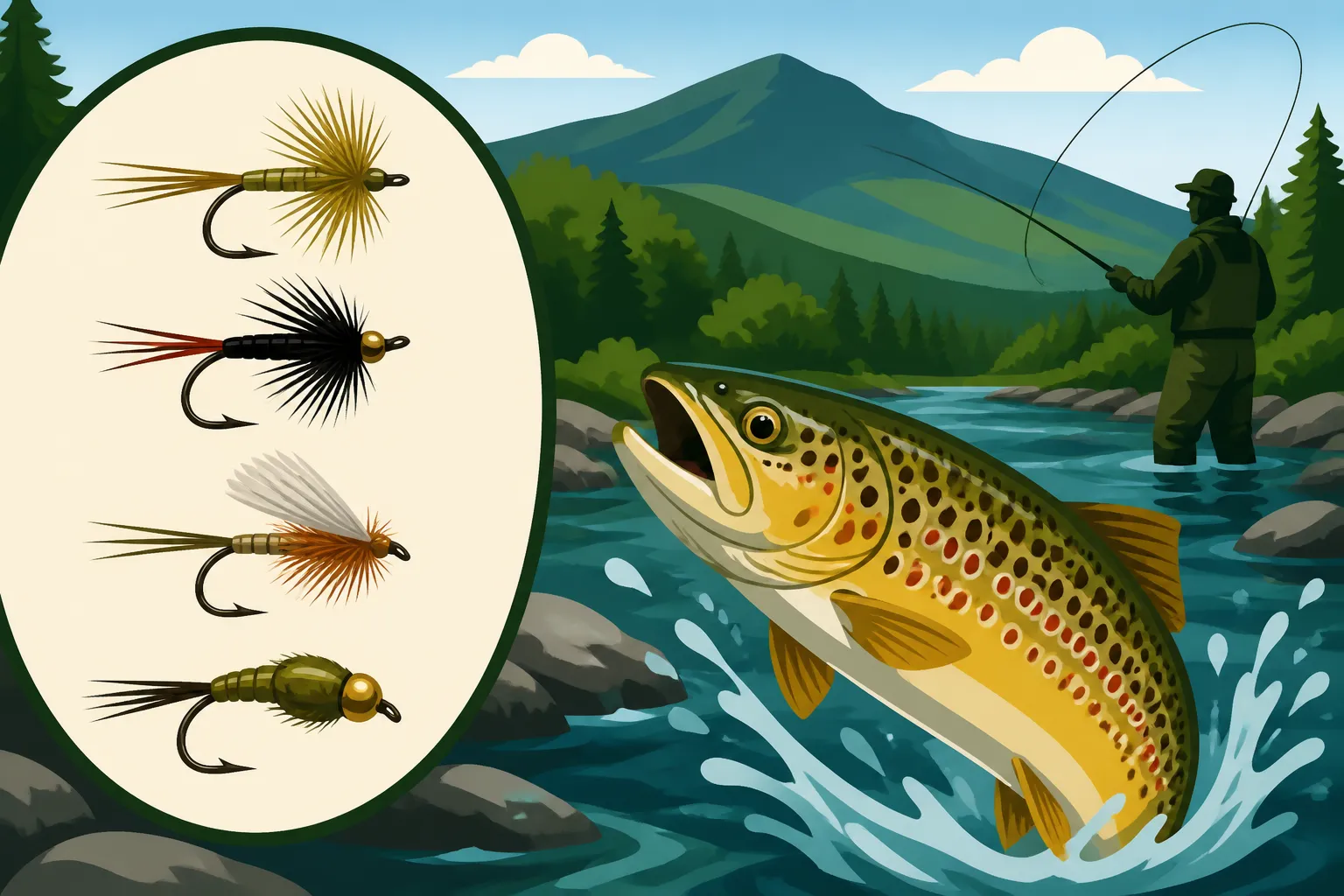
One of the most classic dry fly attractors is the Royal Wulff. With its white calf tail wings and red floss body segment, it's highly visible and floats like a cork, making it an excellent searching pattern, especially on bouncier, faster water. The equally famous Adams (and its parachute variant, the Parachute Adams) is another superb all-around attractor dry fly that can suggest anything from a general mayfly to a small caddis, making it a staple in any Vermont fly box. For sub-surface work, the Prince Nymph is a universally effective attractor. Its distinct white biots and peacock herl body suggest a variety of insects, and its weighted nature gets it down to where the fish are.
The beauty of attractors is their versatility. When you're facing a lull in activity or simply can't discern what the trout are eating, tying on a proven attractor can often break the code. They often provoke a strike even from a fish that isn't actively feeding, simply because it looks like a juicy, easy meal or something that just might be food. Having a few of these reliable workhorses in various sizes can be a real confidence booster on those slower days.
Streamers for Aggressive Trout
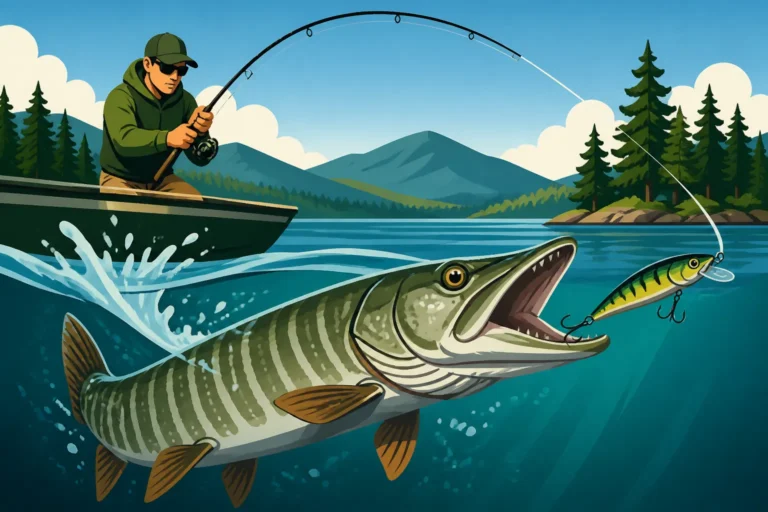
While delicate dry flies and subtle nymphs are often associated with trout fishing, neglecting streamers would be a huge mistake, especially if you're targeting larger brown trout or even opportunistic rainbows in Vermont's bigger rivers and lakes. Streamers are designed to imitate baitfish (minnows, sculpins, juvenile trout), leeches, or other larger prey items that aggressive, predatory trout actively hunt.
For big brown trout lurking in deeper pools or under cut banks, a well-fished streamer can be the most effective fly in your box. The Woolly Bugger is king here – a versatile, pulsating pattern that can imitate everything from a leech to a sculpin or a baitfish. Available in countless colors (black, olive, brown are essentials) and sizes, it's a must-have. Strip it, swing it, jig it – the Bugger always seems to work. Another classic is the Muddler Minnow, which, with its deer hair head, can be fished on the surface to imitate a struggling rodent or fished deep to represent a sculpin.
For clear water conditions, especially in lakes or larger river sections where baitfish are abundant, patterns like the Clouser Minnow (originally a saltwater fly, but deadly for freshwater predators) or various zonker patterns (e.g., Pine Squirrel Zonker, Rabbit Strip Zonker) can be incredibly effective. These flies move with an enticing, lifelike action in the water, often triggering vicious strikes. The key with streamers is to impart action through your retrieve, making them look like wounded or fleeing prey. Don't be afraid to cast them into heavy cover or structure where bigger, more predatory fish tend to hide. For a wide selection of streamer patterns and materials, you can always browse options on Amazon.
Seasonal Fly Pattern Strategies for Vermont Waters
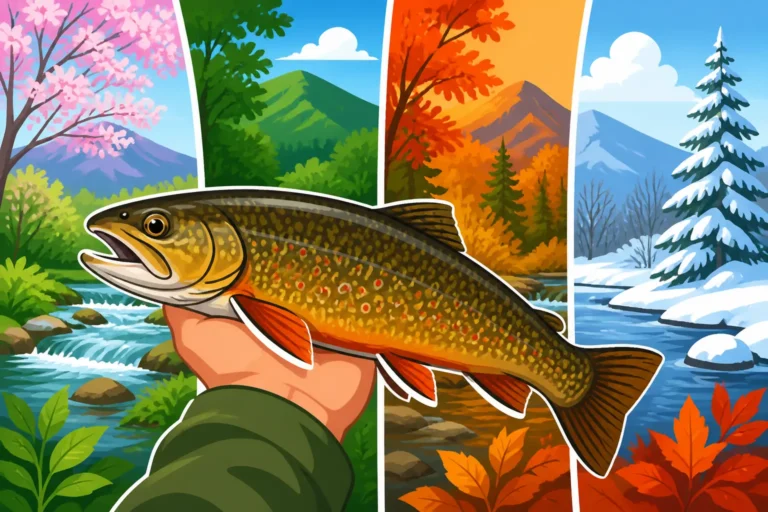
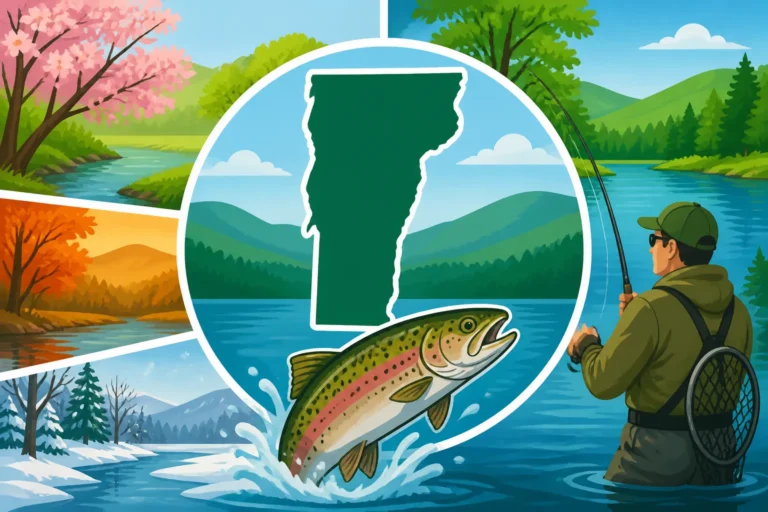
Vermont's fishing seasons bring distinct changes in water conditions, insect activity, and trout behavior. Adapting your fly selection to these seasonal shifts is fundamental for consistent success. What works in April might be completely ignored in August.
Spring: Cold Water and Emerging Hatches
Spring in Vermont, especially around Trout Opening Day, is a time of transition. Meltwater runoff means colder, often higher, and murkier water conditions. Trout, having conserved energy over winter, are eager to feed but might not be looking up yet. This calls for tactics that get your flies down to them.
Initially, in the earliest parts of spring, large, weighted nymphs and attractor patterns are your bread and butter. Think Pat's Rubber Legs or Girdle Bugs to imitate stonefly nymphs, or hefty Prince Nymphs and Hare's Ears to suggest general aquatic insects. These flies need to be fished deep, often under a strike indicator or with a tight-line nymphing technique, to reach trout holding close to the bottom to avoid strong currents. Larger streamers in black or olive, retrieved slowly, can also entice sluggish, post-winter trout looking for an easy meal. This is also a good time to consider heavier tippets as the water color can offer more concealment. Check out our guide on how to catch trout right after stocking in Vermont for more tips specific to opening day.
As spring progresses and water temperatures begin to moderate (typically late April into May), you'll start to see the first significant mayfly and caddisfly hatches. Hendricksons are a key early hatch, followed by some early caddis. Having emerger patterns (like a CDC & Elk or a LaFontaine's Emergent Sparkle Pupa) is crucial, as trout often key in on the struggling insects in the film rather than the fully-hatched adults. The water might still be a bit discolored, so patterns with a bit of flash or a larger profile can help them get noticed.
Summer: Terrestrials and Low Water Challenges
Vermont summers can be glorious for fishing, but they often present new challenges: lower, clearer water, and sometimes higher water temperatures. Trout become warier, and the feeding strategy often shifts from dense aquatic insect hatches to opportunistic feeding on terrestrials.
During peak summer, aquatic insect activity often becomes sporadic, with hatches occurring mainly in the cooler hours of dawn and dusk. Midges and small caddis are still around, but the bulk of the daytime feeding shifts towards terrestrials. This means your fly box should be heavy with ant, beetle, and grasshopper patterns. Foam ants and beetles in sizes #14-#18, and hoppers in #10-#14 are essential. Presentation becomes paramount in low, clear water; long, fine leaders and delicate casts are often required to avoid spooking fish. Think about fishing shaded areas, undercut banks, and around overhanging trees where these land insects are likely to fall in.
When the sun is high and bright, trout will often move into deeper pools, under structure, or into faster, more oxygenated riffles. If terrestrials aren't producing, try small, unweighted nymphs like a Pheasant Tail or a Brassie drifted subtly through these holding lies. During early morning or late evening, keep an eye out for hatches of smaller mayflies (like Sulphurs or Tricos in late summer) or caddis. These low-light hatches can provide some of the most exciting dry fly action of the summer, requiring very precise imitations and delicate presentations.
Fall: Spawners and Aggressive Feeding
Autumn in Vermont is arguably one of the most beautiful times to be on the water, and it can offer some of the year's best fishing for larger trout. As water temperatures cool and daylight hours shorten, trout become incredibly active, feeding aggressively to build up reserves for the upcoming winter and spawning season.
For brown trout, which spawn in the fall, this is prime streamer fishing time. Aggressive males will often strike at larger baitfish imitations not necessarily out of hunger, but out of territoriality or aggression. Woolly Buggers (black, olive, white) and larger articulated streamers are incredibly effective. Fish them deep and strip them erratically to provoke a reaction. Rainbow trout and brook trout also feed heavily, and while they don't spawn until spring, they are very active.
Besides streamers, nymphs remain important, especially as aquatic insect activity wanes. Look for larger stonefly nymphs or attractor nymphs. If you're fishing near spawning areas (be mindful not to disturb redds), egg patterns can be highly effective as trout will often key in on loose eggs. This is also a good time to use some larger, more visible dry flies in the mid-morning when temperatures are cool but insects might still be active. Don't overlook the potential for a late-season BWO hatch on overcast days, which will call for tiny dry flies. Our guide on Best Fall Fishing Spots in Vermont can give you more ideas on where to target these active fish.
Winter: Midge and Nymph Focus
Winter fly fishing in Vermont is a specialized pursuit, demanding patience and a refined approach. With cold water temperatures, trout's metabolism slows significantly, meaning they feed less frequently and with less energy. Hatches are minimal, often restricted to tiny midges.
During the coldest months, your fly box should heavily feature small, weighted nymphs and midge patterns. Trout will typically hold in the deepest, slowest pools, conserving energy. Effective patterns include tiny Zebra Midges, Black Beauties, or other small larva and pupa imitations, often in sizes #18-#24 or even smaller. These are usually fished very deep, often under a sensitive strike indicator or with European nymphing techniques, presenting the fly directly on the bottom. Micro-sculpins or small Woolly Buggers retrieved agonizingly slowly can also sometimes coax a strike from larger, lethargic trout.
Another key consideration for winter is the importance of "junk food" patterns. Sometimes, a tiny Squirmy Wormy or a San Juan Worm can be irresistible to a cold, sluggish trout that just wants an easy, high-protein meal. The key to winter fishing is slow, precise drifts and being keenly aware of even the slightest hesitation in your line or indicator. Don't expect aggressive takes; often, a strike will feel like nothing more than a slight snag or a subtle tap. Layering up is essential, as is knowing How thick ice needs to be for Vermont anglers to walk on it if you're venturing out for ice fishing opportunities.
Building Your Vermont Fly Box: Practical Tips
As you grow in your fly fishing journey in Vermont, your fly box will evolve. But starting with a solid foundation of versatile, proven patterns will save you a lot of frustration and increase your catch rate significantly.
Must-Have Starter Flies
If you're just starting out or looking to consolidate your collection, here's a list of flies that should be in every Vermont angler's box. These cover a wide range of situations and insect imitations, offering versatility for most trout streams.
For dry flies, you absolutely need:
- Parachute Adams (#14-#20): A phenomenal all-around mayfly imitation that works when no specific hatch is occurring.
- Elk Hair Caddis (#12-#18): Your go-to caddisfly adult, effective in various sizes and colors.
- Stimulator (#10-#16): A great large attractor, works for stoneflies, large caddis, and even terrestrials.
- Hopper pattern (e.g., Dave's Hopper or Fat Albert) (#8-#14): Essential for summer terrestrial fishing.
- Ant pattern (e.g., Foam Ant) (#16-#20): Another summer terrestrial staple, especially for pickier fish.
For nymphs and wet flies, stock up on:
- Pheasant Tail Nymph (#14-#20): A superb general mayfly nymph imitation, deadly when nothing else is working.
- Hare's Ear Nymph (#12-#18): Another excellent all-around nymph, suggesting various aquatic insects.
- Prince Nymph (#12-#16): A great attractor nymph that often gets attention when others don't.
- Pat's Rubber Legs / Girdle Bug (#6-#12): Essential for imitating stonefly nymphs, especially in larger waters or early season.
- Zebra Midge (#18-#24): A tiny but crucial pattern for winter and when trout are focused on very small food.
And for streamers:
- Woolly Bugger (Olive, Black, White) (#6-#10): The most versatile streamer there is, imitating everything from leeches to baitfish.
This foundational set will allow you to confidently approach most Vermont trout streams throughout the year. You can easily find these staple patterns at local fly shops, or conveniently order a starter kit through Amazon.
Size and Color Considerations
Having the right pattern is only half the battle; matching the size and general color of the natural insect is often what makes the difference between catching fish and simply spooking them. Trout, especially in heavily fished or clear waters, can be incredibly selective.
Size: Pay close attention to the length of the natural insects you see. A size #16 Parachute Adams might be perfect for a March Brown hatch, but if the fish are rising to tiny Tricos, you'll need a size #22 or #24. Conversely, if you're trying to imitate a large stonefly nymph, a size #8 or #10 is more appropriate than a tiny #18. A good rule of thumb is to start with a pattern that's slightly larger than what you think they're eating, and if that doesn't work, go smaller. Sometimes, going just one hook size down can make all the difference.
Color: While the exact shade isn't always critical, getting the general color right is important. Mayflies can range from dark olive to pale yellow to cream. Caddisflies are often tan, olive, or brown. Stoneflies are typically dark brown or black. If you're seeing natural insects with a tan body and dark wings, reaching for a tan Elk Hair Caddis will be more effective than a bright green one. Carry a variety of common colors for your most trusted patterns. For example, having Woolly Buggers in black, olive, and white allows you to adapt to different light conditions and baitfish colors. Observing the naturals carefully – or even turning over a few rocks in the stream – will give you valuable clues about both size and color.
Where to Buy and Stock Up
When it comes to stocking your fly box, you have a few excellent options, each with its own benefits. Supporting local fly shops is highly recommended, not just for the flies, but for the invaluable local knowledge and advice they offer.
In Vermont, shops like The Fly Rod Shop in Stowe, Orvis Manchester, or Vermont Fly Fishers in Waterbury are treasure troves of information. The staff there fish these waters regularly and can tell you exactly what's hatching, what patterns are currently working best, and often even pinpoint specific stretches of river that are fishing well. They can also guide you on specific patterns for waters like the Battenkill River Trophy Trout Section. Their flies are often tied by local tiers or are specifically selected for Vermont's unique conditions, making them a wise investment. Plus, the community aspect of a local fly shop is something you can't get anywhere else.
For convenience and a broader selection, especially if you're looking for specific brands or bulk quantities, online retailers like Amazon are a fantastic resource. You can often find great deals on larger assortments of common patterns, which can be perfect for filling out your box with staples like Pheasant Tails or Elk Hair Caddis in various sizes. Just be mindful of quality; while many online flies are excellent, some cheaper options might not hold up as well. Always check reviews. Between your local shops and a trusted online source, you'll have no problem keeping your fly box fully stocked for every Vermont fishing adventure.
Localized Fly Pattern Hotspots and Unique Considerations
Vermont's trout streams are incredibly diverse, from the limestone-rich waters of the Battenkill to the cold, wild brooks of the Northeast Kingdom. Understanding the unique characteristics of these different environments is key to selecting the most effective fly patterns.
Battenkill River Specifics
The Battenkill River, flowing through southwestern Vermont, is a legendary name in fly fishing. It's renowned for its challenging wild brown trout and rainbow trout, and its unique limestone influence gives it a rich aquatic insect base, but also incredibly clear, often low-nutrient water. This combination makes Battenkill trout notoriously selective.
On the Battenkill, delicate presentations and precise fly selection are paramount. While you'll still encounter general mayfly and caddisfly hatches, the specific species and their emergence patterns can be quite distinct. Tricos are a famous late-summer, early-fall hatch on the Battenkill, requiring incredibly tiny (#22-#28) black and white patterns for the morning spinner fall. Small BWO's are also important. Nymphing can be very effective, but again, the emphasis is on smaller, realistic patterns like Pheasant Tails, BWO Nymphs, and small Frenchies, often fished without an indicator for the most natural drift.
Terrestrials are also highly important, especially in the clearer summer months. Tiny black ants and small beetles can be deadly when larger patterns spook fish. Because of the clear water and educated fish, longer leaders (12 feet or more) and fine tippets (5x, 6x, or even 7x) are common. The Battenkill is not a place for sloppy casts or flashy flies; subtlety and imitation are the keys to unlocking its secrets. Our guide on Battenkill River Trout Fishing delves deeper into this iconic river's unique challenges.
Northeast Kingdom Stream Patterns
Venture into Vermont's wild and rugged Northeast Kingdom, and you'll find a different kind of trout fishing experience. Here, the focus is often on native brook trout in smaller, colder, and sometimes steeper streams. These waters are typically freestone, meaning they flow over rock and gravel, and are often surrounded by dense forest.
For these wild brook trout, sophisticated "match the hatch" tactics are often less critical than on larger, more fertile rivers. Brookies in these pristine environments are generally less selective and more opportunistic. Your fly box for the Northeast Kingdom should include classic dry flies like the Adams, Royal Wulff, and Stimulator, often in sizes #12-#16. These general attractors perfectly mimic the various terrestrial insects (like small moths, beetles, and ants) that frequently fall into these forested streams. A dry-dropper rig, with a visible dry fly suspending a small nymph (like a Hare's Ear or Copper John) below, is a highly effective search pattern here.
When the brookies aren't rising, simple wet flies like a soft-hackle Pheasant Tail or even a small, dark Woolly Bugger (olive or black) can be deadly. Because these streams are often overgrown, casting can be challenging, so shorter rods (7' to 8' for a 3 or 4-weight line) are often preferred. The key here is stealth, finding deeper pockets and runs, and presenting your fly where a brook trout might be hiding, ready to ambush a passing meal. For more details on these untouched waters, check out our insights on Best Trout Streams in Vermont.
Winooski and Lamoille River Adaptations
The Winooski and Lamoille Rivers are two of Vermont's larger, freestone rivers that offer a more diverse fishery. While they hold good populations of brown and rainbow trout, particularly in their upper reaches and colder tributaries, their lower sections often feature smallmouth bass, northern pike, and even walleye. This multi-species environment calls for a broader range of fly patterns and tactics.
For trout in the upper and middle sections of these rivers, standard aquatic insect imitations (mayfly, caddis, stonefly nymphs and dry flies) are effective, especially during active hatches. However, due to their larger size and varied bottom structure, these rivers can also hold bigger, more predatory trout that are receptive to streamers. Larger Woolly Buggers in olive, black, or white, as well as baitfish imitations like the Clouser Minnow or articulated patterns, can be very productive, especially around deeper pools, submerged logs, and rock formations.
When targeting smallmouth bass in the warmer, lower sections, you'll want to incorporate specific bass flies. Clouser Minnows, Woolly Buggers, and various bass poppers or gurglers can be incredibly effective. Smallmouth are aggressive and will often strike at flies with more splash and movement. For the adventurous angler, even northern pike can be targeted with large, flashy streamers specifically designed for pike. Understanding the section of the river you're fishing and the dominant species present will help you adapt your fly pattern selection accordingly. For instance, Winooski River Fishing Spots details some of the prime locations along this expansive waterway.
Essential Fly Patterns for Vermont Trout Streams
Here's a handy overview of some must-have fly patterns, categorized by what they imitate and the best season to use them in Vermont. This isn't an exhaustive list, but it's a fantastic starting point for any angler looking to build a versatile fly box for the Green Mountain State.
| Fly Pattern | Imitates | Type | Key Season(s) | Trout Species Targeted |
|---|---|---|---|---|
| Parachute Adams | Mayfly, General Attractor | Dry Fly | All Season | Brook, Brown, Rainbow |
| Elk Hair Caddis | Caddisfly Adult | Dry Fly | Spring, Summer, Fall | Brook, Brown, Rainbow |
| Stimulator | Stonefly, Caddis, Attractor | Dry Fly | Spring, Summer | Brook, Brown, Rainbow |
| Fat Albert / Dave's Hopper | Grasshopper, Terrestrial | Dry Fly | Summer, Early Fall | Brook, Brown, Rainbow |
| Foam Ant | Ant, Terrestrial | Dry Fly | Summer, Early Fall | Brook, Brown, Rainbow |
| Pheasant Tail Nymph | Mayfly Nymph, General | Nymph | All Season | Brook, Brown, Rainbow |
| Hare's Ear Nymph | Mayfly Nymph, Caddis Pupa | Nymph | All Season | Brook, Brown, Rainbow |
| Prince Nymph | Stonefly Nymph, Attractor | Nymph | All Season | Brook, Brown, Rainbow |
| Pat's Rubber Legs | Stonefly Nymph | Nymph | Early Spring, Fall | Brown, Rainbow (larger) |
| Zebra Midge | Midge Pupa/Larva | Nymph | Winter, Early Spring | Brown, Rainbow |
| Woolly Bugger (Olive/Black) | Leech, Sculpin, Baitfish | Streamer | All Season (year-round) | Brown, Rainbow, Brook |
| Clouser Minnow (White/Olive) | Baitfish | Streamer | Summer, Fall | Brown, Rainbow |
Disclaimer
The information provided in this guide is for general informational purposes only and is not intended as legal advice regarding fishing regulations. Always consult the official Vermont Fish and Wildlife Department regulations for the most current and accurate information on licenses, seasons, and limits before heading out to fish. Fishing conditions can change rapidly, and safety should always be your top priority.