Best fall fishing spots in Vermont
The crisp air, the kaleidoscope of fiery leaves against the deep greens of evergreens, and the distinct absence of summer crowds — fall in Vermont is a season that beckons anglers. Yet, with so many stunning lakes and winding rivers, it can feel overwhelming trying to pinpoint the absolute best spots when the temperatures drop and fish behaviors shift. This guide is here to cut through the guesswork, helping you uncover the prime locations across the Green Mountain State where you can truly connect with Vermont's incredible fall fishing opportunities.
Why Fall Fishing in Vermont is Unbeatable
There's a special kind of magic that settles over Vermont when autumn arrives, and it's not just the scenery. For anglers, this season offers some of the most exciting, productive, and frankly, beautiful fishing experiences of the entire year. The fish are often more active, the waterways are less busy, and every cast comes with a breathtaking backdrop.
The Magic of Cooler Water Temperatures
As summer's heat fades and the water temperatures gradually drop, many fish species, particularly trout, salmon, and even bass, really start to hit their stride. This isn't just about comfort for them; it's a primal drive. With winter approaching, they instinctively ramp up their feeding to put on weight. This means they're often more aggressive and less finicky than during the dog days of summer. You'll find active fish throughout the day, not just during those elusive dawn and dusk windows. For example, landlocked salmon, which can be elusive in warmer months, become much more accessible and lively as they prepare for or begin their spawning runs. Similarly, trout that might have been hunkered down in deep, cold pockets during the summer start to spread out, foraging more readily.
Less Crowds, More Peace
One of the most significant perks of fall fishing in Vermont is the noticeable decrease in angling pressure. Once the summer vacationers head home and the kids are back in school, the lakeshores and riverbanks become wonderfully quiet. This means you often have your favorite spots all to yourself, or at least share them with only a handful of dedicated, like-minded individuals. There's a profound sense of peace that comes with casting a line while surrounded by the vibrant autumn hues, with only the rustling leaves and the distant call of a loon breaking the silence. This reduced pressure can also make fish less wary, leading to more strikes and a more enjoyable outing overall. You won't be jockeying for position at popular access points, which can make for a more relaxing and focused fishing experience.
The Spectacle of Fall Foliage
Let's be honest, even if the fish aren't biting every minute, the sheer beauty of Vermont in the fall makes any fishing trip worthwhile. Imagine floating on a glass-calm lake, surrounded by hillsides ablaze with crimson, gold, and orange, or wading a crystal-clear stream with maple leaves drifting gently by. It’s an immersive, sensory experience that few other seasons can match. The vibrant colors reflect off the water, creating stunning vistas around every bend. These picture-perfect moments aren't just for photographers; they enhance the entire angling experience, turning a simple fishing trip into a truly memorable outdoor adventure. The natural beauty can even make a slow fishing day feel like a successful one, simply by being present in such an incredible environment.
Top Lakes and Ponds for Fall Fishing
Vermont's diverse aquatic landscape offers a fantastic array of lakes and ponds, each coming alive in its own unique way during the fall months. From vast international waters to intimate mountain tarns, there’s a perfect spot for every angler.
Lake Champlain: A Fall Walleye and Smallmouth Haven
Lake Champlain, the sixth-largest freshwater lake in the United States, is an undisputed champion for fall fishing in Vermont. As the water cools, walleye become incredibly active, staging in deeper water around structure like rocky points, humps, and submerged islands, especially as they begin to feed heavily for the winter. Trolling crankbaits or jigging spoons in depths of 20-40 feet can be highly effective. Popular areas include the deeper sections around Juniper Island, the gut between Grand Isle and North Hero, and along the eastern shore reefs. For specific strategies, consider diving into our guide on how to catch walleye on Lake Champlain.
Smallmouth bass also offer phenomenal action in the fall on Lake Champlain. They gather in large schools on offshore humps, rock piles, and main lake points, chasing baitfish. Unlike their summer patterns where they might be shallower, in fall, they often transition to depths of 15-30 feet. Drop-shotting, using tube jigs, or throwing blade baits can be incredibly productive. Focus on areas with good current and ambush points. The rocky shorelines and islands near Burlington, Colchester, and the Addison County side offer excellent opportunities for these bronzebacks. If you're looking for an expert to guide you to these hot spots, checking out guides on FishingBooker can help you connect with captains who specialize in fall smallmouth and walleye.
Inland Lakes for Trout and Salmon
Beyond Champlain, Vermont boasts numerous inland lakes that truly shine for cold-water species in autumn. Lake Willoughby, nestled in the Northeast Kingdom, is a prime example. Known for its incredible depth and crystal-clear waters, Willoughby offers some of the state's best opportunities for landlocked salmon and lake trout. As the water cools, landlocked salmon become more aggressive and can often be found near the surface or along temperature breaks, making trolling with spoons or stickbaits a fantastic approach. Lake trout will also be active, often moving into shallower depths than their summer haunts, particularly around rocky structures. Our comprehensive Lake Willoughby Fishing Guide provides even more detail on specific techniques and spots.
Seymour Lake, another gem in the Northeast Kingdom, also offers excellent fall fishing for landlocked salmon and lake trout. Its pristine waters and scenic surroundings make for an unforgettable experience. As with Willoughby, trolling is the primary method, with anglers often targeting depths where baitfish, like rainbow smelt, are schooling. The cooler temperatures make these fish exceptionally strong fighters, providing thrilling battles. For those seeking a guided experience on these deep, clear lakes, remember that local experts listed on platforms like FishingBooker often know the subtle nuances of fall patterns and can put you on the fish.
Productive Ponds for Panfish and Bass
Don't overlook Vermont's smaller ponds in the fall, especially for a fun day of panfish or even late-season largemouth bass. While the biggest bass might be in deeper lakes, many smaller ponds still hold good populations of largemouth that will aggressively feed before winter. Look for ponds with extensive weed lines or submerged timber, as bass will often relate to these structures. Spinnerbaits, jigs, and slow-moving crankbaits can entice strikes.
For panfish like yellow perch, bluegill, and crappie, fall can be a fantastic time. They often school up in larger numbers in deeper sections of ponds and will readily hit small jigs tipped with bait or tiny artificial lures. These smaller bodies of water often receive less pressure than the big lakes, offering a peaceful and highly productive outing, especially for families or those seeking a more relaxed pace. Waters near state parks, such as Lake Bomoseen or Lake Dunmore, can also be quite productive for a variety of species as the water cools down.
Prime Rivers and Streams for Autumn Action
Vermont's intricate network of rivers and streams offers some of the most iconic fall fishing experiences, particularly for trout and the elusive landlocked salmon on their spawning migrations. The changing currents and seasonal movements of fish make river fishing an ever-evolving challenge and reward.
Trout Streams: From Mountain Brooders to Bigger Rivers
Fall is arguably the best time to fish Vermont's trout streams, as browns, rainbows, and brook trout become highly active. The crisp water temperatures energize them, and they feed voraciously on various insects and small baitfish as winter approaches. The legendary Battenkill River in southern Vermont is a prime fall destination, known for its challenging yet rewarding wild brown trout fishing. Fly anglers will find success with streamers, nymphs, and even late-season dry flies on warmer afternoons. Our detailed guide to the Battenkill River Trout Fishing offers specific patterns and techniques.
Further north, rivers like the White River and the Winooski River also offer excellent fall trout fishing. These larger rivers hold good populations of brown and rainbow trout, often supplemented by fall stockings. Drifting worms, spinning small spoons or spinners, or fly fishing with nymph and streamer patterns can be very effective. Look for trout in deeper pools, runs, and around current breaks where they can ambush prey. Many of these streams are surrounded by stunning fall foliage, making every bend a scenic delight. Remember to consult the Vermont Fishing Regulations Explained for specific rules that may apply to certain sections of these waters during the fall.
Rivers for Landlocked Salmon Runs
One of the most thrilling fall fishing opportunities in Vermont is targeting landlocked salmon during their spawning runs. While not as extensive as coastal salmon runs, these anadromous freshwater salmon make their way from larger lakes into tributary rivers to spawn, offering a unique chance to catch these powerful fish. The Winooski River and the Lamoille River, both emptying into Lake Champlain, see notable runs of landlocked salmon, especially from mid-September through October. Anglers often target them with fly rods, using large streamers that imitate smelt or brightly colored egg patterns. Spin fishermen can use spoons, stickbaits, or even drifted egg sacs.
These runs are highly anticipated, but also require careful attention to regulations regarding seasons, tackle, and specific closures to protect spawning fish. It’s crucial to be mindful of conservation and practice responsible catch and release, especially when targeting these magnificent fish during such a vulnerable period. Knowing the Vermont Fishing Season Dates and Closures is paramount for planning a trip during these special runs.
Smallmouth Bass Rivers
While many anglers associate fall river fishing with trout and salmon, smallmouth bass in Vermont's rivers remain a viable and exciting target. Rivers like Otter Creek and sections of the Connecticut River can provide fantastic late-season smallmouth action. As water temperatures drop, river smallmouth often move into deeper pools, slower runs, and areas with significant structure like boulders, log jams, and ledges. They'll continue to feed aggressively, often schooling up.
Targeting them with jigs, crankbaits, or even live shiners can yield impressive results. Focus on current seams and areas where baitfish might be congregating. The cooler water makes them strong, hard-fighting fish, and battling a bronzeback against the backdrop of vibrant riverbanks is an experience not to be missed. For specific access points and techniques on these waterways, resources like our Otter Creek Fishing Spots or Connecticut River Fishing Access in Vermont can be incredibly helpful.
| Fishing Spot | Target Species | Key Fall Tactics | Best Time to Go | Notes |
|---|---|---|---|---|
| Lake Champlain | Walleye, Smallmouth | Trolling deep-diving crankbaits (walleye); jigging, drop-shotting, blade baits on offshore humps (smallmouth). | Sept – Oct | Large lake, can be windy. Focus on main lake points, islands, and deeper structures. Use a guide from FishingBooker for best results. |
| Lake Willoughby | Landlocked Salmon, Lake Trout | Trolling spoons and stickbaits near the surface or along temperature breaks (salmon); targeting rocky structures (lake trout). | Sept – Nov | Deep, clear water. Look for baitfish schools. Stunning scenery. |
| Seymour Lake | Landlocked Salmon, Lake Trout | Similar to Willoughby, focus on trolling spoons and stickbaits. | Sept – Nov | Excellent for cold-water species, often less crowded than Willoughby. |
| Battenkill River | Brown Trout | Fly fishing with streamers, nymphs, late-season dry flies on warmer days; drifting worms or small spinners in deeper runs. | Sept – Oct | Wild trout fishery, challenging but rewarding. Check specific regulations. |
| Winooski River | Brown Trout, Rainbow Trout, Landlocked Salmon | Fly fishing with egg patterns/streamers (salmon); drifting bait, spinning small lures (trout); look for deeper pools and current breaks. | Sept – Oct (Trout); Late Sept – Oct (Salmon runs) | Key river for salmon runs from Lake Champlain. Always check regulations, especially for salmon. |
| Lamoille River | Brown Trout, Rainbow Trout, Landlocked Salmon | Similar to Winooski for trout and salmon runs. Focus on confluence areas and deeper holding water. | Sept – Oct (Trout); Late Sept – Oct (Salmon runs) | Another important river for Lake Champlain landlocked salmon. |
| Otter Creek | Smallmouth Bass | Casting jigs, crankbaits, or live bait into deeper pools, current seams, and around submerged structures like log jams. | Sept – Oct | Can offer fantastic late-season bass action as they school up. |
| Connecticut River | Smallmouth Bass, Trout | For smallmouth, target deeper sections, rocky banks, and eddy lines. For trout, focus on tailwaters and tributary mouths. | Sept – Oct | Shared border with New Hampshire; be aware of Vermont fishing license reciprocity on the Connecticut River with New Hampshire. |
Gear and Tactics for a Successful Fall Trip
Fall fishing often requires a subtle shift in your approach compared to the warmer months. Understanding these changes and preparing your gear accordingly can make all the difference between a frustrating day and a fantastic one.
Essential Gear Considerations
First and foremost, layering your clothing is absolutely critical for fall fishing in Vermont. Morning temperatures can be quite chilly, sometimes even dipping below freezing, but by midday, the sun can warm things up considerably. Start with a moisture-wicking base layer, add an insulating fleece or down mid-layer, and top it off with a waterproof and windproof outer shell. A good hat and gloves are also non-negotiable, especially if you're out on a boat. For river anglers, chest waders are essential for staying dry and warm, and felt-soled wading boots offer excellent grip on slippery, rock-strewn riverbeds.
Beyond clothing, consider your tackle. Many fish species become more lethargic in colder water, so slowing down your presentation is often key. Lures that have a natural, subtle action on a slow retrieve often outshine fast-moving baits. Think about incorporating more jigs, soft plastics, and even live bait like shiners or worms. For fly anglers, streamers that imitate baitfish or larger nymphs become highly effective as insects hatches become less consistent. A reliable headlamp is also a smart addition to your pack, as shorter days mean you might be starting or ending your trip in low light. If you're unsure about what local guides recommend, a quick search on FishingBooker can offer insights into the types of charters and gear they utilize for fall conditions.
Adapting Your Approach for Colder Water
The biggest tactical shift for fall fishing is understanding how fish metabolism changes with water temperature. Fish are still feeding, but they're often doing so more slowly and conserving energy. This means your retrieves should generally be slower and more deliberate. Instead of burning a crankbait, try a slow, methodical retrieve with pauses. For jigs, let them sit on the bottom for longer periods before your next twitch.
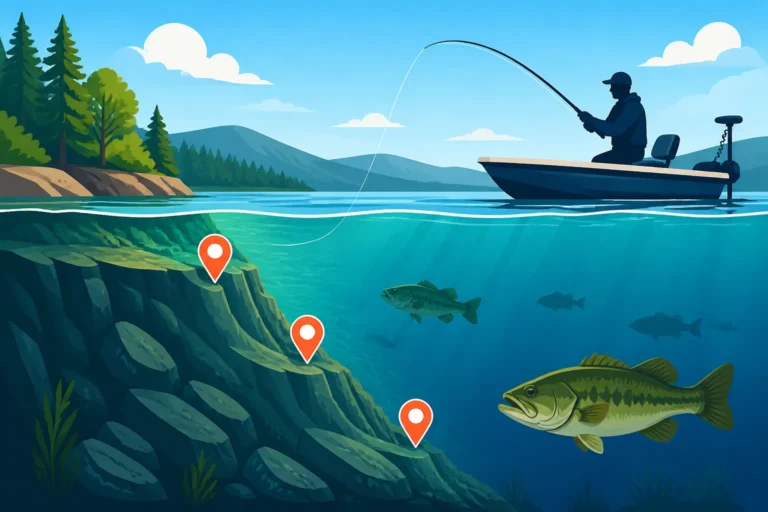
Fish also tend to hold tighter to cover and structure in colder water, so precise casting and thorough working of key areas are vital. If you know there's a submerged log or a rocky point, really work that spot from multiple angles before moving on. For trout and salmon, pay close attention to depth; they might move shallower on warmer, sunny days but retreat to deeper holes or undercuts when it's colder or overcast. Understanding how to use the Vermont Fish Stocking Search Tool, Explained can also help you locate recently stocked waters where fish might be more congregated and active. Patience and a willingness to experiment with retrieve speeds and depths will often pay dividends in the fall.
Disclaimer
Fishing regulations can change frequently. Always consult the official Vermont Fish & Wildlife Department's most current regulations guide before heading out on the water. This article is intended for informational purposes only and does not constitute legal advice or an exhaustive list of all rules and regulations.