Best spring trout streams in Vermont
That craving for the first cast of spring, the crisp air, and the promise of a lively trout at the end of your line is a feeling only a true angler understands. Many of us dream of those perfect Vermont trout streams coming alive after the long winter, but knowing where to go and what to expect can feel overwhelming with so many options. This guide is here to break down the best spring trout streams in Vermont, helping you navigate those exhilarating early season waters for a memorable fishing experience.
Why Spring is Prime Time for Vermont Trout Fishing
Spring in Vermont is nothing short of magical for trout anglers. As the snow melts and the days lengthen, the state's rivers and streams awaken, bringing with them a renewed sense of life and opportunity for those chasing brook, brown, and rainbow trout. It's a season of transition, where the conditions can change rapidly, but the rewards for those who adapt are immense.
Understanding Spring Conditions and Trout Behavior
When those first warm days hit, it's like a signal to the trout. Water temperatures begin to climb from their icy winter lows, usually reaching that sweet spot between 40-55 degrees Fahrenheit, which really gets trout metabolism firing. This means they become more active, moving out of their winter holding patterns in deep, slow pools and venturing into faster, more oxygenated water to feed. You'll often find them along current seams, behind rocks, or at the tail ends of pools, eagerly awaiting a meal.
The fluctuating water levels can be a challenge, though. Early spring often brings higher, murkier water due to snowmelt and rain, which can make fishing tough but also provides excellent cover for trout. As the season progresses and water levels recede, streams clear up, and trout become more visible, but also warier. Keeping an eye on local stream gauges and weather forecasts is crucial for planning your trips. Early insect hatches, like stoneflies and caddis, also start to emerge, offering specific feeding opportunities for observant anglers.
The Thrill of Opening Day and Beyond
There's an undeniable buzz in the air on Vermont Trout Opening Day Traditions! Anglers from all walks of life flock to their favorite spots, hoping to be among the first to land a spring trout. It's not just about catching fish; it's about the camaraderie, the shared anticipation, and the pure joy of being out on the water after a long winter hiatus. The Vermont Fish and Wildlife Department does an incredible job stocking many of the accessible waters right before or just after opening day, ensuring plenty of opportunities for success.
But spring trout fishing isn't just about opening day. The season evolves, offering different experiences as the weeks pass. Early spring is often about targeting those recently stocked fish and holdovers with more aggressive tactics, perhaps using bait or larger nymphs. As the water warms further, natural insect hatches become more prolific, and dry fly fishing can really take off. Late spring, moving into early summer, can offer some of the most consistent fishing, with stable water flows and abundant insect activity. Understanding these seasonal shifts is key to maximizing your success throughout the spring.
Iconic Vermont Trout Streams for Spring Angling
Vermont is blessed with a plethora of incredible trout waters, each offering its own unique charm and challenges. For spring fishing, some streams stand out as true legends, drawing anglers back year after year.
The Battenkill River
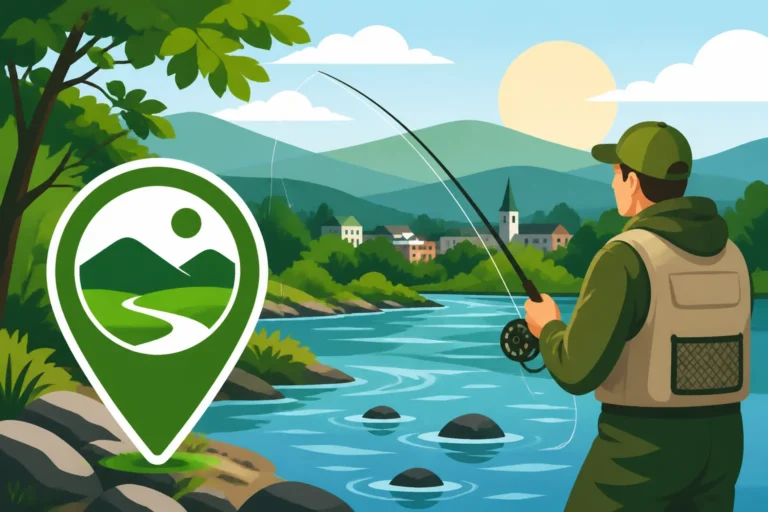
Ah, the Battenkill. Just hearing its name conjures images of classic fly fishing. This river, flowing through southwestern Vermont near towns like Arlington and Manchester, is renowned globally for its wild, naturally reproducing brown and rainbow trout. It's not heavily stocked, so the fish you catch here are often hard-earned, healthy, and incredibly beautiful. The Battenkill is a challenging river, famous for its clear, wary fish and technical dry fly fishing, but don't let that deter you in the spring.
In early spring, especially after a fresh rain or during slightly higher flows, the Battenkill's trout can be a bit more forgiving. They’ll often hold in classic runs, riffles, and deeper pools, making them accessible to patient anglers. While it’s primarily known as a fly-fishing destination, and indeed, many sections are Vermont Catch and Release Fly Fishing Only Waters, spin anglers can also find success in areas where bait and lures are permitted, using small spinners or worms. Access is generally good along Route 7A and through various public access points. If you're looking for a truly authentic Vermont trout experience, the Battenkill is a must-fish, and finding a local guide through platforms like FishingBooker could be invaluable for navigating its nuances.
The White River System
The White River, with its sprawling network of main stem and numerous tributaries, is a cornerstone of central Vermont's trout fishing scene. This system, stretching from the Green Mountains down to the Connecticut River, offers an incredible diversity of water types and fishing opportunities. From the larger, more accessible main stem near towns like Bethel and Rochester to the smaller, wilder branches like the First Branch, Second Branch, and Third Branch, there's a spring trout stream for every angler.
The main stem of the White River is heavily stocked with rainbow and brown trout, particularly in its middle and lower sections, making it a fantastic option for early season success. You'll find plenty of public access points, from state-managed fishing access areas to roadside pull-offs. The tributaries, while smaller, often hold a mix of stocked fish and healthy populations of wild brook and brown trout, especially as you head further upstream into the more remote areas. These smaller branches, like the Tweed River or the Roxbury Branch, are perfect for wading and offer a more intimate fishing experience. Spin anglers will find success with various baits and lures, while fly anglers can excel with nymphing techniques in the higher flows and later, with dry flies as hatches kick in. The sheer variety here means you could spend weeks exploring and still find new water.
The Winooski River and its Tributaries
The Winooski River, Vermont's second-largest river system, flows from the Northeast Kingdom through Montpelier and Burlington, emptying into Lake Champlain. While often overlooked for trout compared to some of the more "classic" trout streams, the Winooski and its extensive network of tributaries offer fantastic and often under-pressured spring trout fishing. The main stem of the Winooski, particularly upstream of Montpelier and in its middle sections, receives substantial stockings of rainbow and brown trout, providing excellent early-season action.
What makes the Winooski unique is its accessibility and proximity to larger population centers. You can find surprisingly good trout fishing just a short drive from Burlington or Montpelier. Its tributaries, like the Little River, Stevens Branch, and Huntington River, are where many dedicated trout anglers focus their efforts. These smaller streams provide a mix of stocked fish and wild trout, especially brook trout in the higher, cooler reaches. The varied habitat, from riffles and runs to deep pools and undercut banks, provides ample hiding spots for trout. Spin anglers will do well with small spinners, worms, or PowerBait, while fly anglers can find success with general attractor nymphs and streamers. Don't discount the Winooski system; it's a gem for spring trout, particularly for those looking for convenience and consistent action.
Lesser-Known Gems and Mountain Freestone Streams
While the big names draw the crowds, some of Vermont's most rewarding spring trout fishing lies in its countless smaller, less-pressured streams and high-elevation freestone waters. These spots require a bit more exploration but often deliver incredible solitude and wild trout experiences.
Exploring Northeast Kingdom Waters
The Northeast Kingdom (NEK) of Vermont is a rugged, wild, and incredibly beautiful region, and its trout streams reflect that character. Rivers like the Black River, Clyde River, and numerous smaller brooks that feed into lakes like Memphremagog and Willoughby hold strong populations of brook, brown, and rainbow trout. Many of these streams are classic freestone rivers, meaning their flows are highly dependent on snowmelt and rainfall, and they are characterized by their rocky bottoms, riffles, and plunge pools.
In spring, as the ice clears and waters begin to warm, these NEK streams can be absolutely fantastic. The remote nature of many of them means less angling pressure, and the wild brook trout found in the higher elevations are truly special. You'll often find these fish to be eager biters, especially after a long winter. Access can sometimes be challenging, requiring a bit of bushwhacking or navigating unpaved roads, but the reward of pristine waters and feisty trout is well worth the effort. It's a great area for anglers looking for a more adventurous experience, and you might even stumble upon some trophy-sized fish in the deeper pools of the larger rivers.
Small Tributaries and Hidden Pockets
One of the greatest joys of spring trout fishing in Vermont is the discovery of those tucked-away, overlooked streams. Every major river system, and even many smaller lakes, has countless feeder creeks and small tributaries that often go unnoticed by the majority of anglers. These hidden pockets, sometimes no wider than a car, can hold surprisingly robust populations of brook trout, and sometimes even smaller brown trout that have moved up from larger rivers.
These small streams are often prime targets for early season fishing, as they warm up faster than larger rivers and can be less impacted by heavy flows, or alternatively, can drop and clear faster after a rain. Wading these smaller waters with a light spinning rod or a short fly rod, focusing on pocket water, undercut banks, and fallen logs, can yield a day filled with eager wild trout. You won't typically find record-breakers here, but the sheer quantity of fish and the sense of solitude are unparalleled. Don't be afraid to pull over on a back road, consult a topo map, and explore that little blue line you've always driven past. You might just find your new favorite spring spot!
Essential Spring Trout Fishing Techniques and Gear
To really make the most of Vermont's spring trout streams, having the right techniques and gear in your arsenal is crucial. Conditions can be fickle, but preparation can turn a tough day into a triumph.
Mastering Spring Fly Fishing
Spring fly fishing for trout is a diverse affair. Early in the season, when waters are still chilly and often high, nymphing is king. Heavy nymph rigs, often with two or three weighted patterns like a Hare's Ear, Pheasant Tail, or a Squirmy Worm, fished under an indicator, can be incredibly effective. The goal is to get your flies down deep quickly where the trout are holding in the faster current. Don't be afraid to add split shot to get your rig down to the fish. You can find more specific patterns for these conditions in a guide to Fly Patterns for Vermont Trout Streams.
As the water warms and clears, streamer fishing can be deadly, especially for larger brown trout. Patterns like Woolly Buggers, Sculpzillas, or articulated streamers, stripped aggressively through deeper pools and along cut banks, can elicit violent strikes from predatory trout. Later in spring, as insect hatches become more consistent, keep an eye out for rising fish. Early season caddis, small blue-winged olives, and stoneflies can bring trout to the surface, offering exciting dry fly opportunities. A high-quality pair of polarized sunglasses will be your best friend for spotting subtle rises and reading the water.
Spin Fishing Strategies for Success
For many anglers, spin fishing offers a practical and often very effective approach to spring trout fishing, especially in the variable conditions that Vermont presents. Small inline spinners, such as Mepps Aglias or Panther Martins, are classic spring trout getters. Their flash and vibration are irresistible to hungry trout. Vary your retrieve speed and depth until you find what the fish are keying in on. Colors like silver, gold, and brass are always reliable, with some anglers preferring brighter colors in stained water.
Soft plastics, like small PowerBait grubs or minnow imitations rigged on a tiny jig head, can also be incredibly effective, especially when fished slowly along the bottom or jigged through pools. Don't underestimate the power of natural bait either. Garden worms, crickets, or even small shiners (where legal) can be absolute magnets for trout, especially on recently stocked waters. Using a simple bobber setup or a bottom-bouncing rig can present these baits effectively. Remember, presentation is key, whether you're fly fishing or spin fishing – make your offering look as natural and appealing as possible.
Key Gear for Cold Water Comfort and Safety
Spring in Vermont can be unpredictable. One day it's sunny and 60 degrees, the next it's snowing and freezing. Dressing in layers is absolutely non-negotiable. Start with moisture-wicking base layers, add insulating mid-layers like fleece, and finish with a waterproof and windproof outer shell. A good pair of breathable Best Waders for Vermont Trout Streams is essential, especially for wading in chilly snowmelt-fed waters. Neoprene socks or thick wool socks worn inside your wading boots will help keep your feet warm.
Beyond clothing, a few other items are critical. A sturdy wading staff can provide much-needed stability in fast, slick currents. A high-quality pair of polarized sunglasses will not only protect your eyes but also significantly improve your ability to spot fish and submerged structure. Don't forget a net, especially one with a rubber or knotless mesh to protect the fish if you're planning on catch and release. A small tackle bag or vest to keep your essential lures, flies, and tools organized and easily accessible will also make your day on the water much more enjoyable. For a comprehensive list, check out our guide to Best Gear for Vermont Trout Fishing.
Navigating Regulations and Planning Your Trip
Before you even tie a knot, understanding Vermont's fishing regulations is paramount. They’re designed to protect the fishery and ensure sustainable angling for everyone.
Understanding License Requirements and Season Dates
The most fundamental step before heading out is to secure your Vermont Fishing License Guide for 2026. Whether you're a resident or a nonresident, everyone 15 years or older needs a license to fish in Vermont. Licenses can be easily purchased online through the Vermont Fish and Wildlife Department website, at authorized vendors like bait shops and sporting goods stores, or at most town clerk offices. Make sure you have your license on you, either digitally or a printed copy, while fishing.
It’s also crucial to be aware of Vermont Fishing Season Dates and Closures. While many trout streams open on the traditional "Opening Day" in April, some waters may have special regulations, delayed openings, or be designated as catch-and-release only. For instance, sections of the Battenkill have specific fly-fishing-only regulations. Always consult the official Vermont Fishing Guide, published annually by the Vermont Fish and Wildlife Department, or check their website for the most up-to-date information on specific water bodies and species. Ignoring regulations, even unintentionally, can lead to hefty fines, so always err on the side of caution.
Locating Public Access and Planning Logistics
Finding good public access to Vermont's trout streams is usually quite straightforward, thanks to the Vermont Fish and Wildlife Department. They maintain numerous designated Fishing Access Areas (FAAs) along many of the state's popular rivers and lakes. These FAAs often include parking, boat launches (for larger rivers), and easy bank or wading access. You can often find maps of these access points on the VT Fish & Wildlife website.
Beyond designated FAAs, many state forests, wildlife management areas, and even some town lands offer excellent fishing access. Roadside pull-offs along highways like Route 100, Route 12, or Route 7 often provide informal access to smaller streams, but always be mindful of private property. Look for signs indicating public access or areas where the river runs alongside public roads. When planning your trip, consider checking online resources for local weather, stream flows, and recent fishing reports. For more remote or less-known streams, a good topographic map can be invaluable for identifying potential access points and promising stretches of water. And if you're traveling from out of state, looking up local accommodations or even booking a guided trip through services like FishingBooker can help iron out the logistics, ensuring you have a smooth and enjoyable experience.
| Stream Name | Location (Key Towns) | Primary Species | General Character | Spring Fishing Focus |
|---|---|---|---|---|
| Battenkill River | Arlington, Manchester | Wild Brown, Rainbow Trout | Clear, technical, freestone | Nymphing early, dry flies late, wary fish |
| White River | Bethel, Rochester | Stocked Rainbow, Brown | Varied: larger main stem, smaller tributaries | Bait/lures for stocked fish, nymphing wild trout |
| Winooski River | Montpelier, Burlington | Stocked Rainbow, Brown | Accessible, diverse, mix of slow/fast water | Spin fishing, bait, nymphing, urban-accessible |
| Black River (NEK) | Coventry, Newport | Wild Brook, Brown | Remote, freestone, pocket water | Exploring wild brook trout, aggressive takes |
| Lamoille River | Jeffersonville, Hardwick | Stocked Rainbow, Brown | Medium to large river, varied flows | Nymphing, streamers, good for spin/fly |
Disclaimer
Please remember that fishing conditions, regulations, and fish stocking schedules can change. Always consult the most current Vermont Fish and Wildlife Department regulations guide before heading out on the water. Your safety and adherence to local laws are your responsibility.