Green Mountain Trout Stream Access
Finding good access to trout streams in Vermont's majestic Green Mountains can feel like a secret handshake sometimes, especially when you're looking for those pristine spots away from the crowds. This comprehensive guide is here to demystify public access points, highlight prime fishing locations, and arm you with the knowledge to enjoy a truly rewarding Green Mountain trout fishing experience.
Understanding the Green Mountain Trout Landscape
Vermont's Green Mountains offer a unique and often challenging environment for trout anglers. Unlike broader, flatter rivers, these streams are typically characterized by steeper gradients, rocky bottoms, and dense riparian vegetation. This rugged beauty is precisely what makes them so appealing, holding populations of wild and native trout that thrive in their cold, oxygen-rich waters.
The Unique Ecology of Vermont's Mountain Streams
The ecology of Green Mountain streams is a delicate balance, shaped by elevation, geology, and forest cover. These headwater streams, often originating high up in the mountains, are fed by snowmelt and natural springs, maintaining consistent cold temperatures crucial for trout survival, even in the height of summer. The rocky substrate provides abundant insect habitat and cover, while overhanging trees shade the water, preventing excessive warming and contributing organic matter that fuels the aquatic food web. You’ll notice the water is often crystal clear, reflecting the pristine nature of the surrounding forest. This environment supports a rich diversity of macroinvertebrates—the insects that trout love to eat—from stoneflies and caddisflies to mayflies, which hatch throughout the season and offer incredible fly fishing opportunities.
Identifying Key Trout Species: Brook, Brown, and Rainbow
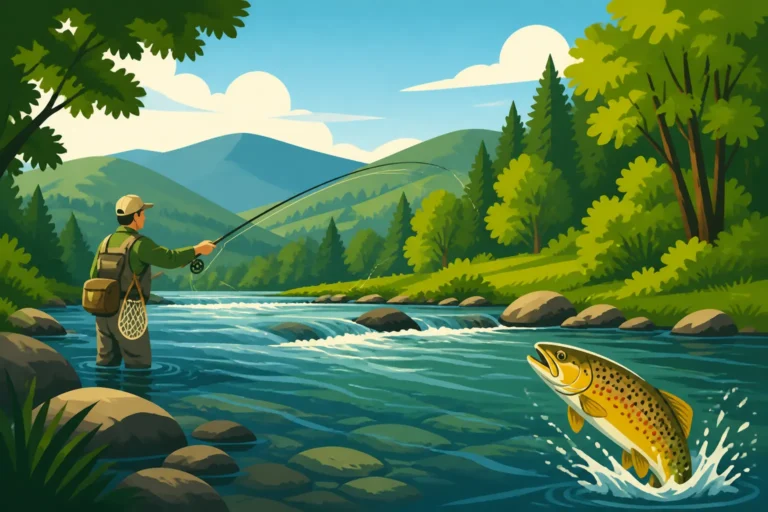
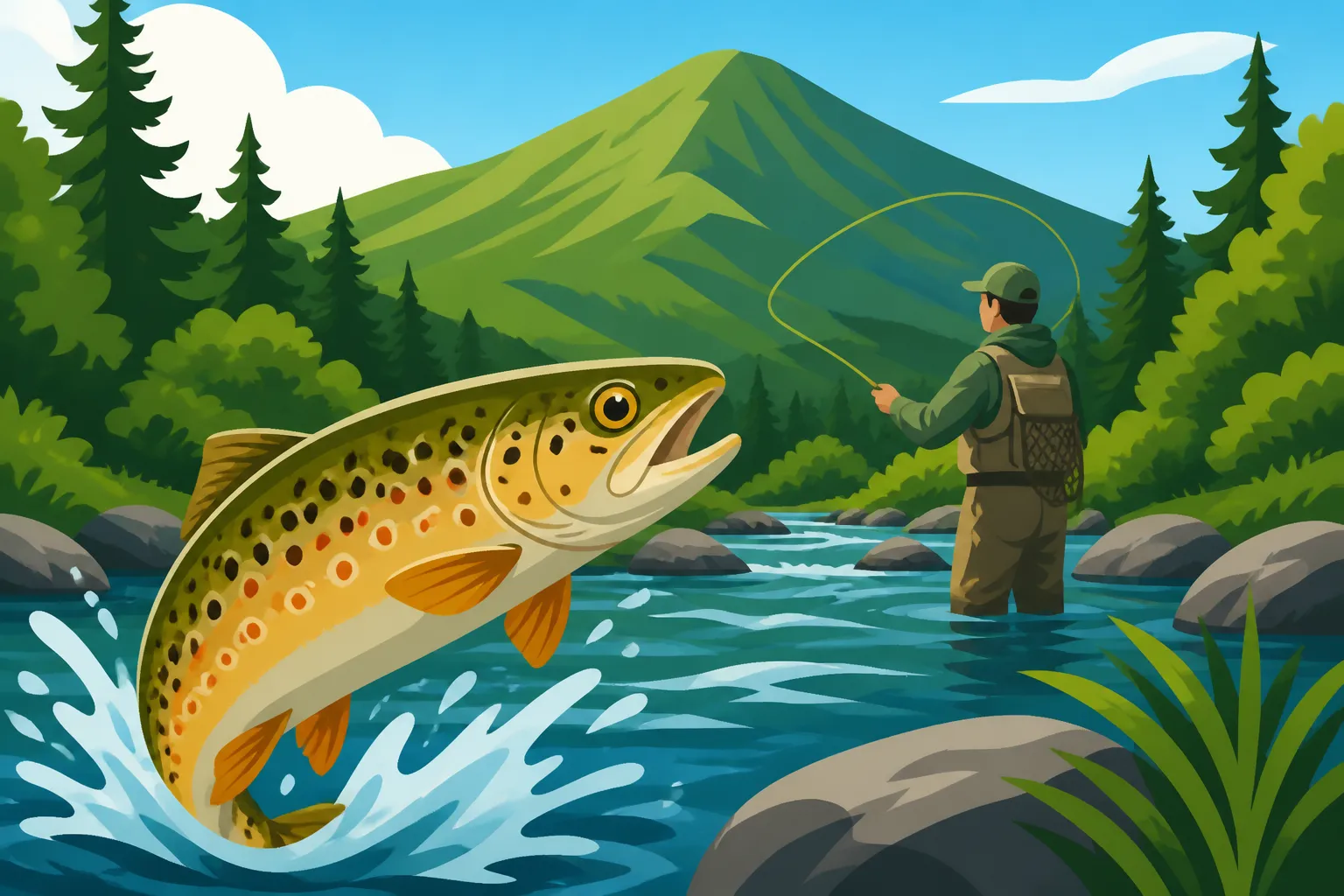
When you're wading through these Vermont waters, you're likely to encounter a few different trout species, each with its own charm. The undisputed king of these mountain streams is the native brook trout, a strikingly beautiful fish with vibrant red spots circled by blue halos, often found in the most remote, pristine headwaters. These "brookies" are generally smaller, but their feisty fight and stunning colors make them a prized catch. Then there are the brown trout, often larger and more wary, known for their resilience and ability to thrive in a wider range of stream conditions, including slightly warmer waters or those with more agricultural influence downstream. You might also stumble upon rainbow trout, particularly in some of the more accessible, larger streams or those that receive occasional stockings from the Vermont Fish & Wildlife Department. For a deeper dive into distinguishing these beautiful fish, check out our guide on how to tell a brook trout from a rainbow trout. Understanding which species you're targeting can greatly influence your choice of flies and fishing techniques.
Seasonal Considerations for High-Elevation Waters
Fishing in the Green Mountains is a dynamic experience that changes dramatically with the seasons. Early spring, right after ice-out, sees increased water flows from melting snow, which can make wading challenging but also brings a fresh surge of life to the streams. This is often when trout are most active, feeding heavily after a long winter. As summer progresses, water levels generally drop, and while some lower-elevation streams might get too warm, the high-elevation waters of the Green Mountains remain a cool refuge for trout. This is a fantastic time for dry fly fishing as insects hatch regularly. Fall brings cooler temperatures, vibrant foliage, and often very active trout as they prepare for winter, especially for brown and brook trout which spawn in the autumn. Winter, of course, means ice fishing on lakes, but stream fishing largely ceases due to ice and harsh conditions, though some hardy souls might find open stretches in milder periods. Keep an eye on the official Vermont Trout Season and Stocking Rules to ensure you're fishing within legal dates.
Navigating Public Access Points and Regulations
One of the biggest hurdles for any angler, especially those new to an area, is figuring out where you can actually cast a line without trespassing. Vermont has a mix of public lands and private properties, and understanding the rules of engagement is crucial for a stress-free fishing trip in the Green Mountains.
Vermont Fish & Wildlife Access Areas and State Forests
The good news is that Vermont's Fish & Wildlife Department has done a commendable job in securing and maintaining public access to many prime fishing locations. These access areas often provide designated parking, easy entry points to streams, and sometimes even marked trails. Beyond these specific access points, vast tracts of land within Vermont's State Forests, such as the Green Mountain National Forest, offer incredible opportunities for stream fishing. While these areas might require a bit more hiking to reach the best spots, they reward anglers with solitude and truly wild fish. Places like the White River and its tributaries, or sections of the Lamoille River, offer excellent public access within or adjacent to state and federal lands. It's always a good idea to consult the Vermont Fish & Wildlife website or map resources to pinpoint these public lands before heading out.
Understanding Private Land and Posted Property Rules
Vermont has a strong tradition of private land ownership, and many excellent trout streams flow through private property. Unlike some states with "stream access" laws, in Vermont, unless a stream is explicitly designated as public access or flows through public land, you generally need landowner permission to fish it. Look for "Posted," "No Trespassing," or "No Fishing" signs, and always respect them. It’s a common frustration, driving by a beautiful stretch of river only to see it posted, but ignoring these signs can lead to fines and, more importantly, damages the relationship between anglers and landowners. Sometimes, asking politely for permission can open up incredible fishing opportunities. You might be surprised at how many landowners are willing to grant access if you simply knock on their door and ask. Being a responsible and respectful angler goes a long way in fostering good relations.
Essential Regulations and Licenses for Mountain Fishing
Before you even think about putting a line in the water, securing the proper Vermont fishing license is non-negotiable. Whether you're a resident or a nonresident, everyone over a certain age needs one. The specifics can vary, including different licenses for residents versus nonresidents, and special considerations for youth or seniors. For a full breakdown, our detailed guide on the Vermont Fishing License Guide for 2026 is an excellent resource. Beyond the license, you need to be intimately familiar with the Vermont Fishing Regulations Explained. These regulations cover everything from daily bag and possession limits for different trout species (which can vary by waterbody) to length limits, bait restrictions, and seasonal closures. Some specific Green Mountain streams might even have special regulations, such as catch-and-release only sections or fly fishing only waters, which are designed to protect fragile wild trout populations. Always carry a copy of the current regulations with you, or have them readily accessible on your phone.
Here's a quick overview of common regulations for Green Mountain trout streams:
| Regulation Type | Common Rule (General) | Special Notes for Mountain Streams |
|---|---|---|
| Fishing License | Required for all anglers 15+ | Resident and Nonresident options, youth exemptions apply. |
| Trout Season | Generally opens second Saturday in April, closes Oct 31st | Some waters have year-round catch & release or specific closures. |
| Daily Bag Limit (Trout) | Varies, often 6 combined trout | Many wild trout streams have reduced limits or catch & release only rules. |
| Minimum Length (Trout) | Varies, often 6 inches | Can be higher for specific waters or species, especially wild trout. |
| Bait Restrictions | Live bait allowed in most general waters | Many special regulation waters are fly fishing only or artificial lures only. |
| Gear | Single hook artificial lures, flies, or bait (where permitted) | Barbless hooks often encouraged or required in special regulation areas. |
Note: Always consult the current Vermont Fish & Wildlife regulations for precise and up-to-date information, as rules can change.
Prime Green Mountain Trout Streams for Anglers
The Green Mountains are veined with countless streams and rivers, each offering its own character and fishing opportunities. From well-known rivers to secluded headwaters, there's a trout stream waiting for every type of angler. The trick is knowing where to focus your efforts.
Iconic Streams of the Northern Green Mountains
The northern reaches of the Green Mountains boast some truly iconic trout streams. The Lamoille River, for instance, carves its way through the landscape, offering a mix of accessible sections and more challenging stretches. While its lower sections hold warm-water species, its upper tributaries and smaller feeder streams are prime brook and brown trout habitat. Similarly, the Winooski River system, especially its upper sections and smaller branches near communities like Waterbury and Montpelier, can provide rewarding trout fishing. These waters, often easily waded, are fantastic places to practice your fly fishing for trout in Vermont. Further north, near the Canadian border, you'll find numerous smaller, unnamed brooks cascading down from the higher peaks, holding strong populations of native brook trout for those willing to hike a bit. These often require more stealth and a lighter approach, but the reward of a wild brookie in a pristine setting is unparalleled.
Hidden Gems in the Central Vermont Mountains
Central Vermont's Green Mountains are a treasure trove of less-pressured trout streams, often requiring a bit more effort to reach, but paying off handsomely in solitude and quality fish. The White River system, with its numerous branches like the First, Second, and Third Branch, is a prime example. While not always "hidden," many of its smaller tributaries, winding through the heart of the Green Mountain National Forest, are exactly what a mountain trout angler dreams of. These waters are often cold, clear, and feature classic pocket water, riffles, and small pools. The Ottauquechee River also has some excellent trout fishing in its upper reaches before it widens. Exploring the maps for state forest land in areas like Rochester or Granville can reveal countless small brooks that are teeming with native brook trout. These are the kinds of places where a keen eye and a willingness to explore off the beaten path truly pay off. Consider hiring a local guide through platforms like FishingBooker if you're looking to uncover some of these harder-to-find honey holes.
Southern Vermont's Productive Trout Waters
Moving south, the Green Mountains continue to deliver fantastic trout fishing. The famous Battenkill River, while straddling the border with New York, offers legendary wild brown trout fishing on its Vermont side. It's known for its challenging, clear waters and requires a delicate approach, making it a favorite for experienced fly anglers. The West River, particularly its headwaters and upper stretches in areas like Londonderry and Jamaica, is another excellent choice, providing a mix of stocked and wild trout opportunities. Further south, the Deerfield River and its tributaries, especially around Stratton and Dover, offer classic Green Mountain trout habitat. These streams can be quite productive, and with good access from various public land parcels, they are popular choices for both spin and fly anglers. Remember, conditions can change rapidly in these mountain streams, so always check local conditions before planning your trip.
Responsible Angling and Conservation in the Green Mountains
Fishing in the Green Mountains isn't just about catching fish; it's about connecting with nature and being a steward of these incredible resources. With the fragility of wild trout populations and the pristine nature of their habitats, responsible angling practices are more important than ever.
Practicing Catch and Release for Wild Trout
For many anglers, especially those targeting native brook trout in the Green Mountains, catch and release is not just a suggestion, it's a deeply held ethic. Wild trout populations are often self-sustaining but can be easily overfished, especially in smaller streams where they might be less abundant. When you do practice catch and release, ensure you're doing it in a way that maximizes the fish's survival. This means minimizing handling, keeping the fish in the water as much as possible, using barbless hooks, and having your camera ready for a quick photo before gently releasing the fish. Avoid touching the fish with dry hands, as this can remove their protective slime layer, making them susceptible to disease. A good landing net for trout, especially one with rubberized mesh, can greatly aid in a safe release. While some stocked waters might be more suitable for keeping a few fish for the pan, for the wild brook trout of the Green Mountains, catch and release helps ensure these precious populations thrive for future generations.
Protecting Riparian Zones and Stream Habitats
The health of a trout stream is intrinsically linked to its riparian zone – the vegetated area along its banks. These areas provide shade, stabilize banks, filter runoff, and contribute crucial insect life to the stream. When accessing streams, try to use established paths or walk lightly to avoid trampling vegetation. Avoid breaking branches or disturbing the natural bank structure. Pollution, even unintentional, can have devastating effects. Pack out everything you pack in, and perhaps even a little more. Discarded fishing line, bait containers, or food wrappers not only detract from the beauty of the stream but can also be harmful to wildlife. Even something as seemingly innocent as bringing non-native plant seeds on your boots can introduce invasive species that threaten the delicate native ecosystem.
Leave No Trace Principles in Wilderness Areas
Many of the most rewarding Green Mountain trout streams are found deep within wilderness or backcountry areas, where the principles of "Leave No Trace" are paramount. This ethos is about minimizing your impact on the environment and leaving it as you found it, or better. Beyond packing out trash, it involves planning ahead and preparing, traveling and camping on durable surfaces, disposing of waste properly, leaving what you find, minimizing campfire impacts, respecting wildlife, and being considerate of other visitors. In the context of fishing, this means being mindful of where you park, how you access the stream, and how you conduct yourself once you're there. If you're using a fishing guide or outfitter, ensure they also adhere to these principles. Many experienced guides on platforms like FishingBooker are passionate about conservation and will lead by example. These wild places are a privilege to visit, and it's our collective responsibility to protect them.
Essential Gear and Preparation for Mountain Stream Fishing
Having the right gear for Green Mountain trout streams can make or break your trip. These aren't always easy-access, groomed locations; they can be rocky, slippery, and require specialized equipment to ensure both success and safety.
Recommended Rods, Reels, and Line for Mountain Trout
When it comes to tackle for Green Mountain trout, finesse and portability are key. For fly fishing, a lightweight 7 to 8.5-foot fly rod in a 2 to 4-weight is generally ideal. This allows for delicate presentations, handles smaller streams, and makes even a modest brook trout feel like a trophy. Pair this with a matching fly reel and a floating fly line. For spin fishing, an ultralight or light action spinning rod, typically 5 to 6.5 feet in length, paired with a small spinning reel spooled with 2 to 4-pound test monofilament or fluorocarbon line, will give you the sensitivity and casting accuracy needed for tight quarters. While you might be tempted by heavier gear, remember that these are often small, wild fish in intimate settings; overpowered gear can be counterproductive and even harm the fish. If you're unsure, our guide to the Best Fly Rods for Vermont Trout Streams might offer some specific recommendations.
Wading Safety and Footwear Choices
Safety in the water is crucial in the Green Mountains. Stream bottoms can be incredibly slick due to algae-covered rocks, and currents, especially during higher flows, can be deceptively strong. A good pair of chest waders is highly recommended, especially for fishing in cooler weather or deeper sections. Look for breathable waders for comfort in warmer months. More importantly, invest in high-quality wading boots with felt soles or rubber soles with studs for superior grip. Felt soles are traditionally excellent for traction on slick rocks, though some anglers prefer rubber for its versatility and ease of cleaning, which helps prevent the spread of invasive species. A sturdy wading staff is not optional; it’s an absolute necessity for maintaining balance and probing the bottom before each step. This simple piece of gear can prevent a painful fall or worse. For more detailed advice, check out our insights on Wading Techniques for Vermont Trout Streams.
Must-Have Flies and Lures for Green Mountain Streams
The specific flies and lures you'll need depend on the season, water conditions, and the species you're targeting. However, a general rule of thumb for Green Mountain trout is to have a versatile selection of imitations. For fly anglers, a diverse fly box should include:
- Dry Flies: Favorites like Elk Hair Caddis, Adams, Parachute Adams, and various Stimulators (sizes #12-18) will cover most general hatches.
- Nymphs: Pheasant Tail Nymphs, Hare's Ear Nymphs, Prince Nymphs, and Squirmy Wormies (sizes #12-20) are consistent producers when fish are feeding sub-surface. For those interested in more advanced tactics, consider Euro Nymphing Vermont Trout Streams.
- Streamers: Small Woolly Buggers (black, olive, brown, white, sizes #6-10) can be deadly for larger brown and brook trout, especially after a rain or in deeper pools.
For spin anglers, a small selection of classic lures will serve you well:
- Small Spinners: Mepps Aglia, Panther Martin, or Rooster Tail in sizes #0-2 with silver, gold, or black blades are perennial favorites.
- Micro Jigs: Small marabou or soft plastic jigs (1/32 to 1/16 ounce) under a bobber can be very effective, especially for brook trout.
- Worms/PowerBait (where permitted): A simple worm on a small hook or a bit of PowerBait can be incredibly effective, particularly for recently stocked trout.
Remember, presentation is often more important than the exact pattern. Keep your casts light and accurate, and focus on drifts that look natural.
Planning Your Green Mountain Trout Adventure
A successful fishing trip into the Green Mountains requires a bit of forethought and research. From leveraging online tools to considering a guided experience, there are several ways to maximize your chances of a memorable day on the water.
Utilizing Online Resources and Local Expertise
The digital age has made planning a fishing trip easier than ever. The Vermont Fish & Wildlife Department website is your first stop for current regulations, stocking schedules, and maps of public access points. Many local fly shops and bait shops also have their own websites or social media pages where they post real-time fishing reports, water conditions, and hatch information. Forums and online communities dedicated to Vermont fishing can also be incredibly valuable for gathering local intelligence and tips from seasoned anglers. Don't underestimate the power of a friendly chat with a local at a gas station or diner near your chosen fishing spot; they often have the most up-to-date and nuanced information. Knowing how to use the Vermont Fish Stocking Search Tool, Explained can also point you towards waters that have recently received a fresh batch of fish, which can be great for beginners.
Guided Trips and Local Fishing Services
If you're new to Vermont, or simply want to fast-track your learning curve and discover some truly prime spots, considering a guided fishing trip is an excellent option. Local guides possess an intimate knowledge of the Green Mountain streams, knowing not only where the fish are but also what they're biting on and how to navigate challenging terrain. They can provide all the necessary gear, teach you local techniques, and ensure you're fishing legally and responsibly. Platforms like FishingBooker connect anglers with reputable local guides across Vermont, offering everything from half-day wading trips for brook trout to full-day excursions for bigger brown trout. A guided trip can be an invaluable investment, transforming a potentially frustrating search for fish into a highly productive and educational experience. It’s also a fantastic way to experience the beauty of the Green Mountains with an expert by your side.
Seasonal Best Practices and Safety Tips
Fishing in the Green Mountains comes with its own set of seasonal considerations and safety imperatives. In spring, rapid snowmelt can lead to high, cold water, making wading treacherous; always check stream flow rates before heading out. Summer heat means being mindful of stream temperatures, as trout can become stressed in warm water; focus on higher elevation streams or early morning/late evening fishing. Carrying plenty of water, sunscreen, and insect repellent (especially for black flies in spring) is always a good idea. In fall, hunting season means wearing blaze orange for visibility, especially if you're hiking into remote areas. Beyond the seasons, general backcountry safety applies:
- Tell someone your plans: Let a friend or family member know where you're going and when you expect to return.
- Carry a map and compass/GPS: Cell service can be spotty in the mountains.
- First-aid kit: Always have basic first aid supplies.
- Layers of clothing: Mountain weather can change quickly.
- Bear spray: While encounters are rare, it's wise to be prepared, especially in bear country.
Enjoying the majestic Green Mountains and their incredible trout streams is a privilege, and with proper preparation and respect for the environment, you're set for an unforgettable Vermont fishing adventure.
Disclaimer
Please remember that fishing regulations and conditions can change. Always consult the latest official Vermont Fish & Wildlife Department regulations before planning your trip. This guide is for informational purposes only and does not constitute legal advice. Stay safe and fish responsibly.