Best beginner fishing spots in Vermont
Stepping into the world of fishing in Vermont can feel a little daunting for a newcomer. With so many beautiful lakes, rivers, and streams, it’s easy to get overwhelmed trying to figure out where to even cast your first line without feeling lost or intimidated. This guide is here to cut through that confusion, offering up some fantastic, welcoming spots across the Green Mountain State that are perfect for beginners to learn the ropes, build confidence, and most importantly, enjoy the pure joy of catching a fish.
Accessible Stocked Ponds and Lakes for Guaranteed Action
For many new anglers, the biggest hurdle is simply getting a bite. There's nothing more disheartening than spending hours staring at a still line. That's why stocked ponds and smaller, easily accessible lakes are absolute gold for beginners in Vermont. The Vermont Fish and Wildlife Department does an incredible job stocking many of these waters, which means a higher density of fish that are often more willing to bite, especially right after a fresh stocking. This dramatically increases your chances of success, which is a huge confidence booster when you’re just starting out.
One prime example is the fishing access area at Lake Bomoseen in Hubbardton, specifically around Bomoseen State Park. While Lake Bomoseen itself is large, the state park offers excellent shore fishing opportunities, and the shallower areas are fantastic for panfish like yellow perch and bluegill, as well as some feisty largemouth bass. These species are generally less finicky than trout or landlocked salmon, making them perfect targets for beginners. You can often see the panfish schooling in clearer water near docks or weed lines, providing visual cues that are helpful for new anglers trying to understand fish behavior. The sheer accessibility of the shoreline, coupled with amenities like picnic areas and restrooms, makes it a comfortable environment for a family's first fishing trip.
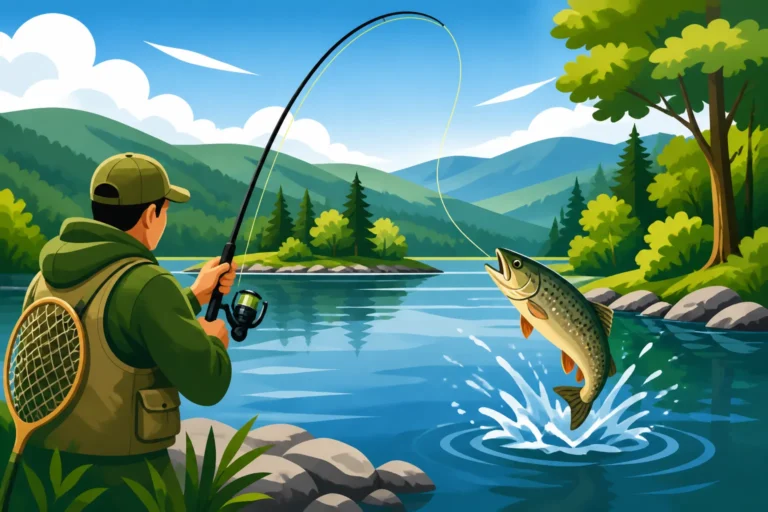
Another gem is Silver Lake State Park in Barnard. This picturesque spot is often stocked with trout, providing a fantastic opportunity for beginners to try their hand at catching rainbow or brook trout. The lake itself is relatively small and easy to navigate from shore, and the park setting ensures a safe, family-friendly atmosphere. Using simple bait like worms under a bobber or small amounts of PowerBait is often all it takes to entice these recently stocked fish. It's a low-pressure environment where the focus can be purely on the experience of fishing. Understanding how to use the Vermont fish stocking search tool can help you pinpoint exactly when and where these eager fish are introduced, maximizing your chances of a successful outing. For the freshest information on when to visit, check out our guide on the best time to fish a stocked trout pond.
These types of locations are ideal for learning the absolute basics of casting, reeling, and feeling that first tug on the line. They're often calm, protected waters, so you don't have to worry about strong currents or navigating complex structures. Just bring a simple spinning rod and reel combo, some basic tackle, and a sense of adventure, and you’re well on your way. You might also find it helpful to look into some basic techniques for how to catch trout right after stocking in Vermont, as these methods can significantly improve your catch rate in such locations.
Calm Lakes and Ponds for Varied Species
Once you've had some initial success and are ready to expand your horizons beyond just recently stocked trout, Vermont offers numerous calm lakes and larger ponds that still provide excellent, beginner-friendly fishing for a wider variety of species. These spots often feature ample public access, allowing you to explore different areas from shore or even from a kayak or canoe without needing advanced boating skills. The slightly larger size means more varied underwater structure, giving you a chance to practice reading the water and understanding where fish might hold.
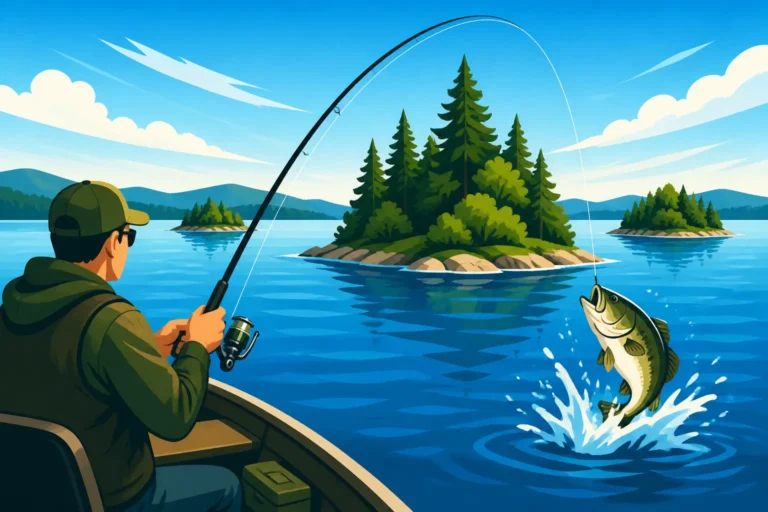
Lake Dunmore in Salisbury is a fantastic choice. This beautiful lake offers good shore access and is home to healthy populations of largemouth and smallmouth bass, northern pike, and a variety of panfish. The lake features diverse habitats, from shallow weedy bays perfect for targeting largemouth bass and panfish, to rocky points where smallmouth bass often lurk. For a beginner, the key here is versatility. You can start with simple techniques like casting plastic worms or spinners along the shorelines, or try a bobber and worm combination for panfish in the calmer coves. The public boat launch and numerous small beaches make it easy to access. Exploring Lake Dunmore Fishing Guide will give you even more insight into this wonderful location.
Another excellent option is the Waterbury Reservoir. While it feels more remote and wild, it offers numerous accessible points, particularly around Little River State Park and other designated access areas. This sprawling reservoir is a hotspot for smallmouth bass, northern pike, perch, and even some landlocked salmon and trout. What makes it great for beginners is the sheer amount of shoreline and the relatively calm waters, especially in its many coves. It's also incredibly popular for kayak fishing, offering a gentle introduction to fishing from a small craft. You can paddle into quiet coves and cast towards submerged timber or rocky outcrops. For those looking to get into fishing from a personal watercraft, our guide to the best kayak fishing spots in Vermont offers specific advice on what to look for in a good beginner kayak fishing location.
These lakes allow you to experiment a bit more with different lures and techniques, moving beyond just bait. Try casting a simple spinnerbait or a soft plastic worm Texas-rigged along weed edges for bass. You’ll begin to learn how different presentations attract different fish, which is a crucial step in becoming a more skilled angler. Remember, a valid Vermont Fishing License Guide for 2026 is essential before you head out, no matter how simple your setup. And if you're ever unsure about where to start or how to approach a new lake, consider talking to a local guide. Many fantastic guides listed on platforms like FishingBooker specialize in introductory trips and can show you the ropes on these very waters, providing gear and invaluable local knowledge.
Gentle Rivers and Streams for First-Time River Anglers
The thought of fishing a river can sometimes intimidate beginners due to currents, snags, and the need to "read the water." However, Vermont has several rivers and streams that are incredibly welcoming for those just starting out, offering calmer sections and abundant fish populations. These spots provide a different kind of challenge and reward, teaching you about current, structure, and different fish behaviors than you might find in still waters.
The Otter Creek is a perfect example of a beginner-friendly river, particularly in its slower, wider sections. Flowing through Addison County, Otter Creek is known for its abundant smallmouth bass, rock bass, northern pike, and various panfish. The current in many parts is gentle, especially downstream from major rapids or falls, making it less intimidating for new anglers. Public access points are numerous, including several bridges and town parks where you can easily walk to the water’s edge. Casting spinners, small crankbaits, or simply fishing with worms under a bobber in the slower pools or along undercut banks can yield fantastic results. It’s a great place to learn how fish position themselves in relation to current and structure without the pressure of a fast-moving river. Our Otter Creek Fishing Spots guide provides more detailed information on specific access points.
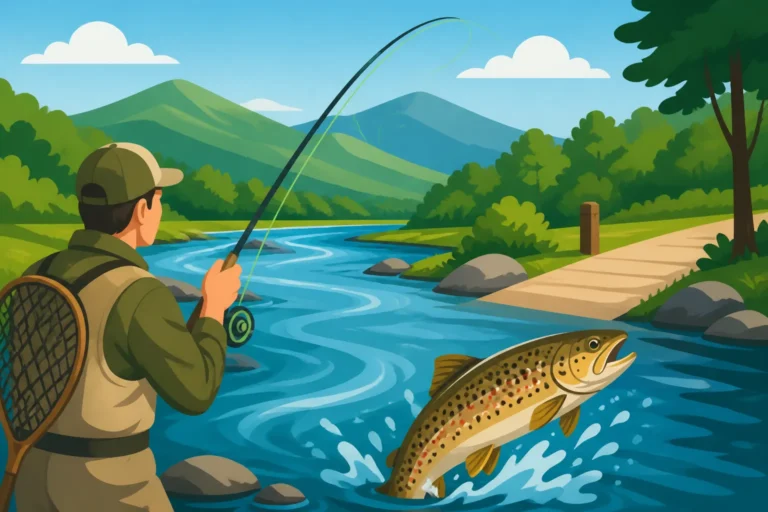
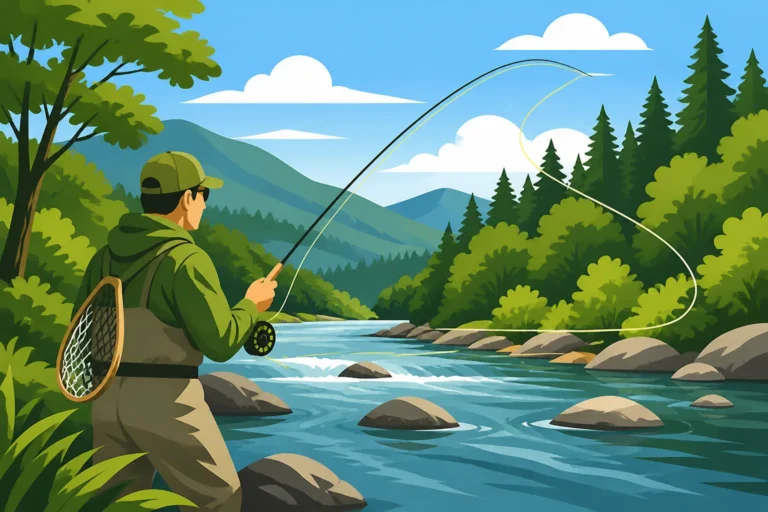
Similarly, sections of the Lamoille River, especially closer to towns like Fairfax or Milton where the river widens and slows, can be excellent for beginners. These areas often have good bank access and offer opportunities for smallmouth bass and panfish. The key to river fishing for beginners is to start in slower, more manageable currents. Look for eddies behind rocks or fallen trees, or the calmer water along the inside bends of the river. These are often prime spots where fish will rest out of the main current, waiting for food to drift by. Learning how to fish a run and pool trout stream, even if you’re not targeting trout, can teach you valuable principles of current management and fish location that apply to all river species.
When approaching a river for the first time, safety is paramount. Always be aware of your footing, especially if wading, and consider using a wading staff for added stability. For river fishing, a slightly longer spinning rod (around 6.5 to 7 feet) can help with casting accuracy and line control in current. While many beginners start with bait, experimenting with small inline spinners like a classic Mepps or Rooster Tail can be incredibly effective and teach you the art of retrieving a lure in moving water. If you're considering a guided trip to conquer your river fishing fears, don't hesitate to check out local guides on platforms like FishingBooker; they often provide invaluable lessons on reading river currents and finding those hidden fish.
Here's a quick comparison of some excellent beginner fishing spots in Vermont:
| Location | Primary Species | Ease of Access | Likely Catch Rate | Ideal Gear | Best for |
|---|---|---|---|---|---|
| Lake Bomoseen (State Park) | Panfish, Largemouth Bass | Excellent (Shore) | High | Bobber & Bait | Families, first-timers |
| Silver Lake State Park | Rainbow & Brook Trout | Excellent (Shore) | High (after stocking) | Bobber & Bait | Trout enthusiasts |
| Lake Dunmore | Bass, Pike, Panfish | Good (Shore, Kayak) | Medium-High | Spinners, Worms | Exploring species |
| Waterbury Reservoir | Smallmouth Bass, Pike, Perch | Good (Shore, Kayak) | Medium-High | Spinners, Jigs | Kayak fishing, views |
| Otter Creek (Slower Sections) | Smallmouth Bass, Panfish, Pike | Good (Bank) | Medium-High | Spinners, Bait, Worms | River introduction |
Planning Your First Vermont Fishing Adventure
Embarking on your first fishing trip in Vermont is an exciting prospect, but a little preparation goes a long way in ensuring a fun and successful outing. Beyond picking a great beginner spot, there are a few other things to consider that will make your experience smoother and more enjoyable.
First and foremost, you'll need a fishing license. Anyone aged 15 or older needs a license to fish in Vermont, and non-residents have various options including 1-day, 3-day, and 7-day permits, which are perfect for a short visit. You can easily purchase your license online through the Vermont Fish and Wildlife Department website or from various authorized vendors across the state. Understanding the Vermont fishing license age requirements is crucial, especially if you're bringing kids along, as children under certain ages are often exempt. Also, familiarize yourself with Vermont Fishing Regulations Explained, as different species and waters may have specific rules regarding catch limits, seasons, and tackle.
When it comes to gear, remember that simplicity is key for beginners. You don't need a boatload of expensive equipment. A basic spinning rod and reel combo, typically a light or medium-light action rod between 6 to 7 feet, is incredibly versatile for most beginner spots. Pair it with 6-8 pound monofilament line. Your tackle box can be minimalist: a handful of hooks (sizes 6-10), some split shot weights, a few bobbers, and a small assortment of lures like inline spinners (Mepps, Panther Martin) or soft plastic worms. Natural baits like nightcrawlers or mealworms are always a safe bet for hungry panfish and trout. If you're feeling overwhelmed by choice, our guide on the best rod and reel combo for beginners can offer some solid starting points.
Safety should always be a top priority. If you're going out on the water in any vessel, even a kayak or canoe, remember that life jackets are required for certain age groups and highly recommended for everyone. Reviewing Vermont Boating Laws for Anglers will keep you informed. Always tell someone where you're going and when you expect to return, especially if you're exploring a new area. Dress in layers, as Vermont weather can change quickly, and bring plenty of water and snacks. Sunscreen and insect repellent are also often indispensable.
Finally, don't be afraid to seek local knowledge! Bait shops are often incredible resources for up-to-the-minute fishing reports and advice on what's biting where. You can also leverage online resources. Many experienced local anglers share their insights on forums and social media groups dedicated to Vermont fishing. And as mentioned, if you want a truly immersive learning experience, booking a trip with a guide through a service like FishingBooker can provide personalized instruction and access to prime spots, ensuring your first foray into Vermont fishing is a memorable one. Remember, fishing is about connecting with nature, enjoying the peace and quiet, and having fun, so don't let the pursuit of a trophy overshadow the simple pleasure of being outdoors.
Disclaimer
The information provided in this guide is for general informational purposes only and does not constitute legal advice. Fishing regulations and conditions in Vermont can change, and it is the angler's responsibility to consult the most current Vermont Fish and Wildlife Department regulations before fishing. Always prioritize safety and practice responsible angling.