Best fly fishing access on the White River
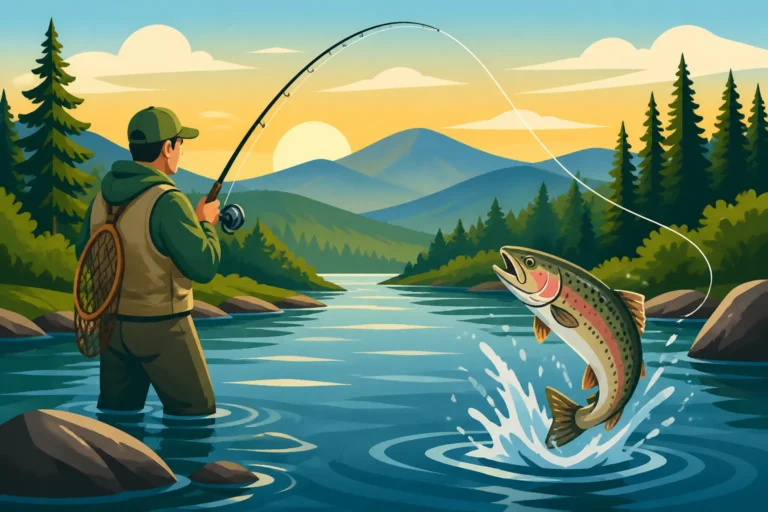
Finding reliable, publicly accessible spots for fly fishing on Vermont’s White River can sometimes feel like chasing a ghost, especially for those new to the area. It’s a truly magnificent river, known for its pristine waters and diverse trout populations, but knowing exactly where to wade in, where to park, and what to expect can be a puzzle. This comprehensive guide will illuminate the best fly fishing access points along the White River, detailing what makes each section unique and how you can best approach them to maximize your angling success.
Understanding the White River's Diverse Character for Fly Fishing
The White River isn't just one type of water; it's a dynamic system that transforms as it winds its way through central Vermont. From its headwaters in the Green Mountains to its confluence with the Connecticut River, it offers a range of experiences, from tight, technical freestone streams to wider, more meandering sections with classic runs and pools. Understanding these distinct personalities is key to unlocking its fly fishing potential.
Upper River: Freestone Challenges and Wild Trout Rewards
The uppermost stretches of the White River, particularly from its source near Granville down through the communities of Hancock and Rochester, are textbook freestone trout streams. Here, the river is narrower, often tumbling over rocky bottoms and through dense riparian zones. This is classic brook trout country, though you'll find plenty of wild brown trout and some rainbows too. Access here often means pulling off a state highway like Route 100 or Route 107 and scrambling down to the water. The challenges include navigating slippery rocks, dense bank vegetation, and making accurate casts in tighter quarters. However, the rewards are immense: the chance to catch brightly colored, feisty wild trout in a truly pristine setting. Think smaller rods, stealthy approaches, and precise fly placement. It's often about reading the pocket water and short seams.
Mid-River: Accessible Runs, Pools, and Stocked Opportunities
As the White River flows from Rochester through Bethel, Royalton, and beyond, it begins to mature. The gradient lessens, the riverbed widens, and you start to see more defined runs, riffles, and pools. This section is often more accessible, with numerous bridge crossings, designated fishing access areas, and stretches that parallel main roads, offering easier entry for anglers. While wild trout persist, this is also where the Vermont Fish & Wildlife Department often focuses its stocking efforts, especially for rainbow and brown trout, augmenting the population and providing more consistent action. These waters can handle a slightly heavier fly rod and offer more room for roll casts and mending. This is an excellent area to explore if you're looking for more consistent catch rates and broader, wadeable sections.
Lower River: Wider Waters, Deeper Pools, and Diverse Fish
Below South Royalton, as the White River approaches its mouth at the Connecticut River, it becomes significantly wider and deeper, with a slower current. While still holding trout, especially during cooler months, this section starts to introduce a mix of warm-water species like smallmouth bass and northern pike, alongside the trout. The habitat shifts to more expansive runs, deep pools, and gravel bars. Access here might involve fishing from the bank in town parks or launching a drift boat or kayak for a float trip. The fishing here can be quite different; larger streamers and nymphs might be more effective for the bigger fish lurking in the depths. During the summer, targeting trout might mean focusing on cooler tributaries or deeper, oxygenated pools early and late in the day, while smallmouth bass become a prime target in the main stem.
Prime Fly Fishing Access Points and What to Expect
Let’s get down to the nitty-gritty of where you can actually put a fly on the water. The White River boasts numerous public access points, from formal state-managed areas to informal pull-offs near bridges. Always remember to respect private property, even if it looks like open land. "No Trespassing" signs are there for a reason, and a little respect goes a long way in maintaining good angler-landowner relations.
Gaysville and Stockbridge Areas: Classic Trout Water Stretches
The stretch of river around Gaysville and Stockbridge offers some truly picturesque and productive fly fishing. These areas are characterized by a healthy mix of riffles, runs, and medium-sized pools, often surrounded by mature trees that provide shade and insect habitat.
- Route 107 in Gaysville: You'll find several informal pull-offs along Route 107 as it parallels the White River through Gaysville. Look for small gravel areas where other cars are parked. Many anglers access the river from these spots, often finding excellent wading opportunities in the runs and riffles. The river here holds a good mix of wild and stocked brown and rainbow trout. You might want to consider using a local guide for this section if you're new, and services like FishingBooker can help you connect with experienced White River guides who know these subtle access points intimately.
- Stockbridge Bridge Area: Just downstream from Gaysville, near the village of Stockbridge, the river continues to offer strong access. The bridge itself often provides a good reference point. There are typically small parking areas or shoulder pull-offs nearby. This section is known for its consistent bug hatches during the spring and early summer, making it ideal for dry fly fishing on calm evenings. Wading is generally manageable, but always exercise caution, especially during higher flows.
Rochester to Bethel: Diverse Opportunities and Ample Public Land
This middle section of the White River provides a blend of easily accessible spots and more secluded stretches, with a good balance of wild and stocked fish. The scenery here is quintessentially Vermont, with rolling hills and agricultural fields interspersed with wooded riverbanks.
- Rochester Village Green Area: In the heart of Rochester, the river flows through town, and there's often good public access near the village green and surrounding parks. While it might feel less "wild," these in-town stretches can be surprisingly productive, especially for opportunistic trout feeding on terrestrial insects that fall from overhanging trees. Parking is usually straightforward.
- Peavine Park (Bethel): As you head downstream towards Bethel, Peavine Park offers a more established access point with parking and trails leading to the river. This area typically features wider runs and deeper pools, making it excellent for both nymphing and streamer fishing. It's a popular spot, especially during the peak season, but the river is large enough to accommodate multiple anglers without feeling crowded. This is a great place to spend a day, and its larger size makes it suitable for learning Wading Techniques for Vermont Trout Streams.
- Bridge Crossings on Route 107 and 12: Throughout this section, anytime Route 107 or Route 12 crosses the White River, there's a strong chance of finding some informal access. Always scout for safe parking and clear indications of public access or permission to cross private land to reach the water. These bridge spots often create deeper pools and oxygenated riffles that attract feeding trout.
South Royalton and Below: Transitioning Waters
The lower White River, particularly around South Royalton and its downstream flow, offers a different experience. The river here is broader, with some longer, slower pools interspersed with riffles. This is where you might start to encounter more smallmouth bass alongside the trout, especially as summer progresses.
- South Royalton Village: The village of South Royalton itself provides some access points, often near parks or public lands along the river. These areas are easy to reach and can offer decent bank fishing, though wading opportunities might be more limited in the deeper sections.
- Downstream Towards Connecticut River: As the White River approaches its confluence with the Connecticut River, the fishing becomes a mix. Early spring and late fall can be excellent for larger brown trout that might migrate up from the Connecticut. During summer, look for smallmouth bass around rocky structure and current breaks. Access here is often through town lands or via car-top boat launches if you're planning a float trip. If you're considering a guided float trip on this section, a search on FishingBooker could turn up some excellent local operators specializing in multi-species trips.
Essential Tips for White River Anglers
Beyond just knowing where to go, a few key insights can make your White River fly fishing experience even more rewarding. It’s not just about the location; it’s about how you approach the water and what you bring with you.
Gear Considerations for White River Success
The White River isn't overly demanding in terms of specialized gear, but having the right setup can certainly improve your chances.
- Rod and Reel: A 4-weight or 5-weight fly rod, typically 8.5 to 9 feet long, is a versatile choice for most of the White River's trout waters. It provides enough backbone to handle larger fish but is sensitive enough for delicate presentations. For the upper, tighter sections, some anglers prefer a shorter, lighter 3-weight rod. If you're venturing into the lower river targeting smallmouth, a 6-weight can be beneficial for casting larger flies.
- Lines and Leaders: A weight-forward floating line is standard. For leaders, a 9-foot tapered leader ending in 4x or 5x tippet is a good starting point for trout. In very clear or low water conditions, you might drop to 6x. For smallmouth, you'll want a heavier leader, perhaps 0X or 1X, to handle their aggressive strikes and larger flies.
- Fly Selection: The White River boasts a rich insect life, so having a diverse fly box is crucial.
- Nymphs: Pat's Rubber Legs, Pheasant Tail Nymphs, Hare's Ear Nymphs, Prince Nymphs, and various caddis pupa patterns are all highly effective. Don't forget stonefly nymphs, especially in the larger freestone sections.
- Dry Flies: During hatches, standard patterns like Elk Hair Caddis, Adams, Parachute Adams, Light Cahill, and various ant and beetle imitations for terrestrials will serve you well. Knowing the Best Fly Size for Vermont Trout Streams in Spring can give you a significant edge.
- Streamers: Woolly Buggers (black, olive, brown), Sculpzillas, and various baitfish imitations are excellent for prospecting deeper pools or enticing larger, aggressive trout and smallmouth bass.
- Waders and Boots: Given the varying depths and rocky bottoms, a good pair of breathable chest waders and sturdy wading boots with felt or rubber soles are essential for navigating the river safely and comfortably. For advice on what to choose, check out our guide on Best Waders for Vermont Trout Streams. A wading staff is also a wise accessory, especially in faster currents or unfamiliar territory.
Seasonal Strategies and Timing Your Trip
The White River offers year-round opportunities, but each season presents unique challenges and rewards. Understanding these cycles is crucial for successful fly fishing.
- Spring (April-May): The river can be high and cold from snowmelt, but as flows stabilize, hatches of Blue-Winged Olives, Caddis, and Hendricksons can be prolific. This is often the time for aggressive nymphing and streamers, as trout are actively feeding after winter. Opening day for trout is a huge tradition in Vermont, and the White River is a popular destination. You can find more details in our article on Vermont Trout Opening Day Traditions.
- Summer (June-August): As water temperatures rise, focus on early mornings and late evenings for trout, especially in the lower, warmer sections. Terrestrial patterns (ants, beetles, grasshoppers) become vital, and targeting cooler tributaries can be productive. Smallmouth bass fishing heats up in the main stem.
- Fall (September-October): Many consider fall the prime time for fly fishing on the White River. Cooler temperatures revitalize the trout, and hatches of late-season BWO's, Isonychia, and October Caddis can bring fish to the surface. Brown trout become particularly aggressive as they prepare for spawning. The vibrant foliage adds to the experience, making it a truly magical time to be on the water.
- Winter (November-March): While ice fishing dominates many Vermont lakes, the White River, with its moving water, can offer limited open-water opportunities on warmer days. Focus on deeper, slower pools with nymphs and streamers, and fish during the warmest part of the day.
Navigating Regulations and Respecting the River
Before casting a line, ensure you have a valid Vermont fishing license. You can find all the necessary details in our comprehensive Vermont Fishing License Guide for 2026. Always carry a copy, either physical or digital. Additionally, it's vital to be familiar with the state's fishing regulations, which can change annually. Pay close attention to catch and release sections, specific bag limits for trout, and any special regulations for certain parts of the White River. Our guide on Reading the Vermont Fishing Regulations Guide can help demystify the rulebook. Practice catch and release, especially for wild trout, and always handle fish with wet hands to minimize stress. Pack out everything you pack in, and leave the riverbank cleaner than you found it. Responsible angling helps preserve this incredible resource for future generations.
Comparing Key White River Fly Fishing Access Points
To help you visualize your next trip, here’s a quick overview of some of the access points discussed, highlighting their key characteristics for the fly angler.
| Access Point/Section | Primary Target Species | Typical Techniques | Parking & Ease of Access | Notes |
|---|---|---|---|---|
| Upper River (Hancock/Granville) | Wild Brook, Brown Trout | Small Dry Flies, Nymphs | Informal pull-offs, moderate hike | Technical, pristine, smaller water. |
| Gaysville/Stockbridge (Route 107) | Brown, Rainbow, Brook Trout | Nymphing, Dry Flies, Streamers | Informal pull-offs, roadside parking | Classic trout water, good wading. |
| Peavine Park (Bethel) | Brown, Rainbow Trout | Nymphing, Streamers | Designated parking lot, easy walk to river | Popular, wider water, consistent stocking. |
| South Royalton Village | Brown, Rainbow Trout, Smallmouth Bass | Nymphing, Streamers, Terrestrials | Village parking, bank access | More developed, deeper pools, mixed species. |
| Lower River (towards CT River) | Brown Trout, Smallmouth Bass, Pike | Streamers, Larger Nymphs | Boat launches, town access, some bank | Wider, slower, can be good for migratory fish. |
Remember, the White River is a gem, offering incredible diversity and beauty. With a little planning and respect for the resource, you’re in for an unforgettable fly fishing experience in the heart of Vermont. You can also gain further insights into the river's overall character through our specific White River Fishing Guide.
Disclaimer
The information provided in this guide is for general informational purposes only and is subject to change. Always consult the latest Vermont Fish & Wildlife Department regulations and maps before planning your fishing trip. Fishing conditions, access, and regulations can vary, so local knowledge and up-to-date information are crucial.