Best fishing spots in the Northeast Kingdom
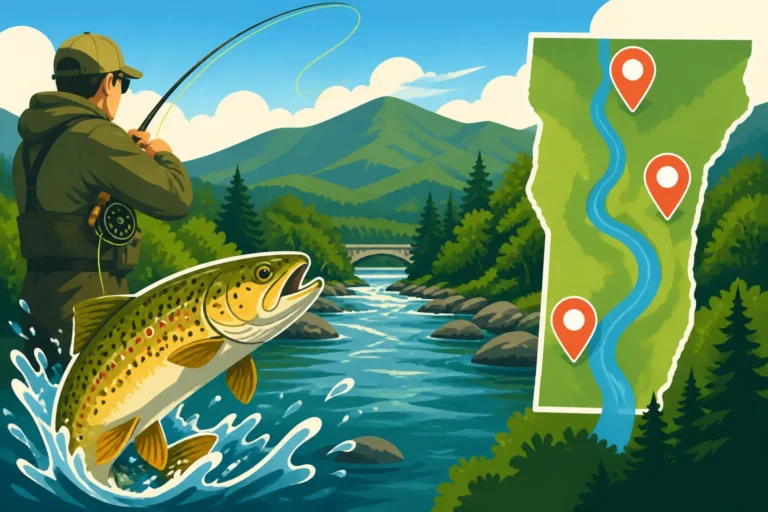
The Northeast Kingdom of Vermont, with its rugged terrain and sprawling wilderness, often presents a challenge for anglers seeking prime fishing spots amidst its vastness. It's easy to feel overwhelmed by the sheer number of lakes, rivers, and streams, wondering where to even begin for a truly rewarding experience. This guide aims to cut through that uncertainty, offering you a comprehensive look at the best fishing opportunities tucked away in this spectacular corner of the Green Mountain State, ensuring your next trip is filled with bent rods and unforgettable memories.
Understanding the Northeast Kingdom's Unique Waters
The Northeast Kingdom, or the "NEK" as locals affectionately call it, is a region defined by its remoteness, its breathtaking natural beauty, and its incredible diversity of fishing habitats. Spanning Essex, Orleans, and Caledonia counties, this area is a true gem for those seeking an escape from crowded waters and a chance to connect with nature while pursuing their favorite fish.
The Landscape and Its Influence on Fishing
Imagine rolling hills covered in dense forests, interrupted by vast, clear lakes and meandering rivers. This is the NEK. Its geology plays a significant role in the type of fishing available. We have deep, glacial lakes that hold cold-water species, smaller ponds perfect for warm-water fish, and a network of rivers and streams that range from powerful flows to quiet, babbling brooks. The remoteness means less fishing pressure in many areas compared to more populated parts of Vermont, often resulting in larger, healthier fish populations. You'll find everything from rugged, primitive access points to more developed boat launches, catering to all types of anglers. The sheer variety here is a huge part of its appeal; one day you might be casting for brook trout in a mountain stream, and the next, you're trolling for muskellunge on a massive international lake.
Key Fish Species to Target
The Northeast Kingdom boasts an impressive array of fish species, offering something for every angler. For the cold-water enthusiasts, you're looking at prime opportunities for Landlocked Salmon Fishing in Vermont, Lake Trout, and of course, our native Brook Trout. These species thrive in the deep, cold waters of the larger lakes and the crystal-clear, oxygen-rich mountain streams.
Warm-water species are equally abundant. You'll find robust populations of Smallmouth Bass and Largemouth Bass, particularly in the shallower bays and warmer ponds. Walleye are also a highly sought-after species, especially in certain larger lakes. And let's not forget the incredible Muskellunge, a true apex predator, that draws anglers from far and wide to specific NEK waters. Panfish like yellow perch and black crappie are also plentiful, offering consistent action for anglers of all ages and skill levels, making them perfect for a family outing. Understanding the preferred habitats and feeding habits of these species is key to unlocking the NEK's full potential.
Premier Lakes and Ponds for Anglers
The Northeast Kingdom is home to some of Vermont's most iconic and productive fishing lakes. These large bodies of water offer diverse fishing experiences, from deep-water trolling to challenging sight-fishing in clear shallows.
Lake Memphremagog: A Giant Awaits
Stretching over 31 miles, with about a third of its waters in Vermont and the rest in Quebec, Canada, Lake Memphremagog is a truly impressive fishery. Its immense size and varying depths create a complex ecosystem that supports a wide range of species. For many anglers, the main draw here is the legendary muskellunge. These toothy giants are challenging to catch, but the reward of landing one is unparalleled. If you're looking for a guided trip to tackle these beasts, platforms like FishingBooker can help you connect with experienced local captains who know the lake's nuances.
Beyond the muskie, Memphremagog is also fantastic for landlocked salmon, lake trout, and large smallmouth bass. Anglers often target salmon and lake trout by trolling deep, especially during the warmer months, while bass can be found around rocky shorelines, submerged structures, and transition areas. The lake’s diverse structure, from shallow bays to deep drop-offs reaching over 300 feet, provides habitat for an abundance of forage fish, which in turn supports a thriving sportfish population. If you're planning a trip, definitely check out our comprehensive Lake Memphremagog Fishing Guide for more detailed information on tactics and specific hotspots.
Lake Willoughby: Deep Waters and Trophy Fish
Often hailed as one of the most beautiful lakes in Vermont, Lake Willoughby is equally renowned for its exceptional fishing. This fjord-like lake is incredibly deep, plummeting to over 300 feet in places, and boasts crystal-clear waters. These characteristics make it a premier destination for cold-water species, particularly trophy-sized lake trout and landlocked salmon. Anglers frequently employ downriggers and deep-water trolling techniques here, often using spoons or smelt-imitating lures, to entice these elusive giants.
The sheer clarity of the water at Willoughby means that fish can be quite wary, making the fishing both challenging and incredibly rewarding. While known for its big lakers and salmon, Willoughby also holds healthy populations of rainbow trout and some brook trout, especially in its shallower northern coves and stream mouths during certain times of the year. Due to its unique ecosystem, special regulations often apply, so it’s always wise to consult the Vermont Fish & Wildlife Department’s current guide before you cast a line. For more specifics on what to expect, our Lake Willoughby Fishing Guide offers a deep dive into this stunning lake.
Seymour Lake: A Northern Gem
Nestled in the town of Morgan, Seymour Lake is another Northeast Kingdom jewel, offering fantastic fishing for a mix of cold and warm-water species. While not as large as Memphremagog or as deep as Willoughby, Seymour Lake provides a more intimate fishing experience without sacrificing quality. It’s particularly known for its thriving populations of landlocked salmon and lake trout, which grow to impressive sizes here. Early morning and late evening trolling can be particularly effective for these species, especially near drop-offs and along underwater contours.
Beyond the salmon and lakers, Seymour also has good numbers of smallmouth bass and yellow perch, making it a versatile lake for various angling preferences. The bass fishing really heats up during the summer months when they become more active in the shallower rocky areas. Perch are a great option for kids or for simply enjoying steady action. For detailed insights into this productive waterbody, don't miss our dedicated Seymour Lake Fishing Guide. Like all major Vermont lakes, it’s worth noting that boat access areas are managed, and sometimes permits or specific rules apply, so always be prepared.
Smaller, Hidden Gems (e.g., Lake Salem, Crystal Lake)
While the big lakes get a lot of attention, the Northeast Kingdom is dotted with countless smaller lakes and ponds that offer equally rewarding, and often less crowded, fishing experiences. These "hidden gems" can be fantastic for targeting specific species or simply enjoying a quieter day on the water.
- Lake Salem: Located in Derby, Lake Salem is a beautiful, medium-sized lake known for its excellent populations of smallmouth bass, northern pike, and yellow perch. Its shallower nature compared to its larger neighbors means it warms up faster, offering great early-season bass action. It’s also a favorite for ice fishing enthusiasts targeting pike and perch in the winter. The lake's structure, with its various points, coves, and weed beds, provides ample habitat for these species.
- Crystal Lake: Situated in Barton, Crystal Lake lives up to its name with exceptionally clear waters. While it has some cold-water species like lake trout, it’s particularly noted for its brown trout and rainbow trout, often stocked by the state. Smallmouth bass also thrive here. Its clarity makes sight fishing an exciting challenge, and the beautiful surroundings make it a popular spot for both anglers and recreationists. Remember to check local regulations, as water clarity can sometimes influence fishing techniques allowed.
- Echo Lake (Charleston): Another deep, cold-water lake, Echo is home to lake trout, rainbow trout, and even some wild brook trout in its feeder streams. Its pristine nature and often quiet atmosphere make it a favorite for those seeking solitude.
- Norton Pond: Near the Canadian border, Norton Pond offers good fishing for northern pike, perch, and occasionally some smallmouth bass. It’s a great spot for targeting aggressive pike, especially with larger spoons or spinnerbaits.
Exploring these smaller bodies of water often requires a bit more local knowledge or adventurous spirit, but the rewards—less pressure and often vigorous fish—are well worth the effort.
Rivers and Streams: Flowing Opportunities
Beyond its stunning lakes, the Northeast Kingdom is crisscrossed by a network of rivers and streams that offer incredible fishing, particularly for trout. These flowing waters provide a different kind of challenge and a unique connection to the wild landscape.
Clyde River: Diverse Fishing
The Clyde River, flowing from Island Pond through Newport and into Lake Memphremagog, is a highly diverse fishery. Its character changes significantly along its length, offering everything from classic trout water to areas better suited for warm-water species. In its upper reaches and tributaries, you'll find excellent opportunities for wild brook trout and stocked brown and rainbow trout. These sections often feature pocket water, riffles, and deeper pools, perfect for fly fishing or light spin gear. Knowing the Vermont Trout Season and Stocking Rules is crucial here, as timing can greatly impact your success.
As the Clyde River widens and slows, particularly closer to Lake Memphremagog, it transitions into prime habitat for northern pike, smallmouth bass, and walleye. During spring and fall, these species move into the river from the lake, offering fantastic fishing. It's not uncommon to hook a respectable smallmouth or a feisty pike in the lower stretches. Access points are scattered along the river, and some sections flow through public lands, making it relatively accessible for wade fishing or small boat/kayak use.
Nulhegan River: Wild and Scenic
The Nulhegan River, located primarily within the sprawling Nulhegan Basin Wildlife Refuge in Essex County, offers a truly wild and remote fishing experience. This river system is a stronghold for native brook trout, providing an opportunity to catch these beautiful, vibrant fish in their natural habitat. The Nulhegan is less about trophy size and more about the quintessential Vermont wilderness experience. Anglers venturing into these waters should be prepared for a bit of a hike and may encounter wildlife like moose and deer.
Fishing here typically involves stealthy approaches, precise casting, and often the use of light tackle or small fly patterns to fool the wary brookies. The river's character is a mix of rapids, slower runs, and deep, undercut banks. Due to its wild nature, you won't find significant stocking here; the fish populations are sustained naturally. This is truly a place for the purist, for those who appreciate the untouched beauty of a wild Vermont river. Always be sure to check the specific regulations for fishing within the Wildlife Refuge, as they can sometimes differ from general state rules.
Coaticook River and Other Smaller Tributaries
The Coaticook River, originating in Norton Pond and flowing north into Quebec, is another significant river system in the NEK, particularly in its upper Vermont stretches. While much of it is in Canada, the Vermont portions offer good fishing for various trout species, especially where it’s stocked or has cold-water feeder streams.
Beyond these larger river systems, the Northeast Kingdom is absolutely crisscrossed with countless smaller streams and brooks. Many of these nameless or lesser-known waterways hold populations of wild brook trout, especially in the higher elevations and within forested public lands. These are often accessed by hiking in, offering a sense of true discovery. While the fish might be smaller, the experience of catching a vibrant brook trout from a pristine mountain stream is a quintessential Vermont fishing adventure. These smaller tributaries are often best fished with ultralight spinning gear or a short fly rod, employing simple techniques with small lures or dry flies. It's advisable to carry a map and be aware of land ownership to ensure you're fishing legally and respectfully. This region, in general, offers some of the Best Fishing Rivers in Vermont.
Seasonal Strategies for Northeast Kingdom Fishing Success
The Northeast Kingdom's diverse fisheries mean that the best tactics and target species shift dramatically with the seasons. Being aware of these changes is key to consistent success. If you're looking to plan a trip at a specific time of year, checking out a service like FishingBooker can help you find guides who specialize in seasonal patterns.
Spring: Thawing Waters and Eager Fish
Spring in the NEK is a time of awakening for both nature and fish. As the ice melts (typically by mid-to-late April, though it varies), the water temperatures begin to rise, and fish become incredibly active after a long, cold winter. This is prime time for trout and salmon in the lakes, as they move closer to the surface and feed aggressively near the ice-out line or around tributaries. Trolling spoons, stickbaits, or baitfish imitations can be very effective for landlocked salmon and lake trout in the upper water column.
For river anglers, the famous Vermont Trout Opening Day Traditions usually in mid-April, marks the beginning of stream fishing. Stocked rainbow and brown trout are often eager to bite on worms, spinners, or PowerBait, especially in the larger, more accessible rivers like the Clyde and its feeders. Wild brook trout in smaller streams also become active, though high water levels from snowmelt can make access challenging. Bass fishing typically begins later in spring as water temperatures approach the 50s, often kicking off with a catch-and-release season before the full harvest season begins.
Summer: Warm Water and Active Bites
Summer in the Northeast Kingdom brings warmer water temperatures and longer days, shifting fishing patterns significantly. In the larger, deeper lakes like Willoughby and Memphremagog, lake trout and landlocked salmon move to deeper, cooler water. This means employing downriggers, lead core lines, or vertical jigging techniques to reach them. Early mornings and late evenings are often the most productive times.
Warm-water species like smallmouth and largemouth bass, northern pike, and panfish become incredibly active. Lake Memphremagog and Lake Salem offer fantastic bass fishing, with fish holding on rocky points, submerged humps, and weed edges. Topwater lures, crankbaits, and soft plastics can all be very effective. Panfish like yellow perch and crappie provide steady action throughout the day, especially around docks, fallen trees, and weed beds, making them great targets for family outings. Stream trout fishing can slow down in summer, especially during hot spells when water temperatures rise, making catch and release more stressful for the fish. Focusing on cooler, shaded stretches or high-elevation streams is often best for trout during this season. Understanding the Vermont Fishing Seasons by Month is crucial for planning your summer excursions.
Fall: Vibrant Colors and Aggressive Fish
Fall is arguably one of the most beautiful and productive times to fish in the Northeast Kingdom. As air and water temperatures begin to drop, fish become more active, feeding heavily in preparation for winter. The foliage is spectacular, adding to the overall experience.
Lake trout and landlocked salmon in the big lakes, like Willoughby and Seymour, begin to move shallower as the water cools, often staging for their spawning runs in late fall. This can lead to some incredible fishing, with fish becoming more aggressive and hitting a wider range of lures. Trolling at shallower depths or casting from shore near tributaries can be very effective. Smallmouth bass also go on a feeding frenzy, schooling up and moving to deeper structure but still aggressively hitting crankbaits, jerkbaits, and swimbaits. Pike in Lake Salem and other ponds are also very active. For river anglers, fall can offer a resurgence in trout activity as water temperatures become ideal again, especially for brown trout that may be migrating upstream for spawning. This is a magical time to be on the water.
Winter: Ice Fishing Adventures
When the lakes and ponds of the Northeast Kingdom freeze solid, a whole new world of fishing opens up: ice fishing! The NEK is a premier destination for Ice Fishing in Vermont, offering abundant opportunities for various species. Safe ice usually forms by late December or early January, lasting through March.
Lake Memphremagog is popular for ice anglers targeting lake trout, walleye, and pike. Lake Salem and Crystal Lake are fantastic for northern pike and yellow perch, often providing consistent action. Seymour Lake also offers good ice fishing for lake trout and salmon. Techniques typically involve jigging with small spoons or soft plastics, or setting up tip-ups with live bait like shiners or smelt. It's crucial to always prioritize safety when ice fishing, checking ice thickness regularly and being aware of current conditions. Many communities around the NEK also host ice fishing derbies throughout the winter, adding a fun, competitive element to the season.
| Lake/River | Primary Species Targeted | Key Characteristics | Best Season(s) | Typical Depth Range (feet) |
|---|---|---|---|---|
| Lake Memphremagog | Muskellunge, Landlocked Salmon, Lake Trout, Smallmouth Bass, Walleye | Very large, deep, international lake | All year (Ice fishing for Walleye, Pike) | 10-300+ |
| Lake Willoughby | Lake Trout, Landlocked Salmon, Rainbow Trout, Brook Trout | Very deep, clear, fjord-like lake | Spring, Fall, Winter (Ice fishing) | 50-320+ |
| Seymour Lake | Landlocked Salmon, Lake Trout, Smallmouth Bass, Yellow Perch | Deep, clear, northern gem | Spring, Fall, Winter (Ice fishing) | 15-100+ |
| Lake Salem | Smallmouth Bass, Northern Pike, Yellow Perch | Medium-sized, shallower, good for pike | Summer, Winter (Ice fishing) | 10-40 |
| Crystal Lake | Brown Trout, Rainbow Trout, Smallmouth Bass, Lake Trout | Clear water, beautiful scenery | Spring, Summer, Fall | 20-100+ |
| Clyde River | Trout (upper), Pike, Bass, Walleye (lower) | Diverse, changes character along length | Spring, Fall | Varies, shallow to deep pools |
| Nulhegan River | Wild Brook Trout | Remote, wild, scenic refuge | Spring, Summer, Fall | Shallow to moderate |
Disclaimer
Please remember that fishing regulations in Vermont can change. Always consult the official Vermont Fish & Wildlife Department regulations guide before heading out on the water. This guide is for informational purposes only and does not replace official state resources. Be aware of private property boundaries and practice responsible angling, including catch and release where appropriate, to help preserve these fantastic fisheries for future generations.