Seymour Lake Fishing Guide
For many anglers, the pristine, shimmering waters of Vermont's Northeast Kingdom represent a true sanctuary, a place where the pressures of everyday life melt away with each cast. But arriving at a new, expansive lake like Seymour can feel overwhelming – where do you even begin to unravel its secrets? This comprehensive guide is designed to cut through that initial uncertainty, offering you an insider's look at Seymour Lake, its incredible fisheries, and the strategies you'll need to make your next fishing adventure unforgettable.
Getting to Know Seymour Lake: A Jewel of the Northeast Kingdom
Nestled in the heart of Vermont's rugged Northeast Kingdom, Seymour Lake is more than just a body of water; it's a cold-water haven renowned for its deep, clear waters and exceptional fisheries. For those who love the thrill of pursuing salmon and lake trout, this lake stands out as a prime destination. Understanding its unique characteristics is the first step to unlocking its angling potential.
The Lake's Geography and Depth
Seymour Lake spans approximately 1,700 acres, making it one of the larger and more significant lakes in the region. What truly sets it apart, however, is its impressive depth. Plunging to over 175 feet in some spots, with an average depth hovering around 70-80 feet, Seymour is an oligotrophic lake – meaning it's nutrient-poor, exceptionally clear, and maintains cold temperatures even in the height of summer. This deep, cold environment is precisely what makes it ideal habitat for some of Vermont's most sought-after cold-water species. The extreme clarity of the water, while beautiful, also means fish can be spooky, often requiring longer leaders and more subtle presentations, especially on bright, sunny days.
The lake's clear waters and significant depths create distinct zones. You'll find shallow, rocky shorelines in some areas that transition quickly into steep drop-offs, forming excellent ambush points for smallmouth bass. Out in the expansive main basin, underwater humps, ledges, and channels become critical structure for lake trout and landlocked salmon. Studying a good depth map, whether on a modern fish finder or a traditional paper chart, is invaluable here. Knowing the contours of the bottom can make all the difference in locating where these fish hold, particularly when they retreat to cooler, deeper water during warmer months.
Primary Gamefish Overview
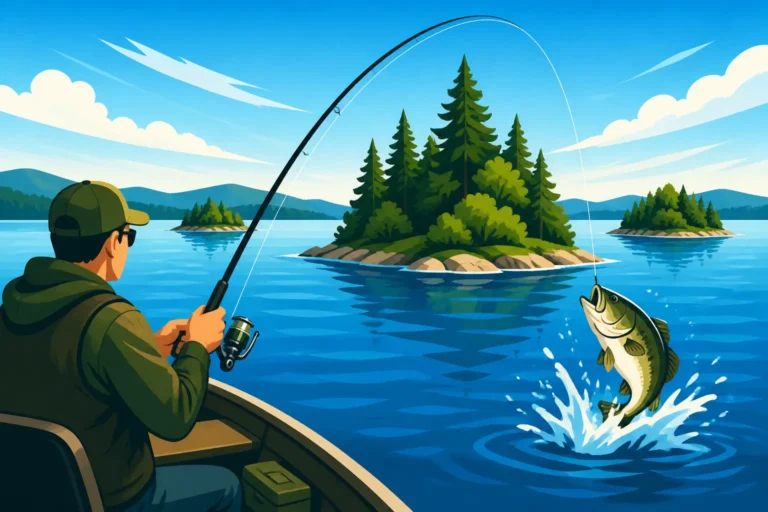
Seymour Lake is primarily celebrated for its fantastic cold-water fishing, particularly for landlocked salmon and lake trout. These two species draw anglers from across the region, and for good reason—Seymour consistently produces impressive catches. But the lake isn't just a single-species fishery. You'll also find healthy populations of rainbow trout and brown trout, often stocked by the Vermont Fish & Wildlife Department to provide additional opportunities. For those looking for a different kind of fight, smallmouth bass thrive in the lake's rocky shallows and along its many points, offering exhilarating topwater action in warmer months. Yellow perch are abundant and provide consistent action, especially through the ice, and the elusive burbot also lurk in the depths.
Each of these species presents its own unique challenge and reward. The landlocked salmon are known for their acrobatic fights and powerful runs, often schooling in open water. Lake trout are deep-dwelling predators, requiring specialized techniques to reach them, but their sheer size and strength are legendary. Rainbow and brown trout provide a great option for both trollers and shore anglers, especially after recent stockings. And smallmouth bass, with their aggressive strikes and hard fighting, are a blast on lighter tackle. Whether you're a seasoned veteran or just starting out, there's a gamefish in Seymour Lake waiting to test your skills. For general information on the diverse angling opportunities across the state, you might want to check out our comprehensive guide to Vermont Fishing Seasons by Month.
Local Charm and Amenities
Beyond the fantastic fishing, Seymour Lake and its surrounding area offer a quintessential Vermont experience. The lake is situated near the small town of Morgan, offering a peaceful, rural setting. Amenities, while not extensive, cater well to anglers and outdoor enthusiasts. There's a public boat launch, accessible through Seymour Lake State Park, which provides ample parking and easy access to the water. This is usually your best bet for getting your boat in and out. The park also offers picnic areas and a beach, making it a great spot for family outings even if not everyone is casting a line.
For those looking for lodging or supplies, the nearby towns of Island Pond and Newport, though a bit further afield, provide more options for bait shops, grocery stores, and restaurants. It's always a good idea to call ahead to local bait shops or general stores to confirm hours and bait availability, especially if you're visiting during off-peak seasons. If you're planning a trip and want to leverage local expertise, you can often find experienced fishing guides who specialize in Seymour Lake. Services like FishingBooker are an excellent resource for connecting with local captains who can put you on the fish, especially if you're targeting those elusive landlocked salmon or deep-water lake trout. They can provide not just the know-how, but also all the necessary gear, making your trip seamless.
Fish Species You'll Find in Seymour Lake
Seymour Lake is a true multi-species fishery, but it's undoubtedly best known for its incredible cold-water residents. Anglers flock here specifically for the challenge and reward of battling powerful salmon and deep-dwelling trout. Knowing what to expect from each species can significantly enhance your fishing strategy and overall enjoyment.
Landlocked Salmon: The Prized Catch
For many, the landlocked salmon is the crown jewel of Seymour Lake. These magnificent fish are highly sought after for their electrifying runs and acrobatic leaps, providing an unforgettable angling experience. Seymour Lake is one of Vermont's premier landlocked salmon waters, consistently producing good numbers of fish, often in the 3-5 pound range, with larger individuals pushing into double digits. They are sleek, silver torpedoes, thriving in the lake's cold, oxygen-rich depths.
Landlocked salmon are primarily pelagic, meaning they roam the open waters, often suspended over deep basins while chasing schools of baitfish, particularly rainbow smelt. This makes them a prime target for trollers. During the spring, right after ice-out, you'll often find them closer to the surface and around tributary mouths as they feed actively. As the water warms in summer, they'll descend to cooler thermoclines, requiring deeper presentations. Fly anglers can also target them during specific times, especially during insect hatches or when they concentrate near river inlets. To learn more about targeting these powerful fish, our guide on How to Catch Landlocked Salmon in Vermont offers in-depth techniques.
Lake Trout: Deep Water Giants
The other major draw to Seymour Lake is its robust population of lake trout, often referred to simply as "lakers." These ancient predators are perfectly adapted to the lake's deep, cold environment, and Seymour Lake is known for producing true trophy-sized fish. It's not uncommon to hear tales of lakers weighing 10 pounds or more, and the state record is a testament to the potential of Vermont's deep lakes. Unlike salmon, lake trout are often more structure-oriented, preferring to hold near underwater humps, ledges, and deep drop-offs, waiting to ambush their prey.
Catching lake trout typically involves specialized deep-water techniques such as downrigging, wire-lining, or jigging with heavy spoons and tubes. They are powerful fighters, especially when hooked in deep water, often making strong, bulldogging runs that test your tackle. Their flesh, particularly from the cold, clean waters of Seymour, is highly prized. Finding the right depth is crucial for lakers, as they are very sensitive to water temperature. In summer, they will almost always be found in the deepest, coldest parts of the lake. A good fish finder is indispensable when targeting these deep-water giants. For more insights on where to find them and what methods work best, consider exploring our general Lake Trout Fishing in Vermont guide.
Rainbow and Brown Trout: Stocked Opportunities
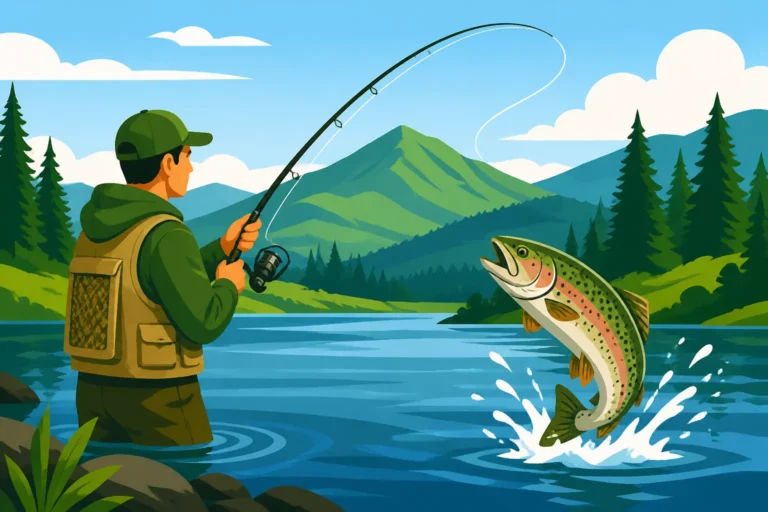
While landlocked salmon and lake trout are the wild, dominant cold-water species, Seymour Lake also benefits from regular stockings of rainbow trout and brown trout by the Vermont Fish & Wildlife Department. These stocked fish provide additional, often more accessible, opportunities for anglers, especially during the spring and fall. Rainbow trout are known for their vibrant colors and spirited fights, while brown trout can grow quite large and are often more elusive, offering a rewarding challenge.
These stocked trout tend to cruise shallower waters, particularly around the public access points and along the shorelines, shortly after they are released. They will eventually spread out, and some will adapt to the deeper, colder parts of the lake, becoming "holdovers" that can grow to impressive sizes. Trolling small spoons, stickbaits, or casting spinners and worms from shore are effective methods for these fish. They are often more active during cooler periods of the day or year. For more specific rules governing these species, consult the official Vermont Fishing Regulations Explained to ensure you're compliant with all limits and seasons.
Smallmouth Bass and Panfish: Accessible Fun
Not every angler is chasing a deep-water trophy. For those who prefer a different kind of action or are looking for more accessible fishing, Seymour Lake also offers excellent opportunities for smallmouth bass and panfish. Smallmouth bass thrive in the lake's rocky points, ledges, and transition areas, particularly in the northern and southern sections of the lake where suitable habitat is abundant. They are aggressive feeders and provide fantastic sport on light tackle, often smashing topwater lures at dawn and dusk.
Panfish, primarily yellow perch, are incredibly abundant in Seymour Lake and offer consistent action for anglers of all ages and skill levels. Perch are excellent table fare and can be caught almost anywhere in the lake, often in schools, using small jigs, worms, or minnows. They are particularly popular during the ice fishing season. These species provide a great alternative when the salmon and lake trout bite is slow, or when you just want to enjoy a relaxing day catching plenty of fish.
Seasonal Fishing Strategies for Seymour Lake
Fishing on Seymour Lake is a year-round affair, but the tactics you employ will drastically change with the seasons. From the exhilarating ice-out period to the quiet solitude of winter ice fishing, understanding how fish behave in response to water temperature and food availability is key to success.
Spring: Ice-Out Action and Early Season Bites
The spring, especially right after ice-out, is a magical time on Seymour Lake. As the ice recedes, the entire lake ecosystem awakens, and fish become incredibly active. Water temperatures are uniformly cold, meaning fish like landlocked salmon, lake trout, and stocked rainbow and brown trout will often be found cruising closer to the surface and along the shallower edges of their habitat. This makes them more accessible to a wider range of techniques.
For landlocked salmon, trolling with small spoons or stickbaits like Rapalas or Mooselook Wobblers, often with a monofilament or fluorocarbon leader of 10-15 feet, can be highly effective near the surface. Focus on areas where tributaries enter the lake, as these can concentrate baitfish and attract hungry salmon. Lake trout, while still preferring deeper haunts, might also be found shallower than they will be in summer, especially in the upper water column during overcast days. Casting spoons or minnow-imitating lures from shore or a boat around rocky points and drop-offs can yield good results. This is also prime time for recently stocked rainbow and brown trout, which will be spread out near popular access points, readily taking PowerBait, worms, or small spinners. It's an exciting period where a variety of fish are willing to bite, making it an excellent time to visit.
Summer: Deep Water Tactics and Topwater Thrills
As Vermont's summer heat sets in, the clear, deep waters of Seymour Lake stratify, forming distinct temperature layers. The cold-water species, particularly landlocked salmon and lake trout, will retreat to the cooler, oxygen-rich thermocline, often 40-80 feet down or even deeper. This is when deep-water trolling techniques become paramount. Downriggers are practically essential for consistently reaching these depths and presenting lures effectively. For salmon, continued trolling with spoons, stickbaits, or even flies behind dodgers or flashers at specific depths where baitfish are abundant is key. For lake trout, heavy spoons, large tube jigs, or cut bait fished on bottom bouncers or downriggers along deep structure are often productive.
However, summer isn't just about deep-water fishing. Smallmouth bass provide fantastic action during these warmer months. Look for them around rocky points, submerged humps, and steep drop-offs. Early mornings and late evenings often bring spectacular topwater action, with bass aggressively striking poppers, walk-the-dog lures, or buzzbaits. During midday, switching to soft plastics, crankbaits, or jigs fished along submerged structure can keep the action going. Yellow perch will also be schooling, often suspending over deeper flats or near weed lines, readily taking small jigs tipped with bait. Summer offers a diverse range of opportunities, appealing to both the deep-water specialist and the light-tackle enthusiast.
Fall: Feeding Frenzy and Pre-Winter Prep
Autumn on Seymour Lake brings cooler temperatures, stunning foliage, and often, some of the year's most aggressive fishing. As the water temperature drops and the lake begins to "turn over" or destratify, fish become highly active, feeding heavily in preparation for winter. Landlocked salmon and lake trout will once again be found higher in the water column and closer to shore, making them more accessible. This is a prime time for trollers, replicating spring tactics but often with larger lures as fish are focused on bulkier meals. The cooler water revitalizes these fish, leading to fierce battles.
This period is particularly exciting for landlocked salmon, which will begin to stage near their spawning grounds (tributary inlets) later in the fall. While specific fishing around spawning areas may be regulated or discouraged, their pre-spawn feeding frenzy offers exceptional angling opportunities throughout the main lake. Smallmouth bass will also be gorging themselves, often moving into shallower bays and flats, making them vulnerable to crankbaits, jerkbaits, and soft plastics. The crisp fall air and lack of summer crowds make this a favorite season for many Seymour Lake regulars. Remember to always consult the Vermont Fishing Regulations Explained for any seasonal closures or special rules that might apply to spawning fish.
Winter: Ice Fishing Adventure
When Seymour Lake finally freezes over, it transforms into a popular destination for ice fishing, offering a unique and often productive winter angling experience. The lake's clear water and deep basins continue to hold strong populations of lake trout, landlocked salmon, and abundant yellow perch, all of which are popular targets through the ice. Ice fishing here typically runs from late December or early January through March, depending on ice conditions. Always prioritize safety and check local ice reports before venturing out, as ice thickness can vary. You can find more details in our Ice Fishing in Vermont guide.
For lake trout and salmon, anglers often use tip-ups rigged with live smelt or shiners, set at varying depths over deep water or along structure. Jigging with heavy spoons, vertical jigs, or tube jigs is also highly effective, requiring good electronics to locate fish and present lures properly. Perch provide consistent action, often schooling in shallower to mid-depth areas (15-40 feet) and readily biting small jigs tipped with bait. Burbot, known as "poor man's lobster," are also commonly caught at night through the ice. The clear ice of Seymour, when solid, offers a fascinating glimpse into the underwater world.
Best Spots and Access Points on Seymour Lake
Knowing what to fish for is only half the battle; knowing where to go on a new lake is equally important. Seymour Lake, with its varied depths and structures, offers distinct areas that favor different species and fishing styles. Identifying key access points and productive fishing grounds will significantly improve your chances of success.
Public Boat Launches and Parking
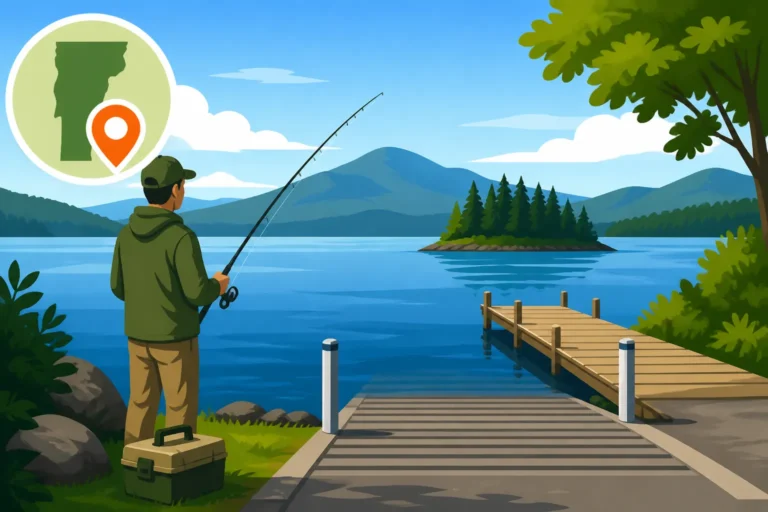
The primary and most convenient access point for boaters on Seymour Lake is the public boat launch located within Seymour Lake State Park on the western shore, off VT Route 111 in Morgan. This launch provides ample parking for vehicles with trailers and offers a concrete ramp suitable for most trailered boats. It's well-maintained and provides direct access to the main body of the lake, placing you within easy reach of both shallow bass cover and the deep basins where salmon and lake trout roam.
This state-run access point is usually open seasonally, from spring ice-out through late fall. During peak summer weekends, it can get busy, so arriving early is often a good strategy. Remember that Vermont Boating Laws for Anglers apply, including life jacket requirements and boat registration rules. Make sure your vessel is compliant before you head out. In the winter, this location may serve as an access point for ice anglers, though specific plowed access can vary, so check local conditions. Having reliable access is crucial, especially for those with larger boats targeting deep-water species.
Shoreline Access and Piers
While Seymour Lake is best explored by boat, there are limited opportunities for shore anglers. The Seymour Lake State Park not only offers the boat launch but also features a public beach area where shore casting is possible, particularly during the spring and fall when stocked trout are cruising closer to shore. While it won't give you access to the prime deep-water haunts, it's a great spot for families or those without a boat to wet a line for rainbow trout, brown trout, and yellow perch.
Beyond the state park, most of the shoreline is privately owned, limiting public access. If you're staying at a rental property or local lodge with private access, you'll have more options for shore fishing. Look for areas with rocky points or gradual drop-offs, which can attract smallmouth bass and panfish. For those interested in diverse options beyond Seymour, exploring the Best Shore Fishing Spots in Vermont can provide additional locations. Always be respectful of private property and adhere to posted signs.
Key Structure and Depth Changes
To consistently catch fish on Seymour Lake, you need to understand its underwater topography. For landlocked salmon, focus your efforts on the open water over the deepest parts of the lake. These fish are constantly on the move, chasing baitfish, so covering water through trolling is often the most effective approach. Use your fish finder to locate schools of smelt and target the same depth.
Lake trout, on the other hand, are more structure-oriented. Look for them around pronounced drop-offs, ledges, and any isolated humps or rock piles that rise from the bottom. These features create current breaks and ambush points. Some of the most productive areas will be where the lake quickly transitions from shallower flats to the deep basin. For smallmouth bass, concentrate on the rocky shorelines, points, and shallow bays, especially those with submerged boulders or downed timber. They often relate to structural changes that offer cover and access to deeper water nearby. The northern and southern ends of the lake tend to have more of this rocky, bass-friendly habitat. For panfish, any dock, submerged brush, or weed line can hold schools of yellow perch. Understanding these key structural elements is vital for patterning fish throughout the year.
Gear and Tackle Recommendations for Seymour Lake
Having the right gear makes a huge difference, especially on a lake as diverse as Seymour. From specialized trolling setups for deep-water giants to light tackle for feisty bass, being prepared ensures you can adapt to conditions and target your desired species effectively.
Trolling Setups for Salmon and Lake Trout
When targeting landlocked salmon and lake trout on Seymour Lake, a solid trolling setup is practically non-negotiable, especially during the summer months when fish are deep. For both species, you'll want medium-heavy action rods, typically 7 to 9 feet long, paired with line counter reels spooled with 15-20 lb monofilament or fluorocarbon. Braided line can also be used as a main line, often with a monofilament or fluorocarbon leader.
Downriggers are highly recommended for precision depth control, allowing you to present your lures exactly where the fish are holding. Popular lures for salmon include small to medium-sized spoons (like Mooselook Wobblers, Suttons, or Super Slims) and slender stickbaits (such as Rapala J-11s or Smithwick Rogues) in natural baitfish colors or bright, attention-grabbing patterns. For lake trout, larger spoons, dodgers or flashers paired with a trailing cut bait (like smelt) or a large tube jig, are often very effective. The clear waters of Seymour often call for longer leaders (10-20 feet) between your main line/downrigger clip and your lure to avoid spooking fish. For those who want a guided experience with all the right gear, remember services like FishingBooker can help you find charters specializing in these deep-water techniques, ensuring you have top-tier equipment and expert guidance.
Light Tackle for Bass and Panfish
If you're after the aggressive smallmouth bass or the ever-present yellow perch, a versatile light tackle setup is your best friend. A medium-light to medium action spinning rod, typically 6'6" to 7' in length, paired with a 2500-3000 size spinning reel, is perfect. Spool it with 6-10 lb braided line, tied to a 6-8 lb fluorocarbon leader for stealth and sensitivity.
For smallmouth bass, a variety of lures work well. Topwater baits like poppers and walking baits are exciting during low light conditions. Crankbaits that mimic minnows or crawfish, soft plastic tubes and grubs on jig heads, and even drop shots are all highly effective, especially when fished around rocky structure. For yellow perch, simplicity is often best. Small jigs tipped with a piece of worm, minnows under a bobber, or tiny panfish spoons will get the job done. Ultra-light setups with 2-4 lb test are fantastic for maximizing the fun when targeting perch. Don't forget a small tackle box stocked with a good selection of hooks, sinkers, and swivels, and a pair of pliers for unhooking fish.
Ice Fishing Essentials
When Seymour Lake dons its winter coat, a specific set of gear is needed for safe and successful ice fishing. The essentials include an ice auger (power augers are a blessing on thick ice!), a skimmer for clearing slush from your holes, and a comfortable ice fishing shelter or shanty to brave the cold. Safety equipment like ice picks and a throw rope are paramount.
For targeting lake trout and salmon through the ice, medium-heavy action ice rods with baitcasting or large spinning reels are ideal. Tip-ups are also popular for setting multiple lines (check Vermont Bag and Possession Limits by Species for line limits). Rig tip-ups with live smelt or large shiners suspended at various depths. For jigging, heavy spoons (e.g., Swedish Pimples, Kastmasters) or large tube jigs are excellent. For perch, light to ultra-light ice rods with small spinning reels spooled with 4-6 lb monofilament or fluorocarbon are perfect. Small jigs, tiny spoons, or even just a plain hook tipped with a wax worm or grub are highly effective. A portable fish finder (flasher or LCD screen) is invaluable for locating fish and understanding depth and structure beneath the ice.
Regulations and Conservation on Seymour Lake
Fishing in Seymour Lake, like anywhere else in Vermont, requires adherence to specific regulations designed to protect the fishery and ensure sustainable angling for future generations. Understanding these rules is not just about avoiding penalties; it's about being a responsible steward of this beautiful natural resource.
Understanding Daily Limits and Length Restrictions
The Vermont Fish & Wildlife Department sets specific daily limits and length restrictions for various species to manage fish populations. These regulations can change year-to-year, so it's absolutely crucial to obtain and review the most current Vermont Fishing Regulations Guide before you head out. For cold-water species like landlocked salmon, lake trout, rainbow trout, and brown trout, there will be specific limits on the number of fish you can keep per day, and often a minimum or maximum length requirement. For example, lake trout often have a minimum length to protect younger fish, while some waters might have slot limits that require you to release fish within a certain size range.
Smallmouth bass also have specific regulations, including daily limits and minimum length requirements, which can vary depending on the time of year (e.g., a catch-and-release only period). Panfish like yellow perch generally have more generous limits, but it's still important to be aware. Always measure your fish carefully and release any that don't meet the legal requirements promptly and safely. These rules are in place for a reason: to ensure Seymour Lake remains a fantastic fishery for everyone. Remember, you'll need a valid Vermont Fishing License Guide for 2026 before casting a line.
Special Rules and Protected Waters
While Seymour Lake generally falls under the statewide fishing regulations, it's always wise to check for any special regulations that might apply specifically to this body of water. Sometimes, particular lakes have unique rules related to specific species, fishing methods, or seasonal closures to protect spawning fish or sensitive areas. For example, some lakes may have tackle restrictions (e.g., artificial lures only) or specific catch-and-release designations for certain areas or times.
Reviewing the "Special Regulation Waters in Vermont" section of the current fishing guide is always a good practice. While Seymour Lake isn't typically highlighted for numerous unique restrictions beyond standard statewide limits, being vigilant is part of responsible angling. Tributaries flowing into Seymour Lake may also have their own regulations, especially concerning trout and salmon spawning. Always verify these details with the Vermont Fish & Wildlife Department's official guide or website.
Practicing Responsible Angling
Beyond the letter of the law, ethical angling practices are vital for preserving Seymour Lake's pristine environment and robust fisheries. This includes practicing catch and release properly, especially for larger breeding fish, or any fish that don't meet legal requirements. Handle fish gently, minimize their time out of water, and use appropriate tools like de-hookers. Consider using single, barbless hooks, especially for trout and salmon, to reduce harm.
It's also crucial to prevent the spread of invasive species. Before launching your boat, always "Clean, Drain, Dry" your vessel and gear to remove any aquatic hitchhikers. Dispose of all trash responsibly, and never leave fishing line or other debris by the lake. Respect private property along the shoreline, and be mindful of other anglers and lake users. Seymour Lake is a shared resource, and preserving its beauty and productivity is a collective effort. By adhering to regulations and practicing conservation, we can all ensure that Seymour Lake remains one of the Best Fishing Lakes in Vermont for generations to come.
Planning Your Seymour Lake Fishing Trip: Essential Tips
Now that you have a deeper understanding of Seymour Lake, it's time to put that knowledge into action and plan your trip. A little preparation goes a long way in ensuring a memorable and successful angling adventure.
Checking Weather and Water Conditions
Before you even pack your bags, make sure you check the local weather forecast for Morgan, Vermont. The Northeast Kingdom can experience rapidly changing weather, from bright sunshine to sudden thunderstorms, especially in the spring and summer. High winds can make navigating a large lake like Seymour challenging and even dangerous, so pay close attention to wind predictions. Water temperature is also a critical factor, particularly for cold-water species. While precise water temperatures are hard to come by without on-site observation, general seasonal trends will give you a good idea of what depths to target.
A sudden cold front can significantly impact fish behavior, often making them less active. Conversely, stable weather patterns can lead to more consistent bites. Layered clothing is always a good idea, as temperatures can fluctuate throughout the day. Don't forget rain gear, sunscreen, and insect repellent – the mosquitoes and black flies can be formidable in Vermont during certain times of the year! Knowing what to expect from the elements allows you to dress appropriately and adjust your fishing strategy for optimal results.
Local Bait Shops and Information Sources
While you might be tempted to bring everything with you, stopping at a local bait shop is always a smart move. Bait shops in nearby towns like Island Pond or Newport often have the freshest live bait (like minnows or worms, which are critical for many species) and specialized tackle that works best on local waters. More importantly, the staff at these shops are usually a goldmine of current information. They can tell you what's biting, what lures are hot, and offer up-to-the-minute details on water conditions, recent stockings, or any temporary access issues.
Beyond bait shops, the Vermont Fish & Wildlife Department website is an invaluable resource. You can often find fish stocking schedules, current regulations, and even fishing reports. Online forums and local fishing groups can also provide insights, but always cross-reference information with official sources. Don't be afraid to strike up a friendly conversation with other anglers at the boat launch; many are happy to share general tips, though specific "secret spots" are usually kept under wraps!
Ensuring Licensing and Safety Compliance
Before you even think about casting a line, ensure you have a valid Vermont fishing license. Whether you're a resident or non-resident, daily, seasonal, or annual, there's a license that fits your needs. You can often purchase them online, at town clerks' offices, or at authorized vendors like many bait shops or sporting goods stores. Our detailed guide, Where and How to Buy a Vermont Fishing License, can walk you through the process. Fishing without a license can result in significant penalties.
Safety on the water is paramount. Always wear a U.S. Coast Guard-approved life jacket, especially if you're boating alone or in a small craft. Even competent swimmers can be overwhelmed by cold water or an unexpected fall. If you're ice fishing, always go with a buddy, check ice thickness frequently, and bring proper safety gear. Inform someone of your float plan or ice fishing location and expected return time. Be aware of Vermont's boating regulations, including required safety equipment for your vessel. A safe trip is a successful trip, regardless of the catch count.
Table: Seymour Lake Species, Depths, and Lure Recommendations
Here's a quick reference table to help you target the most popular species in Seymour Lake based on general seasonal patterns.
| Species | Preferred Depths (Spring/Fall) | Preferred Depths (Summer) | Recommended Lures/Baits | Key Locations/Tactics |
|---|---|---|---|---|
| Landlocked Salmon | Surface to 20 feet | 30-70+ feet (thermocline) | Small spoons, slender stickbaits, flies behind flashers | Open water trolling; tributary mouths; suspended baitfish |
| Lake Trout | 20-60 feet | 60-150+ feet (deep structure) | Large spoons, tube jigs, cut bait, dodgers & flies | Deep humps, ledges, drop-offs; downrigging, jigging |
| Rainbow/Brown Trout | Surface to 15 feet | 20-40 feet (mid-depths, cool spots) | Small spinners, worms, PowerBait, small spoons, stickbaits | Shorelines, public access points, stocked areas; trolling |
| Smallmouth Bass | 5-25 feet | 10-40 feet (rocky structure) | Crankbaits, soft plastics, topwater lures, jigs | Rocky points, submerged humps, steep breaks |
| Yellow Perch | 10-30 feet | 20-50 feet (schools over flats) | Small jigs (tipped w/worm), minnows, tiny spoons | Weed edges, docks, schools over flats; ice fishing |
Disclaimer
Fishing involves inherent risks, and conditions on the water can change rapidly. This guide provides general information and recommendations based on common fishing practices and available public data for Seymour Lake. Always exercise caution, adhere to all local, state, and federal regulations, and prioritize your safety and the safety of others. Always check the most current Vermont Fish & Wildlife Department regulations before fishing, as rules and conditions can change. The author and publisher are not responsible for any accidents, injuries, or legal issues incurred while following the advice in this guide.