Mallets Bay Lake Champlain fishing access
Finding reliable, detailed information on where exactly to access prime fishing spots on a large, diverse body of water like Lake Champlain can be a real headache. You might know Mallets Bay is a fantastic fishery, but actually pinpointing the best launch points, shore access, or even where specific species tend to congregate often feels like searching for a needle in a haystack. This comprehensive guide is designed to cut through that frustration, offering a deep dive into the best fishing access points in Mallets Bay, what you can expect to catch, and how to make the most of your time on these productive waters.
Discovering the Charms of Mallets Bay Fishing
Mallets Bay, a prominent arm of Lake Champlain located primarily in Colchester, Vermont, is a truly special place for anglers. It's often praised for its unique blend of accessibility, diverse fish populations, and stunning natural beauty. For many, it's a go-to spot that offers everything from tranquil mornings on the water to exhilarating battles with trophy-sized fish.
Why Mallets Bay Stands Out for Anglers
What makes Mallets Bay so appealing is its geography. Unlike the wide-open expanse of the main lake, Mallets Bay is a more protected, somewhat enclosed body of water, offering a refuge from the harshest winds and waves that can plague other parts of Lake Champlain. This sheltered characteristic not only makes for safer boating and more comfortable fishing conditions but also contributes to a rich, complex underwater environment. You'll find a varied topography beneath the surface, including shallow weed beds, rocky points, gradual sloping flats, and deeper channels, all of which create ideal habitats for a multitude of fish species. The bay's proximity to larger towns like Burlington and Colchester also means excellent infrastructure, with numerous marinas, bait shops, and lodging options readily available, making it easy to plan a full day or even a weekend of fishing.
Moreover, the water itself in Mallets Bay tends to warm up faster in the spring than the main lake, often kickstarting the bite for certain species earlier in the season. This early activity, combined with the protected nature of the bay, extends the comfortable fishing season significantly. It’s a perfect place for both seasoned anglers looking for a challenge and newcomers simply wanting to enjoy a peaceful day with a good chance of catching fish. The diverse structures and depths mean that you can often switch between different techniques and target different species without having to travel far across the water.
Key Fish Species You'll Encounter
Mallets Bay is a true multi-species fishery, offering something for every type of angler. While the overall health of the Lake Champlain fishery is robust, certain species really thrive in the bay's unique environment. Understanding what swims beneath these waters is the first step to a successful outing.
- Smallmouth Bass: Without a doubt, smallmouth bass are one of the bay's biggest draws. These feisty fighters adore the rocky points, humps, and drop-offs that are abundant throughout Mallets Bay. Their aggressive nature and powerful runs make them a favorite among sport fishermen. During the warmer months, you'll find them cruising the shallower rocky edges, while in cooler periods, they tend to move to deeper structures. Learning how to Catch Smallmouth Bass in Vermont Lakes is almost a prerequisite for fishing Mallets Bay.
- Largemouth Bass: While smallmouth tend to dominate the rocky areas, largemouth bass are also present, preferring the shallower, weedier sections and submerged timber. The bay's many coves and protected areas with dense aquatic vegetation provide perfect ambush points for these green giants. These fish offer a different kind of fight, often hunkering down in cover. If you're targeting trophy bass, understanding the Vermont Bass Minimum Length Limits and observing the Vermont Bass Catch-and-Release Season, Explained is crucial for sustainable fishing.
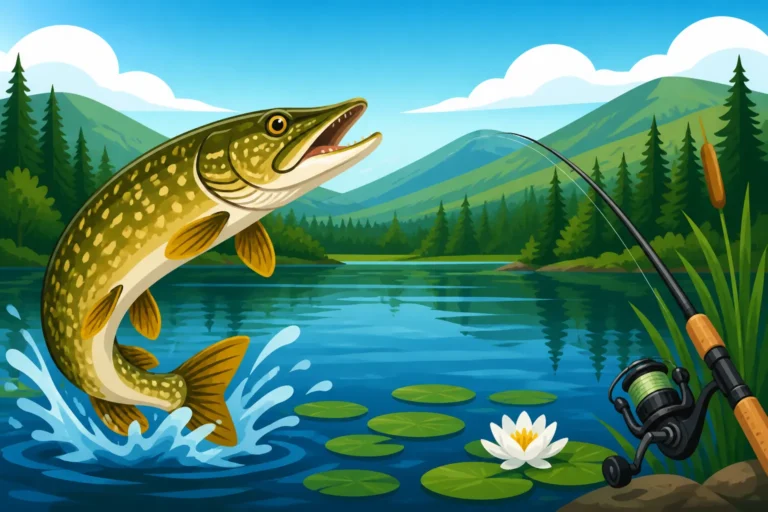
- Northern Pike: Mallets Bay is a fantastic spot for northern pike, especially in the spring and fall. These predatory fish are often found lurking in the weed lines, waiting to ambush unsuspecting prey. They can grow to impressive sizes here, offering an exciting challenge for anglers seeking a powerful, toothy catch. Look for them in areas with plenty of cover, particularly near the mouths of creeks or shallower bays within the larger Mallets Bay.
- Walleye: Though perhaps not as famous for walleye as other parts of Lake Champlain, Mallets Bay does hold a respectable population. These elusive, delectable fish are often found on deeper flats, humps, and transitions, especially during low light conditions or at night. Trolling with crankbaits or jigging spoons can be effective, particularly in areas where baitfish congregate. Anglers interested in targeting these fish might want to consult a comprehensive Lake Champlain Walleye Fishing guide for specialized techniques.
- Yellow Perch and Other Panfish: For those looking for consistent action or a tasty meal, Mallets Bay offers an abundance of yellow perch. These schooling fish are often found throughout the bay, making them a great target for families or casual anglers. They are prevalent both in open water and through the ice. Other panfish like bluegill and crappie can also be found in the shallower, vegetated areas, providing steady entertainment.
Navigating Mallets Bay's Access Points
One of the greatest advantages of fishing Mallets Bay is the sheer variety and quality of its access points. Whether you're trailering a large bass boat, launching a kayak, or simply looking to cast from shore, you'll find numerous options that cater to different preferences and fishing styles. This accessibility ensures that anglers of all types can get out on the water and enjoy the bay's offerings.
Public Boat Launches and Marina Facilities
For those bringing a boat, Mallets Bay offers several excellent options, ranging from municipal launches to full-service marinas. Knowing where to launch and what facilities are available can save you a lot of time and hassle, especially on busy summer weekends.
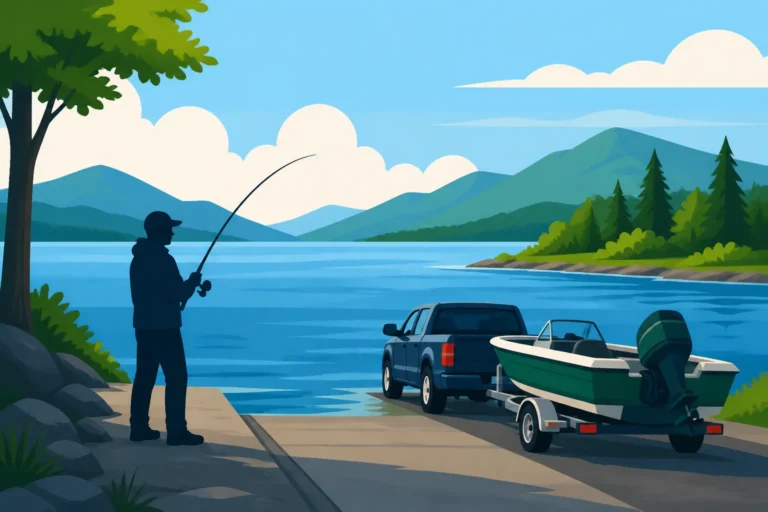
- Airport Park, Colchester: This is one of the most popular public boat launches in Mallets Bay, and for good reason. Located on Airport Road in Colchester, it offers multiple launch lanes, ample parking for trailers, and convenient access to the central and northern sections of Mallets Bay. It's well-maintained by the town of Colchester and typically has good ramp conditions. From here, you can quickly reach prime smallmouth bass structures or head towards deeper waters for walleye. It's a fantastic starting point for a day on the water. Just be aware that on peak summer days, parking can fill up quickly, so an early start is often beneficial.
- Colchester Causeway: While primarily known as a popular recreational trail for walking and biking, the Colchester Causeway also offers unique access for smaller boats, kayaks, and canoes. There are specific spots along the causeway where you can hand-launch smaller craft. It provides excellent access to shallower, more protected waters that are often overlooked by larger boats. This can be a goldmine for largemouth bass lurking in the weeds. For those with larger vessels, remember to review Vermont Boating Laws for Anglers to ensure you're compliant with all regulations before heading out.
- Mallets Bay Boat Club / Marinas: Throughout Mallets Bay, you’ll find several private marinas, such as the Mallets Bay Boat Club, Bayside Marina, and North Hero Marina (though a bit further north, still accessible from the bay). While these typically cater to slip holders, many offer transient dockage, fuel services, and sometimes even public launch facilities for a fee. These can be excellent resources for supplies, marine services, or if you need a temporary spot to tie up. If you’re coming from out of state and planning an extended trip, consider contacting these marinas in advance.
- Ramp Etiquette: No matter which launch you choose, remember proper ramp etiquette. Be prepared before you back down the ramp, launch and clear the area quickly, and always be courteous to other boaters. A little patience goes a long way, especially during busy times. Having your Printing or Carrying a Digital Fishing License in Vermont ready can also streamline any checks you might encounter.
Prime Spots for Shore and Kayak Fishing
Not everyone has access to a motorboat, and thankfully, Mallets Bay offers fantastic opportunities for shore anglers and kayak enthusiasts alike. These options allow for a more intimate experience with the water, often accessing areas that larger boats can’t reach.
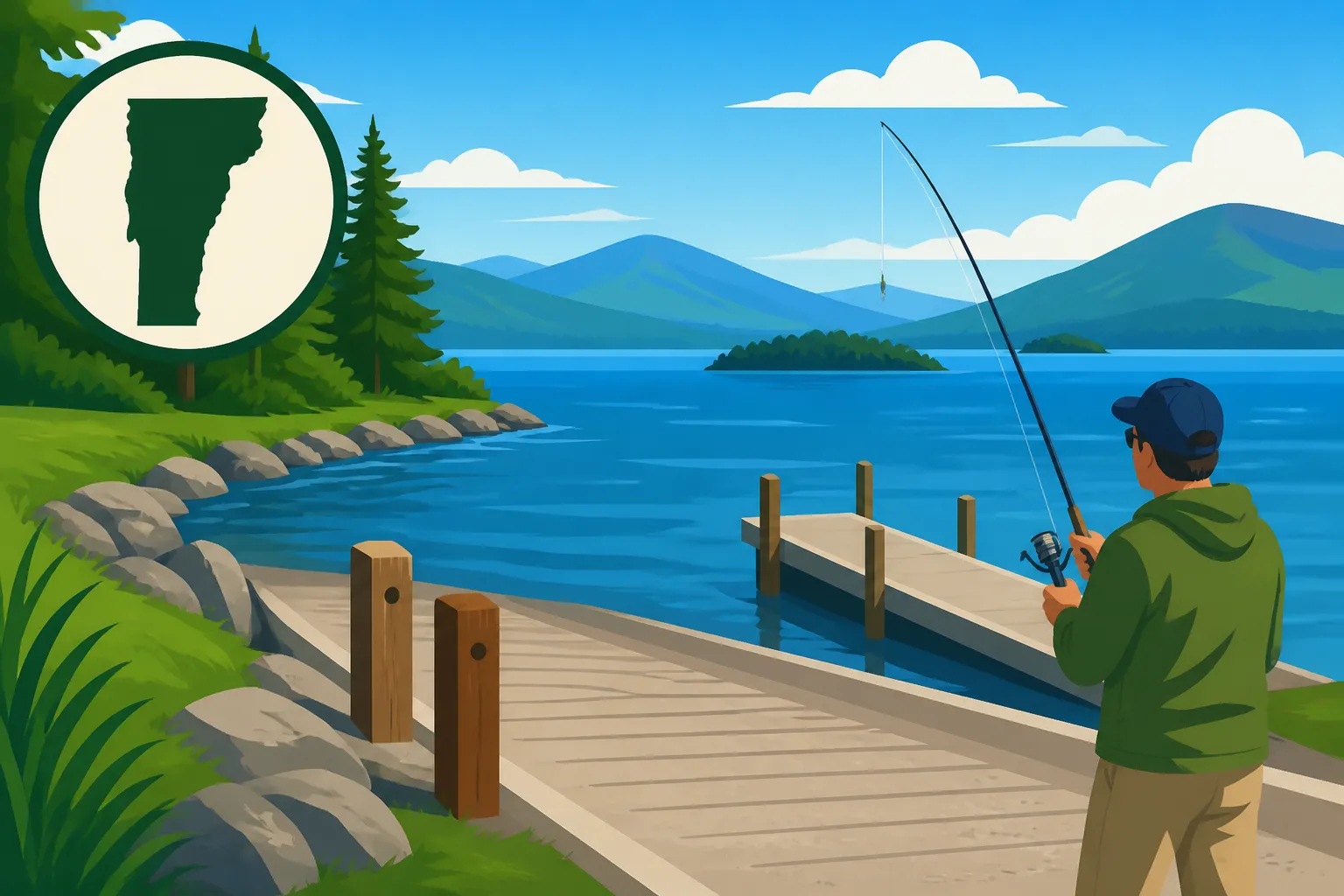
- Colchester Causeway Fishing Pier: This is perhaps the most well-known and accessible shore fishing spot in Mallets Bay. The causeway itself has several spots where you can cast a line, but the designated fishing pier, located near Airport Park, offers excellent access to deeper water without needing a boat. It's a fantastic spot for yellow perch, smallmouth bass, and even northern pike. The pier is generally well-maintained and provides a safe platform, making it a great option for families. This location is easily one of the Best Shore Fishing Spots in Vermont.
- Airport Park Shoreline: Beyond the boat launch, Airport Park in Colchester also boasts a substantial shoreline area accessible for fishing. You can walk along the banks, casting into the various coves and points. This area can be particularly good in the spring and fall when fish are more active in shallower waters. It's a great place to throw spinnerbaits, crankbaits, or even live worms under a bobber for panfish.
- Kayak and Canoe Launches: Mallets Bay is a paddler's paradise. Aside from hand-launching along the Causeway, many public parks and even smaller roadside pull-offs around the bay offer easy access for kayaks and canoes. The protected nature of the bay means less concern about strong winds and waves compared to the main lake. Paddlers can explore secluded coves, navigate through weed beds, and quietly approach rocky structures that are too shallow for motorboats. A Best Kayak for Lake Champlain will truly open up some incredible fishing opportunities in these more intimate areas. Look for small pull-off areas along Route 127 or local parks that don't have large boat ramps but offer easy water entry.
| Access Point | Type of Access | Primary Target Species | Best For | Notes |
|---|---|---|---|---|
| Airport Park | Boat, Shore, Kayak | Smallmouth Bass, Northern Pike, Walleye | Larger boats, versatile fishing, family-friendly | Ample parking, busy on weekends, good facilities |
| Colchester Causeway | Shore, Hand-launch | Largemouth Bass, Yellow Perch, Northern Pike | Kayaks, canoes, casual shore fishing, multi-species | Scenic, limited parking, no motorboat launch, excellent for paddlers |
| Bayside Marina | Marina/Boat (Private) | All Bay Species | Fuel, supplies, transient dockage, guide services | Fees apply, may offer public launch for a charge |
| Local Coves/Pull-offs | Kayak, Shore (Limited) | Largemouth Bass, Panfish | Secluded fishing, exploring | Variable access, often smaller fish, peaceful experience |
Mastering Fishing Techniques in Mallets Bay
Successfully fishing Mallets Bay isn't just about knowing where to go; it's also about understanding how to fish its diverse waters. Different seasons, species, and water conditions call for varied approaches. From active open-water pursuits to the quiet dedication of ice fishing, Mallets Bay offers a range of experiences.
Effective Strategies for Open Water Success
When the ice has melted and the waters are open, Mallets Bay comes alive. Anglers employ a variety of techniques to entice the bay's many fish species, often adapting to the time of year and specific conditions. The key is often flexibility and understanding fish behavior.
- Spring Fling for Pike and Bass: As the water begins to warm in early spring, northern pike become highly active in the shallower, weedier coves of Mallets Bay. Large spinnerbaits, spoons, and jerkbaits cast along weed lines are incredibly effective. This is also a fantastic time for aggressive pre-spawn smallmouth bass, which can be found staging on rocky points and humps. Crankbaits, lipless crankbaits, and tube jigs worked slowly along the bottom are prime choices. Remember, bass are often still sluggish in colder water, so a slower presentation is usually best. Many anglers find the Best Techniques for Early Spring Trout can also be adapted for early season bass in specific colder sections.
- Summer Smallmouth and Largemouth Blitz: Summer sees smallmouth bass moving to deeper rocky structures and main lake points, especially during the heat of the day. Drop-shot rigs, Ned rigs, and Carolina rigs become highly productive when fished slowly. Early morning and late evening, however, can bring them into shallower waters for topwater action – nothing beats a smallmouth blowing up on a popper or walking bait! For largemouth, focus on the dense weed beds and lily pads in the protected coves. Frogs, Texas-rigged worms, and pitching jigs into cover are proven tactics. If you're really looking to hone your skills for these powerful fish, a deep dive into Lake Champlain Smallmouth Bass Fishing will give you an edge.
- Fall Feeding Frenzy for Walleye and Pike: As autumn approaches and water temperatures drop, many fish go on a feeding binge to prepare for winter. This is a prime time for walleye, which often congregate on deeper flats and humps. Trolling with deep-diving crankbaits or vertical jigging with blade baits can be very successful, especially around dusk and into the night. Northern pike also become incredibly active, aggressively chasing large spoons and swimbaits in transition areas between shallow and deep water. The cooler weather means less boat traffic and often some of the best fishing of the year.
Unlocking the Thrill of Ice Fishing
When winter settles over Vermont, Mallets Bay transforms into a popular destination for ice anglers. The bay's protected nature often means safer ice formation and more consistent conditions compared to the main lake, making it a favorite for those bundling up for some hardwater action.
- Safety First: Before venturing out onto the ice, always prioritize safety. Check local ice conditions and never assume the ice is safe, especially early or late in the season. A minimum of 4 inches of clear, solid ice is generally recommended for foot travel, but this can vary. Ice shanty registration rules, and general ice safety are paramount. For an overview of safety best practices, consult reliable sources like the Vermont Fish & Wildlife Department.
- Targeting Perch and Pike Through the Ice: Yellow perch are the bread and butter of Mallets Bay ice fishing. They are abundant and relatively easy to catch, often schooling in large numbers. Small jigs tipped with bait (like spikes or waxworms) or small spoons fished near the bottom are incredibly effective. You can often catch dozens in a single outing. Northern pike are also a major target during winter. Tip-ups set with large shiners or dead bait near weed lines are the go-to method for these toothy predators. The thrill of a flag flying up on a cold winter day is truly exhilarating.
- Walleye and Lake Trout (Less Common in Bay): While less common within the confines of Mallets Bay itself compared to the broader lake, adventurous ice anglers might occasionally hook into a walleye, particularly closer to the bay's mouth or deeper sections. Lake trout are almost exclusively found in the deeper, colder main lake, so they are not typically a target within Mallets Bay. For those specifically chasing these species through the ice, expanding your search beyond Mallets Bay and looking into dedicated Ice Fishing in Vermont resources might be more beneficial. The protected coves and shallower flats of Mallets Bay remain excellent for pike and panfish.
Essential Planning for Your Mallets Bay Adventure
A successful and enjoyable fishing trip to Mallets Bay isn't just about the fishing itself; it's also about being prepared and understanding the local context. From licensing to responsible angling, a little planning goes a long way to ensure a memorable experience.
Understanding Vermont Fishing Regulations
Before you even think about casting a line, ensure you're compliant with all of Vermont's fishing regulations. These rules are in place to protect the fishery and ensure sustainable angling for generations to come. Trust me, the last thing you want is a surprise encounter with a game warden because you overlooked a detail.
- Getting Your License: Every angler aged 15 and older needs a valid Vermont fishing license. Whether you're a resident or a nonresident, a license is mandatory. You can easily purchase one online through the Vermont Fish & Wildlife Department website, or visit various license vendors across the state. Remember, there are different options, including annual, 3-day, or 7-day nonresident permits, depending on your needs. For full details on costs and requirements, refer to the official Vermont Fishing License Guide for 2026.
- Season Dates and Bag Limits: Vermont has specific open seasons for different species, as well as daily bag and possession limits. These can vary significantly by species and even by specific water bodies. For instance, bass often have a catch-and-release only season before the general opener. It’s absolutely critical to review the current Vermont Fishing Regulations Explained before your trip to avoid any legal issues. These regulations are designed to manage fish populations effectively.
- Special Regulations: Certain areas might have special regulations regarding tackle, bait, or catch-and-release only rules. While Mallets Bay is generally under statewide Lake Champlain regulations, it's always wise to double-check the latest guide to ensure there aren't any hyper-local exceptions. This information is usually clearly outlined in the official Vermont Fishing Guide.
Local Resources and Responsible Angling
Making the most of your Mallets Bay fishing trip also involves knowing where to find help, supplies, and how to protect this beautiful natural resource. Engaging with local businesses and practicing responsible angling benefits everyone.
- Bait and Tackle Shops: There are several bait and tackle shops in the Burlington and Colchester areas that can provide not only live bait and essential gear but also invaluable local knowledge. Store owners and staff often have up-to-the-minute reports on what's biting, where, and with what. Don't hesitate to ask for advice – it's often the best intel you can get! Some local shops might even have guide services available.
- Booking a Guide: If you're new to the area, or simply want to maximize your chances of success, hiring a local fishing guide can be an excellent investment. A professional guide knows the bay like the back of their hand, understands the seasonal patterns, and can put you on fish quickly. Websites like FishingBooker are a great resource for finding and booking experienced fishing charters and guides operating out of Mallets Bay and other parts of Lake Champlain. They can provide all the necessary equipment and expertise for a fantastic day on the water.
- FishingBooker for Charters: When planning a trip, especially if you're coming from out of state or don't have your own boat, exploring options on platforms like FishingBooker can connect you with reputable captains who specialize in Mallets Bay. Whether you're chasing smallmouth bass with light tackle or looking for a shot at a big northern pike, a guided trip can elevate your experience. Many guides offer half-day or full-day excursions, perfect for individuals, families, or groups. FishingBooker makes it easy to compare options and read reviews from other anglers, ensuring you pick the perfect guide for your adventure.
- Leave No Trace Principles: Always practice responsible angling. This means packing out everything you pack in, disposing of fishing line properly (it's a hazard to wildlife), and handling fish with care, especially if you plan to release them. Respect private property, adhere to all boating speed limits, and be considerate of other anglers and recreational users of the bay. Maintaining the pristine condition of Mallets Bay is up to all of us. If you're considering a more extensive trip to the larger body of water, our comprehensive Lake Champlain Fishing Guide offers even more information on regulations, species, and access throughout the entire lake.
Disclaimer
The information provided in this guide is for informational purposes only and is subject to change. Fishing regulations, season dates, and access point conditions can vary. Always consult the latest official Vermont Fish & Wildlife Department regulations and local advisories before planning your fishing trip. The author and publisher are not responsible for any inaccuracies or outdated information. Fish responsibly and safely.