Best pickerel ponds in Vermont
It can be incredibly frustrating to hit a seemingly promising Vermont pond only to come up empty-handed, especially when you're specifically targeting those feisty chain pickerel. These aggressive predators offer thrilling fights and are often found in waters overlooked by trout or bass anglers, making them a fantastic target for a fun day out. This guide is all about cutting through the guesswork, revealing the best pickerel ponds in Vermont, and arming you with the knowledge and tactics to land these toothy green torpedoes.
Understanding Vermont's Chain Pickerel
Before we dive into specific locations, it's really helpful to understand what makes a chain pickerel tick. These fish are absolute marvels of ambush predation, and knowing their habits and preferred environments is the secret sauce to finding them consistently. They’re often relegated to a secondary target, but I promise you, once you hook into a decent one, you'll understand why they're such a blast to catch.
The Elusive Green Torpedo: What Makes Pickerel Special?
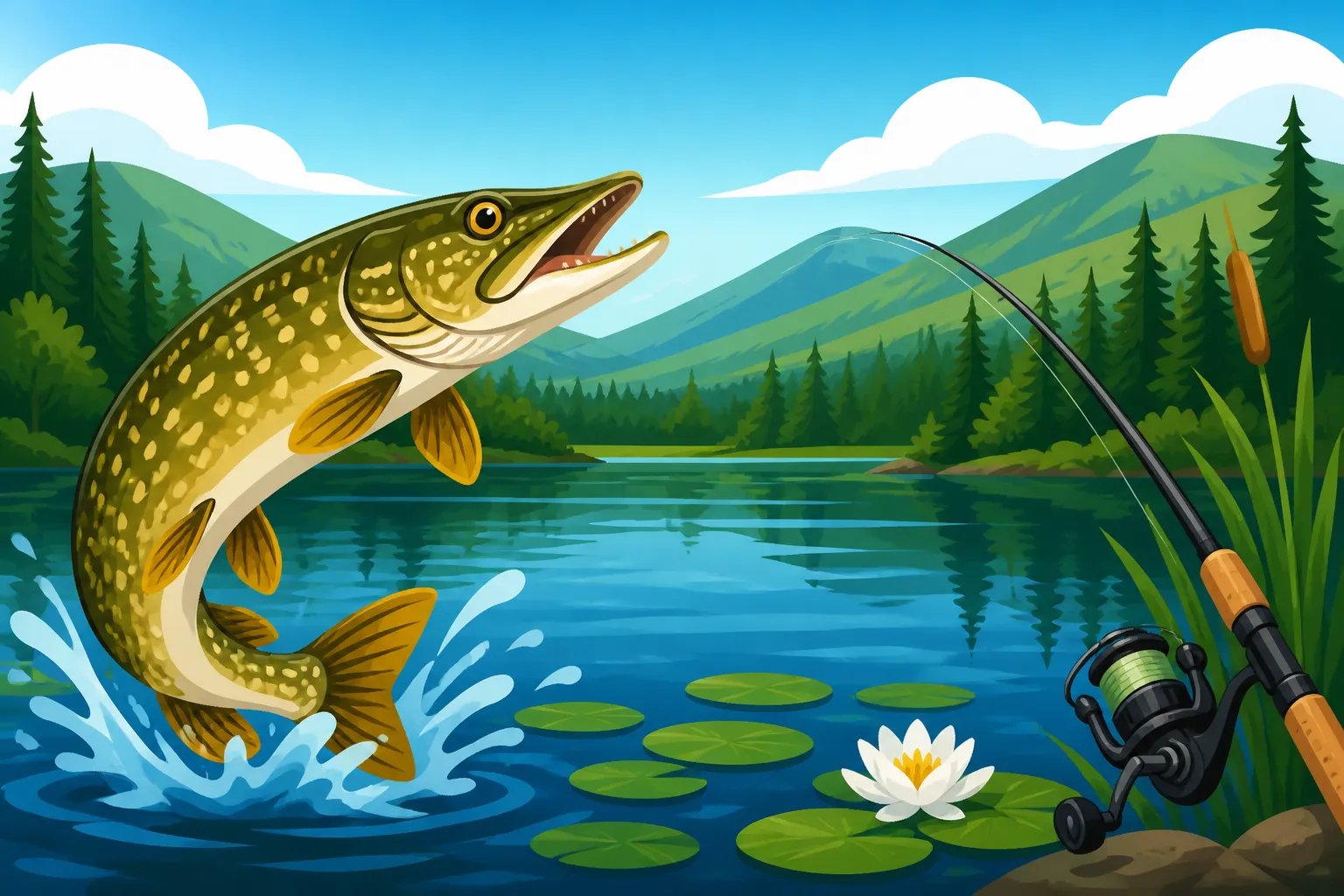
The chain pickerel (scientific name Esox niger) gets its name from the distinctive chain-like pattern on its sides, a beautiful camouflage that helps it blend into its vegetated hunting grounds. They're part of the pike family, and like their larger cousins, they are lean, mean, and built for speed. When you're reeling one in, you'll immediately notice their torpedo-like body, powerful tail, and perhaps most importantly, a mouth full of razor-sharp teeth. This combination makes them incredibly efficient predators and puts up a surprisingly strong fight on light to medium tackle.
Many anglers might bypass pickerel in favor of trout or bass, but that's a mistake. Pickerel are often less finicky, striking with a ferocious aggression that can wake up any slow day on the water. They're a fantastic target for beginners because of their willingness to bite, but they still offer a challenge for seasoned anglers with their explosive runs and head shakes. They aren't typically a trophy fish in terms of size compared to a muskie, but a 20-inch pickerel provides a memorable battle and is a testament to the diverse fishing opportunities Vermont offers.
Where Pickerel Hide: Habitat Preferences
When you're searching for pickerel, think "weeds." Seriously, if a body of water looks too clean and manicured, you're probably in the wrong spot. Chain pickerel are masters of camouflage, lurking silently in dense vegetation, submerged timber, and along lily pad fields, waiting for an unsuspecting baitfish or frog to swim by. This means they absolutely thrive in shallow, weedy bays, slow-moving rivers, and murky ponds with abundant cover.
They are often found in water depths ranging from just a few inches to ten or fifteen feet, always in close proximity to cover. Look for areas with a mix of emergent weeds, submerged grass beds, and woody debris. These spots provide both excellent ambush points and protection from larger predators. As the water warms in summer, they might move to slightly deeper weed lines, but they'll rarely abandon the cover entirely. Knowing these Chain Pickerel Habits in Vermont Ponds is crucial for identifying the most promising areas, even in a pond you've never fished before. They are less common in very cold, deep, or crystal-clear lakes with little vegetation, which is why they often get overlooked by anglers solely focused on deep-water species.
Prime Pickerel Ponds Across Vermont
Vermont is blessed with an abundance of lakes, ponds, and slow-moving rivers, many of which provide exceptional habitat for chain pickerel. While famous waters like Lake Champlain certainly hold pickerel, it’s often the smaller, less-pressured ponds where you can really rack up numbers and find some surprisingly large specimens. The key is to seek out those weedy, often overlooked spots.
Northern Vermont's Hidden Gems
Northern Vermont, particularly the Northeast Kingdom, is a treasure trove of picturesque, often secluded ponds perfect for pickerel. These waters tend to be less crowded and offer a real sense of wilderness fishing.
One fantastic option is Newark Pond in Newark, Vermont. This shallow, heavily vegetated pond is a pickerel paradise. Its shores are often lined with lily pads and dense submerged weeds, providing endless ambush points. Access is generally good, with a small launch suitable for canoes, kayaks, or small boats. If you're into paddle sports, a kayak is an ideal way to explore its many nooks and crannies. While you might also find panfish here, the pickerel population is robust and active.
Further south in the Northeast Kingdom, within Groton State Forest, you’ll find several ponds that harbor pickerel. Ponds like Kettle Pond and Stillwater Pond, while better known for trout, often have pickerel thriving in their shallower, weedy edges. These waters offer a more serene fishing experience, often requiring a bit of a hike or paddle to get to the best spots. For a full breakdown of the region's diverse offerings, checking out a general guide to Best fishing spots in Groton State Forest can provide valuable insights into access points and what other species you might encounter. Fishing on these ponds is a wonderful way to combine some outdoor adventure with exciting pickerel action.
Central Vermont's Productive Waters
As you move into Central Vermont, the lakes tend to be larger, but still contain ample pickerel opportunities, especially in their shallower bays and coves. These locations are often more accessible and well-known, but they still deliver consistent action.
Lake Bomoseen, near Castleton, is not just a popular spot for bass and trout; it’s an excellent pickerel lake. Its vast size means plenty of shallow, weedy areas and coves where pickerel thrive. The lake has several public access points and boat launches, making it easy to get on the water. When fishing Lake Bomoseen for pickerel, focus on the abundant weed beds, especially in the northern sections and around points that drop off into slightly deeper water. If you're looking for an expansive body of water with diverse fishing, the Lake Bomoseen Fishing Guide offers more details that can help tailor your trip.
Another superb central Vermont location is Lake St. Catherine, located in Poultney. This lake boasts extensive weed beds, lily pads, and plenty of shallow cover along its shorelines, making it ideal pickerel habitat. Like Bomoseen, it’s a popular lake, but if you target the weedy areas, you'll find plenty of pickerel action. The state park offers easy access, including boat launches and shore fishing opportunities. For those who enjoy combining a family trip with fishing, many of these central lakes provide amenities that cater to various outdoor activities. For more on this productive fishery, consult the Lake St Catherine Fishing Guide.
Finally, the Waterbury Reservoir offers unique opportunities, particularly in its upper reaches and numerous bays where slow-moving water and abundant vegetation create perfect pickerel conditions. While it’s renowned for smallmouth bass and northern pike, pickerel are a common catch, especially near submerged timber and dense weed lines. Kayak anglers will particularly love exploring the reservoir's convoluted shoreline and hidden coves, where pickerel often lurk. For those curious about the reservoir's broader fishing potential, a Waterbury Reservoir Fishing Guide can provide deeper insights. These larger central lakes also make it easier to find local guides through platforms like FishingBooker, who can help navigate the nuances of specific spots and conditions, especially if you're new to the area.
Southern Vermont's Exciting Pickerel Opportunities
Southern Vermont provides a different landscape, with a mix of smaller, secluded ponds and larger reservoirs that hold strong pickerel populations. The calmer, often less-developed nature of some of these waters makes for a very peaceful fishing experience.
Harriman Reservoir, also known as Lake Whitingham, near Wilmington, is a massive body of water that might seem intimidating, but its numerous shallow coves and riverine sections on the northern end are fantastic for pickerel. These areas collect woody debris and grow thick with aquatic vegetation, creating prime ambush points. While the main body is deep and clear, targeting the transition zones and shallower inlets will put you on the fish. Shore access can be limited in some areas due to its expansive shoreline, so a boat or kayak often provides the best opportunity to explore. Consulting a Harriman Reservoir Fishing Guide can offer specific tips for navigating its varied terrain.
Additionally, don't overlook some of the smaller, lesser-known ponds tucked away in state parks or wildlife management areas in counties like Bennington and Windham. For instance, Lake Raponda in Wilmington, though smaller, offers good pickerel action along its weedy banks. These spots often require a bit of local knowledge or exploration, but the reward is often unpressured fishing. If you're looking to explore some of these more niche spots or want a guide to show you the ropes, you might consider booking a trip through FishingBooker, where local experts can lead you to the most productive waters and share their specific knowledge.
| Pond Name | Region | Key Features for Pickerel | Access Type | Notes |
|---|---|---|---|---|
| Lake Bomoseen | Central VT | Extensive weed beds, shallow coves, varied structure | Multiple public boat launches & shore access | Excellent for both numbers and size |
| Lake St. Catherine | Central VT | Heavy lily pads, shallow flats, submerged grass | Public boat launches, state park access | Great early and late season activity |
| Newark Pond | Northern VT | Very shallow, dense aquatic vegetation, quiet | Small boat/kayak launch, limited shore access | True "hidden gem" feel, remote |
| Kettle Pond | Northern VT | Weedy margins, woody debris, tranquil setting | Hike-in or small car access (Groton SF) | Ideal for peaceful paddle-fishing |
| Waterbury Reservoir | Central VT | Weedy bays, submerged timber, riverine sections | Multiple boat ramps, kayak-friendly | Target upper arms and protected coves |
| Harriman Reservoir | Southern VT | Shallow northern coves, submerged vegetation | Public boat launches, some shore access | Focus on inlets and sheltered areas |
Essential Techniques and Tackle for Vermont Pickerel
Catching chain pickerel isn't rocket science, but having the right approach and gear can significantly increase your success and make the experience more enjoyable. Their aggressive nature means they're not usually picky, but some presentations are undeniably more effective than others.
Go-To Lures and Baits for Aggressive Bites
Pickerel are ambush predators, so anything that mimics a struggling baitfish or a frog splashing on the surface will grab their attention. My top recommendations include:
- Inline Spinners: Classics like a Mepps Aglia or Panther Martin in silver, gold, or chartreuse are irresistible. Their flash and vibration mimic small baitfish. Cast them near weed lines, submerged logs, or lily pads and retrieve steadily.
- Spoons: The tried-and-true Daredevil spoon (red and white being iconic) is a pickerel magnet. Its wobbling action looks like an injured fish. Sizes from 1/4 to 3/8 ounce are perfect. Cast it out and retrieve with a start-and-stop motion or a steady retrieve with occasional twitches.
- Shallow-Running Crankbaits: Look for lipped crankbaits that dive 2-5 feet. Colors mimicking perch, shiners, or frogs work well. Retrieve erratically to trigger their predatory instinct.
- Topwater Lures: Frogs, poppers, and walking baits can be incredibly exciting in dense lily pads or over matted weeds. The explosive strikes from a pickerel on a topwater lure are unforgettable. Focus on early mornings or late evenings for the best topwater action.
- Soft Plastics: Flukes, swimbaits, or even simple curly-tail grubs rigged weedless can be effective, especially when fished slowly through thick cover. A twitchy retrieve can be deadly.
- Live Minnows: If all else fails, a lively minnow suspended under a bobber or slowly retrieved near cover is often irresistible. This is especially true when learning Best Bait for Chain Pickerel in Weed Beds. This technique also works exceptionally well when Best Jig for Winter Pickerel Through the Ice.
Remember, presentation is key. Pickerel are often hidden, so casting right into or along the edge of cover is critical. For more detailed strategies on enticing these toothy predators, explore Best Techniques for Chain Pickerel.
Setting Up Your Rod and Reel for Success
You don't need super heavy-duty gear for pickerel, but you do need something that can handle their aggression and teeth.
- Rod: A medium-light to medium power spinning rod, 6 to 7 feet in length, is ideal. This gives you enough backbone to set the hook and fight the fish, while still being sensitive enough to detect subtle bites (though pickerel bites are rarely subtle!). A faster action tip helps with casting accuracy around cover. If you typically fish for panfish, you might even find your Best ultralight rod for panfish could work for smaller pickerel, but sizing up a bit provides more control.
- Reel: A spinning reel in the 2000-3000 size range, spooled with 8-12 pound monofilament or 10-20 pound braided line, will serve you well. Braided line offers superior sensitivity and strength, which is great for pulling fish out of thick weeds.
- Leader: This is CRITICAL. Pickerel have incredibly sharp teeth that will easily slice through mono or fluorocarbon mainlines. Always use a short leader of 6-12 inches made of heavy fluorocarbon (20-30 lb test) or, even better, a thin wire leader. Without it, you'll be donating a lot of lures to these toothy critters.
Having a good set of long-nosed pliers or hemostats is also essential for safely unhooking pickerel, as getting your fingers near those teeth is a bad idea.
Seasonal Considerations for Pickerel Fishing
Pickerel can be caught year-round in Vermont, but their behavior and preferred locations will shift with the seasons. Understanding these patterns can help you maximize your success, whether you're enjoying the warm sun or braving the cold ice. To get a general idea of year-round fishing, consider checking out Best Time of Year to Fish in Vermont.
Spring Awakening and Summer Ambush
As the ice retreats and water temperatures begin to rise in spring, pickerel become incredibly active and aggressive. They move into very shallow water to spawn, often in flooded grassy areas or marshy coves. After spawning, they're hungry and will readily attack just about any lure thrown their way. This is a fantastic time for shore anglers or those in kayaks, as the fish are concentrated and easily accessible in the shallows. Look for them cruising along the edges of new weed growth.
During the summer months, as water temperatures climb, pickerel might become a bit less active during the hottest parts of the day. They'll often move slightly deeper, seeking refuge in the coolest parts of dense weed beds or under thick lily pads, where the shade offers some relief. Early mornings and late evenings will typically be the most productive times for active feeding. Focus on working lures slowly and methodically through the densest cover. Topwater action can still be fantastic during these low-light periods.
Fall Feast and Ice Fishing Thrills
Fall is arguably one of the best times to target pickerel. As water temperatures drop, these fish go on a feeding frenzy, stocking up for the lean winter months. They become incredibly aggressive and will chase down lures with abandon. They'll still be associated with weeds, but might be found along deeper weed lines or even suspended near baitfish schools. This is an excellent time for casting larger spoons, spinners, and crankbaits to cover water and find active fish.
And then comes winter, and with it, the exhilarating world of ice fishing. Pickerel are a staple for many Vermont ice anglers. They remain active under the ice, often patrolling the edges of weed beds in relatively shallow water. Setting tip-ups with live minnows is a highly effective method, allowing you to cover a larger area and wait for a flag to fly. Jigging small spoons or jigs tipped with a grub or a piece of minnow can also be very productive. Make sure you're aware of Vermont Ice Fishing Season Dates and local ice thickness safety guidelines. If you're new to ice fishing, or want to explore some new techniques, consider looking into Best Jig for Winter Pickerel Through the Ice, and perhaps even using FishingBooker to find a local ice fishing guide who can ensure a safe and successful trip. Always double-check Vermont Fishing Regulations Explained for any specific rules regarding ice shanties or daily limits.
Disclaimer
Please note that fishing regulations in Vermont can change, and it is always your responsibility to consult the latest Vermont Fish & Wildlife Department regulations before heading out. Information regarding specific fishing spots is for general guidance; conditions and access can vary. Always prioritize safety, especially on the water and ice.