Best Ice Fishing Lakes in Vermont
Venturing onto the hard water in Vermont can feel like stepping into a vast, white unknown if you don't know where the action is. Many anglers wrestle with the dilemma of choosing a prime location that promises not just safe ice, but also a real shot at some incredible fish, often feeling overwhelmed by the sheer number of frozen lakes and ponds. This comprehensive guide will pull back the curtain on the very best ice fishing lakes across Vermont, giving you the insider knowledge you need to plan a successful and unforgettable winter angling adventure.
The Allure of Vermont's Frozen Waters
There's something uniquely magical about ice fishing in Vermont. Perhaps it's the crisp, clean air, the stunning mountain backdrops dusted in snow, or the quiet solitude broken only by the hum of an auger or the joyous shout of a hooked fish. Vermont offers an incredible diversity of fisheries, from massive, multi-species lakes to smaller, tranquil ponds, each presenting its own distinct opportunities for hardwater enthusiasts. The changing seasons transform these liquid playgrounds into solid canvases, beckoning anglers to discover the bounty beneath.
Beyond the peaceful aesthetic, Vermont's lakes and ponds hold a healthy population of various game fish, making it a truly rewarding destination for ice anglers. Whether you're after the thrill of a trophy landlocked salmon, the steady pull of a feisty lake trout, or a bucket full of tasty yellow perch for dinner, the Green Mountain State has a frozen waterbody waiting for you. It's a chance to connect with nature on a deeper level, to embrace the cold, and to experience fishing in a way that's both challenging and incredibly satisfying.
Vermont's Unique Ice Fishing Environment
What makes Vermont truly stand out as an ice fishing destination is its combination of pristine waters, varied topography, and dedicated fish management. The state's waters are generally very clean, supporting robust fish populations that are often eager to bite through the ice. From the vast expanse of Lake Champlain, a true inland sea, to the deep, clear waters of Lake Willoughby nestled in the Northeast Kingdom, the environmental conditions here are ideal for a diverse array of cold-water and cool-water species.
The Vermont Fish and Wildlife Department does an excellent job of managing these fisheries, including stocking efforts and careful regulation, which you can learn more about in the Vermont Fishing Regulations Explained guide. This commitment ensures that there are always plenty of fish to pursue, and that the angling traditions can continue for generations to come. When you drill a hole in a Vermont lake, you're not just fishing; you're participating in a rich outdoor heritage, sustained by both nature's generosity and human stewardship.
Lake Champlain: The Grand Dame of Vermont Ice Fishing
When it comes to ice fishing in Vermont, you simply cannot talk about it without putting Lake Champlain front and center. This massive freshwater lake, stretching over 120 miles long and boasting an incredible variety of depths and structures, is a true ice angler's paradise. It’s not just big; it’s biologically diverse, offering opportunities for everything from trophy walleye and pike to plentiful perch and the mighty lake trout. The sheer scale of Champlain means that even on busy weekends, you can often find your own slice of solitude.
Ice conditions on Lake Champlain can vary greatly due to its size, currents, and numerous bays. Always exercise extreme caution and check local ice reports. However, many of its shallower, more sheltered bays freeze reliably, drawing crowds of anglers, some of whom even set up temporary ice fishing villages. Knowing which bays to target and what species thrive where is key to a successful outing on this incredible lake.
Productive Bays for Ice Fishing on Lake Champlain
Lake Champlain is so large that it functions almost like a collection of different lakes, each with its own characteristics. For ice fishing, focusing on specific bays is essential, as they often freeze solid much earlier and more safely than the main lake channels. These sheltered areas become hotspots for a variety of species, offering both abundant catches and a more manageable ice fishing experience.
Malletts Bay: Located just north of Burlington, Malletts Bay is arguably one of the most popular ice fishing destinations on Champlain. Its relatively shallow depths and numerous coves make it one of the first bays to freeze solid, often by mid-December, and it holds ice well into March. Anglers here target a wide array of species including northern pike, yellow perch, walleye, and even occasional lake trout or salmon. You'll often find a bustling community of shanties and anglers spread across the bay, particularly near Coates Island and around the various points. It's a great spot for both beginners and seasoned pros, offering consistent action.
Shelburne Bay: Situated just south of Burlington, Shelburne Bay offers a similar appeal to Malletts Bay but with its own unique charm. It's another excellent choice for early ice and consistent action throughout the winter. Pike and perch are the main draw here, with some anglers finding success with walleye, especially closer to the deeper main lake channels that funnel into the bay. Access is relatively easy, and you'll often see groups of anglers gathered in prime spots, sharing tips and stories. It's a beautiful setting, with the Adirondacks in the distance providing a stunning backdrop.
Missisquoi Bay: Up in the northern reaches of the lake, bordering Canada, Missisquoi Bay is a shallower, fertile section of Lake Champlain known for its incredible northern pike fishing. The bay often freezes earliest and can maintain very thick ice. Beyond pike, you'll also find plenty of yellow perch, some walleye, and various panfish. The fishing here can be truly phenomenal, with anglers often catching large numbers of fish. Just be mindful of the international border if you venture too far north, and always be aware of local regulations, especially if considering the Vermont Lake Champlain Fishing Rules.
Prime Species to Target on Lake Champlain
Lake Champlain's diverse ecosystem supports a wide range of fish species, making it a multi-faceted ice fishing destination. Each species offers a unique challenge and reward, drawing different types of anglers to its frozen surface. Understanding what you're fishing for and where they tend to hold up under the ice is crucial for success.
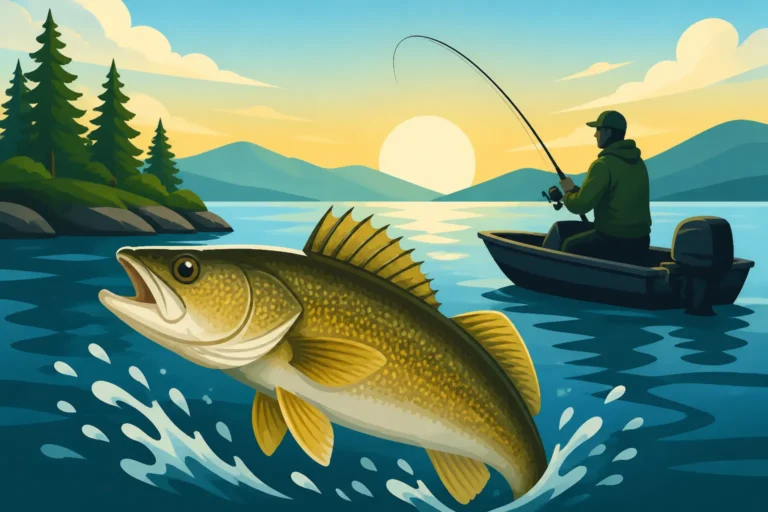
Walleye: For many, the elusive walleye is the ultimate prize on Lake Champlain. These toothy predators are a favorite target for their delicious fillets and challenging fight. During ice season, walleye tend to congregate near structure, drop-offs, and points, particularly during low-light conditions at dawn and dusk. Popular spots for walleye include areas around the Causeway in Colchester, the deeper edges of Malletts Bay, and certain sections of the Inland Sea. Anglers often use jigging spoons tipped with a minnow or vertical jigs to entice bites. You can dive deeper into specific tactics in our guide on Walleye Fishing on Lake Champlain.
Northern Pike: If you're looking for aggressive strikes and powerful fights, northern pike are your go-to on Champlain's ice. These freshwater sharks patrol weed lines, shallow flats, and the mouths of tributaries. Missisquoi Bay and the shallower sections of Malletts Bay are legendary for their pike populations. Tip-ups are the preferred method, often baited with large shiners or suckers fished just off the bottom or midway through the water column. The excitement of a flag popping up, signaling a pike run, is a quintessential Vermont ice fishing experience.
Yellow Perch: Often overlooked but incredibly abundant and delicious, yellow perch are a staple for many Champlain ice anglers, especially those looking to fill a bucket for a fish fry. These schooling fish can be found in nearly every bay and shallow area of the lake, often congregating over mud flats or near weed beds. Anglers typically use small jigging spoons, ice jigs tipped with a grub or a small piece of worm, or small minnows under a bobber. Once you find a school, the action can be non-stop. Catching perch is a fantastic way to introduce new anglers, especially kids, to the joys of ice fishing. For more detailed strategies, check out our guide on Jigging for Perch Through the Ice.
Northeast Kingdom Gems: Ice Fishing in the Wild
Venture into Vermont's rugged Northeast Kingdom (NEK), and you'll discover a collection of deep, clear lakes that offer a truly wild ice fishing experience. Far from the bustling activity of Lake Champlain, these lakes are known for their stunning beauty, pristine environments, and the chance to hook into some truly spectacular cold-water species, including landlocked salmon, lake trout, and even the occasional muskellunge. The NEK offers a sense of remote adventure, where the quiet of the winter landscape is only broken by the occasional crack of the ice or the whir of a reel.
Ice conditions in the NEK can be more consistent than on Lake Champlain due to the smaller size and deeper, colder nature of these lakes. However, always exercise due diligence regarding ice safety, especially on larger, deeper bodies of water. The rewards, though, are well worth the journey for those seeking trophy-sized fish and an unforgettable natural experience.
Lake Willoughby: Deep Water Landlocked Salmon
Lake Willoughby is often hailed as Vermont's most beautiful lake, and it lives up to its reputation in winter. Framed by steep mountains and boasting incredible depths (over 300 feet in some spots!), Willoughby is a glacially carved lake that holds a strong population of landlocked salmon and lake trout. Ice fishing here is a profound experience, combining breathtaking scenery with the thrill of chasing powerful, deep-water predators.
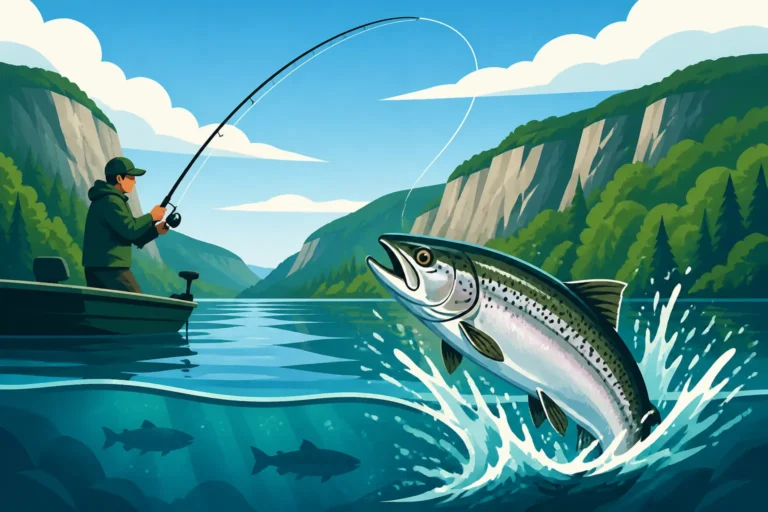
Chasing Landlocked Salmon: For many anglers, Lake Willoughby is synonymous with landlocked salmon. These powerful fish are a true challenge on the ice, known for their strong runs and acrobatic fights. During the ice fishing season, salmon tend to cruise the upper water column, often suspended over deep water. Anglers typically use tip-ups baited with live or dead smelt (where legal and available), fished at various depths to intercept these nomadic fish. Jigging spoons can also be effective, especially when paired with a fish finder to mark schooling baitfish or cruising salmon. Patience is key, but the reward of a gleaming silver salmon breaking the surface of the ice is unparalleled. You can learn more about this specific fishery in our Lake Willoughby Fishing Guide.
Lake Trout in the Depths: While salmon might steal the spotlight, Lake Willoughby also boasts a healthy population of lake trout. These deep-dwelling char require different tactics. Lake trout will often hug the bottom or relate to underwater structures, particularly humps and drop-offs. Anglers targeting lake trout typically use heavier jigging spoons, tube jigs, or large dead bait on tip-ups, fished close to the bottom in 60-100+ feet of water. Electronics are invaluable here for identifying structure and marking fish. The fight of a large lake trout from the depths is a test of strength and endurance, making it a thrilling pursuit for dedicated ice anglers. For more specific techniques on these powerful fish, consider our guide on the Best Techniques for Ice Fishing Lake Trout.
Lake Memphremagog: Muskellunge and Smallmouth Bass
Straddling the U.S.-Canadian border, Lake Memphremagog is another iconic Northeast Kingdom lake with a distinct ice fishing draw: muskellunge. While largely known for its trophy muskellunge, "Magog" also offers excellent fishing for smallmouth bass, lake trout, and northern pike through the ice, presenting a varied menu for the adventurous angler. Its vastness and structure provide ample habitat for these sought-after species.
Muskellunge on the Hard Water: Lake Memphremagog is one of the very few places in Vermont where you can realistically target muskellunge through the ice. These elusive, apex predators require specialized gear and a significant amount of patience. Anglers often use heavy-duty tip-ups with large live bait (such as suckers or large shiners) fished near deep weed lines, rock piles, or prominent points. Fishing for muskies through the ice is truly a game of patience and perseverance, but the sheer size and power of these fish make the potential reward incredibly exciting. You can delve into the specifics of this unique opportunity in our Muskellunge Fishing on Lake Memphremagog guide.
Smallmouth Bass and Lake Trout: Beyond the muskie, Lake Memphremagog offers fantastic opportunities for smallmouth bass and lake trout. Smallmouth will often congregate on rocky points, humps, and steep drop-offs during the winter, where they can be caught jigging with spoons or tube baits tipped with a minnow. The fight of a smallmouth through the ice is surprisingly strong, making them a fun target. Lake trout here, similar to Willoughby, inhabit deeper waters and can be caught using heavy jigs or dead bait on tip-ups, often found suspended or near the bottom in 50-100 feet of water. The sheer variety of quality fish available makes Memphremagog an exciting destination for multi-species ice anglers.
Seymour Lake: A Northern Gem for Trout and Salmon
Seymour Lake, another beautiful deep-water lake in the Northeast Kingdom, is a favorite among anglers looking for quality trout and salmon. It's a relatively smaller lake compared to Willoughby or Memphremagog, but its clear, cold waters provide excellent habitat for cold-water species, making it a reliable spot for a memorable ice fishing trip.
Seymour Lake is particularly known for its consistent fishing for landlocked salmon and lake trout. Anglers often find success targeting salmon in the upper water column with tip-ups and smelt, similar to Willoughby, while lake trout can be found deeper, closer to structure. Rainbow trout are also present and can provide some exciting action closer to shore or in shallower bays. The lake's manageable size and strong fish populations make it an excellent choice for a focused ice fishing outing in a truly picturesque setting. The quieter atmosphere of Seymour Lake also appeals to those looking for a more serene experience away from larger crowds.
Central Vermont's Accessible Ice Fishing Spots
Moving into the heart of the Green Mountains, Central Vermont offers a fantastic array of lakes and ponds that are often more accessible and, in some cases, less intimidating than the vastness of Lake Champlain or the deep, wild lakes of the Northeast Kingdom. These spots are perfect for families, beginners, or anyone looking for consistent action on species like bass, pike, and a wide variety of panfish. While still offering the potential for trophy catches, these central lakes often provide a more relaxed and community-oriented ice fishing experience.
Ice conditions on these lakes can be very consistent throughout the winter, often freezing solid earlier than larger bodies of water. However, always verify current conditions before heading out, especially during early and late ice periods. Many of these lakes are also excellent places to employ the services of a local guide, which you can easily find on platforms like FishingBooker, ensuring a safe and productive day on the ice.
Lake Bomoseen: Bass, Pike, and Panfish Bonanza
Lake Bomoseen, located in the Otter Creek watershed, is Vermont's third-largest lake entirely within the state's borders, making it a popular and highly productive ice fishing destination. Its varied depths, abundant weed beds, and numerous coves create ideal habitats for a wide range of popular ice fishing species.
Excellent Multi-Species Action: Bomoseen is a fantastic lake for targeting multiple species in one outing. Northern pike are a major draw here, often found lurking in the extensive weed beds. Anglers use tip-ups with large shiners or suckers, strategically placed along weed edges or over shallow flats. The pike here can grow to impressive sizes, offering thrilling battles through the ice. Beyond pike, Bomoseen is renowned for its excellent largemouth and smallmouth bass fishing. While bass can be a bit slower through the ice, targeting rocky points and submerged structures with jigging spoons or blade baits can yield some quality fish. And, of course, the panfish – yellow perch, bluegill, and black crappie – are abundant, providing steady action for anglers of all skill levels, especially in the shallower bays and coves. You can find more details about this lake's offerings in our Lake Bomoseen Fishing Guide.
Accessibility and Amenities: One of Bomoseen's biggest advantages is its accessibility. Numerous public access points and nearby amenities make it a convenient choice for a day trip or a longer stay. The communities around Bomoseen are generally very welcoming to ice anglers, and you'll find bait shops, places to warm up, and sometimes even local fishing derbies happening on the ice. This makes it an ideal spot for families or groups looking for a social and productive ice fishing experience without having to venture too far off the beaten path.
Lake Dunmore: Consistent Trout and Bass Fishing
Nestled at the base of the Green Mountains, Lake Dunmore is a picturesque lake known for its clear waters and a healthy population of cold-water species, particularly trout, along with solid bass fishing. It offers a slightly different ice fishing experience than Bomoseen, with a greater emphasis on trout, making it a diverse option for central Vermont anglers.
Rainbow and Brown Trout Opportunities: Lake Dunmore receives regular stockings of rainbow trout and brown trout from the Vermont Fish and Wildlife Department, ensuring a good population for ice anglers. These trout tend to cruise open water, often near drop-offs or points, and can be caught using small jigging spoons, ice flies, or live bait (like minnows) under a bobber. Early and late ice can be particularly productive for trout on Dunmore. For the best chances, paying attention to depth and using a fish finder to locate schools of baitfish (which trout often follow) can be very beneficial.
Smallmouth and Largemouth Bass: While trout are a highlight, Lake Dunmore also holds good populations of both largemouth and smallmouth bass. Similar to Bomoseen, bass fishing through the ice requires patience and precision. Targeting rocky areas, submerged timber, and weed edges with jigs or blade baits can be effective. The clear water of Dunmore often means lighter lines and more subtle presentations might be necessary to entice bites from these wary predators. Lake Dunmore truly offers a well-rounded ice fishing experience, combining the pursuit of trout with the challenge of bass fishing.
Lake St. Catherine: Great for Pike and Panfish
Lake St. Catherine, located in Poultney, is another popular central Vermont lake that freezes reliably and offers excellent ice fishing, particularly for northern pike and a variety of panfish. Its shallower, weedy character makes it prime habitat for these species and a welcoming spot for anglers of all abilities.
Pike and Panfish Paradise: Lake St. Catherine is a hotspot for northern pike, much like Bomoseen. The extensive weed beds provide ample cover for pike to ambush their prey, and anglers often have great success with tip-ups baited with large shiners. It's not uncommon to catch multiple pike in a day here, and some can reach impressive sizes. Beyond pike, the lake is teeming with yellow perch, bluegill, and crappie, providing fantastic action for those looking for a consistent bite and delicious table fare. Small jigs tipped with grubs or wax worms are highly effective for these panfish, especially when fished near weed lines or brush piles.
Family-Friendly Fishing: Lake St. Catherine's relatively calm nature and abundant panfish make it an ideal destination for family ice fishing trips. The consistent action keeps kids engaged, and the relatively easy access means less hassle. It's a great place to teach new anglers the ropes of ice fishing, with plenty of opportunities to catch fish and make lasting winter memories. The local community often supports ice fishing activities, adding to the friendly atmosphere. Our Lake St Catherine Fishing Guide provides additional insights into this gem.
Southern Vermont's Hidden Ice Fishing Treasures
While the northern and central parts of Vermont often get the most attention for their ice fishing opportunities, Southern Vermont holds its own collection of smaller, often overlooked lakes and ponds that can provide excellent and sometimes surprisingly good ice fishing. These hidden gems are perfect for those seeking a quieter experience, a chance at some brook trout, or simply escaping the crowds found on larger, more popular lakes.
The smaller size of these waters often means they freeze earlier and safer than their larger counterparts, making them good options for early season ice. However, always exercise caution, as conditions can still vary. These lakes might not always produce trophy fish, but they consistently offer a peaceful day on the ice and plenty of action with panfish and often stocked trout.
Harriman Reservoir: Pike, Perch, and Serenity
Harriman Reservoir, also known as Lake Whitingham, is a massive body of water in southern Vermont that offers a unique ice fishing experience. While it's large, its numerous coves and quieter sections provide excellent opportunities for a variety of species, making it a prime southern Vermont destination.
Northern Pike and Yellow Perch Hotspot: Harriman Reservoir is particularly known for its strong populations of northern pike and yellow perch. The reservoir's varied shoreline, including many fingers and coves, provides excellent habitat for pike, which can be aggressively targeted with tip-ups and large shiners. The sheer size of Harriman means there's plenty of water to explore, and anglers who put in the effort can be richly rewarded with quality pike. Yellow perch are also abundant, offering consistent action for those looking to fill a bucket. Small jigs and bait are highly effective here, and finding schools of perch can lead to fast and furious fishing. For more information, check out our guide on Harriman Reservoir Fishing Guide.
Quiet and Scenic Beauty: Beyond the fishing, Harriman Reservoir offers an unparalleled sense of serenity. Surrounded by managed forest land, the winter landscape here is stunning, providing a tranquil backdrop for your ice fishing adventure. It’s a great place to escape the hustle and bustle, enjoy the quiet of nature, and experience ice fishing in a truly pristine environment. The vastness of the reservoir ensures that even when other anglers are present, you can often find a secluded spot to yourself.
Smaller Ponds and Lakes: Brook Trout and Panfish Havens
Throughout Southern Vermont, countless smaller ponds and lakes dot the landscape, many of which are stocked with brook trout or hold healthy populations of various panfish. These smaller waters are often less publicized but can offer fantastic, accessible ice fishing opportunities, especially for those who appreciate the charm of a more intimate setting.
Brook Trout Opportunities: Many of these smaller, high-elevation ponds receive annual stockings of brook trout, creating excellent opportunities for ice anglers. These native beauties are feisty fighters and delicious table fare. Anglers often have success using small jigging spoons, tiny ice flies, or live bait like mealworms or small minnows. Searching for fish near inlets, outlets, or over rocky structures can be productive. The beauty of fishing these smaller waters is the chance to explore lesser-known areas and discover your own personal hotspot. These spots are often perfect for a shorter, more casual outing.
Abundant Panfish Action: In addition to trout, most smaller ponds in Southern Vermont are teeming with yellow perch, bluegill, and pumpkinseed sunfish. These panfish are eager biters, providing continuous action that is perfect for young anglers or those looking for a relaxing day of steady catches. Simple setups with small jigs, tipped with wax worms or grubs, are incredibly effective. These ponds are often easy to access and quickly freeze, making them ideal for early and late season ice fishing. Always remember to check specific regulations for each waterbody, as some smaller ponds might have unique rules regarding species, limits, or bait restrictions.
Essential Ice Fishing Safety and Regulations
Ice fishing is an incredibly rewarding winter activity, but safety must always be your top priority. Vermont's diverse waterways mean that ice conditions can vary drastically from one lake to another, and even within different sections of the same lake. Understanding and adhering to safety guidelines, along with being fully aware of state regulations, is non-negotiable for a successful and risk-free outing.
The Vermont Fish and Wildlife Department provides comprehensive guidelines and updates, making it essential to consult their resources before heading out. Don't let the excitement of a potential catch override your common sense when it comes to ice integrity. Remember, no fish is worth risking your life.
Ice Thickness and Safety Protocols
The cardinal rule of ice fishing is simple: know before you go. Never assume ice is safe. Always check local conditions and exercise extreme caution, especially during early and late ice periods. A minimum of four inches of clear, solid ice is generally recommended for walking, but even then, conditions can change rapidly. Our guide on How thick ice needs to be for Vermont anglers to walk on it provides more detailed insights into these critical safety measures.
Checking Ice Conditions: Before stepping onto the ice, use an ice chisel or auger to check thickness every few yards, especially if you're unfamiliar with the area or if it's early in the season. Pay close attention to areas around inlets, outlets, pressure ridges, and points, as these spots often have thinner or unstable ice due to currents or geothermal activity. Discolored ice, slushy spots, or areas with flowing water should be avoided at all costs.
Essential Safety Gear: Beyond checking the ice, carrying specific safety gear can be life-saving. Ice picks, worn around your neck, are crucial for self-rescue if you break through. A rope, a whistle, and a fully charged cell phone are also essential. If you plan to use an ATV, snowmobile, or vehicle on the ice, significantly more ice thickness (typically 8-12+ inches of solid ice) is required, and always be aware of the specific weight limits for ice. Never go ice fishing alone, and always inform someone of your plans and expected return time. Safety should be a continuous conversation, not just a one-time check.
Vermont Ice Fishing Regulations and Licenses
Vermont has specific rules governing ice fishing, designed to protect both the anglers and the fishery. Before dropping a line, ensure you have the correct Vermont Fishing License Guide for 2026, understand the season dates, and are familiar with bag and possession limits for the species you intend to target.
License Requirements: Anyone 15 years or older needs a valid Vermont fishing license to ice fish. Non-residents can purchase various short-term or annual licenses. Children under 15 generally do not require a license but must still adhere to all other fishing regulations. It's always a good idea to carry your license with you, whether it's a printed copy or a digital version on your phone.
Season Dates and Species-Specific Rules: While many Vermont lakes are open for ice fishing through March, specific season dates apply to different species. For example, the Vermont Ice Fishing Season Dates outline when certain species can be targeted. Additionally, some waters might have special regulations or closures, particularly for trout. Always consult the official Vermont Fish and Wildlife Department fishing guide for the most up-to-date information on length limits, daily bag limits, and bait restrictions. For instance, the use of live baitfish is regulated, and in some waters, it's prohibited or only certain species are allowed. Compliance with these rules ensures sustainable fishing for everyone.
Ice Shanties and Gear: If you plan to use an ice shanty, there are regulations regarding their identification and removal. Shanties must display the owner's name and address and be removed from the ice by the specific statewide removal deadline (typically in early to mid-April, depending on ice conditions). Understanding these rules is crucial to avoid penalties and contribute to keeping Vermont's waters clean and accessible.
Gear and Techniques for Vermont Ice Fishing Success
Stepping onto the frozen surface with the right gear and a solid understanding of ice fishing techniques can make all the difference between a frustrating day and a memorable one. Vermont's varied fisheries, from shallow weed beds to deep, clear lakes, demand a versatile approach. Investing in reliable equipment and learning the nuances of presentation will significantly enhance your chances of success and your overall enjoyment of the sport.
Don't feel like you need to break the bank to get started, but prioritizing a few key items will ensure comfort and effectiveness. And remember, the best gear in the world is no substitute for knowing how to use it!
Essential Ice Fishing Equipment
Having the right tools for the job is paramount when it comes to ice fishing. The conditions can be harsh, and being prepared makes for a much more enjoyable and productive experience.
Ice Augers: A good ice auger is your most important piece of equipment, allowing you to access the fish beneath the ice. Manual augers are perfectly fine for thinner ice (under 10 inches) and provide a great workout. However, for thicker ice or if you plan to drill many holes, a power auger (gas, propane, or electric) is a worthwhile investment. Electric augers, like those from Strikemaster or Ion, have become incredibly popular for their quiet operation, lack of fumes, and ease of use. Always ensure your auger blades are sharp for efficient drilling.
Rods, Reels, and Line: Unlike open-water fishing, ice fishing rods are typically much shorter, ranging from 24 to 36 inches. This allows for comfortable jigging in a small shelter and provides better sensitivity for detecting subtle bites. Pair these with small spinning reels spooled with monofilament, fluorocarbon, or braided line, depending on the species and water clarity. Monofilament offers good stretch and knot strength for panfish, while fluorocarbon is nearly invisible in clear water for wary trout. Braided line with a fluorocarbon leader is excellent for sensitivity and strength when targeting larger fish like pike or lake trout.
Shelters, Heaters, and Electronics: An ice fishing shelter, whether a portable flip-over or a hub-style pop-up, provides protection from the wind and elements, greatly increasing comfort. Many shelters are insulated, and a small propane heater (like those from Mr. Heater) can make even the coldest days enjoyable. Electronics, specifically a flasher or a fish finder, are invaluable. They allow you to see your lure, detect fish, and understand the depth and bottom structure. Brands like Vexilar, Marcum, and Humminbird offer excellent ice fishing specific units. These tools drastically improve your ability to locate and catch fish.
Species-Specific Techniques and Lures
Successfully targeting specific fish through the ice often requires tailoring your techniques and lure choices to their habits and preferences. What works for a feisty perch likely won't be effective for a deep-dwelling lake trout.
Jigging for Panfish: For yellow perch, bluegill, and crappie, jigging is the most common and effective technique. Use small tungsten jigs (1/32 to 1/8 ounce) in bright colors, tipped with a small grub, wax worm, or a piece of Berkley PowerBait. Drop your lure to the desired depth (often near the bottom or suspended in the water column), and use a subtle jigging motion – small lifts, pauses, and shivers. When you find a school, the action can be non-stop. For more detailed tips, see our guide on Jigging for Perch Through the Ice.
Tip-Ups for Pike and Walleye: Tip-ups are a passive yet highly effective method for targeting larger, more aggressive fish like northern pike and walleye. These devices hold a baited line in the water, and when a fish takes the bait, a flag "tips up," signaling a bite. Use medium to heavy tip-ups spooled with braided line and a strong fluorocarbon or wire leader (essential for pike to prevent bite-offs). Bait with large live minnows (shiners, suckers) for pike, and medium-sized minnows for walleye. Position tip-ups along weed lines, drop-offs, or known fish travel lanes. The anticipation of a flag flying is a core part of the ice fishing thrill.
Deep Water Tactics for Trout and Salmon: For lake trout and landlocked salmon in Vermont's deep lakes, a combination of jigging and tip-ups is often employed. For jigging, use heavier spoons (1/4 to 1 ounce) or tube jigs, often tipped with a piece of cut bait or a whole minnow. Work these lures near the bottom for lake trout or suspended at various depths for salmon. Electronics are critical here to locate fish and present your lure effectively. When using tip-ups for these species, smelt or large shiners are popular baits, fished at depths where fish are known to cruise or near prominent underwater structures. Remember to check local regulations on baitfish, as they can vary. Our Best Techniques for Ice Fishing Lake Trout guide provides additional information.
Planning Your Vermont Ice Fishing Adventure
Embarking on an ice fishing trip in Vermont requires a bit more planning than simply throwing a line in the water during summer. From knowing where to get your bait to finding a cozy place to stay and even considering a guided trip, a little preparation goes a long way. The Green Mountain State is incredibly welcoming to ice anglers, but being informed about logistics will ensure your trip is smooth, safe, and ultimately, more successful.
Remember, winter conditions can sometimes complicate travel and access, so always build in a buffer for unforeseen circumstances. A well-planned trip allows you to focus on the fishing, rather than worrying about the details.
Bait, Tackle, and Local Resources
Knowing where to stock up on supplies and get local advice is invaluable. Vermont has a network of bait and tackle shops that cater specifically to ice anglers, offering not just gear but also crucial, up-to-the-minute reports on ice conditions and fishing hotspots.
Bait Shops and Tackle Stores: Before you head to the lake, locate a reputable bait and tackle shop nearby. Places like Malletts Bay Boat & Tackle in Colchester (for Lake Champlain), Wright's Sport Shop in Newport (for Memphremagog and NEK lakes), or F&W Sports in Rutland (for Central Vermont lakes) are excellent resources. They'll have everything from live minnows, worms, and specialized ice fishing lures to auger fuel, tip-ups, and ice safety gear. More importantly, the staff are often local experts who can provide invaluable advice on current ice conditions, recent catches, and which baits or techniques are working best. Always double-check their opening hours, as they can vary in winter.
Online Resources and Apps: Beyond physical shops, online resources are a treasure trove of information. The Vermont Fish and Wildlife Department website is your official source for all regulations, stocking reports, and ice safety advisories. Additionally, online fishing forums and local social media groups dedicated to Vermont ice fishing can provide real-time reports and a sense of community. Apps like Navionics or C-MAP can be incredibly helpful for mapping lake contours and finding submerged structures from the comfort of your home, allowing you to mark potential fishing spots before you even hit the ice.
Accommodations and Local Services
Making your ice fishing trip comfortable often means planning for more than just the fishing itself. Whether you're looking for a rustic cabin experience or a cozy hotel room, Vermont offers a range of accommodations, along with helpful local services.
Lodging Options: Depending on your preference and budget, Vermont has a variety of lodging options near popular ice fishing lakes. You can find charming bed & breakfasts, hotels, motels, and even vacation rentals, including cabins or homes with easy access to the ice. For those exploring Lake Champlain, staying in or near Burlington, Colchester, or St. Albans provides easy access. For the Northeast Kingdom, towns like Newport, Island Pond, or Barton offer convenient bases. Always book in advance, especially during peak ice fishing season or around major holidays, as popular spots fill up quickly.
Guided Ice Fishing Trips: If you're new to ice fishing, new to Vermont, or simply want to maximize your chances of success, consider booking a guided ice fishing trip. Local guides possess extensive knowledge of specific lakes, ice conditions, and fish behavior. They typically provide all the necessary gear, including augers, shanties, heaters, and electronics, and often supply bait. A guided trip is an excellent way to learn the ropes, discover hot spots, and get hands-on experience without the initial investment in equipment. Platforms like FishingBooker make it easy to find and book experienced local ice fishing guides in Vermont, ensuring you get paired with a professional who can tailor the experience to your goals, whether it's trophy walleye on Champlain or lake trout on Willoughby.
Food, Drink, and Off-Ice Activities
An ice fishing adventure isn't just about the fish; it's also about enjoying the overall winter experience. Planning for good food, warm drinks, and perhaps some off-ice activities can enhance your trip, especially if you're traveling with family or friends who might not be as hardcore about fishing as you are.
Fueling Your Adventure: Pack plenty of high-energy snacks and warm drinks like coffee, tea, or hot chocolate in a thermos to stay energized and hydrated on the ice. Many ice anglers bring portable grills or stoves to cook sausages, hot dogs, or even fresh-caught fish right on the ice, turning the outing into a true winter feast. For dinner off the ice, Vermont's towns boast excellent local restaurants, from casual diners to upscale establishments, offering hearty meals perfect after a day in the cold. Don't forget to try some local Vermont craft beers or ciders!
Beyond the Ice: Vermont offers a plethora of winter activities beyond fishing. If you or your companions want a break from the ice, consider exploring nearby ski resorts like Stowe, Sugarbush, or Jay Peak, hitting some cross-country ski trails, or snowshoeing through picturesque state parks. Many towns also have quaint shops, local museums, and breweries/cideries that are fun to explore. Pairing ice fishing with other winter activities can create a well-rounded and unforgettable Vermont getaway, ensuring everyone in your group has a fantastic time.
Disclaimer
Please be aware that fishing regulations, ice conditions, and local access points can change. Always consult the official Vermont Fish and Wildlife Department website and local authorities for the most current information before planning any ice fishing trip. Safety on the ice is paramount; never take unnecessary risks.