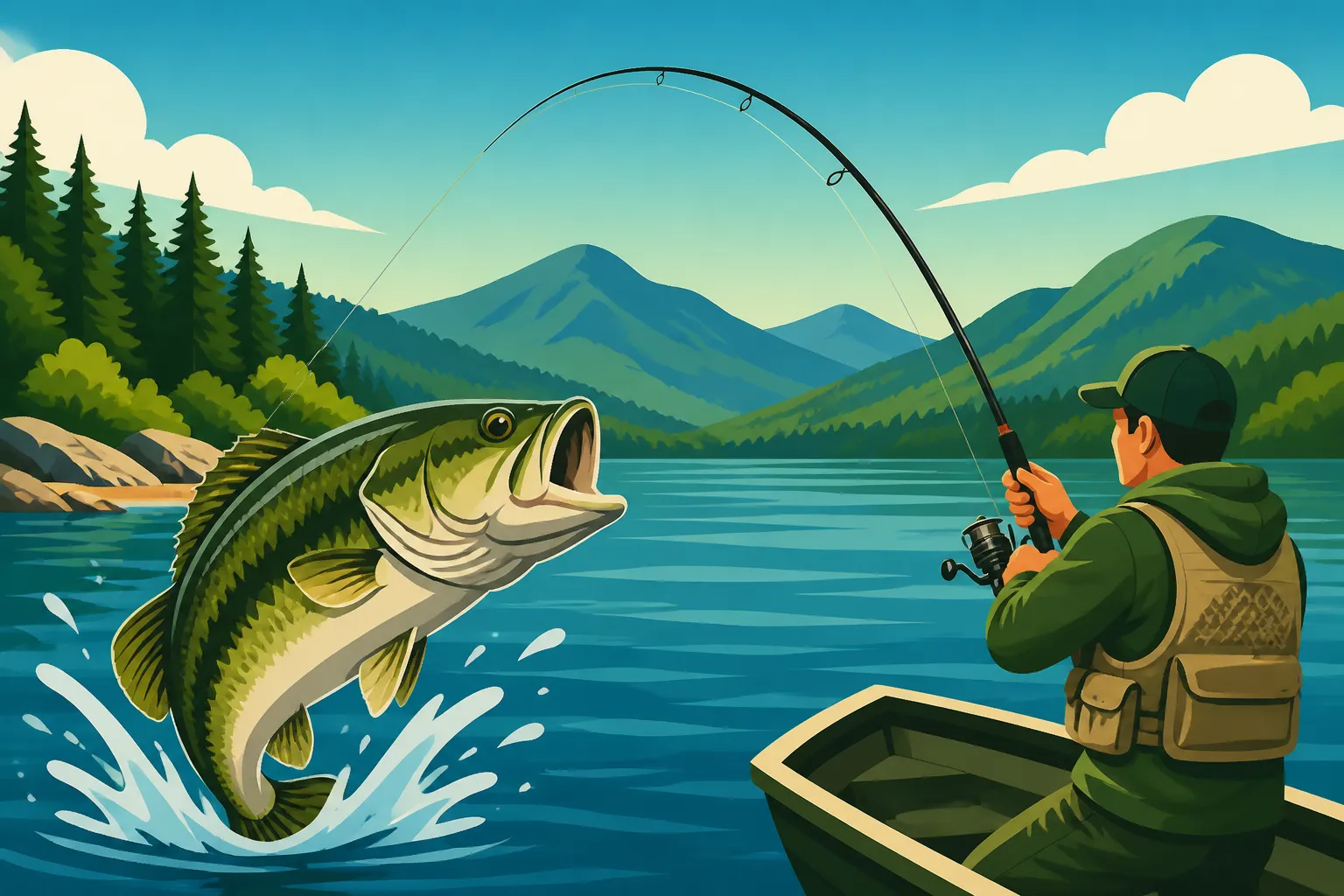
Harriman Reservoir Fishing Guide
There's nothing quite like the feeling of heading out for a day of fishing, only to realize you're not entirely sure where to go or what to expect. Vermont, with its stunning natural beauty, offers countless angling opportunities, but each body of water has its own personality and secrets. This comprehensive guide is here to unravel the mysteries of fishing Harriman Reservoir, helping you understand its unique challenges and unlock its potential for a truly memorable day on the water.
Understanding Harriman Reservoir's Unique Fishery
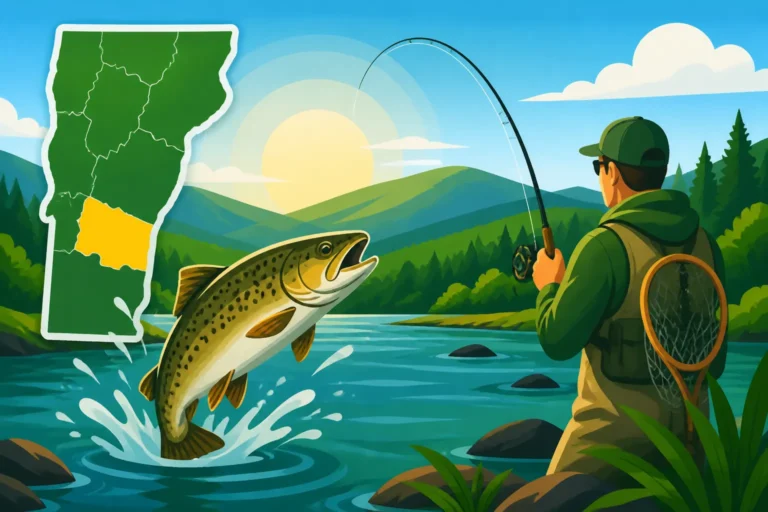
Harriman Reservoir, also known as Lake Whitingham, is a significant body of water in southern Vermont, nestled within the picturesque Deerfield Valley. It’s a place that many anglers overlook in favor of the larger, more famous lakes, but that’s precisely what makes it special. This reservoir offers a serene, often less crowded experience, yet boasts a diverse and robust fishery that can surprise even the most seasoned angler.
The Reservoir's Geography and History
Spanning approximately 2,000 acres and reaching depths of up to 180 feet, Harriman Reservoir is Vermont's largest body of water entirely within the state's borders. It was formed in the early 20th century with the construction of the Harriman Dam on the Deerfield River, primarily for hydroelectric power generation. This history has shaped its underwater landscape, creating a fascinating mix of natural river channels, submerged structures from former homesteads, and deep, cold basins. The shoreline is a mix of wooded areas, occasional coves, and some developed sections, offering a variety of environments for fish to thrive and anglers to explore. Its long, serpentine shape means there's always a new bend to investigate, a new point to cast, or a quiet cove to drift through. The reservoir’s elevation in the southern Green Mountains also contributes to its distinct character, providing cooler, clearer waters compared to some of the lower-elevation lakes.
Primary Game Fish Species
Harriman Reservoir is a fantastic multi-species fishery, meaning you're not just limited to one type of fish, which is always a bonus for those who like variety. Anglers primarily target a healthy population of cold-water species, including robust Vermont Lake Trout Fishing. These deep-water dwellers are often found lurking near the thermocline, especially during the warmer months, making them a thrilling challenge to hook. Alongside lake trout, you'll also find some impressive brown trout and, occasionally, rainbow trout, often holdovers from stocking efforts that have adapted well to the reservoir's conditions.
But Harriman isn't just for trout and salmon enthusiasts. It also holds a respectable warm-water fishery, particularly for smallmouth bass. These feisty fighters provide excellent action, especially around rocky points and submerged structures. While largemouth bass are present, smallmouth tend to be the more dominant species, thriving in the reservoir's clear, cooler waters. You can also expect to encounter various panfish, such as yellow perch, bluegill, and black crappie, which are always a fun catch, especially for younger anglers or those looking for a relaxing day with consistent bites. The diversity here means you can truly tailor your fishing trip to whatever species you're in the mood to pursue.
Forage Base and Ecosystem
Understanding what the fish in Harriman Reservoir are eating is a crucial piece of the puzzle for any successful angler. The reservoir boasts a robust forage base that supports its diverse fish populations. A primary food source, especially for the lake trout and other cold-water species, is the abundant rainbow smelt. These small, silvery baitfish school in large numbers, and predators often key in on them. This means that lures and flies mimicking smelt can be incredibly effective, especially when trolling or jigging in deeper water.
Beyond smelt, the ecosystem also supports various insect larvae, crayfish, and smaller baitfish that contribute to the diets of bass and panfish. The presence of submerged timber and rocky bottoms provides excellent habitat for these smaller creatures, which in turn attract the larger game fish. The reservoir's generally clear water allows light penetration, supporting aquatic vegetation in shallower coves, which further enhances the habitat for baitfish and insect life. This healthy and varied food chain ensures that Harriman's fish are well-fed and grow to impressive sizes, making it a truly rewarding place to wet a line.
Prime Fishing Spots and Access Points on Harriman Reservoir
Knowing where to fish is just as important as knowing what to fish for. Harriman Reservoir, with its sprawling waters, has several key areas and access points that anglers should be aware of. Whether you're bringing a boat, a kayak, or simply looking to cast from shore, there are options for everyone.
Public Boat Launches and Marinas
For those with a boat, Harriman Reservoir offers excellent access points to get you out on the water. The primary public boat launch is located off Route 100, near the Harriman Dam, often referred to as the Davis Bridge Dam Access Area. This launch provides ample parking and a concrete ramp suitable for most trailered boats, making it easy to deploy everything from a bass boat to a family pontoon. From here, you can quickly reach the deeper sections of the reservoir, ideal for targeting lake trout and trolling for other species. Always check Vermont Boating Laws for Anglers to ensure your vessel meets all state requirements before heading out.
Another popular access point, particularly for smaller boats, canoes, and kayaks, is the Sherman's Dam Boat Launch on the southern end. This area provides access to some of the shallower coves and riverine sections, which can be excellent for bass and panfish. While not as robust as the main launch, it's often less crowded and offers a different fishing experience, particularly for those looking to explore quiet backwaters. If you're planning a trip and want to ensure you have the best access and perhaps even consider a guided trip with local expertise, platforms like FishingBooker can help you connect with captains familiar with these specific launch points.
Productive Shore Fishing Areas
You don't always need a boat to have a successful day on Harriman Reservoir. There are several spots along the shoreline that offer fantastic fishing opportunities, especially for those targeting bass and panfish. One of the most accessible and productive areas for shore anglers is around the Davis Bridge Dam Access Area itself. The rocky shoreline and riprap near the dam provide excellent cover for smallmouth bass and good opportunities for perch and bluegill. You can often find anglers casting crankbaits or worms from these banks.
Further north, along Route 100, there are various pull-offs and smaller public access points where you can find secluded spots to cast from. Look for areas with a gradual slope leading into the water, or small points that extend out, as these often hold fish. The shallower coves on the eastern side of the reservoir, particularly those with some submerged vegetation, can be really productive for largemouth bass, especially during the warmer months. These spots don't get the same fishing pressure as boating lanes, so they often provide a more peaceful experience and eager fish.
Key Structures and Deep Water Haunts
To consistently catch fish on Harriman, especially the larger, more elusive ones, you need to understand where they hide. The reservoir's unique underwater topography is a treasure trove of structure. For lake trout, focus your efforts on the deep basins and along the old river channel that winds through the reservoir. These fish prefer cold, oxygen-rich water, so look for them congregating around humps, drop-offs, and deep points, especially in the central and northern sections of the lake. Sonar is incredibly helpful here to identify these subtle changes in depth and locate schools of baitfish.
Smallmouth bass, on the other hand, are structure-oriented but prefer rocky habitat and shallower depths, particularly during spring and fall. Look for them around submerged rock piles, rocky points, and steep banks. The areas around the "narrows" where the reservoir constricts can also be excellent, as current flow (even subtle) can concentrate baitfish. Submerged timber, a relic from when the valley was flooded, also provides fantastic cover for both bass and panfish. Don't be afraid to explore new areas, but always consult a hydrographic map to pinpoint those hidden underwater features that are magnets for fish.
Optimal Techniques and Tactics for Harriman Reservoir
Fishing Harriman Reservoir means being adaptable. The tactics that work for a 30-foot deep lake trout won't do much good for a cruising smallmouth in a shallow cove. Having a variety of approaches in your arsenal will greatly improve your success here, covering everything from seasonal changes to specific species habits.
Seasonal Strategies for Trout and Salmon
Harriman Reservoir shines for its trout and landlocked salmon fishing, but success often hinges on understanding their seasonal movements. In the early spring, right after ice-out, trout and salmon can be found relatively shallow, often cruising the upper water column and near shorelines as they chase smelt. This is a prime time for trolling with spoons or stickbaits in various colors, particularly silver, blue, or gold, mimicking the smelt they feed on. As the water warms through late spring and into summer, these cold-water species retreat to the cooler, deeper sections of the reservoir.
During summer, you'll need to employ tactics that get your lures down to the thermocline, which is typically where the most active fish will hold. Downriggers, lead core lines, or heavy-weighted presentations become essential. Focus on the main basin and areas with significant depth changes. Fall brings a resurgence of activity as the water cools, and fish become more aggressive before winter sets in. This can be an excellent time for casting larger spoons or even live bait like shiners or smelt near drop-offs. Always stay informed on the Vermont Trout Season and Stocking Rules to make sure you're fishing legally and during peak times.
Targeting Bass and Panfish
For smallmouth bass, Harriman Reservoir offers fantastic action, especially from late spring through fall. In spring, as water temperatures rise into the 50s and 60s, smallmouth move into shallower, rocky areas to spawn. During this pre-spawn and spawn period, suspending jerkbaits, Ned rigs, or soft plastics fished slowly can be incredibly effective. As summer progresses, smallmouth will often follow baitfish into deeper water during the day, holding on humps, points, and along drop-offs. Crankbaits, tube jigs, and drop-shot rigs are excellent choices for these deeper fish. Topwater action can be explosive during early mornings and late evenings, particularly in calm conditions. For detailed tactics, check out How to Catch Smallmouth Bass in Vermont Lakes.
Panfish, like yellow perch, bluegill, and crappie, are abundant and can provide consistent action throughout the open water season. They often hang around submerged timber, docks (where available), and weed edges in shallower coves. Small jigs tipped with a grub, worm, or small minnow are usually irresistible. Fly fishing with small nymphs or wet flies can also be a blast for these eager biters. Panfish are excellent for introducing new anglers to the sport, and Harriman's populations ensure there's always something to catch.
Ice Fishing Opportunities and Safety
When winter blankets Vermont, Harriman Reservoir transforms into a popular destination for ice anglers. The vast, deep waters offer excellent opportunities for targeting lake trout, perch, and even occasional northern pike through the ice. As with open water, understanding the depths and structure is key. Lake trout are often caught by jigging spoons or large swimbaits near the bottom in 40 to 80 feet of water. Many anglers employ electronics to mark fish and adjust their jigging presentation accordingly.
Yellow perch are a favorite target for ice anglers, often schooling in shallower to mid-depth areas. Small jigs tipped with grubs or wax worms are highly effective for perch. Always remember that ice fishing safety is paramount. Check local ice conditions regularly, bring safety gear, and fish with a buddy. The Vermont Ice Fishing Season Dates provide critical information on when it's safe and legal to be out on the hard water. Consider renting an ice shanty for comfort during longer outings, especially if fishing with family. Local bait shops can often provide the most up-to-date ice conditions and specific hot spots.
Essential Gear and Equipment for Harriman Reservoir
Having the right tools for the job can make all the difference between a frustrating day and a fantastic one. Harriman Reservoir's diverse fishery and varied depths mean you'll likely need a versatile selection of gear to tackle its opportunities effectively.
Recommended Rods, Reels, and Line for Various Species
For the deep-water denizens like lake trout and salmon, you'll want a medium-heavy to heavy action spinning or baitcasting rod, typically 6'6" to 7'6" in length. This setup needs enough backbone to handle heavy weights or downriggers and to fight a powerful fish from the depths. Pair this with a sturdy reel spooled with 15-20 lb braided line, often with a fluorocarbon leader of 10-15 lb test for abrasion resistance and stealth. The low-stretch of braid is crucial for detecting subtle bites in deep water.
When targeting smallmouth bass, a medium to medium-heavy action spinning rod (6'6" to 7'0") is often ideal, paired with a 2500-3000 size spinning reel. This setup provides the sensitivity for finesse presentations like Ned rigs and the power for casting crankbaits or topwater lures. Spool with 8-12 lb fluorocarbon or braided line with a fluorocarbon leader. For panfish, an ultralight spinning rod (5'6" to 6'6") with a small 1000-2000 size reel and 4-6 lb monofilament or light braided line is perfect, allowing for maximum sensitivity and fun fights with smaller fish.
Must-Have Lures and Baits
The tackle box for Harriman Reservoir should be well-stocked with a variety of options. For lake trout and salmon, spoons like the Acme Little Cleo, Dardevle, or Doctor Spoon in silver, blue/silver, or copper are highly effective. Stickbaits from brands like Rapala or Bomber, especially in natural baitfish patterns, are also excellent for trolling or casting. Live bait, such as shiners or smelt, fished on a weighted hook, can be incredibly deadly, particularly in spring and fall.
For smallmouth bass, crankbaits (both shallow and deep diving), tube jigs, soft plastic swimbaits, grubs, and topwater lures (poppers, walking baits) are essential. Don't forget an assortment of Ned rig components and drop-shot weights for finesse presentations around rocky structure. Crayfish imitations are always a good bet for smallmouth. Panfish will readily hit tiny jigs, small spoons, and live bait like worms, minnows, or wax worms. Having a selection of these basics will prepare you for most situations you'll encounter on Harriman.
Boating and Safety Equipment Considerations
Whether you're in a motorboat, kayak, or canoe, safety should always be your top priority on Harriman Reservoir. This is a large body of water, and conditions can change quickly. Always ensure you have enough personal flotation devices (PFDs) for everyone on board, and that they are easily accessible. A first-aid kit, signaling devices (whistle, horn), and a fire extinguisher (for motorboats) are mandatory. Carrying a marine radio or a fully charged cell phone in a waterproof case is also highly recommended.
For those venturing out in kayaks, especially for Best Kayaks for Vermont Fishing, a paddle leash, anchor system, and bilge pump (for sit-in models) are important additions. The reservoir can get choppy, so a stable kayak is key. Navigational aids like a GPS unit or a detailed paper map of the reservoir are invaluable for understanding the various coves, points, and depths, especially if you're exploring new areas. Make sure your boat is registered and compliant with all Vermont regulations. Before heading out, especially if you're unfamiliar with the area, it's a good idea to consult local resources or even consider hiring a local guide through platforms like FishingBooker to ensure you're equipped for a safe and productive day.
Navigating Regulations and Conservation Efforts
Fishing is a privilege, and with that privilege comes the responsibility to understand and abide by the rules. Vermont has specific regulations in place to protect its fisheries and ensure sustainable angling for future generations. Harriman Reservoir, while a fantastic fishing destination, is no exception.
Harriman Reservoir Specific Regulations
While many general Vermont fishing regulations apply to Harriman Reservoir, there are often specific rules that can vary by water body or even by species within a particular lake. It's absolutely critical to consult the most current Vermont Fish & Wildlife Department fishing guide before you head out. These guides are updated annually and are the definitive source for information on bag limits, length limits, and season dates specific to Harriman. For instance, while Lake Champlain might have a slot limit for walleye, Harriman might have different rules for its trout species.
Special regulations could include catch-and-release only sections, specific bait restrictions, or even limitations on fishing during certain times of the year, particularly during spawning periods. For example, there might be specific rules about Vermont Bass Catch-and-Release Season, Explained that apply to Harriman. Knowing these nuances not only keeps you legal but also contributes to the health of the fishery. Ignorance of the rules is never an excuse, and penalties for violations can be significant, ranging from fines to loss of fishing privileges.
Vermont Fishing License Requirements
Before you even think about casting a line in Harriman Reservoir, or any other Vermont water, you need to ensure you have a valid fishing license. This is non-negotiable for most anglers. Residents and non-residents alike are required to purchase a license, though the types and costs vary. You can typically purchase licenses online through the Vermont Fish & Wildlife Department website, or in person at various authorized vendors across the state, including many town clerks and sporting goods stores. To get all the details on what you need, refer to the Vermont Fishing License Guide for 2026.
There are different license options available, from annual permits to short-term nonresident licenses (like 1-day or 7-day passes), as well as discounted options for seniors or disabled residents. Children below a certain age are usually exempt from needing a license, but it's essential to verify the current age requirements. Carrying your license, either a physical copy or a digital version on your phone, is crucial, as wardens may ask to see it at any time. Think of it as your passport to Vermont's incredible fishing opportunities.
Promoting Sustainable Fishing Practices
Beyond the regulations, a true angler understands the importance of conservation and ethical fishing practices. Harriman Reservoir is a precious resource, and it's up to all of us to ensure its health for future generations. This starts with respecting Vermont Bag and Possession Limits by Species. Taking only what you need and adhering to these limits helps maintain healthy fish populations.
Practicing proper catch-and-release techniques is also vital, especially for larger or vulnerable species. Minimize handling time, use wet hands, support the fish horizontally, and avoid touching gills. If a fish is deeply hooked and won't survive, it's often more humane to keep it within the legal limit rather than releasing it to die. Disposing of trash properly, using lead-free tackle to prevent wildlife poisoning, and not introducing invasive species by cleaning your boat and gear between waterways are all simple yet impactful actions. By being mindful anglers, we can ensure that Harriman Reservoir remains one of the Best Fishing Lakes in Vermont for years to come.
Disclaimer
Please note that fishing regulations, access points, and fish populations can change. Always consult the most current Vermont Fish & Wildlife Department regulations guide before planning your fishing trip to Harriman Reservoir. The information provided in this guide is for general informational purposes only and does not constitute legal advice. Stay safe and enjoy your time on the water!