Best pond fishing near Woodstock Vermont
It's tough, isn't it? You're in a beautiful place like Woodstock, Vermont, surrounded by pristine nature, and all you want to do is cast a line into some quiet water. But finding those perfect, accessible ponds that hold fish, without feeling like you're trespassing or endlessly searching, can be a real head-scratcher. This guide is here to cut through that frustration, laying out the best pond fishing spots near Woodstock, what you can expect to catch, and how to make your outing a resounding success.
The Allure of Pond Fishing Near Woodstock
There's something incredibly special about pond fishing, especially in a picturesque region like Woodstock, Vermont. It’s a completely different vibe than the big lakes or fast-flowing rivers. Ponds offer a unique blend of accessibility, peacefulness, and often, surprisingly robust fishing opportunities that can be perfect for anglers of all skill levels.
Why Ponds Are Perfect for All Anglers
Ponds, by their very nature, tend to be more intimate and manageable than sprawling lakes or roaring rivers. This makes them an ideal choice for a variety of reasons. If you're new to fishing, a pond provides a less intimidating environment to learn the ropes. You don't need specialized boats or heavy-duty gear; a simple spinning rod and a handful of worms can often do the trick. For families, ponds are fantastic. They often have calmer waters, making it safer for kids, and the action can be consistent enough to keep young anglers engaged, often catching panfish or smaller bass. Imagine a lazy afternoon by the water's edge, teaching your grandchild to cast, or simply enjoying the tranquility as a bobber dances on the surface. That’s the magic of pond fishing. For more seasoned anglers, ponds can still offer a challenge, especially when targeting larger bass or elusive trout that have grown wise to common presentations. Plus, the quiet solitude of a small pond can be exactly what you need to unwind and reconnect with nature.
Common Fish Species You'll Encounter
When you drop a line into one of the many ponds near Woodstock, you're likely to encounter a diverse array of freshwater species. Understanding what fish call these waters home will help you tailor your approach and gear.
Firstly, trout are a big draw. The Vermont Fish & Wildlife Department actively stocks many ponds and lakes throughout the state with rainbow, brown, and brook trout, especially in the spring and fall. These stocked trout provide excellent opportunities for anglers looking for some quick action. While native brook trout tend to prefer colder, higher-elevation streams, some ponds may hold populations of wild or holdover brook trout, identifiable by their vibrant colors and pristine fins. Knowing when the local ponds are stocked can often lead to some fantastic days on the water; you can even use the Vermont Fish Stocking Search Tool, Explained to track stocking schedules.
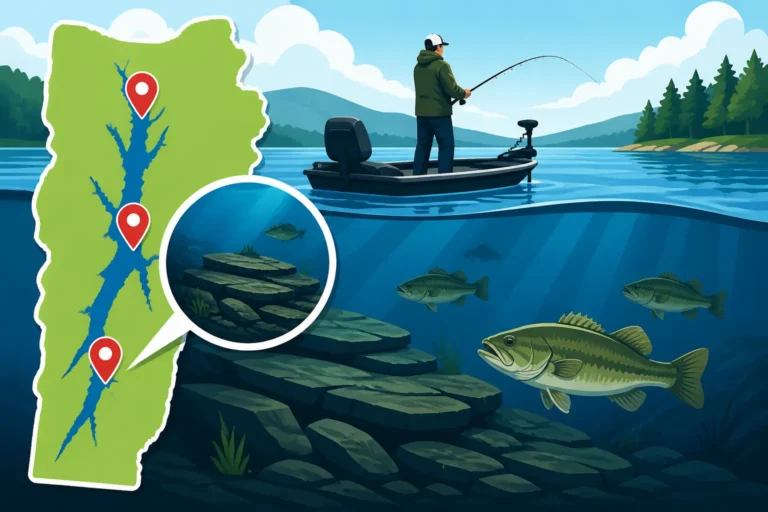
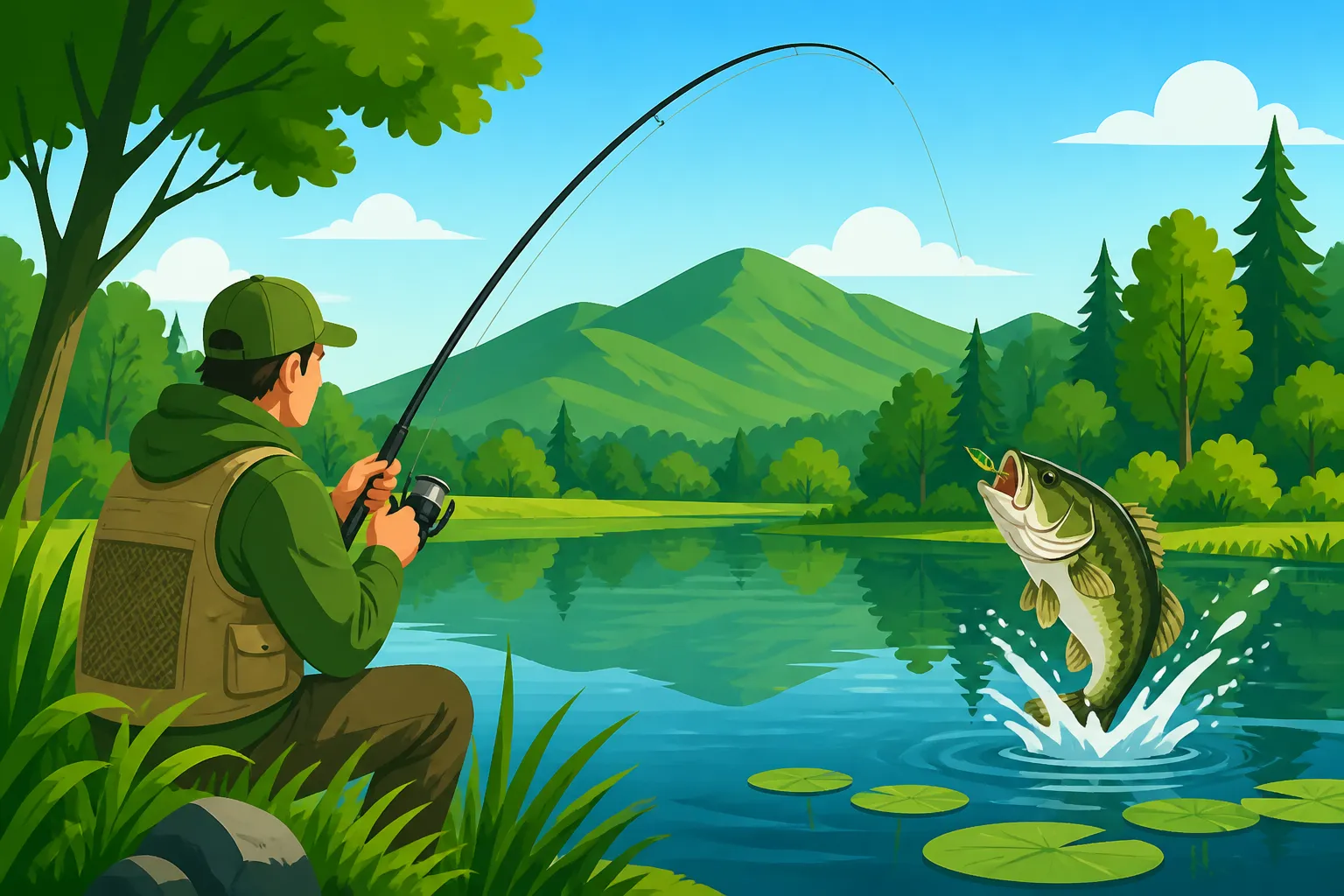
Then there are the bass. Both largemouth and smallmouth bass thrive in many of Vermont's ponds. Largemouth bass prefer weedy cover and submerged structures, often lurking near lily pads or fallen logs, ready to ambush prey. They’re known for their powerful strikes and exciting fights. Smallmouth bass, on the other hand, often favor clearer, rockier bottoms and can be found cruising deeper drop-offs or rocky points. They offer an equally thrilling fight, often jumping clear of the water. Many anglers specifically target these hard-fighting fish in the warmer months. You can learn more about Vermont Bass Minimum Length Limits.
Panfish are the unsung heroes of pond fishing, providing consistent action and being incredibly fun to catch, especially for beginners or those seeking a relaxed day. This category includes yellow perch, bluegill, pumpkinseed sunfish, and black crappie. They’re prolific, readily bite on small baits, and make for excellent table fare. Catching a stringer full of plump perch or sunfish can be just as rewarding as landing a trophy bass.
Finally, don’t be surprised if you hook into a chain pickerel. These toothy predators are common in many weedy Vermont ponds. While not always a primary target, their aggressive strikes and spirited fights can certainly add an unexpected thrill to your day. Just be sure to use a wire leader if you're specifically targeting them, or at least be prepared for them to cut through lighter monofilament!
Top Fishing Ponds to Explore Around Woodstock
Now that you know what to expect, let's dive into some of the best specific pond fishing destinations within a reasonable drive of Woodstock. Each offers a slightly different experience and opportunities.
Silver Lake (Barnard)
Just a short, scenic drive north of Woodstock, you'll find Silver Lake in Barnard. This beautiful body of water is a true gem for pond anglers and a popular spot for locals and visitors alike. Silver Lake is a decent-sized pond, offering ample space for various fishing styles without feeling overcrowded.
What to Expect: Silver Lake is well-known for its healthy populations of both largemouth and smallmouth bass, especially during the warmer months. Anglers often find success targeting bass along the lake's numerous weed lines, rocky points, and submerged structures. You can also expect to catch plenty of panfish, particularly yellow perch and sunfish, which provide consistent action throughout the day. The Vermont Fish and Wildlife Department occasionally stocks Silver Lake with trout, so don't be surprised if you hook into a rainbow or brown trout, particularly in the cooler parts of the season.
Access and Amenities: One of the biggest advantages of Silver Lake is the presence of Silver Lake State Park, which offers excellent public access. The state park provides a public boat launch, making it convenient for those with small boats, canoes, or kayaks. If you don't have your own vessel, the park often has boat rentals available, including canoes and rowboats, which is fantastic for a spur-of-the-moment fishing trip. Shore access is also good, particularly within the state park area, providing plenty of spots to cast from land. The park also features a swimming beach, picnic areas, and camping, making it a great multi-purpose destination for a family day out. Just remember that during peak summer months, the park can get busy, so arriving early is often a good strategy to secure your preferred fishing spot.
Fishing Tips: For bass, try throwing spinnerbaits, soft plastics (like Senkos or worms), or topwater lures in the early morning or late evening. For panfish, a simple hook, bobber, and a worm or small piece of PowerBait will almost always yield results. Fly anglers can find success with poppers for bass or small nymphs and wet flies for panfish and trout.
Kent Pond (Kent's Corners)
Another fantastic option easily accessible from Woodstock is Kent Pond, located near Kent's Corners in the town of Killington. This pond offers a quieter, more tranquil fishing experience compared to some larger bodies of water, while still providing excellent fishing opportunities.
What to Expect: Kent Pond is primarily known for its bass fishing, boasting a good population of both largemouth and smallmouth bass. The pond's varied structure, including submerged timber, weed beds, and rocky shores, provides ideal habitat for these aggressive predators. Panfish, such as perch and sunfish, are also abundant and can provide steady action. Like Silver Lake, Kent Pond receives occasional trout stockings, particularly for rainbow and brown trout, especially in the spring. These stockings make it a popular spot for early-season trout anglers.
Access and Amenities: The Vermont Fish and Wildlife Department maintains a public access area on Kent Pond. This includes a gravel boat launch, suitable for canoes, kayaks, and small car-top boats. While there might not be extensive amenities like those at a full state park, the focus here is truly on the fishing experience. Shore access is available, though it might require a bit more exploration to find comfortable casting spots outside the immediate launch area. The relatively undeveloped shoreline helps maintain its serene atmosphere.
Fishing Tips: For bass, focus on fishing near fallen trees, lily pads, and rocky drop-offs. Jigs, plastic worms, and small crankbaits work well. If you’re targeting trout, try casting small spoons, spinners, or floating PowerBait near the deeper sections, especially after a recent stocking. Fly fishermen can do well with woolly buggers or other streamer patterns for bass and trout, or small dry flies for rising fish during hatches. For a guided experience or to explore more options, services like FishingBooker can sometimes help connect you with local experts who know these waters intimately, though for smaller ponds like Kent, it's often a more DIY adventure.
Echo Lake (Plymouth)
While a bit further of a drive from Woodstock (closer to Plymouth, which is about 30-40 minutes away), Echo Lake is definitely worth the extra travel for serious anglers. It's a larger, deeper lake than Silver or Kent Ponds, offering a different kind of challenge and a wider variety of species, including some sought-after cold-water fish.
What to Expect: Echo Lake is a fantastic mixed-bag fishery. It's renowned for its cold-water species, particularly lake trout and landlocked salmon. These fish thrive in its deeper, colder waters and provide an exciting challenge for those equipped to target them. Beyond these cold-water giants, Echo Lake also supports strong populations of smallmouth bass, which can be found around its rocky shores and humps, and yellow perch, which are abundant and provide excellent panfishing opportunities. Trout stockings also occur here, adding rainbow and brown trout to the mix, making it a truly diverse fishery. You can find more details on Lake Trout Fishing in Vermont.
Access and Amenities: Echo Lake features a state boat launch, making it easy to put in larger fishing boats, as well as canoes and kayaks. The launch is well-maintained and provides ample parking. Given its size, shore fishing opportunities are more limited than at smaller ponds, with most anglers preferring to fish from a boat to access the various depths and structures. The lake is surrounded by beautiful Vermont scenery, making any trip here a scenic outing.
Fishing Tips: For lake trout and landlocked salmon, trolling with downriggers or lead core line is often the most effective method, using spoons or stickbaits that imitate their natural forage. Early mornings and late evenings are prime times. For smallmouth bass, target rocky points and drop-offs with tubes, jigs, or crankbaits. Perch can be caught throughout the lake using small jigs tipped with bait or simply a bobber and worm rig. Due to its size and depth, a good fish finder can be invaluable on Echo Lake to locate schools of baitfish and target species.
Essential Gear, Tactics, and Navigating Regulations
Having the right equipment and understanding the local rules are crucial for a successful and enjoyable pond fishing experience around Woodstock. Don't worry, it's not overly complicated, but a little preparation goes a long way.
Recommended Gear for Pond Success
You don't need a massive arsenal of expensive gear to enjoy pond fishing in Vermont, but having a few key items will significantly improve your chances and comfort.
Light Spinning Gear: For most pond fishing, a light to medium-light action spinning rod, 6 to 7 feet long, paired with a matching spinning reel spooled with 6-10 lb monofilament or braided line, is perfect. This setup is versatile enough to handle panfish, trout, and even good-sized bass. It’s easy to cast, forgiving for beginners, and sensitive enough to detect subtle bites. For panfish specifically, an ultralight setup with 2-4 lb test line can be incredibly fun, making even a small sunfish feel like a trophy. You might even find some great options listed in guides like Best Fishing Rods for Vermont Lakes.
Baits and Lures:
- Live Bait: This is often the undisputed king for pond fishing. Worms (nightcrawlers, red wigglers) are universally effective for almost all species. Minnows can be deadly for bass, pickerel, and larger perch, while grubs or mealworms are excellent for panfish.
- Artificial Lures:
- Spinners: Small inline spinners (like Mepps, Panther Martin, or Rooster Tail) are fantastic for stocked trout, panfish, and even aggressive smallmouth bass.
- Spoons: Casting spoons (such as Kastmasters or Little Cleos) are great for deeper waters and work for trout, bass, and sometimes perch.
- Soft Plastics: Wacky-rigged Senkos, small plastic worms, and creature baits are incredibly effective for both largemouth and smallmouth bass.
- Jigs: Small jigs (1/16 to 1/8 oz) tipped with a small grub, plastic tail, or even a piece of worm are deadly for panfish and can entice inactive trout or bass.
- Crankbaits: Small, shallow-diving crankbaits can be excellent for bass, especially when retrieved near structure or weed lines.
Fly Fishing Basics: If you're a fly angler, a 3- to 5-weight fly rod is ideal for most pond trout and panfish, while a 6-weight can handle larger bass. Basic fly patterns like Woolly Buggers (black, olive), small nymphs (Hare's Ear, Pheasant Tail), and attractor dry flies (Elk Hair Caddis, Adams) will cover most situations. Ponds are great places to practice your casting, as you often have ample space. You can delve deeper into Fly Fishing for Trout in Vermont.
Essential Accessories: Don't forget a small tackle box or bag, extra line, a pair of pliers for hook removal, a small pair of clippers for line, a landing net (especially if you're targeting larger fish), a comfortable chair, sunscreen, insect repellent, and plenty of water. A stringer or a cooler with ice is also good if you plan to keep your catch.
Effective Techniques for Diverse Species
Different fish prefer different presentations. While pond fishing can be relatively straightforward, a few techniques will help you maximize your success.
Still Fishing: This is probably the most relaxing and often effective method, especially for panfish and trout. Simply cast out a baited hook (with or without a bobber) and let it sit. If using a bobber, watch for it to dip or disappear. If fishing on the bottom, watch your line for any twitch or movement. This technique is fantastic for bank fishing and for kids.
Casting & Retrieving: This involves actively working a lure or bait. Cast your spinner, spoon, or soft plastic, and then reel it back in, varying your retrieve speed and adding pauses or twitches. This mimics wounded baitfish or insects and can trigger aggressive strikes from bass, trout, and pickerel. Experiment with different speeds and depths until you find what the fish are responding to. For bass, remember that they often strike when a lure changes direction or pauses.
Fly Fishing Strategies: For trout, focus on casting small nymphs or streamers near drop-offs, inlets, or any structure where fish might hold. If you see rising fish, try to match the hatch with a dry fly. For bass, poppers and larger streamers can be incredibly effective, especially around lily pads or submerged logs, often providing explosive topwater action.
Understanding Vermont Fishing Regulations
Before you even make your first cast, it's absolutely vital to understand and adhere to Vermont's fishing regulations. These rules are in place to protect the fishery and ensure sustainable opportunities for all.
Fishing License: The most important rule is that anyone 15 years or older needs a valid Vermont fishing license to fish in public waters. This applies to both residents and non-residents. You can easily purchase a license online, at a local license agent, or through the Vermont Fish & Wildlife Department offices. Getting your Vermont Fishing License Guide for 2026 is a crucial first step. There are different types of licenses, including annual, 3-day, and 7-day non-resident options, so choose what fits your trip best.
Season Dates and Closures: While many ponds are open year-round for certain species like panfish, trout often have specific seasons. For instance, the general trout season typically opens in April and runs through late October. However, certain "trophy trout" waters or special regulation areas might have different dates or catch-and-release only rules. Always consult the official Vermont Fishing Season Dates and Closures guide, available from the Fish & Wildlife Department, to be sure. Bass also have a specific season, often with a catch-and-release only period in the spring before the full harvest season opens. Check out Vermont Bass Catch-and-Release Season, Explained for more details.
Bag and Possession Limits: There are strict daily bag limits and possession limits for various species. For example, trout often have a daily limit of 5 fish, but this can vary by waterbody. Bass also have minimum length limits and daily bag limits. It’s your responsibility to know these rules for the specific species you are targeting and the waterbody you are fishing. Always refer to the Vermont Bag and Possession Limits by Species for the most up-to-date information.
Special Regulations: Some ponds or sections of rivers might have special regulations, such as "catch and release only," "artificial lures only," or different size/bag limits. Always look for signage at public access points and check the official regulations guide for any specific rules pertaining to the pond you're visiting. For example, some ponds may have specific rules regarding Vermont Catch and Release Fly Fishing Only Waters.
Boating Laws: If you plan to use a boat, even a kayak or canoe, be aware of Vermont's boating laws. This includes requirements for life jackets, especially for children, and potentially boat registration depending on the type and size of your vessel. Check the Vermont Boating Laws for Anglers before you launch.
It sounds like a lot, but a quick read of the official Vermont Fishing Guide (which you can pick up where you buy your license or download online) will clarify most things. It's truly essential for protecting these incredible resources.
Making the Most of Your Woodstock Pond Fishing Adventure
A successful fishing trip isn't just about catching fish; it's about the entire experience. From careful planning to respecting the environment, these elements contribute to a memorable outing.
Planning Your Trip and Local Resources
A little bit of planning can turn a good fishing trip into a great one. Consider the best time to visit, where to get local insights, and how to best prepare.
Best Times to Fish:
- Seasonally: Spring (late April through June) is excellent for trout after stocking and for pre-spawn bass. Summer offers fantastic bass and panfish action, though fishing during the hottest parts of the day can be slow. Fall (September and October) brings cooler temperatures, often stimulating trout and bass feeding frenzies before winter.
- Daily: Early mornings (dawn to a few hours after sunrise) and late evenings (an hour or two before sunset until dark) are almost always the most productive times, regardless of the season. Fish are often more active, feeding closer to the surface, and less spooky. Midday can be slower, especially on bright, sunny days, but deeper sections or shaded areas can still hold fish.
Local Bait Shops and Expertise: While Woodstock itself is a charming village, you'll find more dedicated fishing resources in nearby towns. Places like Dan & Whit's General Store in Norwich (a short drive east) or various general stores and sporting goods shops in towns like Rutland or Claremont (NH, just across the river) can be great sources for live bait, tackle, and invaluable local knowledge. Don't be shy about asking the folks behind the counter where they've been having luck. They often know the nuances of the local ponds better than anyone. If you're looking for more structured guidance, especially for larger lakes or specific techniques, platforms like FishingBooker can sometimes help you locate and book a local fishing guide, though for the small, intimate ponds near Woodstock, many anglers prefer a more self-guided approach.
Weather Considerations: Always check the weather forecast before heading out. Vermont weather can change quickly. Be prepared for rain, wind, or sudden drops in temperature, especially in spring and fall. Dressing in layers is always a smart move.
Respecting the Resource and Fellow Anglers
Part of being a responsible angler is ensuring that these beautiful fishing spots remain pristine and productive for years to come.
Catch and Release Practices: While keeping a few fish for a meal is perfectly fine and often encouraged for stocked trout or abundant panfish, practicing catch and release for larger or wild fish helps maintain healthy populations. If you plan to release fish, handle them gently. Wet your hands before touching the fish, minimize their time out of the water, and use a de-hooking tool or pliers to remove hooks quickly. Revive tired fish by holding them gently in the water until they swim off strongly. Using single, barbless hooks can also significantly reduce harm to fish.
Leave No Trace: This is a fundamental principle for all outdoor activities. Pack out everything you pack in, including all trash, discarded fishing line, and bait containers. Don't leave any litter behind. Avoid disturbing wildlife or damaging vegetation. Your goal should be to leave the area cleaner than you found it.
Angler Etiquette: When sharing the water with others, a little common courtesy goes a long way. Maintain a respectful distance from other anglers, especially if they are already fishing a spot. Avoid loud noises that might disturb wildlife or other people. If you're boating, operate your vessel safely and be mindful of your wake, especially near shore anglers or small craft. We're all out there to enjoy the peace and beauty of Vermont, and respecting each other's space ensures everyone has a good time.
Pond fishing near Woodstock, Vermont, offers a truly rewarding experience, whether you're chasing trophy bass, a mess of panfish, or simply seeking solace in nature. With a little preparation and respect for the environment, you're set for a fantastic adventure.
Disclaimer
Please remember that fishing regulations and conditions can change. Always consult the most current Vermont Fish & Wildlife Department regulations guide before heading out. This article is intended for informational purposes only and does not supersede official state regulations.