Best shore fishing near Burlington Vermont
Finding a fantastic fishing spot without needing a boat can often feel like searching for a needle in a haystack, especially when you're in a city as vibrant as Burlington, Vermont. It’s easy to feel intimidated by Lake Champlain's vastness, wondering where to even cast a line from shore. This guide is designed to cut through that confusion, giving you the insider scoop on the very best shore fishing locations right near Burlington, along with practical advice to help you reel in some unforgettable catches.
The Unique Appeal of Burlington's Shoreline for Anglers
Burlington, nestled right on the eastern shore of Lake Champlain, offers a genuinely distinctive shore fishing experience. You're not just casting into any old lake; you're casting into one of North America's largest and most biologically diverse freshwater bodies, all while enjoying the charm and accessibility of a lively city. The convenience here is unmatched, allowing you to go from coffee shop to casting in mere minutes.
Lake Champlain's Accessible Waterfront
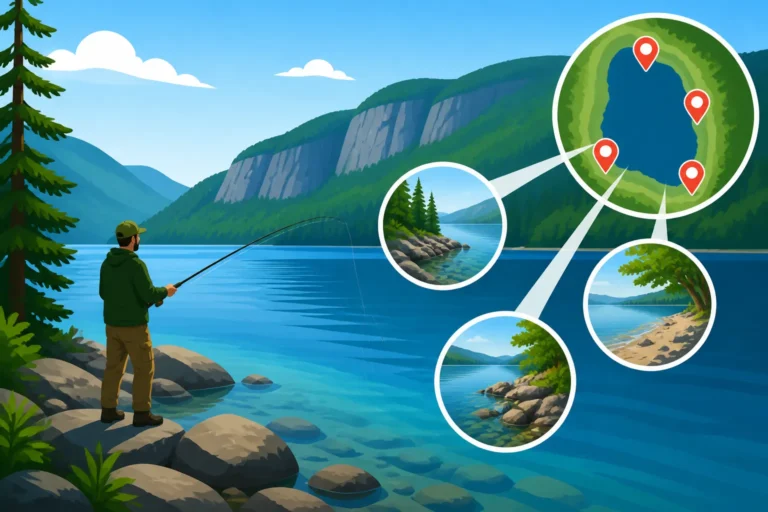
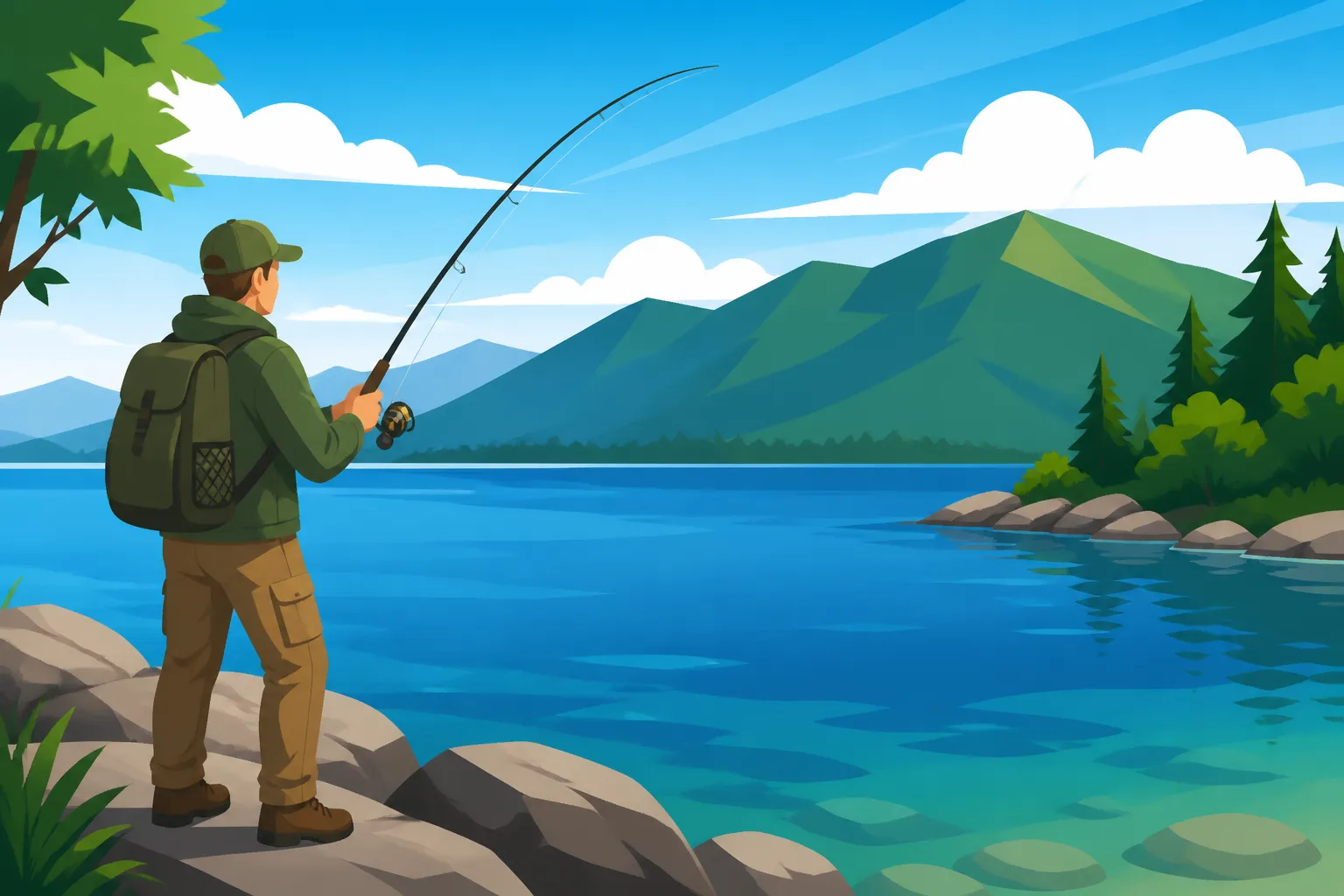
Lake Champlain is an absolute titan, stretching for miles and boasting incredible depth and structure. For the shore angler, this means direct access to a surprisingly varied fishery without the need for a boat or extensive gear. Imagine being able to walk down to a city park, cast a line, and feel the thrill of a hard-fighting smallmouth bass, all with the Adirondacks in the distance. The Burlington waterfront is particularly well-suited for this, offering a blend of developed piers, natural rocky shorelines, and sandy beaches. It’s a perfect scenario for those spur-of-the-moment fishing trips or for introducing kids to the joy of angling. The developed infrastructure, from paved walkways to benches, makes the experience comfortable and accessible for everyone.
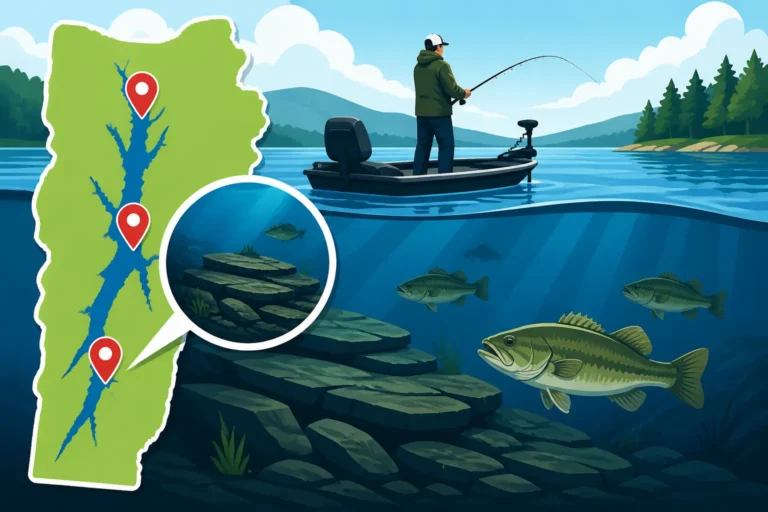
What many might not realize is that even from shore, you're often within casting distance of significant underwater features. Drop-offs, submerged rocks, and weed lines that hold fish are closer than you think, especially in areas where historical structures or natural points extend into the lake. This accessibility truly democratizes fishing, allowing anyone with a rod and reel to partake in the bounty of Lake Champlain. When you're thinking about planning a trip, whether it's a casual afternoon or a serious attempt at a trophy, having such diverse access points is a huge advantage.
Variety of Fish Species at Your Fingertips
One of the most exciting aspects of shore fishing near Burlington is the sheer variety of fish you can encounter. Lake Champlain is a smorgasbord of freshwater species, and many of them are perfectly happy to cruise close enough to shore to become your next target. This isn't just a place for one type of fish; it's a multi-species angler's dream.
- Smallmouth Bass: These bronze beauties are arguably the most popular target for shore anglers in the area. They thrive in rocky habitats, often lurking around points, breakwaters, and submerged rubble. They're fierce fighters and readily strike a variety of lures, making them incredibly fun to catch.
- Largemouth Bass: While less common directly on the main lake shoreline, largemouth bass can be found in shallower, weedier coves and backwaters accessible from shore. They prefer denser cover and provide a different kind of fight.
- Yellow Perch: A staple for many shore anglers, perch are abundant and delicious. They often school up, making it possible to catch several in one sitting. They're a fantastic target for beginners and provide consistent action.
- Sunfish (Bluegill, Pumpkinseed): These panfish are everywhere and are perfect for young anglers or anyone looking for constant bites. They're not big, but they're feisty and can be caught on the simplest of baits.
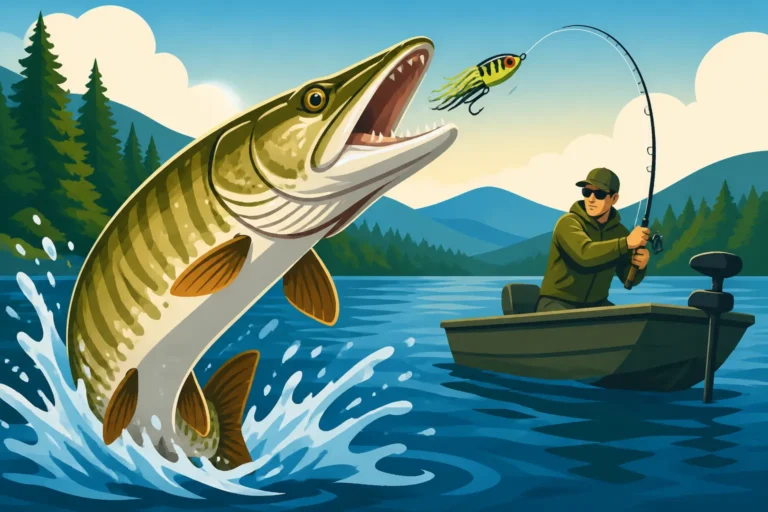
- Northern Pike: Don't be surprised if a toothy pike grabs your lure. They're ambush predators that often patrol weed edges and drop-offs, sometimes surprisingly close to shore. They provide an exhilarating fight and can be quite large.
- Walleye: While often associated with boat fishing, walleye can absolutely be caught from shore, especially during low-light conditions (dawn, dusk, or even at night) when they move into shallower feeding areas. Piers and causeways with access to deeper water are prime spots.
This diversity means you never quite know what you'll hook into, adding an element of surprise to every cast. It's a fantastic training ground for learning different techniques and understanding various fish behaviors. You might start your day targeting smallmouth bass with a crankbait and end it catching perch on a worm, all from the same stretch of shoreline. Just remember to always consult the official Vermont Fishing Regulations Explained before you head out, as rules for different species can vary.
Top Shore Fishing Hotspots in and Around Burlington
Now that you're geared up and excited, let's talk specifics. Burlington and its immediate surroundings are blessed with several prime shore fishing locations, each offering its own unique character and fishing opportunities. You'll find a mix of urban convenience and natural beauty, ensuring there's a spot for every angler's preference.
Waterfront Park and Burlington Community Boathouse
Right in the heart of downtown Burlington, Waterfront Park is easily the most accessible and iconic shore fishing spot. It's not just a park; it's a bustling hub with walking paths, scenic views, and surprisingly good fishing. The main draw here for anglers is the long fishing pier and the areas around the Burlington Community Boathouse.
From the pier, you can cast into deeper waters, often reaching areas where smallmouth bass congregate. During the cooler months of spring and fall, you might even encounter the occasional lake trout or landlocked salmon cruising by, though these are rarer catches from shore. Yellow perch and various sunfish are almost always present, offering consistent action for those using lighter tackle and smaller baits. Imagine yourself reeling in a feisty perch with the Adirondack mountains providing a stunning backdrop – it's a truly Vermont experience.
The immediate area around the boathouse and docks can also be productive, especially for panfish. Just be mindful of boat traffic and give them plenty of space. This location is fantastic for families due to the easy access, amenities, and often cooperative fish. A simple worm on a hook under a bobber can lead to hours of fun, making it an ideal spot for a Best family-friendly fishing spots in Vermont outing. Early mornings or late evenings tend to be the most productive times, as the crowds thin out and fish become more active.
Oakledge Park
Just a short drive south of downtown Burlington, Oakledge Park offers a more natural, rugged shoreline experience. This park is known for its beautiful cliff-side paths, rock beaches, and stunning views. For the shore angler, Oakledge provides access to excellent smallmouth bass habitat. The rocky points and submerged ledges are exactly what smallmouth love, offering ambush points and protection.
Fishing here often involves casting along the rocky edges, looking for sudden drop-offs or areas where current might bring baitfish close. You might even find some largemouth bass in the shallower, weedier pockets within the park, especially towards the southern end. This spot requires a bit more careful footing than the paved pier at Waterfront Park, but the rewards can be substantial. If you're comfortable wading a little, you can access even more prime territory, but always prioritize safety and check the bottom first.
Many anglers find success here using soft plastic baits like tubes or senkos, fished slowly along the bottom or jigged through rocky cover. Small crankbaits that imitate baitfish are also excellent choices. Remember that a valid Vermont Fishing License Guide for 2026 is a must-have before casting a line at Oakledge or any other Vermont fishing spot.
Causeway Park (Colchester/South Hero)
A little further afield, but still very much "near Burlington," is the legendary Causeway Park. This isn't just a park; it's a paved rail trail that extends far out into Lake Champlain, connecting the mainland (Colchester) to the Champlain Islands (South Hero). It’s an absolute gem for shore anglers, offering access to some of the lake's most productive waters.
What makes the Causeway so special is its unique structure. You have access to both the shallower, often weedier water on one side, and the deeper, more open water on the other. This means you can effectively target a huge range of species. It's particularly renowned for its walleye fishing, especially during twilight hours when these elusive predators move into shallower water to feed. Anglers often line the causeway during prime walleye times, casting stickbaits or jigging spoons.
Beyond walleye, the Causeway is a fantastic spot for smallmouth bass, northern pike, and yellow perch. The numerous culverts and rock piles along the causeway provide excellent habitat. Due to its length and exposure, it can get quite windy, so come prepared with appropriate layers. You'll find that this spot draws a crowd, so being respectful of other anglers and arriving early can be beneficial. Consider using a guide service found on FishingBooker if you want to maximize your chances, as local experts can pinpoint the most productive sections of the Causeway and provide specialized gear. For a deeper dive, check out our Lake Champlain Fishing Guide.
Leddy Park (Burlington's North End)
Nestled in Burlington's North End, Leddy Park offers another excellent option for shore anglers looking for diverse opportunities. This park features a mix of rocky and sandy shorelines, along with a breakwater that extends into the lake, creating some fantastic fish-holding structure. It’s a popular spot for locals and offers a slightly different vibe than the bustling downtown waterfront.
The breakwater at Leddy Park is a prime location for casting out to target smallmouth bass, especially during the spring and fall months when they are more active in shallower waters. You can also expect to find plenty of yellow perch and sunfish, making it another great spot for families or those looking for consistent action. The shallower, protected coves within the park can hold largemouth bass, particularly if there’s some weed growth.
This location also benefits from a boat launch, which means the surrounding waters are regularly trafficked by local anglers, indicating productive waters. Even without a boat, you can leverage this activity to gauge where the fish might be. Like other spots, dawn and dusk are often the most fruitful times, and exploring the varying depths and structures can reveal hidden pockets of fish. Don't forget to review Vermont Lake Champlain Fishing Rules before your visit.
Essential Gear and Techniques for Burlington Shore Fishing
Having the right gear and understanding a few key techniques can make all the difference between a frustrating day and a fantastic one when fishing from the shore in Burlington. You don't need a boatload of expensive equipment, but some thoughtful choices will greatly enhance your success.
Must-Have Tackle for Lake Champlain Shores
When you're fishing the diverse waters of Lake Champlain from shore, versatility is your best friend.
- Rods and Reels: A medium-light to medium power spinning rod, typically 6 to 7 feet long, paired with a matching spinning reel (size 2500-3000), is the ultimate all-around setup. This combination offers enough backbone to fight larger bass or pike but is sensitive enough to detect subtle bites from panfish.
- Line: Spool your reel with 6-10 pound test monofilament or fluorocarbon line. Monofilament is a good choice for its forgiving stretch and ease of use, while fluorocarbon offers greater sensitivity and invisibility in clear water. Many anglers opt for a braided main line (10-15 lb) with a fluorocarbon leader (6-10 lb) for the best of both worlds—strength, sensitivity, and stealth.
- Baits and Lures: This is where you can really tailor your approach.
- Live Bait: Worms (nightcrawlers, red wigglers) are universal fish catchers and work wonders for perch, sunfish, and even hungry bass. Minnows can be highly effective for perch, walleye, and pike, but always check Vermont Fishing Regulations Explained for rules on live bait use.
- Soft Plastics: Grubs (like a 2-inch curly tail grub on a 1/8 oz jig head) are deadly for perch and smallmouth bass. Tubes (3-4 inches) are fantastic for smallmouth, especially fished slowly along rocky bottoms. Senko-style worms, Texas-rigged or wacky-rigged, are irresistible to largemouth bass lurking in weedier areas.
- Hard Baits: Small crankbaits (diving 3-6 feet) can imitate baitfish and are excellent for smallmouth and walleye. Jerkbaits are great for aggressive bass. Spoons (like Kastmasters or Little Cleos) are casting machines and attract a variety of predatory fish.
- Spinners: Classic inline spinners (Mepps, Panther Martin) are incredibly effective for panfish, smallmouth, and even trout in certain areas. They're easy to cast and retrieve, making them great for beginners.
- Terminal Tackle: A selection of hooks (sizes 6-1/0), split shot weights, small swivels, and bobbers will cover most situations. Don't forget a pair of pliers for hook removal and a small tackle box or bag to keep things organized.
You don't need to break the bank to get started. A solid spinning combo and a small selection of versatile lures and baits will set you up for success. If you're looking for more specific recommendations, our guide on the Best Baits for Smallmouth Bass on Lake Champlain offers some great insights.
Smart Techniques for Maximizing Your Catch
Shore fishing can sometimes feel like a waiting game, but with a few smart techniques, you can significantly increase your chances of success.
- Fan Casting: Instead of casting to the same spot repeatedly, fan cast. This means making a series of casts that cover a wide, fan-shaped area in front of you. Start by casting straight out, then progressively cast a few degrees to your left, then a few degrees to your right, covering as much water as possible. This helps you locate active fish that might be scattered.
- Reading the Water: This is a crucial skill for any angler. Look for changes in depth, color, or current. Identify structures like submerged rocks, fallen trees, weed lines, or even subtle changes in the bottom composition. Fish love structure because it provides cover, ambush points, and often holds baitfish. Pay attention to ripples or splashes on the surface, which might indicate feeding fish. Birds diving can also be a sign of baitfish schools.
- Time of Day: While fish can be caught all day, certain times are almost universally more productive. Dawn and dusk are often referred to as the "golden hours" for predatory fish like bass, walleye, and pike. During these low-light periods, fish are often more active and move into shallower water to feed. Overcast days can extend these prime feeding windows. Consider consulting a Best Time of Year to Fish in Vermont guide for seasonal insights.
- Patience and Observation: Shore fishing often requires more patience than boat fishing, where you can easily move to a new spot. Take your time, experiment with different retrieves and lures, and observe your surroundings. Watch what other successful anglers are doing (respectfully, of course). Sometimes, simply waiting out a lull or making a slight adjustment to your presentation can turn a slow day into a memorable one. Don't be afraid to walk a bit and try different sections of the shoreline within the same park; a hundred feet can make a huge difference.
Navigating Regulations and Ethical Angling in Vermont
Fishing in Vermont is an incredible experience, but it comes with the responsibility of understanding and adhering to local regulations. These rules are in place to protect the fishery, ensure sustainability, and provide fair access for everyone. Being a responsible angler means doing your part to keep Vermont's waters healthy for generations to come.
Understanding Vermont's Fishing Rules
Before you even make your first cast, you need a valid Vermont fishing license. This isn't just a suggestion; it's a legal requirement for almost everyone over a certain age. Getting one is easy, either online through the Vermont Fish & Wildlife Department website, or at many local vendors and bait shops. You can learn all about it in our comprehensive guide, Where and How to Buy a Vermont Fishing License.
Beyond the license, it's crucial to be aware of:
- Bag and Possession Limits: These dictate how many fish of a particular species you can keep in a single day (bag limit) and how many you can have in your possession (possession limit). These limits vary by species and sometimes even by specific body of water. For example, Vermont Bass Minimum Length Limits are very specific for smallmouth and largemouth.
- Minimum/Maximum Length Limits: Some fish, particularly bass and walleye, have minimum length requirements, meaning you must release any fish shorter than that length. Occasionally, there are maximum length limits or slot limits, where only fish within a certain size range can be kept. These are designed to protect spawning fish or trophy-sized individuals.
- Season Dates: While Lake Champlain generally offers year-round fishing for many species, specific seasons apply to certain fish, like trout and salmon, or special regulations like the Vermont Bass Catch-and-Release Season, Explained. Always check the current year's fishing guide, published by Vermont Fish & Wildlife, for the most up-to-date information.
- Bait Restrictions: Certain waters might have restrictions on what kind of bait you can use, especially for trout streams (e.g., artificial lures only, or no live bait). While Lake Champlain is generally more permissive, it's always good to be informed.
Ignorance of the law is not an excuse, and penalties for violations can include fines and loss of fishing privileges. If you're ever unsure about the regulations for a specific area or species, the Vermont Fish & Wildlife Department's website is your best resource. If you're looking for an expert to navigate these rules for you, considering booking a local guide through FishingBooker. They are intimately familiar with all the local regulations and can ensure your trip is not only successful but also fully compliant.
Practicing Responsible Catch and Release
Even if you plan to keep some fish for dinner (within legal limits, of course!), catch and release is an integral part of responsible angling, especially for species you don't intend to harvest or those that are protected. Proper catch and release techniques significantly increase a fish's survival rate.
- Minimize Handling: The less you handle a fish, the better. Try to keep the fish in the water as much as possible.
- Wet Hands: Always wet your hands before touching a fish. Dry hands can remove the fish's protective slime coat, making it vulnerable to disease.
- De-barbed Hooks: Consider using de-barbed hooks, especially if you're targeting fish for catch and release. They make hook removal much easier and less damaging.
- Proper Hook Removal: Use pliers or a hemostat to quickly and carefully remove the hook. If a fish is deeply hooked and removing it would cause excessive damage, it's sometimes better to cut the line as close to the hook as possible.
- Support the Fish: When holding a fish for a quick photo, support its body horizontally, especially larger fish, to avoid damaging its internal organs. Avoid holding fish by the jaw vertically, as this can dislocate their jaw or damage their spine.
- Revival: If a fish looks sluggish, hold it gently in the water, facing into a mild current, until it regains its strength and can swim away on its own.
Beyond fish handling, "Leave No Trace" principles are paramount. Pack out everything you pack in, including all your trash, discarded fishing line, and bait containers. Respect private property and fellow anglers. By doing so, you're not just fishing; you're contributing to the health and enjoyment of Vermont's natural resources for everyone.
Summary of Top Shore Fishing Spots Near Burlington
| Fishing Spot | Primary Species | Key Features | Recommended Tackle & Tips |
|---|---|---|---|
| Waterfront Park (Burlington) | Yellow Perch, Sunfish, Smallmouth Bass, Pike | Long pier, paved access, urban setting, amenities. | Light spinning tackle, worms/small jigs. Best early morning/late evening. |
| Oakledge Park (South Burlington) | Smallmouth Bass, Largemouth Bass, Rock Bass | Rocky shoreline, natural coves, deeper water access, less crowded. | Medium spinning tackle, soft plastics (tubes, senkos), small crankbaits. Watch footing. |
| Causeway Park (Colchester/South Hero) | Walleye, Smallmouth Bass, Northern Pike, Yellow Perch | Long paved causeway, access to varied depths, popular for walleye. | Medium spinning/baitcasting, stickbaits, jigging spoons, live minnows. Can be windy. |
| Leddy Park (Burlington) | Smallmouth Bass, Yellow Perch, Sunfish, Pike | Rocky/sandy shoreline mix, breakwater, boat launch. | Light to medium spinning, grubs, spinners, worms. Good for families. |
Disclaimer
The information provided in this guide is for general informational purposes only and is subject to change. Fishing regulations, season dates, and access points can vary. Always consult the most current Vermont Fish & Wildlife Department regulations and local ordinances before engaging in any fishing activities. Fishing involves inherent risks, and anglers should prioritize safety and adhere to all applicable laws and guidelines.