Best Fishing Rods for Vermont Lakes
Navigating the myriad of fishing rods available today can feel utterly overwhelming, especially when you're trying to figure out what's truly best for Vermont's incredibly diverse lakes. You've got everything from tiny mountain ponds to the sprawling expanse of Lake Champlain, each presenting unique challenges and opportunities. Trying to pick a "one-size-fits-all" rod often leads to frustration, either with lost fish, poor casting performance, or simply not feeling connected to what's happening beneath the surface. This comprehensive guide is here to cut through the confusion, helping you understand the different types of fishing rods and how to choose the perfect one to maximize your success and enjoyment on Vermont's beautiful lakes.
Understanding Vermont's Diverse Lake Fishing Scene
Vermont's lakes are not all cut from the same cloth. From the shallow, weedy bays of Lake Champlain to the deep, clear, glacially carved waters of Lake Willoughby, and countless smaller ponds and reservoirs in between, the environment dictates much about the ideal rod setup. Understanding these nuances is the first step to making smart choices that will genuinely improve your fishing experience.
Variety of Species and Environments
Imagine trying to catch a delicate yellow perch in a shallow pond with the same heavy-duty rod you'd use to battle a trophy lake trout in 100 feet of water. It just wouldn't work, right? Vermont's lakes are home to an incredible array of fish species, each with its own preferred habitat and fighting style. You'll encounter feisty smallmouth and largemouth bass around rocky points and submerged timber. Panfish like sunfish and crappie often lurk in calmer, shallower areas. Northern pike and chain pickerel might ambush your lure from dense weed beds. Then, of course, there are the coldwater giants: lake trout and landlocked salmon in the deep, clear lakes, and even walleye in parts of Lake Champlain.
Each of these species, and the environments they inhabit, demands a slightly different approach in terms of rod power, action, and even length. A sensitive, light-action rod is perfect for detecting subtle bites from panfish, allowing them to take the bait without feeling too much resistance. Conversely, a stiff, powerful rod is essential for setting a hook firmly into the bony mouth of a big smallmouth or for muscling a large northern pike out of thick cover. The vastness of Lake Champlain, for example, often calls for longer rods to achieve maximum casting distance from a boat or shore, while a shorter, more maneuverable rod might be ideal for navigating tight spots on a kayak in a smaller pond. This variety is what makes fishing in Vermont so exciting, but it also means a little forethought goes a long way in selecting your gear.
Common Angler Frustrations
We've all been there. You're out on Lake Dunmore, targeting some beautiful brown trout, and your rod feels like a pool noodle when a bigger fish hits. Or maybe you're trying to cast a lightweight worm for crappie in a calm cove on Lake St Catherine, but your heavy bass rod feels clunky and can't send the bait far enough. These are classic frustrations born from using the wrong tool for the job. One common issue is losing fish at the boat or shore because the rod lacks the right amount of "give" to absorb powerful head shakes, leading to pulled hooks or broken lines. Another is simply not being able to feel the bite at all, especially with finicky species or in windy conditions, if your rod isn't sensitive enough.
Using an improperly matched rod can also lead to casting fatigue, inaccurate presentations, or even equipment damage. Imagine trying to throw a heavy pike spoon with a light-action panfish rod – you'll quickly discover the rod simply isn't designed to load efficiently for that weight, resulting in short, sloppy casts and potential breakage. On the flip side, trying to impart subtle action to a small jig with an overly stiff rod makes the lure feel lifeless and unresponsive. The goal here isn't to buy a dozen rods (unless you want to, of course!), but to understand how different rod characteristics impact your ability to detect bites, cast effectively, set the hook, and ultimately land fish across Vermont's diverse aquatic landscapes.
Key Fishing Rod Components to Consider
Before you even think about brand names or price tags, it’s crucial to understand the fundamental characteristics that define a fishing rod. These aren't just technical terms; they are the core elements that dictate how a rod performs and whether it's suitable for your intended fishing style and target species in Vermont's lakes.
Rod Power
Rod power, sometimes called rod weight or taper, refers to how much force it takes to bend the rod. It's essentially the rod's lifting strength and backbone. You'll typically see categories like ultra-light, light, medium, medium-heavy, heavy, and extra-heavy.
- Ultra-light/Light: These rods are incredibly sensitive and bend significantly with very little pressure. They're perfect for targeting smaller fish like panfish (perch, crappie, sunfish) with tiny lures or baits, offering maximum sport and allowing you to feel every twitch. They protect light lines from breaking by distributing the stress across the entire rod blank. If you're chasing those delicate bites from yellow perch in a quiet cove or stocked trout right after spring thaw, a light power rod is your best friend.
- Medium/Medium-Heavy: This is the sweet spot for many Vermont lake anglers, offering a great balance of sensitivity and backbone. A medium power rod is excellent for all-around bass fishing, walleye, and even smaller northern pike. It handles a wider range of lure weights and can put good pressure on fish without feeling cumbersome. Medium-heavy adds a bit more muscle, ideal for pitching jigs into heavy cover for largemouth bass or for trolling bigger crankbaits for walleye on Lake Champlain. Most anglers will find a medium or medium-heavy spinning rod to be incredibly versatile for general lake fishing.
- Heavy/Extra-Heavy: When you're targeting true beasts like large northern pike or muskellunge on Lake Memphremagog, or needing to pull big bass out of dense lily pads, heavy power is what you need. These rods have immense backbone, designed to cast large, heavy lures and to quickly turn the head of a powerful fish, preventing it from burying itself in snags. They're less sensitive but prioritize raw power and lifting ability.
Rod Action
Rod action describes where the rod bends when pressure is applied to the tip. This is a critical factor influencing casting distance, accuracy, and hook-setting ability.
- Fast Action: A fast-action rod bends mostly in the top third of the blank. This provides excellent sensitivity, allowing you to feel even the most subtle bites. It also gives you quick, powerful hook sets, making it ideal for single-hook lures like jigs and Texas-rigged worms when fishing for bass in Best Bass Fishing Lakes in Vermont. The stiff backbone allows for precise casting, but it can be less forgiving if a fish makes a sudden surge, potentially pulling the hook or breaking lighter lines if your drag isn't set perfectly.
- Moderate (or Medium) Action: These rods bend in the top half of the blank. They offer a good balance between casting distance and hook-setting power. Moderate action is often preferred for lures with treble hooks, like crankbaits or topwater plugs, as the slightly softer bend allows the fish to fully engulf the lure before the hook set, and the flex acts as a shock absorber during the fight, preventing hooks from tearing out. They excel for covering water with reaction baits.
- Slow Action: A slow-action rod bends through most or all of the blank, right down to the handle. These rods are incredibly flexible and are fantastic for very light lines and delicate presentations, particularly when targeting panfish or when using live bait. They offer the most shock absorption, making them very forgiving when fighting fish, but they lack the power for quick, strong hook sets and are not ideal for casting heavy lures or fishing heavy cover. You'll often find slow actions in specialized applications like ice fishing or some fly rods.
Rod Length
Rod length is measured from the butt end of the handle to the tip of the rod. It dramatically influences casting distance, accuracy, leverage, and maneuverability.
- Shorter Rods (Under 6 feet): Shorter rods are generally more accurate for short, precise casts and offer superior maneuverability in tight quarters, such as fishing from a kayak among dense shoreline vegetation, or for working around docks and fallen trees. They also excel in vertical presentations like jigging. Ice fishing rods, of course, are extremely short for use in an ice shanty.
- Medium Rods (6 to 7 feet): This is the most popular range for general freshwater fishing in Vermont. A 6'6" or 7' rod offers a fantastic balance of casting distance, accuracy, and fish-fighting leverage. They are versatile enough for most lake fishing scenarios, whether you're casting from shore on Lake Bomoseen or working a spinnerbait from a bass boat.
- Longer Rods (Over 7 feet): Longer rods excel at maximizing casting distance, which can be crucial when fishing large expanses of water like Lake Champlain from shore or trying to reach distant schooling fish. The extra length also aids in line management, allowing you to pick up slack quickly and keep more line off the water, especially useful for topwater fishing or when needing to mend your line over currents. For trolling for lake trout or salmon, longer, softer rods can help spread multiple lines and absorb the shock of a big fish striking while moving at speed. Best Kayaks for Vermont Fishing might pair well with a slightly shorter rod for ease of handling, while a larger boat might accommodate longer options.
Rod Material and Construction
The materials used to construct a fishing rod greatly influence its weight, sensitivity, strength, and price. Modern rods typically fall into a few categories:
- Graphite (Carbon Fiber): Graphite rods are renowned for their light weight and incredible sensitivity. The stiffer graphite transmits vibrations from subtle bites or bottom contact directly to your hand, making them ideal for finesse techniques and feeling what's happening underwater. They are often faster in action and can be incredibly strong for their weight. However, graphite can be more brittle than fiberglass and prone to snapping if mishandled or stressed improperly. Most high-performance bass, walleye, and trout rods today are made primarily of graphite.
- Fiberglass: Fiberglass rods are generally heavier, less sensitive, and have a slower action than graphite rods. Their main advantages are durability and flexibility. They are much more forgiving, making them excellent for absorbing sudden surges from powerful fish and preventing hooks from tearing out. Their slower action is also ideal for casting certain baits, like crankbaits, which benefit from a slower load and unload. Many trolling rods and some beginner rods are made of fiberglass due to its robustness.
- Composite: Composite rods blend the best characteristics of both graphite and fiberglass. They typically feature a graphite core for sensitivity and lightness, wrapped with fiberglass for added durability and a more moderate action. This results in a versatile rod that offers a good balance of strength, sensitivity, and flexibility, often at a more approachable price point. Many popular all-around rods are composites.
- Construction: Rods can be one-piece, two-piece, or even multi-piece travel rods. One-piece rods are generally considered the most sensitive and strongest as there are no ferrules (connecting joints) to interrupt the blank's natural flex. Two-piece rods are far more convenient for transport and storage, a big plus for anglers who don't have a lot of space or travel frequently to different Vermont lakes. While historically less sensitive, modern manufacturing has greatly improved two-piece rod performance.
Spinning Rods: The Versatile Workhorses for Vermont
If you're looking for a rod that can do a little bit of everything on Vermont's lakes, a spinning rod is often the first and best choice. They are incredibly user-friendly, forgiving, and come in a vast array of powers and actions to cover nearly any species you'll encounter.
Why Spinning Rods Excel
Spinning rods are perhaps the most popular type of fishing rod, and for good reason. They are designed to be paired with spinning reels, which sit underneath the rod, allowing for a smooth, unimpeded line flow off the spool. This setup is particularly effective for casting lighter lures and baits, as the line unspools without much resistance, leading to fewer tangles and backlashes compared to baitcasting setups. This ease of use makes them perfect for beginners and seasoned pros alike.
The open-face design of a spinning reel also allows for very sensitive control of the line, which translates directly to the rod's performance. You can often feel the slightest bump or tic as a fish inhales your bait. Their versatility is unmatched; with the right spinning rod, you can go from catching tiny panfish to battling respectable bass or walleye. This adaptability makes them a staple for any Vermont angler's arsenal, whether you're casting from a dock, a kayak, or a larger boat. For general shore fishing on many state park ponds, a reliable spinning combo is often all you need.
Best Spinning Rod Setups for Panfish and Stocked Trout
For those delicate bites and fighting smaller, spirited fish like panfish (yellow perch, crappie, sunfish) or the abundant stocked trout found in many Vermont lakes and ponds, an ultralight or light power spinning rod is truly ideal. These rods are incredibly sensitive, allowing you to detect the subtlest takes, which is crucial when fish are finicky. A fast to moderate-fast action in this power range is a popular choice, providing enough backbone for a good hook set while still allowing the rod to bend deeply into the fight, protecting light lines (typically 2-6 lb test).
A rod length between 5'6" and 6'6" is often perfect here. Shorter rods offer excellent control for precise casts to small pockets or around structure, while slightly longer ones can aid in casting those tiny jigs or worm segments a bit further. The sensitivity of a quality graphite ultralight rod is amazing for feeling even a small perch peck at your offering. Pairing this with a small, lightweight spinning reel and light monofilament or fluorocarbon line will create a balanced setup that makes even a 6-inch bluegill feel like a champion fighter, maximizing the fun and helping you land more fish when they're biting lightly. This setup is perfect for exploring the many smaller lakes and ponds across Vermont, offering great sport for family fishing trips.
Spinning Rods for Bass and Walleye
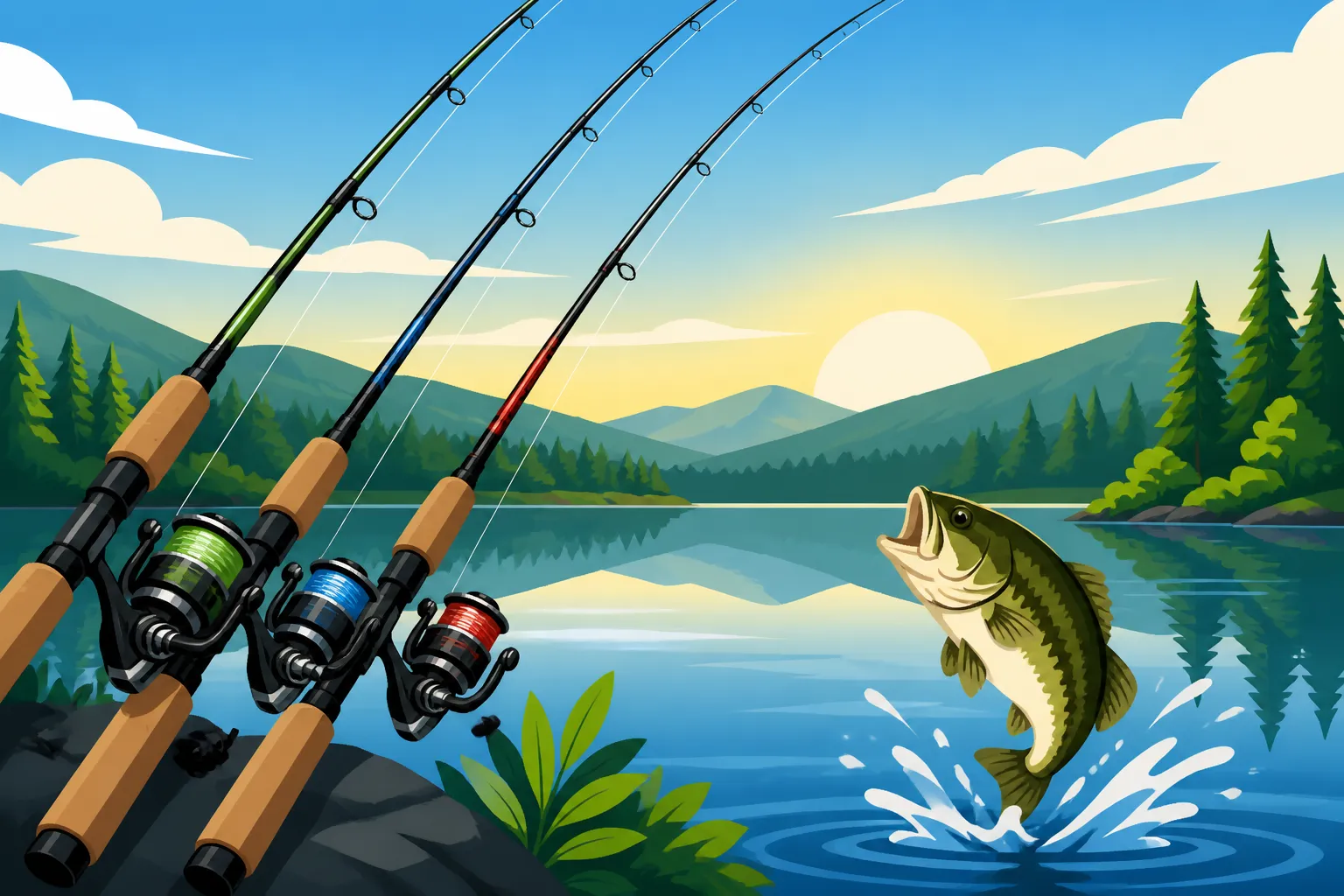
When you're stepping up to target the more robust smallmouth and largemouth bass or the often-elusive walleye in Vermont's bigger lakes, you'll want to move into the medium to medium-heavy power range for your spinning rods. These rods provide the necessary backbone to cast heavier lures, set the hook into tougher mouths, and control a stronger fish during the fight.
A fast action is usually preferred for bass and walleye spinning setups. This allows for quick, powerful hook sets when a bass crushes a jig or a walleye inhales a plastic worm, ensuring the hook penetrates properly. The sensitive tip of a fast-action rod also helps detect those lighter "thunks" or "ticks" that indicate a walleye bite, especially when fishing deeper water on Lake Champlain. Rod lengths typically range from 6'6" to 7'6". Longer rods are fantastic for increased casting distance when fishing open water for schooling smallmouth or making long casts with jigs for walleye. A 7' medium-heavy fast action spinning rod is incredibly versatile for pitching jigs, casting weightless worms, or working soft plastics for both species. Companies like Bass Pro Shops offer a wide range of spinning rods tailored for this kind of fishing, and you can often find competitive options on Amazon. This setup is your go-to for How to Catch Smallmouth Bass in Vermont Lakes and for lighter presentations when targeting How to Catch Walleye on Lake Champlain.
Baitcasting Rods: Precision and Power for Larger Game
While spinning rods are fantastic all-around tools, baitcasting rods offer a different level of control and power, particularly when dealing with heavier lures, dense cover, and larger, more powerful fish. They demand a bit more skill to master but reward the angler with unparalleled precision and muscle.
When to Choose a Baitcaster
Baitcasting rods are designed to be paired with baitcasting reels, which sit on top of the rod. This setup excels in situations where power, accuracy, and heavy lines are paramount. Unlike spinning reels, baitcasting reels have a revolving spool, which means the line comes off straight, allowing for a direct transfer of power from the rod to the lure. This is a huge advantage when you're trying to cast heavy jigs, large crankbaits, or bulky topwater lures.
The primary reason to choose a baitcaster in Vermont's lakes is for targeting bigger fish in challenging environments. Think about pulling a largemouth bass out of a thick mat of lily pads or working a huge musky lure along a weed line on Lake Memphremagog. Baitcasting rods, with their stronger backbone, allow for quick, authoritative hook sets and the leverage to turn a strong fish away from snags before it can break your line. They are also incredibly accurate for "pitching" and "flipping" into tight spots around docks, fallen trees, or brush piles – places where big bass often hide. While there's a learning curve to prevent backlashes, the control and power they offer make them indispensable for serious bass and pike anglers.
Baitcasting Setups for Largemouth and Smallmouth Bass
For dedicated bass anglers in Vermont, a baitcasting setup is often the preferred choice. The ability to cast heavier lures with accuracy and to apply significant pressure on a hooked bass is a game-changer, especially in lakes known for their big largemouth and smallmouth.
- Jigs and Worms (Pitching/Flipping): For working jigs, Texas-rigged worms, or creature baits into heavy cover, a medium-heavy to heavy power baitcasting rod with a fast or extra-fast action is ideal. A length of 7' to 7'6" provides the necessary leverage for line control and a strong hook set. The fast action ensures that the rod loads quickly at the tip, transmitting even the slightest tap from a bass. This setup allows you to feel the cover, present your bait precisely, and pull fish out of dense vegetation with authority. Consider a durable graphite rod for maximum sensitivity and strength.
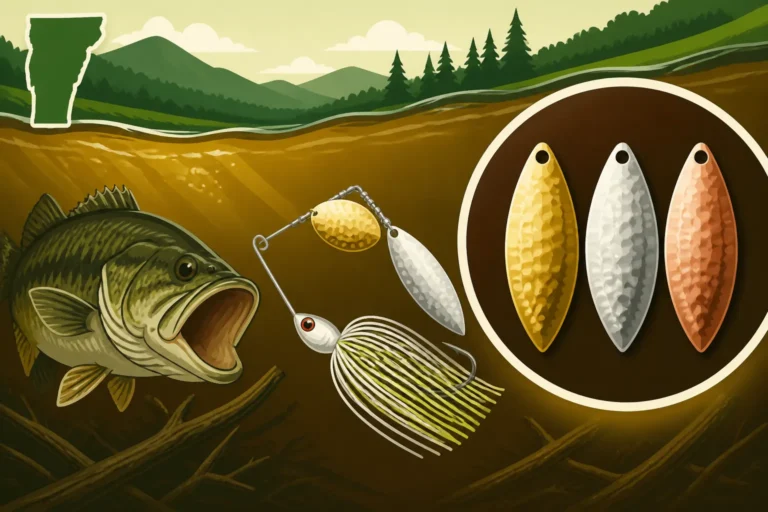
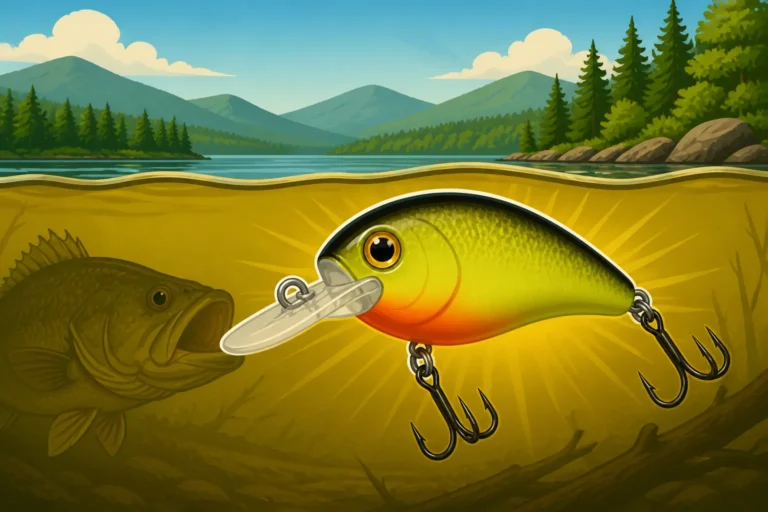
- Crankbaits and Spinnerbaits: For covering water with reaction baits like crankbaits or spinnerbaits, a medium to medium-heavy power rod with a moderate-fast action is often preferred. The slightly softer action provides a better "cushion" for treble hooks, preventing fish from tearing off. Rods in the 6'6" to 7' range work well here, offering good casting distance and accuracy. The action allows the rod to "load up" nicely with the bait's weight, making smooth, long casts easier. This setup is excellent for targeting active bass that are chasing baitfish around rocky structure or submerged humps. When you're fishing for Largemouth Bass Fishing in Vermont, especially around the abundant submerged timber, a sturdy baitcasting setup is crucial.
Baitcasting for Northern Pike and Musky
When you're chasing the apex predators of Vermont's lakes – northern pike and the elusive muskellunge – your baitcasting setup needs to be serious. These fish are powerful, aggressive, and can grow to truly impressive sizes, demanding specialized gear to land them safely.
For northern pike, especially those in the 15-25 lb range, a heavy power, fast action baitcasting rod of 7' to 8' is a solid choice. This provides the backbone to cast larger spoons, spinnerbaits, and big soft plastics, as well as the strength to control a thrashing pike. A fast action helps drive stout hooks home through a pike's bony jaw. For the true giants, muskellunge, particularly on Lake Memphremagog, you'll need to step up to an extra-heavy power rod, often 8' to 9' or even longer. These "musky rods" are built like tanks, designed to launch huge baits (often weighing several ounces), withstand the brutal strikes of a musky, and handle the incredible stress of fighting a fish that can easily exceed 40 pounds.
Musky rods typically have a moderate-fast to fast action, prioritizing sheer power over finesse. You'll be using heavy braided line (80-100 lb test) and often a heavy fluorocarbon or wire leader. Look for rods with robust guides and a comfortable, extended handle for leverage. Durability is key here, as musky fishing puts immense strain on equipment. Muskellunge Fishing on Lake Memphremagog demands the right gear, and a proper baitcasting setup is non-negotiable for these toothy critters.
Specialty Rods for Unique Vermont Lake Fishing
While spinning and baitcasting rods cover a wide range of fishing, some situations in Vermont's lakes call for highly specialized tools. These rods are designed with specific techniques or species in mind, offering optimized performance for unique angling pursuits.
Trolling Rods for Lake Trout and Salmon
Trolling is a popular and effective method for targeting deep-dwelling coldwater species like lake trout and landlocked salmon in Vermont's larger, deeper lakes such as Lake Champlain, Lake Willoughby, and Seymour Lake. These fish often suspend in the water column or hug structure in deep water, making trolling with downriggers or lead core line an excellent way to get your lures to their strike zone.
Trolling rods are distinctly different from casting rods. They tend to be longer (often 7 to 9 feet or more), have a moderate or slow action, and a more forgiving power. The moderate action is crucial because it allows the rod to "load up" and absorb the shock of a strike from a fast-moving boat without tearing the hooks out of a fish's mouth. The flexibility also helps keep the line taut even with a slight increase or decrease in boat speed. While they might feel soft in your hand, they have enough backbone to handle the weight of lead core line or downrigger balls, and the power to fight a large, powerful lake trout or salmon. Look for rods with sturdy guides that can withstand the constant friction of heavy line. Trolling Techniques for Vermont Lake Trout relies heavily on having the correct rod to present your baits effectively and handle the big ones.
Ice Fishing Rods
When Vermont's lakes freeze over, a whole new world of fishing opens up, but it requires a very specific type of rod: the ice fishing rod. These rods are inherently much shorter than open-water rods, typically ranging from 24 to 48 inches. This compact size allows anglers to fish comfortably in the confines of an ice shanty or huddled over a single hole.
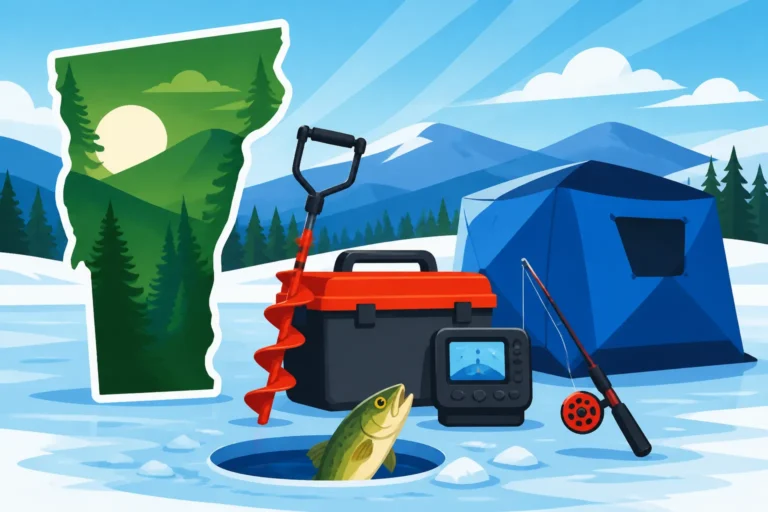
Despite their short length, ice fishing rods come in a wide range of powers and actions, mirroring their open-water counterparts. You'll find ultralight rods with incredibly sensitive spring bobbers or flexible tips for detecting the faintest bite from a bluegill or crappie. Medium-light to medium power rods with a fast action are common for jigging for perch or walleye, offering a good balance of sensitivity and hook-setting power. For larger species like lake trout or northern pike, ice anglers opt for medium-heavy to heavy power rods with robust backbones to fight powerful fish in close quarters. The key characteristic of most ice rods is a highly sensitive tip, often brightly colored, to visually signal a bite that you might not feel through your thick gloves. A good ice fishing rod, paired with a small spinning reel, is fundamental for Ice Fishing in Vermont.
Fly Rods for Lake Species
While fly fishing is often associated with rushing rivers and trout streams, it's also a highly effective and rewarding method for targeting various species in Vermont's lakes. Lake fly fishing, or "stillwater fly fishing," often involves different techniques and therefore different rod characteristics than typical stream setups.
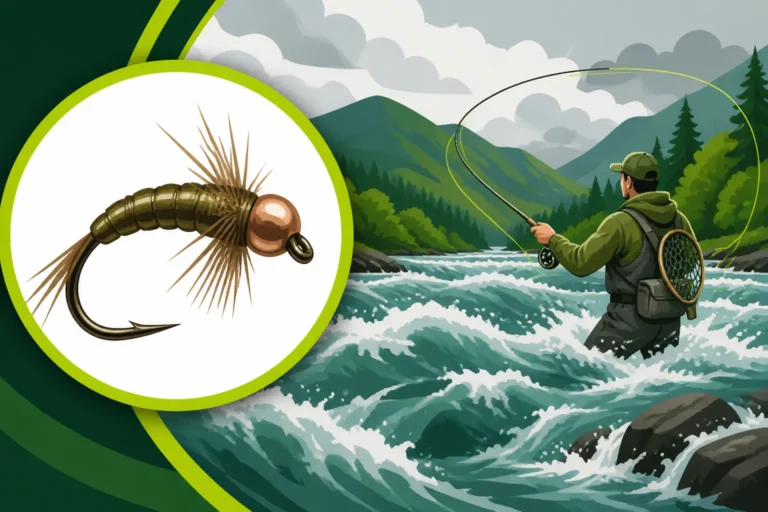
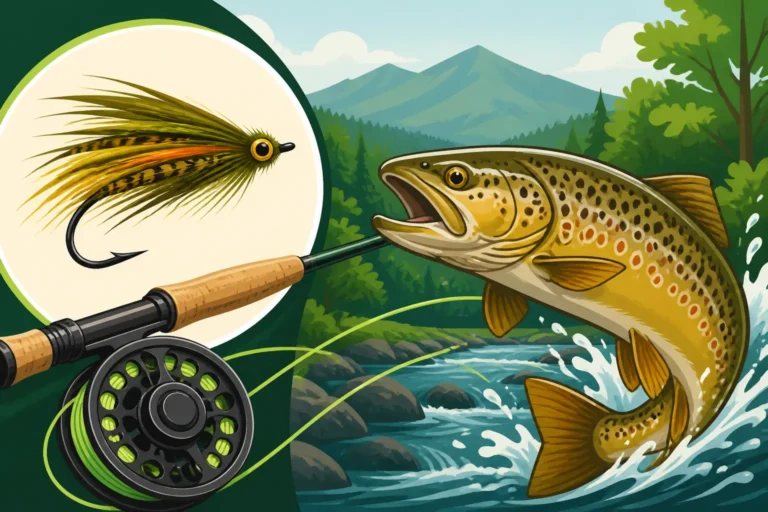
- Trout and Panfish: For casting smaller flies, nymphs, and streamers to cruising trout (both stocked and wild) or panfish along the shoreline, a 4-weight to 6-weight fly rod is a versatile choice. A medium-fast action rod in the 8'6" to 9' range offers a good balance of delicate presentation and fish-fighting power. These rods are excellent for presenting dry flies to rising fish, stripping small streamers, or nymphing under an indicator.
- Bass and Pike: For targeting larger species like smallmouth and largemouth bass, or even smaller northern pike, a heavier fly rod is necessary. A 7-weight to 9-weight rod, usually 9 feet long, provides the power to cast larger, wind-resistant flies (like bass bugs, poppers, and big streamers) and the backbone to fight stronger fish. These rods typically have a faster action to generate the line speed needed for accurate, powerful casts with bigger flies. Look for rods that can handle sinking lines, which are often used to get flies down to bass holding on structure. Fly fishing for lake species can be incredibly exciting, offering a unique challenge and a different perspective on Vermont's aquatic ecosystems.
Matching Your Rod to Specific Vermont Lake Scenarios
Knowing the components of a rod is one thing, but applying that knowledge to real-world fishing situations on Vermont's lakes is where the magic happens. Different environments and fishing styles dictate different rod choices, ensuring you're always equipped for success.
Shore Fishing vs. Boat Fishing
Your vantage point on the lake significantly impacts your rod choice. There’s a huge difference between casting from a fixed position on the bank and having the freedom to move and adjust from a boat or kayak.
- Shore Fishing: When you're casting from the bank, whether it's a rocky point on Lake Champlain or a grassy edge of a pond, your primary concern is often maximizing casting distance. You need to reach those fish that might be holding further out, beyond the immediate shoreline drop-off. For this, longer rods (7' to 9' for spinning, or even longer for surf casting if you're on a truly massive body of water like Lake Champlain's open areas) are generally preferred. A medium-heavy power with a fast action can cast heavier lures a long way and still provide good control. The extra length also helps keep your line elevated over shoreline obstacles like reeds or rocks. However, if the shore is heavily wooded, a slightly shorter rod might be necessary to avoid snagging trees on your backcast.
- Boat Fishing (Power Boat or Kayak): Fishing from a boat offers more flexibility. You can often position yourself closer to fish-holding structure, reducing the need for extreme casting distance. Here, maneuverability becomes more important. For general bass and walleye fishing from a powerboat, a 6'6" to 7'6" medium to medium-heavy fast-action rod is very versatile. You'll want to choose a length that allows you to easily cast around boat obstacles and net fish without too much hassle.
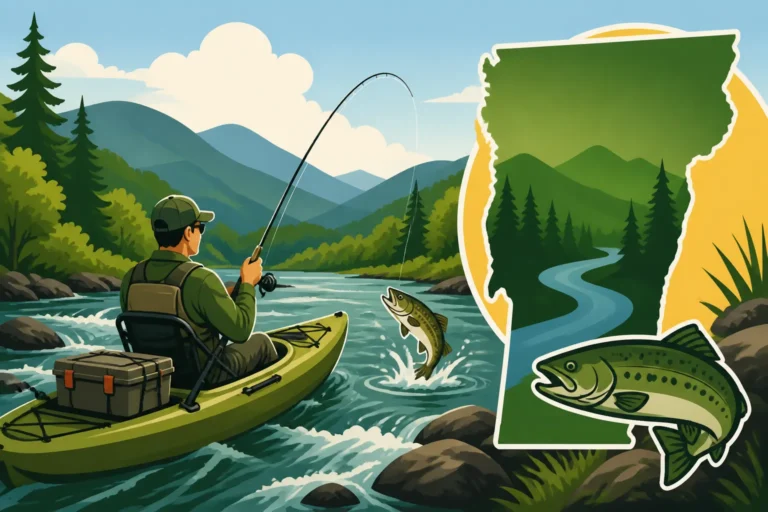
For kayak fishing, the considerations are even more pronounced. Space is at a premium, and you need rods that are easy to handle from a seated position. Shorter rods (5'6" to 7') are often favored for Best Kayak Fishing Spots in Vermont because they are less cumbersome and easier to manage when casting and fighting fish. Light to medium power rods are common, as kayak anglers often focus on finesse techniques or smaller species, though a medium-heavy can be useful for pulling bass out of thick cover. Regardless of your vessel, ensure your rod length matches your comfort and space.
Weed Beds and Heavy Cover
Vermont's lakes, especially the shallower ones or bays, can feature extensive weed beds, lily pads, submerged brush piles, and fallen trees. These are prime hiding spots for largemouth bass, northern pike, and chain pickerel. Fishing in these environments demands a rod with serious backbone and a quick, powerful hook set.
You'll want a medium-heavy to heavy power rod with a fast or extra-fast action. This combination allows you to punch through vegetation with Texas-rigged plastics or frogs, set the hook hard the moment you feel a bite, and then quickly "horse" the fish out of the cover before it can wrap your line around a snag. Spinning rods can work for lighter weed applications, but baitcasting rods truly excel here due to their raw power and direct line control. Rod lengths from 7' to 7'6" are common, providing leverage to steer fish. The stiff backbone prevents the rod from loading too deeply into the weeds, which would make it impossible to move the fish. Without the right rod, you'll find yourself losing fish to snags or simply not being able to present your lures effectively in these challenging, yet highly productive, areas.
Clear Water and Spooky Fish
Vermont boasts many incredibly clear lakes, particularly in the mountainous regions. While beautiful, clear water often means spooky fish. In these conditions, finesse and sensitivity become paramount. Fish have a better chance of seeing your line or rod movements, so stealthy presentations and the ability to detect subtle bites are crucial.
For clear water situations, especially when targeting trout, wary smallmouth bass, or panfish, you'll want a light to medium-light power spinning rod with a fast action. This setup maximizes sensitivity, allowing you to feel even the slightest "tick" or "mushy" sensation as a fish takes your bait. The fast action also provides a responsive tip for imparting subtle twitches to small jigs or soft plastics, mimicking natural forage. Longer rods (6'6" to 7'6") can be beneficial here for making longer casts, keeping your distance from spooky fish, and ensuring a natural, drag-free presentation. Pair these rods with light fluorocarbon line or a fluorocarbon leader for near-invisibility. The ability to feel those subtle bites can make all the difference on a tough day on a clear lake like Willoughby, especially when How to Catch Landlocked Salmon in Vermont or even How to Catch Walleye on Lake Champlain where they are extremely sensitive to pressure.
Caring for Your Fishing Rods in Vermont's Climate
Vermont's weather can be unpredictable, ranging from humid summers to frigid winters. Proper care and maintenance of your fishing rods are essential to ensure their longevity and peak performance, no matter the season. Neglecting your gear can lead to costly repairs or premature replacement, which nobody wants!
Seasonal Storage Tips
How you store your rods can greatly impact their lifespan, especially when transitioning between seasons in Vermont.
- Off-Season Storage: When the open water fishing season ends and you're not planning on using your rods for a while, proper off-season storage is critical. First, always clean your rods thoroughly. Wipe down the blank, clean the guides, and inspect for any damage. Pay special attention to saltwater residue if you've been on coastal trips (though less common in Vermont, it's good practice for general rod care). Store rods in a dry, temperate environment, away from direct sunlight, which can degrade rod materials over time. Basements or garages can work, but ensure they are not prone to extreme temperature fluctuations or excessive humidity, which can lead to mold or warping.
Standing rods upright in a rod rack is ideal, ensuring no pressure is put on the blanks or guides. If you store them horizontally, make sure they are supported evenly along their length to prevent any permanent bends. Many anglers use rod sleeves or cases for individual rods to protect them from dust and accidental bumps. If you have multi-piece rods, take them apart and store them in their protective tubes. Proper off-season care ensures your rods are in prime condition when Vermont Trout Opening Day Traditions rolls around. - Ice Fishing Rod Storage: For your dedicated ice fishing rods, the same principles apply. After a day on a frozen lake, make sure to wipe down your rods and reels, as they can get exposed to slush and ice. Store them in a way that prevents damage to the delicate tips, especially those with spring bobbers. Many ice anglers use small rod cases or tubes to protect these shorter, often more fragile, rods.
Maintenance for Longevity
Regular maintenance, even throughout the active fishing season, will keep your rods performing their best.
- Cleaning Guides and Ferrules: After every few trips, or certainly after a particularly dirty or rainy outing, take a moment to clean your rod. Use a damp cloth to wipe down the blank and pay close attention to the guides. Salt, dirt, and line dressing residue can accumulate in the guide inserts, potentially causing friction or even grooving your line over time. A cotton swab can be useful for cleaning inside the smaller guides. For two-piece rods, keep the ferrules (the joints where the pieces connect) clean. Dirt or grit in the ferrule can lead to a loose connection or damage the graphite over time. A light coat of ferrule wax can also help ensure a snug fit.
- Checking for Damage: Periodically inspect your entire rod for any signs of wear or damage. Look for cracks or chips in the ceramic guide inserts, which can fray or cut your line. Check the guide wraps for unraveling or cracking. Inspect the cork or EVA foam handle for any damage or excessive wear. Even small nicks or scratches on the rod blank itself should be noted, as deep gouges can compromise the rod's structural integrity. Addressing minor issues early can prevent them from becoming major problems. If you find a damaged guide, it's often a relatively inexpensive repair at a tackle shop, much cheaper than buying a whole new rod.
- Preventing Damage: The most common way rods get damaged is through mishandling. Never lean a rod against a car where it can fall or be stepped on. Use rod socks or cases during transport to protect them from bumping into each other or other gear. When setting the hook, avoid hitting the rod against the boat or your body. Never high-stick a fish (lifting the rod straight up with the butt section parallel to the water), as this puts immense stress on the tip section and can lead to breakage. Always apply pressure at an angle to allow the rod to flex naturally. When purchasing new rods, consider looking at options available from Bass Pro Shops or Amazon, and read reviews on durability for specific models.
Transporting Rods Safely
Transporting your rods to and from Vermont's lakes is a prime opportunity for damage if not done correctly. A broken tip or cracked blank before you even wet a line is a heartbreaking experience.
- In a Vehicle: When traveling in a car, never just toss your rods in the back seat or trunk without protection. They are highly susceptible to getting stepped on, slammed in a door, or bent by shifting luggage. Rod socks are an inexpensive and effective way to protect individual rods from scratches and tangles. For multiple rods, a dedicated rod case (hard or soft) is a wise investment. These cases keep your rods organized and protected from impacts. If you have one-piece rods longer than your vehicle, consider a roof-mounted rod carrier, but always ensure they are securely fastened and protected from road grime and extreme weather.
- On the Boat/Kayak: On a boat, use rod holders or secure your rods with straps to prevent them from bouncing around, especially when running at speed or through choppy water. For kayaks, keep rods out of the way of paddles and gear, using flush-mount or rail-mounted rod holders. Some kayaks even have internal rod storage. The key is to keep them from sliding, falling, or being stepped on. Always be mindful of overhead obstacles like tree branches at boat launches or low bridges when navigating with rods in holders.
Budgeting for Your Vermont Fishing Rods
Just like with any hobby, fishing gear comes with a wide range of price tags. It's easy to get caught up in the allure of high-end equipment, but understanding where to spend your money and what offers the best value for your Vermont fishing adventures is key to building a functional and affordable arsenal.
Entry-Level vs. High-End Rods
The difference between a $50 entry-level rod and a $300+ high-end rod can feel massive, and it's not just about the name.
- Entry-Level Rods (e.g., $30-$100): These rods are typically made from less expensive graphite composites or fiberglass. They are robust, forgiving, and perfectly capable of catching fish. They might be a bit heavier, less sensitive, and have a simpler build (e.g., fewer guides, simpler handle materials) than their high-end counterparts. For a beginner, an entry-level rod is an excellent starting point. It allows you to learn casting techniques, feel bites, and fight fish without the fear of damaging an expensive piece of equipment. Many anglers find these rods perfectly sufficient for casual fishing or for targeting panfish and stocked trout. They offer tremendous value and can be incredibly enjoyable to use.
- Mid-Range Rods (e.g., $100-$250): This segment represents a sweet spot for many dedicated anglers. Rods in this category often feature higher-grade graphite, better quality components (more durable guides, improved reel seats), and more refined actions. They strike a great balance between sensitivity, strength, and affordability. You'll notice a significant improvement in feel and casting performance compared to entry-level options. This is where you start to find rods truly optimized for specific techniques, such as a dedicated jig rod or a crankbait rod. For those looking to upgrade from a basic setup or to specialize a bit, mid-range rods offer excellent performance for the money.
- High-End Rods (e.g., $250+): These are the pinnacle of rod technology, utilizing the lightest, strongest, and most sensitive graphite or advanced composites. They often feature proprietary technologies, custom-designed reel seats, lightweight titanium or silicon carbide guides, and exquisitely balanced designs. High-end rods are incredibly sensitive, allowing you to feel the most subtle bites, even in deep water or windy conditions. They are also incredibly light, reducing fatigue during long days on the water, and often boast unparalleled power for their weight. While they represent a significant investment, for the serious angler who spends countless hours on the water, the performance gains in sensitivity, feel, and casting accuracy can be truly transformative. Just be aware that these often require a bit more care due to their specialized, lighter materials.
Finding Great Value
You don't always have to break the bank to get a great fishing rod for Vermont lakes. Smart shopping can land you excellent gear without emptying your wallet.
- Sales and Promotions: Keep an eye out for seasonal sales, holiday deals, or clearance events at major retailers like Bass Pro Shops or through online vendors such as Amazon. You can often find last year's models or discontinued lines at a significant discount, even though their performance is still top-tier. Subscribing to email lists from your favorite tackle shops can also alert you to upcoming sales.
- Knowing What Features Truly Matter: Don't get swayed by every marketing gimmick. Focus on the core components that truly affect performance: the blank material (graphite for sensitivity, fiberglass for durability), the action and power that match your fishing style, and quality guides that won't fray your line. A rod with fewer, but high-quality, guides is often better than a rod with many cheap, low-quality ones. Understand that an expensive reel on a cheap rod won't perform optimally, and vice-versa.
- Considering Combos: For beginners, a rod and reel combo can offer excellent value. These are pre-matched setups that ensure the rod and reel are balanced, and they often come at a lower price than buying components separately. Many reputable brands offer fantastic entry to mid-level combos that are perfect for getting started on Vermont's lakes. When selecting a combo, focus on the rod's characteristics as the primary driver, as the rod's feel and performance are often more impactful than the reel for many techniques.
The Importance of a Balanced Setup
Ultimately, the best fishing rod for Vermont lakes isn't just about the rod itself, but how it integrates with the rest of your equipment. A rod, reel, and line are meant to work in harmony, forming a balanced system.
- Rod and Reel Match: A heavy reel on a lightweight rod will make the combo feel tip-heavy and awkward, leading to fatigue and poor casting. Conversely, an ultralight reel on a heavy bass rod will feel undersized and won't have the drag capacity or line capacity needed for bigger fish. When you hold a properly balanced combo, the rod should feel comfortable in your hand, with its balance point near the reel seat or slightly forward. This reduces strain and improves sensitivity.
- Line Selection: The line you spool onto your reel must also be appropriate for the rod's power and the fish you're targeting. An ultralight rod designed for 2-6 lb test line will quickly become overloaded and potentially break if you try to use 20 lb braid. Conversely, using extremely light line on a heavy musky rod would be ineffective and likely result in immediate break-offs. Always check the rod's recommended line and lure ratings printed on the blank; these are invaluable guides for creating a balanced system. Investing a little time in understanding these relationships will not only extend the life of your gear but significantly enhance your overall fishing enjoyment and success across Vermont's beautiful and challenging waters. Best Tackle for Vermont Smallmouth Bass and Best Gear for Vermont Trout Fishing both emphasize the importance of this balance.
| Rod Power | Rod Action | Length Range | Best For Vermont Lake Species | Typical Lure Weights | Common Scenarios |
|---|---|---|---|---|---|
| Ultra-Light | Fast/Mod | 4'6" – 6' | Panfish (Perch, Crappie, Sunfish), Small Stocked Trout | 1/32 – 1/8 oz | Ice fishing, Finesse shore fishing, Small ponds |
| Light | Fast/Mod | 5'6" – 6'6" | Stocked Trout, Larger Panfish, Small Stream Trout | 1/16 – 1/4 oz | Streamer fishing, Light jigging, Worms/minnows |
| Medium-Light | Fast | 6' – 7' | Finesse Smallmouth Bass, Walleye (light tackle), Crappie | 1/8 – 3/8 oz | Drop-shot, Hair jigs, Small crankbaits |
| Medium | Fast/Mod | 6'6" – 7'6" | General Bass (LM & SM), Walleye, Smaller Northern Pike | 1/4 – 3/4 oz | Spinnerbaits, Medium crankbaits, Jigs, Topwater |
| Medium-Heavy | Fast | 6'6" – 7'10" | Larger Bass (LM & SM), Medium Pike, General Walleye, Light Musky | 3/8 – 1 oz | Pitching/Flipping, Heavy Jigs, Swimbait, Heavier Crankbaits |
| Heavy | Fast | 7' – 8'6" | Large Northern Pike, Heavier Bass Cover, Musky (smaller baits) | 1/2 – 2 oz | Frogging, Punching Mats, Big Swimbaits, Bucktails |
| Extra-Heavy | Fast | 8' – 9'6"+ | Trophy Musky, Large Northern Pike (biggest baits) | 1 – 8 oz+ | Casting huge musky lures, Trolling for large predators |
| Trolling Rod | Moderate | 7' – 9' | Lake Trout, Landlocked Salmon, Walleye | N/A (based on line/rig weight) | Downrigging, Lead Core, Planer Boards |
Disclaimer
This article is for general informational purposes only and does not constitute professional advice. Laws, prices and regulations vary by location and change over time. Consult a qualified professional for guidance on your specific situation.