Muskellunge Fishing on Lake Memphremagog
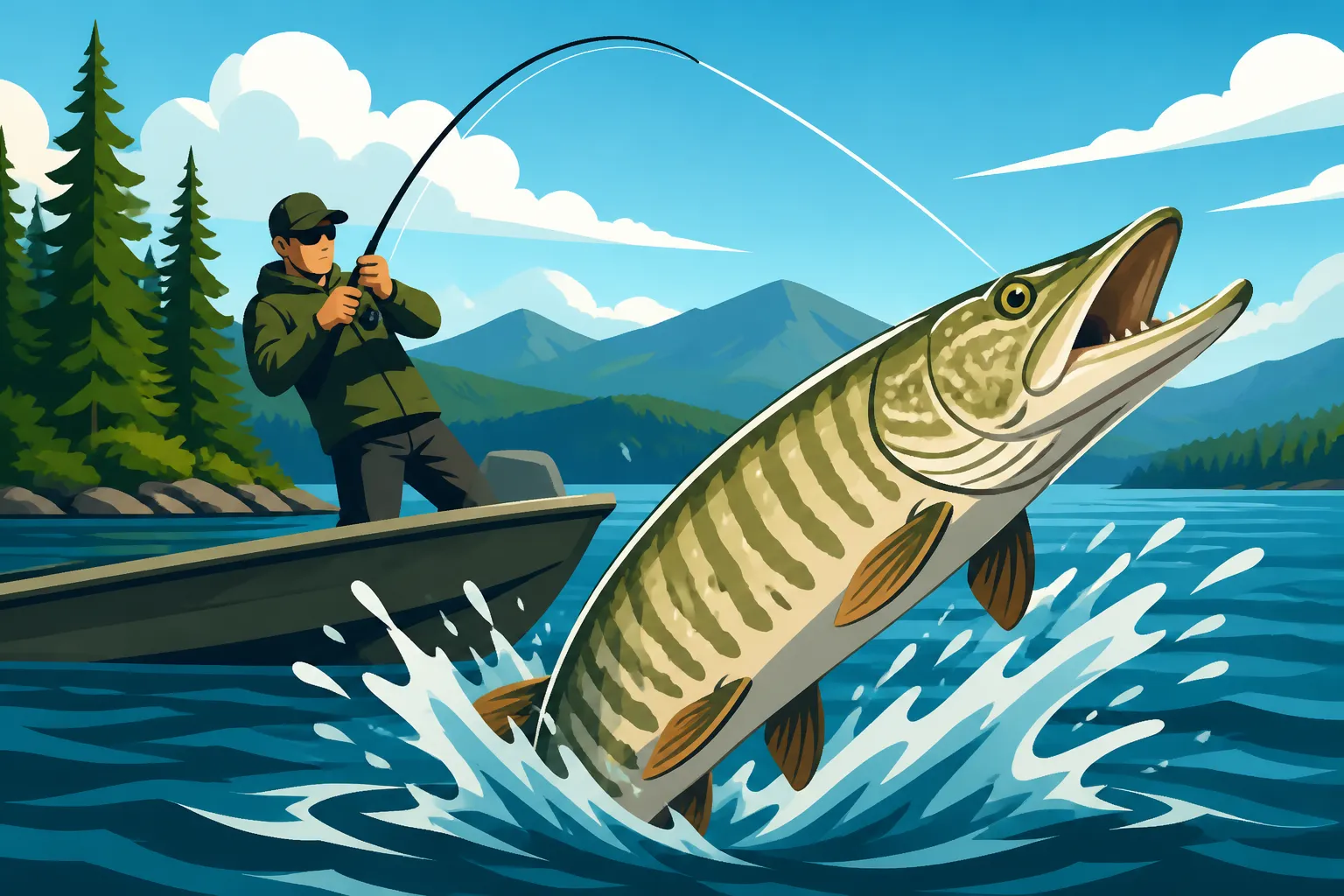
There's a palpable thrill that runs through the veins of any angler who has set their sights on the elusive and formidable muskellunge. Often referred to as "the fish of 10,000 casts," catching a musky is not just about luck; it's a testament to patience, preparation, and skill. When it comes to chasing these toothy titans in Vermont, Lake Memphremagog stands alone as the place to be. This massive, deep lake, straddling the US-Canada border, holds some truly gargantuan muskellunge, but figuring out where to start, what gear to use, and how to approach these incredible predators can feel overwhelming. This comprehensive guide will strip away the mystery, arming you with the knowledge and confidence to embark on your own successful muskellunge fishing adventure on Lake Memphremagog.
Understanding the Mighty Musky: A Lake Memphremagog Legend
The muskellunge (often shortened to "musky") is an apex predator, a creature of legend in freshwater fishing circles. Lake Memphremagog, with its unique characteristics, has fostered a population of these giants that draw anglers from far and wide. Understanding the musky and its environment is the first step toward connecting with one of these magnificent fish.
What Makes Lake Memphremagog Prime Musky Territory?
Lake Memphremagog isn't just a big lake; it's a deep, cold, and incredibly diverse ecosystem that perfectly suits the muskellunge. Imagine a vast body of water, stretching over 30 miles long, with depths plummeting to over 300 feet in some areas. This immense size provides ample room for muskies to roam and grow. The lake's cold, oxygen-rich waters are ideal for these large, long-lived predators, allowing them to thrive and reach truly monumental sizes.
Beyond its sheer dimensions, Lake Memphremagog boasts a complex underwater topography. You'll find everything from shallow, weedy bays to steep, rocky drop-offs and expansive main lake basins. This variety creates a smorgasbord of habitats for different forage species, which in turn supports a robust musky population. Think of it: miles of rocky shorelines offer ambush points, while vast weed flats provide cover and hunting grounds. These diverse features mean a musky can hold tight to structure or suspend in open water, constantly on the move for its next meal.
Furthermore, the lake is rich in various baitfish. Ciscoes, yellow perch, suckers, and even smaller pike all contribute to the musky's diet, providing the high-protein fuel needed for rapid growth. This abundant forage base is crucial; without a healthy supply of food, muskies simply wouldn't be able to reach the trophy sizes that Lake Memphremagog is famous for. It's a perfect storm of environmental factors, creating an ideal nursery and hunting ground for these freshwater giants.
Identifying Lake Memphremagog Muskellunge
Before you even cast a line, knowing what you're looking for is key, especially since northern pike also inhabit these waters. While both are long, slender, toothy predators, distinguishing a musky from a pike is important for adhering to regulations and celebrating the correct catch. The most reliable way to tell them apart is by their markings and the sensory pores on their lower jaw.
Muskellunge typically have dark markings (spots, bars, or blotches) on a lighter body, whereas northern pike usually have lighter spots or bean-shaped markings on a darker body. However, this can be tricky, as patterns can vary. A more definitive method is to count the sensory pores on the underside of the lower jaw: a musky will typically have 6-9 pores on each side, while a northern pike will have 5 or fewer. Another quick visual cue is the tail fin; a musky's tail is often more pointed or "V-shaped" compared to the pike's more rounded tail.
On Lake Memphremagog, the muskies can reach impressive lengths, often exceeding 40 or even 50 inches, with some truly massive specimens pushing the state record. When you hook into one, their sheer power and size will often be the first clue. Their powerful runs and headshakes are unmistakable, signaling that you've connected with a true apex predator, a testament to the healthy, productive waters of Lake Memphremagog. Remember, every musky encounter is a special one, and proper identification ensures you're playing by the rules and appreciating the fish for what it is. For more information on differentiating these species, you might find articles on Muskellunge Habits on Lake Memphremagog helpful.
The Musky's Life Cycle and Habits in Memphremagog
Understanding the musky's life cycle and seasonal habits is crucial for increasing your chances of success. Like many fish, their behavior changes significantly throughout the year, dictated by water temperature, spawning cycles, and forage availability. Knowing these patterns allows you to predict where they might be and what they might be willing to strike.
In Lake Memphremagog, muskies typically spawn in late spring, usually from April into June, as water temperatures rise into the 40s and 50s Fahrenheit. They prefer shallow, weedy areas with submerged vegetation, often in bays or river mouths, where their eggs can adhere to plants and be protected. During this time, they are often less interested in feeding, focusing their energy on reproduction. Anglers should exercise extreme caution, or preferably avoid targeting them, during this vulnerable period to ensure successful spawning and future generations.
As summer progresses and water temperatures warm, muskies become more active and spread out across the lake. They'll frequent weed lines, rocky points, and submerged structures, often relating to the thermocline where cooler, oxygenated water meets warmer surface water. They are ambush predators, often lurking in cover, waiting for an unsuspecting meal to pass by. Early mornings, late evenings, and overcast days can be prime feeding times. In the fall, as water temperatures begin to drop, muskies enter a "feeding frenzy." This is when they pack on weight for the lean winter months, and they'll aggressively pursue large baits. This often makes late fall the most productive time for trophy-sized fish, as they are at their heaviest and most active. Understanding these seasonal shifts is fundamental to patterning these magnificent fish in Lake Memphremagog.
Essential Gear for Lake Memphremagog Muskellunge
Chasing muskellunge on Lake Memphremagog isn't your average panfish outing. These fish are large, powerful, and require specialized gear to not only hook them effectively but also land them safely. Skimping on tackle is a surefire way to end up with a broken heart and an empty net. Equipping yourself properly is an investment in success and, more importantly, in the well-being of these incredible fish.
Rods, Reels, and Line: Building Your Musky Arsenal
When it comes to musky fishing, everything is heavy-duty, and for good reason. A typical musky setup is designed to handle powerful strikes, heavy lures, and the brute force of a fish that can easily top 40 pounds. Think of it as a battle, and your gear is your armor. You'll want a rod that's long and stiff, usually between 8 and 9.5 feet in length, with a heavy or extra-heavy power rating. This length provides the leverage needed to cast large baits and fight big fish, while the heavy power allows for solid hook sets and control during the fight. A moderate-fast action is often preferred, giving you enough tip flex for casting but plenty of backbone.
For reels, a high-quality baitcasting reel is non-negotiable. Look for models with a strong drag system, a high line capacity, and a robust gear ratio for quickly retrieving slack or burning baits. Brands like Abu Garcia, Shimano, and Daiwa offer excellent musky-specific reels. You'll be casting and retrieving heavy lures all day, so a comfortable, ergonomic reel is also important. As for line, braided line is the only way to go. Its zero stretch provides maximum sensitivity and powerful hook sets, and its incredible strength is vital for musky fishing. Opt for at least 80-100 lb test braid. While it might seem excessive, it's necessary to withstand sharp musky teeth and the immense pressure of a fighting fish. A heavy fluorocarbon leader (100-150 lb test) is then tied to the braid to provide abrasion resistance against those razor-sharp teeth. You can find a fantastic selection of these specialized rods, reels, and lines on platforms like Amazon, making it convenient to get everything you need for your Memphremagog adventure. Consider checking out Best Line Weight for Muskellunge Fishing for more detailed line recommendations.
Lures and Baits: What Gets a Musky's Attention
Muskies are visual predators, and their diet often includes substantial forage, so their lures are designed to be big, flashy, and attention-grabbing. You'll need a diverse array of lures to adapt to different conditions, depths, and musky moods on Lake Memphremagog. The sheer size of these lures can be intimidating, but remember, you're trying to appeal to a fish that can eat a small duck!
Bucktails are perhaps the most iconic musky lure. These consist of a large spinner blade (or multiple blades) followed by a skirt of bucktail hair. They are designed for fast retrieves, creating significant flash and vibration that muskies can detect from a distance. Experiment with different blade sizes and colors, especially bright ones like chartreuse, orange, and white. Next up are jerkbaits and glide baits. These are hard-bodied lures that, when retrieved with a specific rod twitch, dart and glide erratically underwater, mimicking a wounded baitfish. They require a more active presentation but can be incredibly effective when muskies are sluggish or holding tight to structure.
Soft plastics, especially large paddle-tail swimbaits or grub-style baits rigged on heavy jig heads, are also potent weapons. These offer a more subtle, natural presentation and can be fished at various depths. Finally, don't forget large crankbaits and trolling plugs, particularly for covering expansive areas. These dive to specific depths and have a built-in wobble, making them ideal for finding fish that are suspending or relating to deep structure. Having a good variety means you can switch things up if one presentation isn't working. It's smart to build a diverse tackle box, and you'll find an extensive range of these musky lures on Amazon, often with helpful reviews from other anglers.
| Lure Type | Best Use Case | Retrieval Style | Key Characteristics |
|---|---|---|---|
| Bucktails | Fast retrieves, covering water, aggressive fish | Fast, steady retrieve; varying speeds | Large blades, bucktail skirt, high flash & vibration |
| Jerkbaits | Erratic action, targeting structure, neutral fish | Twitch-twitch-pause; rip-pause; long pulls | Hard-bodied, no lip, dives on retrieve, suspends |
| Glide Baits | Subtle action, finicky fish, clear water | Long pulls, rod sweeps, slow-roll | Hard-bodied, single joint, wide side-to-side glide |
| Soft Plastics | Deeper water, natural presentation, sensitive fish | Jigging, slow retrieve, swim-and-pause | Realistic profiles, paddle tails, often scented |
| Crankbaits | Trolling, covering depth, active fish | Steady retrieve (casting); boat speed (trolling) | Hard-bodied, lipped for diving, strong wobble |
Critical Accessories: Safety and Handling
Landing a musky is only half the battle; handling it safely for both the angler and the fish is paramount. Muskies are powerful, can inflict serious injury with their teeth, and are a valuable resource that deserves to be released in top condition. Having the right accessories readily available will make the process smooth and safe.
First and foremost, a very large, deep-hooped landing net is essential. This isn't just any net; it needs to be big enough to fully encompass a 50-inch fish. The net material should be knotless, rubberized, or coated to protect the fish's slime coat and fins. Attempting to lift a large musky by hand or with a small net is dangerous and highly detrimental to the fish. When the fish is in the net, it’s a good idea to leave it submerged in the water as much as possible, giving you time to prepare your tools.
Next, you absolutely need long-nose pliers or jaw spreaders and heavy-duty, long-handled hook cutters. Muskies often swallow lures or get hooks deeply embedded, and their mouths are a minefield of sharp teeth. Trying to unhook a musky by hand is a recipe for disaster. The pliers or jaw spreaders give you the reach and leverage to remove hooks, while hook cutters are crucial for snipping hooks if they are too deep or entangled, allowing for a quicker, safer release. Always be ready to cut hooks rather than struggling with a fish for too long. Finally, heavy-duty fishing gloves can protect your hands from scrapes, cuts, and even the abrasive nature of the fish's scales. These vital tools should be within arm's reach at all times, not buried in your tackle box. You can easily find these specialized musky handling tools on Amazon, ensuring you're prepared for any situation. Remember, the goal is a quick photo and a healthy release. You'll find more useful information on Best Landing Net for Muskellunge.
Top Techniques for Lake Memphremagog Muskellunge
Muskellunge fishing on Lake Memphremagog demands a strategic approach. There's no one-size-fits-all technique that guarantees success every time. Instead, anglers need to be adaptable, understanding when to cover vast expanses of water and when to meticulously dissect a prime piece of structure. The true musky angler develops a keen sense of observation and persistence, always looking for that subtle cue or change in conditions that might trigger a strike.
Trolling: Covering Water and Finding Fish
Trolling is an incredibly effective method for muskellunge on Lake Memphremagog, especially given the lake's immense size. It allows you to cover vast amounts of water quickly, present multiple lures at various depths, and systematically search for active fish. This isn't just about dragging a lure; it's a calculated dance between boat speed, lure choice, and understanding underwater topography.
Typically, musky trolling speeds range from 3 to 6 miles per hour, but the ideal speed can vary depending on the lure type, water temperature, and fish activity. Faster speeds often work well for bucktails or large crankbaits designed to create significant vibration, while slower speeds might be better for more subtle presentations or when fish are less active. You'll want to use multiple rods, each rigged with a different lure or running at a different depth, to present a wide "spread" behind your boat. Downriggers and planer boards are invaluable tools here, allowing you to get lures down to specific depths and away from the boat, covering a wider swath of water.
The key to successful trolling on Memphremagog is to focus on structure. This could mean following weed lines, tracing rocky points, running over submerged humps, or paralleling deep drop-offs. Use your fish finder and GPS to identify these features and keep your lures in the strike zone. If you have several people in the boat, try to run lures that cover different depths and actions. For instance, one might be running a deep-diving crankbait down 20 feet, while another has a shallower running lure that occasionally ticks the tops of submerged weeds. Paying attention to what's working (or not working) and making constant adjustments is how you truly maximize your trolling efforts. Best Trolling Gear for Lake Champlain Walleye might offer some transferable insights, as trolling techniques often share principles across large lakes.
Casting and Retrieving: Active Angling Strategies
While trolling covers water, casting and retrieving is where you actively hunt for muskies, dissecting specific pieces of cover and eliciting a reaction strike. This method requires more physical effort but can be incredibly rewarding, often leading to more intense, up-close encounters with these giants. It's all about presenting your lure with purpose and conviction.
When casting, focus on high-percentage areas: thick weed beds, rocky shorelines, submerged timber, defined points, and any significant irregularities in the bottom contour. These are the places where muskies lie in ambush, waiting for prey. Precision casting is vital; you want to place your lure right on the edge of cover or into a prime ambush spot. After the cast, the retrieve is crucial. Muskies often follow a lure for a long distance before striking, and a consistent, confident retrieve is what often convinces them to commit. Vary your retrieve speed – a few fast cranks, then a pause, a few more slow cranks – to imitate an injured or fleeing baitfish.
The "figure-eight" maneuver is perhaps the most famous casting technique in musky fishing. When your lure reaches the boat, instead of pulling it out of the water, plunge your rod tip into the water and trace a large figure-eight pattern beside the boat. This keeps the lure in the water and moving, often triggering a strike from a musky that has been following unseen. Many trophy muskies are caught boatside on a figure-eight. It takes practice and coordination, but it's an absolute game-changer. For a visual guide and more tips on this crucial technique, you might want to look into How to Catch Muskellunge on a figure-eight boatside. Remember, muskies are often found where baitfish are, so look for schooling bait on your electronics or visual cues on the surface.
Seasonal Considerations for Musky Success
The calendar on Lake Memphremagog dictates musky behavior, and understanding these seasonal shifts is fundamental to tailoring your approach. What works in early summer might be completely ineffective in the fall. Adjusting your tactics to the water temperature and the musky's metabolic rate is key to consistent success.
In the spring, after the spawn, muskies are often recovering and can be found in shallower, warmer waters, particularly in bays and around emerging weed growth. They might be a bit lethargic initially but will gradually increase their feeding activity. Smaller, more subtle presentations like glide baits or soft plastics might be more effective, fished slowly around cover. As summer progresses, the lake stratifies, and muskies will often follow the thermocline, retreating to deeper, cooler water during the heat of the day. They'll still visit weed edges and shallow structures during low light periods, but you'll often need to fish deeper, either by trolling deep-diving crankbaits or casting heavy jigs to submerged humps and drop-offs.
Fall is, without a doubt, prime time for trophy muskies on Lake Memphremagog. As water temperatures drop, muskies go on a feeding binge, known as the "fall turnover." They are actively chasing large prey to build up fat reserves for winter. This is when big bucktails, large jerkbaits, and even live bait (where permitted) can be incredibly effective. They'll be found on deep weed lines, rocky points, and along steep breaks. The cold water means they have to exert more energy to hunt, so they are looking for substantial meals. Persistence in the cold fall weather often pays off with the fish of a lifetime. Conversely, during winter, Lake Memphremagog freezes over, and while ice fishing is popular for other species, muskellunge are rarely targeted due to regulations and their extremely slow metabolism.
Navigating Lake Memphremagog: Hotspots and Access
Lake Memphremagog is an expansive body of water, and simply heading out with a boat and casting aimlessly isn't the most effective strategy. To increase your chances of hooking into a musky, you need to understand the lake's structure, identify potential hotspots, and know where and how to access the water safely and legally. Its international status adds another layer of complexity that anglers must respect.
Prime Musky Haunts on the Lake
Finding muskies on Memphremagog means understanding their preferred habitats. While these fish roam widely, certain areas consistently hold fish due to a combination of forage, cover, and water depth. Think of it like a musky's neighborhood – they have their favorite hangouts.
Look for areas with extensive submerged weed beds, especially those with distinct edges or lanes within them. Muskies love to lurk in these green jungles, ambushing unsuspecting baitfish. Points that jut out into deeper water are also prime real estate, as they act as natural highways for baitfish and offer muskies a strategic position to intercept them. Similarly, steep drop-offs and underwater humps provide changes in depth and current, creating ideal ambush points, particularly during warmer months when muskies might be deeper. On the US side, areas around Newport, including the large bays and the mouth of the Clyde River, can be productive. The deeper, colder main lake basin also holds suspending fish, especially during summer and fall. Remember, musky fishing is often about connecting dots: finding where the baitfish are, identifying good cover, and understanding how muskies move between them. For a broader overview of the lake's fishing potential, refer to Lake Memphremagog Fishing Guide.
Boat Launches and Access Points
Accessing a lake the size of Memphremagog requires a suitable boat and knowledge of public launches. In Vermont, the city of Newport offers a primary public boat launch that provides excellent access to the southern end of the lake. This launch is typically well-maintained and has ample parking for trailers.
When planning your trip, consider the size of your vessel and the potential for changing weather conditions on such a large body of water. A smaller boat might be fine on calm days, but the lake can get very rough, very quickly, making a more substantial craft a safer choice. It's also important to remember that Lake Memphremagog is an international waterway, with approximately two-thirds of its area lying within Quebec, Canada. While fishing on the Vermont side, you'll want to stay well clear of the international border unless you have the appropriate Canadian fishing licenses and are prepared to report to Canadian customs. Crossing the border without reporting can lead to serious legal issues. Always consult up-to-date regulations for both Vermont and Quebec if you plan to fish across the border.
Understanding Lake Memphremagog's Unique Challenges
Fishing Lake Memphremagog for muskies presents challenges beyond just finding the fish. Its sheer size is perhaps the most significant. It can be intimidating, and weather can change dramatically. What starts as a calm, sunny morning can quickly turn into a windy, white-capped afternoon, making navigation difficult and even dangerous for smaller boats. Always check the marine forecast before heading out and be prepared to cut your trip short if conditions deteriorate.
The lake's depth is another factor. While muskies can be found in shallow weed beds, they often relate to deep structure or suspend in open water, requiring advanced electronics and trolling techniques to locate and target them effectively. Understanding how to read your sonar for baitfish schools, thermoclines, and underwater contours is crucial. The international border also adds a layer of complexity. Anglers must be acutely aware of their location to avoid accidentally crossing into Canadian waters without proper clearance. This means having reliable GPS and current navigational charts. Finally, musky fishing itself is a challenge of patience and endurance. It can be hours, or even days, between bites. The "fish of 10,000 casts" moniker isn't just a saying; it's a realistic expectation that requires mental fortitude. Success on Memphremagog for muskies is often earned through relentless effort and a deep respect for the fish and the environment.
Conservation and Responsible Musky Angling
Muskies are not just fish; they are a vital part of Vermont's natural heritage and a cherished trophy for many anglers. Because of their relatively slow growth rates, long lifespans, and susceptibility to handling stress, conservation and responsible angling practices are paramount to ensure healthy populations for generations to come. Every musky angler has a role to play in protecting these magnificent creatures.
Catch and Release Best Practices
The vast majority of muskies caught on Lake Memphremagog are released, and doing so properly is critical for their survival. A musky, especially a large one, can be under immense stress after a fight, and improper handling can lead to delayed mortality, even if it swims away initially. The goal is to minimize time out of water and reduce physical trauma.
Once netted, keep the musky in the water as much as possible. This allows it to breathe and reduces stress. Have all your unhooking tools (long-nose pliers, hook cutters, jaw spreaders) ready and easily accessible. Avoid touching the fish's eyes or gills. If hooks are deeply embedded or difficult to remove quickly, cut the hook rather than struggling, as stainless steel hooks will eventually rust out. When taking a photo, support the fish horizontally with two hands, one under the head and one under the tail, keeping its body parallel to the water. Do not hold a large musky vertically by the jaw, as this can severely damage its internal organs. Get your photo quickly, then return the fish to the water.
When releasing, hold the musky gently in the water, facing into any current if possible. Support its belly and allow it to recuperate. It may take several minutes for the fish to regain its strength and swim off vigorously. If it seems sluggish, gently move it back and forth to force water over its gills, but avoid aggressive pumping. Be patient; a healthy release ensures that musky can continue to grow and reproduce, contributing to the fantastic fishery in Lake Memphremagog. These practices are the cornerstone of responsible musky fishing and are crucial for the sustainability of the population.
Vermont's Muskellunge Regulations
Adhering to Vermont's specific fishing regulations for muskellunge is not just about avoiding fines; it's about respecting the fish and contributing to conservation efforts. Regulations are put in place based on scientific data to protect populations, especially vulnerable trophy species like musky. Ignorance of the law is never an excuse, so familiarize yourself thoroughly before heading out.
Key regulations typically involve minimum length limits, daily creel (bag) limits, and specific seasons. For muskellunge, there's often a significant minimum length limit, sometimes 40 inches or more, reflecting their trophy status and the desire to allow them to reach reproductive maturity and large sizes. Daily limits are usually very low, often one fish per day, or even catch-and-release only in some areas or at certain times. It’s also important to note the specific fishing season dates, as musky fishing might be closed during spawning periods or other sensitive times to protect the fish. Always consult the most current Vermont Fish and Wildlife Department fishing regulations guide before your trip. These regulations can change, and it's your responsibility to stay informed. For comprehensive details on statewide rules, you'll want to review Vermont Fishing Regulations Explained and Vermont Bag and Possession Limits by Species.
Additionally, given that Lake Memphremagog spans both Vermont and Quebec, you must be aware of the regulations in both jurisdictions if you plan to fish across the border. Vermont fishing licenses are required for fishing on the US side, and Quebec licenses are required for the Canadian side. Never assume regulations are the same across borders, as they rarely are. Staying informed and compliant is a critical aspect of ethical and legal musky fishing on this international water.
The Future of Musky Fishing in Lake Memphremagog
The future of muskellunge fishing on Lake Memphremagog looks promising, largely due to ongoing conservation efforts and proactive management by fisheries biologists. Historically, musky populations have faced challenges, but focused attention on stocking programs, habitat protection, and responsible angling practices have helped to solidify their presence and growth in the lake.
Vermont's Fish and Wildlife Department, often in collaboration with Canadian counterparts and local angling groups, works tirelessly to monitor the musky population in Memphremagog. This includes studies on their growth rates, reproduction success, and habitat use. Stocking programs have been instrumental in establishing and maintaining robust musky numbers, often introducing fingerlings or yearlings to supplement natural reproduction and ensure a healthy supply of fish for anglers to pursue. These stockings are not random; they are carefully planned based on scientific assessments of the lake's carrying capacity and the needs of the fishery.
Beyond direct stocking, habitat protection is key. Preserving the integrity of shallow, vegetated bays crucial for spawning and protecting the diverse forage base are ongoing priorities. Anglers can contribute by practicing responsible catch-and-release, reporting any illegal activity, and supporting conservation organizations. The passion of the musky angling community itself is a powerful force for good; their dedication to the species often translates into advocacy for its protection. By continuing these efforts, the dream of hooking a true Lake Memphremagog leviathan will remain a reality for generations of anglers to come.
Preparing for Your Lake Memphremagog Musky Adventure
A musky fishing trip to Lake Memphremagog isn't something you decide to do on a whim. It requires thoughtful preparation, not just in terms of gear and techniques, but also in understanding the environment, the logistics of an international waterway, and the mental fortitude it takes to chase these elusive giants. Taking the time to plan will significantly enhance your experience and safety.
Boating Safety and Navigation Tips
Safety on a large, deep lake like Memphremagog cannot be overstated. The sheer size of the water body means that winds can whip up quickly, turning calm conditions into dangerous whitecaps in a matter of minutes. Always check the marine weather forecast before you launch, and be prepared to stay off the water or head in early if conditions are not favorable. It's far better to miss a day of fishing than to risk your life or your boat.
Ensure your boat is in excellent working order, particularly your engine. Carry all required safety equipment, including properly fitting life jackets for everyone on board (and ensure they are worn, especially in rough conditions), throwable flotation devices, visual distress signals (flares or a flag), a sound-producing device (horn or whistle), and fire extinguishers. Having up-to-date navigation charts (both paper and electronic if possible) is crucial, not just for finding structure, but also for identifying safe channels and, critically, the international border. A reliable GPS unit will be your best friend for staying within legal boundaries. File a float plan with someone on shore, detailing where you're going and when you expect to return. Should anything happen, this information is invaluable to rescue services. For more detailed safety requirements, make sure to read up on Vermont Boating Laws for Anglers and Life Jacket Requirements for Vermont Boaters.
Planning for an International Fishing Trip
Fishing Lake Memphremagog presents a unique scenario because of its international status, splitting between Vermont, USA, and Quebec, Canada. If your intention is to fish only the Vermont side, you'll need a valid Vermont fishing license and must ensure you do not inadvertently cross the invisible border line into Canadian waters without proper authorization.
However, many anglers wish to explore both sides. If you plan to fish in Quebec waters, even momentarily, you must have a valid Quebec fishing license. Furthermore, you are legally required to report to Canadian Customs and Border Protection upon entry into Canadian waters and again upon re-entry into US waters. This typically involves using a designated phone service (often known as CANPASS or NEXUS for expedited crossing, or simply reporting by phone to the nearest port of entry). Failure to report to customs can result in severe penalties, including fines, confiscation of your boat, and even being barred from future entry into Canada. This isn't just a minor technicality; it's a serious border crossing procedure. Make sure you understand all the rules and requirements for both countries well in advance of your trip, including any restrictions on bringing bait across the border. Always carry your passport or other valid travel documents.
Physical and Mental Preparation
Musky fishing is as much a mental game as it is a physical one. These are not easy fish to catch, and the "fish of 10,000 casts" nickname is there for a reason. You'll be making hundreds, if not thousands, of casts throughout the day, often with heavy tackle and large lures. This can be physically demanding on your shoulders, back, and arms. Ensuring you're well-rested and physically prepared for the endurance required will make your trip much more enjoyable.
Mentally, musky fishing requires an almost unwavering level of patience and persistence. There will be long stretches of nothing – no bites, no follows, just endless casts. It's during these times that many anglers get discouraged. The successful musky angler maintains focus, believing that the next cast could be the cast. Stay positive, break down the day into smaller segments, and celebrate the small victories, like finding a good weed line or seeing a bait ball on the sonar. Keep your eyes peeled for subtle signs of fish, and always be ready for that sudden, explosive strike that can happen at any moment. Remember that every cast is a chance, and the dedication you put in often directly correlates to the incredible reward of a giant musky.
Disclaimer
This article is for general informational purposes only and does not constitute professional advice. Laws, prices and regulations vary by location and change over time. Consult a qualified professional for guidance on your specific situation.