Muskellunge Habits on Lake Memphremagog
Anyone who's ever dreamt of tangling with a true freshwater giant knows the frustration of countless hours spent on the water, casting and retrieving, only to come up empty-handed. It's easy to feel like these elusive predators are ghosts of the deep, especially in a vast, complex lake like Memphremagog. This guide isn't about giving you a secret spot, but about unraveling the mysteries of the muskellunge itself, shedding light on its habits and preferences within this incredible Vermont waterway, so you can approach your next outing with newfound insight and a greater chance of success.
Understanding the Muskellunge: The Apex Predator
The muskellunge, or "muskie" as it's affectionately known, is truly a legendary fish. Its sheer size, predatory prowess, and notoriously finicky nature make it a prized catch for dedicated anglers. But what exactly makes this fish tick, and why is it so revered and, frankly, sometimes frustrating to pursue?
The "Fish of 10,000 Casts" Reputation
Ah, the "fish of 10,000 casts." This moniker isn't just a clever saying; it's a testament to the muskie's elusive nature. Unlike some other predatory fish that might strike at almost anything that moves, muskies are often incredibly selective, cautious, and downright moody. They are ambush predators, meaning they conserve energy and wait for the perfect moment to strike. This isn't a fish that chases down every lure. Instead, they might follow your bait to the boat, eyeball it with an unnerving stare, and then simply turn away at the last second. This behavior can be maddening, but it also elevates the thrill of finally coaxing one to strike. Every muskie caught feels like a hard-earned victory, a testament to patience, persistence, and often, a little bit of luck. It's a game of chess, not checkers, where you're trying to outsmart a highly intelligent and wary opponent.
Physical Characteristics and Adaptations
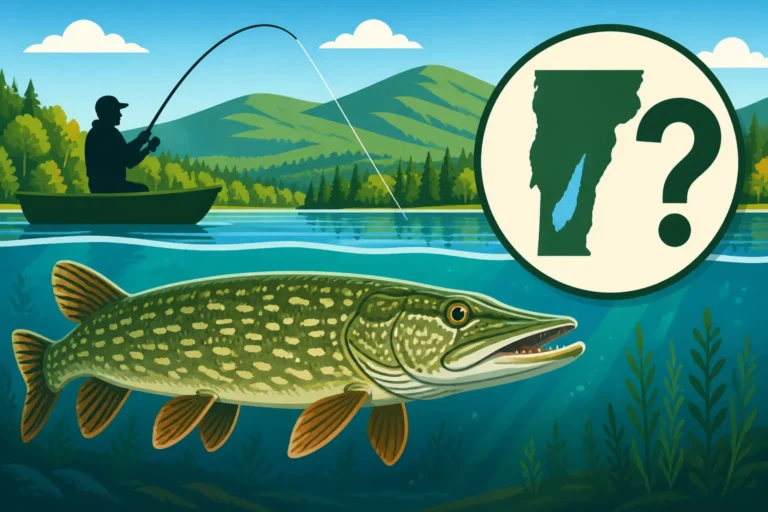
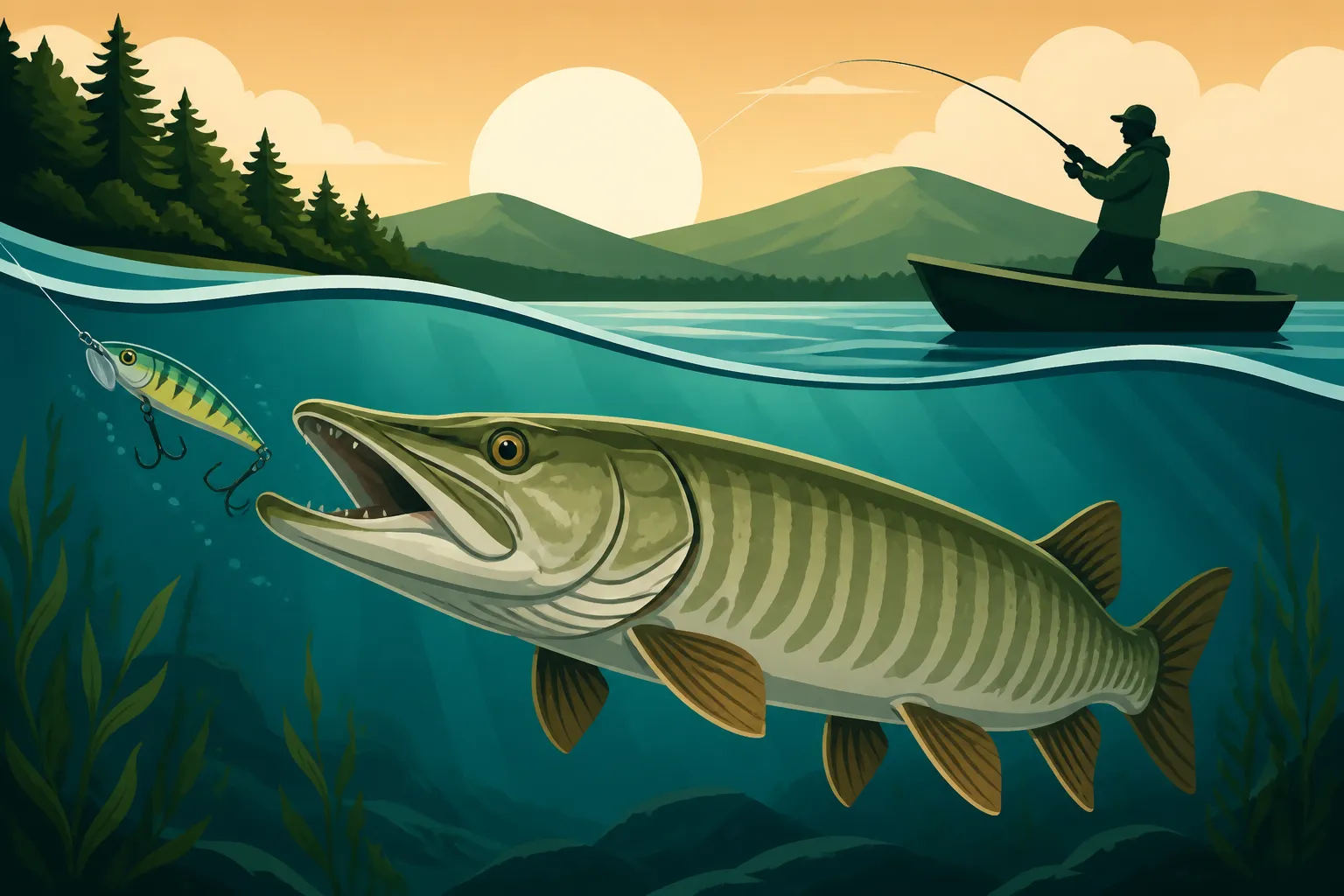
Muskellunge are unmistakable. They possess a long, cylindrical body, often described as pike-like, but typically much larger and heavier-bodied. Their coloration can vary, from light silver to dark green or brown, with distinct bars or spots along their flanks. Some Lake Memphremagog muskies display more prominent barring, while others might be more spotted, depending on their specific environment and genetic makeup. What truly sets them apart, though, is their formidable mouth. Lined with dozens of razor-sharp teeth, it's a weapon perfectly designed for seizing and holding prey. Their large, paddle-like tail provides incredible bursts of speed, allowing them to explode from cover and engulf unsuspecting fish. These adaptations make them perfectly suited for their role as apex predators in the cold, clear waters they inhabit. Anglers often need specialized tools like long-nosed pliers or jaw spreaders, readily available on platforms like Amazon, just to safely unhook them without risking injury to themselves or the fish.
Growth Rates and Lifespan in Vermont
Muskies are slow-growing, long-lived fish. In a rich environment like Lake Memphremagog, they can grow to truly impressive sizes. While exact growth rates vary based on food availability and water temperatures, a muskie might take several years to reach maturity. These fish can live for well over a decade, with some reaching ages of 20 years or more. This extended lifespan is one of the reasons they can attain such legendary sizes, growing to weights of 30, 40, or even 50 pounds, sometimes even larger in rare instances. This makes catching a true trophy muskie a lifelong pursuit for many. The sheer age of these fish means that every large muskie has survived countless challenges, making its capture all the more special and a testament to its wild resilience. When we consider How big muskellunge get on Lake Memphremagog, we're talking about a fish that represents many years of growth and survival.
Lake Memphremagog's Unique Muskellunge Habitat
Lake Memphremagog isn't just any lake; it's a special place with unique characteristics that make it a prime muskellunge fishery. Its depth, structure, and even its international status all play a role in shaping the habits of its muskie population.
Depth and Structure of Memphremagog
Lake Memphremagog is a vast and incredibly deep lake, with some areas plunging to over 300 feet. This deep, cold water provides ideal conditions for muskies, especially during the warmer summer months when they often retreat to cooler depths. However, it's not just about the deep water; the lake also boasts an incredible array of structure. Submerged rock piles, sudden drop-offs, expansive weed beds in shallower bays, and complex contour lines offer endless ambush points and hiding spots for these predators. Understanding these structural elements is key to finding muskies. They might patrol the edges of massive weed flats, lurk near steep breaks where shallow water quickly transitions to deep, or hide within the labyrinthine branches of submerged timber. Learning to read a contour map and identify these features is more than just a suggestion; it’s an essential skill for successful muskie fishing here.
Water Clarity and Temperature Preferences
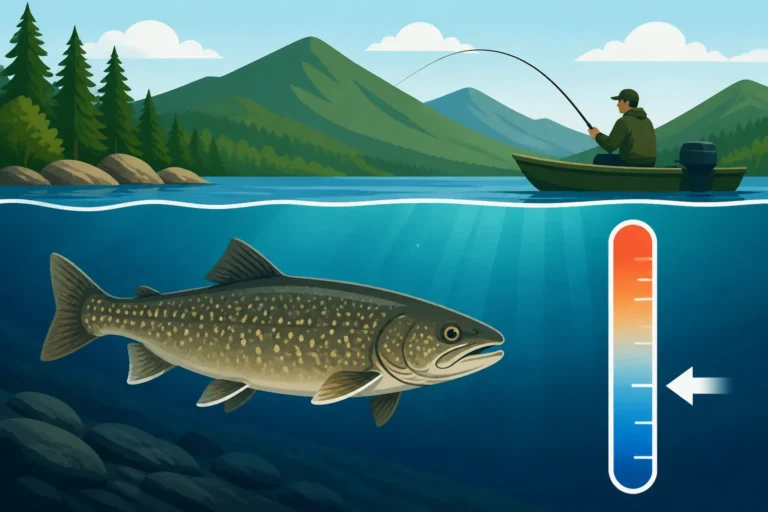
The water clarity in Lake Memphremagog can vary, but much of the lake is quite clear, especially in its deeper sections. This clear water means muskies rely heavily on their eyesight, making camouflage and stealth crucial for their hunting strategy. Anglers also need to be mindful of this, often opting for longer leaders and fluorocarbon lines to minimize visibility. Temperature is another critical factor. While muskies are generally tolerant of a range of temperatures, they have distinct preferences that dictate their activity levels and locations. They are cold-water fish, thriving in temperatures that might send other species packing. During the summer, when surface waters warm, they'll often seek out thermal refuges in deeper, cooler water. In the spring and fall, when the entire water column is closer to their preferred temperature, they can be found in a wider variety of depths and structures. This sensitivity to temperature means that understanding current water conditions is paramount for anticipating muskie movements.
Inter-Jurisdictional Waters: Vermont and Quebec
Lake Memphremagog holds a fascinating distinction: it straddles the international border between Vermont and Quebec, Canada. Roughly 75% of the lake lies within Quebec, while the southern 25% is in Vermont. This unique situation has significant implications for muskie habits and fishing regulations. While muskies don't recognize imaginary lines on a map, their movement patterns can sometimes be influenced by differences in pressure or forage availability between the two sides. From a fishing perspective, it means anglers need to be acutely aware of which waters they are in and ensure they comply with the specific regulations of that jurisdiction. This includes licensing, possession limits, and even approved fishing methods. Crossing the border, even accidentally, can lead to serious legal issues. It's a good reminder that fishing in this beautiful lake involves not just understanding the fish, but also the geopolitical landscape. For those interested in the rules on the Vermont side, checking out Vermont Muskellunge Regulations on Lake Memphremagog is a must.
Seasonal Behavior Patterns: A Year in the Life of a Memphremagog Muskie
Muskies don't just stay in one place or behave the same way all year. Their habits are deeply tied to the changing seasons, influenced by water temperature, spawning cycles, and the availability of prey. Understanding these shifts is vital for successful fishing.
Spring: Post-Spawn Recovery and Feeding
As the ice finally recedes from Lake Memphremagog, typically in late April or early May, muskies begin their spring routine. This period immediately after ice-out is often when they complete their spawning rituals. Post-spawn, these powerful fish are often in a state of recovery, having expended a tremendous amount of energy during reproduction. They'll be looking for easier meals to replenish their reserves. This means they often move into shallower, warmer bays and flats where baitfish are congregating. Look for them around emerging weed beds, submerged logs, and rocky points that warm up quickly in the spring sun. While they might still be somewhat lethargic from the spawn, this can also be a prime time to target them with slower presentations or even larger baits, as they're looking for a substantial meal without too much effort. It’s a delicate balance; too much disturbance and they might spook, but the right presentation can trigger a powerful strike from a recovering giant.
Summer: Deep Water and Weedline Ambush
Once summer truly sets in and surface water temperatures climb, the habits of Memphremagog muskies shift dramatically. They'll often move to deeper, cooler waters, seeking thermal comfort and higher oxygen levels. However, they don't disappear entirely from shallower areas. Instead, they position themselves strategically along the deep edges of expansive weed beds, around submerged humps, or near steep drop-offs that allow them quick access to both deep sanctuary and shallower feeding grounds. They become classic ambush predators during this time, lying in wait within the dense cover of weeds or suspended over deep structure, ready to explode on an unsuspecting fish. Targeting them in summer often means fishing deeper, using trolling techniques, or meticulously working the edges of vast weed lines. It’s during these months that Trolling Techniques for Vermont Lake Trout might even offer some transferable insights, as both species can hold deep.
Fall: The "Muskie Run" and Pre-Winter Feast
Many muskie anglers consider fall the absolute prime time to target these fish, and for good reason. As water temperatures begin to cool in September and October, muskies enter a hyper-feeding mode often referred to as the "muskie run." They know winter is coming, and they need to pack on as much weight as possible. During this period, they become incredibly aggressive and active, frequently moving into shallower bays, points, and flats to gorge on schooling baitfish like suckers and perch. This is when anglers often have their best chances at landing a true trophy. Larger baits, faster retrieves, and covering a lot of water become the order of the day. The cooling water rejuvenates them, and their metabolic rates are at their peak, making them less cautious and more willing to chase. It's a short but intense window of opportunity that dedicated muskie hunters eagerly await each year.
Winter: Under the Ice Activity
While ice fishing for muskies isn't as common as it is for other species, they certainly remain active under the ice on Lake Memphremagog. Just because the surface is frozen solid doesn't mean these apex predators stop feeding. They continue to patrol their preferred habitats, often around deep points, humps, and the edges of remaining green weeds. Their metabolism slows down considerably, so their feeding windows might be shorter, and their strikes more subtle. Ice anglers might target them using large dead baits on tip-ups or jigging large spoons or swimbaits. It requires different tactics and a great deal of patience, but catching a massive muskie through the ice is an unforgettable experience, a testament to their year-round presence and predatory nature. For those brave enough to venture out, checking Vermont Ice Fishing Season Dates is a crucial first step.
Diet and Forage Base: What Fuels the Memphremagog Muskie
A muskie is a lean, mean, eating machine, and understanding its diet is fundamental to figuring out where it lives and what lures it might strike. On Lake Memphremagog, a diverse forage base supports these large predators.
Primary Prey Species in Lake Memphremagog
Muskellunge are opportunistic piscivores, meaning they primarily eat other fish. In Lake Memphremagog, their diet is incredibly varied, reflecting the diverse fish populations present. Some of their primary prey species include yellow perch, various minnow species, suckers, and even smaller northern pike or walleye. They are not above cannibalism, occasionally preying on smaller muskies if the opportunity arises. The size of their prey often correlates with the size of the muskie; larger muskies will target larger meals to meet their energy demands. Think about how a big muskie needs a substantial meal – a small shiner just won't cut it. They are looking for something worth the effort.
Opportunistic Feeding Habits
While they have preferred prey, muskies are true opportunists. They will eat whatever is readily available and easiest to catch. This can include anything from frogs, snakes, small mammals that fall into the water, and even waterfowl, if the conditions are right. This opportunistic nature is why muskie lures often imitate a wide variety of prey, from oversized minnow baits and jointed swimbaits to duckling imitations. Their keen eyesight and incredible burst speed allow them to capitalize on any momentary lapse in judgment from a potential meal. This means that if a school of shiners is abundant in a certain bay, muskies will likely be there. If suckers are migrating into a tributary, muskies will follow. Understanding these localized forage movements can be a game-changer for anglers.
Impact of Baitfish Availability
The abundance and distribution of baitfish are perhaps the most critical factor influencing muskie habits and distribution in Lake Memphremagog. If baitfish populations are healthy and concentrated in certain areas, the muskies will follow. Conversely, if baitfish are sparse, muskies might become more dispersed and harder to locate. Fluctuations in baitfish populations, whether due to environmental factors, spawning success, or even human impact, directly affect the muskie fishery. A robust smelt population, for instance, can lead to larger, healthier muskies. This interconnectedness means that observing baitfish activity—whether you see schools showering on the surface or mark them on your fish finder—is a strong indicator of where a muskie might be lurking. It’s like following the grocery cart to find the shopper! If you want to know What muskellunge eat on Lake Memphremagog, the answer is often "whatever is most abundant and easy to catch!"
Muskellunge Spawning and Reproduction: Continuing the Legacy
The annual spawning ritual is crucial for the continuation of the muskie population in Lake Memphremagog. While it's a period when fishing is often restricted or less productive, understanding this cycle is vital for appreciating the species.
Spawning Season and Locations
Muskies typically spawn in the spring, shortly after ice-out, when water temperatures reach a specific range, usually between 48 and 55 degrees Fahrenheit. In Lake Memphremagog, this generally occurs from late April through May. Unlike salmon or trout that migrate to swift-flowing rivers, muskies prefer shallow, vegetated bays, coves, and flooded marshy areas. They broadcast their eggs over submerged vegetation, fallen trees, and other debris. These shallow, sheltered areas provide warmth and protection for the developing eggs. While specific spots are kept secret by those who know them, identifying these types of habitats on a map can give you an idea of where this critical event takes place.
Parental Care (or lack thereof)
Muskies exhibit no parental care whatsoever. Once the eggs are laid and fertilized, the adult muskies leave them to develop on their own. The eggs are adhesive, sticking to the vegetation and other substrates. This lack of parental protection means that the survival of the eggs and fry is heavily dependent on favorable environmental conditions. Fluctuations in water levels, sudden cold snaps, or increased predation on the vulnerable eggs can significantly impact year-class strength. This makes every successful spawn a critical event for the future of the fishery.
Factors Affecting Spawning Success
Numerous factors can influence the success of a muskie spawn. Stable water levels during the incubation period are crucial, as rapidly dropping water can expose and desiccate eggs. Consistent water temperatures within the optimal range also play a significant role. Predation by other fish species, such as perch or suckers, can reduce egg viability. Habitat degradation, such as the loss of vital shallow marshy areas due to shoreline development or invasive vegetation, can also severely impact spawning grounds. Maintaining and protecting these critical spawning habitats is paramount for sustaining a healthy muskellunge population in Lake Memphremagog. Local conservation efforts and careful angling practices, especially during these sensitive periods, are crucial for ensuring these incredible fish continue to thrive.
Identifying Prime Muskie Habitat: Where to Find the Giants
Finding muskies in a lake as large as Memphremagog can feel like searching for a needle in a haystack. However, by understanding their preferred habitat, you can significantly narrow your search and increase your odds.
Weed Beds and Structure
Muskies love cover. Period. And on Lake Memphremagog, that often means extensive weed beds. Look for large, healthy weed lines, especially those with diverse vegetation like coontail, milfoil, or cabbage weeds. These aren't just hiding spots; they're also prime hunting grounds. Baitfish flock to these weeds for cover and food, and the muskies are never far behind. Focus on the edges of these weed beds, inside pockets, and transitions where weeds meet open water or deeper channels. Submerged timber, rock piles, and old cribs also provide excellent ambush points. Think about anywhere a muskie can hide, yet still have a clear view of passing prey. A good sonar unit, perhaps one found on Amazon with high-definition imaging, can be invaluable for identifying these subtle structural changes beneath the surface.
Points, Drop-offs, and Bays
Geographic features like points, sharp drop-offs, and sheltered bays are muskie magnets. Points that extend out into the lake, especially those with current or quick access to deep water, act as highways for baitfish and natural ambush spots for muskies. Drop-offs, where shallow flats quickly plunge into deeper water, are crucial transition zones. Muskies will often patrol the deeper side of the break, darting up to feed on the flats when conditions are right. Large, relatively shallow bays, especially those with abundant weed growth, are particularly important in spring and fall, offering warmth and concentrations of baitfish. These bays often serve as nursery grounds and staging areas for feeding fish.
Current and Tributary Mouths
While Lake Memphremagog is a large lake, current plays a role, particularly near the mouths of its tributaries or in constrictions within the lake. Moving water often concentrates baitfish and oxygen, creating attractive feeding zones for muskies. Look for areas where rivers or larger streams flow into the lake, creating current breaks, eddies, and nutrient-rich plumes. Muskies will position themselves strategically in these areas to capitalize on the incoming food supply. Similarly, natural bottlenecks or channels within the lake itself can create subtle currents that funnel baitfish, making them prime muskie territory. Even a slight current can position a muskie perfectly for an ambush.
Here’s a quick overview of Muskie behavior across the seasons on Lake Memphremagog:
| Season | Typical Water Temperature | Preferred Depth/Location | Activity Level | Primary Forage Focus | Angling Approach |
|---|---|---|---|---|---|
| Spring | 48-55°F | Shallow, vegetated bays, spawning flats | Moderate/Recovering | Perch, suckers, minnows | Slower retrieves, larger baits, covering shallow water |
| Summer | 65-75°F (surface) | Deep weed edges, submerged humps, thermocline | High (ambush) | Smelt, larger baitfish | Deep trolling, working weed lines, fast presentations |
| Fall | 50-60°F | Shallow to mid-depth bays, points, flats | Very High (feeding frenzy) | Schooling baitfish (suckers, perch) | Large baits, fast retrieves, covering vast areas |
| Winter | 32-40°F | Deep points, humps, edges of deep structure | Low/Moderate | Any available slow-moving fish | Large dead baits, slow jigging, tip-ups |
Remember, every muskie encounter on Lake Memphremagog is a story in the making. These incredible fish represent the pinnacle of freshwater angling challenges, and understanding their intricate habits is the first step toward writing your own success story. Whether you're casting from shore or trolling the depths of Lake Memphremagog Fishing Guide, preparation and knowledge are your best tools. Good luck out there, and don't forget your sturdy tackle and a reliable net! If you're looking for gear, be sure to check out what's available for Best Landing Net for Muskellunge so you're ready for that trophy fish.
Disclaimer
This article is for general informational purposes only and does not constitute professional advice. Laws, prices and regulations vary by location and change over time. Consult a qualified professional for guidance on your specific situation.