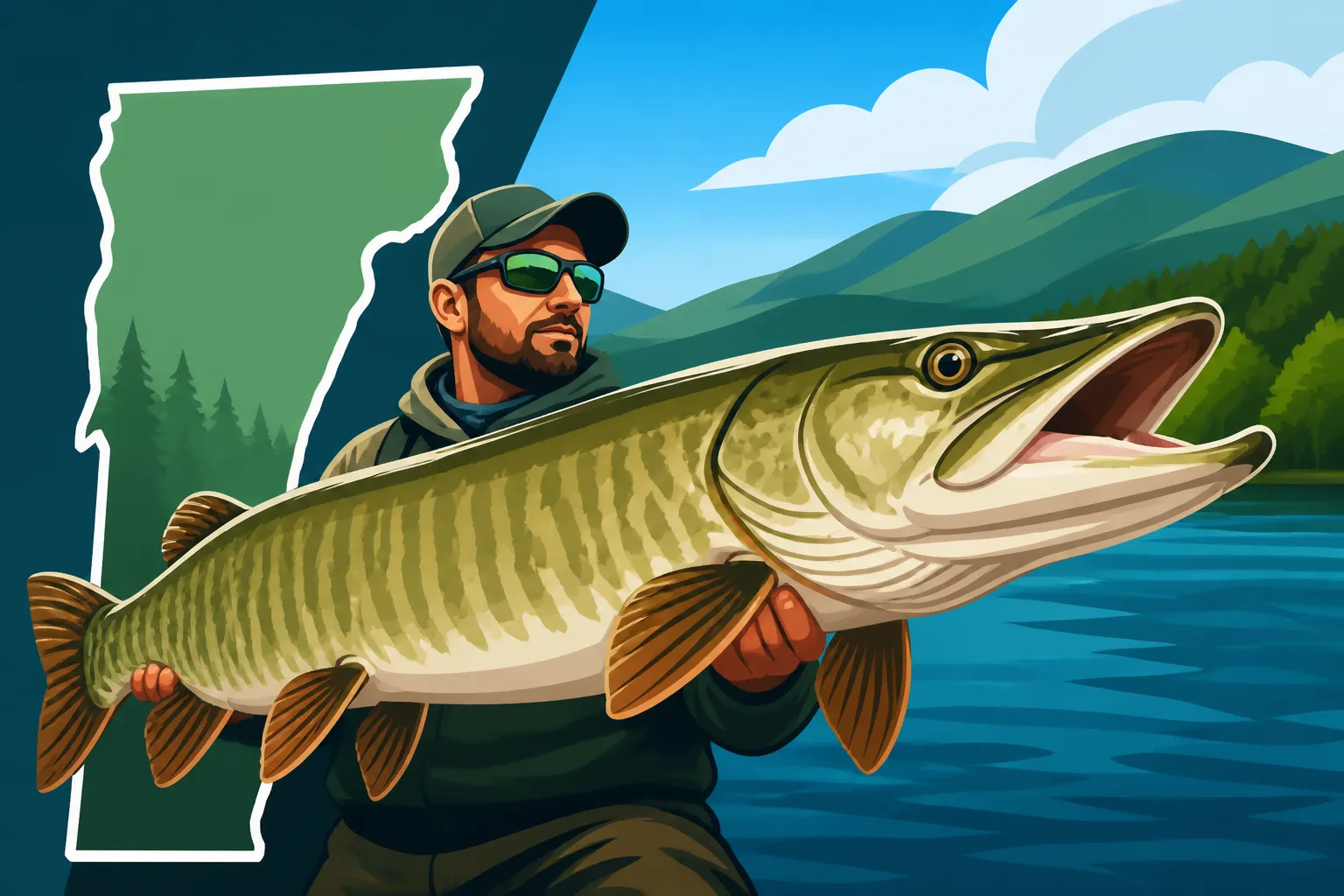
How big muskellunge get on Lake Memphremagog
For many anglers, the dream of hooking into a truly monstrous fish is what drives them to the water, and when it comes to Lake Memphremagog, the muskellunge is undoubtedly that elusive, apex predator. But let's be real, hearing tales of "huge" fish can be vague and sometimes a little disheartening when your own catches aren't quite matching up. This guide aims to pull back the curtain on the actual size you can expect from muskellunge in Lake Memphremagog, diving deep into what makes these fish grow so large, the realistic potential for trophy catches, and what factors influence their impressive stature.
Understanding the Muskie Scale on Lake Memphremagog
When we talk about "how big" muskellunge get on Lake Memphremagog, it's essential to establish a baseline. These aren't your average panfish; even a "smaller" muskie is a formidable catch. Lake Memphremagog is renowned for its muskie fishery, and the fish here certainly live up to the species' reputation for size and power.
Most anglers consider a muskie between 30 and 40 inches a solid catch, a respectable fish that certainly puts up a fight. These are the fish you'll encounter with some regularity if you put in the time and effort. They're vibrant, healthy, and a fantastic representation of the lake's robust population. While not "trophy" class for many dedicated muskie hunters, they are impressive fish that will leave a lasting memory. Their torpedo-like bodies and sharp teeth are unmistakable, and even at this size, they command respect. You might even find specialized muskie lures on sites like Amazon that are designed to entice these mid-range fish, though they're often eaten by larger ones too!
As you move up the scale, muskellunge in the 40 to 48-inch range start to fall into what many would consider a trophy-class fish, especially for those new to muskie fishing. These are truly impressive specimens, often thicker in girth, and they fight with incredible tenacity. Landing a fish of this size requires appropriate gear, patience, and often, a good dose of luck. The sheer power of a muskie this size can quickly expose any weaknesses in your setup or technique. Muskellunge Fishing on Lake Memphremagog can be a serious endeavor, demanding specialized rods, reels, and lines to handle these brutes.
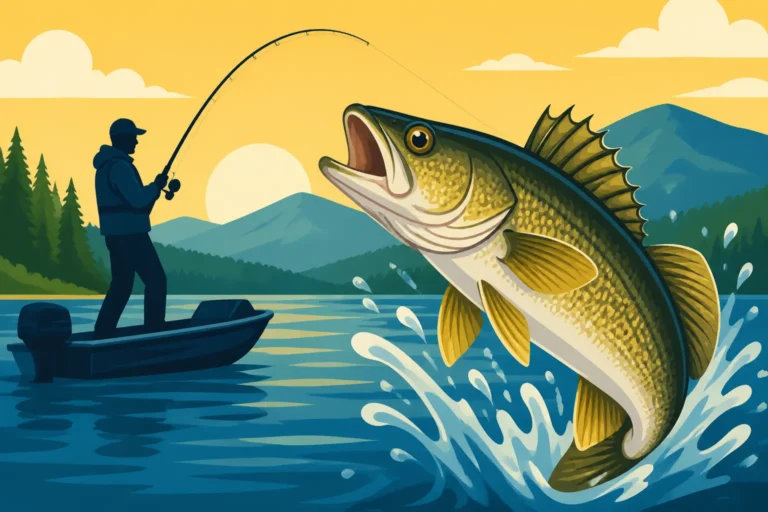
The upper echelon of Memphremagog muskellunge pushes beyond the 50-inch mark. Fish in the 50 to 55-inch range are the stuff of legends, the true giants that dedicated anglers pursue for years. These are mature, powerful predators that have survived countless challenges in the lake. Catching one is a monumental achievement, often requiring hundreds, if not thousands, of hours on the water. While less common, they are definitely present in Lake Memphremagog, making it a bucket-list destination for serious muskie enthusiasts. The lake's unique ecosystem provides them with everything they need to reach these incredible dimensions.
Here's a quick look at the typical size categories for Lake Memphremagog muskellunge:
| Size Category | Length Range (Inches) | Description | Encounter Frequency |
|---|---|---|---|
| Standard Catch | 30-40 | Respectable, strong fighting fish | Moderate |
| Trophy Potential | 40-48 | Impressive, challenging to land, true bragging rights | Less Common |
| Giant/Legendary | 48-55+ | Rare, once-in-a-lifetime fish, ultimate muskie achievement | Rare |
Factors Fueling Memphremagog's Muskie Giants
The reason Lake Memphremagog can grow such large muskellunge isn't just a happy accident; it's a combination of ideal environmental conditions, a robust forage base, and specific biological characteristics of the species itself. Understanding these factors helps to appreciate the lake's potential for producing true giants.
Abundant Forage Base
A muskie, like any apex predator, needs a massive and consistent food supply to grow to impressive sizes. Lake Memphremagog delivers on this front. The lake is teeming with various baitfish that serve as crucial sustenance for growing muskellunge. One of the primary food sources for large muskies in the lake are fish like yellow perch, suckers, and especially rainbow smelt. Smelt, in particular, are nutrient-rich and plentiful, providing the caloric intake necessary for a muskie to gain significant length and girth. What muskellunge eat on Lake Memphremagog is a critical component to their growth trajectory. When there's a thriving population of smaller fish, muskie don't have to expend excessive energy hunting, allowing them to conserve and convert more energy into growth. This rich buffet means muskies can eat well and grow quickly, reaching larger sizes than in less productive waters.
The abundance of forage also means less competition for food among the muskie population itself. While there's always some level of competition, a healthy ecosystem with ample prey helps ensure that a greater number of individual muskies have the opportunity to mature and grow without starving out. This leads to a higher potential for more "trophy" sized fish throughout the lake.
Ideal Habitat and Water Quality
Lake Memphremagog offers a diverse range of habitats that are perfectly suited for muskellunge at all life stages, from juveniles to mature giants. These include extensive weed beds for ambush points, deep cool waters for summer refuge, and rocky structures that hold baitfish. The sheer size and depth of the lake also play a significant role. Larger, deeper lakes generally have the capacity to support larger fish populations and allow individual fish to grow to greater sizes due to more expansive territories and varied food sources.
Water quality is another non-negotiable factor. Muskies thrive in clean, well-oxygenated water, and Lake Memphremagog generally provides this. Good water quality supports not only the muskie themselves but also their entire food web. Healthy phytoplankton and zooplankton populations support the baitfish, which in turn support the muskie. Consistent water temperatures, especially during critical feeding periods, also contribute to optimal growth rates. Muskellunge Habits on Lake Memphremagog are intrinsically linked to these environmental conditions. A healthy lake ecosystem is a prerequisite for a healthy, large muskie population.
Genetics and Growth Potential
While environment and food are crucial, the genetic makeup of the muskellunge population in Lake Memphremagog also plays a role. Muskellunge are inherently built for size and predation. They are fast-growing fish compared to many other species, and with the right conditions, they can pack on inches and pounds relatively quickly, particularly in their younger years. Their long, lean bodies are designed for explosive bursts of speed, making them incredibly efficient hunters.
The muskie population in Memphremagog is known for its robust health and strong genetics. This means the fish are biologically capable of reaching those impressive lengths and weights. It's a combination of having the right genes to grow large and the perfect environment to express that genetic potential. It's not uncommon for these fish to live for a decade or more, allowing them ample time to reach maximum size. This longevity is another key factor in why you can find such enormous fish here. Vermont Muskellunge Regulations on Lake Memphremagog are often designed with these growth factors and longevity in mind, helping to protect the larger, older fish that are so vital to the fishery.
The Pursuit of a Trophy Muskie: Expectation vs. Reality
Chasing trophy muskies on Lake Memphremagog is an endeavor that demands extreme patience, dedication, and a deep understanding of the species. It's easy to get caught up in the allure of "the big one," but the reality of consistently landing fish over 50 inches is a different story.
The Challenge of the "Fish of 10,000 Casts"
Muskies have earned the nickname "the fish of 10,000 casts" for a reason, and that moniker is particularly true when you're targeting the truly massive specimens. These older, larger fish are incredibly wary, have seen countless lures, and are experts at survival. They often occupy specific, prime ambush points and are less likely to strike out of pure aggression unless the conditions are absolutely perfect or the presentation is flawless.
Anglers often spend entire days, even weeks, casting large baits, trolling, or jigging without a single strike from a muskie. It's a mental game as much as a physical one. When a strike does happen, it's often sudden and violent, testing both your gear and your nerves. You need Best Line Weight for Muskellunge Fishing that can withstand explosive runs and sharp head shakes, and a rod with enough backbone to turn a large fish. Many muskie anglers study detailed maps of the lake, looking for subtle changes in depth, structure, or weed lines that might hold a giant. Books on muskie behavior, often found on Amazon, become invaluable resources for understanding these elusive creatures.
The Realistic Potential for State Record Contenders
While Lake Memphremagog consistently produces impressive muskies, Vermont's state record is a benchmark that few will ever approach. The current Vermont state record muskellunge weight stands as a testament to the lake's potential, but it also highlights just how rare and exceptional such a catch is. That fish, like all state records, was a combination of an incredibly healthy, old fish, the right angler at the right time, and a good dose of pure luck.
The vast majority of anglers, even those who fish Memphremagog for years, will likely not break the state record. However, landing a fish that's a personal best, perhaps in the high 40s or low 50s, is a very real and attainable goal for dedicated individuals. It requires consistent effort, learning the nuances of the lake, and adapting your tactics based on conditions. The key is to celebrate every muskie you catch, regardless of whether it's a "trophy" by someone else's definition, because each one is a significant accomplishment.
When you do hook into one of these giants, having the right landing gear is paramount. A Best Landing Net for Muskellunge that is large enough to safely scoop a 50-plus inch fish is non-negotiable, not only for success but for the fish's well-being. Using improper landing techniques can injure these magnificent creatures, making proper handling crucial for conservation.
Conservation and the Future of Big Muskies
The opportunity to catch truly enormous muskellunge on Lake Memphremagog isn't something to be taken for granted. It's the result of responsible management, dedicated conservation efforts, and the natural richness of the lake itself. Ensuring that future generations can experience the thrill of encountering these giants relies heavily on our collective actions as anglers.
Catch and Release Practices
For muskies, especially the large, older fish, catch and release is not just a suggestion—it's absolutely vital for sustaining the population of trophy-sized fish. These older, larger muskies are the prime breeders, contributing significantly to the genetic health and overall numbers of the species in the lake. Taking one of these giants out of the system can have a disproportionate impact on the future population.
When you're fortunate enough to land a large muskie, proper handling is paramount. Keep the fish in the water as much as possible, use a large, rubberized net to minimize scale damage, and avoid excessive handling. Long-nosed pliers are essential for safely removing hooks, especially if the fish has swallowed the bait. Get your photos quickly and release the fish gently, ensuring it swims away strong. The guide on Muskellunge catch and release survival tips provides invaluable advice for ensuring these fish live to fight another day and continue to grow. Many anglers even go so far as to practice "figure-eight" maneuvers at the boat, a technique where you keep the lure in the water boatside, encouraging a last-second strike, which is less stressful on the fish than a long fight to the boat.
Supporting Fisheries Management
The health of Lake Memphremagog's muskie fishery is continuously monitored by wildlife agencies. This involves population surveys, habitat assessments, and the setting of regulations such as size limits and bag limits. By adhering to these regulations, anglers play a direct role in the long-term sustainability of the fishery. Understanding and respecting the specific rules for Vermont Fishing Regulations Explained, particularly for species like muskellunge, helps ensure that these fish have the chance to grow to their maximum potential.
Supporting these agencies, often through the purchase of fishing licenses, directly funds research, habitat improvement projects, and enforcement efforts that benefit the muskie population. It's a cycle: healthy management leads to healthy fish, which leads to better fishing opportunities for everyone. Organizations and local clubs also play a role, sometimes running their own stocking programs or habitat enhancement projects to further boost the muskie population. Before heading out, it's always a good idea to check the most current regulations, as they can sometimes change to adapt to new biological data or environmental conditions.
Disclaimer
This article is for general informational purposes only and does not constitute professional advice. Laws, prices and regulations vary by location and change over time. Consult a qualified professional for guidance on your specific situation.