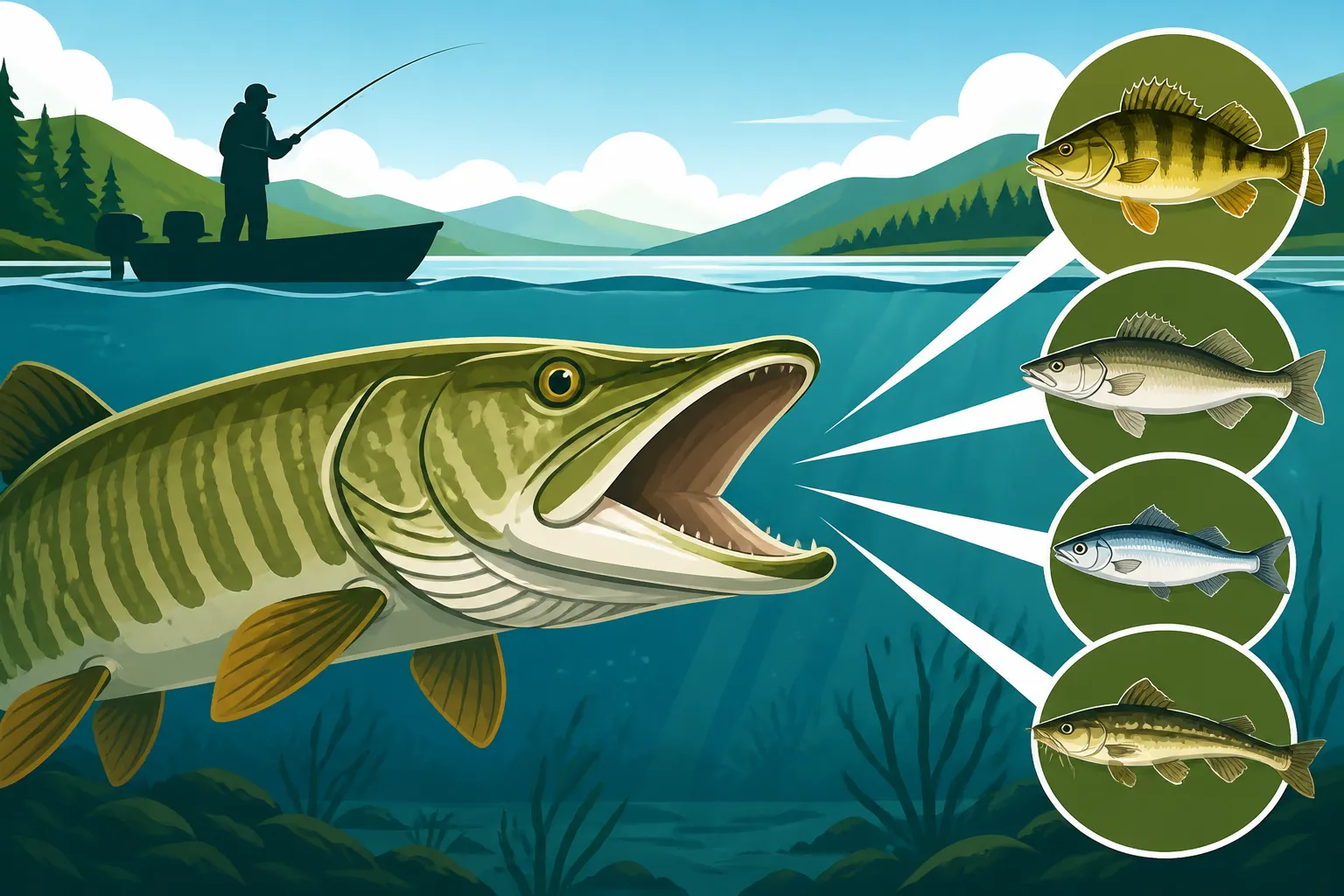
What muskellunge eat on Lake Memphremagog
For anglers venturing onto Lake Memphremagog with dreams of wrestling a legendary muskellunge, understanding what these formidable predators eat is absolutely crucial. It's not just about throwing the biggest lure you own; it's about matching the hatch, so to speak, to what these toothy titans are actively hunting. This comprehensive guide will pull back the curtain on the Lake Memphremagog muskie's diet, helping you decipher their feeding patterns and ultimately improve your chances of a successful outing.
The Apex Predator of Lake Memphremagog: Understanding the Muskie
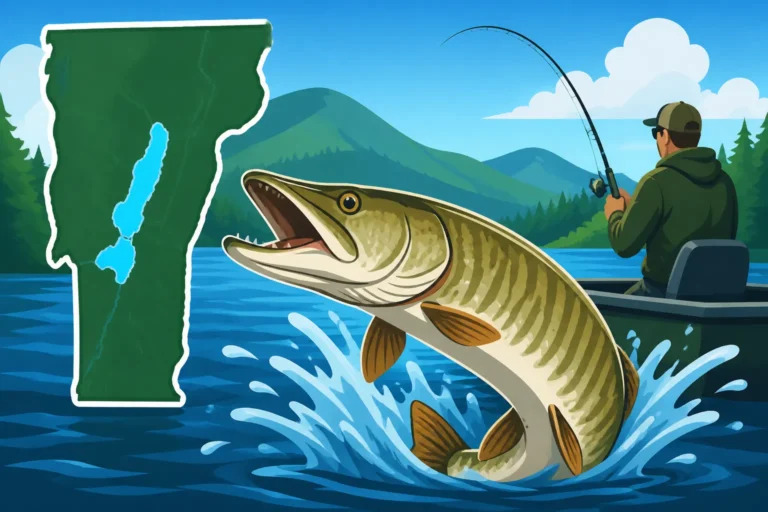
Muskellunge, often simply called muskie, are a truly special fish, revered for their elusive nature and incredible fighting spirit. In Lake Memphremagog, which straddles the Vermont-Quebec border, these fish grow to impressive sizes, making them one of the most sought-after freshwater game fish in the region. They are true apex predators, sitting at the very top of the food chain in their aquatic environment. This means they are opportunistic hunters, but they also have preferred prey species that make up the bulk of their diet.
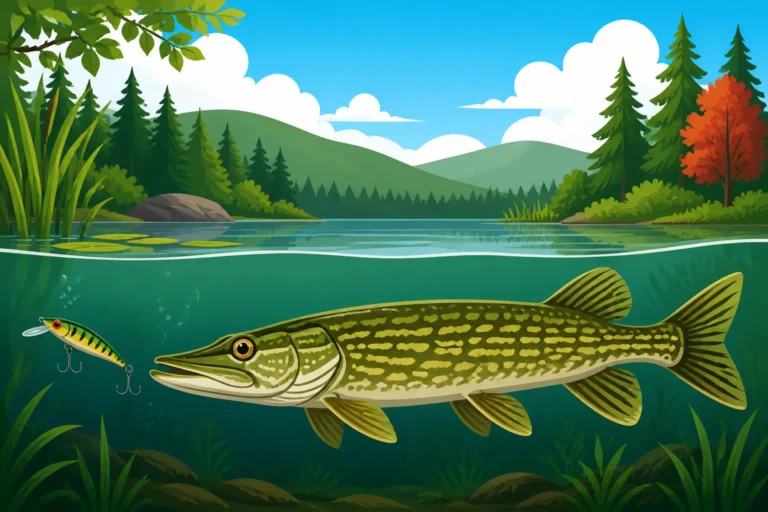
Their physical characteristics—a long, cylindrical body, powerful tail, and a mouth full of razor-sharp teeth—are perfectly designed for ambush predation. Muskies typically lie in wait, hidden among weeds, submerged timber, or rocky structures, ready to explode onto unsuspecting prey. Their diet is largely dictated by what's available and what they can overpower, ranging from smaller fish to, surprisingly, even birds or small mammals that fall into the water. For more details on these magnificent fish, check out our guide on Muskellunge Habits on Lake Memphremagog.
Why Diet Matters for Anglers
Understanding a muskie's diet isn't just academic; it's the foundation of effective angling. If you know what they're eating, you can select lures that mimic those prey items in terms of size, shape, color, and action. This isn't about guesswork; it's about informed decision-making. Knowing their preferred forage helps you think like a muskie, anticipating where they might be staging to ambush prey and what they're likely to strike at. This becomes even more vital when considering the sheer size these fish can reach in Lake Memphremagog, a topic covered in How big muskellunge get on Lake Memphremagog.
Furthermore, considering the muskie's diet also helps with ethical angling practices. Handling larger fish that have ingested big meals requires care, and understanding their physiology through their feeding habits can help ensure a healthy release. This is especially important given that muskie populations are often managed with conservation in mind, and anglers are encouraged to practice catch and release for these magnificent creatures. You might find our article Is It Legal to Release a Muskellunge You Catch in Vermont? helpful here, alongside Muskellunge catch and release survival tips.
The Muskie's Menu: What Drives Their Hunt in Lake Memphremagog
The diet of a muskellunge in Lake Memphremagog is primarily piscivorous, meaning they eat other fish. However, the specific species they target can vary significantly based on the size of the muskie, the abundance of prey, and the time of year. They are not picky eaters in the sense that they will refuse an easy meal, but certain fish are more calorically efficient and easier to catch, making them staple food sources.
Primary Forage Fish Species
Lake Memphremagog is a vast and fertile lake, boasting a diverse fish population that provides an ample larder for its muskie inhabitants. The primary forage species that muskies key in on are often those that are abundant, relatively easy to ambush, and provide a good nutritional return.
- Suckers: White suckers are a top choice for muskie. These bottom-dwelling fish are slow-moving and can reach substantial sizes, making them a hearty meal. Their elongated body profile and sometimes dusky coloration are often mimicked by popular muskie lures.
- Perch: Both yellow perch and white perch are abundant in Lake Memphremagog and represent a significant food source, especially for younger and medium-sized muskies. Perch are schooling fish, which means if a muskie finds a school, it can potentially feed efficiently. Their distinctive barred patterns are a common sight in lure designs.
- Smelt: Rainbow smelt are critically important forage in many cold-water lakes, and Lake Memphremagog is no exception. These slender, oily fish are high in fat and protein, making them an excellent energy source for growing muskie. Smelt often move into shallower areas during certain times of the year, making them vulnerable.
- Panfish: Various panfish like bluegill and crappie can also end up on a muskie's dinner plate, particularly if larger, preferred forage is less available. These smaller fish offer a quick, though less substantial, meal.
- Lake Trout and Salmon Juveniles: While adult lake trout and landlocked salmon are often too large and swift for muskie to consistently prey upon, their younger counterparts, especially those that might be slightly stressed or disoriented, can become targets. This is less common but certainly occurs, especially when these species share habitat.
- Other Pike Family Members: Occasionally, muskie will even prey on smaller northern pike, their close relatives. This is a testament to their opportunistic and territorial nature, viewing anything smaller as a potential meal.
You can find a wide variety of large crankbaits, bucktails, and soft plastics on platforms like Amazon that are specifically designed to imitate these common prey fish. Stocking your tackle box with these options can give you a significant advantage on Lake Memphremagog.
Invertebrates and Opportunistic Meals
While fish make up the bulk of a muskie's diet, especially as they grow larger, young muskies may start their lives feeding on smaller invertebrates before graduating to fish. As adults, they are incredibly opportunistic predators and will not hesitate to strike at a variety of other creatures if the opportunity presents itself.
- Crayfish: In certain areas of Lake Memphremagog where rocky bottoms and ample cover exist, crayfish can be a secondary food source. While not a primary staple, a muskie won't pass up an easy crayfish meal, especially if it's struggling on the bottom.
- Small Mammals and Waterfowl: This is where the legend of the muskie truly comes alive. It's not unheard of for large muskies to prey on small ducks, muskrats, or even mice or voles that inadvertently enter the water. While rare, these instances highlight the muskie's top-tier predatory status and immense power. They are less about daily nutrition and more about a major caloric intake when the chance arises.
Seasonal Shifts and Environmental Factors Affecting Muskie Diet
A muskie's diet isn't static; it's a dynamic reflection of the lake's ecosystem, changing with the seasons, water temperature, and prey availability. Being attuned to these shifts is a hallmark of a truly successful muskie angler.
Spring and Early Summer Feeding
After the long, cold winter and post-spawn recovery, muskies in spring and early summer are often on the hunt for easily accessible, calorie-rich meals. Water temperatures are rising, metabolism is increasing, and baitfish are becoming more active.
During this period, baitfish tend to be in shallower waters as they also recover from winter and prepare for or undergo their own spawning rituals. This draws muskies to shallower bays, weed lines, and transition areas where they can ambush schools of smelt, perch, and suckers. Anglers often find success with larger, slow-moving baits that mimic these species, or sometimes even smaller, more erratic presentations that capitalize on active, recovering fish. Knowing the Vermont Fishing Season Dates and Closures can help you time your spring excursions perfectly.
Summer Heat and Deeper Forage
As Lake Memphremagog warms up significantly in mid-summer, many baitfish, especially cold-water species like smelt, will retreat to deeper, cooler waters where oxygen levels and temperatures are more favorable. Muskies, too, will adjust their patterns.
They might be found relating to deep structure, thermal stratification lines, or deeper weed beds where cooler water and concentrated baitfish exist. This is a time when understanding your electronics becomes paramount for locating both the muskie and their forage. Trolling deep-diving crankbaits or using heavy bucktails and large soft plastics that can be worked efficiently at depth often proves successful. You'll need sturdy gear for this kind of fishing; consider looking into Best Trolling Gear for Lake Champlain Walleye for similar principles in muskie fishing, or specific guidance like Best Rod Setup for Muskellunge Trolling.
Fall Feast: The Pre-Winter Blitz
Fall is arguably the most exciting time for muskie fishing on Lake Memphremagog because muskies enter a "feeding frenzy" to build up fat reserves for the coming winter. As water temperatures begin to cool, baitfish once again become more active and often move into shallower areas, congregating in large schools.
Muskies will actively pursue these schools, often making long migrations to traditional feeding grounds. They become less timid and more aggressive, making them more willing to chase and strike larger, faster-moving lures. Big bucktails, oversized crankbaits, and glide baits are all popular choices during this period, as muskies are looking for the biggest, easiest meal they can find. This is also a time when you might encounter truly trophy-sized fish.
Understanding Muskie Forage for Angling Success
Knowing what muskellunge eat isn't just about picking the right lure; it's about connecting the dots to where the fish are, what mood they're in, and how to best present your offering. It's about being a detective on the water.
Mimicking Prey with Lure Selection
The most direct application of understanding muskie diet is in your lure selection. When you know that suckers are a primary food source, you'll naturally gravitate towards lures that have a similar profile and color. If smelt are prevalent, sleek, silver, or iridescent baits become key.
| Prey Species | Common Lure Types to Mimic | Key Characteristics to Match |
|---|---|---|
| White Sucker | Large crankbaits, Glide baits | Long, slender profile, natural brown/green hues |
| Yellow Perch | Lipless crankbaits, Swimbaits, Bucktails | Barred patterns, yellow/green colors, baitfish profile |
| Rainbow Smelt | Jerkbaits, Spoons, Long minnow baits | Silver/blue iridescent, slender profile, erratic darting |
| Panfish | Smaller crankbaits, Jigs, Soft plastics | Rounder profile, bright colors (bluegill/crappie) |
| Crayfish | Jigs, Soft plastic craws | Bottom-hugging action, browns/reds |
When shopping for these specialized lures, don't forget that many excellent options are available online. Checking out retailers like Amazon can often provide access to a broader selection of muskie-specific baits than local tackle shops might carry, especially for those hard-to-find patterns or sizes.
Matching the Hatch Beyond Lures
Beyond simply matching the look of the prey, understanding the muskie's diet helps you consider the behavior of the prey.
- Location: If perch are holding in deep weed lines, that's where you'll focus your efforts. If smelt are schooling over open water structure, you'll be trolling or casting to those areas. This direct correlation between prey location and muskie location is fundamental.
- Presentation: Is the prey fast-moving or slow-moving? Erratic or steady? Tailoring your retrieve speed and lure action to how the muskie's actual food source behaves can trigger more strikes. Sometimes a slow, injured baitfish presentation is key, while other times an aggressive, fleeing baitfish is what they're after.
- Gear: To effectively fish the depths where certain prey might be, you'll need appropriate gear. This includes heavy-duty line, which we discuss in Best Line Weight for Muskellunge Fishing, and robust leaders, like those detailed in Best Leader for Muskellunge on Lake Memphremagog, to handle those strong runs and sharp teeth. You might also need a specialized net, such as explored in Best Net for Landing a Big Muskellunge from a Boat, for a safe landing and release.
Ultimately, muskie fishing on Lake Memphremagog is a challenging but incredibly rewarding pursuit. By delving deep into what these magnificent fish eat, you gain invaluable insight into their world, transforming your approach from hopeful casting to strategic hunting. Every piece of knowledge about their diet, habitat, and behavior brings you closer to that unforgettable moment when a Lake Memphremagog muskie strikes.
Disclaimer
This article is for general informational purposes only and does not constitute professional advice. Laws, prices and regulations vary by location and change over time. Consult a qualified professional for guidance on your specific situation.