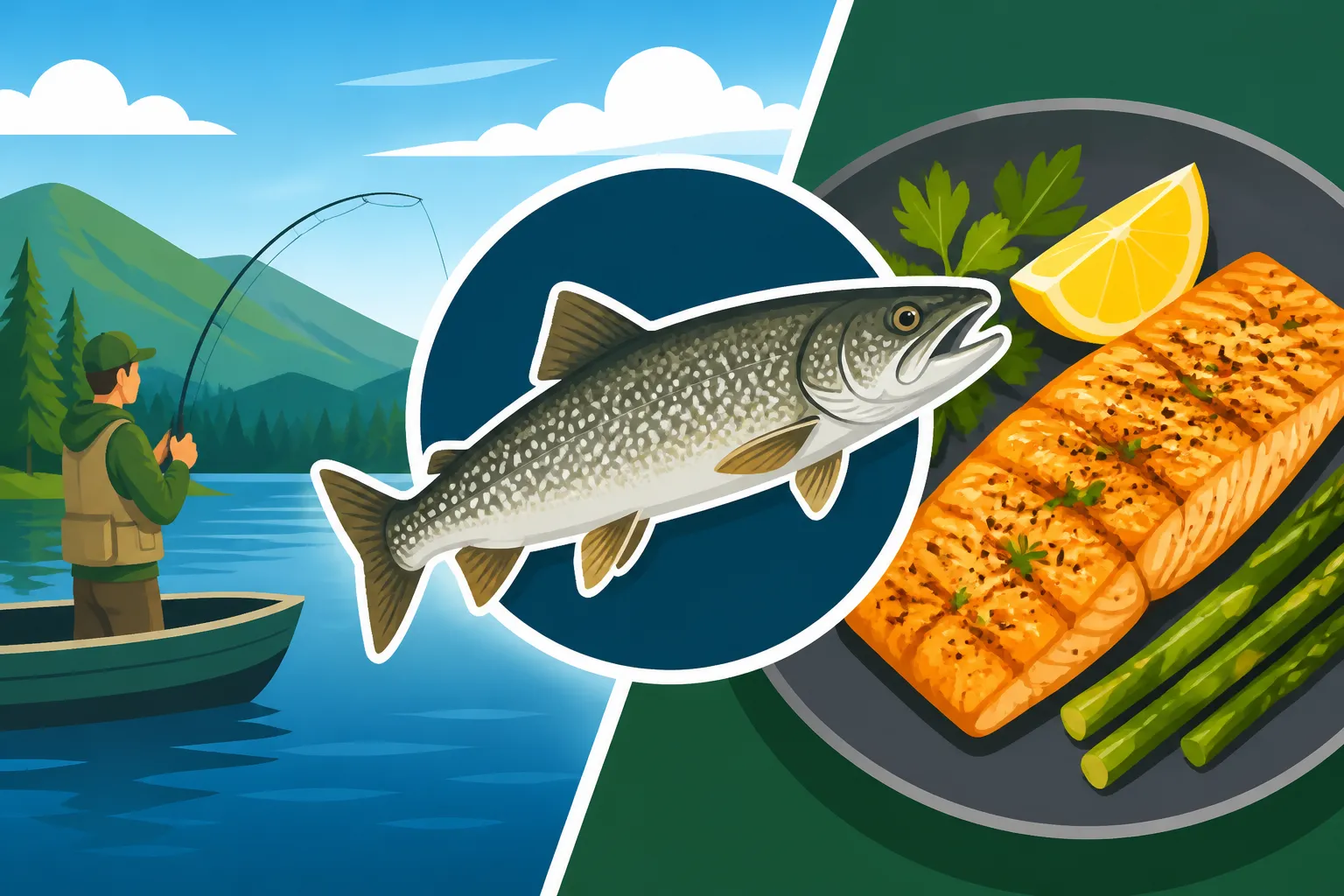
Is Lake Trout Good to Eat?
Many anglers, especially those new to Vermont's stunning waters, often land a beautiful lake trout and then pause, wondering, "Is this fish actually good to eat?" It's a valid question, rooted in anecdotal tales and varied experiences, and it's a concern we hear often. While some swear by the culinary delights of a fresh lake trout, others shy away, recalling experiences with fish that tasted a bit too "fishy" or oily. The truth, like most things in nature, isn't black and white; it's nuanced, depending heavily on where the fish was caught, its size, the season, and how it was handled. This guide will cut through the uncertainty, offering a comprehensive look at what makes a Vermont lake trout a delicious meal and how you can maximize its potential on your dinner plate.
Dispelling the Myths: The Culinary Potential of Vermont Lake Trout
For generations, lake trout have been a staple in many angling communities, yet they sometimes get a bad rap in modern culinary circles. This often stems from a few common misconceptions or past experiences with poorly handled or unusually large specimens. Let's delve into why some might hesitate and why these perceptions might not always tell the full story.
Why Some Anglers Hesitate
It's not uncommon to hear tales of lake trout being "greasy" or having a strong, almost muddy flavor. These descriptions can make even the most adventurous eater pause. Historically, a lot of the lake trout caught were larger, older fish. As fish age and grow, especially larger predatory fish like lake trout, they tend to accumulate more fat. This fat, while an excellent energy reserve for the fish, can absorb flavors from their diet and environment, leading to a richer, sometimes stronger, flavor profile that not everyone appreciates. Moreover, if a fish isn't handled correctly immediately after being caught, its quality can degrade quickly, intensifying any undesirable flavors.
Imagine catching a beautiful, hefty laker after a long day on Lake Champlain. If it's simply tossed into a warm livewell or on the deck to slowly expire, the stress and lack of proper cooling can quickly compromise its flesh. The blood doesn't drain properly, and enzymes begin to break down the muscle tissue, leading to that "fishy" taste that turns people off. This isn't unique to lake trout; it's a factor in any fish. So, the hesitation isn't entirely unfounded if one's only experience is with a large, warm-water-caught, or improperly handled fish.
The Cold, Clear Water Advantage
Here's where the narrative often shifts dramatically for Vermont lake trout. Vermont is blessed with a multitude of deep, cold, and often exceptionally clear lakes, which are prime habitats for lake trout. These environments play a crucial role in shaping the flavor and texture of the fish. Lake trout in colder waters tend to have firmer, less oily flesh because their metabolism is slower, and they burn fat more efficiently to maintain body temperature. This results in a cleaner, milder taste.
Think about a trout pulled from the chilly depths of Lake Willoughby or the deeper sections of Lake Champlain. These fish are metabolically active in cold water, their flesh lean and firm. The clean, pristine environment also means they're less likely to pick up undesirable tastes from their surroundings. This is a significant advantage over lake trout caught in warmer, shallower, or murkier waters, where their fat content can be higher and their flavor stronger. The cold water isn't just a preference for the fish; it's a benefit for the palate.
Decoding the Flavor and Texture: What to Expect
When you're preparing to cook a Vermont lake trout, knowing what to expect in terms of flavor and texture can help you tailor your cooking methods and enhance the dining experience. It's rarely a one-size-fits-all situation, and appreciating the nuances is key.
The Spectrum of Taste: Mild to Rich
The taste of lake trout can genuinely span a spectrum, from surprisingly mild and delicate, almost like a rainbow trout, to a richer, more pronounced flavor. Smaller, younger lake trout, especially those under five pounds caught from very cold, deep waters, often present a light, clean taste. Their flesh is typically whiter or light pink, with a subtle, fresh aroma. These are the fish that can pleasantly surprise those who typically avoid "fishy" flavors.
As lake trout grow larger and age, their diet and fat content tend to increase, which can lead to a richer, more robust flavor. This isn't necessarily a bad thing; many connoisseurs appreciate the depth of flavor in a larger, fattier fish. It's often described as a more "gamey" fish taste, but still distinct from, say, salmon. This richer flavor can stand up well to stronger seasonings and cooking methods like smoking. The key is to understand that a lake trout's flavor is a direct reflection of its life history in the specific Vermont waters it inhabits.
Texture Talk: Firmness and Flakiness
Beyond flavor, the texture is another critical aspect of the lake trout eating experience. Generally, lake trout, especially those from cold water, have a firm, flaky texture. When cooked properly, the flakes separate easily with a fork, revealing moist, tender meat. This firmness makes them quite versatile in the kitchen, holding together well whether grilled, baked, or pan-fried.
However, the fat content can influence the perception of texture. A fattier lake trout might feel a bit softer or more "buttery" in texture, while a very lean one will be firmer and perhaps a little drier if overcooked. The flakiness is generally consistent across different sizes, though larger fish might have thicker, more substantial flakes. This firm, yet flaky, characteristic is part of what makes lake trout an appealing option for a variety of dishes, from simple fillets to flaked fish for tacos or sandwiches. The texture also impacts how well it holds up to different marinades and sauces.
Key Factors Influencing Lake Trout's Palatability in Vermont
Understanding the variables that contribute to a lake trout's taste is crucial for maximizing your culinary success. In Vermont, several factors stand out, from the fish's size to its diet and the specific body of water it calls home.
Size and Age: A Tale of Two Tastes
This is perhaps the most significant factor in determining lake trout flavor. Generally, smaller lake trout (under 5 pounds) are considered the most desirable for eating. These younger fish tend to have leaner, firmer flesh with a milder, more delicate flavor. Their fat content is lower, which translates to less of that "oily" or "gamey" taste that some people dislike. If you're targeting lake trout for the table, focusing on these smaller individuals is often your best bet.
Conversely, larger, older lake trout (over 8-10 pounds) tend to have higher fat content and a more pronounced, robust flavor that some describe as strong or oily. While these lunkers are incredible trophies for sport fishing, their culinary appeal can be more divisive. The fat can carry a stronger flavor, and sometimes, a greater accumulation of environmental compounds (which we'll discuss later). Think of it this way: a young calf's meat is tender and mild, while an older bull's is richer and more intensely flavored. The same principle often applies to fish. When you catch one of these magnificent beasts, you might consider practicing catch and release, allowing it to continue contributing to the fishery, or, if you do keep it, be prepared for a richer, more assertive flavor. You can learn more about the Life span of a lake trout in Vermont lakes to understand their age and growth.
Diet and Habitat: You Are What You Eat
Just like with any animal, a lake trout's diet has a direct impact on its flavor. In Vermont's deep, cold lakes, lake trout are primarily piscivores, meaning they eat other fish. Their main forage species often include rainbow smelt, alewives, sculpins, and other smaller baitfish.
- Smelt-fed lake trout: Often considered the best-tasting. Smelt are oily but have a clean, sweet flavor, which translates into a delicious, often slightly pink-fleshed lake trout. Waters where smelt are abundant, such as parts of Lake Champlain or Lake Willoughby, tend to produce excellent eating fish. If you're wondering what other fish feed on these, you might be interested in What lures imitate the smelt landlocked salmon eat.
- Alewife-fed lake trout: Alewives can also contribute to good flavor, though sometimes they might impart a slightly more "fishy" taste if consumed in large quantities by the trout.
- Sculpin or bottom-dwelling fish diets: Trout that feed heavily on bottom-dwelling creatures might have a slightly earthier flavor.
The habitat itself also plays a role. Lake trout from pristine, cold, oxygen-rich waters tend to taste cleaner than those from warmer, shallower, or less oxygenated environments, where metabolic rates and potential environmental flavors might differ. The pristine nature of many Vermont lakes truly benefits the table quality of these fish. For details on what they consume, check out What Lake Trout Eat in Vermont.
The Impact of Water Temperature
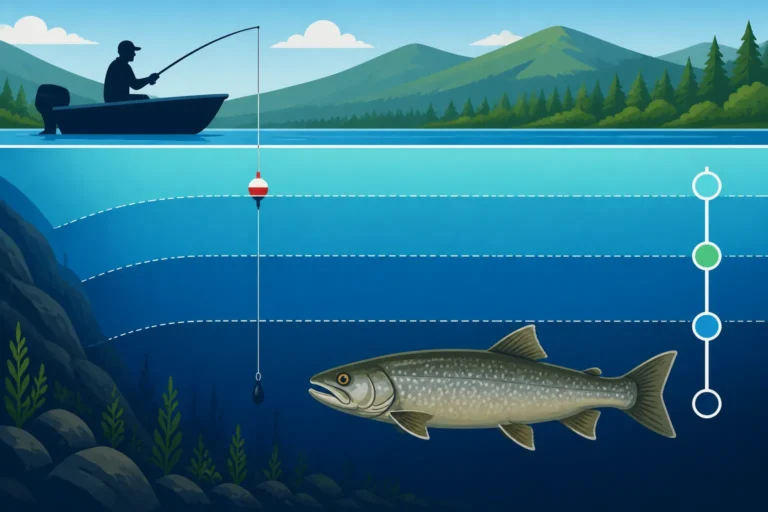
This factor is absolutely paramount for lake trout flavor. Lake trout are a cold-water species, preferring water temperatures generally between 40-55°F (4-13°C). When caught from these frigid depths, their flesh is at its firmest and least oily. This is because their fat content is dispersed differently, and their metabolism is optimized for cold conditions, leading to leaner, cleaner-tasting meat.
Conversely, if lake trout are caught from warmer surface waters (which can happen, especially in shallower lakes or during certain times of year), their flesh tends to be softer and fattier, with a more pronounced, sometimes "fishy" flavor. This is why many anglers targeting lake trout for the table will focus on deeper sections of lakes, often using downriggers or heavy jigs to reach the thermocline where the coldest water and, consequently, the best eating fish reside. Early spring and late fall, when the entire water column is colder, can also be prime times for better-tasting lake trout. Knowing How deep lake trout go in summer can help you find these cooler zones.
| Factor | Smaller Fish (Under 5 lbs) | Larger Fish (Over 8 lbs) |
|---|---|---|
| Flavor | Mild, delicate, clean | Richer, more robust, potentially "gamey" or "oily" |
| Texture | Firm, flaky, moist | Softer, fattier, still flaky |
| Fat Content | Lower, evenly distributed | Higher, more concentrated |
| Best Season | Year-round, especially in cold water | Cold water seasons (early spring, late fall, winter) |
| Preparation | Versatile: baking, grilling, pan-frying, gentle seasonings | Smoking, strong marinades, heavier seasonings |
| Mercury Risk | Lower | Higher (due to age and accumulation) |
Maximizing Flavor: From Catch to Kitchen
Catching a lake trout is only half the battle when it comes to enjoying it on your plate. How you handle and prepare your catch can dramatically influence its final taste and texture. Proper care from the moment it leaves the water until it's ready for the pan is crucial.
Immediate Care on the Water
This is arguably the most critical step for delicious lake trout. Fish flesh begins to degrade rapidly once the fish is out of its cold, oxygenated environment.
- Bleeding (Gilling): Immediately upon landing a fish you intend to keep, cut one of its gills to allow it to bleed out. This is a quick and humane process. Removing the blood from the flesh vastly improves flavor by eliminating many of the compounds that contribute to a "fishy" taste. Do this while the fish is still alive, if possible, for the most effective bleed-out.
- Icing: After bleeding, get your fish onto ice as quickly as possible. A cooler packed with ice is non-negotiable. Submerging the fish completely in an ice-water slurry (more ice than water) is even better, as it chills the fish rapidly and prevents spoilage. This stops enzyme activity and bacterial growth, preserving the freshness and firmness of the meat. A good quality cooler, like those you might find on Amazon, can make all the difference in maintaining that pristine condition until you get home. Neglecting this step is a primary reason why some lake trout develop an off-flavor. For recommendations, consider checking out Best Cooler for a Fishing Boat.
- Filleting Promptly: Once you're back on shore, fillet the fish as soon as you can. A sharp fillet knife, perhaps one you can find on Amazon, is essential for clean cuts. Be sure to remove any dark red or brown lateral line meat, as this is often where stronger flavors are concentrated, especially in larger fish. Some anglers even go a step further and skin the fish and trim off any excess fat from the belly cavity. You might find a guide on Best Fillet Knife for Cleaning Trout helpful.
Recommended Cooking Methods
Lake trout's versatile flesh lends itself well to several cooking methods, each bringing out different aspects of its flavor and texture.
- Smoking: This is hands-down one of the most popular and effective ways to prepare lake trout, especially the richer, fattier specimens. The slow cooking process renders out some of the fat, and the smoke penetrates the flesh, imparting a deep, savory flavor that complements the trout beautifully. A good brine beforehand enhances the flavor and moisture retention.
- Baking/Roasting: A simple and healthy method. Place fillets or a whole, cleaned fish (smaller ones work best for whole roasting) on a baking sheet. Season with herbs like dill, parsley, or thyme, a squeeze of lemon, and a drizzle of olive oil. Bake until flaky. This method is excellent for showcasing the natural, mild flavor of smaller, cold-water lake trout.
- Grilling: For firm fillets, grilling adds a lovely smoky char. Ensure your grill grates are clean and well-oiled to prevent sticking. A cedar plank can also be used to infuse a delicate woody flavor and keep the fish moist.
- Pan-Frying: A classic for a reason. Dredge fillets in a light flour mixture or breading and pan-fry in butter or oil until golden brown and cooked through. This creates a crispy exterior and a tender, moist interior. This works particularly well for smaller fillets.
Complementary Flavors and Ingredients
Lake trout, especially the milder ones, pair wonderfully with a variety of flavors.
- Acids: Lemon, lime, or even a splash of white wine vinegar can brighten the flavor and cut through any richness.
- Herbs: Dill, parsley, chives, thyme, and tarragon are natural companions for trout.
- Aromatics: Garlic and onion, used sparingly, can enhance the dish without overpowering the fish.
- Spices: Paprika, white pepper, and a touch of cayenne can add warmth without masking the delicate flavor. For bolder flavors, especially with smoked trout, consider rubs with brown sugar, smoked paprika, and a touch of chili powder.
- Fats: While lake trout has its own fats, a little butter or good olive oil during cooking can add richness and promote browning.
Consider creating a simple foil packet with your lake trout fillets, some sliced vegetables (onions, bell peppers), herbs, and a pat of butter or olive oil. Seal it up and bake or grill it for an easy, flavorful meal.
Important Health and Consumption Guidelines for Vermont Anglers
While the culinary aspects of lake trout are often discussed, it's equally important for Vermont anglers to be aware of health considerations and consumption advisories. Responsible harvesting includes being informed about what you're eating.
Understanding Fish Consumption Advisories
Like many predatory fish at the top of the food chain, lake trout can accumulate contaminants, primarily mercury and polychlorinated biphenyls (PCBs), in their flesh. These substances are present in the environment and can build up in fish over time. The larger and older a fish is, the more time it has had to accumulate these contaminants. This is why official fish consumption advisories are so important.
The Vermont Department of Health, in conjunction with the Vermont Fish & Wildlife Department, regularly issues advisories for various fish species and bodies of water across the state. These advisories provide guidelines on how much of certain fish species, from specific lakes, is safe to consume, especially for vulnerable populations such as pregnant women, nursing mothers, young children, and women of childbearing age. For example, advisories might recommend limiting consumption of large lake trout from certain parts of Lake Champlain due to PCB levels, or from other lakes due to mercury. These advisories are not meant to deter you from enjoying your catch but to ensure you do so safely. Always consult the most current Vermont fish consumption advisories before planning your meal. You can find more specific information on Mercury advisory fish species in Vermont waters. Understanding the Lake Trout Spawning Season in Vermont and the fish's life cycle can also give context to why older fish might accumulate more.
Safe Preparation Practices
Beyond advisory guidelines, general safe food handling practices are crucial when preparing any fish.
- Cleanliness: Always start with clean hands, cutting boards, and utensils. Cross-contamination is a real risk, so use separate cutting boards for fish and other foods.
- Temperature Control: Keep fish refrigerated below 40°F (4°C) until you are ready to cook it. Thaw frozen fish in the refrigerator, not at room temperature.
- Thorough Cooking: Cook fish to an internal temperature of 145°F (63°C). The flesh should be opaque and flake easily with a fork. While some prefer raw or undercooked fish, it carries a higher risk of foodborne illness.
- Avoid Raw Consumption from Lakes with Advisories: If a fish species from a particular body of water has consumption advisories, it's best to avoid eating it raw (e.g., sushi or sashimi preparations), as cooking does not eliminate mercury or PCBs.
By following these guidelines, you can not only enhance the deliciousness of your Vermont lake trout but also ensure that your culinary enjoyment is as safe as it is satisfying. Lake trout can indeed be a fantastic meal, a true taste of Vermont's cold, clear waters, provided you give it the care and respect it deserves from the moment it leaves the lake.
Disclaimer
This article is for general informational purposes only and does not constitute professional advice. Laws, prices and regulations vary by location and change over time. Consult a qualified professional for guidance on your specific situation.