Smallmouth Bass Habits on Lake Champlain
One of the most exciting aspects of fishing Lake Champlain is the incredible smallmouth bass fishery it supports, yet understanding their elusive habits and patterns can feel like trying to solve a complex puzzle. Many anglers arrive eager to cast, only to find themselves scratching their heads when the bite isn't on, simply because these intelligent fish behave differently depending on the season, weather, and even the time of day. This comprehensive guide will pull back the curtain on the fascinating habits of Lake Champlain smallmouth bass, offering insights into their seasonal movements, feeding patterns, spawning rituals, and environmental influences, so you can approach your next outing with confidence and a much deeper understanding of these feisty bronze beauties.
Understanding the Lake Champlain Smallmouth: A Vermont Icon
Lake Champlain's smallmouth bass are more than just a popular sport fish; they're a dynamic part of the lake's ecosystem, perfectly adapted to its vast, diverse waters. Often revered for their incredible fighting spirit and acrobatic leaps, these fish present a rewarding challenge for any angler. To consistently find and catch them, it's essential to first grasp the fundamentals of what makes them tick in this unique environment.
Physical Characteristics and Identification
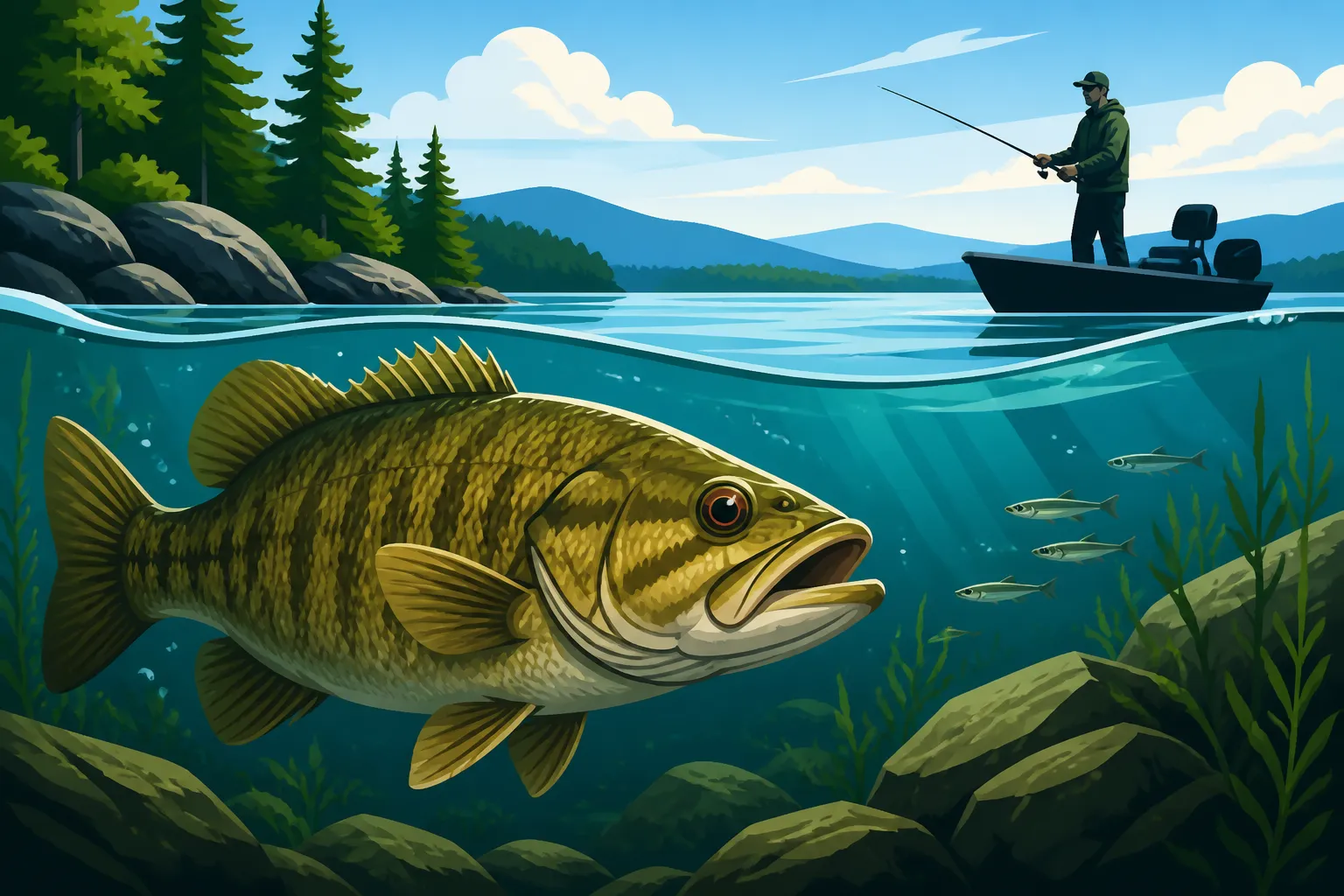
Smallmouth bass (Micropterus dolomieu) are distinguished by their bronze-brown coloration, often mottled with vertical bars that can range from subtle to quite pronounced, depending on their habitat and mood. Unlike their largemouth cousins, their upper jaw typically does not extend beyond the back of their eye, giving them a more compact, "small" mouth appearance, hence the name. They also possess red eyes, which adds to their striking appearance. Their powerful, streamlined bodies are built for chasing prey in open water and negotiating current, making them formidable fighters on the end of a line.
Their coloring can vary greatly from fish to fish and even within the same fish throughout the day. Smallmouth caught in clear, rocky areas of Lake Champlain, such as around the many islands or along prominent points, tend to exhibit lighter, more bronze hues. Conversely, fish living in murkier, weedy bays might appear darker, almost blackish, allowing them to blend seamlessly with their surroundings. Observing these subtle color differences can sometimes give you a clue about the specific type of habitat a particular fish frequents.
Beyond visual cues, their muscular build is instantly recognizable. You'll notice a much thicker caudal peduncle (the narrow part of the body connecting to the tail fin) and a deeply forked tail, both features contributing to their explosive bursts of speed and incredible endurance during a fight. This robust physiology is what allows them to thrive in the sometimes turbulent and often deep waters of Lake Champlain, giving anglers a truly memorable experience.
General Behavior and Temperament
Smallmouth bass are known for being more active and aggressive than many other freshwater species, often pursuing prey with remarkable intensity. They are visual hunters, relying heavily on their keen eyesight to spot movement and interpret their surroundings. This makes them highly responsive to fast-moving lures and sudden changes in presentation. When a smallmouth decides to strike, it’s usually with a hard, decisive hit that sends a jolt right up your arm.
They are also incredibly curious fish. While they can be wary in heavily pressured areas, they are often drawn to disturbances or unusual movements in the water. This curiosity can be leveraged by anglers who use erratic retrieves, sudden jerks, or even dead-sticking techniques to pique their interest. Don't be surprised if a smallmouth follows your lure right to the boat, inspecting it before deciding whether to commit. Their inquisitive nature means that sometimes, just a little extra patience or a slight change in retrieve speed can make all the difference.
Socially, smallmouth bass often exhibit schooling behavior, especially younger fish, or during certain feeding phases. Finding one smallmouth often means finding a whole group. They communicate through subtle body language and possibly chemical cues, allowing them to coordinate feeding efforts or warn each other of predators. This schooling habit is a boon for anglers, as it means once you locate a productive area, you can often enjoy multiple hook-ups from the same general vicinity. Understanding their gregarious nature is key to unlocking consistent success.
Preferred Habitats Across Lake Champlain
Lake Champlain, with its vastness and varied structure, offers a smorgasbord of habitats that smallmouth bass adore. Generally, they prefer clear, cool, oxygen-rich water with plenty of rock, gravel, and submerged structure. You’ll rarely find them hunkered down in dense weed beds like largemouth bass; instead, they gravitate towards harder bottom areas. Think rocky points, shoals, reefs, humps, and ledges. These areas provide excellent ambush points for feeding and protection from predators.
In the northern reaches of Lake Champlain, particularly around the many islands like Butler, Providence, and Valcour (on the NY side, but impacting overall lake habits), you'll find extensive rocky bottoms and steep drop-offs that are prime smallmouth territory. The constantly circulating water around these structures keeps oxygen levels high and attracts baitfish, creating ideal conditions. Lake Champlain Fishing Guide offers a broader look at the lake’s diverse fishing opportunities, many of which are perfect for smallmouth.
Further south, in areas like the Inland Sea or around the broader lake, smallmouth will still seek out similar hard structures, even if they are less dramatic. Submerged humps, old foundations, gravel bars, and the edges of navigation channels become key features. These fish are experts at using subtle changes in depth and bottom composition to their advantage, often relating to the "breaks" where shallow water abruptly drops into deeper zones. Understanding these preferences is vital for successful Lake Champlain Smallmouth Bass Fishing.
Seasonal Movements and Patterns
One of the most critical aspects of consistently catching smallmouth bass on Lake Champlain is understanding their seasonal movements. These fish are highly migratory, their behavior dictated largely by water temperature, spawning urges, and the availability of food. What works in spring won't necessarily work in summer, and a failure to adapt means a frustrating day on the water.
Spring: Pre-spawn and Spawning Aggression
As the ice retreats from Lake Champlain and water temperatures begin their slow climb from the mid-30s into the 40s Fahrenheit, smallmouth bass start to emerge from their deep wintering holes. This is the pre-spawn period, and it's a time of increasing activity and hunger. Initially, they'll be lethargic, slowly moving up from the deepest parts of the lake to shallower, sun-warmed bays and flats. They’re looking for areas that absorb solar heat, often bays with dark, rocky bottoms.
During this pre-spawn phase, typically when water temperatures hit the mid-40s to low-50s, smallmouth begin to feed heavily, gorging themselves to build energy for the strenuous spawning process ahead. They'll often school up in staging areas adjacent to their eventual spawning grounds. These might be slightly deeper points or shelves outside a protected bay, where they can ambush baitfish and crayfish. This can be one of the most productive times for anglers willing to brave the chilly Vermont spring. Lure choices during this time often focus on slow-moving presentations that mimic vulnerable bait, or jigs that simulate crawfish. For some great tips, check out Best Baits for Smallmouth Bass on Lake Champlain.
Once water temperatures consistently reach the high 50s and low 60s Fahrenheit, the spawning ritual begins. Males move into shallower areas, typically 2-15 feet of water, seeking out gravel, sand, or rocky bottoms to fan out their nests. They become incredibly aggressive, protecting their chosen territory from anything that approaches. Females then move in to deposit eggs. This period is characterized by fierce, territorial strikes, making it an exciting time to target smallmouth, though responsible catch-and-release is paramount to protect the future of the fishery. When smallmouth bass spawn in Vermont provides more detail on this critical period.
Summer: Deep Water and Structure Reliance
As Lake Champlain warms into the high 60s and 70s Fahrenheit during summer, smallmouth bass often transition to deeper, cooler waters. They seek out thermal refuges and structure where they can find relief from the heat and still access ample forage. This means moving to deep rock piles, underwater humps, main lake points that extend into deep water, and steep drop-offs. While you might still find some active fish shallow in the early morning or late evening, the prime bite often moves down.
During the hottest parts of the day, smallmouth will often suspend over deep structure or hug the bottom in 20, 30, or even 40 feet of water. They become more solitary or form loose schools, focusing on conserving energy and ambushing unsuspecting prey. This is where a good fish finder becomes invaluable, helping you locate these deeper schools and the structure they relate to. Many anglers turn to vertical jigging, drop-shotting, or deep-diving crankbaits to reach these suspended fish. For a comprehensive overview of how fish finders can enhance your success, consider reading Best Fish Finders for Vermont Lakes.
As the summer progresses, particularly during periods of stable weather, smallmouth can become quite predictable in their deep-water haunts. They establish routines, moving along ledges or between humps, often following specific contours. Understanding these patterns, and having the right gear to present baits effectively at depth, is key. This might mean investing in heavier lines or specialized rods, which you can easily find on platforms like Amazon if your local tackle shop doesn't have exactly what you need.
Fall: Feeding Frenzies and Winter Preparation
When the crisp Vermont air arrives and Lake Champlain’s water temperatures begin to drop from the 70s back into the 60s and then 50s, smallmouth bass enter their fall feeding frenzy. This is arguably one of the most exciting times to target them. With winter approaching, they instinctively know they need to pack on fat reserves, leading to aggressive feeding behavior. They become less wary and more willing to chase down a meal.
During early fall, smallmouth often push baitfish, like alewives and perch, into shallower bays and onto points. This creates spectacular surface feeding opportunities, especially on calm, overcast days. Anglers will find success with topwater lures, jerkbaits, and spinnerbaits cast towards breaking fish or likely ambush points. These fish are actively hunting and will readily strike.
As temperatures continue to fall into the 40s, smallmouth will retreat from the extreme shallows but remain active in structure-rich areas adjacent to deeper water. They’ll congregate on main lake points, reefs, and rocky humps where they can access food before making their final move to wintering grounds. This is a fantastic time for jigging spoons, swimbaits, and blade baits, as the fish are still active but may require a slower presentation in the colder water. Observing the feeding patterns of these fish can also inform your approach to Best Bass Fishing Techniques for Lake Champlain.
Winter: Dormancy and Ice Fishing Considerations
Once Lake Champlain's surface freezes over and water temperatures drop into the low 30s, smallmouth bass enter a state of semi-dormancy. They seek out the deepest, most stable water available, often congregating in large schools in deep basins, channels, or off major drop-offs. Their metabolism slows dramatically, and their feeding activity becomes minimal and opportunistic. Catching them through the ice requires a specialized approach.
Ice anglers targeting smallmouth typically look for these deep-water congregations, using sensitive electronics to pinpoint schools of fish often suspended near the bottom. The presentation needs to be subtle and slow, as the fish are not actively chasing. Small jigs tipped with bait, tiny spoons, or slow-moving swimbaits can entice a strike. It's a game of patience and finesse, quite different from the aggressive tactics of warmer months.
While smallmouth can be caught through the ice, they are not the primary target for most Vermont ice anglers, who often focus on perch, northern pike, or walleye. However, incidental catches of smallmouth are not uncommon, especially in deeper areas of the lake. Remember that even in winter, smallmouth will relate to underwater contours and structure, so understanding the lake’s topography is crucial. For information on when the ice fishing season typically runs, see Vermont Ice Fishing Season Dates.
Foraging Habits and Diet on Lake Champlain
The diet of smallmouth bass on Lake Champlain is diverse and plays a crucial role in their growth, health, and ultimately, their behavior. Understanding what they eat, and when, is key to selecting the right lures and presentations. These fish are opportunistic predators, meaning they'll eat whatever is available and easy to catch.
Key Forage Species
On Lake Champlain, smallmouth bass primarily feed on a variety of prey items. Crayfish are a huge staple, especially in rocky areas. Smallmouth absolutely love them and will aggressively root them out from under rocks. Mimicking a crayfish with a jig or soft plastic can be incredibly effective, especially in spring and fall. These crustaceans provide a rich source of protein and are readily available in many parts of the lake.
Beyond crayfish, various baitfish make up a significant portion of their diet. Alewives, rainbow smelt, yellow perch, and various shiners are all on the menu. Smallmouth will actively pursue schools of these baitfish, often herding them against structure or into open water. This is why lures that imitate baitfish, such as jerkbaits, swimbaits, and crankbaits, are so effective. The presence and abundance of these baitfish populations directly influence where smallmouth will concentrate. For example, if there's a strong smelt run in early spring, smallmouth will often follow them into shallower areas.
Insect larvae and aquatic insects also contribute to their diet, particularly for smaller bass or during specific hatches. While not as dominant as crayfish or baitfish, they are an important food source, especially in tributary mouths or during periods of low baitfish availability. This varied diet showcases the adaptability of the smallmouth bass in Lake Champlain.
Opportunistic Feeding Strategies
Smallmouth bass are master opportunists, constantly scanning their environment for an easy meal. They employ a range of feeding strategies depending on the time of year, water conditions, and the type of prey available. In clear water, they'll use their exceptional eyesight to stalk prey from a distance, then ambush it with a sudden burst of speed. This makes them vulnerable to lures that mimic fleeing baitfish.
They are also adept at foraging along the bottom, using their sense of smell and lateral line system to detect hidden crayfish or other invertebrates. This is where jigs and soft plastics dragged or hopped along the bottom shine. During active feeding frenzies, they might key in on a specific baitfish hatch or a large school of alewives, suspending just below the bait ball and darting up for a meal. When this happens, matching the hatch (or baitfish) with your lure choice can be incredibly effective.
Furthermore, smallmouth bass are not above scavenging. They might pick off dead or injured baitfish, or even consume fish eggs if available. This opportunistic nature means that a wide variety of lure types can be effective, provided they are presented in a way that triggers their predatory instincts or mimics a vulnerable food source. Experimentation with different lures and presentations is often the key to cracking the code on a given day.
Impact of Forage on Lure Selection
Knowing what smallmouth are currently feeding on is arguably the most crucial piece of information for lure selection. If crayfish are abundant in an area, a brown, green pumpkin, or dark-colored jig or soft plastic creature bait that imitates a crayfish will often outperform other lures. Think about the texture, too – a bait with flailing claws or appendages can perfectly mimic a defensive crayfish.
When smallmouth are actively chasing baitfish, your lure choice should reflect the size, shape, and color of the dominant baitfish. Long, slender jerkbaits or swimbaits that imitate alewives or shiners are excellent. If the baitfish are smaller, downsize your lure accordingly. Sometimes, even the retrieve speed can mimic the frantic escape of a panicked baitfish. A good angler pays attention to what’s in the livewell of successful boats or what’s regurgitated by a landed fish.
Forage dictates not just the lure, but also the technique. If fish are actively feeding on the surface, topwater lures are the obvious choice. If they're hugging bottom and rooting for crayfish, a Texas-rigged creature bait or jig fished slowly is more appropriate. The best way to stock your tackle box is to have a diverse selection that covers these common forage types and feeding behaviors. You can find a huge variety of options, from soft plastics to hard baits, through online retailers like Amazon, ensuring you're ready for any situation Lake Champlain throws at you.
Spawning Rituals and Reproduction Success
The successful reproduction of smallmouth bass on Lake Champlain is vital for the health and sustainability of the fishery. Understanding their spawning rituals not only helps anglers predict their movements but also highlights the importance of responsible angling practices during this sensitive period.
Nesting Behavior and Site Selection
When Lake Champlain's water temperatures stabilize in the high 50s to low 60s Fahrenheit, typically from late May into June, male smallmouth bass initiate the spawning process. They migrate to shallow water, usually 2 to 15 feet deep, depending on water clarity and protection from wind and waves. Their primary goal is to find a suitable nesting site. They prefer areas with hard bottoms – gravel, small rocks, or firm sand – free from excessive silt or vegetation. These sites are often found in protected bays, along gradual points, or on sheltered flats.
Once a male selects a spot, he uses his tail to fan out a circular depression, typically 1 to 2 feet in diameter, clearing away debris and creating a clean surface for the eggs. This fanning action is crucial for oxygenating the eggs. These nests are often located near a piece of cover like a submerged log, a large rock, or a dock pilings, which provides a sense of security and a landmark. The male will aggressively defend this territory from other fish, even larger ones, and anything else perceived as a threat.
Multiple males might construct nests in close proximity, creating a "spawning colony," especially in highly desirable areas. This communal nesting can offer some collective protection. As the females move into these areas, they are attracted to the fanned-out nests and the displaying males. The selection of a good nest site is critical; it must offer sufficient protection from predators, adequate water flow for oxygenation, and stable temperatures for egg development.
Parental Care and Fry Development
After a female deposits her eggs in the nest, and the male fertilizes them, her role in the reproductive process is largely complete. The male, however, takes on the crucial responsibility of parental care. He guards the nest diligently, fanning the eggs with his fins to keep them clean and oxygenated, and fiercely driving away any potential predators such as panfish, minnows, or even other bass. This paternal dedication is a hallmark of smallmouth bass.
The eggs typically hatch within a few days to a week, depending on water temperature. Once hatched, the tiny, translucent fry remain in the nest for several more days, absorbing nutrients from their yolk sacs. During this stage, the male continues his vigilant guard, ensuring their safety. As the fry develop and become free-swimming, they eventually disperse from the nest, often forming small schools in nearby shallow, protected areas. This period of direct parental care is essential for the survival of the young bass and highlights why disturbing nests can be so detrimental to the population.
As the fry grow, they feed on microscopic organisms and tiny aquatic insects. Their survival rate is influenced by many factors, including predation, food availability, and environmental conditions. The entire spawning process, from nest building to fry dispersal, is a delicate balance that is highly sensitive to external pressures.
Factors Affecting Spawning Success
Several environmental factors can significantly impact the spawning success of Lake Champlain smallmouth bass. Water temperature is paramount; sudden drops in temperature during or immediately after spawning can lead to egg mortality or cause males to abandon their nests. Prolonged cold snaps can delay spawning, shortening the growing season for the young and making them more vulnerable.
Water levels and clarity are also critical. Rapid fluctuations in lake levels, especially drops, can expose nests to air or leave them vulnerable to predation. Excessive turbidity from heavy rains or runoff can smother eggs or make it difficult for males to see and fan their nests effectively. Strong winds and waves can wash out nests in exposed areas, disrupting the entire process. Anglers should be mindful of these conditions and consider postponing fishing in known spawning areas during particularly harsh weather.
Predation on eggs and fry is another significant factor. While the male guards the nest, some predators are relentless. Other fish, aquatic insects, and even birds can take a toll. The overall health of the ecosystem, including the abundance of forage and the control of invasive species, also plays a role. A healthy, balanced environment provides the best conditions for smallmouth bass to successfully reproduce and maintain robust populations in Lake Champlain.
Environmental Factors Influencing Smallmouth Habits
Smallmouth bass are incredibly attuned to their environment. Subtle changes in water temperature, clarity, or even the introduction of a new species can drastically alter their behavior and distribution across Lake Champlain. Understanding these influences can help you anticipate their movements and adapt your fishing strategies.
Water Temperature and Oxygen Levels
Water temperature is perhaps the single most important factor influencing smallmouth bass habits. These fish have an optimal temperature range for feeding, spawning, and general activity, typically between 60-75 degrees Fahrenheit. Outside of this range, their metabolism slows down, and they become less active. In colder water, they move slowly and feed sparingly, seeking out deeper, more stable temperatures. In warmer water, particularly above 75 degrees, they can become stressed, seeking cooler thermal refuges or deeper, oxygen-rich zones. What water temperature smallmouth bass prefer delves deeper into their thermal preferences.
Oxygen levels are closely tied to temperature and are equally critical. Cold water holds more dissolved oxygen than warm water. During hot summer months, especially in deeper lake sections or stagnant bays, oxygen levels can deplete at certain depths. Smallmouth will actively avoid these low-oxygen areas, congregating in zones where oxygen is plentiful, often near current, spring-fed areas, or cooler thermocline layers. A good fish finder with temperature and oxygen readings (if available) can provide invaluable insights into where the smallmouth are comfortable.
Understanding the thermocline – the layer in a lake where the water temperature changes rapidly with depth – is vital in summer. Smallmouth will often orient themselves directly above, within, or just below the thermocline, finding their preferred balance of temperature and oxygen. This knowledge can help you target the exact depth range where active fish are most likely to be holding, saving you countless unproductive casts.
Lake Levels and Water Clarity
Lake Champlain's water levels can fluctuate throughout the year due to rainfall, snowmelt, and outflow management. These fluctuations directly impact smallmouth habitat. High water levels can push smallmouth into newly flooded shoreline cover, such as bushes or shallow rocky areas that were previously exposed. This creates new ambush points and expands their feeding grounds. Conversely, low water levels can condense fish into smaller areas, expose prime spawning grounds, or make access to certain spots difficult for anglers.
Water clarity also profoundly affects smallmouth behavior, largely because they are primarily visual predators. In clear water, they tend to be warier, relying on cover and depth for security. They might be more sensitive to boat noise and line visibility, requiring lighter lines and longer casts. On the other hand, clear water allows them to spot prey from a greater distance, leading to aggressive chases. For tactics to deal with clear water, check out Best Fluorocarbon Line for Clear Lake Water.
In stained or slightly murky water, smallmouth can become less cautious and more willing to venture into shallower areas. Their visibility is reduced, so they rely more on their lateral line to detect vibrations. This makes noisy lures, like crankbaits with rattles or spinnerbaits, particularly effective. However, excessively muddy water can shut down the bite entirely, as both predator and prey struggle to see. Adapting your lure colors and presentations to match the current clarity is a tactic that can pay huge dividends.
Impact of Invasive Species
Lake Champlain, like many large freshwater systems, has seen its share of invasive species, and some of these have had a direct impact on smallmouth bass habits. Zebra mussels, for example, have significantly increased water clarity in many parts of the lake. While this might initially seem beneficial, it has forced smallmouth to adapt to more intense light penetration, often pushing them deeper or making them more skittish in shallow water. They've had to adjust their feeding habits to cope with the changed light conditions.
Another invasive species, the alewife, has become a significant forage base for smallmouth bass. While alewives provide an abundant food source, their presence can sometimes lead to what's known as "trophic cascades" where changes in one species impact others. Smallmouth will often key in on these silvery baitfish, developing specific patterns related to alewife movements and schools. Anglers often find success matching the size and flash of an alewife when fishing for smallmouth in areas where they are prevalent.
While not always negative, the introduction or proliferation of invasive species forces smallmouth bass to adapt. This might mean shifts in preferred habitats, changes in feeding patterns, or even alterations in spawning success if new species compete for resources or prey on eggs and fry. Monitoring these ecological shifts is crucial for fisheries managers and offers valuable insights for anglers trying to understand the ever-evolving habits of Lake Champlain's smallmouth.
Angler's Perspective: Targeting Smallmouth Based on Habits
Armed with knowledge of smallmouth bass habits, you're better equipped to approach Lake Champlain with a strategic mindset. It's no longer just about casting randomly; it's about making educated guesses and adapting your approach to what the fish are likely doing.
Reading the Water and Interpreting Behavior
One of the most valuable skills an angler can develop is the ability to "read the water." This means observing subtle clues that indicate where smallmouth might be and how they might be behaving. Are there baitfish flickering on the surface? That suggests active feeding. Are birds diving? Another sign of baitfish being pushed to the surface, potentially by hungry bass. Is the wind blowing into a rocky point? That can create current and concentrate bait, making it a prime ambush spot.
Beyond surface activity, paying attention to depth contours on your map or fish finder is crucial. Smallmouth often relate to specific breaks, humps, or points. If you catch a fish on a particular type of structure at a certain depth, make a mental note – chances are, other fish will be doing the same thing nearby. Even the time of day and light conditions play a role; smallmouth might be shallower and more active in low light, retreating to deeper cover during bright, midday sun.
Interpreting bites is also key. A hard, aggressive strike might mean an actively feeding fish, while a subtle "thump" could indicate a more hesitant, wary smallmouth. Adjusting your retrieve speed, lure size, or even moving to a different spot can be the right move. This continuous process of observation, hypothesis, and adaptation is what separates consistent anglers from those who merely get lucky. For general tips on how average size affects a fish, see Smallmouth Bass Average Size in Vermont Lakes.
Adapting Techniques to Seasonal Habits
Once you understand the seasonal habits, adapting your fishing techniques becomes much more intuitive. In spring, when smallmouth are transitioning from deep water to shallower spawning grounds, slow-moving baits like jigs, tubes, or suspending jerkbaits fished patiently in staging areas are often highly effective. You're trying to appeal to a fish that's still a bit lethargic but building energy for the spawn.
Come summer, when the bass push deep, your techniques must follow. This means employing vertical presentations like drop-shotting, jigging spoons, or using heavy Carolina rigs on deep humps and ledges. Trolling deep-diving crankbaits can also cover vast amounts of water and locate scattered fish. The key is getting your lure down to where the fish are holding in their thermal refuge. For ideas on fishing at different depths, consider How deep walleye go in summer on Lake Champlain (though for walleye, the principle applies).
Fall brings back aggressive feeding, making faster presentations more viable. Topwater lures, spinnerbaits, and fast-moving jerkbaits can be incredibly productive as smallmouth chase baitfish. As the water cools further, a slightly slower retrieve with blade baits or lipless crankbaits might be necessary as they transition to their wintering patterns. This constant adjustment to the season and corresponding smallmouth habits is paramount for success.
Responsible Angling for Sustainable Populations
While catching smallmouth bass on Lake Champlain is incredibly fun, it's our responsibility as anglers to ensure the sustainability of this fantastic fishery. This means practicing responsible angling, especially when you encounter fish during sensitive times like the spawning season. Catch-and-release is a fundamental practice. If you plan to keep fish, always adhere strictly to Vermont Bag and Possession Limits by Species and local regulations.
Proper handling of fish is also crucial. Use appropriate tackle that allows you to land fish efficiently without over-stressing them. When handling a smallmouth, especially a large one, support its body horizontally and avoid holding it vertically by the jaw alone, as this can cause internal damage. Use a landing net designed to minimize harm, such as one with rubberized mesh, to protect their slime coat and fins. Many excellent rubberized nets are available online, including through Amazon, that are designed for catch and release.
Finally, be mindful of your impact on the environment. Avoid littering, and respect private property around the lake. Report any unusual fish kills or environmental concerns to the Vermont Fish and Wildlife Department. By understanding and respecting the habits of Lake Champlain's smallmouth bass, and practicing ethical angling, we can help ensure that future generations can enjoy the same incredible fishing experiences we do.
Disclaimer
This article is for general informational purposes only and does not constitute professional advice. Laws, prices and regulations vary by location and change over time. Consult a qualified professional for guidance on your specific situation.