How long lake trout live in Vermont
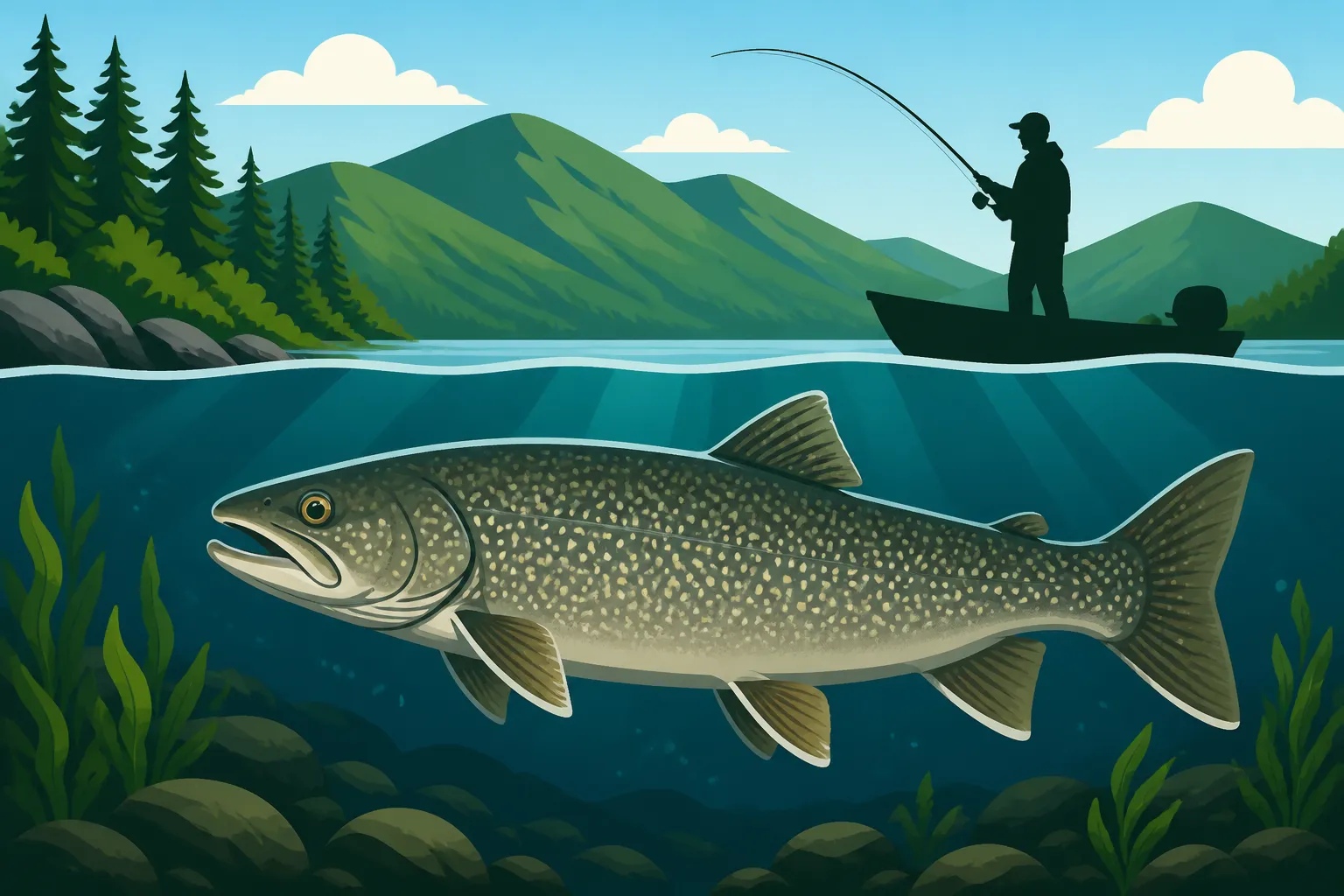
For many anglers, there’s a mystique surrounding Vermont’s lake trout, a species known for its endurance and often impressive size. You might find yourself wondering just how long these majestic fish truly grace our deep, cold waters. This guide dives deep into the lifespan of lake trout in the Green Mountain State, exploring the factors that contribute to their incredible longevity and offering insights into how we, as anglers, can help protect these venerable residents for generations to come.
The Life Cycle of a Vermont Lake Trout: More Than Just a Fish Story
Understanding how long a lake trout lives begins with appreciating its entire life journey. From a tiny egg barely clinging to rocky shoals to a massive, wise old laker patrolling the depths, each stage presents its own set of challenges and triumphs. Vermont's unique aquatic environments play a crucial role in shaping this long and often arduous path.
Early Life: A Tough Start in Cold Waters
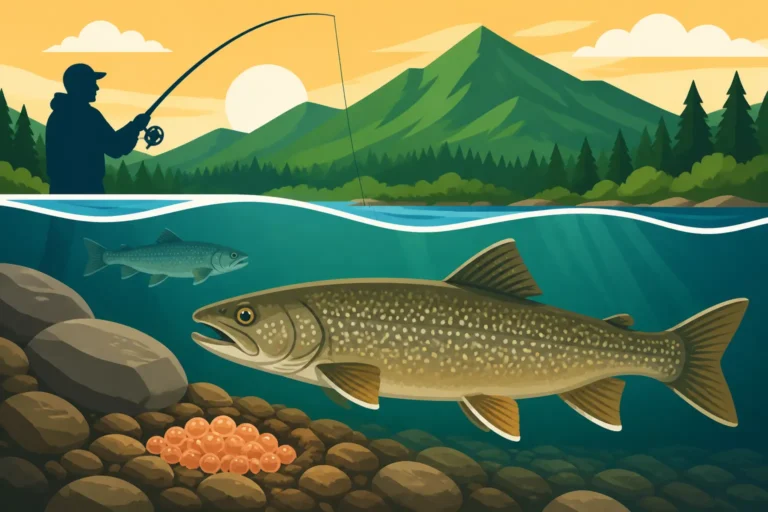
The journey of a Vermont lake trout begins not in a comfortable nest, but on rocky shoals in deep, cold water. Unlike many other trout species that build redds in gravelly stream bottoms, lake trout deposit their eggs directly onto clean, broken rock and rubble in the lake, typically in late fall. These eggs then settle into crevices, offering some protection from predators and the harsh winter currents. It's a tough existence right from the start.
Survival rates during this embryonic stage can be quite low. The eggs are vulnerable to siltation, oxygen depletion, and a host of aquatic predators like minnows, sculpins, and even other lake trout looking for an easy meal. Water temperature is critical; consistently cold water is essential for proper development. Once hatched, typically in early spring, the tiny fry, often no more than a centimeter long, carry a yolk sac that provides initial sustenance. They remain hidden among the rocks, slowly absorbing this energy before venturing out to find their first meals, usually microscopic zooplankton. The sheer number of eggs laid by a single female is a testament to the low survival rate of these vulnerable young.
Growth and Maturation: Slow and Steady Wins the Race
Once the yolk sac is absorbed and the fry begin actively feeding, they enter a phase of slow, deliberate growth. Vermont's deeper lakes, while pristine and cold, aren't always teeming with an abundance of easily accessible food. This means lake trout grow at a much slower rate compared to, say, a rainbow trout in a nutrient-rich stream. For their first few years, they remain relatively small, focusing on avoiding predators like larger fish and osprey.
As they grow, their diet shifts from zooplankton and insects to larger forage. Smelt, cisco, and various baitfish become crucial components of their diet, allowing them to pack on pounds and length. In many Vermont waters, a lake trout might not reach sexual maturity until it's 5 to 7 years old, sometimes even older, especially for females. This slow maturation is a key indicator of their potential for a long life; they invest years into growing strong before they even begin to reproduce. The availability of a healthy forage base directly impacts how quickly they can grow and, by extension, how robust they become, setting the stage for a long and healthy adult life.
Spawning Habits: A Generational Legacy
Lake trout are creatures of habit, and their spawning rituals are deeply ingrained. As mentioned, they typically spawn in late fall, often between October and December, depending on water temperatures. They don't build elaborate nests but rather seek out specific rocky shoals, often at depths ranging from a few feet to over 50 feet, where the eggs can settle into the interstitial spaces between rocks. These sites are often traditional, used year after year by successive generations. You can learn more about this crucial time of year in our guide on Lake Trout Spawning Season in Vermont.
Both males and females participate in the spawning event. Females release their eggs, which are then externally fertilized by males. There's no parental care beyond the initial deposition. While a female might lay thousands of eggs in a single season, she doesn't spawn every year once she's mature. Some larger, older females might only spawn every two or three years, allowing their bodies to recover. This intermittent spawning, coupled with their slow growth and late maturation, means that each spawning event is vital for maintaining the population. The long-lived nature of lake trout ensures that these crucial, experienced breeders are around for many seasons, contributing significantly to the genetic health and resilience of the fishery. It’s truly a generational legacy unfolding beneath the waves.
Key Factors Influencing Lake Trout Longevity in Vermont
The sheer beauty of Vermont's landscape isn't just for postcard pictures; it's also fundamental to the health and longevity of its lake trout populations. Several critical factors, both natural and human-influenced, play a significant role in determining how long these fish can thrive.
Environmental Conditions: The Cold, Clear Water Advantage
If there's one thing a lake trout truly needs to live a long life, it's cold, highly oxygenated water. They are a salmonid species, perfectly adapted to the deep, frigid environments of oligotrophic lakes – those that are deep, clear, and relatively low in nutrients. Vermont is blessed with several such waters, notably Lake Champlain and Lake Willoughby, which provide ideal conditions. What water temperature lake trout prefer is typically below 55°F, and often much colder, especially as they get older and larger.
These deep lakes stratify in the summer, meaning layers of water with different temperatures form. Lake trout retreat to the deepest, coldest layers where oxygen levels remain high. Climate change and warmer summers pose a threat, as warmer surface temperatures can compress the amount of cold, oxygen-rich "thermal refuge" available to them. A lake with ample deep, cold water throughout the year offers a more stable and less stressful environment, allowing lake trout to conserve energy, avoid thermal stress, and ultimately live longer. Lakes that lose this cold-water habitat due to shallowness or poor water quality simply cannot sustain long-lived lake trout populations.
Food Availability and Forage Base: A Steady Diet
Imagine trying to grow big and strong without a consistent food supply. It's the same for lake trout. Their longevity is directly tied to the availability of a robust and stable forage base. In Vermont, key forage species include rainbow smelt, alewives, and various sculpins. These smaller fish provide the essential protein and fat that lake trout need to fuel their slow growth and maintain their health, especially as they mature and require more energy for spawning.
If a lake's forage base declines due to overfishing of baitfish, habitat degradation, or competition from invasive species, the lake trout population will suffer. They might grow slower, mature later, and have reduced reproductive success, all of which impact their overall lifespan. Conversely, a healthy, thriving population of baitfish allows lake trout to reach their maximum genetic potential for growth and size, directly correlating to a longer life. A balanced ecosystem with plenty of food means less energy spent searching and more energy for growth and survival.
Fishing Pressure and Management: Human Impact
While natural factors are paramount, human activity, particularly angling pressure, also significantly impacts how long lake trout live. Vermont's Fish and Wildlife Department implements regulations designed to manage fish populations sustainably. These regulations often include limits on how many fish an angler can keep, minimum length limits, and sometimes even seasonal closures to protect spawning fish. You can find detailed information in the Vermont Fishing Regulations Explained and specifically about this species in Vermont Lake Trout Limit and Possession Rules.
Responsible angling, including proper catch-and-release techniques, is crucial. A lake trout that is caught, handled poorly, and released might still die from stress or injury, even if it swims away initially. For the large, older fish, which represent the prime breeders, minimizing their time out of water, using appropriate landing nets (like rubberized nets you can find on Amazon), and gentle hook removal practices are vital. Without careful management and ethical angling, even the most pristine waters can see a decline in their older, trophy-sized lake trout, impacting the overall average lifespan of the population. We all have a role to play in ensuring these long-lived fish continue to thrive.
How Long Do Vermont Lake Trout Really Live? Breaking Down the Numbers
So, you're probably eager to know the big number. How long, on average, can you expect a lake trout to live in Vermont's waters? And what about those legendary old lunkers? Let's dive into the specifics.
Average Lifespan vs. Maximum Lifespan: The Spectrum of Life
In Vermont, the average lifespan of a lake trout is generally quite impressive compared to many other freshwater species. In well-managed, cold, deep lakes with a healthy forage base, you can expect a lake trout to live anywhere from 15 to 25 years. This isn't a quick-growing, short-lived fish; it's a marathon runner of the aquatic world.
However, "average" doesn't tell the whole story. The maximum lifespan of a lake trout in exceptional conditions can be truly astonishing. There have been documented cases in North America of lake trout living for over 40, sometimes even 50 years! While records are scarce for individual fish in Vermont, the potential for such ancient fish exists in waters like Lake Champlain and Lake Willoughby, which offer optimal habitat. These are the fish that have survived countless winters, avoided predators, outsmarted anglers, and endured many spawning cycles. They are living legends, truly, and often the biggest fish you'll encounter. What determines this maximum age is a combination of genetics, an incredibly stable and ideal environment, and sheer luck in avoiding all the dangers life throws at them. The Lake Trout Average Size in Vermont Lakes can often give you a clue as to the age of the fish you've caught.
Regional Differences Within Vermont: Not All Lakes Are Equal
It's important to remember that Vermont is diverse, and not all lakes are created equal when it comes to supporting lake trout longevity. While we speak of averages, these can fluctuate significantly from one body of water to another.
For instance, a massive, deep, cold lake like Lake Champlain, with its vast expanses and abundant forage, can support a population of lake trout with a higher average lifespan and a greater potential for individuals to reach those extreme older ages. Conditions here are generally stable, and the sheer volume of water provides ample thermal refuge, even during warmer months. You can explore Lake Champlain Lake Trout Fishing to understand more about this specific fishery.
Contrast that with a smaller, albeit still deep and cold, mountain lake, or even a deep pond that might have less overall cold-water volume or a less diverse forage base. While these waters can certainly hold healthy lake trout populations, the average lifespan might lean towards the lower end of that 15-25 year spectrum. The potential for truly ancient, 40+ year-old fish might be less, simply because the environment, while good, may not offer the same vast, stable, and resource-rich conditions as a massive Great Lake. Take, for example, the unique challenges and conditions of Lake Willoughby Fishing Guide, a deep, clear lake known for its salmonids but with a different ecosystem scale than Lake Champlain.
Signs of an Old Trout: What to Look For
Catching a truly ancient lake trout is a special experience. These fish often carry the marks of a long life. While exact age can only be determined by examining otoliths (ear bones) or scales, there are several visual cues that might suggest you've landed a venerable old laker:
- Size: This is the most obvious indicator. Truly old lake trout are often large, pushing into the double-digit pound range, and sometimes much more. While growth rate varies, a very big lake trout is almost always a very old one.
- Coloration: Older fish often develop deeper, more subdued coloration. Their spots might be less defined, and their overall hue can be darker, reflecting years spent in the deep, dim waters.
- Body Shape: They tend to have a more robust, thick-set body. Their heads can appear larger in proportion to their body, and they might have a slightly humped back.
- Fins: Look closely at the fins. Older fish, especially those that have lived through many spawning cycles, can have frayed, worn, or even partially damaged fins from years of rubbing against rocky bottoms or surviving encounters.
- Scars and Blemishes: Life in the wild is tough. Older fish might bear scars from past battles with other fish, encounters with lampreys, or old hook wounds. These tell-tale marks are like badges of honor, indicating a survivor.
- Jaw Structure: In males, the jaw might become more pronounced or "kyped" during spawning season, a characteristic that can become more noticeable with age.
When you land a fish showing these signs, take a moment to appreciate its incredible journey. It's a true survivor, a living piece of Vermont's natural history.
| Factor | Average Lifespan (Years) | Maximum Lifespan (Years) | Key Contributing Elements |
|---|---|---|---|
| Ideal Conditions | 15-25 | 40+ | Deep, cold, oxygen-rich water; abundant forage base |
| Moderate Conditions | 10-15 | 25-35 | Stable but perhaps smaller lakes; good forage, some pressure |
| Challenging Conditions | 5-10 | 15-20 | Shallower, warmer lakes; limited forage or high pressure |
Angler's Role in Protecting Long-Lived Lake Trout
As anglers, we have a unique connection to these incredible fish, and with that connection comes a responsibility. Our actions on the water can directly impact the longevity of Vermont's lake trout populations, especially the largest and oldest individuals. Protecting these wise old fish ensures a vibrant fishery for generations to come.
Catch and Release Best Practices: Giving Them a Fighting Chance
If you're targeting lake trout, especially the larger ones, practicing responsible catch and release is paramount. These slow-growing, long-lived fish don't bounce back from rough handling as quickly as some other species. A few simple steps can make a huge difference in their survival rates:
- Minimize Fight Time: Use appropriate tackle that allows you to land the fish relatively quickly without totally exhausting it. A prolonged fight can build up lactic acid in the fish's muscles, making recovery difficult.
- Handle With Care: Avoid touching the fish's eyes or gills. If possible, keep the fish in the water while unhooking it. If you must bring it aboard for a quick photo, wet your hands thoroughly before touching its body to protect its protective slime coat. Hold it horizontally, supporting its weight, especially its belly, to prevent internal organ damage.
- Proper Hook Removal: Use needle-nose pliers or a hook remover (many great options are available on Amazon) to quickly and cleanly extract the hook. If the fish is deeply hooked and removal would cause significant trauma, it's often better to cut the line as close to the hook as possible; the hook may eventually corrode and fall out.
- Minimize Air Exposure: Keep the fish out of the water for the shortest possible time. Think seconds, not minutes, for photos. Their gills can be severely damaged by prolonged exposure to air.
- Revival: Gently hold the fish in the water, facing into a mild current if available, until it regains its strength and can swim away on its own. Don't just toss it back; ensure it's ready to go. Often, slowly moving it back and forth a few times can help push oxygenated water over its gills. When it kicks strongly, it's ready.
By following these best practices, you give that magnificent lake trout the best possible chance to continue its long life journey and potentially spawn many more times.
Understanding Regulations: Fishing for the Future
Beyond personal ethics, understanding and adhering to Vermont's fishing regulations is crucial for the health of all fish populations, especially long-lived species like lake trout. Regulations aren't arbitrary rules; they are carefully crafted by fisheries biologists to ensure sustainable angling opportunities and protect the future of the species.
For lake trout, this means being aware of:
- Daily Limits: How many fish you can keep in a day. These limits are set to prevent overharvesting.
- Possession Limits: The total number of fish you can have in your possession, which might be different from the daily limit, especially if you're on a multi-day trip.
- Minimum Length Limits: Often, lake trout must be a certain length before they can be kept. This protects younger fish, allowing them to grow and spawn at least once before being harvested. It also implicitly protects the oldest, largest, and most valuable breeders who are often well above the minimum size.
- Season Dates: Knowing when the lake trout season is open or closed, particularly around spawning times, is essential. Some regulations might include special provisions for certain waters, such as Vermont Trout Opening Day Traditions or specific rules for designated trophy waters.
Before heading out, always consult the most current Vermont Fish and Wildlife Department regulations. These can change, so a quick check online ensures you're fishing legally and responsibly. Your adherence to these rules directly contributes to the long-term health and impressive longevity of Vermont's lake trout, ensuring that these incredible fish continue to be a prized part of our natural heritage.
Disclaimer
This article is for general informational purposes only and does not constitute professional advice. Laws, prices and regulations vary by location and change over time. Consult a qualified professional for guidance on your specific situation.