Lake Trout Average Size in Vermont Lakes
It's easy to get caught up in the tales of monstrous fish from the past, or the incredible catches you see on social media, leaving you wondering what an actual average-sized lake trout looks like in Vermont. You're out there on the water, putting in the time, and you want to know if what you're catching is typical, or if you should be adjusting your expectations. This guide is here to give you a realistic look at the average size of lake trout across Vermont's diverse waters, explore what influences their growth, and help you understand the true potential of these magnificent fish.
What "Average Size" Truly Means for Vermont Lake Trout
When we talk about the "average size" of lake trout in Vermont, it's not a single, fixed number. It's a dynamic range influenced by everything from the specific lake you're fishing to the age of the fish itself and the abundance of its food. Many anglers picture these massive, decades-old giants, but the reality for most catches is often more modest, yet still incredibly rewarding. Understanding this average can help temper expectations and appreciate every fish you bring to the boat.
Differentiating Stocked vs. Wild Trout Sizes
Vermont's lake trout populations are a mix of wild, naturally reproducing fish and those introduced through stocking programs. The average size can vary significantly between these groups, largely due to age, genetic factors, and the initial environment they grew up in.
Wild lake trout often take longer to reach a substantial size but can grow larger and live longer given the right conditions. They are products of natural selection, often more streamlined, and their growth rate is dictated purely by the lake's ecosystem. These are the fish that have survived multiple winters, evaded predators, and learned to hunt effectively. You might catch a wild lake trout of just 12-16 inches that is several years old, whereas a stocked fish of the same age might be slightly heavier because it had an initial boost in a hatchery environment. On the flip side, some wild populations in nutrient-rich lakes can produce truly enormous, long-lived specimens that far outstrip anything stocked.
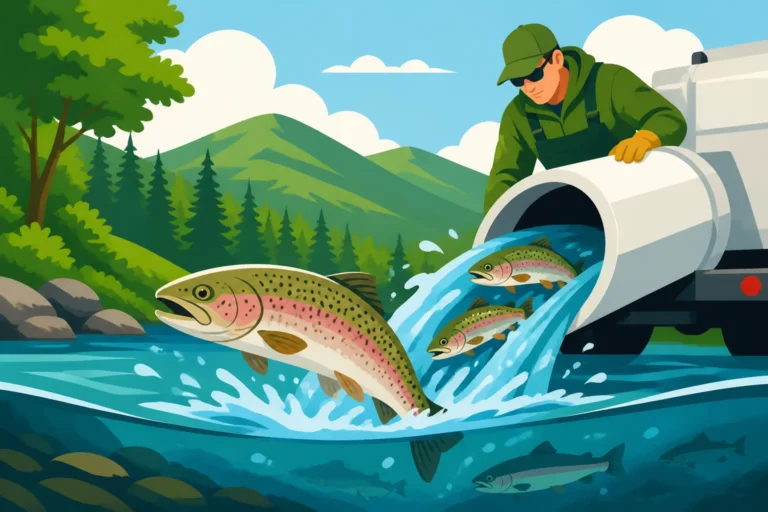
Stocked lake trout, on the other hand, are released at a certain size, usually to supplement populations or establish new fisheries. These fish have had a "head start" in a protected environment, often resulting in quicker initial growth. However, once released, they face the same challenges as wild fish. Their average size upon catch might initially be larger than small wild fish, but their ultimate trophy potential depends heavily on the stocking program's goals and the lake's carrying capacity. Often, the idea is to provide angling opportunities for eating-sized fish, so you'll often find stocked trout in the 18-24 inch range, which is a fantastic size for the dinner table.
Understanding Length and Weight Ranges
For lake trout in Vermont, a truly "average" catch for many anglers might fall into the 18-26 inch range, often weighing anywhere from 2 to 6 pounds. These are healthy, respectable fish that put up a great fight and are excellent table fare. You'll certainly encounter smaller fish, particularly in areas with strong natural reproduction or recent stockings, and every now and then, you'll hit a bigger one.
Consider the factors like the time of year and specific lake. In early spring, after ice-out, lake trout are often aggressive feeders, and you might land more active, chunky fish. In mid-summer, when they retreat to deeper, cooler waters, they can be a bit more lethargic, though still robust. A 20-inch lake trout from one lake might be a bit leaner than a 20-inch lake trout from another lake that has a more abundant forage base, demonstrating that length isn't the only metric. Weight is a huge indicator of health and condition. A short, fat fish is often preferred over a long, skinny one!
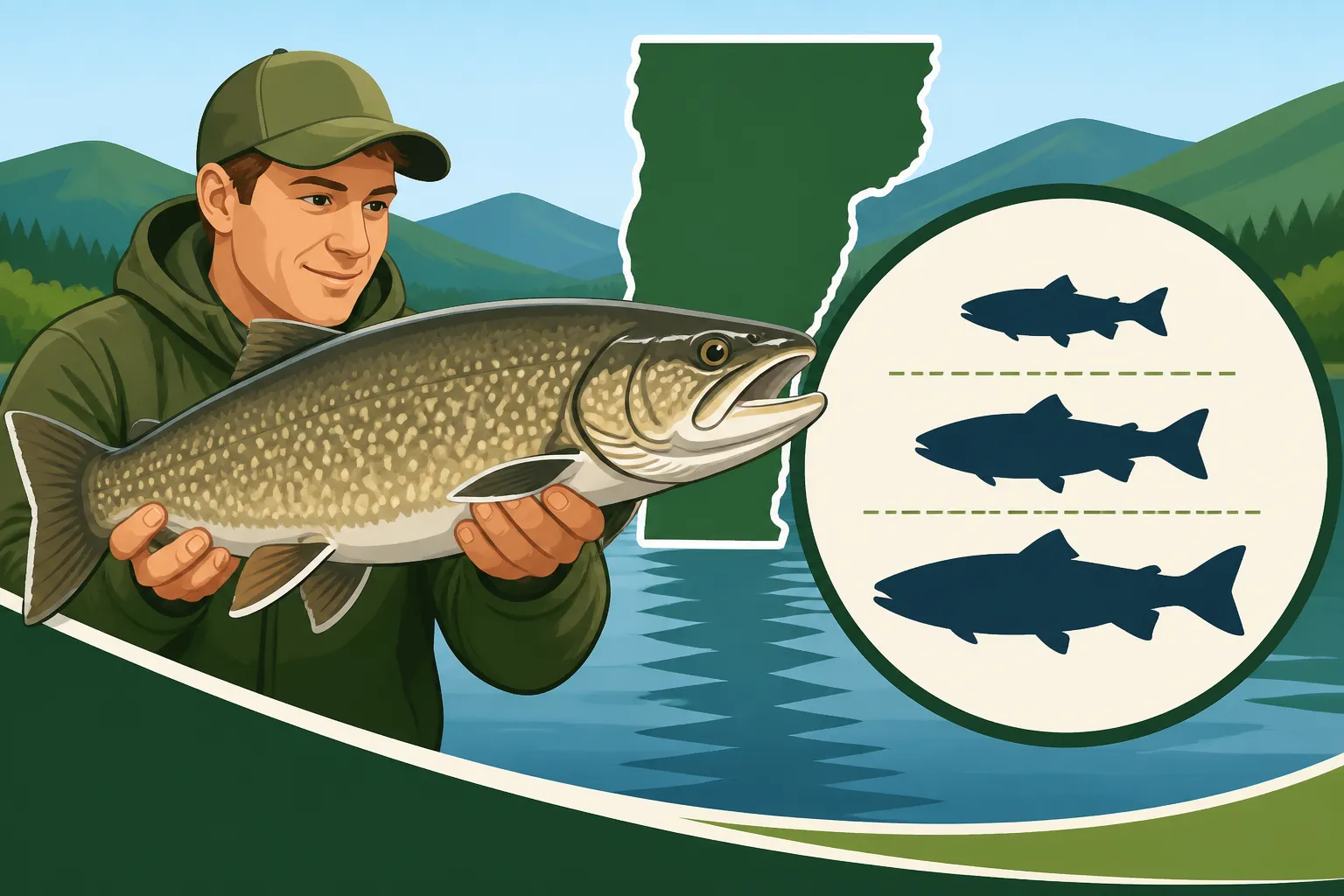
Here's a general idea of what you might expect across different size classes for Vermont lake trout:
| Size Class | Typical Length Range (inches) | Typical Weight Range (pounds) | Common Age Range (years) |
|---|---|---|---|
| Small/Young | 10 – 17 | 0.5 – 2 | 1 – 3 |
| Average | 18 – 26 | 2 – 6 | 4 – 8 |
| Large/Mature | 27 – 34 | 7 – 15 | 9 – 15 |
| Trophy Potential | 35+ | 16+ | 16+ |
These are approximations, of course, and a lake trout's growth is a complex symphony of environmental factors. However, this table gives a solid framework for what you might encounter when you're out there fishing. Lake Trout Fishing in Vermont offers more general insights into targeting these fish.
Key Factors Shaping Lake Trout Growth and Size
The size a lake trout ultimately reaches is a testament to the conditions of its environment. It's not just about how long they live, but how well they thrive. Understanding these factors can give you an edge in finding those bigger fish and appreciating the delicate balance of Vermont's aquatic ecosystems.
Forage Availability and Diet
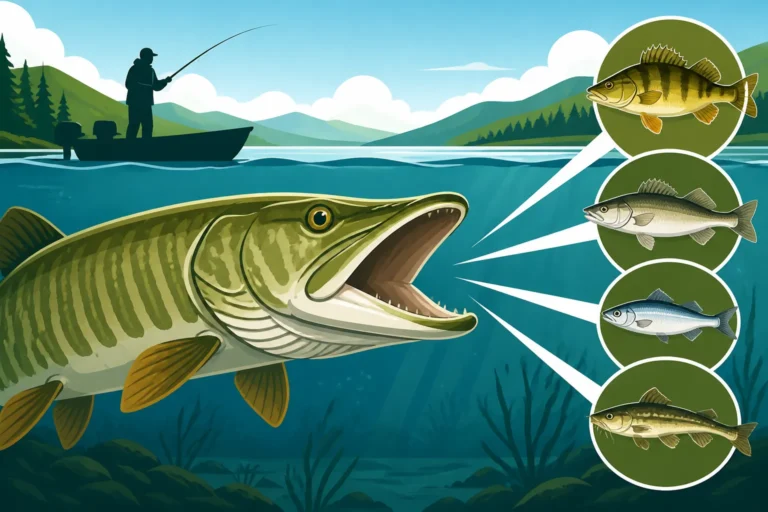
This is arguably the most critical factor. Lake trout are apex predators in most Vermont lakes, meaning they're at the top of the food chain, and their growth is directly tied to the abundance and type of their prey. A lake teeming with baitfish like rainbow smelt, alewives, or even smaller yellow perch and shiners, will produce larger, faster-growing lake trout than a lake with a sparse forage base.
Think of it like this: a growing teenager needs a lot of good food to get big and strong. A lake trout is no different. If they have to expend a lot of energy chasing down scarce meals, their growth will be stunted. Conversely, if they can easily gorge on schools of calorie-rich smelt, they'll pack on the pounds and length quickly. Some lakes are known for their strong smelt populations, which is why those lakes often boast larger average lake trout sizes. If you're looking to target larger trout, understanding the forage base of a particular body of water is paramount. Anglers often research the local baitfish to select lures that mimic them, and you can find a wide array of effective lake trout spoons and crankbaits on platforms like Amazon that imitate these crucial forage species.
Water Temperature and Oxygen Levels
Lake trout are coldwater species through and through. They thrive in deep, clear lakes with consistently cold water, ideally below 55 degrees Fahrenheit, and robust oxygen levels. Vermont's deeper glacial lakes provide these ideal conditions.
During the warmer summer months, lake trout are forced to retreat to the deepest, coolest parts of the lake where water temperatures remain in their comfort zone and, crucially, where dissolved oxygen levels are still high. Lakes that experience "thermal stratification" (distinct layers of water at different temperatures) with a healthy "hypolimnion" (the cold, deep layer) are essential for lake trout survival and growth. If a lake lacks these deep, cold, oxygen-rich refugia, lake trout will be stressed, their metabolism will slow down, and their growth will be negatively impacted. Conversely, lakes with ample cold, oxygenated water provide a vast, comfortable habitat for these fish to grow old and large. How deep lake trout go in summer can help you pinpoint these thermal refuges.
Genetic Factors and Population Density
Just like people, individual fish have genetic predispositions that can influence their maximum size and growth rate. Some fish are simply programmed to grow bigger and faster than others. While anglers don't have control over genetics, fisheries managers do consider the genetics of parent fish in stocking programs to ensure healthy, robust offspring.
Population density also plays a significant role. If a lake has an overabundance of lake trout relative to its food supply, the fish will compete more intensely for resources. This competition can lead to "stunting," where a large number of fish are present, but none reach a truly large size because there isn't enough food to go around. Conversely, a well-balanced population, where the number of fish is proportional to the available forage, tends to produce a healthier average size and a greater potential for trophy-sized fish. This is where regulations like Vermont Lake Champlain Fishing Rules and possession limits come into play, helping to manage populations for optimal health and growth.
Top Vermont Lakes for Encountering Lake Trout of Different Sizes
Vermont is blessed with a number of stunning lakes that host healthy lake trout populations. Each lake, however, has its own character, forage base, and depth, which can influence the average size of the lake trout you're likely to encounter. Knowing these differences can help you tailor your fishing trips and increase your chances of finding the size of fish you're hoping for.
Lake Champlain: Home of the Giants
Without a doubt, Lake Champlain stands as the undisputed champion for lake trout fishing in Vermont. Its sheer size, incredible depth (over 400 feet in some areas), and diverse forage base make it a perfect habitat for lake trout to grow to truly impressive sizes. While the average catch might still be in the 18-26 inch range, the potential for landing a true monster in Champlain is significantly higher than almost anywhere else in the state. Anglers regularly pull lake trout weighing over 10 pounds, and fish exceeding 20 pounds are not uncommon.
Lake Champlain's vastness provides ample deep, cold water throughout the summer, ensuring lake trout remain unstressed and can feed actively. The abundance of rainbow smelt and alewives offers a rich food source, allowing these fish to pack on weight rapidly. Lake Champlain Lake Trout Fishing is a dedicated resource for understanding the nuances of fishing this immense body of water. If you're dreaming of a wall-hanger lake trout, Lake Champlain is where you need to be. Just remember, a lot of patience and specialized deep-water trolling gear is often required. You can find durable trolling setups, including robust rods and reels suitable for Lake Champlain's depths, on Amazon.
Lake Willoughby: Trophy Salmonid Potential
Nestled in the Northeast Kingdom, Lake Willoughby is another jewel known for its deep, clear, and cold waters, making it an excellent habitat for lake trout, as well as landlocked salmon. While perhaps not as famed for sheer size as Champlain, Willoughby consistently produces beautiful, healthy lake trout, often with a slightly higher average weight for their length due to the pristine conditions and rich food sources.
Anglers here often find lake trout in the 20-30 inch range, with fish approaching or exceeding 10 pounds being a reasonable goal. Willoughby's unique fjord-like characteristics and the presence of abundant rainbow smelt contribute to the robust health of its lake trout. It's a lake where the fight can be exceptional, and the beauty of the fish you catch is often unparalleled. Lake Willoughby Fishing Guide provides a fantastic overview of this unique fishing destination.
Other Notable Lakes with Quality Lake Trout Fisheries
While Champlain and Willoughby often steal the spotlight, several other Vermont lakes offer excellent opportunities for catching lake trout, with varying average sizes.
- Lake Memphremagog: Straddling the U.S.-Canadian border, this deep lake also holds good populations of lake trout. While perhaps not as frequently producing giants as Champlain, Memphremagog is known for its strong, healthy lake trout that often average in the 18-28 inch range, with occasional larger fish. It's a fantastic lake for consistent action and quality fish.
- Lake Dunmore: A bit smaller and shallower than the true giants, Lake Dunmore still maintains a viable lake trout fishery. The average size here might trend slightly smaller, perhaps 16-24 inches, but it's a very accessible lake and can be a great place to learn the ropes of lake trout fishing.
- Seymour Lake: Another pristine Northeast Kingdom lake, Seymour offers solid lake trout fishing, often with fish in the 18-26 inch category. Its cold, deep waters are ideal for supporting these species year-round.
- Bomoseen Lake: While known more for its bass and pike, Bomoseen does hold some lake trout. They typically don't reach the same immense sizes as in Champlain or Willoughby, often averaging 16-22 inches, but they are present for those looking to target them in a different environment.
These diverse options mean that no matter where you are in Vermont, or what kind of lake trout experience you're after, there's likely a suitable body of water for you. Each lake presents its own challenges and rewards, contributing to the rich tapestry of Best Fishing Lakes in Vermont.
Understanding Lake Trout Longevity and Trophy Potential
Lake trout are fascinating fish, not just for their fighting prowess, but for their incredible longevity. They are slow-growing, long-lived species, and this characteristic directly ties into their potential to reach true "trophy" sizes. Patience, both from the fish and the angler, is a virtue when it comes to trophy lake trout.
How Long Lake Trout Live
One of the most remarkable aspects of lake trout is their potential lifespan. In pristine, cold, deep waters with an abundant food source and minimal fishing pressure, lake trout can live for a very long time. It's not uncommon for lake trout in Vermont's deeper lakes, especially Lake Champlain, to live for 15-20 years. Some studies have even documented individuals living upwards of 25-30 years in other parts of their range.
This extended lifespan means that a lake trout needs many seasons of feeding and growing to reach those truly massive sizes that capture anglers' imaginations. A 10-pound lake trout is likely at least 10 years old, if not more, having survived countless winters and evaded numerous predators and anglers. This longevity also underscores the importance of catch-and-release, especially for larger breeding fish, to ensure these long-lived individuals continue to contribute to the population. Knowing How long lake trout live in Vermont puts their growth into perspective.
Defining a "Trophy" Lake Trout in Vermont
What constitutes a "trophy" lake trout can be subjective, varying from angler to angler. For some, a fish over 10 pounds is a trophy. For others, it's a specific length, perhaps anything over 30 inches. Given the potential of Vermont's waters, particularly Lake Champlain, a true trophy lake trout is often considered to be a fish weighing 15 pounds or more, or exceeding 35 inches in length.
Landing such a fish is a significant accomplishment and often requires specialized gear, persistent effort, and a good understanding of lake trout behavior and their deepwater haunts. These are the fish that have beaten the odds, growing to mature, dominant sizes. They are often the most important breeders, contributing significantly to future generations. Catching one is a moment to savor and often to photograph and then release, ensuring others have the chance to experience such a magnificent creature. The Vermont state record lake trout weight gives you an idea of the absolute giants swimming in these waters.
Strategies for Targeting Larger Fish
If your goal is to specifically target larger lake trout, you'll need to adjust your approach from simply catching "average" fish.
- Go Deeper: Larger lake trout generally prefer deeper, colder water, especially during the warmer months. This means employing techniques like downriggers, lead core line, or heavy jigging spoons to present your baits and lures at depths of 50, 100, or even 200+ feet.
- Use Bigger Baits: While smaller lake trout will hit smaller lures, larger fish are often looking for a more substantial meal. Larger spoons, crankbaits, and even live or dead baitfish (where legal) can entice bigger strikes.
- Target Productive Lakes: Focus your efforts on lakes known for producing larger lake trout, like Lake Champlain or Lake Willoughby. These lakes have the forage and habitat to support larger fish.
- Fish During Prime Times: Early spring (post-ice-out) and late fall (pre-ice-up) can offer excellent opportunities for larger, shallower lake trout as they move up in the water column to feed aggressively. Night fishing in certain conditions can also be effective.
- Patience and Persistence: Targeting trophy fish is a game of patience. You might have fewer bites, but when you do connect, it's often with a fish of a lifetime. Researching Best Techniques for Deep Water Summer Lake Trout can provide valuable insights into these specialized methods.
Angler Techniques and Conservation for Healthy Lake Trout Populations
Being a responsible angler means not just knowing how to catch fish, but also understanding how your actions impact the fishery. For a long-lived species like the lake trout, ethical angling and conservation practices are absolutely vital to maintain healthy populations and ensure that future generations can enjoy the thrill of catching these magnificent fish.
Impact of Angling Pressure on Average Size
Intense angling pressure, particularly harvest-oriented fishing, can undeniably impact the average size of fish in a population. When a large number of fish are removed, especially the larger, older individuals, it can shift the average size downwards. This is why regulations, such as Vermont Bag and Possession Limits by Species, are in place – to manage harvest and prevent overexploitation, allowing fish to reach maturity and contribute to spawning.
In waters with high fishing pressure, anglers might consistently catch fish that are on the smaller end of the "average" spectrum. This isn't necessarily a bad thing; it means the population is healthy enough to sustain pressure. However, for those seeking larger fish, it emphasizes the importance of targeting less-pressured areas or employing techniques that select for larger fish, often involving deeper presentations or larger baits.
Responsible Catch and Release Practices
Catch and release is a cornerstone of modern conservation, especially for species like lake trout that have long lifespans and take many years to reach large sizes. Practicing responsible catch and release, particularly for large breeding females, ensures these valuable fish can continue to reproduce and contribute to the health and vitality of the lake trout population.
Here are some key tips for successful catch and release:
- Minimize Fight Time: Use appropriately sized tackle to bring the fish in quickly, reducing stress and exhaustion.
- Handle with Care: Keep the fish in the water as much as possible. If you must bring it aboard, use a knotless, rubberized landing net (not a knotted nylon net that can remove slime layers).
- Wet Your Hands: Always wet your hands before touching the fish to protect its protective slime coat, which acts as a barrier against disease.
- Avoid Overhandling: Hold the fish horizontally, supporting its belly, and avoid squeezing it, especially around the gills or internal organs.
- Remove Hooks Quickly: Use pliers or a dehooking tool to remove hooks gently and efficiently. Barbless hooks can make this much easier.
- Revive If Necessary: If the fish seems sluggish, hold it upright in the water, facing into the current, and gently move it back and forth to force water over its gills until it swims away on its own power. Don't just toss it back!
- Consider Water Temperature: In very warm surface waters, consider that catch-and-release can be stressful for coldwater species. Target depths where they are comfortable.
By following these practices, you give that magnificent lake trout the best chance of survival, ensuring it can grow even larger and continue to be part of Vermont's incredible fishery. It's a small effort that makes a huge difference.
The Role of Fisheries Management and Stocking
Vermont's Fish and Wildlife Department plays a crucial role in maintaining healthy lake trout populations. Through scientific research, population surveys, habitat protection, and responsible stocking programs, they work to ensure the long-term sustainability of these fisheries.
Stocking programs are often used to supplement natural reproduction, especially in lakes where wild populations might struggle, or to provide additional angling opportunities. These efforts, combined with careful regulation of seasons, size limits, and bag limits, are designed to balance angler enjoyment with the ecological needs of the lake trout. Understanding the Vermont Fish Stocking Search Tool, Explained can give you insight into where and when fish are being stocked, potentially influencing your fishing plans.
Ultimately, the average size of lake trout you find in Vermont is a direct reflection of these combined factors: the richness of the lake, the natural resilience of the fish, and the diligent efforts of both fisheries managers and conscientious anglers. Each lake trout, regardless of its size, is a testament to the wild beauty and ecological health of Vermont's waters.
Disclaimer
This article is for general informational purposes only and does not constitute professional advice. Laws, prices and regulations vary by location and change over time. Consult a qualified professional for guidance on your specific situation.